
Winter Dehydration

Dehydration in the winter may seem less likely than in the summertime, but it is still a risk. According to the U.S. National Academies of Sciences, Engineering, and Medicine, the recommended amount of daily fluid intake is around 15.5 cups for men and 11.5 for women. For many of us, it might be harder to reach these quantities during the winter months.

Some causes of winter dehydration include:

  • Indoor heat
  • Bundling up in too many layers
  • Lack of thirst
  • Fluid loss from respiration
  • More frequent urination

There are many signs of dehydration, including:

  • The color of your urine
  • Constipation
  • Fatigue
  • Dry mouth and chapped lips
  • Dry skin
  • Headaches
  • Difficulty concentrating
  • Irritability
  • Feeling faint or dizzy
  • A rapid heart rate

Here are some tips for staying hydrated in the winter:

  • Drink warm fluids if it is too difficult to drink cold water when it’s cold outside.
  • Infuse plain water by adding flavorings such as a wedge of lemon or lime, other pieces of fruit, or unsweetened water enhancers.
  • Carry a reusable water bottle with you to encourage daily hydration.
  • Eat homemade soups and water-rich fruits and vegetables to help increase fluid intake.
  • Avoid drinking caffeine as it can contribute to dehydration.
  • Swap drinking an alcoholic beverage for a mocktail.
  • Make hydration a routine by drinking a certain amount of water daily.

If you have symptoms of dehydration, consult with a physician immediately. A severe case of dehydration can lead to complications and potentially death. For less severe cases, you can schedule an appointment with a physician at Flushing Hospital Medical Center by calling 718-670-5486.

All content of this newsletter is intended for general information purposes only and is not intended or implied to be a substitute for professional medical advice, diagnosis or treatment. Please consult a medical professional before adopting any of the suggestions on this page. You must never disregard professional medical advice or delay seeking medical treatment based upon any content of this newsletter. PROMPTLY CONSULT YOUR PHYSICIAN OR CALL 911 IF YOU BELIEVE YOU HAVE A MEDICAL EMERGENCY.

Christmas Recipe

It is Christmas Eve, and we are putting the final touches on our Christmas trees and putting the remaining wrapped gifts underneath, with Christmas only a day away; we are also preparing our menus for the festive holiday.  

One dish that will help brighten up the dinner table is a Christmas pasta salad. With its festive colors and vibrant green dressing, this pasta dish will be pleasing to the eye and the palate. 

Christmas Pasta Salad Recipe | Food Network Kitchen | Food Network 

All content of this newsletter is intended for general information purposes only and is not intended or implied to be a substitute for professional medical advice, diagnosis or treatment. Please consult a medical professional before adopting any of the suggestions on this page. You must never disregard professional medical advice or delay seeking medical treatment based upon any content of this newsletter. PROMPTLY CONSULT YOUR PHYSICIAN OR CALL 911 IF YOU BELIEVE YOU HAVE A MEDICAL EMERGENCY.
Holiday Eating Tips After Bariatric Surgery

It’s the holiday season, and as we spend time with our family and friends, we enjoy each other’s company over delicious meals. Unfortunately, the holiday season can be a time when we run into problems with weight gain. It can be especially challenging after bariatric surgery. Fortunately, there are many ways to manage our weight during the holiday season. Here are 10: 

  1. Don’t save your calories. It may be tempting to skip meals to save calories for holiday treats, but it is better to stick to your regular eating patterns. You are more likely to overeat if you arrive at a holiday function hungry 
  1. Remember the basics. Just because it is the holidays doesn’t mean you can’t maintain the same healthy eating habits you had during the rest of the year. Pay attention to your portion sizes, start with protein, eat slowly, and track what you eat. Keeping these basic rules in mind can help you avoid overeating 
  1. Be mindful of how much you are eating. Eating while socializing can easily lead to eating too much. Enjoy the company and conversation and save eating for a time when you can focus on your meal 
  1. Avoid the buffet table and the kitchen. Standing close to where the food is being served may result in mindless noshing. Carefully select the food you truly want to try, and then walk away 
  1. Limit alcohol consumption. Drinks containing alcohol are full of empty calories. It is better to eat your calories than to drink them. Additionally, alcohol doesn’t just add calories; it can also dehydrate you. Be aware that alcohol can affect you differently after bariatric surgery. You may feel the effects much sooner, even after consuming less alcohol. You are also more likely to overeat at the buffet table after a couple of drinks 
  1. Stay hydrated. It is important to drink plenty of water and plan ahead. This ensures that you can avoid drinking within 30 minutes of eating and still get in the recommended 64 ounces a day 
  1. Exercise. The holiday season can be a busy time, and our exercise routines may suffer because of it. It is easier to get out of the habit of exercising than it is to get back into it after the holidays. Consider creating a workout schedule or organizing activities for the family that get everyone moving 
  1. Bring a healthy dish to share. This will ensure that there is a healthy food option at the gathering 
  1. Find healthy alternatives for your favorite recipes. Look for healthier substitutions that cut the fat and calories of recipes. Some examples include: 
  • Using skim milk instead of whole milk in mashed potatoes 
  • Using fat-free creamed soups in recipes rather than full-fat versions 
  • Replacing sugar with unsweetened apple sauce or noncaloric sweeteners in desserts 
  • Adding flavor with garlic, spices, and herbs rather than fats such as butter and gravy 
  • Combining ¼ cup of Greek yogurt with ½ cup of butter to replace 1 cup of butter in a recipe 
  • Replacing each egg with two egg whites and substitute evaporated skim milk in place of heavy cream when baking your favorite holiday treats 
  1. Be kind to yourself. You may overeat a bit or sample more treats than you should. However, that doesn’t mean all is lost. It is important to forgive yourself and recommit to healthy patterns and move forward. It is okay to have a treat once in a while. 

Undergoing bariatric surgery requires preparation, dedication, and several lifestyle adjustments. Adopting a whole different way of eating can be challenging, and it will take some time to get used to it. Following these tips can help you plan and enjoy your food in moderation. 

For more information about the Bariatric Surgery Services at Flushing Hospital or procedures performed by our doctors, please call718-408-6977 or 718-670-8908. 


All content of this newsletter is intended for general information purposes only and is not intended or implied to be a substitute for professional medical advice, diagnosis or treatment. Please consult a medical professional before adopting any of the suggestions on this page. You must never disregard professional medical advice or delay seeking medical treatment based upon any content of this newsletter. PROMPTLY CONSULT YOUR PHYSICIAN OR CALL 911 IF YOU BELIEVE YOU HAVE A MEDICAL EMERGENCY.

National Safe Toys and Gifts Month

December is National Safe Toys and Gifts Month. It is an annual observance dedicated to promoting the safety of toys and gifts for children, particularly during the holiday season. It serves as a reminder to parents, caregivers, and gift-givers to choose age-appropriate and safe toys to ensure the well-being of the children who receive them.  

Started by the nonprofit organization, Prevent Blindness, National Safe Toys and Gifts Month focuses on raising awareness about the importance of selecting toys and gifts that meet safety standards and align with a child’s age and developmental stage. The month aims to prevent accidents and injuries caused by inappropriate or hazardous toys, especially when gift-giving is most common.  

Too often, accidents involving children and toys occur and may result in eye injuries. Each year, thousands of children ages 14 and younger suffer serious eye injuries, including blindness, from toys, according to the American Academy of Ophthalmology. Approximately one in ten children’s eye injuries caused by toys end up in the ER.  

Promoting safe toys and gifts during this month is essential for children’s well-being. Ways to participate and ensure safe gift-giving include: 

  • Check the labels of the toys before purchasing them. Always look for age-appropriate labels on toys and gifts and follow the manufacturer’s recommendations. 
  • Avoid toys with small parts, which can be choking hazards for young children. 
  • Inspect the toys for any hazards by examining them for sharp edges, loose parts, or any potential dangers that could harm children. 
  • Research the toys and gifts online by reading reviews and asking for recommendations from other parents and caregivers.  
  • Consider the child’s age before buying any gifts or toys. Also consider their interests and abilities when selecting gifts for them. 
  • Support educational toys by choosing toys and gifts that encourage learning, creativity, and development. 
  • Spread awareness by sharing safety tips and information about safe toys and gifts month with your community and on social media. 

Taking proper precautions can avoid many accidents and injuries involving children’s toys. Let’s all do our part to encourage their safety. 

To schedule an eye exam for your child at Flushing Hospital’s Medical Center Ambulatory Care Center, call (718) 670-5486. If there is an emergency, please call 911.  


All content of this newsletter is intended for general information purposes only and is not intended or implied to be a substitute for professional medical advice, diagnosis or treatment. Please consult a medical professional before adopting any of the suggestions on this page. You must never disregard professional medical advice or delay seeking medical treatment based upon any content of this newsletter. PROMPTLY CONSULT YOUR PHYSICIAN OR CALL 911 IF YOU BELIEVE YOU HAVE A MEDICAL EMERGENCY.
Marijuana Addiction

Marijuana addiction, or cannabis use disorder (CUD), is a complex mental health condition that involves a problematic pattern of cannabis use.   

Cannabis refers to all products that come from the Cannabis sativa plant. This includes its dried flowers, leaves, stems, and seeds. The plant itself contains over 500 chemical substances. 

Cannabis use disorder mainly involves THC-containing substances, such as marijuana.  

Marijuana is part of, or products from, the Cannabis sativa plant that contain substantial amounts of tetrahydrocannabinol (THC), which is the chemical that creates the “high” feeling.  

CUD is a spectrum, which can be mild, moderate, or severe, typically involving an overpowering desire to use cannabis, increased tolerance to cannabis, and/or withdrawal symptoms when it is stopped being taken.  

CUD can significantly impact a person’s health, relationships, and overall quality of life.  

Cannabis use disorder can be mild or moderate, with the most severe form being marijuana addiction. This is due to continued marijuana use despite negative consequences. Marijuana addiction occurs when the reward system in the brain takes over, increasing compulsive marijuana-seeking.  

CUD is common. Researchers in 2021 estimated that 5.8%, or about 16.3 million people, in the U.S. 12 years or older have a cannabis use disorder in the previous 12 months.  

According to the American Psychiatric Association’s Diagnostic and Statistical Manual of Mental Disorders (DSM-5), the signs of cannabis use disorder include: 

  • Taking cannabis in larger amounts and for a longer period than you intended 
  • Having a strong desire or urge to use cannabis 
  • Having unsuccessful efforts to cut down on or control cannabis use 
  • Spending a lot of time getting or using cannabis or recovering from its effects 
  • Having issues fulfilling responsibilities at work, school, or home due to cannabis use 
  • Continuing to use cannabis even when it causes problems in relationships 
  • Giving up social, occupational, or recreational activities because of cannabis use 
  • Using cannabis repeatedly, even when it puts you in danger 
  • Continuing cannabis use despite an ongoing physical or psychological problem that cannabis is likely causing or making worse 
  • Developing tolerance, which is the need for increased amounts of cannabis to get the same effect 
  • Experiencing cannabis withdrawal symptoms, which you can relieve by taking more of it 

It is essential to seek medical care as soon as you have signs of cannabis use disorder. 

There are other symptoms and behaviors of cannabis use disorder. They include: 

  • Memory issues, such as confusion 
  • Difficulty learning 
  • Hallucinations and/or delusions 
  • Sudden changes in your mood and behavior, such as withdrawing from friends and family 
  • Hostility or denial when someone confronts you about your excessive cannabis use 
  • No longer caring about your physical appearance as much as you used to 
  • Secretive behavior, such as hiding your cannabis use 

There is a progression to cannabis use disorder that often follows a pattern that includes: 

  • Experimental use 
  • Occasional use 
  • Heavy use 
  • Substance use disorder 

The progression of cannabis use disorder is complex, and several factors can contribute to the development of substance use disorder, including: 

  • THC’s effect on brain chemistry: marijuana sends massive surges of dopamine, the neurotransmitter and “feel good” hormone, through the brain, causing the user to seek out experiences that reward them with good feelings 
  • Genetics: studies show that genetic factors are responsible for 40%-60% of the vulnerability to any substance use disorder 
  • Mental health conditions: about half of people who experience a mental health condition will also experience a substance use disorder, such as CUD, and vice versa, which is known as a dual diagnosis. Substance use disorders and other mental health conditions happen because of overlapping factors such as: 
  • Genetic vulnerabilities 
  • Issues with similar areas of the brain 
  • Environmental influence 
  • Access and exposure to cannabis: having access to cannabis is a major environmental factor that can increase the extent of exposure and the opportunity. Other factors can include: 
  • Use of cannabis by a member of your household 
  • Use of cannabis by your peers 
  • Having a medical marijuana certificate in states where it is legal 

Certain factors may increase your risk of developing CUD, including: 

  • Age: People who begin using cannabis before the age of 18 are four to seven times more likely to develop CUD than adults 
  • The potency of marijuana: Using marijuana with a higher potency may increase your risk for CUD. In addition, some methods of using marijuana, such as dabbing or vaping concentrates, may deliver very high levels of THC to your body 
  • Frequency of use: In one study, 17% of people who used cannabis weekly and 18.8% of people who used cannabis daily met the criteria for cannabis dependence  
  • Depression: Having depression may increase your risk of developing CUD 
  • Sex: males are more likely to develop CUD 
  • Other substance use: using or misusing other substances such as alcohol, nicotine, or hallucinogens may increase your risk of CUD 

Cannabis use disorder can’t be diagnosed with a single test. Healthcare providers instead rely on a thorough evaluation of your medical history and behaviors surrounding cannabis use. They may also order drug tests.  

A healthcare provider will also ask about your mental health history, as it is common to have CUD and some type of mental health condition.  

Treatment for cannabis use disorder depends on the severity of the disorder and is highly individualized, and you may need different types of treatment at different times.  

Treatment for CUD often requires continuing care to be effective because it is a chronic condition with the potential for both recovery and relapse. 

People with CUD often have co-occurring mental health conditions, and it is generally better to treat them together rather than separately.  

There are two main forms of treatment for CUD. They include: 

  • Detoxification 
  • Cognitive and behavioral therapies 

To find out more about our mental health services or to schedule a virtual appointment, call (718) 670-5316 to speak with our intake coordinator or call (718) 670-5562 to reach the clinic. 


All content of this newsletter is intended for general information purposes only and is not intended or implied to be a substitute for professional medical advice, diagnosis or treatment. Please consult a medical professional before adopting any of the suggestions on this page. You must never disregard professional medical advice or delay seeking medical treatment based upon any content of this newsletter. PROMPTLY CONSULT YOUR PHYSICIAN OR CALL 911 IF YOU BELIEVE YOU HAVE A MEDICAL EMERGENCY.
What is the Chikungunya Virus?

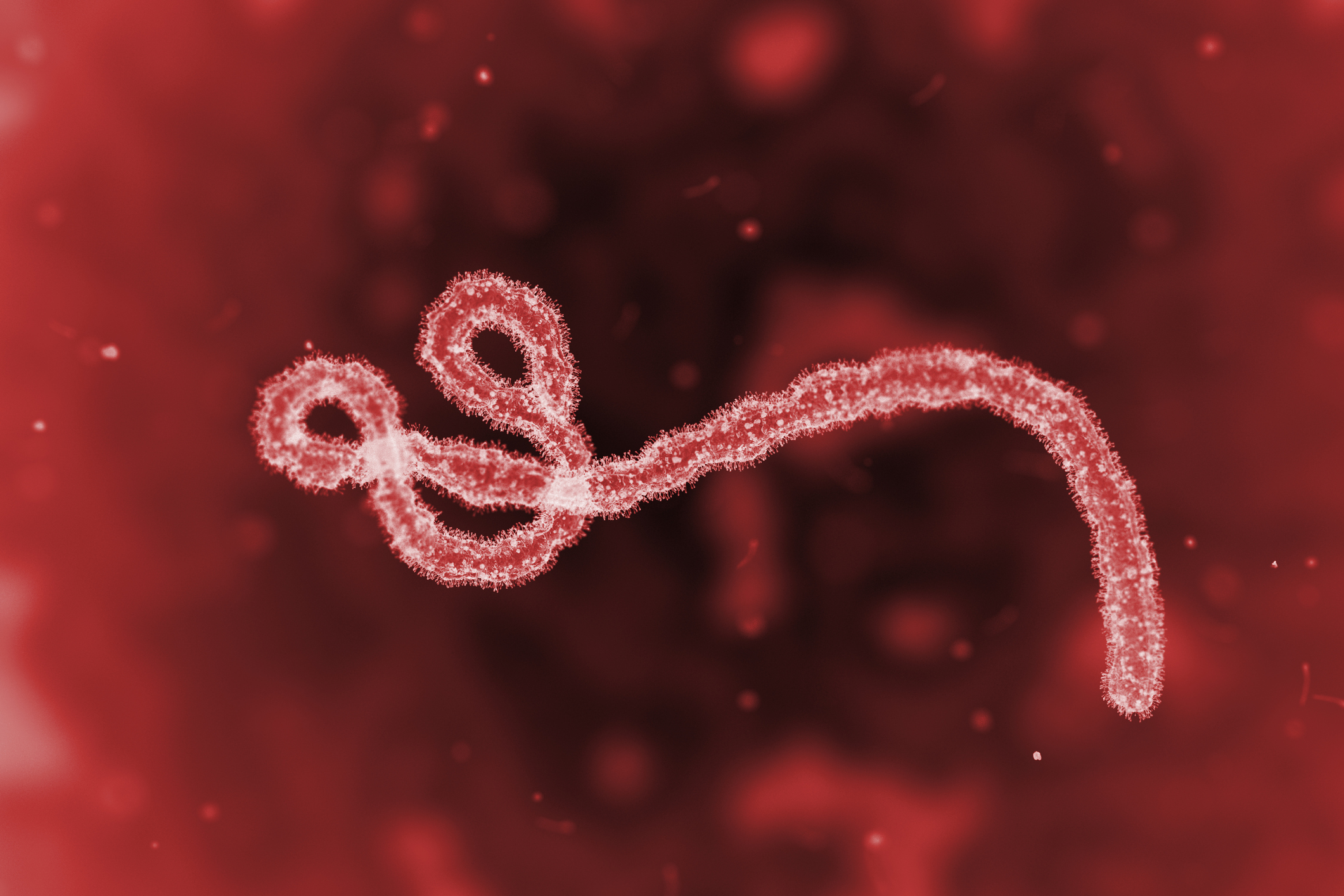
There have been many cases of the Chikungunya virus reported in the news lately. The Chikungunya virus is a virus that spreads to people through the bite of mosquitoes that are infected with the virus.  

Experts believe that the number of cases of the Chikungunya virus is underreported because its symptoms are like other diseases. Once only in Africa and Asia, the virus has affected more than 110 countries worldwide.  

Symptoms of chikungunya usually develop between three to seven days after being bitten by an infected mosquito. However, some people have symptoms as early as two days or as long as 12 days after a mosquito bite. Fever and joint pain are the most common symptoms of the Chikungunya virus. The intensity of symptoms can vary depending on the person. Many people can feel crippling joint pain and develop a sudden fever. Other people may have mild symptoms that they mistake the virus for another illness or don’t visit a healthcare provider. Other symptoms of the Chikungunya virus include: 

  • Headache 
  • Muscle pain 
  • Swelling in the joints 
  • Rash 
  • Fatigue 
  • Nausea 

Most people can experience symptoms for about a week and go on to make a full recovery. However, the most common complication of the Chikungunya virus is chronic joint pain, which some people have reported for months or years after they were infected with the virus. 

Getting bitten by a mosquito infected with the chikungunya virus causes a person to get the virus. It is not spread from person to person through bodily fluids or contact. However, although rare, transmission of the virus is possible when coming into direct contact with infected blood. 

A person who has traveled to a country that has had a current outbreak or known transmissions is most likely to get the virus, so it is very important to check with your healthcare provider or with health organizations such as the World Health Organization (WHO) to see if you are at risk of getting the Chikungunya virus before you travel.  

Please note that pregnant women with the virus don’t transmit it to the fetus. There is also no evidence that shows the virus spreads to an infant through breast milk. However, women who are pregnant and near their due date should avoid traveling to countries with known cases because it may be passed to their baby during delivery.  

There have been cases of the chikungunya virus reported in the U.S., but it is rare. According to the Centers for Disease Control and Prevention (CDC), only 36 cases were reported in the U.S. in 2021. Almost all cases occur in people who have returned to the U.S. from countries with active outbreaks. Some places that have had outbreaks reported include countries in: 

  • Africa 
  • Asia 
  • Europe 
  • India 
  • Islands in the Caribbean, Pacific, and Indian oceans 
  • Central and South America 

Newborns, adults 65 and older, and people with certain health conditions are at risk for more severe complications from the virus. These health conditions include: 

  • Diabetes 
  • High blood pressure 
  • Heart disease 

There have been several cases where a person has reported ongoing heart, eye, or neurological symptoms after recovering from the virus. Death from the virus is rare. 

Chikungunya virus is diagnosed when a healthcare provider performs a blood test after you have let them know that you have been experiencing symptoms of the virus, and if you have recently traveled to an area of the world that is known to have chikungunya transmission.  

Treatment for the Chikungunya virus focuses on managing the infected person’s symptoms. Treatments include: 

  • Drinking plenty of fluids 
  • Getting a lot of rest 
  • Taking acetaminophen for pain. Do not take nonsteroidal anti-inflammatory drugs (NSAIDs) or aspirin until your healthcare provider makes a diagnosis 

Most people feel better within one week of their first symptoms. However, despite some people reporting ongoing joint pain for several months or years, most evidence suggests that once you’ve had the Chikungunya virus, you are unlikely to get it again because you develop immunity to the virus. 

There is no cure for the Chikungunya virus, but the illness is temporary. However, it can be prevented by getting the vaccine, avoiding mosquitoes, and being especially cautious when traveling to areas where outbreaks of the virus are more common. 

If you or a loved one is experiencing symptoms of the Chikungunya virus, you can receive treatment from a physician at Flushing Hospital Medical Center’s Ambulatory Care Center. To schedule an appointment, please call (718) 670-5486. 

All content of this newsletter is intended for general information purposes only and is not intended or implied to be a substitute for professional medical advice, diagnosis or treatment. Please consult a medical professional before adopting any of the suggestions on this page. You must never disregard professional medical advice or delay seeking medical treatment based upon any content of this newsletter. PROMPTLY CONSULT YOUR PHYSICIAN OR CALL 911 IF YOU BELIEVE YOU HAVE A MEDICAL EMERGENCY.

The Importance of Getting Vaccinated During Cold and Flu Season

Flu season can be unpredictable, as it can begin as early as fall and can last until spring. Flu activity is usually at its peak during winter, and public healthcare professionals, advocates, and communities come together to promote flu vaccination as the flu can cause serious health complications, such as bacterial infections or pneumonia. If it isn’t treated in time, the flu can even lead to death. 

Vaccination is particularly important for people who are at higher risk of developing serious flu complications, including pregnant women and young children. Millions of children get sick with the flu every year, and thousands will be hospitalized as a result. Women are also at higher risk of developing serious flu complications during pregnancy.  

Since flu viruses are constantly changing and protection from vaccination decreases over time, getting a flu vaccine every year is the best way to reduce your risk of the flu. A flu vaccine is the only vaccine that protects against the flu and has been shown to reduce the risk of illness from the flu, hospitalization, and death.  

During flu season, we encourage everyone six months and older to get their annual flu vaccine, especially pregnant women, young children, and other people who are at a higher risk of developing serious flu complications. The more people who get vaccinated against the flu, the more people who will be protected from it. 

If you or a loved one would like to get the flu vaccine, you can visit Flushing Hospital Medical Center’s Ambulatory Care Center. To schedule an appointment, please call (718) 670-5486. 

All content of this newsletter is intended for general information purposes only and is not intended or implied to be a substitute for professional medical advice, diagnosis or treatment. Please consult a medical professional before adopting any of the suggestions on this page. You must never disregard professional medical advice or delay seeking medical treatment based upon any content of this newsletter. PROMPTLY CONSULT YOUR PHYSICIAN OR CALL 911 IF YOU BELIEVE YOU HAVE A MEDICAL EMERGENCY.

Does Nasal Irrigation Effectively Fight the Common Cold?

The winter season is approaching quickly, and with it comes the cold season. When we come down with a cold, we try different methods to relieve our cold symptoms.  

However, using a simple saline or saltwater solution can help reduce the duration of these symptoms.  

A pilot study done in 2019 found that flushing your nose with a 3% saline solution, which is higher than the standard 0.9% concentration, can reduce cold symptoms in almost two days.  

Additionally, researchers say that saline nasal drops may help reduce transmission rates of cold viruses.  

In the same 2019 study, 93% of participants said the 3% saline solution made a difference in their symptoms, and 61% said they would use it again during another cold.  

Most people may catch a cold two or three times each year, as the cold virus spreads easily via contaminated droplets. Saline solution is an affordable, easy-to-use treatment that may help slow down the spread of the cold virus between family members.  

Saline nasal drops may also help to clear up a runny nose. The solution may help reduce viral load, the amount of the virus in a person’s system, by flushing out the nasal passages.  

Saline nasal drops help flush out mucous and inflammatory mediators, which are chemical messengers that play a crucial role in initiating and regulating the body’s inflammatory response. This can improve cold symptoms and give the immune system a better chance to fight the infection.  

When you are looking to buy saline nasal drops or sprays, it is important to look for a saline percentage or the words “hypertonic” or “extra-strength” on the label. Many brands of saline solutions sell 3% hypertonic nasal spray, but it is important to read the labels carefully to confirm the product does not contain other added medications.  

You can also make a saline solution at home with salt, baking soda, and water. It is important to only use distilled or boiled and cooled tap water when preparing the solution, as the quality of tap water varies, and there may be things such as bugs and germs present.  

To make the saline solution, combine three tablespoons of salt and one teaspoon of baking soda. Avoid any salts that contain iodine, preservatives, or anti-caking agents because these can irritate your nose. Put one teaspoon of the salt-baking soda mixture into eight ounces of distilled or boiled water. Baking soda helps reduce irritation; however, you may still experience some irritation in the nose or throat after using the saline solution.  

Although hypertonic nasal drops or sprays could be prepared correctly, they can still irritate the nose and throat. Some people may even experience a temporary burning sensation. Use the hypertonic saline solution as tolerated. It is important to talk to your healthcare provider about alternative cold remedies if the saline solution doesn’t work well for you and if your cold symptoms persist or get worse. 

If you or a loved one is experiencing symptoms of a cold, you can receive treatment from a physician at Flushing Hospital Medical Center’s Ambulatory Care Center. To schedule an appointment, please call (718) 670-5486. 


All content of this newsletter is intended for general information purposes only and is not intended or implied to be a substitute for professional medical advice, diagnosis or treatment. Please consult a medical professional before adopting any of the suggestions on this page. You must never disregard professional medical advice or delay seeking medical treatment based upon any content of this newsletter. PROMPTLY CONSULT YOUR PHYSICIAN OR CALL 911 IF YOU BELIEVE YOU HAVE A MEDICAL EMERGENCY.
Dealing with Depression During the Holiday Season

The holidays are a time when we spend joyous and happy moments with friends and family. However, for some, the holidays can bring a lot of sadness, loneliness, and even depression. This is called holiday depression.  

Holiday depression can feel a lot like regular depression; however, it is triggered by the onset of the holidays, large family gatherings, and attending or hosting social events. Holiday depression is like the “winter blues”, but it may come and go in quick bursts as one event ends and another begins, or it can linger for days or weeks leading up to and beyond the holiday season.  

Holiday depression can disrupt relationships, mental health, and the ability to manage everything that comes with the holiday season.  

Holiday depression can affect anyone at any time, and it can be hard on a person’s mental health, as it can be triggered by various things, including: 

  • Stressful schedules 
  • Putting pressure on yourself 
  • Separation from loved ones 
  • Loneliness 
  • Family dynamics 
  • Seasonal depression 
  • Social anxiety 
  • Holiday trauma 

There are several signs of holiday depression. They can include: 

  • Feeling depressed and hopeless for more days than not 
  • Loss of interest in things you used to enjoy 
  • Constantly feeling anxious, nervous, or on edge 
  • Trouble sleeping over an extended time 
  • Intrusive thoughts that are difficult to manage on your own 
  • Thoughts of self-harm or suicide 

Holiday depression can feel daunting as you navigate the season. However, there are many ways to cope with and find support and emotional stability that can help you get through this difficult time of year. They include: 

  • Remembering a loved one 
  • Setting boundaries 
  • Staying connected with friends and family 
  • Limiting social media use 
  • Sharing happy memories 
  • Setting realistic expectations for the holidays 
  • Taking care of yourself 
  • Seeking support and help 

If you are having harmful thoughts, such as thoughts about suicide, or believe you are experiencing a mental health or emotional crisis, you can contact the 988 Suicide & Crisis Lifeline 24/7 through phone, chat, or text, go to the hospital, or call your local 911 hotline and your doctor right away to get the help you need. 

No one should face their mental health challenges alone. To learn more about our outpatient mental health services at Flushing Hospital Medical Center or to schedule a virtual appointment, please call (718) 670-5316 to speak with our intake coordinator or (718) 670-5562 to reach the clinic. 

All content of this newsletter is intended for general information purposes only and is not intended or implied to be a substitute for professional medical advice, diagnosis or treatment. Please consult a medical professional before adopting any of the suggestions on this page. You must never disregard professional medical advice or delay seeking medical treatment based upon any content of this newsletter. PROMPTLY CONSULT YOUR PHYSICIAN OR CALL 911 IF YOU BELIEVE YOU HAVE A MEDICAL EMERGENCY.

New Norovirus Variant

Norovirus cases are rising as a new variant of the virus is spreading across the U.S., with 153 outbreaks being reported between August and November so far. This is compared to 235 outbreaks reported during this same period last year. This is due to a mutated variant of the virus called GII.17.

Norovirus is a group of viruses that cause severe vomiting and diarrhea. It is very common and highly contagious. Norovirus outbreaks occur most often between November and April in countries above the equator and between April and September in countries below the equator.

There are several symptoms of norovirus, including:

· Nausea

· Stomach pain

· Headache

· Fever

· Body aches

Symptoms usually appear 12 to 48 hours after exposure to the virus and last one to three days. Norovirus symptoms are generally the same in both adults and children. Adults may experience more diarrhea than children, and children may vomit more than adults.

A virus in the Caliciviridae family causes norovirus. When the virus enters your body, it causes your stomach and intestines to swell or become inflamed. This is called gastroenteritis, which leads to norovirus symptoms.

There are many ways to contract the norovirus infection, including:

· Through close contact with someone who has the virus

· Touching contaminated surfaces and then touching your mouth or nose

· Eating or drinking contaminated foods or beverages

Norovirus is the biggest cause of illness from contaminated food in the U.S. The virus typically spreads when someone who has the virus touches food before serving it to someone else. Sometimes, certain foods such as oysters and other seafood are naturally contaminated with norovirus.

A healthcare provider can diagnose norovirus after learning about your symptoms. Testing isn’t usually necessary; however, testing may be done if you have an underlying medical condition that affects the performance of your immune system and your ability to fight infections. A healthcare provider may ask for a stool sample that they will test to confirm your diagnosis.

There isn’t a cure for the norovirus. Treatment for the infection focuses on relieving symptoms, which will go away in one to three days. You can manage the symptoms of norovirus by:

· Drinking plenty of fluids, especially those rich in electrolytes

· Getting a lot of rest

· Eating soft, bland foods

The norovirus is extremely difficult to kill as it can’t easily be washed away and can survive temperatures up to 145°F. The Centers for Disease Control and Prevention (CDC) recommends washing hands vigorously with soap, cleaning any infected areas with diluted bleach, and washing infected clothes with hot water and detergent. The CDC also recommends wearing gloves and throwing them out after cleaning, which adds to your protection.

There are also many precautions you can take to reduce the risk of getting norovirus, including:

· Washing fruits and vegetables before eating them

· Cooking your food thoroughly (especially seafood or shellfish) or to an appropriate temperature

· Avoiding contact with people who are infected with norovirus

Please note that using hand sanitizer doesn’t kill norovirus particles as effectively as washing your hands with soap and water. If you are infected with norovirus, you shouldn’t prepare food or care for others, as you can spread the infection.

If you experience vomiting, diarrhea, or other symptoms of norovirus, schedule an appointment with a doctor at Flushing Hospital Medical Center’s Ambulatory Care Center as soon as possible by calling (718) 670-5486.

All content of this newsletter is intended for general information purposes only and is not intended or implied to be a substitute for professional medical advice, diagnosis or treatment. Please consult a medical professional before adopting any of the suggestions on this page. You must never disregard professional medical advice or delay seeking medical treatment based upon any content of this newsletter. PROMPTLY CONSULT YOUR PHYSICIAN OR CALL 911 IF YOU BELIEVE YOU HAVE A MEDICAL EMERGENCY.