Losing Muscle As We Age

As we age, we start to lose muscle mass gradually. This is called sarcopenia.

Sarcopenia, a type of atrophy, is the age-related progressive loss of muscle mass, function, and strength.

Everyone loses muscle mass over time; however, people who have sarcopenia lose it more quickly. Sarcopenia usually begins around the age of 35 and accelerates between the ages of 65 and 80. Rates of this acceleration vary; however, as much as 8% of muscle mass is lost each decade.

The natural aging process is usually the main cause of sarcopenia as the body doesn’t produce the same number of proteins the muscles need to grow, which causes them to get smaller. However, researchers have discovered other possible risk factors of the condition, including:

· Physical inactivity

· Obesity

· Chronic diseases such as chronic obstructive pulmonary disease (COPD), kidney disease, diabetes, cancer, and HIV

· Rheumatoid arthritis

· Insulin resistance

· Malnutrition or inadequate protein intake

· Reduction in hormone levels

· Decrease in the ability to convert protein to energy

· Decline in the number of nerve cells that send messages from the brain to the muscles telling them to move

Sarcopenia affects the musculoskeletal system and is a major factor in increased frailty, falls, and fractures. These conditions can lead to hospitalizations and surgeries, which increase the risk of complications, including death.

This condition can also affect people with a high body mass index (BMI), which is called sarcopenic obesity. People suffering from obesity and sarcopenia have a greater risk of complications than those with obesity or sarcopenia alone.

The most common symptom of sarcopenia is muscle weakness. Other symptoms may include:

· Decrease in muscle size

· Difficulty performing daily activities

· Poor balance and falls

· Loss of stamina

· Trouble climbing stairs

· Walking slowly

A healthcare provider may diagnose sarcopenia after they perform a physical exam and ask you about your symptoms. They may also ask you to complete a questionnaire based on your self-reported symptoms called the SARC-F, which stands for:

· Strength

· Assistance with walking

· Rising from a chair

· Climbing stairs

· Falls

You score each factor with a number between 0 and 2, with the highest maximum and total SARC-F being 10. A SARC-F score of 4 or more warrants more testing.

There is no single test that can diagnose sarcopenia. A healthcare provider may recommend several tests to help diagnose and then determine the severity of sarcopenia. These tests include:

· Muscle tests:

  •  Handgrip test
  • Chair stand test
  • Walking speed test
  • Short Physical Performance Battery (SPPB)
  • Timed-up and go test (TUG)

· Imaging tests for measurement of muscle mass

  • Dual-energy X-ray absorptiometry (DEXA or DXA)
  • Bioelectrical impedance analysis (BIA)

The treatment for sarcopenia usually includes lifestyle changes, as they can treat and help reverse the condition. These lifestyle changes include:

· Physical activity, which includes resistance-based strength training

· A healthy diet

Sarcopenia is not fully preventable. However, there are steps you can take to slow the progression of the disease, including:

· Making healthy food choices

· Exercising regularly

· Attending routine physicals

If you or a loved one is experiencing symptoms of sarcopenia, you can receive treatment at Flushing Hospital Medical Center’s Ambulatory Care Center. To schedule an appointment, please call (718) 670-5486.

All content of this newsletter is intended for general information purposes only and is not intended or implied to be a substitute for professional medical advice, diagnosis or treatment. Please consult a medical professional before adopting any of the suggestions on this page. You must never disregard professional medical advice or delay seeking medical treatment based upon any content of this newsletter. PROMPTLY CONSULT YOUR PHYSICIAN OR CALL 911 IF YOU BELIEVE YOU HAVE A MEDICAL EMERGENCY.


How to Set Healthy Weight Loss Goals

Embarking on a weight loss journey can be a difficult and sometimes daunting experience. There are many factors that can affect a person’s weight management, such as medical conditions, certain medicines, stress, age, genes, hormones, and environment.  

However, maintaining a lifestyle that consists of a good nutritional diet, regular physical activity, stress management, and proper sleep can support a healthy weight. Additionally, people who lose weight gradually, which is about one to two pounds a week, are more likely to keep the weight off than those who lose weight more quickly.  

If a person is not at a healthy weight, moderate weight loss can help improve their cholesterol, blood pressure, and blood sugar levels. Just a 5% to 10% reduction of their current weight may lower their risk for some chronic diseases, such as heart disease, prediabetes, and type 2 diabetes. Other benefits of moderate weight loss include: 

  • More energy  
  • Better mobility  
  • A boost in self-confidence 
  • Improved fitness 

Starting a weight loss journey can be challenging. However, having and following a plan can help make the journey easier. Here are five steps that can help guide you to a healthier weight: 

  • Consider the reasons why you want to lose weight. Writing down your reasons and posting them where you can see them can help remind you why you are making this change and keep you focused on your weight loss goals 
  • Keep track of where you are as you begin your weight loss journey. You can keep a journal of your nutrition to help you keep track of what you eat and drink in a day. Make note of your physical activity by including the time of day you exercised, what activities you did, and for how long. Maintain a chart of your sleep schedule, including what time you went to sleep and woke up, and the number of hours you slept. Monitor your stress levels and the healthy ways you are reducing your stress. You can also track how you felt during your meals, when you exercise, and any lifestyle challenges that have affected your progress 
  • Set specific and realistic goals. Creating short-term goals with rewards can help prevent you from feeling frustrated when there is a setback. When setting short-term goals, focus on two or three goals at a time 
  • Find a good support system. Surround yourself with family or friends who are supportive of your weight loss goals. If they have similar goals, they may share resources that have helped them on their weight loss journey 
  • Stay up to date with your progress throughout your weight loss journey. Regularly evaluate your progress by revisiting the goals you set. Determine what has been working well and what hasn’t been, and use this information to make any changes to your goals and weight loss plan. If you are consistently meeting a particular goal, you can reward yourself for achieving your goals. It is important to recognize and be proud of your progress as you meet your goals. Rewarding yourself helps to keep you motivated and on the right path 

Please note that before you start your weight loss journey, speak with your healthcare provider so you can decide whether or not it’s a good time to set a weight loss goal. 

And if you do go on a weight loss journey, don’t get discouraged if you aren’t losing weight as quickly as you had hoped. Remember that sustainable weight loss takes time.  

For more information about the Bariatric Surgery Services at Flushing Hospital or procedures performed by our doctors, please call718-408-6977 or 718-670-8908. 


All content of this newsletter is intended for general information purposes only and is not intended or implied to be a substitute for professional medical advice, diagnosis or treatment. Please consult a medical professional before adopting any of the suggestions on this page. You must never disregard professional medical advice or delay seeking medical treatment based upon any content of this newsletter. PROMPTLY CONSULT YOUR PHYSICIAN OR CALL 911 IF YOU BELIEVE YOU HAVE A MEDICAL EMERGENCY.
Holiday Eating Tips After Bariatric Surgery

It’s the holiday season, and as we spend time with our family and friends, we enjoy each other’s company over delicious meals. Unfortunately, the holiday season can be a time when we run into problems with weight gain. It can be especially challenging after bariatric surgery. Fortunately, there are many ways to manage our weight during the holiday season. Here are 10: 

  1. Don’t save your calories. It may be tempting to skip meals to save calories for holiday treats, but it is better to stick to your regular eating patterns. You are more likely to overeat if you arrive at a holiday function hungry 
  1. Remember the basics. Just because it is the holidays doesn’t mean you can’t maintain the same healthy eating habits you had during the rest of the year. Pay attention to your portion sizes, start with protein, eat slowly, and track what you eat. Keeping these basic rules in mind can help you avoid overeating 
  1. Be mindful of how much you are eating. Eating while socializing can easily lead to eating too much. Enjoy the company and conversation and save eating for a time when you can focus on your meal 
  1. Avoid the buffet table and the kitchen. Standing close to where the food is being served may result in mindless noshing. Carefully select the food you truly want to try, and then walk away 
  1. Limit alcohol consumption. Drinks containing alcohol are full of empty calories. It is better to eat your calories than to drink them. Additionally, alcohol doesn’t just add calories; it can also dehydrate you. Be aware that alcohol can affect you differently after bariatric surgery. You may feel the effects much sooner, even after consuming less alcohol. You are also more likely to overeat at the buffet table after a couple of drinks 
  1. Stay hydrated. It is important to drink plenty of water and plan ahead. This ensures that you can avoid drinking within 30 minutes of eating and still get in the recommended 64 ounces a day 
  1. Exercise. The holiday season can be a busy time, and our exercise routines may suffer because of it. It is easier to get out of the habit of exercising than it is to get back into it after the holidays. Consider creating a workout schedule or organizing activities for the family that get everyone moving 
  1. Bring a healthy dish to share. This will ensure that there is a healthy food option at the gathering 
  1. Find healthy alternatives for your favorite recipes. Look for healthier substitutions that cut the fat and calories of recipes. Some examples include: 
  • Using skim milk instead of whole milk in mashed potatoes 
  • Using fat-free creamed soups in recipes rather than full-fat versions 
  • Replacing sugar with unsweetened apple sauce or noncaloric sweeteners in desserts 
  • Adding flavor with garlic, spices, and herbs rather than fats such as butter and gravy 
  • Combining ¼ cup of Greek yogurt with ½ cup of butter to replace 1 cup of butter in a recipe 
  • Replacing each egg with two egg whites and substitute evaporated skim milk in place of heavy cream when baking your favorite holiday treats 
  1. Be kind to yourself. You may overeat a bit or sample more treats than you should. However, that doesn’t mean all is lost. It is important to forgive yourself and recommit to healthy patterns and move forward. It is okay to have a treat once in a while. 

Undergoing bariatric surgery requires preparation, dedication, and several lifestyle adjustments. Adopting a whole different way of eating can be challenging, and it will take some time to get used to it. Following these tips can help you plan and enjoy your food in moderation. 

For more information about the Bariatric Surgery Services at Flushing Hospital or procedures performed by our doctors, please call718-408-6977 or 718-670-8908. 


All content of this newsletter is intended for general information purposes only and is not intended or implied to be a substitute for professional medical advice, diagnosis or treatment. Please consult a medical professional before adopting any of the suggestions on this page. You must never disregard professional medical advice or delay seeking medical treatment based upon any content of this newsletter. PROMPTLY CONSULT YOUR PHYSICIAN OR CALL 911 IF YOU BELIEVE YOU HAVE A MEDICAL EMERGENCY.

Common Misconceptions About Bariatric Surgery

Bariatric, or gastric bypass surgery for weight loss, is a surgical treatment for severe obesity that involves making changes to the digestive system. It is performed when diet and exercise haven’t worked, or when a person is at risk for serious health problems due to their weight.

There are several myths and misconceptions about bariatric surgery and its outcomes, including:

  • Bariatric surgery is unnecessary, and people just need to eat less and exercise more
  • Bariatric surgery is dangerous
  • Bariatric surgery will make a person thin
  • Bariatric surgery and weight loss will make a person happy and improve their relationships
  • Bariatric surgery will prevent a person from overeating
  • Bariatric surgery is an easy way out
  • Most people will gain the weight back after surgery

Bariatric surgery can be a lifesaving solution for many people who are overweight. Bariatric surgery, along with a commitment to lifestyle changes, not only provides long-term weight loss but it significantly improves the health and quality of life for many.

For more information about the Bariatric Surgery Services at Flushing Hospital or procedures performed by our doctors, please call 718-408-6977 or 718-670-8908.


All content of this newsletter is intended for general information purposes only and is not intended or implied to be a substitute for professional medical advice, diagnosis or treatment. Please consult a medical professional before adopting any of the suggestions on this page. You must never disregard professional medical advice or delay seeking medical treatment based upon any content of this newsletter. PROMPTLY CONSULT YOUR PHYSICIAN OR CALL 911 IF YOU BELIEVE YOU HAVE A MEDICAL EMERGENCY.
How Making Lifestyle Changes Can Reduce the Risk of Chronic Diseases

According to the World Health Organization (WHO), chronic diseases, also known as non-communicable diseases, are conditions that tend to have a long duration and result from a combination of genetic, physiological, environmental, and behavioral factors.

Chronic diseases are the leading cause of death worldwide. These diseases include:

  • Cancers
  • Cardiovascular disease, such as heart attacks and strokes
  • Chronic respiratory diseases, such as chronic obstructive pulmonary disease (COPD) and asthma
  • Diabetes

A person’s lifestyle and daily habits can increase their risk of developing a chronic disease. About 80% of chronic diseases are driven by a person’s daily habits. These include:

  • Tobacco use, including the effects of exposure to second-hand smoke
  • Unhealthy diets, including excess salt, sugar, and fats
  • Excessive alcohol use
  • Insufficient physical activity

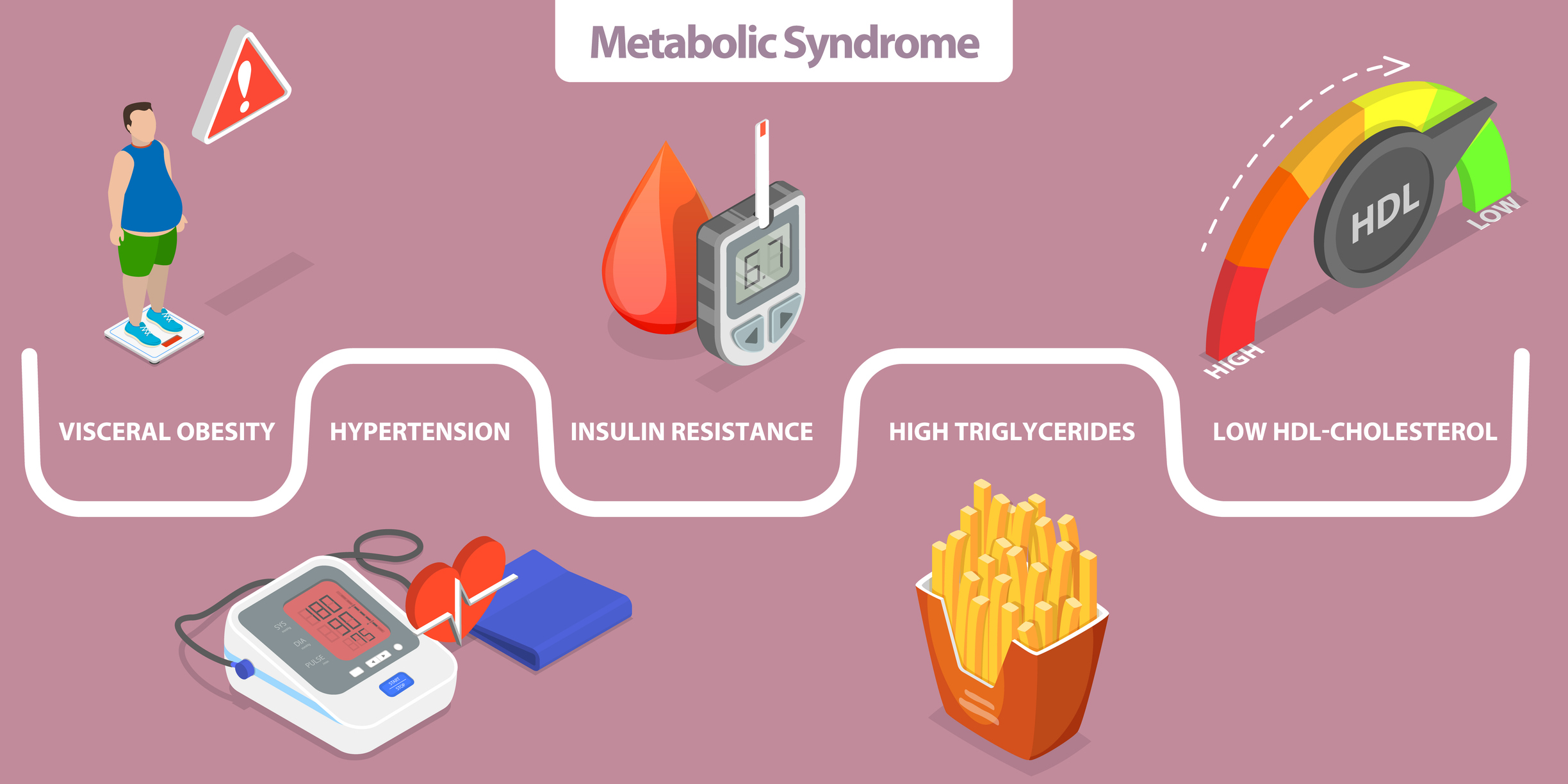
These habits can contribute to metabolic changes that can increase a person’s risk of chronic disease, including:

  • Hypertension
  • Obesity
  • Diabetes
  • High cholesterol

Making the following lifestyle changes is one of the best ways to address harmful habits and help prevent chronic diseases.

  • Dietary changes include eating whole, unrefined, and minimally processed plants. Eating plant-based foods can help reduce diabetes, heart disease, and the risk of cancer
  • Increasing physical activity by engaging in a recommended 150 minutes of moderate-intensity activity each week
  • Getting a good, restful night’s sleep of about seven to nine hours. This can be achieved by:
    • Having a consistent bedtime and waking up on time, even on weekends
    • Being physically active
    • Limiting alcohol and caffeine
    • Putting digital devices away 90 minutes before bedtime
    • Keeping your sleeping area cool, dark, and comfortable
  • Reducing stress by practicing mindfulness, meditation, and gratitude can help relieve stress and improve your physical and mental health.
  • Staying socially connected with friends and family can help keep you emotionally and physically healthy.
  • Quitting smoking, or never starting, lowers the risk of serious health problems, such as heart disease, cancer, Type 2 diabetes, and lung disease, as well as premature death
  • Limiting alcohol use can reduce health risks that excessive drinking can lead to, such as high blood pressure, various cancers, heart disease, stroke, and liver disease

By avoiding these risks and getting good preventive care, you can improve your chance of staying well, feeling good, and living longer.

For more information on how you can make lifestyle changes, you can schedule an appointment with a doctor at Flushing Hospital Medical Center’s Ambulatory Care Center by calling (718) 670-5486.

All content of this newsletter is intended for general information purposes only and is not intended or implied to be a substitute for professional medical advice, diagnosis or treatment. Please consult a medical professional before adopting any of the suggestions on this page. You must never disregard professional medical advice or delay seeking medical treatment based upon any content of this newsletter. PROMPTLY CONSULT YOUR PHYSICIAN OR CALL 911 IF YOU BELIEVE YOU HAVE A MEDICAL EMERGENCY.
How Many Steps Do You Need to Walk Every Day to Be Healthy?

Ten thousand steps per day is a commonly cited goal when it comes to improving your health. However, factors such as age, sex, and occupation may influence the best step count for you.

Researchers examined how the number of steps people take affected their risk for disease and their lifespan. They found that 10,000 steps per day doesn’t always mean people are healthier. Additionally, there is a point at which the number of steps taken per day levels off when it comes to improving health.

For adults younger than 60 years of age, 8,000 and 10,000 steps per day were associated with a decreased risk of death.

For adults older than 60 years of age, 6,000 to 8,000 steps per day achieved a lower risk of mortality.

Researchers also found that people who lose more than 10% of their body weight over 18 months walk approximately 10,000 steps a day. At least 3,500 of those steps were at least of moderate-to-vigorous intensity in short, 10-minute bursts.

Walking is excellent for the heart, as it can lower your risk of cardiovascular disease and help prevent a cardiovascular event such as a stroke or heart failure.

The American Heart Association reports that older adults who take 4,500 steps per day have a 77% lower risk of having an adverse cardiovascular event than people who take fewer than 2,000 steps. Each time you add 500 steps to your daily average, you incrementally lower your risk by 14%. However, this benefit can plateau between 6,000 and 8,000 steps.

Walking can have many health benefits for your mind, as it can help preserve your cognitive function. The more steps you take each day, the more your risk of developing dementia. Once you hit 9,800 steps per day, that benefit can plateau. However, you can begin seeing significant benefits at just 3,800 steps daily, and getting that many steps consistently may lower your risk of dementia by 50% over time.

According to the American Diabetes Association (ADA), walking at least 30 minutes per day, five days a week, can significantly lower your risk of Type 2 diabetes. Whether you walk it all at once or you split it into smaller walks doesn’t matter. Exercises such as walking increase insulin sensitivity and help lower your blood sugar.

A short burst of 10 minutes of brisk walking can increase your energy, mood, and mental alertness. You can also use walking to significantly lower your risk of depression.

According to the American Psychological Association, people who walk at a moderate pace for 75 minutes weekly have an 18% lower depression risk than people who don’t get any physical activity. Walking for 120 minutes weekly can lower your risk by 25%.

Walking greatly benefits your overall health. It doesn’t matter if you do most of your walking during the day, at night, during the week, or on the weekends. You are still helping your health.

It is recommended that you consult your doctor before starting or adding new exercises to your routine. You can schedule an appointment with a doctor at Flushing Hospital’s Ambulatory Care Center by calling (718) 670-5486.

All content of this newsletter is intended for general information purposes only and is not intended or implied to be a substitute for professional medical advice, diagnosis or treatment. Please consult a medical professional before adopting any of the suggestions on this page. You must never disregard professional medical advice or delay seeking medical treatment based upon any content of this newsletter. PROMPTLY CONSULT YOUR PHYSICIAN OR CALL 911 IF YOU BELIEVE YOU HAVE A MEDICAL EMERGENCY.

The Impact of Ultraprocessed Foods on Your Health

Ultraprocessed foods, or UPFs, are food products such as frozen pizza, ready-to-eat meals, instant noodles, and many store-bought breads that contain a long list of ingredients, chemical additives, and little to no “whole” foods.

Understanding ultraprocessed foods is tricky, as even experts don’t fully agree on what they specifically are and whether they are good or bad. However, a 2024 study led by researchers at Harvard T.H. Chan School of Public Health also found that a high intake of ultraprocessed foods may increase the risk of early death. Participants who ate the most ultraprocessed foods of any kind had a 4% higher risk of death from any cause and an 8% higher risk of death from neurodegenerative diseases. And according to the Yale School of Public Health, high ultraprocessed food intake has been linked to a 25%-58% higher risk of health issues related to the heart and metabolism, and a 21%-66% higher risk of mortality.

People who eat more ultraprocessed foods may tend to eat more calories overall. Data from the Centers for Disease Control and Prevention (CDC) shows that 53% of the calories that adults consumed daily, on average, came from ultraprocessed foods between 2021 and 2023. For children 18 years old and younger, it is 61.9%. Scientists are studying whether ultraprocessed foods high in saturated fat, added sugars, and sodium may mimic addictive substances in some people, and if they do, how they may do so.

Some ultraprocessed foods may contribute to poorer health outcomes. Examples of this include:

  • They may displace or replace healthier foods
  • They could lead to eating too many calories
  • They may result in eating too much saturated fat, added sugars, or sodium
  • They may influence how the brain responds to these foods
  • The changed textures may trigger the brain to stay hungry even after eating
  • They can potentially disrupt blood sugar
  • They can potentially disrupt your gut health
  • They could cause exposure to toxins

The recommendation to limit the intake of ultraprocessed foods reinforces the long-standing nutrition guidance to limit unhealthy fats, added sugars, and sodium. A diet composed mainly of ultraprocessed foods also exposes people to unhealthy additives and increases the risk of chronic inflammatory diseases.

The best way to identify ultraprocessed foods is to read the packaging of the product to see if its list of ingredients contains either food substances never or rarely used in kitchens, such as high-fructose corn syrup, hydrogenated or interesterified oils, and hydrolyzed proteins. Or it may contain classes of additives designed to make the final product palatable or more appealing, such as flavors, flavor enhancers, colors, emulsifiers, emulsifying salts, sweeteners, thickeners, and anti-foaming, bulking, carbonating, foaming, gelling, and glazing agents.

It is important to note that an overall healthy diet pattern should focus on eating healthier options such as vegetables, fruits, whole grains, beans, nuts, seeds, healthy non-tropical oils, and lean proteins.

The Yale School of Public Health offers four ways to reduce ultraprocessed foods in your diet. They include:

  1. Planning and preparing meals at home in advance that use less processed and ultraprocessed foods
  2. Drinking water and unsweetened beverages such as coffee and tea instead of soda and other sweetened drinks
  3. Eating fresh fruits and vegetables, if they are available to you. If they are not available, choose minimally processed frozen or canned options with no added salt or sugar
  4. Adding an unprocessed fruit or vegetable to your meal if an ultraprocessed food is your only option and you are short on time. And to choose an ultraprocessed food option with less sodium, saturated fat, and added sugar

If you would like to learn more about Flushing Hospital Medical Center’s nutritional services, you can visit the Ambulatory Care Center. To schedule an appointment, please call (718) 670-5486.

All content of this newsletter is intended for general information purposes only and is not intended or implied to be a substitute for professional medical advice, diagnosis or treatment. Please consult a medical professional before adopting any of the suggestions on this page. You must never disregard professional medical advice or delay seeking medical treatment based upon any content of this newsletter. PROMPTLY CONSULT YOUR PHYSICIAN OR CALL 911 IF YOU BELIEVE YOU HAVE A MEDICAL EMERGENCY.

National Cholesterol Education Month

September is National Cholesterol Education Month. It serves as an important time to focus on heart health, getting your blood cholesterol checked, and taking proactive steps to manage cholesterol levels.

National Cholesterol Education Month seeks to inform the public about the dangers of high cholesterol and its connection with the leading cause of death around the globe, heart disease.

High cholesterol is one of the most common and commonly misunderstood health risks in America. It can be caused by an unhealthy diet and exacerbated by smoking and a lack of exercise. Since it is symptomless, it can be hard to diagnose. It is a serious condition that affects nearly 102 million Americans over the age of 20 years old.

Fortunately, managing cholesterol levels can be achieved through lifestyle changes and, if necessary, medication. Here are some effective strategies to help lower cholesterol:

  • Adopting a heart-healthy diet that focuses on eating foods rich in fiber, such as fruits, vegetables, and whole grains. Incorporate healthy fats from sources such as avocados, nuts, and olive oil, while reducing intake of saturated and trans fats found in processed and fried foods.
  • Increasing physical activity, such as brisk walking, jogging, or cycling, can help raise HDL cholesterol and lower LDL cholesterol. Aiming for at least 150 minutes of moderate-intensity exercise per week is recommended.
  • Maintaining a healthy weight by losing excess weight through a combination of healthy eating and exercising regularly can improve cholesterol levels and overall heart health.
  • Quitting smoking and limiting alcohol use through smoking cessation and moderate alcohol consumption can improve HDL cholesterol levels and reduce overall cardiovascular risk.
  • Monitoring your cholesterol levels by getting regular check-ups with a healthcare provider can help track cholesterol levels and assess risk factors. This is particularly important for younger adults who may not exhibit symptoms, but could still be at risk.

National Cholesterol Education Month is an important time to reflect on the state of our heart health and take proactive steps to manage our cholesterol levels.

If you are concerned about your heart health and would like to get your blood cholesterol checked, you can schedule an appointment with a doctor at Flushing Hospital’s Ambulatory Care Center by calling (718) 670-5486.


All content of this newsletter is intended for general information purposes only and is not intended or implied to be a substitute for professional medical advice, diagnosis or treatment. Please consult a medical professional before adopting any of the suggestions on this page. You must never disregard professional medical advice or delay seeking medical treatment based upon any content of this newsletter. PROMPTLY CONSULT YOUR PHYSICIAN OR CALL 911 IF YOU BELIEVE YOU HAVE A MEDICAL EMERGENCY.

What to Know About Protein Intake While on Weight Loss Medication

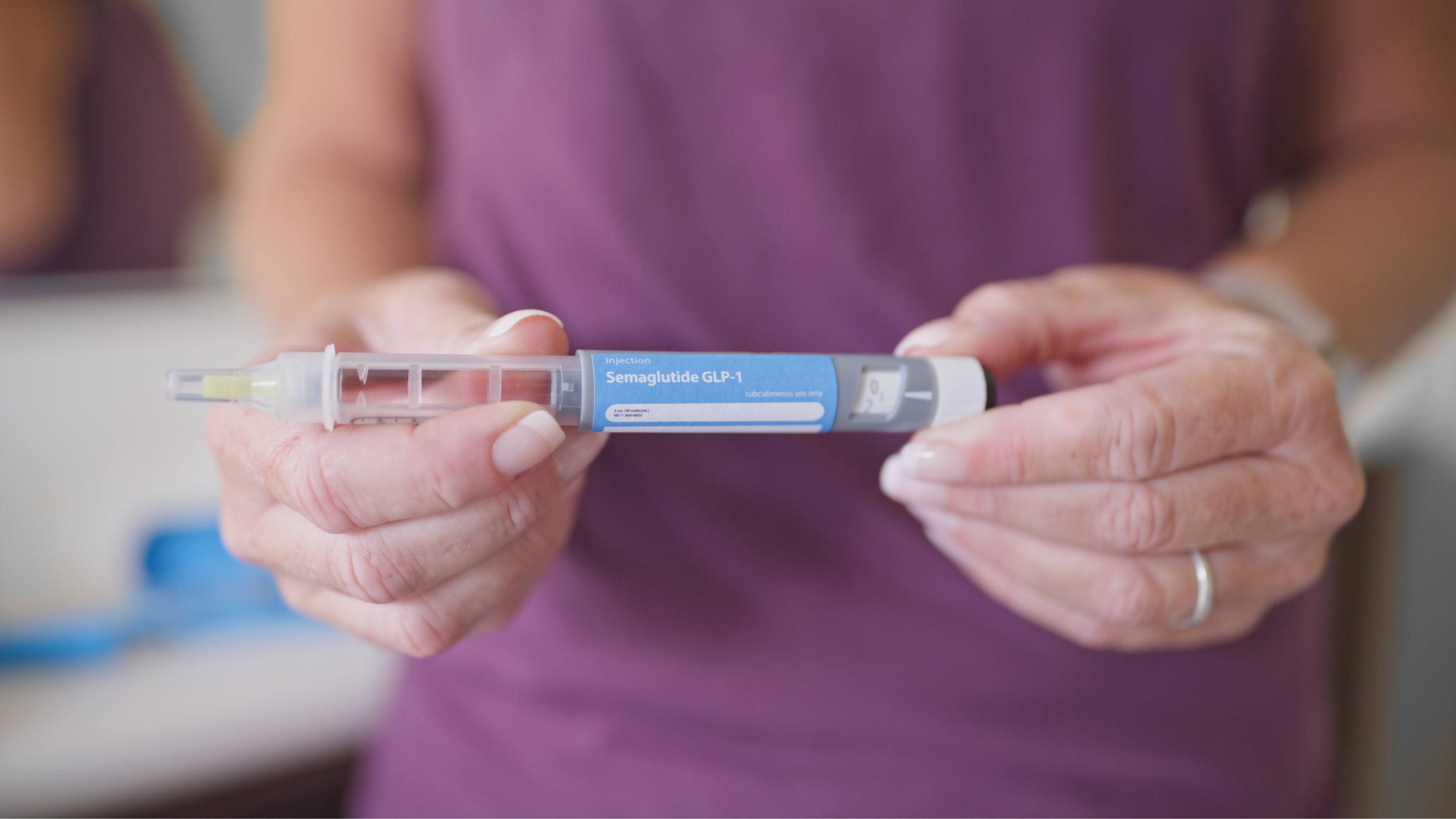
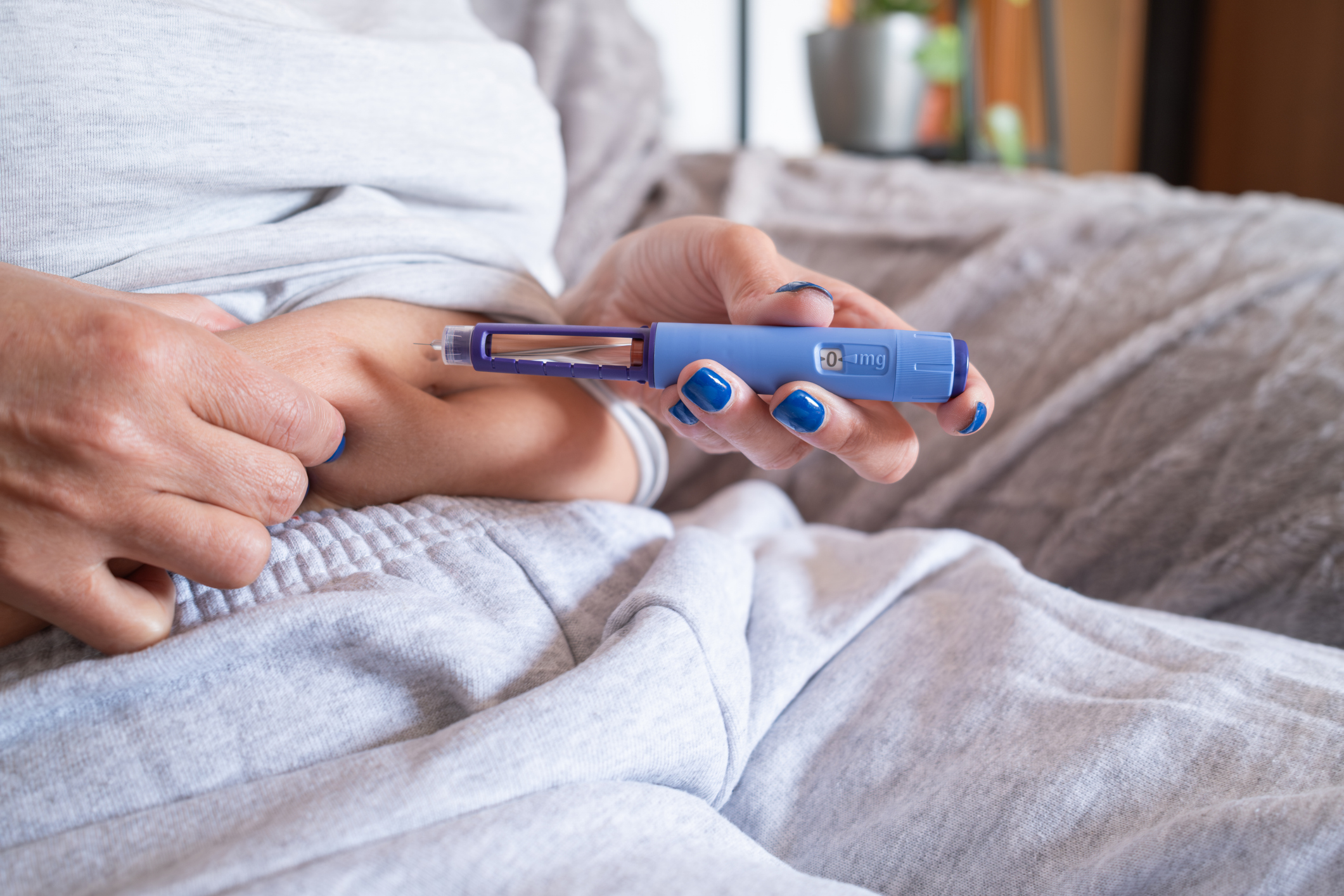
GLP-1 antagonists are a class of medications that mainly manage blood sugar levels in people with Type 2 diabetes. Some GLP-1 antagonists can also help treat obesity.

When a person starts to lose weight on a GLP-1 weight loss medication, it can happen very fast. However, as they lose fat, they could also be losing essential lean muscle mass, which can harm their metabolism and blood sugar levels. This will ultimately work against weight loss efforts and can even negatively affect bone health.

Protein is the building block of muscle. Getting enough is crucial for preventing muscle loss, especially when consuming fewer calories. When you consume enough protein, you are more likely to retain and even build muscle. However, when you don’t have enough protein, your body will cannibalize some of your muscle mass for energy.

A 2024 review study that made diet recommendations for GLP-1 patients based on the latest research recommends at least 60 grams of protein a day. It is suggested to aim for 20 to 40 grams of protein at every meal.

Most people who are on GLP-1 medications experience at least one side effect. The side effects are worse just after starting and in the days after increasing the dose. Fortunately, there are ways to combat those side effects, including:

  • Make every meal count
  • Schedule your meals
  • Make protein a priority
  • Aim for 64 ounces of fluid a day, plus electrolytes
  • Avoid fatty and greasy foods
  • Steer clear of sugary foods, alcohol, and refined carbs
  • Maintain muscle with resistance training
  • Eat smaller portions more frequently
  • Add fiber to your diet
  • Talk to your doctor if you are having side effects

For more information about the Bariatric Surgery Services at Flushing Hospital or procedures performed by our doctors, please call 718-408-6977 or 718-670-8908.


All content of this newsletter is intended for general information purposes only and is not intended or implied to be a substitute for professional medical advice, diagnosis or treatment. Please consult a medical professional before adopting any of the suggestions on this page. You must never disregard professional medical advice or delay seeking medical treatment based upon any content of this newsletter. PROMPTLY CONSULT YOUR PHYSICIAN OR CALL 911 IF YOU BELIEVE YOU HAVE A MEDICAL EMERGENCY.

Robotics: Gastric Bypass

Gastric bypass or “Roux-en-Y” is a metabolic and weight-loss procedure that works by modifying your digestive system so that you consume and absorb fewer calories. It modifies your stomach and also your small intestines.

Similar to other bariatric surgery operations, gastric bypass is recommended for people who have clinically severe obesity. It has been shown to help relieve a long list of obesity-related health conditions, including:

  • Type 2 diabetes
  • Hypertension
  • Obstructive sleep apnea
  • GERD (chronic acid reflux)
  • Heart disease
  • Hyperglycemia
  • Fatty liver disease
  • Hyperlipidemia
  • Osteoarthrosis

The Roux-en-Y procedure gets its name from how it changes your digestive system. “Roux-en-Y” means “in the shape of a Y”. The procedure divides your stomach and small intestine, connecting each new segment to form a “Y” shape. This procedure reduces the functional part of your stomach to a small pouch, separating it from the rest with surgical staples, and restricting the amount of food your stomach can hold. Then, it connects the new stomach pouch to a lower segment of your small intestine. This means that when food goes through your digestive system, it will now bypass most of your stomach and the first part of your small intestine, causing your digestive system to not absorb all of the nutrients or calories in your food.

Gastric bypass surgery requirements are similar to those of other bariatric procedures. A qualified healthcare provider must recommend you for surgery. You may be a candidate for gastric bypass surgery if you:

  • Have been diagnosed with class III obesity
  • Have a BMI of at least 35 with at least one obesity-related condition
  • Have obesity-related type 2 diabetes

Most Roux-en-Y surgical procedures today are laparoscopic, a minimally invasive surgical technique. However, sometimes they are done with robotic assistance.

There are many potential advantages of robotic-assisted surgery over other types of surgery including:

  • Robot-assisted surgery provides the surgeon with 3D images of inside your abdomen that create a clearer picture for them to reference as they operate compared to the 2D images used during laparoscopic surgery
  • Under the surgeon’s direction, the robot can move more freely and with more versatility than a human hand
  • You’ll have a few tiny scars rather than one large incision scar (as with open surgery)
  • You’re more likely to experience less pain and less bleeding after surgery compared to open surgery
  • You’re more likely to have a quicker recovery time than with open surgery

To learn more about the robotic surgical procedures at Flushing Hospital Medical Center or to schedule an appointment, call (718) 670-5000.


All content of this newsletter is intended for general information purposes only and is not intended or implied to be a substitute for professional medical advice, diagnosis or treatment. Please consult a medical professional before adopting any of the suggestions on this page. You must never disregard professional medical advice or delay seeking medical treatment based upon any content of this newsletter. PROMPTLY CONSULT YOUR PHYSICIAN OR CALL 911 IF YOU BELIEVE YOU HAVE A MEDICAL EMERGENCY.