
Basilar Invagination

Basilar invagination is a rare condition that occurs when the top of the spine gets pushed into the base of the skull. This can lead to pinching or pressure on the brainstem, which is the group of nerves connecting the brain to the spinal cord. This condition is painful and can cause various neurological symptoms.  

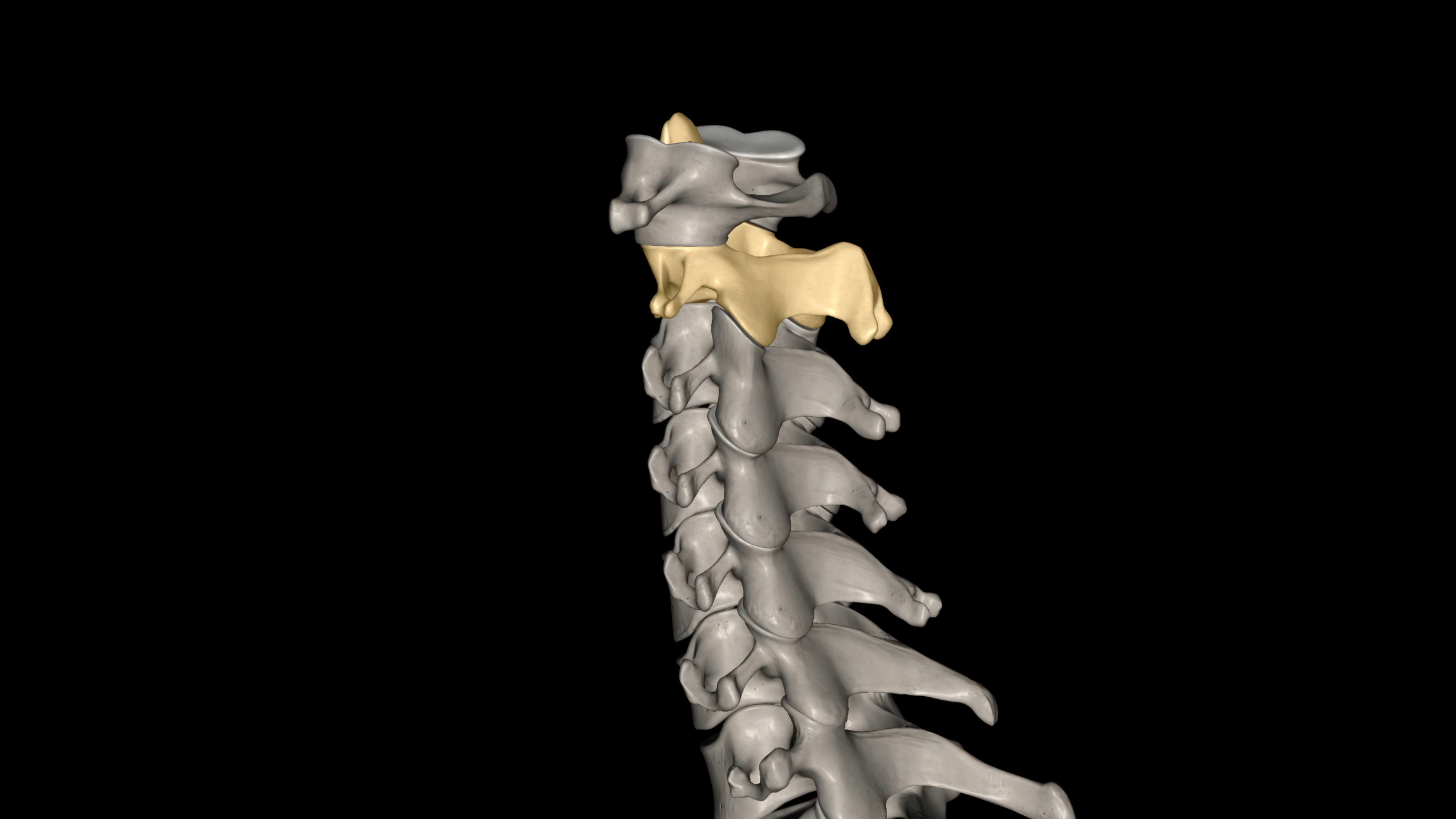
The spine is made of seven vertebrae and is numbered from C1 to C7; this is called the cervical vertebrae. The C1 vertebrae is at the top of the spine, supporting the skull. The C2 vertebrae lies below the C1 and has an upward peg that enters a hole in the C1, which lets the C1 vertebrae pivot on the C2, allowing the head to turn sideways.  

If the peg of the C2 vertebra moves too far upward into the C1 vertebra, it can put pressure on the brainstem. The brainstem normally passes from the skull into the spinal canal through an opening at the base of the skull called the foramen magnum. 

In basilar invagination, the C2 vertebra moves upward toward this opening. As it pushes into the foramen magnum, the space for the brainstem becomes smaller. This reduced space can lead to compression of the brainstem. 

Basilar invagination occurs when a person has problems with the bones in the neck or vertebrae. It can also be caused by platybasia, which is the flattening of the base of the skull. Basilar invagination can be present at birth. However, it can develop later due to illness or injuries resulting from vehicle or bicycle accidents, falls, or accidents during activities such as diving. 

Basilar invagination may occur in people with conditions, such as: 

  • Rheumatoid arthritis 
  • Tumors 
  • Paget’s disease 
  • Brittle bone disease 
  • Marfan syndrome 
  • Rickets 

The symptoms of basilar invagination can vary based on the pressure on the brainstem, spinal cord, or nerves. Symptoms may become noticeable when a person bends their neck. Symptoms of basilar invagination include: 

  • Headache or pain in the back of the head 
  • Weakness in the neck, arms, and legs 
  • Tingling when bending the neck 
  • Tingling or numbness in the hands or feet 
  • Difficulty swallowing or talking due the loss of muscle control caused by nerve damage 
  • Inability to tell the position of body parts without looking 
  • Twitching eye movements or nystagmus 
  • Loss of feeling or sensation in limbs 
  • Dizziness or lightheadedness 
  • Confusion 

A person may also feel a shock down their back when they bend their neck forward or may experience paralysis. 

If basilar invagination goes untreated, it can cause complications such as hydrocephalus or syringomyelia, which are conditions that occur when the flow of fluid around the brain and spinal cord is blocked and the fluid collects in the brain or spinal cord. What’s more, if the lower brainstem gets compressed, it may result in death.  

Basilar invagination is diagnosed when a healthcare provider performs an examination to look for symptoms of the condition as well as discusses a person’s medical history. They will also use tests to check if a person’s spine and nerves are affected. These tests include: 

  • X-rays 
  • MRI 
  • CT scan 
  • Myelography 
  • Nerve conduction studies 

The treatment for basilar invagination depends on its symptoms and severity of the condition. If a person has basilar invagination that presents without signs of brainstem compression pressure on the spinal cord, a healthcare provider will use: 

  • Non-steroidal anti-inflammatory drugs (NSAIDs) such as aspirin to relieve pain or swelling 
  • Neck traction, which involves gently stretching the neck to increase the space between the bones to relieve pressure 
  • A neck collar or brace to support the neck and limit movement 
  • Physical therapy that consists of neck exercises 

If a person has signs of brainstem compression and nerve problems, they will need surgery. Surgery can be performed through the nose or mouth and can also be performed at the junction of the head and neck. Healthcare providers aim to use surgery to decompress or relieve the pressure on the brainstem or spinal cord and stabilize the joint in the neck. 

If you or a loved one is experiencing symptoms associated with basilar invagination, you can receive treatment at Flushing Hospital Medical Center’s Ambulatory Care Center. To schedule an appointment, please call (718) 670-5486. 

All content of this newsletter is intended for general information purposes only and is not intended or implied to be a substitute for professional medical advice, diagnosis or treatment. Please consult a medical professional before adopting any of the suggestions on this page. You must never disregard professional medical advice or delay seeking medical treatment based upon any content of this newsletter. PROMPTLY CONSULT YOUR PHYSICIAN OR CALL 911 IF YOU BELIEVE YOU HAVE A MEDICAL EMERGENCY.

Meet Our Doctors- Dr. Andrew Bi

Flushing Hospital Medical Center is proud to introduce Dr. Andrew Bi, the newest member of our orthopedic surgical team.  

Dr. Bi was born in Chicago, Illinois, and raised in East Lyme, Connecticut, and currently resides in Queens. He graduated from the University of Connecticut magna cum laude with honors. He then graduated from Northwestern University Feinberg School of Medicine summa cum laude with Alpha Omega Alpha honors. He then completed his orthopedic surgery residency training at NYU Langone Orthopedics, where he served as Executive Chief resident. Dr. Bi later underwent subspeciality training at Midwest Orthopaedics at Rush in a sports medicine fellowship, where he served as assistant team physician for the Chicago Bulls, Chicago White Sox, Chicago Steel, and DePaul University. 

Dr. Bi has received numerous awards for teaching, clinical care, and research, including the Ralph Lusskin Senior Resident Teaching Award, the Marian Frauenthal Sloane Clinical Research Award, and the Rush Annual Thesis Day Award.  

Dr. Bi treats all aspects of orthopedic injuries with a special interest in the management of all shoulder, elbow, hip, and knee conditions, including, but not limited to robotic-assisted joint replacements for arthritis, minimally invasive arthroscopic surgeries for sports injuries, such as anterior cruciate ligament (ACL), meniscus, cartilage, rotator cuff, and labrum injuries, and the fixation of fractures. His current research efforts involve anterior cruciate ligament injuries, meniscal allograft transplantations, rotator cuff tears, hip arthroscopy, and orthobiologics.  

Dr. Bi is excited to begin at the Medisys family at Jamaica Hospital, bringing with him a sports medicine subspecialization expertise, as well as his Chinese heritage, to take care of the diverse population surrounding the hospital.  

If you are experiencing any conditions or injuries affecting your bones, muscles, ligaments, and tendons, you can schedule an appointment at Flushing Hospital Medical Center’s Ambulatory Care Center. Please call (718) 670-5486. 

All content of this newsletter is intended for general information purposes only and is not intended or implied to be a substitute for professional medical advice, diagnosis or treatment. Please consult a medical professional before adopting any of the suggestions on this page. You must never disregard professional medical advice or delay seeking medical treatment based upon any content of this newsletter. PROMPTLY CONSULT YOUR PHYSICIAN OR CALL 911 IF YOU BELIEVE YOU HAVE A MEDICAL EMERGENCY.
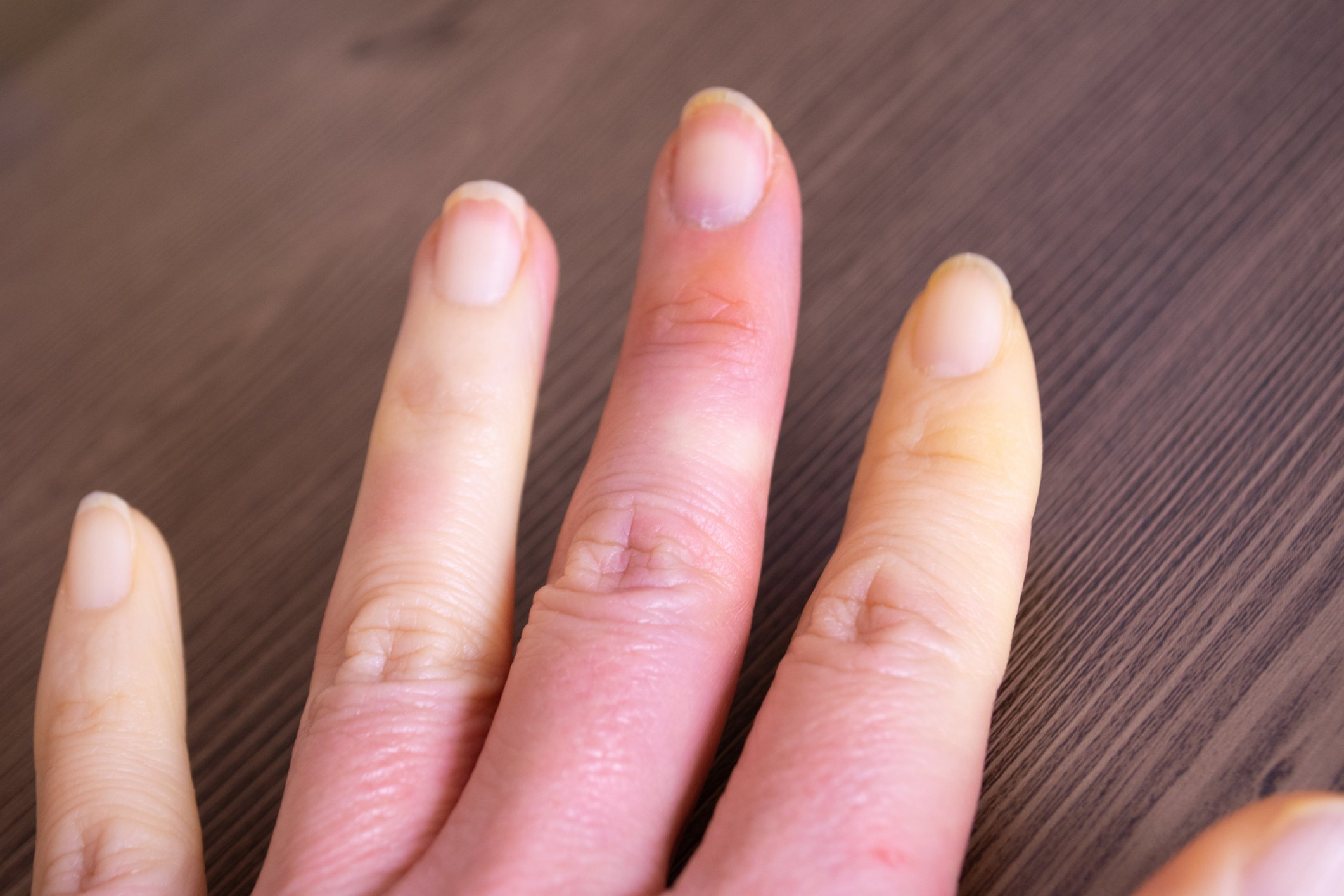
Juvenile Arthritis Awareness Month

July is observed as Juvenile Arthritis Month. Arthritis isn’t just an older person’s disease, children can suffer from it as well.  

Juvenile Arthritis or pediatric rheumatic disease is an umbrella term that describes inflammatory and rheumatic diseases that develop in children who are 16 years and under.  

Juvenile idiopathic arthritis (JIA) is an autoimmune disease where the immune system attacks the joints instead of fighting viruses and germs. It is the most common type of arthritis in children.  

Other types of juvenile arthritis include: 

  • Juvenile myositis is an inflammatory disease that causes muscle weakness. There are two types: 
  • Juvenile polymyositis 
  • Juvenile dermatomyositis 
  • Juvenile lupus is an autoimmune disease that affects the joints, skin, internal organs, and other areas. The most common form is systemic lupus erythematosus (SLE) 
  • Juvenile scleroderma describes a group of conditions that cause the skin to tighten and harden 
  • Vasculitis is a disease that causes inflammation of the blood vessels, which can lead to heart disease. According to the Arthritis Foundation, Kawasaki disease and Henoch-Schönlein purpura (HCP) are the most common forms of vasculitis in kids and teens.  
  • Fibromyalgia is a chronic pain syndrome that causes widespread muscle pain and stiffness. It also causes fatigue, disrupted sleep, and other symptoms. It is more common in girls and is rarely diagnosed before puberty.  

The symptoms of juvenile arthritis can vary depending on the type. The most common symptoms include: 

  • Joint pain 
  • Joint swelling 
  • Joint stiffness 
  • Fever, swollen lymph nodes, and rash 

It can be difficult to diagnose juvenile arthritis in children because joint pain can be caused by many different problems. Some ways it can be diagnosed include: 

  • Physical exams 
  • Blood tests 
  • Imaging scans 

There is no cure for arthritis. However, it can be treated. Treatments can include: 

  • Medications 
  • Physical or occupational therapies 
  • Surgery 
  • Self-care 

If your child is experiencing arthritis symptoms, it is important to visit a pediatrician as soon as possible. You can schedule an appointment with Flushing Hospital Medical Center’s Pediatric Ambulatory Care Center by calling 718-670-3007. 

All content of this newsletter is intended for general information purposes only and is not intended or implied to be a substitute for professional medical advice, diagnosis or treatment. Please consult a medical professional before adopting any of the suggestions on this page. You must never disregard professional medical advice or delay seeking medical treatment based upon any content of this newsletter. PROMPTLY CONSULT YOUR PHYSICIAN OR CALL 911 IF YOU BELIEVE YOU HAVE A MEDICAL EMERGENCY.
Gout

Gout is a common, painful form of inflammatory arthritis. It is caused when the body’s natural production of uric acid breaks down chemicals called purines found in certain foods and drinks. This causes sharp crystals to form in your joints, usually the big toe. Gout can also affect other joints, including the knees, ankles, feet, hands, wrists, and elbows.

Gout symptoms can come and go in episodes called flare-ups or gout attacks. They can be very painful and can happen suddenly. During a gout attack, symptoms in the affected joints may include:

  • Intense joint pain
  • Inflammation and redness
  • Stiffness
  • Swelling
  • Tenderness

Healthcare providers usually diagnose gout based on the results of a physical exam, your symptoms, and the appearance of the affected joint. Tests to help diagnose gout may include:

  • A joint fluid test
  • Blood tests
  • X-ray imaging
  • An ultrasound
  • An MRI
  • Dual-energy computerized tomography (DECT)

Gout medications are available in two types and focus on two different problems. The first type helps reduce the inflammation and pain associated with gout attacks. The second type works to prevent gout complications by lowering the amount of uric acid in the blood.

Which medication is right for you depends on the frequency and severity of your symptoms, and any other health problems you may have.

Medications used to treat gout flare-ups and prevent future attacks include:

  • Nonsteroidal anti-inflammatory drugs (NSAIDs)
  • Colchicine
  • Corticosteroids

If you experience several gout attacks each year, or if your gout attacks are less frequent but particularly painful, a healthcare provider may recommend medication to reduce your risk of gout-related complications. If you already have evidence of damage from gout on joint X-rays, or you have tophi, chronic kidney disease, or kidney stones, medications to lower the body’s level of uric acid may be recommended.

Medications are often the most effective way to treat gout attacks and prevent recurrent symptom flare-ups. However, lifestyle changes are also important. Lifestyle changes to help prevent gout include:

  • Choosing healthier beverages
  • Avoiding food high in purines
  • Exercising regularly and losing weight

If you are experiencing gout-related symptoms, visit Flushing Hospital Medical Center’s Ambulatory Care Center. To schedule an appointment, please call (718) 670-5486. If there is an emergency, please call 911.


All content of this newsletter is intended for general information purposes only and is not intended or implied to be a substitute for professional medical advice, diagnosis or treatment. Please consult a medical professional before adopting any of the suggestions on this page. You must never disregard professional medical advice or delay seeking medical treatment based upon any content of this newsletter. PROMPTLY CONSULT YOUR PHYSICIAN OR CALL 911 IF YOU BELIEVE YOU HAVE A MEDICAL EMERGENCY.

Healthy Aging Month

September is recognized as healthy aging month. The observation was created to encourage people to focus on their health and take steps to help them face the challenges that come with aging.

As we age, we become aware of changes in our mental and physical health, and changes in our social needs. You can take charge of your well-being by taking steps to age with a healthy mind and body. Flushing Hospital Medical Center would like to offer these tips to help boost your health as you age:

  • Get moving
    • It is important to consult your doctor before exercising. Start slow, know your limitations, and modify activities if needed
    • Aim for at least 150 minutes of moderate-intensity physical activities each week
  • Maintain a healthy diet
  • Eat proper portion sizes
  • Avoid excess processed foods
  • Stay hydrated
  • Stay socially active
    • Stay in touch with friends and family
    • Try doing something new that interests you
  • Balance your body and mind
    • Keep a positive attitude
    • Keep your mind active by reading or doing puzzles
    • Keep your body active with yoga and stretches
  • Be proactive
    • Receive regular checkups, physicals, and medical tests when needed
    • Take vitamins, supplements, and medications as prescribed or needed

Healthy aging month is a time to celebrate life and the positive aspects of growing older. Healthy living is healthy aging. Developing and maintaining healthy aging practices throughout your life contributes to greater resilience and opportunities to thrive as we age. Making small changes in your daily life can help you live longer and better.

If you have questions about any medical issues that may arise as you age, you can schedule an appointment with a doctor at Flushing Hospital’s Ambulatory Care Center by calling (718) 670-5486.

All content of this newsletter is intended for general information purposes only and is not intended or implied to be a substitute for professional medical advice, diagnosis or treatment. Please consult a medical professional before adopting any of the suggestions on this page. You must never disregard professional medical advice or delay seeking medical treatment based upon any content of this newsletter. PROMPTLY CONSULT YOUR PHYSICIAN OR CALL 911 IF YOU BELIEVE YOU HAVE A MEDICAL EMERGENCY.
Who Should Get A Bone Density Test?

Bone density is a measurement of the amount of mineral content (primarily consisting of calcium and phosphorus) in your bones.

Bones containing more minerals are considered dense. They are stronger and are less likely to fracture. Bones that have less minerals, and are more porous, are classified as bones with low density and are prone to develop conditions such as osteoporosis and osteopenia. Both conditions cause bones to become weak and susceptible to fractures.

Our bone density usually increases until we reach our peak bone mass, which occurs around the ages of 25 to 30, and remains stable until we reach the age of 50. After the age of 50, adults typically experience a decline in their bone mineral density. People who are also more likely to experience bone loss include those who:

  • Have certain health conditions such as chronic kidney disease and diabetes
  • Are taking certain medications such as prednisone
  • Have a decrease in estrogen due to menopause
  • Have low testosterone levels
  • Have a family history of osteoporosis
  • Smoke
  • Consume alcohol excessively
  • Have poor nutrition: especially a diet lacking calcium and vitamin D

A bone density test can help doctors determine how much mineral you have in your bones, and if you are at risk for complications. The most common test is a dual-energy X-ray absorptiometry (DXA) scan. Test results will be reported as two scores: T-score and Z-score. A T-score shows how dense your bones are in comparison to those of a healthy young adult of the same sex, and a Z-score compares your bone density to those of someone your age, weight, sex, and ethnicity.

The Bone Health and Osteoporosis Foundation strongly recommends bone density testing for:

  • Women aged 65 years and older
  • Men aged 70 years and older
  • Anyone who has broken a bone after the age of 50 years
  • Women aged 50-64 years with risk factors
  • Men aged 50-69 years with risk factors

If you are at risk for osteoporosis or health conditions that may develop due to bone loss, you must make an appointment with your doctor. Your doctor can order the appropriate tests and recommend lifestyle changes that can help protect the bone density you have left.

To schedule an appointment with an orthopedist at Flushing Hospital Medical Center, please call 718-670-5486.

All content of this newsletter is intended for general information purposes only and is not intended or implied to be a substitute for professional medical advice, diagnosis or treatment. Please consult a medical professional before adopting any of the suggestions on this page. You must never disregard professional medical advice or delay seeking medical treatment based upon any content of this newsletter. PROMPTLY CONSULT YOUR PHYSICIAN OR CALL 911 IF YOU BELIEVE YOU HAVE A MEDICAL EMERGENCY.

Rotator Cuff Injury

The rotator cuff is a group of four muscles and tendons that keep your arm in the shoulder socket.  Damage or injury caused to the rotator cuff can result in limited mobility or permanent loss of motion of the shoulder joint.

Rotator cuff injuries are very common; in fact, it is estimated that close to 2 million people living in the United States seek treatment for rotator cuff problems every year.

Injuries occur most often in people who repeatedly perform overhead motions in their daily activities.  However, an injury can also be sustained due to an accident or the degeneration of tendons. These factors put some at risk of injury more than others.  Those who have an increased risk of injury include:

  • Individuals who play certain sports that involve the use of repetitive arm motions such as baseball or tennis
  • Individuals employed in occupations that require the use of constant overhead motion such as a house painting
  • Individuals over the age of 40

Injury to the rotator cuff can range from microscopic tears to large irreparable tears.  According to the American Academy of Orthopedic Surgeons, symptoms can vary depending on the severity of these tears and may include:

  • Pain at rest and at night, particularly if lying on the affected shoulder
  • Pain when lifting and lowering your arm or with specific movements
  • Weakness when lifting or rotating your arm
  • Crepitus or crackling sensation when moving your shoulder in certain positions

If you are experiencing these symptoms, it is recommended that you schedule an appointment to see a doctor as soon as possible.  Prolonging a doctor’s visit can result in more damage.

Your doctor may conduct a physical examination and (or) imaging tests such as x-rays or an MRI to determine if you have received an injury. Treatment for a rotator cuff injury may include rest, physical therapy or surgery.

To schedule an appointment with a doctor at Jamaica Hospital Medical, please call 718-206-6923

All content of this newsletter is intended for general information purposes only and is not intended or implied to be a substitute for professional medical advice, diagnosis or treatment. Please consult a medical professional before adopting any of the suggestions on this page. You must never disregard professional medical advice or delay seeking medical treatment based upon any content of this newsletter. PROMPTLY CONSULT YOUR PHYSICIAN OR CALL 911 IF YOU BELIEVE YOU HAVE A MEDICAL EMERGENCY.

Common Causes of Swollen Feet

For many people who spend long hours standing every day, experiencing swollen feet is a pretty routine occurrence. The swelling is caused by an accumulation of fluid in the skin and typically will resolve once the feet are elevated.

The symptoms of swelling are dependent on the underlying cause is. Swelling can be mild puffiness with no discomfort to very severe with changes in skin texture, color, and with a lot of pain. In very severe cases, swelling can lead to ulcerations, infections, and ultimately death if not treated in a timely manner.

Some of the medical issues of swollen feet can be due to:

  • Injury
  • Pregnancy
  • Congestive heart  failure
  • Lymphedema
  • Blood Clots
  • Varicose veins
  • Infections
  • Medications such as steroids, antidepressants, and calcium channel blockers
  • Venous insufficiency

Diagnosing swollen feet usually starts with a visual inspection and then by pressing into the skin with a finger to see if it leads to an indentation.

In some cases preventing swollen feet can be done by wearing support stockings, proper exercise, eating a healthy diet low in salt, and avoiding smoking and drinking alcohol.

Treating swollen feet is dependent on the cause and can include:

  • Medication
  • Surgery
  • Wrapping the limb with an elastic bandage
  • Elevating the foot above the level of the heart when possible

If you are experiencing swollen feet, consult your doctor who will find out what is causing the problem. If you would like to schedule an appointment with a doctor at Flushing Hospital Medical Center, you can call .

All content of this newsletter is intended for general information purposes only and is not intended or implied to be a substitute for professional medical advice, diagnosis or treatment. Please consult a medical professional before adopting any of the suggestions on this page. You must never disregard professional medical advice or delay seeking medical treatment based upon any content of this newsletter. PROMPTLY CONSULT YOUR PHYSICIAN OR CALL 911 IF YOU BELIEVE YOU HAVE A MEDICAL EMERGENCY.

What is a Herniated Disk and What Are the Symptoms?

Our spine consists of a series of bones called vertebrae. Separating these vertebrae are cushions filled with a jellylike substance. These cushions allow the spine to bend. When one of these disks starts to slip out of place, it causes a condition called a slipped, ruptured, or herniated disk.

Most herniated discs occur in your lower back (lumbar spine), although they can also occur in your neck (cervical spine). You can suffer a herniated disk and not experience any symptoms, but most people do. The most common symptoms associated with a herniated disk are:

  • Arm or leg pain – If your herniated disk is in your lower back, you’ll typically feel the most intense pain in your buttocks, thigh and calf. If your herniated disk is in your neck, the pain will typically be most intense in the shoulder and arm. This pain may be more intense when you cough, sneeze or move your spine into certain positions.
  • Numbness or tingling – People who have a herniated disk often experience numbness or tingling in the body part served by the affected nerves.
  • Weakness – Muscles served by the affected nerves tend to weaken. This may cause you to stumble, or impair your ability to lift or hold items.

While suffering a herniated disk is most often the result of a natural aging process called disk degeneration, it can sometimes be the result of a traumatic event or improperly lifting heavy objects.

Risk factors for developing a herniated disk include:

  • Excess body weight causes extra stress on the disks in your lower back.
  • People with physically demanding jobs have a greater risk of back problems.
  • Some people inherit a predisposition to developing a herniated disk.

Tips to avoid a herniated disk include exercising, maintaining a healthy weight, lifting heavy objects with your legs and not your back, and practicing good posture.

In many cases, the best treatment for a herniated disk is rest, but if your symptoms are persistent or worsening, you should schedule an appointment with your doctor who may prescribe medications or refer you for physical rehabilitation.

If you are experiencing symptoms associated with a herniated disk and would like to see a doctor at Flushing Hospital, please call 718-670-  5486 to make an appointment.

All content of this newsletter is intended for general information purposes only and is not intended or implied to be a substitute for professional medical advice, diagnosis or treatment. Please consult a medical professional before adopting any of the suggestions on this page. You must never disregard professional medical advice or delay seeking medical treatment based upon any content of this newsletter. PROMPTLY CONSULT YOUR PHYSICIAN OR CALL 911 IF YOU BELIEVE YOU HAVE A MEDICAL EMERGENCY.

ACL Injury

One of the most common knee injuries people receive is tearing or spraining their anterior cruciate ligament (ACL).

The ACL is a major ligament that helps to hold the bones together in the knee. This band of connective tissue also helps to keep the knee stable by limiting joint mobility while doing activities such as walking or running.

Injury to the ACL typically occurs among individuals who participate in sports or fitness activities where rapid pivoting or turning is common.  Injuries can also happen when someone:

  • Lands awkwardly after jumping
  • Stops suddenly
  • Receives a direct blow to the knee
  • Slows down or changes direction suddenly

Women are more prone to ACL injuries than men. This is due to differences in anatomy such as wider pelvises in women. Others who may have an increased risk for injury include those who:

  • Are participating in certain sports such as basketball, soccer, football, skiing or gymnastics
  • Do not participate in conditioning training
  • Have a previously torn  ACL
  • Wear footwear that does not fit properly

Individuals who receive an ACL injury may experience symptoms that include:

  • A “popping” sound at the time of injury
  • Feeling a sudden shift in the knee joint
  • Rapid swelling
  • Loss of full range of motion
  • Pain

ACL injuries can be prevented by:

  • Strengthening quadriceps and hamstring muscles
  • Crouching and bending at the knees when pivoting
  • Training and conditioning all year round
  • Practicing proper landing techniques when jumping
  • Stretching

A diagnosis of an ACL injury is determined by a physical exam and (or) X-ray, MRI or ultrasound imaging. Treatment varies with severity and may include rehabilitation or surgery.

To schedule an appointment with a doctor at Flushing Hospital Medical Center, please call 718-670-5486.

All content of this newsletter is intended for general information purposes only and is not intended or implied to be a substitute for professional medical advice, diagnosis or treatment. Please consult a medical professional before adopting any of the suggestions on this page. You must never disregard professional medical advice or delay seeking medical treatment based upon any content of this newsletter. PROMPTLY CONSULT YOUR PHYSICIAN OR CALL 911 IF YOU BELIEVE YOU HAVE A MEDICAL EMERGENCY.