
Sore Throat Vs. Strep Throat

A sore throat and strep throat may feel similar. However, they are not the same thing.

Most sore throats are caused by viruses, such as the common cold virus, and will go away in about a week or so. A sore throat can also stem from a bacterial infection. When this occurs, it is known as strep throat, which is caused by an infection from the group A Streptococcus bacterium. Symptoms of strep throat will last much longer than those caused by viral infections

Allergies, a dry environment, and smoking or exposure to secondhand smoke can also cause sore throats.

When you have a sore throat, the inside of your mouth, throat, and lymph nodes around the neck and head become inflamed and swollen. You may also notice that the inside of your mouth appears to be red from the inflammation. Other symptoms of a sore throat include:

  • Dryness
  • Hoarseness
  • Painful swallowing
  • Scratchy feeling in the throat

Symptoms of strep throat, on the other hand, can seem similar; however, the difference is that there are tiny red spots called petechiae on the roof of your mouth or white patches on your tonsils, which are the usual signs of a strep throat infection. Other symptoms of strep throat include:

  • Painful swallowing
  • Swollen lymph nodes and/or tonsils
  • Fever
  • Headache
  • Loss of appetite
  • Nausea
  • Rash
  • Stomach pain

There are many ways to relieve the pain caused by a sore throat, including:

  • Gargling with salt water
  • Hot tea
  • Honey
  • Taking over-the-counter pain relievers such as acetaminophen
  • Ice chips or popsicles
  • Using a humidifier to add cool mist to the air
  • Getting plenty of rest
  • Drinking plenty of water
  • Lozenges

It is important to note that you should never give honey to children under one year old or lozenges to children under the age of four.

The same treatments used for a normal sore throat can be used to soothe a sore throat caused by a strep throat infection. However, the best treatment for strep throat is prescribed antibiotics as they are necessary to effectively treat a strep throat infection and prevent complications.

If you or a loved one is experiencing symptoms of a sore throat, you can receive treatment at Flushing Hospital Medical Center’s Ambulatory Care Center. To schedule an appointment, please call (718) 670-5486.

All content of this newsletter is intended for general information purposes only and is not intended or implied to be a substitute for professional medical advice, diagnosis or treatment. Please consult a medical professional before adopting any of the suggestions on this page. You must never disregard professional medical advice or delay seeking medical treatment based upon any content of this newsletter. PROMPTLY CONSULT YOUR PHYSICIAN OR CALL 911 IF YOU BELIEVE YOU HAVE A MEDICAL EMERGENCY.


RSV and Asthma

Respiratory syncytial virus (RSV) is a common respiratory virus. It causes cold-like symptoms, but it can lead to more severe illnesses in young children (especially infants 6 months- 12 months), older adults, and individuals with weakened immune systems.

According to the National Institutes of Health, “Infection with RSV at a young age is thought to increase the risk of developing asthma.”

Furthermore, RSV can be particularly concerning for people with asthma; an RSV infection can significantly increase their risk for more severe symptoms or trigger attacks.

If you have asthma, it is crucial to know the symptoms of RSV so that you can manage both illnesses.  The symptoms of RSV include:

  • Trouble breathing
  • A persistent cough
  • Sneezing
  • Sore throat
  • Runny nose
  • Congestion
  • Fever
  • Wheezing

Managing RSV and asthma may involve preventing RSV, treating an active RSV infection, and controlling asthma.  RSV can be prevented through vaccinations. Treatment for an active RSV infection can include supportive care, such as drinking plenty of fluids, getting adequate rest, taking over-the-counter medications, or using saline nasal drops or suction to relieve congestion.  Asthma can be controlled by following the asthma action plan recommended by your doctor. Your action plan may include taking an inhaler or other prescribed medications, avoiding environmental triggers, monitoring symptoms, and seeking early treatment as needed.

To speak with a doctor at Flushing Hospital Medical Center about managing your asthma, please call 718-670-5486.

All content of this newsletter is intended for general information purposes only and is not intended or implied to be a substitute for professional medical advice, diagnosis or treatment. Please consult a medical professional before adopting any of the suggestions on this page. You must never disregard professional medical advice or delay seeking medical treatment based upon any content of this newsletter. PROMPTLY CONSULT YOUR PHYSICIAN OR CALL 911 IF YOU BELIEVE YOU HAVE A MEDICAL EMERGENCY.

Does Nasal Irrigation Effectively Fight the Common Cold?

The winter season is approaching quickly, and with it comes the cold season. When we come down with a cold, we try different methods to relieve our cold symptoms.  

However, using a simple saline or saltwater solution can help reduce the duration of these symptoms.  

A pilot study done in 2019 found that flushing your nose with a 3% saline solution, which is higher than the standard 0.9% concentration, can reduce cold symptoms in almost two days.  

Additionally, researchers say that saline nasal drops may help reduce transmission rates of cold viruses.  

In the same 2019 study, 93% of participants said the 3% saline solution made a difference in their symptoms, and 61% said they would use it again during another cold.  

Most people may catch a cold two or three times each year, as the cold virus spreads easily via contaminated droplets. Saline solution is an affordable, easy-to-use treatment that may help slow down the spread of the cold virus between family members.  

Saline nasal drops may also help to clear up a runny nose. The solution may help reduce viral load, the amount of the virus in a person’s system, by flushing out the nasal passages.  

Saline nasal drops help flush out mucous and inflammatory mediators, which are chemical messengers that play a crucial role in initiating and regulating the body’s inflammatory response. This can improve cold symptoms and give the immune system a better chance to fight the infection.  

When you are looking to buy saline nasal drops or sprays, it is important to look for a saline percentage or the words “hypertonic” or “extra-strength” on the label. Many brands of saline solutions sell 3% hypertonic nasal spray, but it is important to read the labels carefully to confirm the product does not contain other added medications.  

You can also make a saline solution at home with salt, baking soda, and water. It is important to only use distilled or boiled and cooled tap water when preparing the solution, as the quality of tap water varies, and there may be things such as bugs and germs present.  

To make the saline solution, combine three tablespoons of salt and one teaspoon of baking soda. Avoid any salts that contain iodine, preservatives, or anti-caking agents because these can irritate your nose. Put one teaspoon of the salt-baking soda mixture into eight ounces of distilled or boiled water. Baking soda helps reduce irritation; however, you may still experience some irritation in the nose or throat after using the saline solution.  

Although hypertonic nasal drops or sprays could be prepared correctly, they can still irritate the nose and throat. Some people may even experience a temporary burning sensation. Use the hypertonic saline solution as tolerated. It is important to talk to your healthcare provider about alternative cold remedies if the saline solution doesn’t work well for you and if your cold symptoms persist or get worse. 

If you or a loved one is experiencing symptoms of a cold, you can receive treatment from a physician at Flushing Hospital Medical Center’s Ambulatory Care Center. To schedule an appointment, please call (718) 670-5486. 


All content of this newsletter is intended for general information purposes only and is not intended or implied to be a substitute for professional medical advice, diagnosis or treatment. Please consult a medical professional before adopting any of the suggestions on this page. You must never disregard professional medical advice or delay seeking medical treatment based upon any content of this newsletter. PROMPTLY CONSULT YOUR PHYSICIAN OR CALL 911 IF YOU BELIEVE YOU HAVE A MEDICAL EMERGENCY.

What Are the Symptoms of Celiac Disease?

Celiac disease is an autoimmune condition where the immune system reacts to gluten, a protein sometimes found in foods containing wheat, barley, and rye.

When a person has celiac disease, eating gluten triggers an immune response to the gluten protein in the small intestines. The immune system sends inflammatory cells and antibodies to destroy the gluten molecules. Over time, this reaction can damage the lining of the small intestine, which prevents it from absorbing nutrients. This condition is called malabsorption. It can also lead to malnutrition and many other conditions that follow from the lack of different nutrients.

The symptoms of celiac disease can vary greatly. They can also be different in children and adults. Digestive symptoms for adults include:

  • Diarrhea
  • Fatigue
  • Weight loss
  • Bloating and gas
  • Belly pain
  • Nausea and vomiting
  • Constipation

However, more than half the adults with celiac disease have symptoms that are not related to the digestive system, including:

  • Anemia
  • Osteoporosis
  • Dermatitis herpetiformis
  • Mouth ulcers
  • Headaches and fatigue
  • Nervous system injury, including numbness, tingling in the feet and hands, as well as possible problems with balance, and cognitive impairment
  • Joint pain
  • Hyposplenism
  • Elevated liver enzymes

Children with celiac disease are more likely than adults to have digestive problems, including

  • Nausea and vomiting
  • Chronic diarrhea
  • Swollen belly
  • Constipation
  • Gas
  • Pale, foul-smelling stools

For children who aren’t able to absorb nutrients, it may cause:

  • Failure to thrive in infants
  • Damage to tooth enamel
  • Weight loss
  • Anemia
  • Irritability
  • Short stature
  • Delayed puberty
  • Neurological symptoms, including attention-deficit/hyperactivity disorder (ADHD), learning disabilities, headaches, lack of muscle coordination, and seizures

Celiac disease is most commonly found in people of Northern European descent. It is estimated to affect 1% of the populations of Europe and North America. A person has a 10% chance of developing the disease if they have a first-degree relative, such as a parent or child, who has it. About 97% of people diagnosed with celiac disease have a recognizable gene variant associated it with it.

A person’s genes, combined with eating foods with gluten and other factors, can contribute to celiac disease. However, the precise cause isn’t known. Sometimes celiac disease becomes active after surgery, pregnancy, childbirth, viral infection, or severe emotional distress.

Several risk factors cause celiac disease to be more common in people who have:

  • A family member with celiac disease or dermatitis herpetiformis
  • Type 1 diabetes
  • Down syndrome, Williams syndrome, or Turner syndrome
  • Autoimmune thyroid disease
  • Microscopic colitis
  • Addison’s disease

Many people with celiac disease don’t know they have it. However, two blood tests can help diagnose it:

  • Serology testing
  • Genetic testing

It is important to be tested for celiac disease before trying a gluten-free diet. Eliminating gluten from your diet might make the results of the blood tests appear in the standard range.

The first and most important step in treating and the only way to manage celiac disease, is to stop eating gluten and adopt a strict, lifelong gluten-free diet. You can’t change the way your body reacts to gluten, but you can prevent gluten from triggering a reaction. Additional treatments may include:

  • Nutritional supplements
  • Specific medications
  • Corticosteroids
  • Continuous follow-up care

To schedule an appointment with a gastroenterologist or dietitian at Flushing Hospital Medical Center, please call 718-670-5486.

All content of this newsletter is intended for general information purposes only and is not intended or implied to be a substitute for professional medical advice, diagnosis or treatment. Please consult a medical professional before adopting any of the suggestions on this page. You must never disregard professional medical advice or delay seeking medical treatment based upon any content of this newsletter. PROMPTLY CONSULT YOUR PHYSICIAN OR CALL 911 IF YOU BELIEVE YOU HAVE A MEDICAL EMERGENCY.

Preparing for Allergy Season

Spring has arrived, and with it comes longer days, warmer weather, and the blooming of trees and flowers. However, as trees and flowers bloom they release pollen, causing those who suffer from seasonal allergies to experience allergy symptoms. Spring allergy symptoms can include:

  • Runny nose
  • Watery eyes
  • Sneezing
  • Itchy eyes and nose
  • Dark circles under your eyes.

Some ways you can reduce your exposure to allergy triggers include:

  • Staying indoors on dry, windy days. The best time to go outside is after a good rain, which helps clear pollen from the air.
  • Avoiding garden chores like mowing the lawn and pulling weeds that stir up allergens.
  • Removing clothes worn outside and showering to rinse pollen from your skin and hair.
  • Avoid hanging laundry outside because pollen can stick to sheets and towels.
  • Wearing a face mask when doing chores outside.
  • Checking your local TV or the internet for pollen forecasts and the current pollen levels.
  • Taking allergy medication before symptoms start or if high pollen counts are forecasted.
  • Closing doors and windows at night when there are high pollen counts.
  • Avoiding outdoor activity when pollen counts are highest.

There isn’t a miracle product that can get rid of all allergens from the air in your home, but ways to keep indoor air clean include:

  • Using air conditioning in your house.
  • Using high-efficiency filters if you have a forced air conditioning or heating system, and following regular maintenance schedules.
  • Keeping indoor air dry with a dehumidifier.
  • Using a portable HEPA filter in your bedroom.
  • Cleaning floors with a vacuum cleaner that has a HEPA filter regularly.

Here are some over-the-counter medications that can help ease allergy symptoms:

  • Oral antihistamines
  • Corticosteroid nasal sprays
  • Cromolyn sodium nasal spray
  • Oral decongestants

If you are experiencing seasonal allergy symptoms, you can get an allergy test and treatment at Flushing Hospital Medical Center’s Ambulatory Care Center. To schedule an appointment, please call (718) 670-5486.

All content of this newsletter is intended for general information purposes only and is not intended or implied to be a substitute for professional medical advice, diagnosis or treatment. Please consult a medical professional before adopting any of the suggestions on this page. You must never disregard professional medical advice or delay seeking medical treatment based upon any content of this newsletter. PROMPTLY CONSULT YOUR PHYSICIAN OR CALL 911 IF YOU BELIEVE YOU HAVE A MEDICAL EMERGENCY.
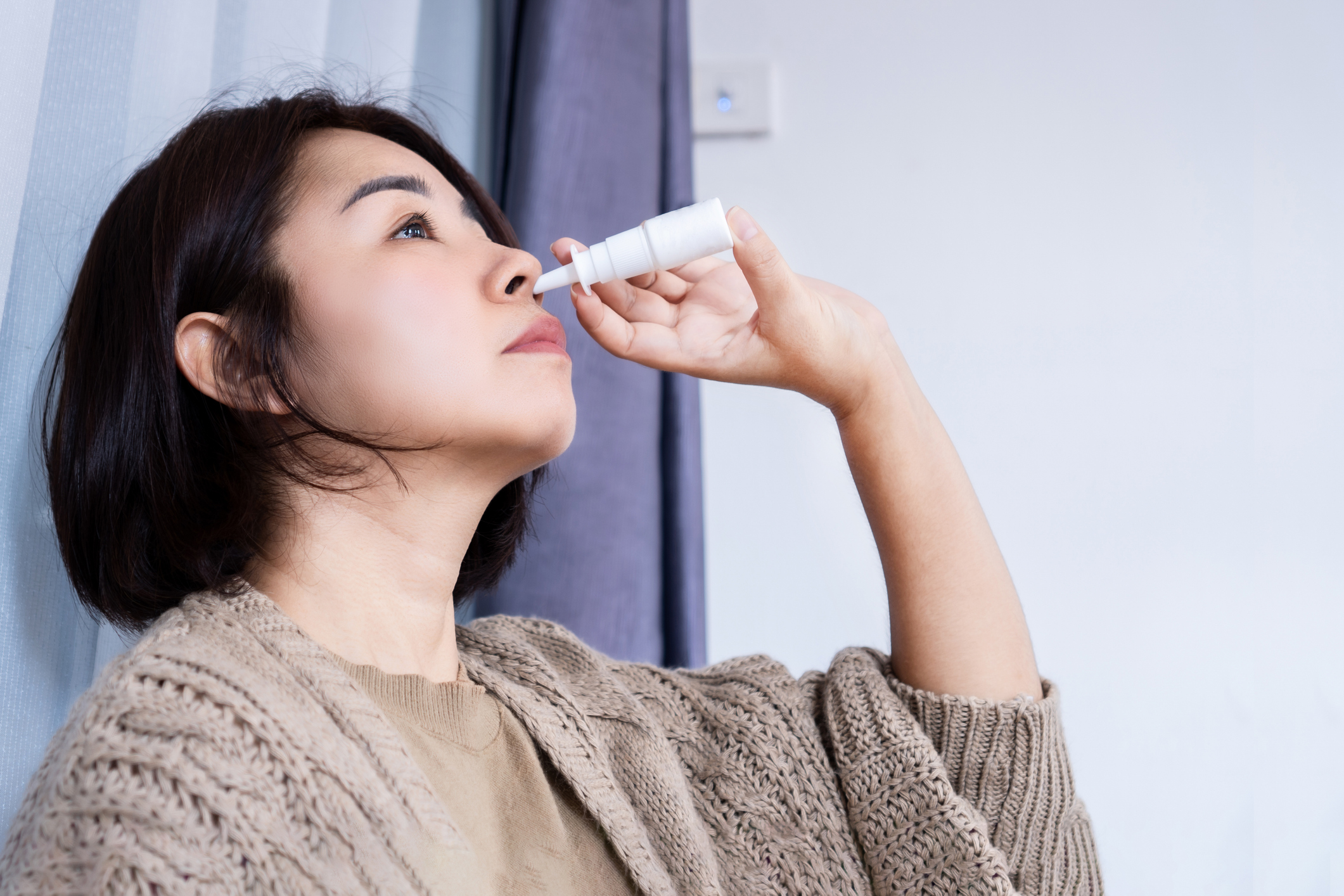
Remedies for Sinus Congestion- Nasal Irrigation

Sinus congestion happens when an irritant irritates the tissues lining the inside of your nose. The irritation sets off a chain reaction of inflammation, swelling, and mucus production, making it difficult to breathe through your nose. When left untreated, nasal congestion can cause sinusitis, nasal polyps, or middle ear infections.

Sinus congestion symptoms can include:

  • Sneezing
  • Coughing
  • Headaches

There are many causes of sinus congestion, with the most common causes being viruses, bacteria, and allergens. Other causes of sinus congestion include:

  • Smoking
  • Frequent travel

You may deal with sinus pressure, pain, and more when you suffer from sinus congestion. A good remedy for sinus congestion is nasal irrigation.

Nasal irrigation is an at-home treatment used to rinse your sinuses when they are clogged. With nasal irrigation, you flush away the clog using a saline solution with a Neti pot or a rinse bottle. Irrigation thins the mucus causing the clog and rinses away any substances that cause swelling.

Using water that doesn’t contain substances that could irritate your sinuses or make you sick is essential. Most water contains trace amounts of minerals, germs, pesticides, and other substances. You don’t want to introduce these substances to your sinuses during nasal irrigation. The water that should be used for nasal irrigation includes:

  • Distilled or sterile water- distilled water is purified. It has gone through a process to remove materials that could irritate your nasal passageways and germs that may make you sick.
  • Boiled water- boiling water kills harmful organisms like bacteria. Boil water for five minutes to ensure you have killed all the germs. If you can’t use it immediately, place a lid on the container and use it within 24 hours.
  • Filtered water- certain water filters remove harmful organisms making the water safe to use. The Centers for Disease Control (CDC) offers detailed guidance about which filters are safe for nasal irrigation.

Unfortunately, not everyone can use nasal irrigation. You shouldn’t use nasal irrigation if you:

  • Have an ear infection
  • Have pressure in one or both ears
  • Have a nostril that is completely blocked
  • Had recent surgery on your ears or sinuses

If you cannot use nasal irrigation, some alternative remedies for sinus congestion include:

  • Drinking fluids
  • Moisturizing your sinuses
  • Applying warm compresses to your face
  • Sleeping with your head elevated
  • Eating spicy foods
  • Taking a decongestant
  • Trying a nasal spray

If you are experiencing any problems from sinus congestion, visit Flushing Hospital Medical Center’s Ambulatory Care Center. To schedule an appointment, please call (718) 670-5486. If there is an emergency, please call 911.

All content of this newsletter is intended for general information purposes only and is not intended or implied to be a substitute for professional medical advice, diagnosis or treatment. Please consult a medical professional before adopting any of the suggestions on this page. You must never disregard professional medical advice or delay seeking medical treatment based upon any content of this newsletter. PROMPTLY CONSULT YOUR PHYSICIAN OR CALL 911 IF YOU BELIEVE YOU HAVE A MEDICAL EMERGENCY.

Top Summer Health Concerns and How to Prevent Them

Summer is in full swing, so most of our time will be spent outside doing various activities. However, there are many health concerns to consider.

Here are some summer health concerns and how to prevent them:

  1. Dehydration

Up to 78% of the human body is made of water, when it doesn’t get enough of it, it can’t function properly. In high heat, dehydration can become severe and fatal.

To prevent dehydration, it is important to stay hydrated. You can do this by drinking water and eating water-rich foods. Staying properly hydrated can also prevent kidney stones.

  1. Sunburns

A sunburn is when UV or ultraviolet rays from the sun cause a radiation burn on the skin. Sunburns can contribute to premature aging of skin and skin cancer. It can also lead to dehydration, sun poisoning, and infection from severe burns.

To prevent sunburn, wear sunscreen containing titanium oxide or zinc oxide every day, even on overcast days. Make sure to cover your entire body, including your ears, eyelids, lips, scalp, and if exposed, the top of your feet.

  1. Heat illnesses

Spending time in the sun doesn’t only bring the risks of sunburn and dehydration. It also brings the risk of heat illnesses which include:

  • Heat rash- a red stinging rash that develops when sweat gets trapped in your glands.
  • Heat cramps- are painful muscle cramps that occur when you sweat so much that your body loses salts and fluids.
  • Heat exhaustion- is when your body can’t cool itself through sweating. If it’s not treated, it can quickly turn into heatstroke.
  • Heatstroke- or sunstroke, is when your body temperature climbs to dangerous levels. It’s the most severe heat-related illness and can be fatal.

To prevent heat illnesses, limit the time you spend outdoors. Also, take any symptoms you observe in yourself and others seriously.

  1. Bee stings and insect bites

Since insects are more active during the summer, there’s a higher risk of encountering them. Especially for:

  • Bee stings
  • Mosquito bites
  • Tick bites
  • Ant bites

To prevent bugs from stinging or biting you, wear an insect repellent with the active ingredients DEET or picaridin. Other ways to prevent stings and bites include:

  • Avoid using scented products.
  • Drain any standing water.
  • Put on protective clothing.
  • Don’t leave any food uncovered outside.
  1. Drowning

We want to spend more time near water to cool off as temperatures rise. However, it is important to follow proper safety precautions to avoid drowning risks.

Here are some ways to prevent drowning risks:

  • Learn CPR
  • Use drain covers on pool drains.
  • Wear life jackets
  • Sign up for swimming lessons.
  1. Unsafe summer foods

Everybody loves a good summer barbecue or cookout, but sometimes the food we eat doesn’t always love us back.

The smoking process that gives smoked meats their flavor also creates harmful substances called polycyclic aromatic hydrocarbons or PAHs and heterocyclic amines or HCAs. The National Cancer Institute warns that PAHs and HCAs are mutagenic, meaning they can cause changes to your DNA that put you at risk for certain types of cancer.

You can prevent ingesting these harmful substances by using liquid smoke as an alternative marinade for your meats.

Foodborne illness can be a concern for cookout food as well. This is the case for food left out or leftover sitting in the “temperature danger zone” of 40 to 140 degrees Fahrenheit. These temperatures allow bacteria to grow that can make you sick.

You can prevent foodborne illness by cooking meats to a safe temperature and throwing any food that has sat out too long in the trash.

  1. Seasonal allergies

Pollen is a huge problem in the summer as the weather gets warmer and trees, grass, and flowers pollinate.

To prevent seasonal allergies, try taking allergy medications before the season starts so your body can build its defense.

These preventative measures can help you enjoy your summer and keep you safe.

If you or someone you are with are experiencing an emergency, call 911 immediately.


All content of this newsletter is intended for general information purposes only and is not intended or implied to be a substitute for professional medical advice, diagnosis or treatment. Please consult a medical professional before adopting any of the suggestions on this page. You must never disregard professional medical advice or delay seeking medical treatment based upon any content of this newsletter. PROMPTLY CONSULT YOUR PHYSICIAN OR CALL 911 IF YOU BELIEVE YOU HAVE A MEDICAL EMERGENCY.
Seasonal Allergies

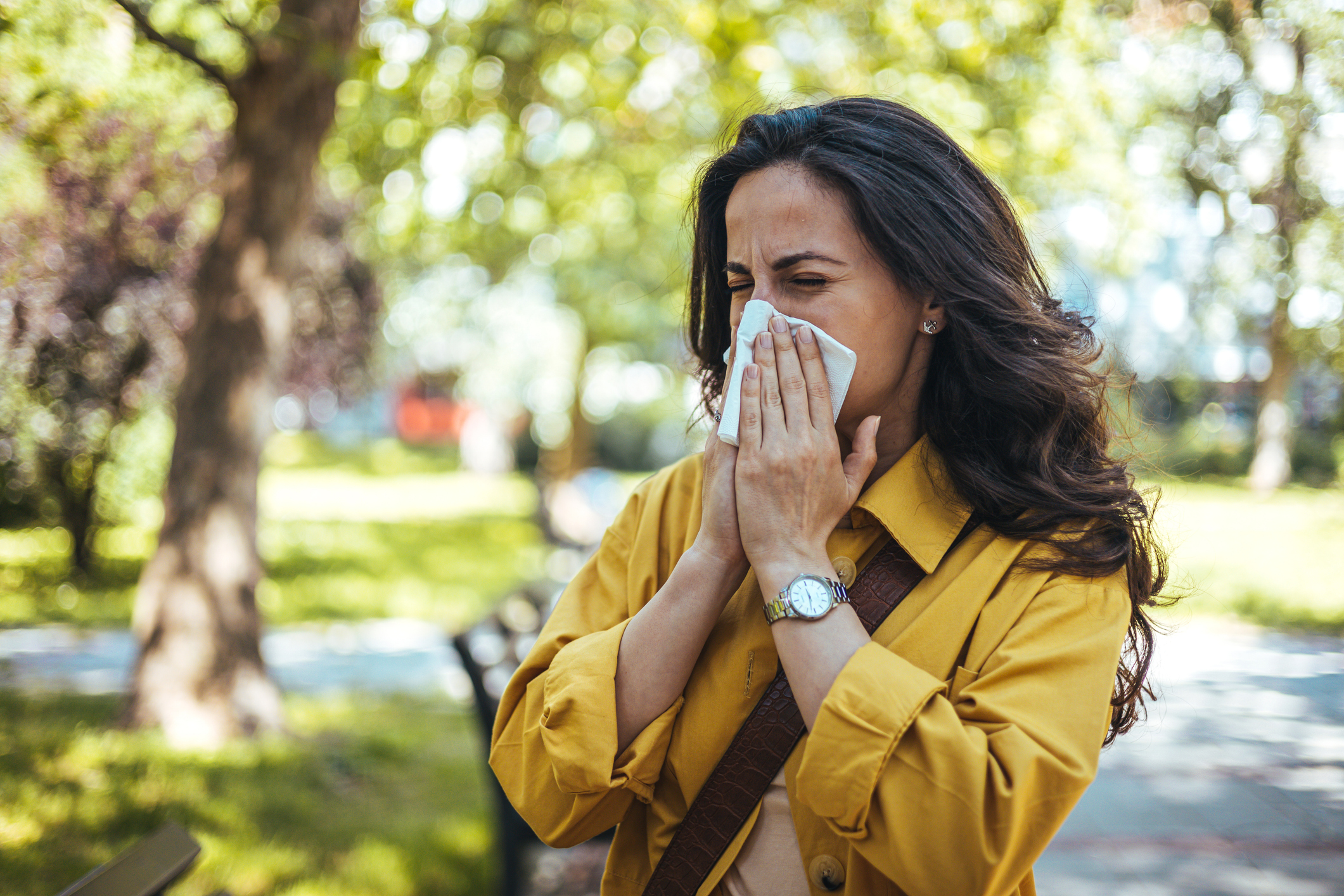
A woman blowing her nose due to seasonal allergies.As the spring season progresses, you or someone you know may experience a sore throat, runny nose, or irritated eyes. These symptoms are common during this part of the year due to seasonal allergies.

It may not always be clear when your symptoms are the result of allergies or an illness such as a viral infection. For many people, seasonal allergies can present in a similar way as the common cold. The difference is that allergy symptoms are caused by allergens (substances that you’re allergic to).

When you come into contact with an allergen, your immune system treats it as a harmful intruder and releases histamines, leukotrienes, and prostaglandins. These chemicals are what cause symptoms such as nasal congestion and irritation to occur. In severe cases where these allergens become trapped in the nasal passage or throat, you may experience an asthma attack and have difficulty breathing.

Certain allergens are more common during different parts of the year. During the spring and early summer seasons, pollen from trees and grass is most prevalent. Mold is more common during the fall as it grows on plants, trees, and other dead or decaying matter, but it can also develop during other parts of the year in moist environments (including buildings that have experienced flooding).

You may not realize when you’ve been exposed to an allergen, particularly airborne substances such as pollen. Allergy tests (which may involve drawing your blood and sending it to a laboratory) can help to identify these allergens; this is a particularly important step to take if your allergic reactions are severe or frequent. This also helps you determine what kind of medication is needed to control your symptoms.

If you believe you may have a seasonal allergy and are experiencing unpleasant, disruptive symptoms, you can get an allergy test and treatment at Flushing Hospital Medical Center’s Ambulatory Care Center. To schedule an appointment, please call (718) 670-5486.

All content of this newsletter is intended for general information purposes only and is not intended or implied to be a substitute for professional medical advice, diagnosis or treatment. Please consult a medical professional before adopting any of the suggestions on this page. You must never disregard professional medical advice or delay seeking medical treatment based upon any content of this newsletter. PROMPTLY CONSULT YOUR PHYSICIAN OR CALL 911 IF YOU BELIEVE YOU HAVE A MEDICAL EMERGENCY.

Can A Thunderstorm Trigger An Asthma Attack?

It has been found that a thunderstorm can trigger or worsen an asthma attack, under the right conditions. The term used to describe this phenomenon is “thunderstorm asthma”.

Although thunderstorm asthma can happen to anyone diagnosed with asthma, symptoms are most likely to develop in individuals who also suffer from seasonal allergic rhinitis.

According to a study published in the Journal of Applied Meteorology and Climatology, the phenomenon of thunderstorm asthma is caused by several factors including:

  • The combination of rainfall, cold air, and high humidity that occur in thunderstorms. (These weather conditions aid in breaking down pollen and spores into much smaller fragments, which can pass through the nose and sinuses, and into the airways of our lungs).
  • Electrical activity (lightning) that contributes to pollen fragmentation.
  • Strong gusts of wind that spread pollen.

Incidents of thunderstorm asthma are rare and have mostly occurred in Australia, England, and Italy. Although there haven’t been any widespread cases in the United States, the Asthma and Allergy Foundation of America (AAFA) reports, “many with asthma, especially allergic asthma, complain about their symptoms getting worse during thunderstorms.”

Though thunderstorm asthma is a rarity, there are growing concerns for those at risk for developing weather-related asthma attacks. Changing climate patterns are contributing to longer pollen seasons and more potent pollen. Additionally, storms are becoming more intense and frequent.

If you are at risk for developing weather-related asthma attacks, the AAFA has the following recommendations to help manage your health:

  • See a board-certified allergist to help you determine your triggers. They can help you create an asthma management plan.
  • Follow your doctor’s plan to keep your symptoms under control.
  • If you have allergic asthma and pollen is one of your triggers, watch the weather, especially when humidity and pollen are high.
  • Get support from others who have asthma. Asthma is easier to deal with if you have support from others after you leave the doctor’s office. AAFA has asthma and allergy online support groups you can join to talk to others with the same conditions.

To schedule an appointment with an asthma and allergy specialist at Flushing Hospital Medical Center, please call 718-670-5486.

All content of this newsletter is intended for general information purposes only and is not intended or implied to be a substitute for professional medical advice, diagnosis or treatment. Please consult a medical professional before adopting any of the suggestions on this page. You must never disregard professional medical advice or delay seeking medical treatment based upon any content of this newsletter. PROMPTLY CONSULT YOUR PHYSICIAN OR CALL 911 IF YOU BELIEVE YOU HAVE A MEDICAL EMERGENCY.

Asthma and Allergies

The most common form of asthma is caused by an allergic reaction. More than fifty percent of people who suffer from asthma have this type of disease. Asthma is an airway obstruction caused by inflammation and is a reaction that people have when they are exposed to substances that they are allergic to. Some of the offending substances are pet dander, pollen, dust mites, mold, and some foods. An asthma attack has three components:

• The bands of muscles surrounding the airways in the lungs tighten. This is called bronchospasm.

• The lining of the airways becomes inflamed and swollen.

• There is an increase in mucous production in the lining of the airway.

All of these factors make it harder for air to pass through the lungs, and breathing becomes difficult.

Treatment for allergy-induced asthma requires testing to see what a person is allergic to. Once these allergens have been identified the patient will be advised to avoid them. There is no cure for asthma but, there are several medications available that can help control it. Antihistamines are often administered, which help reduce the allergic reaction.

A physician may prescribe corticosteroids to reduce the inflammation of the airway and make breathing easier. Some medications are given for immediate relief of symptoms. Such as bronchodilators which are inhaled as needed to help to relax the airways.

Other medications are used for long-term control of symptoms and are taken on a daily basis. Speak to your physician if you experience difficulty breathing after coming in contact with certain substances. There are different treatment options available and you want to learn about the one that will be best for you.  You can also schedule an appointment with a pulmonologist at Flushing Hospital by calling 718-670-5486.

All content of this newsletter is intended for general information purposes only and is not intended or implied to be a substitute for professional medical advice, diagnosis or treatment. Please consult a medical professional before adopting any of the suggestions on this page. You must never disregard professional medical advice or delay seeking medical treatment based upon any content of this newsletter. PROMPTLY CONSULT YOUR PHYSICIAN OR CALL 911 IF YOU BELIEVE YOU HAVE A MEDICAL EMERGENCY.