How Microplastics and Nanoplastics Affect Our Long-Term Health

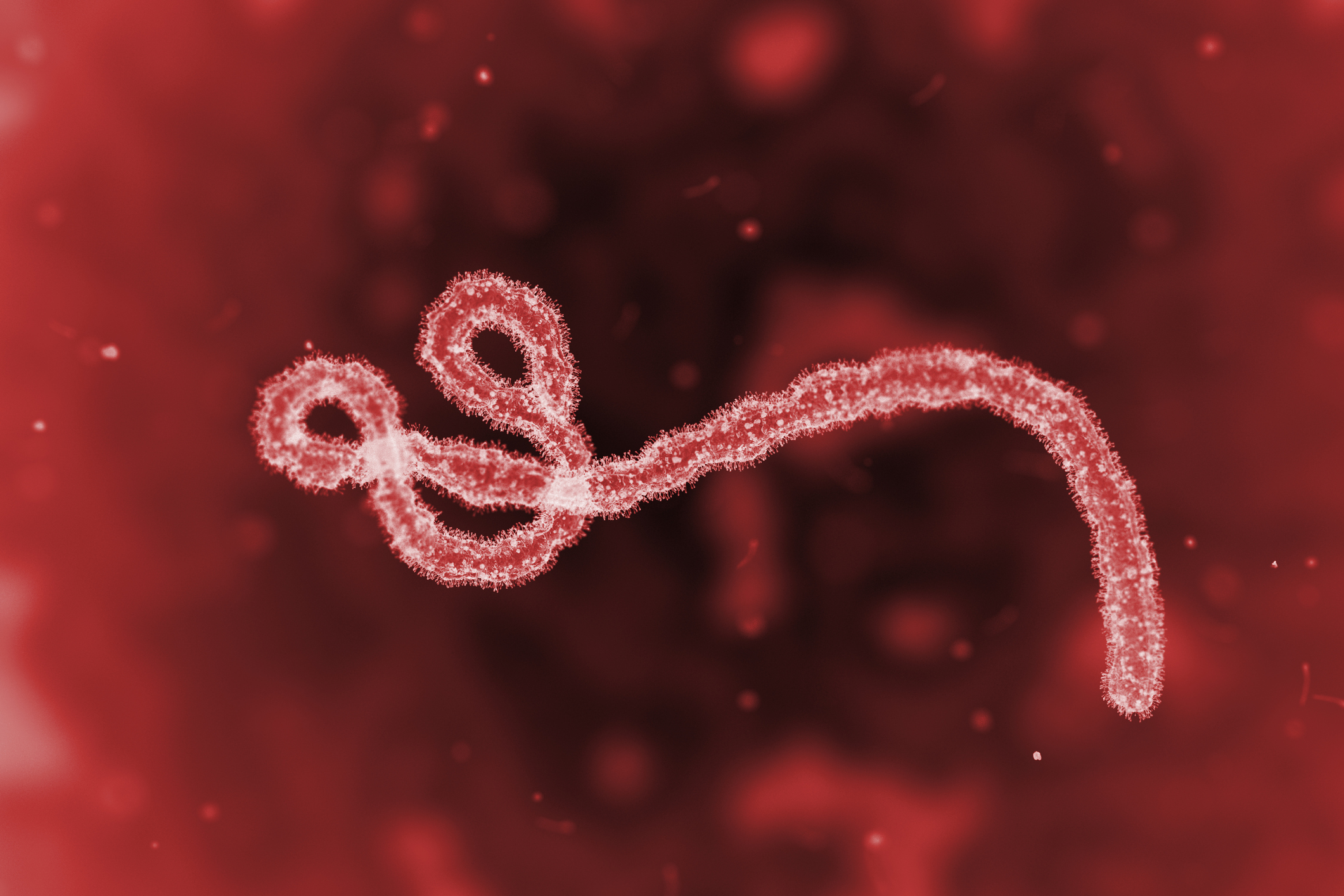
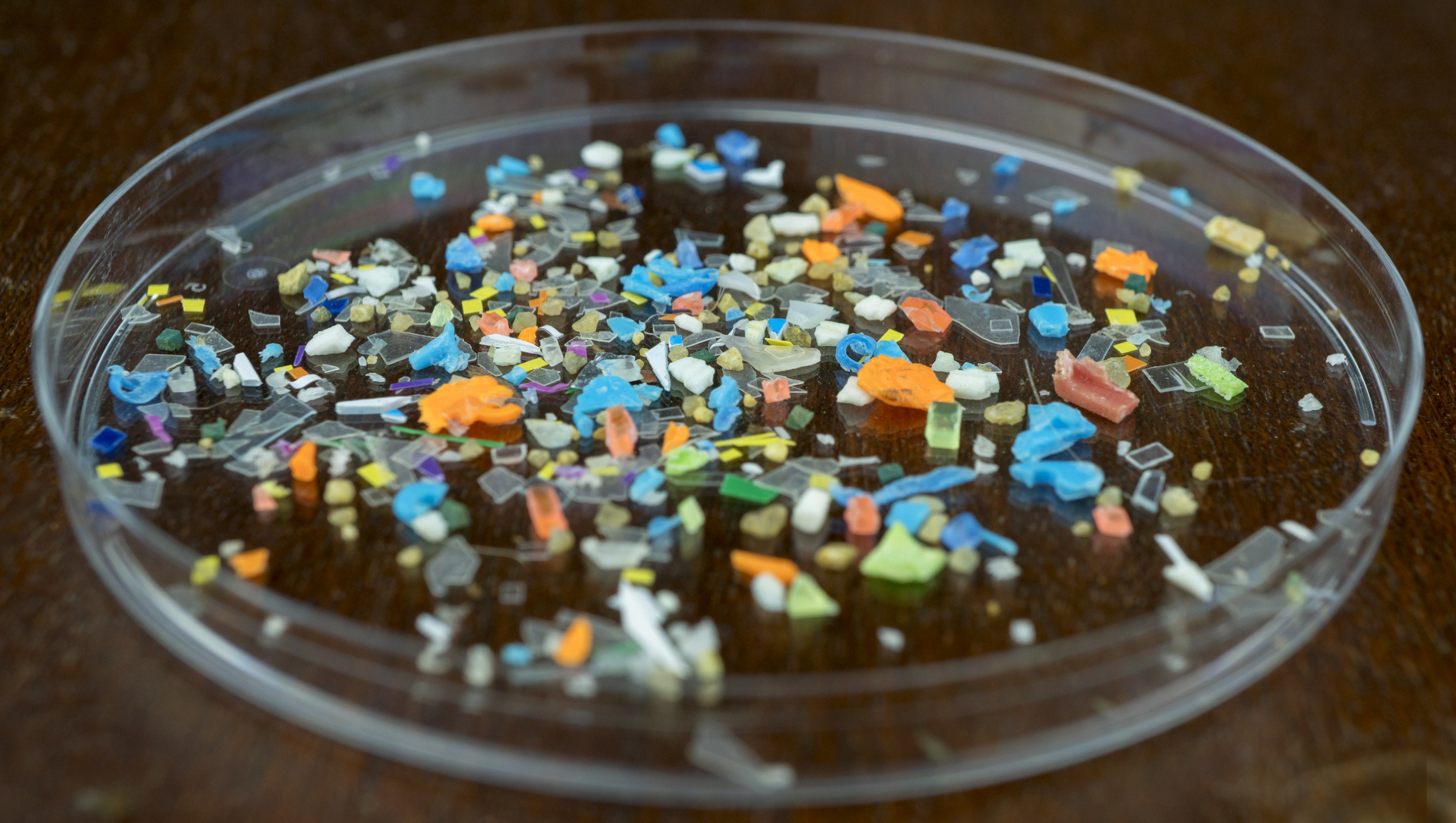
Microplastics and nanoplastics (MNPs) are plastic particles that fail to break down and have become a major concern for environmental and human health.

These plastic particles are extremely small, as microplastics range from 1 micrometer to 5 millimeters. Nanoplastics are even smaller, as they are less than one micrometer.

There are two types of microplastics, primary microplastics and secondary microplastics. These microplastics typically come from two main sources. Primary microplastics are manufactured at a small size intentionally. Secondary microplastics are formed from the breakdown of larger plastic items.

There are public concerns about the health effects of microplastics and nanoplastics, as they have been found in our bodies because of what we eat, drink, or breathe.

Nanoplastics can behave differently from microplastics or materials that are larger. Their small size means that they may move more easily through biological membranes or interact differently with cells in the body.

Larger microplastics are filtered by the body’s natural defenses, such as the mucus and cilia in the airways, but can still get inhaled into the lungs and even infiltrate the bloodstream or the barriers to the digestive system.

Scientific research has pointed to the likelihood of nanoplastics being far more toxicologically active than microplastics, due to their being small enough to pass through some biological barriers and easily absorbed into the body, which can potentially disrupt and damage internal organs and processes.

Evidence suggests that microplastics may be correlated with health conditions, including:

  • Chronic degenerative diseases
  • Cardiovascular disease
  • Inflammatory diseases, such as inflammatory bowel disease (IBS)

Additionally, existing research has found that microplastics can accumulate in the human brain. They can also be found in plaque formed in our arteries.

Currently, the U.S. doesn’t have regulations around microplastics. However, there are ways to reduce your exposure to microplastics, including:

  • Cutting back on bottled water
  • Getting an NSF-certified water filter
  • Avoiding storing food in plastic containers
  • Avoiding the reuse of single-use plastics for food and drinks
  • Avoiding heating plastic
  • Washing plastic by hand
  • Keeping your air clean

According to health experts, there are ways you can lower your risk of the health effects linked to microplastics, including:

  • Eating a balanced diet
  • Getting enough sleep and exercise
  • Lowering stress
  • Seeing preventative care

Unfortunately, plastic is everywhere, and it is hard to avoid. However, it is important to remember that all the plastic we use will end up in a landfill and eventually in our environment and in our bodies. Limiting plastic usage and production will hopefully have a positive impact on future generations.

All content of this newsletter is intended for general information purposes only and is not intended or implied to be a substitute for professional medical advice, diagnosis or treatment. Please consult a medical professional before adopting any of the suggestions on this page. You must never disregard professional medical advice or delay seeking medical treatment based upon any content of this newsletter. PROMPTLY CONSULT YOUR PHYSICIAN OR CALL 911 IF YOU BELIEVE YOU HAVE A MEDICAL EMERGENCY.
New Norovirus Variant

Norovirus cases are rising as a new variant of the virus is spreading across the U.S., with 153 outbreaks being reported between August and November so far. This is compared to 235 outbreaks reported during this same period last year. This is due to a mutated variant of the virus called GII.17.

Norovirus is a group of viruses that cause severe vomiting and diarrhea. It is very common and highly contagious. Norovirus outbreaks occur most often between November and April in countries above the equator and between April and September in countries below the equator.

There are several symptoms of norovirus, including:

· Nausea

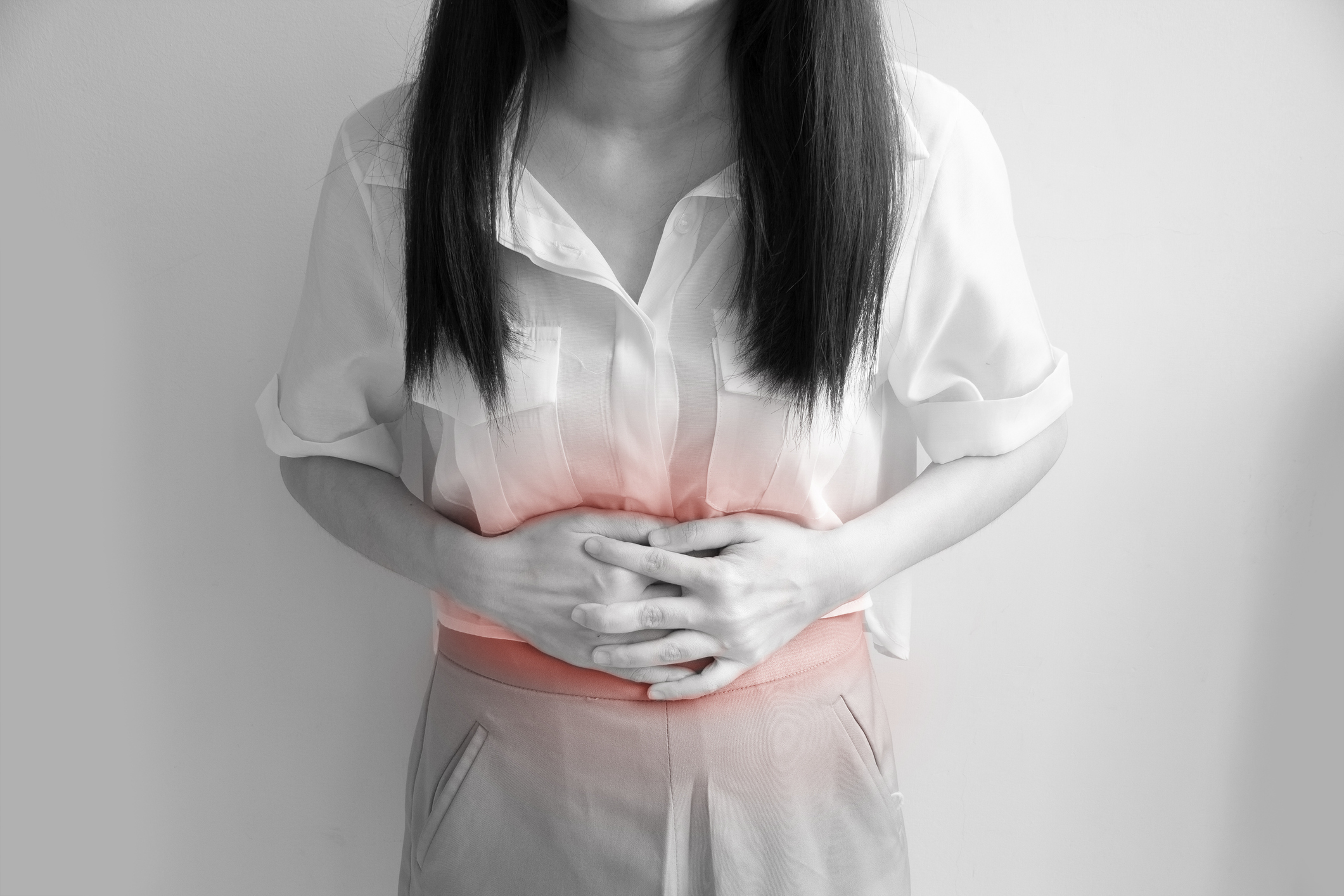
· Stomach pain

· Headache

· Fever

· Body aches

Symptoms usually appear 12 to 48 hours after exposure to the virus and last one to three days. Norovirus symptoms are generally the same in both adults and children. Adults may experience more diarrhea than children, and children may vomit more than adults.

A virus in the Caliciviridae family causes norovirus. When the virus enters your body, it causes your stomach and intestines to swell or become inflamed. This is called gastroenteritis, which leads to norovirus symptoms.

There are many ways to contract the norovirus infection, including:

· Through close contact with someone who has the virus

· Touching contaminated surfaces and then touching your mouth or nose

· Eating or drinking contaminated foods or beverages

Norovirus is the biggest cause of illness from contaminated food in the U.S. The virus typically spreads when someone who has the virus touches food before serving it to someone else. Sometimes, certain foods such as oysters and other seafood are naturally contaminated with norovirus.

A healthcare provider can diagnose norovirus after learning about your symptoms. Testing isn’t usually necessary; however, testing may be done if you have an underlying medical condition that affects the performance of your immune system and your ability to fight infections. A healthcare provider may ask for a stool sample that they will test to confirm your diagnosis.

There isn’t a cure for the norovirus. Treatment for the infection focuses on relieving symptoms, which will go away in one to three days. You can manage the symptoms of norovirus by:

· Drinking plenty of fluids, especially those rich in electrolytes

· Getting a lot of rest

· Eating soft, bland foods

The norovirus is extremely difficult to kill as it can’t easily be washed away and can survive temperatures up to 145°F. The Centers for Disease Control and Prevention (CDC) recommends washing hands vigorously with soap, cleaning any infected areas with diluted bleach, and washing infected clothes with hot water and detergent. The CDC also recommends wearing gloves and throwing them out after cleaning, which adds to your protection.

There are also many precautions you can take to reduce the risk of getting norovirus, including:

· Washing fruits and vegetables before eating them

· Cooking your food thoroughly (especially seafood or shellfish) or to an appropriate temperature

· Avoiding contact with people who are infected with norovirus

Please note that using hand sanitizer doesn’t kill norovirus particles as effectively as washing your hands with soap and water. If you are infected with norovirus, you shouldn’t prepare food or care for others, as you can spread the infection.

If you experience vomiting, diarrhea, or other symptoms of norovirus, schedule an appointment with a doctor at Flushing Hospital Medical Center’s Ambulatory Care Center as soon as possible by calling (718) 670-5486.

All content of this newsletter is intended for general information purposes only and is not intended or implied to be a substitute for professional medical advice, diagnosis or treatment. Please consult a medical professional before adopting any of the suggestions on this page. You must never disregard professional medical advice or delay seeking medical treatment based upon any content of this newsletter. PROMPTLY CONSULT YOUR PHYSICIAN OR CALL 911 IF YOU BELIEVE YOU HAVE A MEDICAL EMERGENCY.

What to Know About Protein Intake While on Weight Loss Medication

GLP-1 antagonists are a class of medications that mainly manage blood sugar levels in people with Type 2 diabetes. Some GLP-1 antagonists can also help treat obesity.

When a person starts to lose weight on a GLP-1 weight loss medication, it can happen very fast. However, as they lose fat, they could also be losing essential lean muscle mass, which can harm their metabolism and blood sugar levels. This will ultimately work against weight loss efforts and can even negatively affect bone health.

Protein is the building block of muscle. Getting enough is crucial for preventing muscle loss, especially when consuming fewer calories. When you consume enough protein, you are more likely to retain and even build muscle. However, when you don’t have enough protein, your body will cannibalize some of your muscle mass for energy.

A 2024 review study that made diet recommendations for GLP-1 patients based on the latest research recommends at least 60 grams of protein a day. It is suggested to aim for 20 to 40 grams of protein at every meal.

Most people who are on GLP-1 medications experience at least one side effect. The side effects are worse just after starting and in the days after increasing the dose. Fortunately, there are ways to combat those side effects, including:

  • Make every meal count
  • Schedule your meals
  • Make protein a priority
  • Aim for 64 ounces of fluid a day, plus electrolytes
  • Avoid fatty and greasy foods
  • Steer clear of sugary foods, alcohol, and refined carbs
  • Maintain muscle with resistance training
  • Eat smaller portions more frequently
  • Add fiber to your diet
  • Talk to your doctor if you are having side effects

For more information about the Bariatric Surgery Services at Flushing Hospital or procedures performed by our doctors, please call 718-408-6977 or 718-670-8908.


All content of this newsletter is intended for general information purposes only and is not intended or implied to be a substitute for professional medical advice, diagnosis or treatment. Please consult a medical professional before adopting any of the suggestions on this page. You must never disregard professional medical advice or delay seeking medical treatment based upon any content of this newsletter. PROMPTLY CONSULT YOUR PHYSICIAN OR CALL 911 IF YOU BELIEVE YOU HAVE A MEDICAL EMERGENCY.

The Link between Alcohol and Cancer

The Office of the Surgeon General recently issued an advisory calling for updated warnings on alcoholic beverages, cautioning that the consumption of alcohol heightens the risk of several types of cancer.

The current labels on alcoholic beverages warn about drinking while pregnant, drinking while driving, and operating machinery, as well as other general “health risks”.  The Office of the Surgeon General noted that alcohol consumption contributes to approximately 100,000 cancer cases and 20,000 cancer-related deaths each year. Therefore, the public needs to be warned about the link between alcohol consumption and an increased risk of cancer.

Alcohol has been classified as a carcinogen “primarily due to its metabolite, acetaldehyde, which has the ability to bind to DNA and potentially cause mutations”, says Dr. Vasilis Vasiliou PhD, chair of the Department of Environmental Health Sciences and the Susan Dwight Bliss Professor of Epidemiology at the Yale School of Public Health. Acetaldehyde may also increase the risk of aerodigestive cancers, which are cancers that affect the upper respiratory and digestive tracts. Aerodigestive cancers include cancer of the lip, tongue, salivary glands, and other oral and nasal regions. “Furthermore, acetaldehyde may have a more pronounced effect on individuals with mutations in DNA-repair enzymes, such as BRCA1 and BRCA2. Mutations in these BRCA1 and BRCA2 enzymes can increase the risk of developing breast or ovarian cancer”, Dr. Vasiliou says.

Dr. Vasiliou acknowledges that the adverse effects of alcohol are significantly influenced by the dose-response relationship, which considers both the quantity of alcohol consumed daily and the duration of consumption over time. These factors, along with co-exposures to environmental contaminants, play a pivotal role in determining the severity of alcohol-related risks. Such interactions suggest that alcohol’s harmful effects cannot be fully understood in isolation but should instead be evaluated within the broader context of combined exposures to other environmental and lifestyle-related carcinogens.

Dr. Vasiliou offers this advice when it pertains to alcohol and its link to cancer:

  • Do not start drinking for health reasons
  • Limit consumption
  • Consider personal and family health risks
  • Seek non-alcoholic sources of antioxidants

Synergistic interactions with other environmental carcinogens and lifestyle factors influence the risk of cancer from alcohol consumption. Reducing alcohol intake, alongside minimizing exposure to other known carcinogens such as tobacco smoke, environmental pollutants, and chemical toxins, is a critical strategy for lowering overall cancer risk. Comprehensive prevention efforts should address not only alcohol consumption but also broader environmental and lifestyle factors.


All content of this newsletter is intended for general information purposes only and is not intended or implied to be a substitute for professional medical advice, diagnosis or treatment. Please consult a medical professional before adopting any of the suggestions on this page. You must never disregard professional medical advice or delay seeking medical treatment based upon any content of this newsletter. PROMPTLY CONSULT YOUR PHYSICIAN OR CALL 911 IF YOU BELIEVE YOU HAVE A MEDICAL EMERGENCY.
Staying Safe from the Quad-emic of the flu, RSV, COVID-19, and the Norovirus

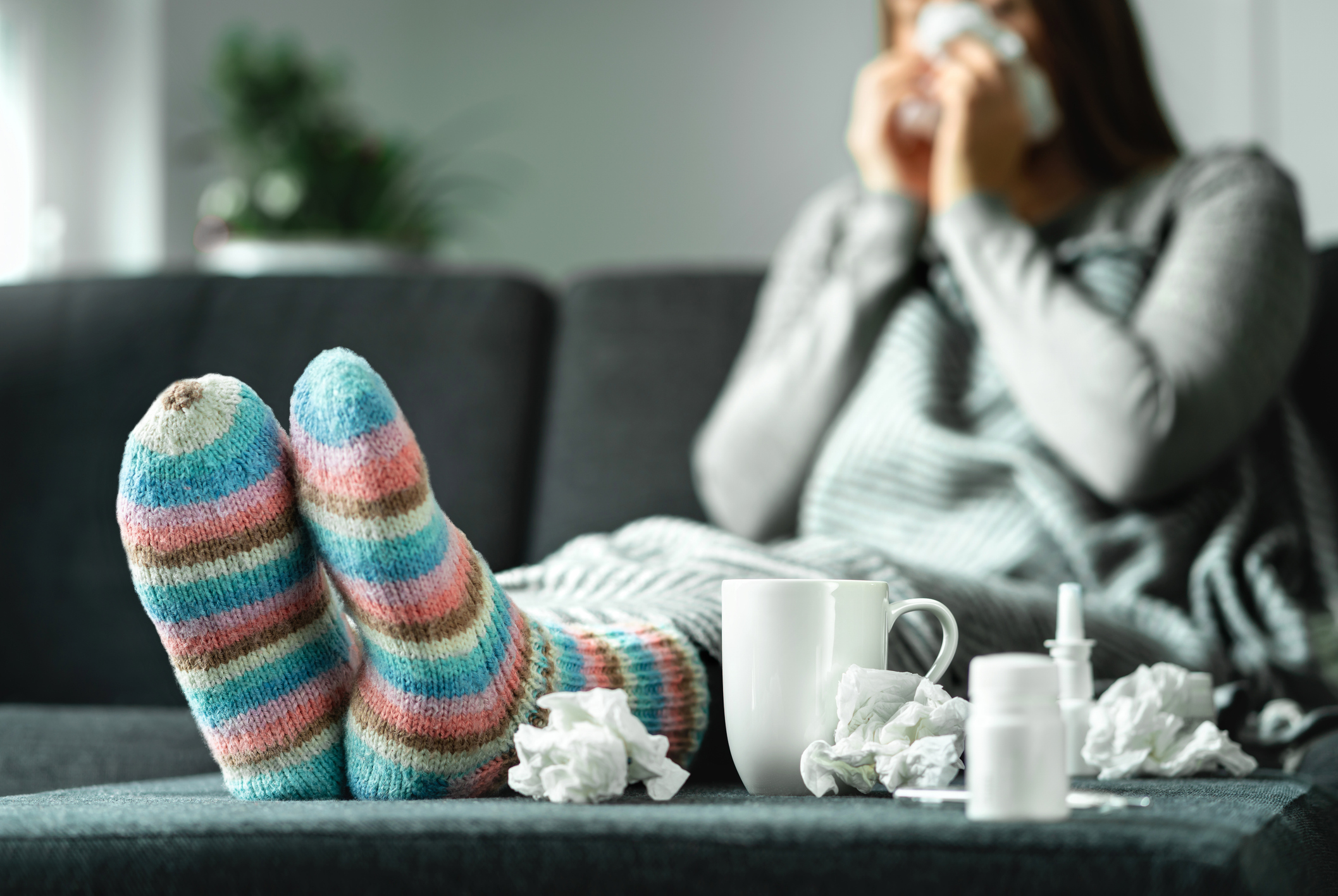
Winter is usually a prime season for flu and RSV cases to rise. However, in recent years, COVID-19 and norovirus infections have been added to the list of winter illnesses creating a “quad-emic”. A quad-emic means these four viral illnesses are spreading simultaneously.

It is important to know when you, a loved one, or a child are showing signs and symptoms of any of the four illnesses to seek immediate care. These contagious viruses can cause health complications and hospitalization, especially for those in high-risk populations if they are left untreated. High-risk people include:

  • Children
  • Elderly people
  • Pregnant women
  • Those with preexisting health conditions such as asthma and heart conditions

Influenza is a highly contagious viral respiratory tract infection that can cause severe illness and life-threatening complications (including pneumonia). Flu cases typically rise in the winter. A flu vaccine reduces the risk of infection, but it is still possible to get the flu if stronger strains form or if you are considered high-risk.

COVID-19 is a respiratory tract infection caused by the SARS-CoV-2 virus. It is highly contagious and symptoms vary from person to person. Even if you are vaccinated or have immunity from a past infection, you may still be at risk as new variants form.

Respiratory syncytial virus or RSV, is a common respiratory virus that infects the nose, throat, and lungs. RSV symptoms are similar to COVID-19 and the flu and are very dangerous for infants, young children, and older adults.

Norovirus, also known as the stomach flu causes vomiting and diarrhea and is extremely contagious.

Symptoms of the quad-emic illnesses include:

  • Fever
  • Coughing
  • Shortness of breath
  • Diarrhea
  • Vomiting
  • Runny nose
  • Body aches
  • Sore throat
  • Headache
  • Loss of taste or smell
  • Fatigue

Treatment will vary by severity of the symptoms and by diagnosis. Some cases can be treated at home with over-the-counter medications, but others may need prescription medication. Your healthcare provider will advise you on the best treatment plan. If you are considered high-risk, they will monitor your symptoms to ensure they aren’t getting worse.

Ways to help to reduce the risk of infection include:

  • Practicing good hygiene such as washing your hands
  • Covering your mouth when coughing or sneezing
  • Staying isolated if you are feeling sick to avoid spreading it to others
  • Getting vaccinated for the flu and COVID-19

If you are experiencing any of these quad-emic illness symptoms, visit Flushing Hospital Medical Center’s Ambulatory Care Center. To schedule an appointment, please call (718) 670-5486. If there is an emergency, please call 911.


All content of this newsletter is intended for general information purposes only and is not intended or implied to be a substitute for professional medical advice, diagnosis or treatment. Please consult a medical professional before adopting any of the suggestions on this page. You must never disregard professional medical advice or delay seeking medical treatment based upon any content of this newsletter. PROMPTLY CONSULT YOUR PHYSICIAN OR CALL 911 IF YOU BELIEVE YOU HAVE A MEDICAL EMERGENCY.

The Do’s and Don’ts for Monday’s Solar Eclipse

A total eclipse of the sun.On Monday, April 8th, a total solar eclipse will be visible across North America. During a total solar eclipse, the moon completely obscures the sun as it orbits the Earth, causing it to appear like a dark circle surrounded by a ring of light. The moon will pass the sun from about 2:00 PM to 4:30 PM; in New York, the total eclipse should be visible between 3:00 and 3:30. This type of eclipse is not rare, taking place approximately every 1.5 years. However, they often occur in more remote parts of the world; this eclipse will be the first one to be visible in the United States since 2017.

While this event will make for a rare and interesting sight, it’s important to take safety precautions to protect your eyesight if you plan to view it. Any amount of time spent looking at the sun can permanently damage your retina and potentially cause blindness. Make sure to follow these tips to protect your eye health while watching the eclipse:

Do: View the eclipse with glasses that contain solar filters or hand-held solar viewers. Ordinary sunglasses do not sufficiently protect you against the harmful effects of looking directly at the sun, even during an eclipse.

Do: Make sure any eclipse glasses or viewers you purchase come from a reputable vendor that verifiably includes solar filters into their products.

Do: Read any instructions that come with your eclipse viewer or glasses. If you plan to look at the eclipse with your child, make sure to help them understand how to use these tools to view the sun safely.

Don’t: Look at the sun through cameras, telescopes, or binoculars that do not contain a solar filter, even if you are wearing glasses or using a viewer that contains a solar filter at the same time.  These devices can concentrate the sun’s rays in a way that damages the solar filter.

Don’t: Use your eclipse glasses or viewer if they have visible damage or scratches on them, as these can reduce their protective effects.

If you’ve experience eye damage due to the effects of the sun, you can visit an ophthalmologist at Flushing Hospital Medical Center. To schedule an appointment, please call (718) 670-5486.

All content of this newsletter is intended for general information purposes only and is not intended or implied to be a substitute for professional medical advice, diagnosis or treatment. Please consult a medical professional before adopting any of the suggestions on this page. You must never disregard professional medical advice or delay seeking medical treatment based upon any content of this newsletter. PROMPTLY CONSULT YOUR PHYSICIAN OR CALL 911 IF YOU BELIEVE YOU HAVE A MEDICAL EMERGENCY.

Syphilis Cases Are Rising – Here’s What You Need to Know

A doctor talking to a patient while writing notes.Syphilis cases throughout the United States have surged dramatically over the past five years, increasing by nearly 79% according to a recent report from the Centers for Disease Control and Prevention (CDC). The uptick in cases of congenital syphilis is even more staggering, with an increase of 183.4% from 2018 to 2022. As this epidemic worsens, it’s important to have the facts about syphilis and learn more about what you can do to keep yourself and others safe.

Syphilis is a type of sexually-transmitted infection (STI), meaning that it is spread through sexual contact with other people. It is transmitted through direct skin-to-skin contact with a syphilis sore on another person’s body, but can also spread through casual contact with objects that a person with syphilis may have used, such as toilet seats, door knobs, clothing, or eating utensils. You can also become infected through using shared spaces such as bathtubs or swimming pools.

In its primary stage, syphilis causes firm, round, and painless sores around the site where the infection entered your body. Even if these sores go away without treatment, the disease may enter its secondary stage, which can cause rashes and other symptoms, such as:

  • Fever
  • Swollen lymph glands
  • Sore throat
  • Patchy hair loss
  • Headaches
  • Unintended weight loss
  • Muscle aches
  • Fatigue

The latent stage of syphilis, which follows the secondary phase, does not present new symptoms. However, it can progress into the tertiary stage, during which the disease can cause damage to organs such as the heart, brain, blood vessels, and eyes. Without treatment, syphilis that enters the tertiary stage can result in death.

Congenital syphilis can occur when a mother with syphilis transmits the infection to her baby. This type of syphilis can cause severe health complications for an affected baby, including:

  • Bone deformities
  • Severe anemia
  • Enlarged liver and spleen
  • Jaundice (yellowing of the skin or eyes)
  • Nervous system problems, such as blindness or deafness
  • Meningitis
  • Skin rashes
  • Death

You should get tested for syphilis if you are:

  • Sexually active, especially if you do not use condoms
  • Are pregnant or plan to become pregnant
  • Have HIV
  • Are taking pre-exposure prophylaxis (PrEP) for HIV prevention
  • Have previously had (or currently have) sexual contact with partners who have tested positive for syphilis

You can receive diagnostic testing and treatment for syphilis at Flushing Hospital Medical Center’s Ambulatory Care Center. To schedule an appointment, please call (718) 670-5486.

All content of this newsletter is intended for general information purposes only and is not intended or implied to be a substitute for professional medical advice, diagnosis or treatment. Please consult a medical professional before adopting any of the suggestions on this page. You must never disregard professional medical advice or delay seeking medical treatment based upon any content of this newsletter. PROMPTLY CONSULT YOUR PHYSICIAN OR CALL 911 IF YOU BELIEVE YOU HAVE A MEDICAL EMERGENCY.

National Bullying Prevention Month

As much as 20% of children aged 12 to 18 experiencing bullying throughout the United States. It is a prevalent issue that can happen at school, home, online, or in any other place where children regularly spend time.

Bullying is a problem that holds consequences for both victims and perpetrators. Kids who get bullied are at higher risk for mental and emotional issues such as depression and anxiety, health issues, and decreased academic performance. Bullies themselves are at higher risk for substance abuse, criminal behavior, and dropping out of school. Even kids who witness bullying may face a higher risk of substance abuse, mental health problems, and absenteeism.

Deadly consequences can occur as a result of bullying. It can contribute to a victim’s risk of committing suicide or, in rare cases, to extremely violent retaliatory measures such as a mass shooting.

Preventing bullying effectively involves helping children understand bullying, teaching them how to respond to it, and providing positive examples for them to follow. You can achieve these objectives by:

  • Providing a clear explanation of what bullying is and how it affects others.
  • Helping children to identify bullying and encouraging them to report it to an adult.
  • Teaching children to treat people with respect, kindness, and empathy.

If you believe that your child is experiencing mental health or developmental problems that are causing them to bully other children or are a result of their experiences as a victim of bullying, you can schedule an appointment at Flushing Hospital Medical Center’s Developmental and Behavioral Pediatric Department by calling (718) 670-5213 now.

All content of this newsletter is intended for general information purposes only and is not intended or implied to be a substitute for professional medical advice, diagnosis or treatment. Please consult a medical professional before adopting any of the suggestions on this page. You must never disregard professional medical advice or delay seeking medical treatment based upon any content of this newsletter. PROMPTLY CONSULT YOUR PHYSICIAN OR CALL 911 IF YOU BELIEVE YOU HAVE A MEDICAL EMERGENCY.
3 Dangerous Social Media Health Trends to Avoid

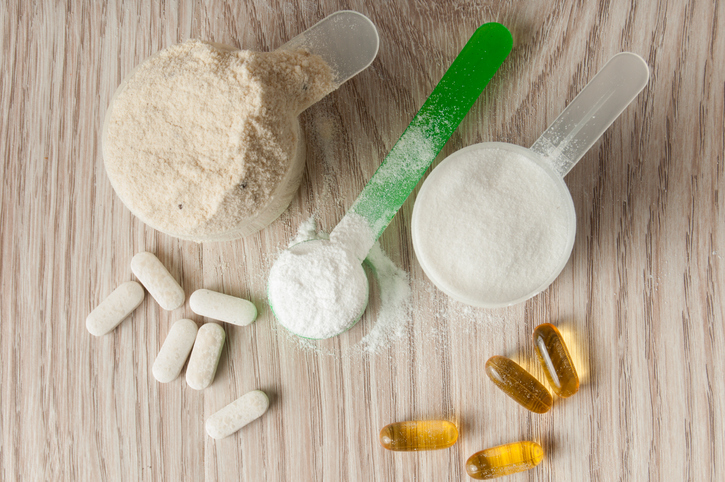
Popular social media sites such as Instagram and TikTok often give rise to a variety of health and wellness trends. However, many of these trends offer questionable medical benefits and, in some cases, can lead to harmful consequences. Three recent examples of these trends include dry scooping, sunscreen contouring, and cooking chicken in NyQuil.

Dry scooping involves eating pre-workout powders with high volumes of ingredients such as caffeine, creatine, and beta-alanine without mixing them into a liquid. This practice has gained traction over the past year among online fitness communities and influencers, as it’s believed to increase the body’s absorption of the compounds in a powder and allow a person to exercise at increased intensity.

You may, however, find yourself unable to swallow the powder due to its texture and accidentally inhale it, causing inflammation in your throat and nasal passages as well as potentially infecting your lungs. Additionally, this method of ingesting the powder introduces a large amount of caffeine into your body more quickly than drinking it in liquid form, increasing your risk of heart problems. Dry scooping also increases your risk of suffering from digestive issues.

Sunscreen contouring is another dangerous trend that’s emerged through social media this year. It involves applying sunscreen to the high points of your face and staying in the sun to allow tan lines to form and produce a contoured effect.

The primary danger of this trend is that it significantly increases your risk of receiving sunburrns and developing skin cancer. Cumulative ultraviolet (UV) radiation from the sun over time can cause basal cell and squamous cell skin cancers to form. Sunburns, particularly severe ones that cause blistering, can also become melanoma later in life.

NyQuil chicken recently re-emerged as a TikTok trend after first appearing several years ago on the popular website Reddit. It involves cooking chicken in the cold medicine NyQuil.

As the chicken is cooked and the NyQuil boils in the pan, certain compounds evaporate, leaving behind a concentrated amount of other ingredients that may cause toxic side-effects such as seizures, liver disease, and even death.

Avoid these trends and do what you can to prevent family members and friends, particularly young people who may be more vulnerable to them, from attempting them.

If you experience immediate adverse effects from these practices, dial 9-1-1 and get help immediately. If you’re concerned about cumulative effects from these trends, please schedule an appointment at Flushing Hospital Medical Center’s Ambulatory Care Center by calling (718) 670-5486.

All content of this newsletter is intended for general information purposes only and is not intended or implied to be a substitute for professional medical advice, diagnosis or treatment. Please consult a medical professional before adopting any of the suggestions on this page. You must never disregard professional medical advice or delay seeking medical treatment based upon any content of this newsletter. PROMPTLY CONSULT YOUR PHYSICIAN OR CALL 911 IF YOU BELIEVE YOU HAVE A MEDICAL EMERGENCY.

The Dangers of Distracted Cycling

More people are cycling these days; for pleasure or for work. With the increase in the number of people using bicycles to get from place to place, there has also been an increase in the number of accidents involving cyclists.

Some of these accidents are due to distracted motor vehicle drivers but others are due to cyclists not paying full attention to the road.

The two most common distractions that lead to accidents are cyclists using ear buds to listen to music or talk on the phone while pedaling. This limits their ability to hear car horns and other audio cues in their surroundings. Another distraction is using hand- held mobile devices. Using cellphones or other mobile devices while riding creates a visual distraction and prevents cyclists from watching the road for signs of danger and holding their handlebars properly.

To ensure their safety, people on bicycles must use their vision and hearing to give their full attention to their environment.

Cyclists should obey the rules of the road, be mindful of keeping their eyes and ears free from distractions, always wear a helmet, and keep in mind that motorists may not be paying attention.

All content of this newsletter is intended for general information purposes only and is not intended or implied to be a substitute for professional medical advice, diagnosis or treatment. Please consult a medical professional before adopting any of the suggestions on this page. You must never disregard professional medical advice or delay seeking medical treatment based upon any content of this newsletter. PROMPTLY CONSULT YOUR PHYSICIAN OR CALL 911 IF YOU BELIEVE YOU HAVE A MEDICAL EMERGENCY.