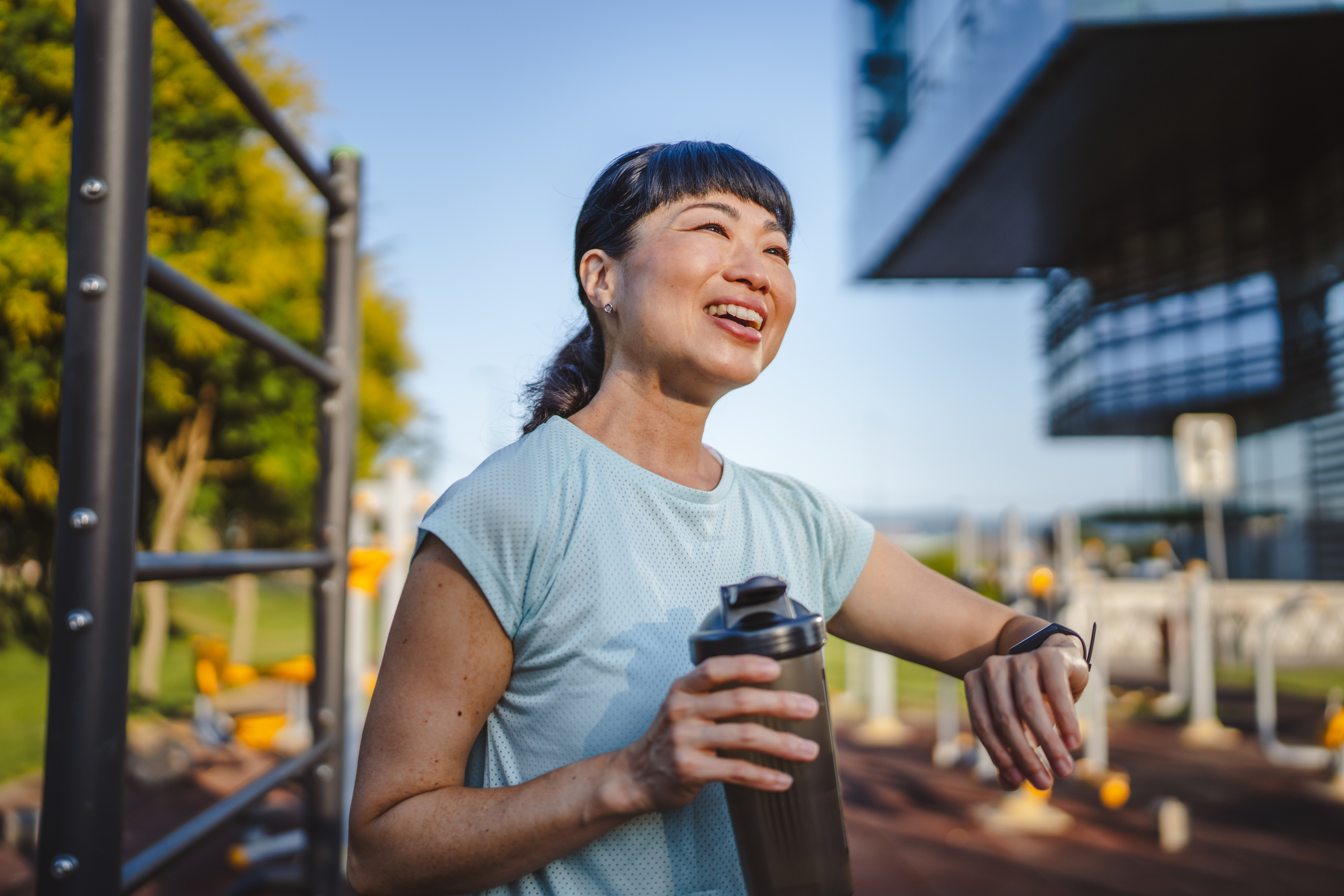
Wellness Wednesday Tip: Staying Physicall Active

Life can move fast, and we may not have enough time to exercise as much as we would like to. Most people spend half of their day sedentary. The more you sit, the more your large muscles aren’t using glucose, the body’s main source of energy. Sitting for long periods of time can cause blood sugar levels to rise, triggering the body to release insulin.  

Over time, sedentary habits cause the body to become less sensitive to insulin, resulting in insulin resistance. 

Regular physical activity is one of the most important things you can do for your health. What’s more, any kind of exercise can reduce fatigue and improve sleep, decrease anxiety and depression, improve weight management, and promote brain health. It can also help prevent and reduce the risk of long-term health problems, such as heart disease, type 2 diabetes, high blood pressure, and obesity.  

Additionally, regularly moving your body lowers your risk for some types of cancers, fatty liver disease, chronic pain, arthritis, and even dementia.  

According to the Centers for Disease Control and Prevention (CDC), adults need at least 150 minutes of moderate-intensity physical activity each week. Moderate-intensity physical activity can be any activity that gets you to breathe harder and your heart beating faster, such as: 

  • Brisk walking  
  • Dancing  
  • Swimming 
  • Roller skating 
  • Jogging 
  • Riding a bike 
  • Playing a sport  

Moving your body doesn’t always have to involve working out in a gym. You can also climb the stairs, garden, or play with your children or pets.  

Whether you are just starting or haven’t been physically active for a while, there are ways to get started. Here are some tips to help you add more physical activity to your daily life: 

  • Look for ways to make physical activity a part of your daily routine, such as walking the dog or walking in place during commercial breaks while watching TV 
  • Start with activities, locations, and times you enjoy 
  • Find a place near your home or work to be physically active 
  • Try activities with friends or family that you enjoy together 

If you lack the time, space, energy, skill, or if something else is preventing you from being more physically active, such as a fear of injuring yourself, here are ways to overcome these obstacles: 

  • Add physical activity to your daily routine, such as parking farther away from your destination or taking the stairs instead of the elevator 
  • Schedule physical activity for times in the day or week when you will feel more energetic 
  • Invite a friend or family member to exercise with you regularly 
  • Choose activities you can do safely, and increase the amount you do gradually as your confidence and abilities grow 
  • Be sure to warm up and cool down before walking to avoid injury 

Regular physical activity is one of the most important things you can do for your health. Everyone can experience the health benefits of physical activity, as it gets your body moving and your heart beating faster.  

It is recommended that you consult your doctor before starting or adding new exercises to your routine. You can schedule an appointment with a doctor at Flushing Hospital’s Ambulatory Care Center by calling (718) 670-5486. 

All content of this newsletter is intended for general information purposes only and is not intended or implied to be a substitute for professional medical advice, diagnosis or treatment. Please consult a medical professional before adopting any of the suggestions on this page. You must never disregard professional medical advice or delay seeking medical treatment based upon any content of this newsletter. PROMPTLY CONSULT YOUR PHYSICIAN OR CALL 911 IF YOU BELIEVE YOU HAVE A MEDICAL EMERGENCY.


Wellness Wednesday: The Health Benefits of Napping

There are days when you suddenly get tired in the middle of the day and want to nap. But napping at the wrong time of day or for too long can backfire causing sleep inertia and insomnia.

If you are considering taking a nap, make sure that it is at a time when you:

Are experiencing new fatigue or unexpected sleepiness; are about to experience sleep loss like during a long work shift; are eight hours or more before bedtime.

Here are some tips that will help you get the most out of your naptime:

  • Keep naps short- aim to nap for 10 to 20 minutes. The longer you nap the more likely you will feel groggy afterward.
  • Take naps in the early afternoon- napping after 3 pm can interfere with nighttime sleep. Individual factors such as your need for sleep, your sleeping schedule, your age, and your medication use can play a role in determining the best time of day to nap.
  • Create a restful environment- nap in a quiet, dark place with a comfortable room temperature and few distractions.

There are many benefits of napping, including:

  • Relaxation
  • Reduced fatigue
  • Increased alertness
  • Improved mood
  • Improved performance
  • Quicker reaction time
  • Better memory
  • An improved creative mindset

After napping, give yourself time to wake up before you resume activities, especially those requiring a quick or sharp response.

All content of this newsletter is intended for general information purposes only and is not intended or implied to be a substitute for professional medical advice, diagnosis or treatment. Please consult a medical professional before adopting any of the suggestions on this page. You must never disregard professional medical advice or delay seeking medical treatment based upon any content of this newsletter. PROMPTLY CONSULT YOUR PHYSICIAN OR CALL 911 IF YOU BELIEVE YOU HAVE A MEDICAL EMERGENCY.

Anaerobic Exercise

Anaerobic exercise is any short, fast high-intensity exercise that uses stored energy to supply working muscles instead of oxygen.

Some types of anaerobic exercises include:

  • High-intensity interval training (HIIT)
  • Heavy weightlifting
  • Sprinting
  • Plyometrics: jumping, hopping, skipping, jumping squats, and jumping lunges
  • Calisthenics: bodyweight exercises like push-ups, pull-ups, and dips

Anaerobic exercise benefits the cardiovascular system, muscles, and joints. These benefits include:

  • An increase in muscle strength and power.
  • An increase in fat loss and muscle mass.
  • An improvement in bone mineral density.
  • A decrease in joint stiffness.
  • Corrected muscle imbalances and improved posture.
  • An improvement in circulation and heart and lung function.
  • A decrease in high blood pressure.
  • A decrease in inflammation throughout the body.
  • An improvement in mood and energy.
  • A decreased risk of developing conditions like diabetes, heart disease, and stroke.
  • Lowered blood sugar, high cholesterol, and triglycerides.

Anaerobic exercise isn’t easy, it may be helpful to find a certified fitness trainer to help you create a program based on your medical history.

If you want to create a program on your own, here are some basic weightlifting tips to consider:

  • Warm up for at least five minutes.
  • Start with large muscle groups first.
  • Do one to three sets of eight to 15 reps.
  • Complete eight to 10 exercises following the proper technique.

Please note that when beginning or increasing the amount of anaerobic exercise, get cleared to do so by your healthcare provider. Start slowly and gradually increase your physical activity level over time.

If you experience medical problems while exercising, you can schedule an appointment with a doctor at Flushing Hospital Medical Center’s Ambulatory Care Center. To schedule an appointment, please call (718) 670-5486.

All content of this newsletter is intended for general information purposes only and is not intended or implied to be a substitute for professional medical advice, diagnosis or treatment. Please consult a medical professional before adopting any of the suggestions on this page. You must never disregard professional medical advice or delay seeking medical treatment based upon any content of this newsletter. PROMPTLY CONSULT YOUR PHYSICIAN OR CALL 911 IF YOU BELIEVE YOU HAVE A MEDICAL EMERGENCY.

Wellness Tips For a Healthy Fall Season

The fall season is full of activities and holidays to enjoy with friends and family. However, this part of the year also brings with it many different health concerns that can make the season more difficult to enjoy. There are a few important steps you should take to protect your health and the well-being of your loved ones this fall, including:

Getting vaccinated: A wide range of illnesses become more common during the fall season, such as the flu and COVID-19. The simplest step you can take to effectively protect yourself against these illnesses is to get vaccinated. While vaccination does not make it impossible for you to catch these diseases, it does make getting sick less likely, and if you do get sick, it can significantly reduce the severity of your symptoms.

Spending time outdoors: As the days become shorter throughout the fall, many people experience symptoms of mental conditions such as seasonal affective disorder, a form of depression that typically begins during the fall and continues throughout the winter. These symptoms can be reduced by getting adequate sunlight exposure and spending time on outdoor activities such as walking or jogging.

Wearing appropriate seasonal clothing: Throughout the fall season, the weather gradually becomes colder, making it important to have warm, comfortable clothing, such as long-sleeved shirts and pants, coats, and hats. These can protect you against issues such as dry skin and other cold-related health problems.

If you experience symptoms of a seasonal medical condition, you can schedule an appointment with a doctor at Flushing Hospital Medical Center’s Ambulatory Care Center by calling (718) 670-5486.

All content of this newsletter is intended for general information purposes only and is not intended or implied to be a substitute for professional medical advice, diagnosis or treatment. Please consult a medical professional before adopting any of the suggestions on this page. You must never disregard professional medical advice or delay seeking medical treatment based upon any content of this newsletter. PROMPTLY CONSULT YOUR PHYSICIAN OR CALL 911 IF YOU BELIEVE YOU HAVE A MEDICAL EMERGENCY.

#WELLNESSWEDNESDAY

With all the running around we do and the stress we deal with each and every day, try to take a moment to center your mind and bring wellness to your entire being.  Try reciting these and other positive affirmations to help start your day in a positive way.

All content of this newsletter is intended for general information purposes only and is not intended or implied to be a substitute for professional medical advice, diagnosis or treatment. Please consult a medical professional before adopting any of the suggestions on this page. You must never disregard professional medical advice or delay seeking medical treatment based upon any content of this newsletter. PROMPTLY CONSULT YOUR PHYSICIAN OR CALL 911 IF YOU BELIEVE YOU HAVE A MEDICAL EMERGENCY.

How Is Water Good For Your Health?


Drinking water is often touted as a way to clear the body’s system of unnecessary waste, but it actually has many more benefits.

Studies show that water can:

  1. Lubricate the joints of the body
  2. Help form saliva and mucous
  3. Deliver oxygen throughout the body
  4. Boost skin health and beauty
  5. Cushion the brain, spinal cord and other sensitive tissues
  6. Regulate body temperature
  7. Aid the digestive track
  8. Help maintain blood pressure
  9. Help keep  airways open
  10. Makes minerals and nutrients accessible throughout the body
  11. Prevent kidney damage
  12. Boost performance during exercise
  13. Promote weight loss
  14. Helps prevent hangover

According to the Mayo Clinic, an adequate daily fluid intake is about 15.5 cups (3.7 liters) of fluids for men and about 11.5 cups (2.7 liters) of fluids for women.

All content of this newsletter is intended for general information purposes only and is not intended or implied to be a substitute for professional medical advice, diagnosis or treatment. Please consult a medical professional before adopting any of the suggestions on this page. You must never disregard professional medical advice or delay seeking medical treatment based upon any content of this newsletter. PROMPTLY CONSULT YOUR PHYSICIAN OR CALL 911 IF YOU BELIEVE YOU HAVE A MEDICAL EMERGENCY.