National Birth Defects Prevention Month

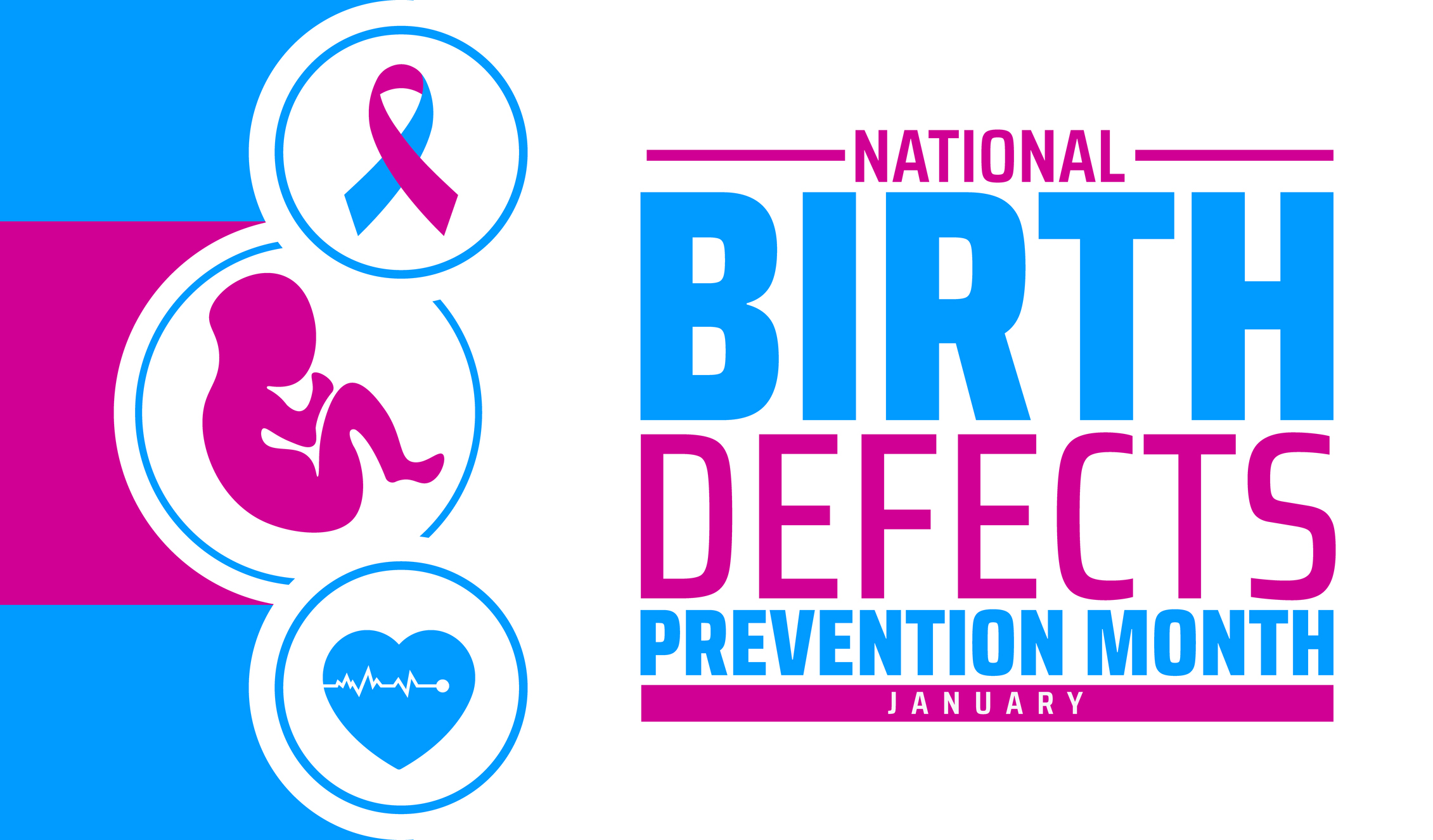
January is recognized as National Birth Defects Prevention Month. The observance was created to help raise awareness while working towards better care and highlight the efforts that help with prevention.  

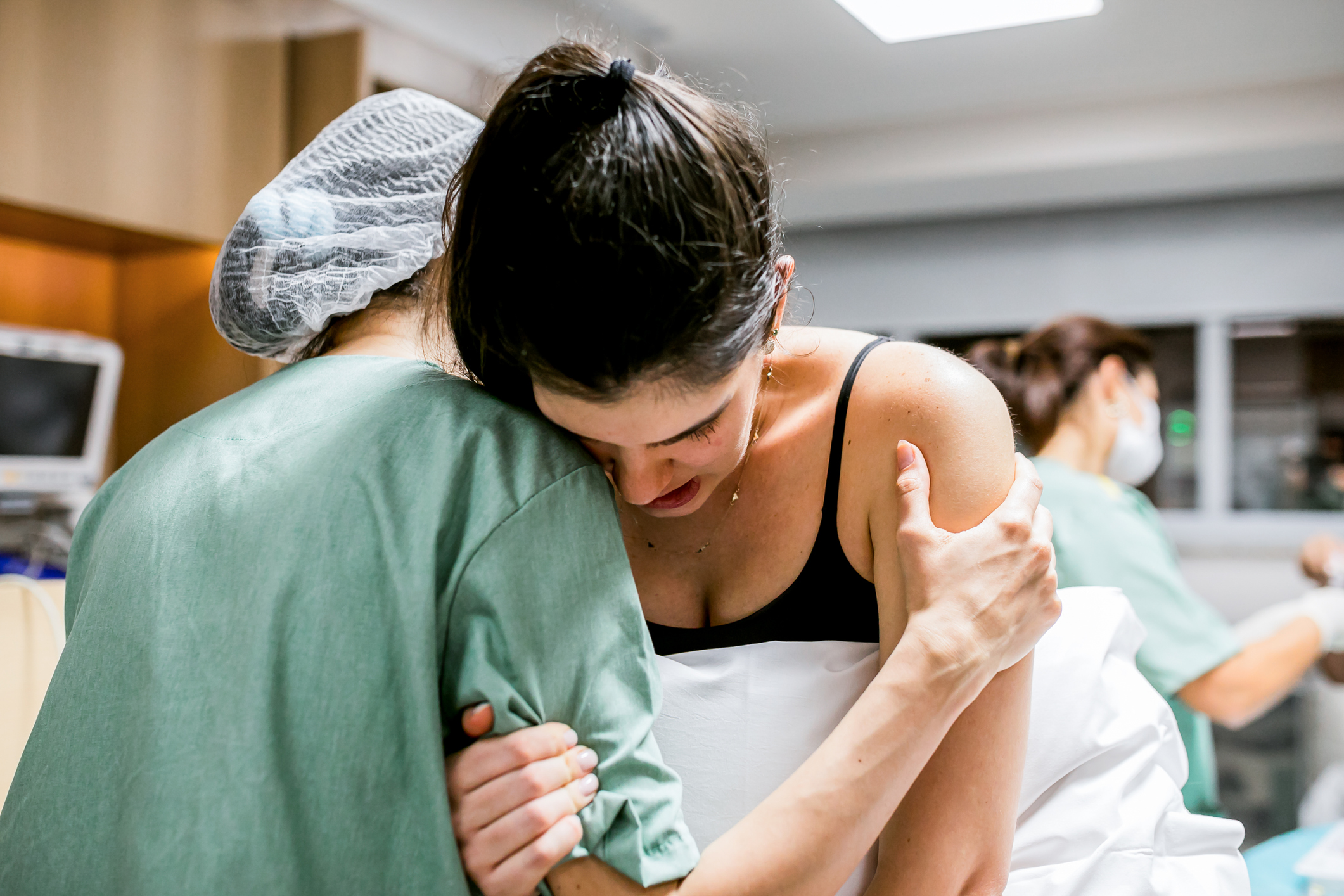
Hundreds of thousands of babies are born around the world each day. Some are born healthy. However, some are born with birth defects. Birth defects are structural changes that affect one or more parts of the body, such as the heart, brain, feet, and hands. Some of the common birth defects include congenital heart defects, cleft lip, spina bifida, anotia, and microtia. These defects are formed during the first three months of pregnancy when the baby’s organs are developing.  

An estimated 8 million newborn babies are born with some kind of birth defect. These birth defects can range from minor to life-threatening.  

Although birth defects can’t always be prevented, many of them are reliant on the lifestyle of the parents, as exposure to certain substances during pregnancy can cause issues in the development of the baby.  

There are many ways to observe National Birth Defects Prevention Month, including: 

  • Taking prenatal vitamins and supplements such as folic acid (400mcg) every day 
  • Avoiding substances such as alcohol, drugs, both cigarette and secondhand smoke, marijuana, certain prescription medications, and any other substances that may be harmful to an unborn baby 
  • Seeing a healthcare provider regularly during every stage of your pregnancy 

Flushing Hospital Medical Center for Obstetrics and Gynecology offers comprehensive, multi-disciplinary, and culturally sensitive care. Our services are provided by a highly skilled team of the best OBGYNs in Queens. For more information, please call (718) 670-5562. 

All content of this newsletter is intended for general information purposes only and is not intended or implied to be a substitute for professional medical advice, diagnosis or treatment. Please consult a medical professional before adopting any of the suggestions on this page. You must never disregard professional medical advice or delay seeking medical treatment based upon any content of this newsletter. PROMPTLY CONSULT YOUR PHYSICIAN OR CALL 911 IF YOU BELIEVE YOU HAVE A MEDICAL EMERGENCY.

Postpartum Depression and Psychosis

Postpartum refers to the time after childbirth. Postpartum mothers may experience mental health changes or challenges after giving birth, including mood disorders such as postpartum depression and postpartum psychosis.

Postpartum depression is a type of depression that happens after having a baby. It affects up to 15% of women, involving emotional highs and lows, frequent crying, fatigue, guilt, and anxiety. A postpartum mother may have trouble caring for their baby or themselves.

Postpartum psychosis (PPP) is a mental health emergency that affects a postpartum mother’s sense of reality, causing hallucinations, delusions, paranoia, or other behavior changes. In severe cases, postpartum mothers with PPP may attempt to harm themselves or their newborn.

Postpartum depression is common. A mother who has just given birth may experience baby blues, which affects between 50% and 75% of women after delivery. Up to 15% of them will develop postpartum depression. Postpartum psychosis is rare, as experts estimate that it affects between 0.089 and 2.6 out of every 1,000 births. In the United States, that means it happens in between 320 and 9,400 births each year. Globally, that means it happens between 12 million and 352.3 million births.

A mother can experience postpartum depression for up to one year after their baby is born. However, this doesn’t mean that they will feel cured in one year.

Symptoms of postpartum depression can include:

· Feeling sad, worthless, hopeless, or guilty

· Worrying excessively or feeling on edge

· Loss of interest in hobbies or things you once enjoyed

· Changes in appetite or not eating

· Loss of energy and motivation

· Trouble sleeping or wanting to sleep all the time

· Crying for no reason or excessively

· Difficulty thinking or focusing

· Thoughts of suicide or wishing you were dead

· Lack of interest in your baby or feeling anxious around your baby

· Thoughts of hurting your baby or feeling like you don’t want your baby

It is believed that hormonal changes are linked to postpartum depression; however, more research is needed to determine the link between the rapid drop in hormones after delivery and depression. The levels of estrogen and progesterone increase tenfold during pregnancy but drop sharply after delivery. When a mother is three days postpartum, levels of these hormones drop back to pre-pregnancy levels.

In addition to these chemical changes, the social and psychological changes associated with having a baby increase the risk of postpartum depression. Examples of these changes include physical bodily changes, lack of sleep, worries about parenting, or changes to relationships.

Experts don’t know why postpartum psychosis happens, but suspect it involves a combination of factors, including:

· History of mental health conditions

· Number of pregnancies

· Family history of mental health conditions, especially PPP

· Sleep deprivation

· Hormone changes

· Other medical conditions

Hallucinations and delusions are the two main symptoms of postpartum psychosis. However, there are several other common symptoms, including:

· Mood changes, such as mania and hypomania or depression

· Depersonalization

· Disorganized thinking or behavior

· Insomnia

· Irritability of agitation

· Thoughts of self-harm or harming others, especially their newborn

Researchers have organized the symptoms of PPP into three types: depressive, manic, and atypical/mixed.

The depressive subtype of PPP is the most common, making up about 41% of cases. It is also the most dangerous. Research shows that depressive symptoms and psychosis are almost always a factor in cases that involve self-harm or harm to a child, especially hallucinations or delusions that command a person to harm their child or themselves. The rate of harm to a child is about 4.5% with this subtype, about four or five times greater than with the other subtypes. The rate of dying by suicide is about 5%. Symptoms that are most likely experienced with this type include:

· Anxiety or panic

· Delusions and hallucinations

· Depression

· Feelings of guilt

· Loss of appetite

· Loss of enjoyment related to things they usually enjoy

· Thoughts of self-harm, suicide, or harming their child

The manic subtype is the next most common of the types, affecting about 34% of cases. The risk of self-harm or harm to children is lower but still possible, happening in about 1% of cases. Symptoms can include:

· Agitation or irritability

· Disruptive or aggressive behavior

· Talking more or faster than usual, or both

· Needing less sleep

· Delusions of greatness or importance, such as believing your child to be a holy or religious figure

The atypical/mixed subtype makes up to 25% of cases. This can mix the symptoms of manic and depressive subtypes. It can also involve symptoms where a person seems much less aware or completely unaware of the world around them. Symptoms can include:

· Disorganized speaking or behavior

· Disorientation or confusion

· Disturbance of consciousness, where a person doesn’t appear to be awake or isn’t aware of activities or things taking place nearby

· Hallucinations or delusions

· Inappropriate comments, behaviors, or emotional displays

· Catatonia or mutism

There isn’t a specific test that diagnoses postpartum depression. A healthcare provider will evaluate you at your postpartum visit, which may include discussing your health history, how you have felt since delivery, a physical exam, a pelvic exam, and lab tests. They may also perform a postpartum depression screening or ask a series of questions to assess if you have postpartum depression.

Postpartum psychosis can be diagnosed by a mental health provider who can determine either by observation or what you describe whether you have the condition or not. They may also perform physical and neurological exams and order blood, urine, or imaging tests.

Postpartum depression is treated differently depending on the type and severity of symptoms. Treatment options include anti-anxiety or antidepressant medications, psychotherapy or cognitive behavioral therapy, and support group participation.

Treatment for postpartum psychosis may include medications to treat depression, anxiety, and psychosis. You may also be admitted to a treatment center for several days until you’re stable. To find out more about our mental health services or to schedule a virtual appointment, call (718) 670-5316 to speak with our intake coordinator or call (718) 670-5562 to reach the clinic

All content of this newsletter is intended for general information purposes only and is not intended or implied to be a substitute for professional medical advice, diagnosis or treatment. Please consult a medical professional before adopting any of the suggestions on this page. You must never disregard professional medical advice or delay seeking medical treatment based upon any content of this newsletter. PROMPTLY CONSULT YOUR PHYSICIAN OR CALL 911 IF YOU BELIEVE YOU HAVE A MEDICAL EMERGENCY.

National Primary Care Week

National Primary Care Week is celebrated from October 6th through October 11th. It is a time to raise awareness about family medicine and to thank the doctors, physician assistants, nurses, and healthcare teams who help keep us healthy every day.

Primary care is the first stop you make when you’re sick, require a checkup, or have any questions about your health. These are the family doctors, pediatricians, or nurse practitioners who know you best and help you to stay healthy, catch problems early, and guide you when you need more care. They don’t just treat you when you are ill; they help keep you well.

Primary care providers do more than administer shots or check blood pressure. They listen to a patient’s concerns, help manage long-term conditions such as diabetes or asthma, and refer you to specialists when needed. They also help with mental health, food and housing needs, and other factors that may affect your well-being.

Here are some ways you can participate in National Primary Care Week:

  • Schedule a checkup if you haven’t had one in a while
  • Update your health records to make sure your healthcare provider has your latest information
  • Thank your doctor or nurse for the care they give
  • Learn more about what your primary care provider can do for you
  • Talk to family and friends about the importance of having a primary care provider

If you would like to receive a checkup, you can receive treatment from a doctor at Flushing Hospital Medical Center’s Ambulatory Care Center. To schedule an appointment, please call (718) 670-5486.


All content of this newsletter is intended for general information purposes only and is not intended or implied to be a substitute for professional medical advice, diagnosis or treatment. Please consult a medical professional before adopting any of the suggestions on this page. You must never disregard professional medical advice or delay seeking medical treatment based upon any content of this newsletter. PROMPTLY CONSULT YOUR PHYSICIAN OR CALL 911 IF YOU BELIEVE YOU HAVE A MEDICAL EMERGENCY.

The Difference between a Midwife and a Doula

Nurse midwives and certified doulas serve as members of a birthing team. Both have different training and education and provide various means of support and care during pregnancy, labor, and beyond.

Certified nurse midwives have master’s degrees in midwifery and often have experience working as labor and delivery nurses. Similarly to OB/GYNs, they support gynecological health and pregnancy care from a medical perspective.

Certified nurse midwives are trained to perform the following healthcare services:

  • Perform annual wellness exams
  • Perform gynecological exams
  • Provide prenatal care
  • Prescribe medications
  • Give labor-inducing drugs
  • Monitor the fetus using electronic equipment
  • Order pain medications during labor
  • Order an epidural
  • Perform an episiotomy
  • Deliver a baby vaginally
  • Assist with C-sections
  • Resuscitate a baby
  • Stitch tears
  • Provide STI testing and care
  • Postpartum checkups and breastfeeding support

If you are having a baby outside of your home, you’ll need either an OB/GYN or a certified nurse midwife to deliver your baby.

Certified doulas are trained care professionals, not medical caregivers. Certified doulas don’t necessarily have degrees in healthcare. They earn credentials and accreditations from dedicated training agencies or programs. Their focus is on providing physical and emotional support throughout your pregnancy, delivery, and the postpartum period. Doulas can provide support and education that’s on the periphery of your medical well-being as well.

Different doulas provide different kinds of services. Some may specialize in pregnancy and delivery, while others may provide a full spectrum of services, including supporting you after your baby arrives. Services they offer can include:

  • Birth coaching, such as teaching you different birthing positions and techniques for reducing labor discomforts
  • Healthy pregnancy advice such as nutritional counseling
  • Helping draft your birth plan and advocating for your wishes during labor and delivery
  • Providing mental health check-ins and advice for self-care
  • Continuing to support you after your baby arrives with advice on breastfeeding and helping around the house with meal preparation and housework
  • Education for your support people, like a partner or friend who’ll be in the delivery room or will be caring for your baby with you

Researchers have suggested that using a birthing doula can lead to better birth outcomes, including:

  • Shorter labors
  • Less reliance on medications and epidurals
  • Lowered risk of C-section
  • More satisfaction with the experience of labor

Certified doulas may be most helpful for people who:

  • Are giving birth for the first time
  • Are from underrepresented groups, including people of color and members of the LGBTQIA+ community
  • Have experienced trauma in prior births
  • Wish to have an unmedicated, natural labor, and delivery

The most important consideration when choosing a midwife or a doula is finding someone you like, trust, and feel comfortable around. Someone who respects your opinions and viewpoints on pregnancy and the birthing process can be beneficial.

Experience can be another important factor. Doulas and midwives with more years of experience will bring different skills and perspectives than someone more recently trained.

For more information about Flushing Hospital Medical Center’s Women’s Health Center, please call 718 670-5702.

All content of this newsletter is intended for general information purposes only and is not intended or implied to be a substitute for professional medical advice, diagnosis or treatment. Please consult a medical professional before adopting any of the suggestions on this page. You must never disregard professional medical advice or delay seeking medical treatment based upon any content of this newsletter. PROMPTLY CONSULT YOUR PHYSICIAN OR CALL 911 IF YOU BELIEVE YOU HAVE A MEDICAL EMERGENCY.

Will You Need a C-Section to Deliver Your Baby?

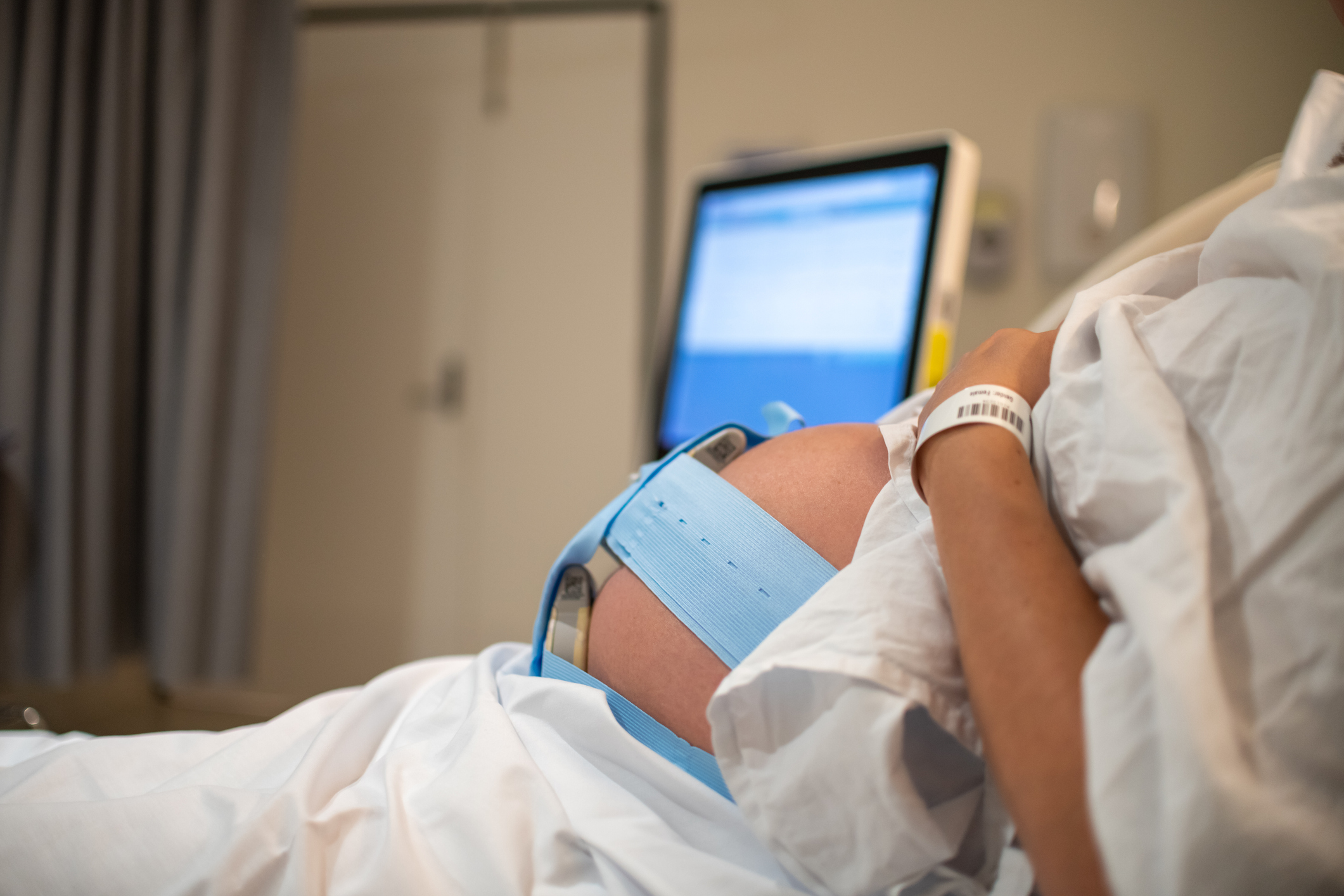
A woman laying in a hospital bed going into labor while connected to a monitor.Flushing Hospital Medical Center’s New Beginnings unit provides the women in our community and their families with the ultimate birthing experience. Each month, we cover a new topic exploring an important aspect of health and well-being for expectant mothers. This month, we’ll discuss some of what you need to know about cesarean birth (also known as a C-section).

During a C-section, your baby is delivered through incisions made in your abdomen and uterus. This happens when the health risks of vaginal delivery are too significant for either yourself or your baby. It can be planned ahead of time if:

  • You experience serious medical conditions that could worsen with a vaginal birth
  • You’ve had a previous C-section
  • You’re expecting multiple babies
  • Your baby’s exit from the cervix is obstructed
  • Your baby is in an abnormal position in your uterus

Even if these factors do not apply to you, unforeseen circumstances can occur that make a C-section necessary for safely delivering your baby, such as when:

  • You experience prolonged labor
  • Your baby develops an irregular heart rate
  • The umbilical cord compresses your baby’s head, neck, or body, or comes out of the cervix before the baby
  • The placenta separates from the wall of your uterus, preventing your baby from receiving oxygen and nutrients

Flushing Hospital’s New Beginnings unit offers spacious, modern delivery suites and advanced postpartum care, providing you with a safe environment to give birth and comprehensive follow-up medical support for you and your baby. To learn more about the unit, including accommodations and services provided, please call us at (718) 670-5702.

All content of this newsletter is intended for general information purposes only and is not intended or implied to be a substitute for professional medical advice, diagnosis or treatment. Please consult a medical professional before adopting any of the suggestions on this page. You must never disregard professional medical advice or delay seeking medical treatment based upon any content of this newsletter. PROMPTLY CONSULT YOUR PHYSICIAN OR CALL 911 IF YOU BELIEVE YOU HAVE A MEDICAL EMERGENCY.

Mental Health For New Mothers

Flushing Hospital Medical Center’s New Beginnings unit provides women in our community and their families with the ultimate birthing experience. Each month, we cover a new topic exploring an important aspect of health and well-being for expectant mothers. This month, we’ll discuss some important details concerning mental health.

According to the American College of Obstetricians and Gynecologists, anxiety and mood disorders are some of the most common complications to occur during pregnancy or within the first year after delivery. Some of these conditions include:

  • Baby blues
  • Major depression
  • Bipolar disorder
  • Anxiety disorders
  • Schizophrenia
  • Postpartum psychosis
  • Borderline personality disorder
  • Post-traumatic stress disorder
  • Obsessive compulsive disorder

While common, mental health disorders are frequently undiagnosed or inadequately treated. Therefore, if you begin to experience mental health problems as a new or expectant mother, make sure to discuss them with your obstetrician, who can offer recommendations for helpful activities and lifestyle adjustments, as well as prescribe medication when necessary. Your doctor can also provide a referral to a licensed mental health care provider who can offer specialized treatment for any psychiatric condition you experience.

Flushing Hospital’s New Beginnings unit offers spacious, modern delivery suites and advanced postpartum care, providing you with a safe environment to give birth and comprehensive follow-up medical support for you and your baby. To learn more about the unit, including accommodations and services provided, please call us at (718) 670-5702.

All content of this newsletter is intended for general information purposes only and is not intended or implied to be a substitute for professional medical advice, diagnosis or treatment. Please consult a medical professional before adopting any of the suggestions on this page. You must never disregard professional medical advice or delay seeking medical treatment based upon any content of this newsletter. PROMPTLY CONSULT YOUR PHYSICIAN OR CALL 911 IF YOU BELIEVE YOU HAVE A MEDICAL EMERGENCY.

Why Should You Breastfeed Your Baby?

Flushing Hospital Medical Center’s New Beginnings unit provides women and their families with the ultimate birthing experience. Each month, we cover a new topic exploring an important aspect of health and well-being for expectant mothers. This month, we’ll cover the health benefits of exclusive breastfeeding for both mothers and their babies.

According to the American Academy of Pediatrics, exclusive breastfeeding involves only feeding breast milk to your baby and no other foods or liquids. It is the best source of nutrition for your infant’s first six months of life. Some of the benefits to babies and mothers include:

• Providing all necessary nutrients for the baby’s healthy physical development, including vitamin D, iron, and zinc
• Preventing infections and serious health conditions, both during infancy and later in life
• Reducing a mother’s risk of conditions such as cancer, type 2 diabetes, and high blood pressure

Breastfeeding may become less frequent as your baby starts eating solid foods around six to 12 months of age. For guidance on how you should breastfeed your baby, talk to a lactation consultant or your baby’s doctor or nurse.

Flushing Hospital’s New Beginnings unit offers spacious, modern delivery suites and advanced postpartum care, providing you with a safe environment to give birth and comprehensive follow-up medical support for you and your baby. To learn more about the unit, including accommodations and services provided, please call us at (718) 670-5702.

All content of this newsletter is intended for general information purposes only and is not intended or implied to be a substitute for professional medical advice, diagnosis or treatment. Please consult a medical professional before adopting any of the suggestions on this page. You must never disregard professional medical advice or delay seeking medical treatment based upon any content of this newsletter. PROMPTLY CONSULT YOUR PHYSICIAN OR CALL 911 IF YOU BELIEVE YOU HAVE A MEDICAL EMERGENCY.

Mother’s Day Delight: Asian Turkey Lettuce Wraps

Why not give Mom a break this Mother’s Day and make her some delicious, healthy and low calorie Asian Turkey Lettuce Wraps? Recipe courtesy of Weight Watchers.

download (4)

  • 1 tsp canola oil   
  •   3 medium uncooked scallion(s), thinly sliced   
  •   1 medium yellow pepper(s), seeded and diced   
  • 1/2 tsp ginger root, fresh, peeled and grated   
  •   1 pound(s) uncooked ground turkey breast, lean   
  • 1/2 tsp chili powder   
  • 3 Tbsp low sodium soy sauce   
  •   8 leaf/leaves (large) lettuce, Iceberg variety   

Instructions

  • Heat the oil in a large nonstick skillet over medium-high heat. Add the scallions, bell pepper, and ginger; cook, stirring constantly, about 1 minute.
  • Add the turkey and chili powder; cook, breaking it up with a wooden spoon, until browned and cooked through, about 5 minutes. Stir in the soy sauce.
  • Divide the turkey mixture evenly among the lettuce leaves; roll up tightly and serve at once. Yields 2 wraps per serving.

Notes

  • We think ground turkey, with its rich flavor, is best suited to this dish, but you can use ground skinless lean chicken breast, if you prefer. For a heartier meal, try using 2 (10-inch) flour tortillas for the wrappers instead of the 4 lettuce leaves, making half a tortilla per serving and increasing your PointsPlus value by 2.

All content of this newsletter is intended for general information purposes only and is not intended or implied to be a substitute for professional medical advice, diagnosis or treatment. Please consult a medical professional before adopting any of the suggestions on this page. You must never disregard professional medical advice or delay seeking medical treatment based upon any content of this newsletter. PROMPTLY CONSULT YOUR PHYSICIAN OR CALL 911 IF YOU BELIEVE YOU HAVE A MEDICAL EMERGENCY.