
Snow STEMI

A powerful winter storm called a Nor’easter has brought blizzard-like conditions and a large amount of snowfall to our area.

When we get such large amounts of snow, the easy part is watching the beauty of the snow falling. Unfortunately, the most difficult part is having to shovel several inches of snow from the sidewalk and driveway.

A major worry when shoveling large amounts of snow is how it can affect our health.

According to the National Library of Medicine, heavy snowfall, cold temperatures, and low atmospheric pressure during the winter months have been associated with increased adverse cardiovascular events, such as “snow-shoveler’s ST-elevated myocardial infarction (STEMI).”

Snow-shoveler’s STEMI is a type of heart attack that occurs when there is a partial or complete blockage in one of the coronary arteries, which stops blood flow to part of the heart muscle. This can especially occur due to the over-exertion caused by shoveling snow.

Per the American Heart Association, shoveling snow can put some people at risk of a heart attack, but most people won’t have a problem. Sudden exertion, such as shoveling hundreds of pounds of snow or pushing a heavy snow blower after being sedentary for several months, can put a huge strain on the heart.

There is also a factor of cold weather, as it can increase heart rate and blood pressure, and make blood clots form more easily and constrict arteries, which can decrease blood supply. This can even affect healthy people. People who are over the age of 40 years old, or are relatively inactive, are especially at risk. Other people who are at risk of STEMI include:

Those with preexisting heart conditions:

  • Those with high blood pressure (hypertension)
  • Those who smoke tobacco products

According to Medical News Today, research indicates that heavy snowfall is linked to a 6% higher likelihood of hospital admission for men with a heart attack and a 34% increase in dying.

The National Safety Council recommends the following safety tips to shovel safely:

  • Know the signs of a heart attack, stop immediately, and call 911 if you’re experiencing any of them; every minute counts

The warning signs of a heart attack include:

    • Chest discomfort that lasts more than a few minutes or doesn’t go away and returns
    • Pain or discomfort in the arms, back, neck, jaw, and stomach
    • Shortness of breath

Other signs of a heart attack can include:

    • Breaking out in a cold sweat
    • Nausea
    • A rapid or irregular heartbeat
    • Unusual tiredness
    • Heartburn or indigestion
    • Lightheadedness
  • Take it slow and stretch before you start shoveling
  • Shovel only fresh, powdery snow because it is lighter
  • Push the snow instead of lifting it. If you do lift the snow, use a small shovel or only partially fill the shovel
  • Lift with your legs and not your back
  • Dress in warm layers
  • Do not shovel after eating or while smoking
  • Do not work to the point of exhaustion

If you have a history of heart disease, do not pick up a shovel without the permission of your healthcare provider.

If you or a loved one is experiencing symptoms of STEMI, while, during, or after shoveling snow, you can receive treatment from a cardiologist at Flushing Hospital Medical Center’s Ambulatory Care Center. To schedule an appointment, please call (718) 670-5486. If you are experiencing an emergency, please call 911 immediately.

All content of this newsletter is intended for general information purposes only and is not intended or implied to be a substitute for professional medical advice, diagnosis or treatment. Please consult a medical professional before adopting any of the suggestions on this page. You must never disregard professional medical advice or delay seeking medical treatment based upon any content of this newsletter. PROMPTLY CONSULT YOUR PHYSICIAN OR CALL 911 IF YOU BELIEVE YOU HAVE A MEDICAL EMERGENCY.

How to Set Healthy Weight Loss Goals

Embarking on a weight loss journey can be a difficult and sometimes daunting experience. There are many factors that can affect a person’s weight management, such as medical conditions, certain medicines, stress, age, genes, hormones, and environment.  

However, maintaining a lifestyle that consists of a good nutritional diet, regular physical activity, stress management, and proper sleep can support a healthy weight. Additionally, people who lose weight gradually, which is about one to two pounds a week, are more likely to keep the weight off than those who lose weight more quickly.  

If a person is not at a healthy weight, moderate weight loss can help improve their cholesterol, blood pressure, and blood sugar levels. Just a 5% to 10% reduction of their current weight may lower their risk for some chronic diseases, such as heart disease, prediabetes, and type 2 diabetes. Other benefits of moderate weight loss include: 

  • More energy  
  • Better mobility  
  • A boost in self-confidence 
  • Improved fitness 

Starting a weight loss journey can be challenging. However, having and following a plan can help make the journey easier. Here are five steps that can help guide you to a healthier weight: 

  • Consider the reasons why you want to lose weight. Writing down your reasons and posting them where you can see them can help remind you why you are making this change and keep you focused on your weight loss goals 
  • Keep track of where you are as you begin your weight loss journey. You can keep a journal of your nutrition to help you keep track of what you eat and drink in a day. Make note of your physical activity by including the time of day you exercised, what activities you did, and for how long. Maintain a chart of your sleep schedule, including what time you went to sleep and woke up, and the number of hours you slept. Monitor your stress levels and the healthy ways you are reducing your stress. You can also track how you felt during your meals, when you exercise, and any lifestyle challenges that have affected your progress 
  • Set specific and realistic goals. Creating short-term goals with rewards can help prevent you from feeling frustrated when there is a setback. When setting short-term goals, focus on two or three goals at a time 
  • Find a good support system. Surround yourself with family or friends who are supportive of your weight loss goals. If they have similar goals, they may share resources that have helped them on their weight loss journey 
  • Stay up to date with your progress throughout your weight loss journey. Regularly evaluate your progress by revisiting the goals you set. Determine what has been working well and what hasn’t been, and use this information to make any changes to your goals and weight loss plan. If you are consistently meeting a particular goal, you can reward yourself for achieving your goals. It is important to recognize and be proud of your progress as you meet your goals. Rewarding yourself helps to keep you motivated and on the right path 

Please note that before you start your weight loss journey, speak with your healthcare provider so you can decide whether or not it’s a good time to set a weight loss goal. 

And if you do go on a weight loss journey, don’t get discouraged if you aren’t losing weight as quickly as you had hoped. Remember that sustainable weight loss takes time.  

For more information about the Bariatric Surgery Services at Flushing Hospital or procedures performed by our doctors, please call718-408-6977 or 718-670-8908. 


All content of this newsletter is intended for general information purposes only and is not intended or implied to be a substitute for professional medical advice, diagnosis or treatment. Please consult a medical professional before adopting any of the suggestions on this page. You must never disregard professional medical advice or delay seeking medical treatment based upon any content of this newsletter. PROMPTLY CONSULT YOUR PHYSICIAN OR CALL 911 IF YOU BELIEVE YOU HAVE A MEDICAL EMERGENCY.

How Making Lifestyle Changes Can Reduce the Risk of Chronic Diseases

According to the World Health Organization (WHO), chronic diseases, also known as non-communicable diseases, are conditions that tend to have a long duration and result from a combination of genetic, physiological, environmental, and behavioral factors.

Chronic diseases are the leading cause of death worldwide. These diseases include:

  • Cancers
  • Cardiovascular disease, such as heart attacks and strokes
  • Chronic respiratory diseases, such as chronic obstructive pulmonary disease (COPD) and asthma
  • Diabetes

A person’s lifestyle and daily habits can increase their risk of developing a chronic disease. About 80% of chronic diseases are driven by a person’s daily habits. These include:

  • Tobacco use, including the effects of exposure to second-hand smoke
  • Unhealthy diets, including excess salt, sugar, and fats
  • Excessive alcohol use
  • Insufficient physical activity

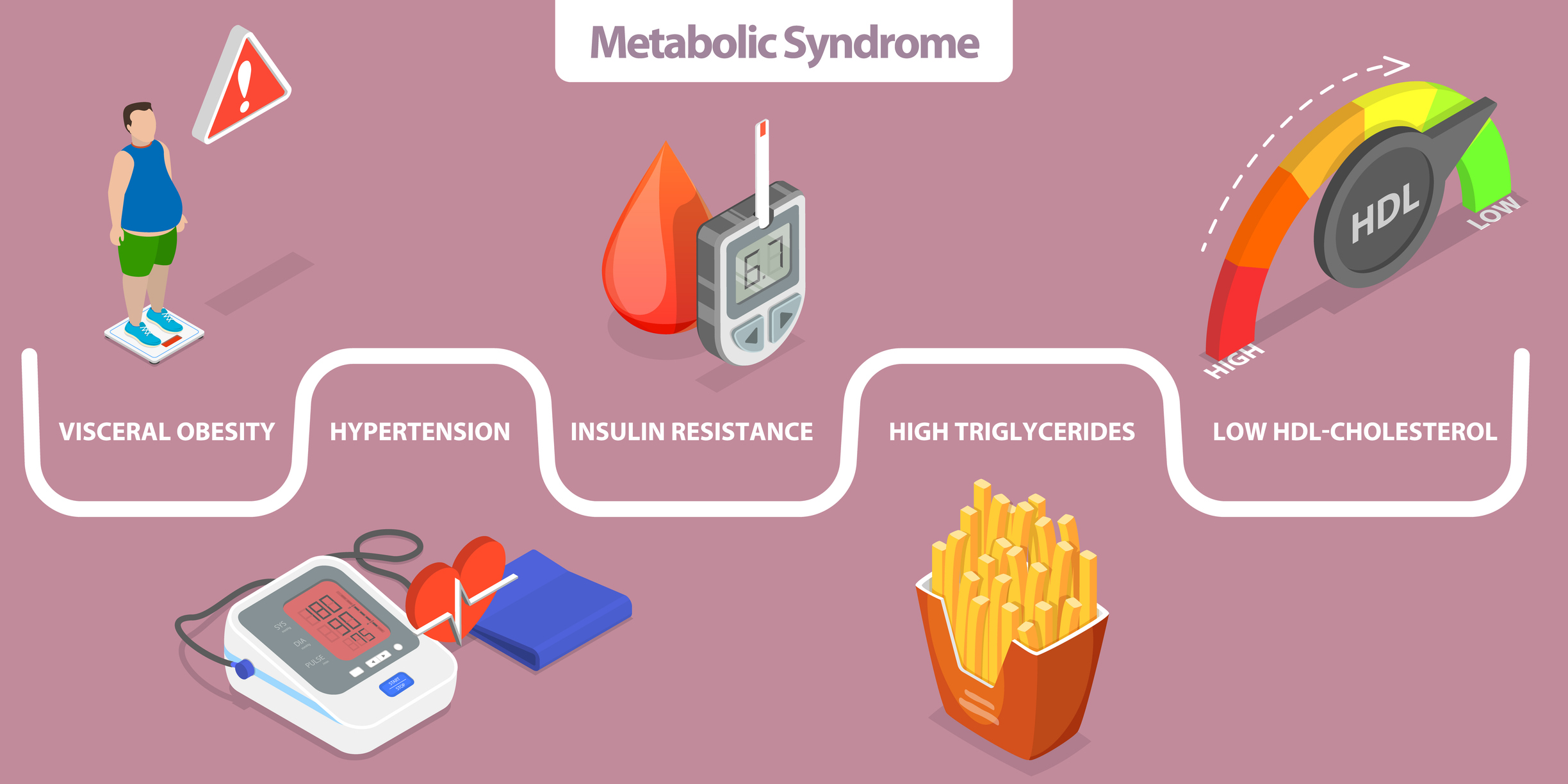
These habits can contribute to metabolic changes that can increase a person’s risk of chronic disease, including:

  • Hypertension
  • Obesity
  • Diabetes
  • High cholesterol

Making the following lifestyle changes is one of the best ways to address harmful habits and help prevent chronic diseases.

  • Dietary changes include eating whole, unrefined, and minimally processed plants. Eating plant-based foods can help reduce diabetes, heart disease, and the risk of cancer
  • Increasing physical activity by engaging in a recommended 150 minutes of moderate-intensity activity each week
  • Getting a good, restful night’s sleep of about seven to nine hours. This can be achieved by:
    • Having a consistent bedtime and waking up on time, even on weekends
    • Being physically active
    • Limiting alcohol and caffeine
    • Putting digital devices away 90 minutes before bedtime
    • Keeping your sleeping area cool, dark, and comfortable
  • Reducing stress by practicing mindfulness, meditation, and gratitude can help relieve stress and improve your physical and mental health.
  • Staying socially connected with friends and family can help keep you emotionally and physically healthy.
  • Quitting smoking, or never starting, lowers the risk of serious health problems, such as heart disease, cancer, Type 2 diabetes, and lung disease, as well as premature death
  • Limiting alcohol use can reduce health risks that excessive drinking can lead to, such as high blood pressure, various cancers, heart disease, stroke, and liver disease

By avoiding these risks and getting good preventive care, you can improve your chance of staying well, feeling good, and living longer.

For more information on how you can make lifestyle changes, you can schedule an appointment with a doctor at Flushing Hospital Medical Center’s Ambulatory Care Center by calling (718) 670-5486.

All content of this newsletter is intended for general information purposes only and is not intended or implied to be a substitute for professional medical advice, diagnosis or treatment. Please consult a medical professional before adopting any of the suggestions on this page. You must never disregard professional medical advice or delay seeking medical treatment based upon any content of this newsletter. PROMPTLY CONSULT YOUR PHYSICIAN OR CALL 911 IF YOU BELIEVE YOU HAVE A MEDICAL EMERGENCY.
How High Blood Pressure Affects Kidney Health

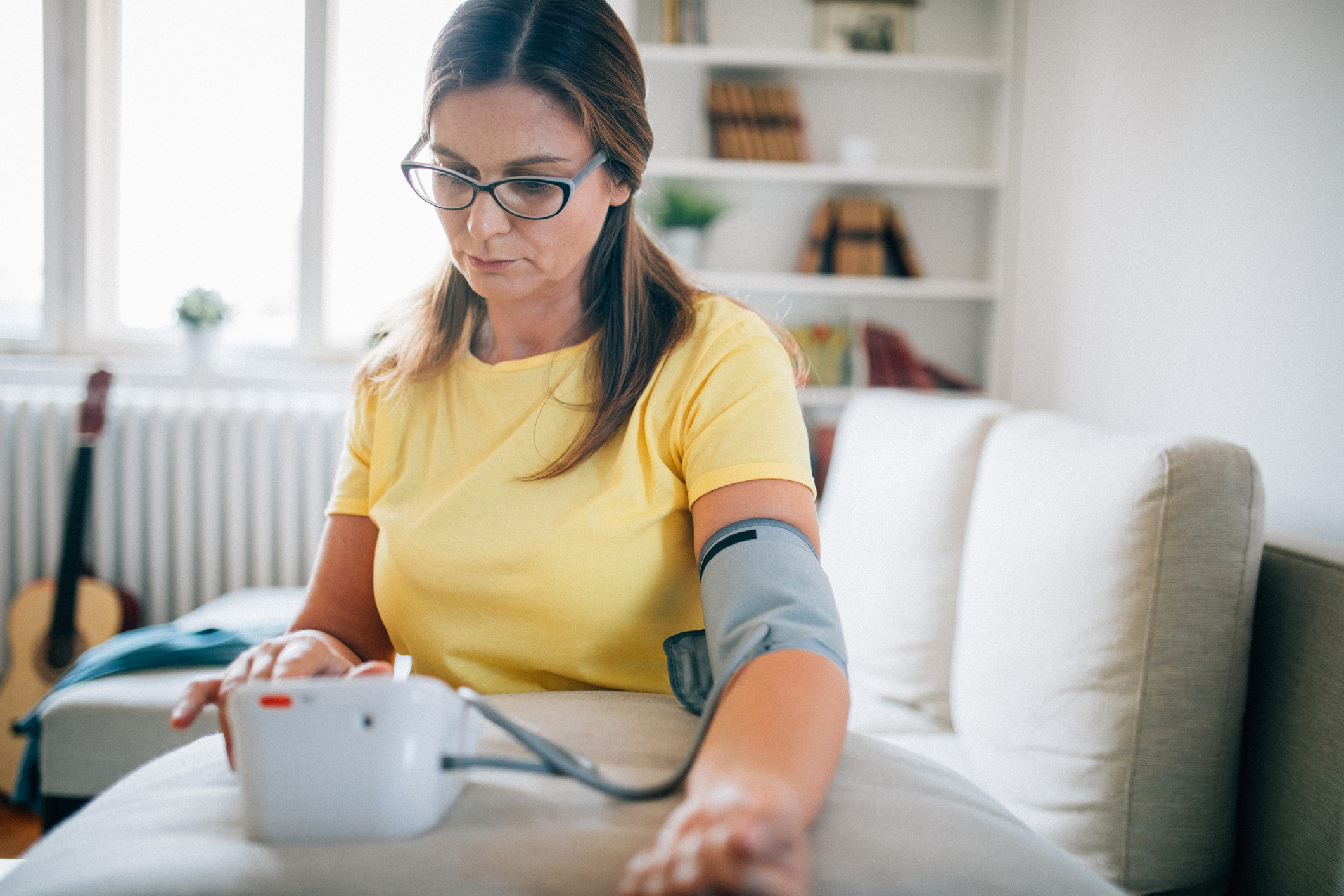
Photo of woman checking blood presure at homeHypertension, or high blood pressure, negatively impacts our health, including kidney health.

Uncontrolled high blood pressure is a leading cause of kidney failure, and impaired kidney function can also lead to higher blood pressure levels.

High blood pressure, if left untreated or uncontrolled over time, can damage the blood vessels in our kidneys. When this happens, the kidneys do not receive enough oxygen and nutrients needed for proper functioning.

Additionally, high blood pressure can cause scarring of kidney tissue, a condition known as hypertensive arteriolar nephrosclerosis. This scarring impairs our kidneys’ ability to filter blood and regulate fluids.

When kidneys are damaged, they cannot filter blood effectively and struggle to remove waste and excess fluid from the body. This retention of fluids, salt, and toxins can further elevate blood pressure.

To significantly reduce the risk of these complications and others associated with high blood pressure, it is important to manage our health effectively. This can be achieved by:

  • Taking medications as prescribed
  • Limiting our sodium intake
  • Eating a healthy diet
  • Having regular blood pressure screenings
  • Drinking less alcohol
  • Exercising
  • Quitting smoking or using tobacco
  • Controlling cholesterol

Working with your doctor to control your blood pressure can help you minimize your risk of kidney damage and other health problems. To schedule an appointment with a doctor at Flushing Hospital Medical Center, please call 718-670-5486.

All content of this newsletter is intended for general information purposes only and is not intended or implied to be a substitute for professional medical advice, diagnosis or treatment. Please consult a medical professional before adopting any of the suggestions on this page. You must never disregard professional medical advice or delay seeking medical treatment based upon any content of this newsletter. PROMPTLY CONSULT YOUR PHYSICIAN OR CALL 911 IF YOU BELIEVE YOU HAVE A MEDICAL EMERGENCY.

What Is A Stress Test?

A stress or stress exercise test shows how the heart works during physical activity. Exercise makes the heart pump harder and faster. A stress test can determine how well your heart responds when working its hardest.

Your healthcare provider may recommend a stress test if you have symptoms of coronary artery disease, congenital heart disease, congestive heart failure, heart valve disease, hypertrophic cardiomyopathy, or an irregular heart rhythm.

A stress test typically involves walking on a treadmill or pedaling on a stationary bike while hooked up to an EKG to monitor your heart’s activity. Healthcare providers assess your response to the increased workload by measuring:

  • Blood pressure
  • Heart rate
  • Oxygen levels
  • Electrical activity in your heart

A stress test can also be used to learn:

  • How well your heart pumps blood
  • Whether your heart is receiving an adequate supply of blood
  • How you perform during physical activity compared with other people your age and sex
  • If your symptoms (chest discomfort, shortness of breath, feeling like your heart is racing, or dizziness) can be reproduced while performing physical activity

Having a stress test makes it easier to identify and evaluate certain heart issues, such as:

  • Issues with your heart muscle and valves
  • Electric stability of your heart at rest and during exercise

The stress test results help your healthcare provider plan or change your treatment. If the test shows that your heart is working well, you may not need more tests. If the test suggests you might have coronary artery disease, you may need a coronary angiogram, which helps see blockages in the heart arteries.

If the results are satisfactory, but your symptoms worsen, your healthcare provider might recommend more testing.

To schedule an appointment with a Flushing Hospital Medical Center healthcare provider, please call 718-670-5486.

All content of this newsletter is intended for general information purposes only and is not intended or implied to be a substitute for professional medical advice, diagnosis or treatment. Please consult a medical professional before adopting any of the suggestions on this page. You must never disregard professional medical advice or delay seeking medical treatment based upon any content of this newsletter. PROMPTLY CONSULT YOUR PHYSICIAN OR CALL 911 IF YOU BELIEVE YOU HAVE A MEDICAL EMERGENCY.

National High Blood Pressure Education Month

A woman getting her blood pressure checked at a doctor's office.High blood pressure, also known as hypertension, is defined as a systolic blood pressure greater than 130 mmHg or a diastolic blood pressure greater than 80 mmHg, according to the Centers for Disease Control and Prevention. Hypertension is a main contributing factor for heart disease and stroke, the leading causes of death in the United States. Nearly half of all adults have hypertension, but only about a quarter of these adults have their blood pressure under control.

As your blood flows throughout your body, it pushes against the walls of your arteries; this is what is known as blood pressure. It’s normal for your blood pressure to rise and fall throughout the day, and certain factors, such as anxiety, might cause it to become elevated in specific situations. However, if your blood pressure is chronically high, it can cause damage to your heart.

Certain factors can increase your risk of developing chronic high blood pressure. These include:

  • Diabetes

  • Lifestyle factors, such as obesity, an unhealthy diet, or a lack of physical activity

  • Excessive consumption of alcohol or usage of tobacco

  • A family history of high blood pressure

  • Older age

  • Race (over half of Black adults in the United States have hypertension)

There are steps you can take to manage your blood pressure and decrease your risk of medical complications. To prevent high blood pressure, it is most helpful to:

  • Eat a healthy diet

  • Maintain a healthy weight

  • Engage in regular physical activity

  • Avoid smoking

  • Limit alcohol consumption (no more than two drinks per day for men or one drink per day for women)

  • Get a sufficient amount of sleep each night

To control high blood pressure, you should:

  • Regularly measure your blood pressure

  • Make lifestyle changes to prevent your condition from worsening

  • Get medical care for any underlying conditions that may be contributing to your high blood pressure

Flushing Hospital Medical Center’s expert cardiology specialists can high-quality care for chronic hypertension and any condition that may be causing it to occur. To schedule an appointment with a cardiologist, please call (718) 670-5486.

All content of this newsletter is intended for general information purposes only and is not intended or implied to be a substitute for professional medical advice, diagnosis or treatment. Please consult a medical professional before adopting any of the suggestions on this page. You must never disregard professional medical advice or delay seeking medical treatment based upon any content of this newsletter. PROMPTLY CONSULT YOUR PHYSICIAN OR CALL 911 IF YOU BELIEVE YOU HAVE A MEDICAL EMERGENCY.

Control Your Blood Pressure in the New Year

A doctor measuring a patient's blood pressure.It is the beginning of the New Year and many of us will make resolutions to do things better than the previous year. For many people this means living healthy, losing weight, and keeping our blood pressure under control.

High blood pressure affects one in three Americans. If not controlled well it can lead to kidney problems, damaged blood vessels, stroke, and heart attacks. There are many factors that can cause blood pressure to be elevated including obesity, stress, smoking, high sodium diets and elevated cholesterol. Ideally, managing some of these factors can help to maintain a blood pressure that is as close to normal range (120/80mmHg) as possible.

There are many ways that doctors can help us to control our blood pressure, Your doctor can prescribe medication that will help. Additionally other methods include:

  • Quitting smoking
  • Lose weight
  • Stress reduction
  • Exercise regularly
  • Eat less salty food
  • Eliminate beverages that contain caffeine
  • Eat dark chocolate
  • Cut back on sugar
  • Drink less alcohol

Keeping your blood pressure under control is probably one of the most important things you can do to keep yourself healthy. Speak to your doctor about methods that would work best for you.

If you would like to schedule an appointment with a doctor at Flushing Hospital Medical Center to discuss how you can lower your blood pressure in 2024, please call 718-670-5486.

All content of this newsletter is intended for general information purposes only and is not intended or implied to be a substitute for professional medical advice, diagnosis or treatment. Please consult a medical professional before adopting any of the suggestions on this page. You must never disregard professional medical advice or delay seeking medical treatment based upon any content of this newsletter. PROMPTLY CONSULT YOUR PHYSICIAN OR CALL 911 IF YOU BELIEVE YOU HAVE A MEDICAL EMERGENCY.
Supplements That May Raise Blood Pressure

Supplements are often taken in an effort to increase the intake of nutrients and improve overall health.  Although supplements can provide some health benefits, they can also be harmful, especially for those diagnosed with medical conditions such as high blood pressure.

Several supplements are known to increase blood pressure or interfere with drugs intended to lower blood pressure. Here are a few:

  • Licorice
  • Caffeine pills
  • Ginseng
  • Guarana
  • Arnica
  • Ephedra
  • John’s wort
  • Bitter orange
  • Evening primrose
  • Saw palmetto
  • Hawthorn

It is always recommended that you speak with your doctor before adding supplements to your health routine.  Your physician can explore potential risks to your health and contraindications with the medications you are taking.

To schedule an appointment with a doctor at Flushing Hospital Medical Center, please call 718-670-5486.

All content of this newsletter is intended for general information purposes only and is not intended or implied to be a substitute for professional medical advice, diagnosis or treatment. Please consult a medical professional before adopting any of the suggestions on this page. You must never disregard professional medical advice or delay seeking medical treatment based upon any content of this newsletter. PROMPTLY CONSULT YOUR PHYSICIAN OR CALL 911 IF YOU BELIEVE YOU HAVE A MEDICAL EMERGENCY.

Can Your Teenager Develop Hypertension?

High blood pressure, or hypertension, is a disease that most don’t begin to think about until they are well into their adult life, but more and more teenagers and younger children are now developing high blood pressure.

It was once believed that high blood pressure in teens was largely related to an underlying problem with the heart or kidneys. Research has shown that this is not the case and that teens today are developing hypertension in approximately the same proportions as adults.

One of the biggest reasons is the rise of childhood obesity. Teens in the United States now weigh more and exercise less than in past generations. Smoking cigarettes, as well as alcohol and drug use can also be contributing factors. As a result, rates of high blood pressure among this group have a grown at a rapidly increasing rate.

While these factors certainly can’t be ignored, they are not the only reasons why a teenager can develop high blood pressure. The teenage years are synonymous with puberty. The sudden bodily changes that take place during this time in a young adult’s life can also play a role. Hormone changes and rapid growth spurts can cause transient increases in blood pressure levels. As a result, even if a child isn’t overweight or inactive, they could still post high levels. Being obese or inactive can only add to the problem.

Another issue is understanding the definition of hypertension in teenagers. While determining hypertension in adults is fairly easy as there are set numerical values used as markers, diagnosing the disease in teens is more complicated. To determine hypertension in teens, doctors look at five key factors:

  • Age
  • Gender
  • Height
  • Systolic reading (the upper value which represents the pressure when heart contracts)
  • Diastolic reading (the lower value which represents the pressure when the heart relaxes)

These values are then compared to other boys or girls to determine where the teen falls with a certain percentile. The system is a complicated one but takes into account factors that better characterize a teen’s blood pressure. As a result, blood pressure readings that may seem high when looked at on an isolated basis may end up being perfectly normal when adjusted for the child’s height, age, and gender.

Because teenagers with hypertension tend to suffer more cardiovascular events later in life, early intervention is vital to lowering the blood pressure and sustaining long-term control.

Treating hypertension in teenagers will typically focus on lifestyle interventions before medications are considered.  Suggested changes include:

  • Eating a healthy diet
  • Maintaining an ideal body mass index (BMI)
  • Exercising regularly
  • Quitting cigarettes
  • Limiting drug and alcohol use

It’s important that your teenager have an annual physical examination performed so a doctor can check their blood pressure. If your teen does not have a doctor, Flushing Hospital’s Ambulatory Care Center has many qualified physicians. To make an appointment, please call 718-670-5486.

All content of this newsletter is intended for general information purposes only and is not intended or implied to be a substitute for professional medical advice, diagnosis or treatment. Please consult a medical professional before adopting any of the suggestions on this page. You must never disregard professional medical advice or delay seeking medical treatment based upon any content of this newsletter. PROMPTLY CONSULT YOUR PHYSICIAN OR CALL 911 IF YOU BELIEVE YOU HAVE A MEDICAL EMERGENCY.

Is There an Underlying Cause for Your Hypertension?

Over 75 million or one out of every three adults in the United States has high blood pressure, or hypertension.  For most, hypertension is the result of either genetic or lifestyle factors such as obesity or smoking, but for approximately 10% of Americans, hypertension is caused by the existence of another disease.

When hypertension is the result of another medical condition it is referred to as secondary hypertension. Secondary hypertension can be caused by a variety of conditions that affect any number of different systems and organs. Some of the most common causes for secondary hypertension include:

  • Kidney disease -Secondary hypertension can be related to damaged kidneys or to an abnormal narrowing of one or both renal arteries.
  • Coarctation of the aorta.With this congenital defect, the body’s main artery (aorta) is narrowed (coarctation). This forces the heart to pump harder to get blood through the aorta and to the rest of your body. This in turn, raises blood pressure — particularly in your arms.
  • Adrenal disease – The adrenal glands sit on top of the kidneys and produce several hormones that help regulate blood pressure. Sometimes, one or both adrenal glands make and secrete an excess of these hormones.
  • Hyperparathyroidism – The parathyroid glands regulate levels of calcium and phosphorus in your body. If the glands secrete too much parathyroid hormone, the amount of calcium in your blood rises — which triggers a rise in blood pressure.
  • Pregnancy –  Pregnancy can make existing high blood pressure worse, or may cause high blood pressure to develop (pregnancy-induced hypertension or preeclampsia).

Like primary hypertension, secondary hypertension usually has no specific signs or symptoms, even when your blood pressure has reached dangerously high levels.  Secondary hypertension can also worsen an underlying medical condition and lead to other serious complications, such as heart attack or stroke, if left untreated.

In most cases, once an underlying medical condition causing hypertension is identified and appropriate treatment is provided, your blood pressure will return to normal.

If you have a condition that can cause secondary hypertension, it is important to see your doctor and have your blood pressure checked regularly.

If you have hypertension and believe there is an underlying cause, schedule an appointment with your doctor. If you do not have one, please call Flushing Hospital’s Ambulatory Care Center at 718-670-5486 to schedule an appointment.


All content of this newsletter is intended for general information purposes only and is not intended or implied to be a substitute for professional medical advice, diagnosis or treatment. Please consult a medical professional before adopting any of the suggestions on this page. You must never disregard professional medical advice or delay seeking medical treatment based upon any content of this newsletter. PROMPTLY CONSULT YOUR PHYSICIAN OR CALL 911 IF YOU BELIEVE YOU HAVE A MEDICAL EMERGENCY.