
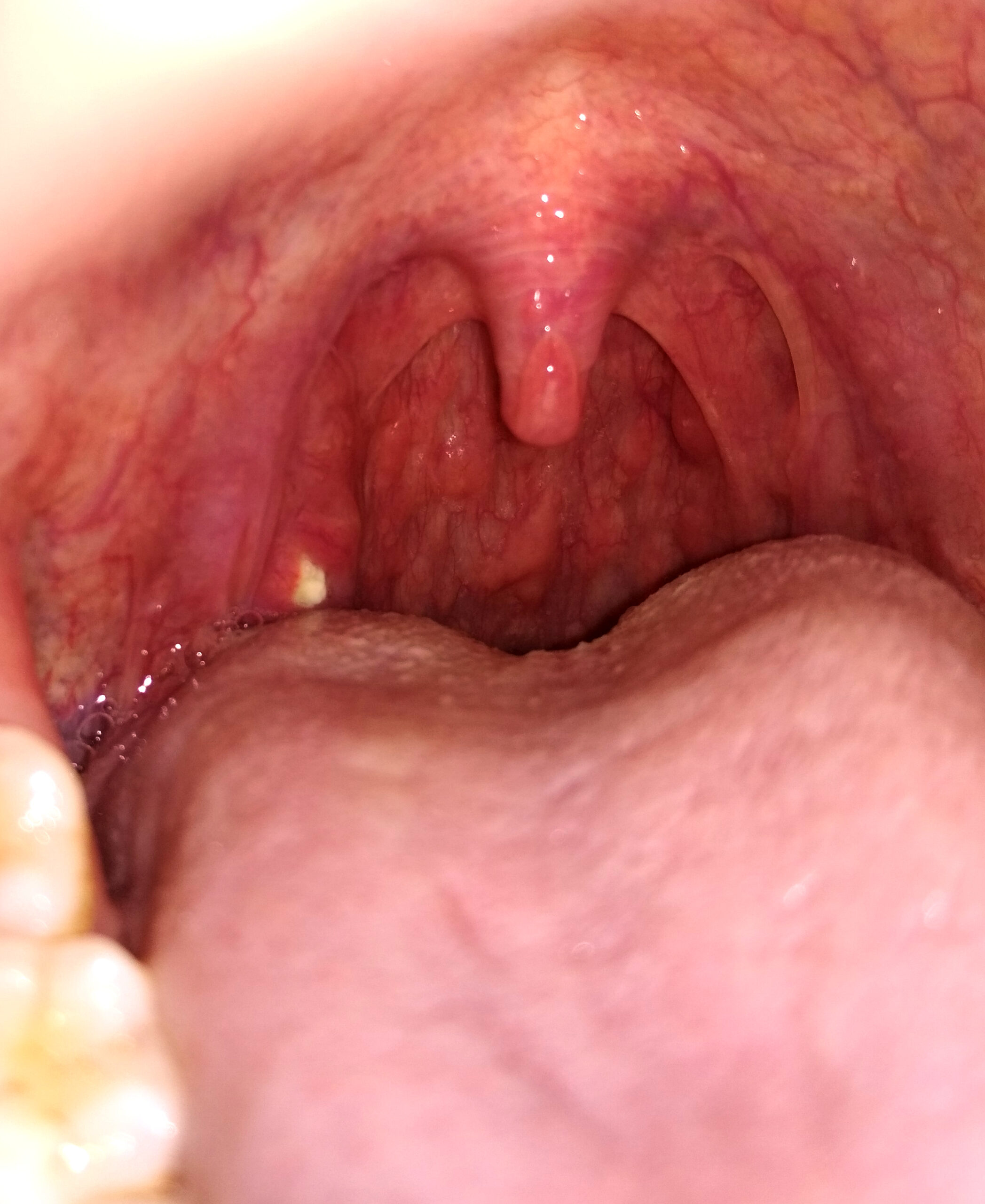
 Tonsil stones are small, pebble-like lumps of calcified minerals, food debris, and germs, such as bacteria and fungi, that form in the tonsils.
The most common symptom of tonsil stones is bad breath. Other symptoms can include:
- Sore throat
- Cough
- Difficulty swallowing
- Earache
- Bad taste in your mouth
- The feeling of something stuck in your throat
Tonsil stones form when debris gets trapped in the tonsillar crypts, or the folds in the tonsils, and calcifies. You are more likely to develop enlarged tonsillar crypts if you have chronic tonsillitis.
Anyone can get tonsil stones, but a person is more likely to develop them if they have dehydration or are a teenager.
Tonsil stones are generally harmless. However, large or chronic tonsil stones can cause swelling and make it difficult to swallow, as well as trigger other types of infections.
A healthcare provider can diagnose tonsil stones by:
- Performing a physical exam and looking inside your mouth and throat
- Taking an imaging scan if they can’t see the tonsil stones easily
- Dislodging them with a dental pick
In many cases, tonsil stones can be removed at home by:
- Gargling with warm saltwater
- Using a water flosser to flush them out
- Using a cotton swab to push them out gently
- Coughing vigorously to dislodge them
If they can’t be removed at home, a healthcare provider can remove them during a visit to their office. If you get tonsil stones frequently or if they cause uncomfortable symptoms, your healthcare provider may recommend other treatments, such as:
- Medications, such as over-the-counter (OTC) pain relievers or antibiotics
- A tonsillectomy to remove your tonsils
Tonsil stones can’t always be prevented. However, there are steps you can take to reduce your risk of developing them, such as:
- Brushing and flossing regularly, as well as brushing your tongue
- Staying hydrated
- Gargling with warm salt water after eating
- Quitting smoking
If you are experiencing symptoms of tonsil stones, you can schedule an appointment at Flushing Hospital Medical Center’s Department of Dental Medicine. Please call (718) 670-5521.
All content of this newsletter is intended for general information purposes only and is not intended or implied to be a substitute for professional medical advice, diagnosis or treatment. Please consult a medical professional before adopting any of the suggestions on this page. You must never disregard professional medical advice or delay seeking medical treatment based upon any content of this newsletter. PROMPTLY CONSULT YOUR PHYSICIAN OR CALL 911 IF YOU BELIEVE YOU HAVE A MEDICAL EMERGENCY.