How Hormones Affect Weight Gain

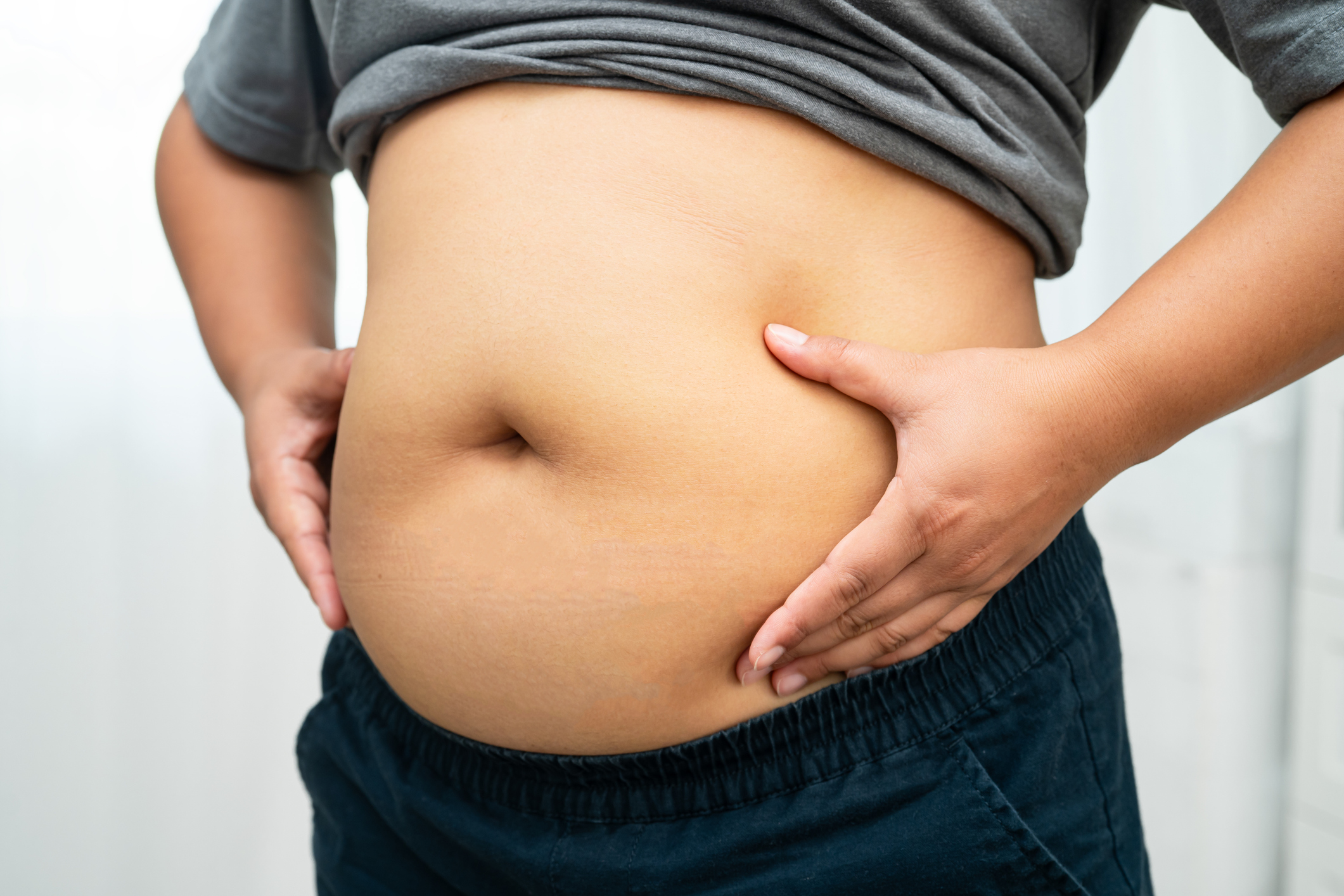
Weight fluctuation is something that many of us experience throughout our lives. When you gain weight for no obvious reason, it may be connected to hormone fluctuations that can occur with age, menopause, or a medical issue. These changes in hormone levels can affect major body functions, including the way you gain and lose weight. While hormonal weight gain affects both sexes, the distribution of fat differs between men and women. 

Men generally gain weight in their abdominal area. Premenopausal women often gain weight around their hips and thighs, while postmenopausal women may gain weight in their abdominal area. 

Treating hormonal weight gain consists of finding the cause of and fixing the hormonal imbalance. There may also be a need to treat the underlying medical issue causing a shift in your hormone levels.  

Hormonal weight gain resulting from hormone imbalances can lead to different symptoms and can vary on the specific hormone and whether its levels are too high or too low. The common symptoms of hormonal weight gain besides difficulty losing weight include: 

  • Depression 
  • Insomnia  
  • “Brain fog” or an inability to think clearly 
  • Fatigue 
  • Constipation 
  • Thirst that persists despite drinking water 
  • Frequent urination 
  • Irregular menstrual cycle 
  • Irregular heartbeat 
  • Acne  

Hormonal weight gain can be caused by changes to the normal level and function of several important hormones that help regulate appetite, the sense of fullness, metabolism, and how body fat is distributed. These hormones include: 

  • Estrogen 
  • Insulin 
  • Leptin 
  • Cortisol 
  • Ghrelin 

There are several conditions that can cause hormonal weight gain, including: 

  • Menopause 
  • Endometriosis 
  • Polycystic Ovary Syndrome (PCOS) 
  • Hypothyroidism 
  • Insomnia 

Losing hormonal weight gain starts with finding the hormones that affect your weight. It may also be necessary to get the right diagnosis and treatment if you have a hormonal imbalance caused by an underlying medical issue.  

Any weight loss goal generally involves lifestyle changes that consist of the following strategies: 

  • A daily program to maintain activity levels 
  • A change in diet to reduce calories 
  • Adequate sleep every night 
  • Behavior strategies to encourage commitment 

Working with a fitness professional can help you find exercises to target areas where you have excess weight due to hormonal weight gain. 

Hormonal weight gain supplements or medications may also be advised. They can reset hormone levels, treat the effects of abnormal levels, or control any underlying problems. Some common treatments include: 

  • Insulin therapy for type 2 diabetes 
  • Bioidentical hormone therapy 
  • Sleep medications 
  • Hormonal birth control pills for controlling endometriosis 
  • Synthetic thyroid hormone levothyroxine (a T4 preparation) for hypothyroidism 

In extreme cases, treatment may involve surgical intervention to treat underlying problems. These therapies may include: 

  • Bariatric weight loss surgery 
  • Ovarian cyst surgery 
  • Hysterectomy 

Hormonal weight gain can look like any other type of weight gain. To determine if your weight gain is hormonal, visit your healthcare provider. 

If you or a loved one is experiencing symptoms of hormonal weight gain, you can receive treatment at Flushing Hospital Medical Center’s Ambulatory Care Center. To schedule an appointment, please call (718) 670-5486. 

All content of this newsletter is intended for general information purposes only and is not intended or implied to be a substitute for professional medical advice, diagnosis or treatment. Please consult a medical professional before adopting any of the suggestions on this page. You must never disregard professional medical advice or delay seeking medical treatment based upon any content of this newsletter. PROMPTLY CONSULT YOUR PHYSICIAN OR CALL 911 IF YOU BELIEVE YOU HAVE A MEDICAL EMERGENCY.
Why Am I So Tired?

Daylight Saving Time began at 2:00 a.m. on Sunday, March 11th.  Lots of notifications were disseminated to remind you to set your clocks forward and try to get to bed a little earlier to compensate for that lost hour.

What they didn’t tell you is that your circadian rhythm or internal clock may have been interrupted by this change in time. In order to reset your internal clock, the food you eat might be the key to providing you a smoother transition.

Studies show that certain foods tend to produce a more restful night’s sleep. Foods that are likely to give you a deeper sleep are:

  • Milk
  •  Turkey
  • Honey
  • Nuts (such as almonds, walnuts, etc.)
  • Kale
  • Rice (or other forms of carbohydrates)

The secret to these foods are the vitamins they contain, as well as the hormones they help the brain to produce. Calcium is a natural sleep inducer, especially when consumed with magnesium. Calcium and magnesium both naturally produce melatonin, so consuming dairy products, wheat, and beans can all lead to a more restful sleep.

Melatonin is a hormone the brain produces naturally that also greatly contributes to a good night’s sleep.

Additionally, some proteins, such as lean meats, produce tryptophan, an amino acid that causes sleepiness. Carbohydrates, such as starches and fibers, can also cause fatigue, this occurs when the body breaks them down and they become sugar. Some healthy carbohydrates can be found in whole grain, cereal, and vegetables.

While some foods can help you get a better night’s sleep, other foods and eating habits can reduce your amount of sleep. Some of these include:

  • Eating too much or too little
  • Caffeine (after lunchtime)
  • Fatty foods (fast food, junk food, etc.)
  • Eating late at night • Alcohol (in large doses)

Try to avoid these bad eating habits and replace them with healthy foods that are high in calcium, magnesium, healthy carbohydrates, and protein.

All content of this newsletter is intended for general information purposes only and is not intended or implied to be a substitute for professional medical advice, diagnosis or treatment. Please consult a medical professional before adopting any of the suggestions on this page. You must never disregard professional medical advice or delay seeking medical treatment based upon any content of this newsletter. PROMPTLY CONSULT YOUR PHYSICIAN OR CALL 911 IF YOU BELIEVE YOU HAVE A MEDICAL EMERGENCY.

Can Pregnancy Increase Your Chances of Developing Gum Disease?

Hormonal changes during pregnancy can affect a woman’s body in many different ways; one such change occurs inside a woman’s mouth.

It is estimated that forty to fifty percent of all pregnant women will develop what is referred to as “pregnancy gingivitis,” a mild form of gum disease that is caused by increased production levels of the hormone progesterone.  These hormonal changes make it easier for certain gingivitis-causing bacteria to grow in your mouth and it makes your gums more sensitive to the build-up of plaque.

Taking care of your gums during pregnancy is very important. There have been multiple studies that have linked gum disease and premature birth. A study conducted by the Journal of the American Dental Association concluded that women with chronic gum disease were four to seven times more likely to deliver prematurely or have low birth weight babies than mothers with healthy gums.

Symptoms of pregnancy gingivitis can range from a slight reddening of the gums and mild inflammation to severe swelling and bleeding gums, especially after brushing or flossing. Pregnancy gingivitis can occur anytime between the second and eight month of pregnancy.

The best way to avoid pregnancy gingivitis is to maintain proper oral hygiene. It is recommended that women brush twice a day or after every meal with a soft-bristled brush and toothpaste containing fluoride. Flossing as well as using an alcohol-free, antimicrobial mouthwash daily is also suggested. In addition, don’t skip your dental visits just because you are pregnant. In fact, it is more important to see your dentist when you are pregnant. They can provide a professional cleaning and check-up.  Your dentist can also prescribe antibiotics if necessary.

By following these preventative measures, you can reduce your chances of developing pregnancy gingivitis as well as well increasing the probability of delivering a full-term baby.

If you are pregnant and would like to schedule a routine visit at Flushing Hospital’s Dental Center, please call 718-670-5521.

All content of this newsletter is intended for general information purposes only and is not intended or implied to be a substitute for professional medical advice, diagnosis or treatment. Please consult a medical professional before adopting any of the suggestions on this page. You must never disregard professional medical advice or delay seeking medical treatment based upon any content of this newsletter. PROMPTLY CONSULT YOUR PHYSICIAN OR CALL 911 IF YOU BELIEVE YOU HAVE A MEDICAL EMERGENCY.

Thyroid Awareness Month – Flushing Hospital Raising Awareness

The thyroid gland serves many functions. It regulates our rate of metabolism, growth and development, and our body temperature. So when it isn’t working properly it can have a major impact on our health.

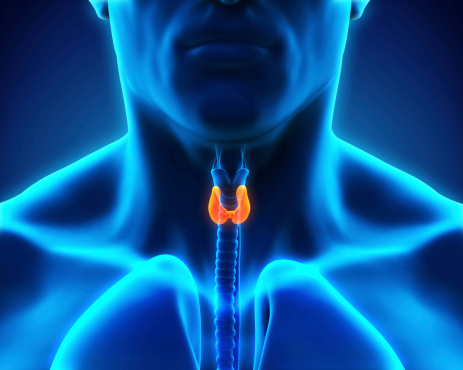
Human Thyroid Gland

According to the American Association of Clinical Endocrinologists (AACE), thyroid disease is a more common disorder than diabetes or heart disease. It affects as many as 30 million Americans, more than half of whom remain undiagnosed. To raise awareness about the thyroid gland and symptoms of thyroid disease, January has been designated Thyroid Awareness Month.

The thyroid is a small, butterfly-shaped gland located in the base of the neck.. Although small in size, the gland plays a large role by producing thyroid hormone which influences the function of many of the body’s most important organs, including the heart, brain, liver, kidneys and skin. When the thyroid gland is not producing the right amount of hormone (either too much or too little), problems can start to arise.

Hypothyroidism occurs when the thyroid does not produce enough hormones. This can result in a range of symptoms that include unexplained fatigue, weight gain, depression, forgetfulness, feeling cold, hair loss, or low sex drive. Hyperthyroidism, on the other hand, is a condition when the body produces an abundance of thyroid hormones. Symptoms of hyperthyroidism include rapid heart rate, heat intolerance and unexplained weight loss and anxiety. For both hypothyroidism and hyperthyroidism, medication can be prescribed to regulate hormone levels.

A more serious concern involving the thyroid gland is thyroid cancer, which can develop independent of the above thyroid disease. According to the AACE, about 60,000 cases of thyroid cancer are diagnosed annually in the U.S. In most cases, thyroid cancer has a good prognosis and high survival rates—especially when diagnosed in its early stages.

Through attention raised by Thyroid Awareness Month, more and more primary care physicians are screening for thyroid disease, which has greatly helped those who would have otherwise had their condition go undiagnosed.

Flushing Hospital is proud to help raise awareness for thyroid disease and encourages everyone experiencing symptoms to ask their doctor to do an evaluation. If you do not have a doctor, call Flushing Hospital’s Ambulatory Care Center to make an appointment at 718-670-5486.

All content of this newsletter is intended for general information purposes only and is not intended or implied to be a substitute for professional medical advice, diagnosis or treatment. Please consult a medical professional before adopting any of the suggestions on this page. You must never disregard professional medical advice or delay seeking medical treatment based upon any content of this newsletter. PROMPTLY CONSULT YOUR PHYSICIAN OR CALL 911 IF YOU BELIEVE YOU HAVE A MEDICAL EMERGENCY.