 September is Prostate Cancer Awareness Month, a month dedicated to raising awareness, encouraging early detection, supporting those facing prostate cancer, and funding research for better outcomes.
Prostate cancer develops when abnormal cells grow out of control in the prostate.
Prostate cancer is the most diagnosed cancer among men, and the second leading cause of cancer-related deaths in men in the United States.
Each year, approximately 299,010 men (1 in 8) will be diagnosed with the disease during their lifetime.
Certain groups face a higher risk of prostate cancer, including:
- Men over the age of 50
- Black men
- Men with a family history of prostate cancer
- Men who have been exposed to certain chemicals
- Military veterans
One of the challenges of prostate cancer is that the early stages of the disease usually have no symptoms. Signs and symptoms of early-stage prostate cancer include:
- Blood in the urine, which makes it look pink, red, or cola-colored
- Blood in the semen
- Needing to urinate more often
- Trouble getting started when trying to urinate
- Waking up to urinate more often at night
Unfortunately, by the time a man may notice changes, the cancer may already be advanced. Signs and symptoms of advanced prostate cancer include:
- Accidental leaking of urine
- Back pain
- Bone pain
- Erectile dysfunction
- Fatigue
- Losing weight without trying
- Weakness in the arms or legs
To diagnose prostate cancer, a healthcare provider may use a physical exam and screening tests to show whether you have signs of the disease that require more testing. These tests include:
- A digital rectal exam
- Prostate-specific antigen (PSA) blood test
- An MRI or transrectal ultrasound
- A biopsy of the prostate
Treatment for prostate cancer depends on multiple factors, such as your overall condition, whether the cancer has spread, and how fast it is spreading. Most prostate cancers diagnosed in the early stages can be cured with treatment. If your cancer is slow-growing and hasn’t spread, your healthcare provider may monitor it instead of treating it right away. Your healthcare provider will monitor your cancer by using active surveillance.
Surgery as a treatment for prostate cancer most often involves removing the prostate with a surgical procedure called prostatectomy. There are three ways a prostatectomy can be performed. They include:
- Laparoscopic prostatectomy
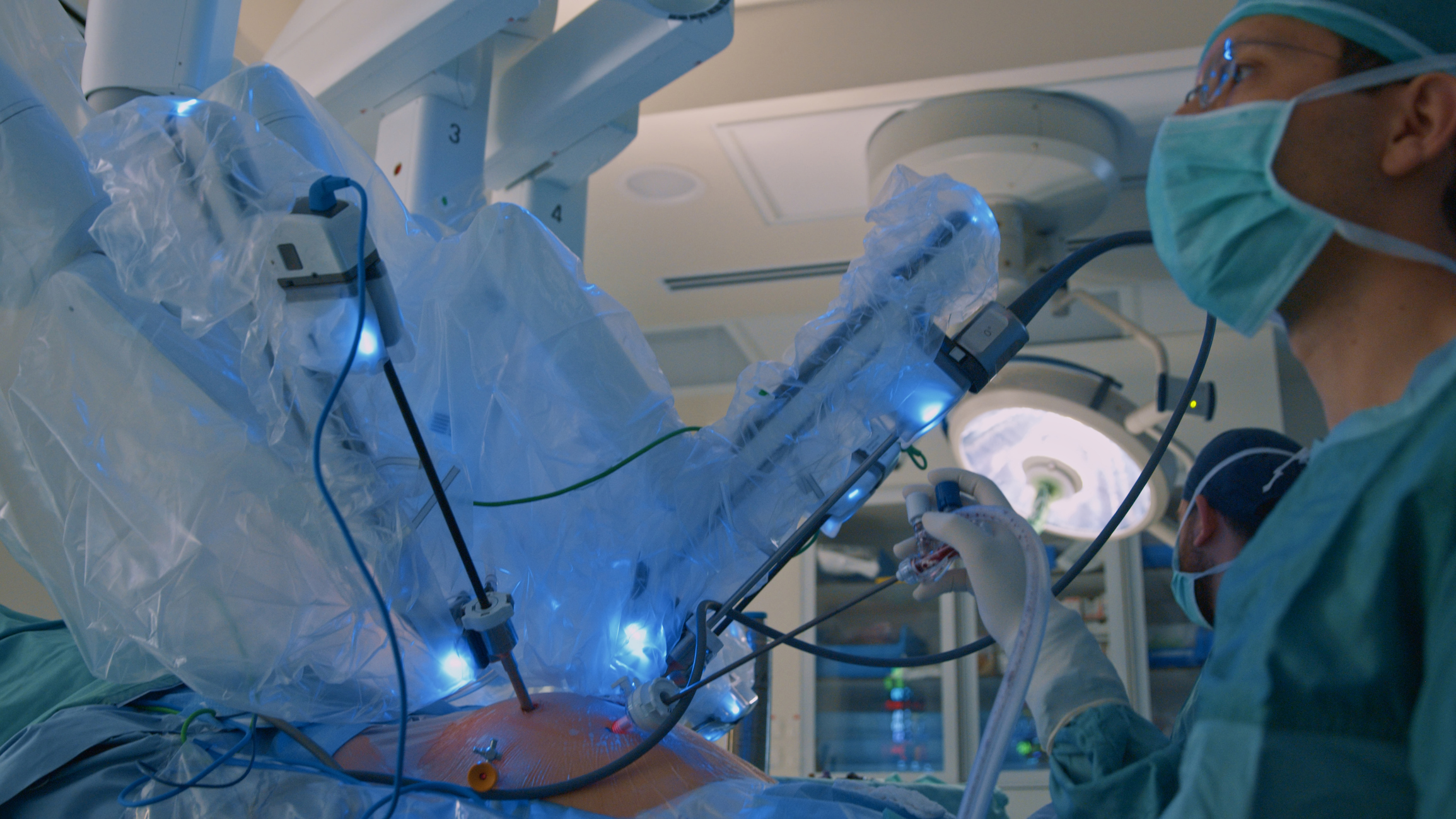
- Robotic prostatectomy
- Open prostatectomy
Additional treatments for prostate cancer include:
- Radiation therapy
- External beam
- Brachytherapy
- Ablation therapy
- Cryoablation
- High-intensity focused ultrasound (HIFU)
- Hormone therapy
- Chemotherapy
- Targeted therapy
- Immunotherapy
- Radiopharmaceutical treatments
To schedule an appointment with an oncologist at our MediSys Health Network Cancer Center, or to learn more about our cancer care program, please call (718) 206-6742.
All content of this newsletter is intended for general information purposes only and is not intended or implied to be a substitute for professional medical advice, diagnosis or treatment. Please consult a medical professional before adopting any of the suggestions on this page. You must never disregard professional medical advice or delay seeking medical treatment based upon any content of this newsletter. PROMPTLY CONSULT YOUR PHYSICIAN OR CALL 911 IF YOU BELIEVE YOU HAVE A MEDICAL EMERGENCY.