 Marijuana addiction, or cannabis use disorder (CUD), is a complex mental health condition that involves a problematic pattern of cannabis use.
Cannabis refers to all products that come from the Cannabis sativa plant. This includes its dried flowers, leaves, stems, and seeds. The plant itself contains over 500 chemical substances.
Cannabis use disorder mainly involves THC-containing substances, such as marijuana.
Marijuana is part of, or products from, the Cannabis sativa plant that contain substantial amounts of tetrahydrocannabinol (THC), which is the chemical that creates the “high” feeling.
CUD is a spectrum, which can be mild, moderate, or severe, typically involving an overpowering desire to use cannabis, increased tolerance to cannabis, and/or withdrawal symptoms when it is stopped being taken.
CUD can significantly impact a person’s health, relationships, and overall quality of life.
Cannabis use disorder can be mild or moderate, with the most severe form being marijuana addiction. This is due to continued marijuana use despite negative consequences. Marijuana addiction occurs when the reward system in the brain takes over, increasing compulsive marijuana-seeking.
CUD is common. Researchers in 2021 estimated that 5.8%, or about 16.3 million people, in the U.S. 12 years or older have a cannabis use disorder in the previous 12 months.
According to the American Psychiatric Association’s Diagnostic and Statistical Manual of Mental Disorders (DSM-5), the signs of cannabis use disorder include:
- Taking cannabis in larger amounts and for a longer period than you intended
- Having a strong desire or urge to use cannabis
- Having unsuccessful efforts to cut down on or control cannabis use
- Spending a lot of time getting or using cannabis or recovering from its effects
- Having issues fulfilling responsibilities at work, school, or home due to cannabis use
- Continuing to use cannabis even when it causes problems in relationships
- Giving up social, occupational, or recreational activities because of cannabis use
- Using cannabis repeatedly, even when it puts you in danger
- Continuing cannabis use despite an ongoing physical or psychological problem that cannabis is likely causing or making worse
- Developing tolerance, which is the need for increased amounts of cannabis to get the same effect
- Experiencing cannabis withdrawal symptoms, which you can relieve by taking more of it
It is essential to seek medical care as soon as you have signs of cannabis use disorder.
There are other symptoms and behaviors of cannabis use disorder. They include:
- Memory issues, such as confusion
- Hallucinations and/or delusions
- Sudden changes in your mood and behavior, such as withdrawing from friends and family
- Hostility or denial when someone confronts you about your excessive cannabis use
- No longer caring about your physical appearance as much as you used to
- Secretive behavior, such as hiding your cannabis use
There is a progression to cannabis use disorder that often follows a pattern that includes:
The progression of cannabis use disorder is complex, and several factors can contribute to the development of substance use disorder, including:
- THC’s effect on brain chemistry: marijuana sends massive surges of dopamine, the neurotransmitter and “feel good” hormone, through the brain, causing the user to seek out experiences that reward them with good feelings
- Genetics: studies show that genetic factors are responsible for 40%-60% of the vulnerability to any substance use disorder
- Mental health conditions: about half of people who experience a mental health condition will also experience a substance use disorder, such as CUD, and vice versa, which is known as a dual diagnosis. Substance use disorders and other mental health conditions happen because of overlapping factors such as:
- Issues with similar areas of the brain
- Access and exposure to cannabis: having access to cannabis is a major environmental factor that can increase the extent of exposure and the opportunity. Other factors can include:
- Use of cannabis by a member of your household
- Use of cannabis by your peers
- Having a medical marijuana certificate in states where it is legal
Certain factors may increase your risk of developing CUD, including:
- Age: People who begin using cannabis before the age of 18 are four to seven times more likely to develop CUD than adults
- The potency of marijuana: Using marijuana with a higher potency may increase your risk for CUD. In addition, some methods of using marijuana, such as dabbing or vaping concentrates, may deliver very high levels of THC to your body
- Frequency of use: In one study, 17% of people who used cannabis weekly and 18.8% of people who used cannabis daily met the criteria for cannabis dependence
- Depression: Having depression may increase your risk of developing CUD
- Sex: males are more likely to develop CUD
- Other substance use: using or misusing other substances such as alcohol, nicotine, or hallucinogens may increase your risk of CUD
Cannabis use disorder can’t be diagnosed with a single test. Healthcare providers instead rely on a thorough evaluation of your medical history and behaviors surrounding cannabis use. They may also order drug tests.
A healthcare provider will also ask about your mental health history, as it is common to have CUD and some type of mental health condition.
Treatment for cannabis use disorder depends on the severity of the disorder and is highly individualized, and you may need different types of treatment at different times.
Treatment for CUD often requires continuing care to be effective because it is a chronic condition with the potential for both recovery and relapse.
People with CUD often have co-occurring mental health conditions, and it is generally better to treat them together rather than separately.
There are two main forms of treatment for CUD. They include:
- Cognitive and behavioral therapies
To find out more about our mental health services or to schedule a virtual appointment, call (718) 670-5316 to speak with our intake coordinator or call (718) 670-5562 to reach the clinic.
All content of this newsletter is intended for general information purposes only and is not intended or implied to be a substitute for professional medical advice, diagnosis or treatment. Please consult a medical professional before adopting any of the suggestions on this page. You must never disregard professional medical advice or delay seeking medical treatment based upon any content of this newsletter. PROMPTLY CONSULT YOUR PHYSICIAN OR CALL 911 IF YOU BELIEVE YOU HAVE A MEDICAL EMERGENCY.

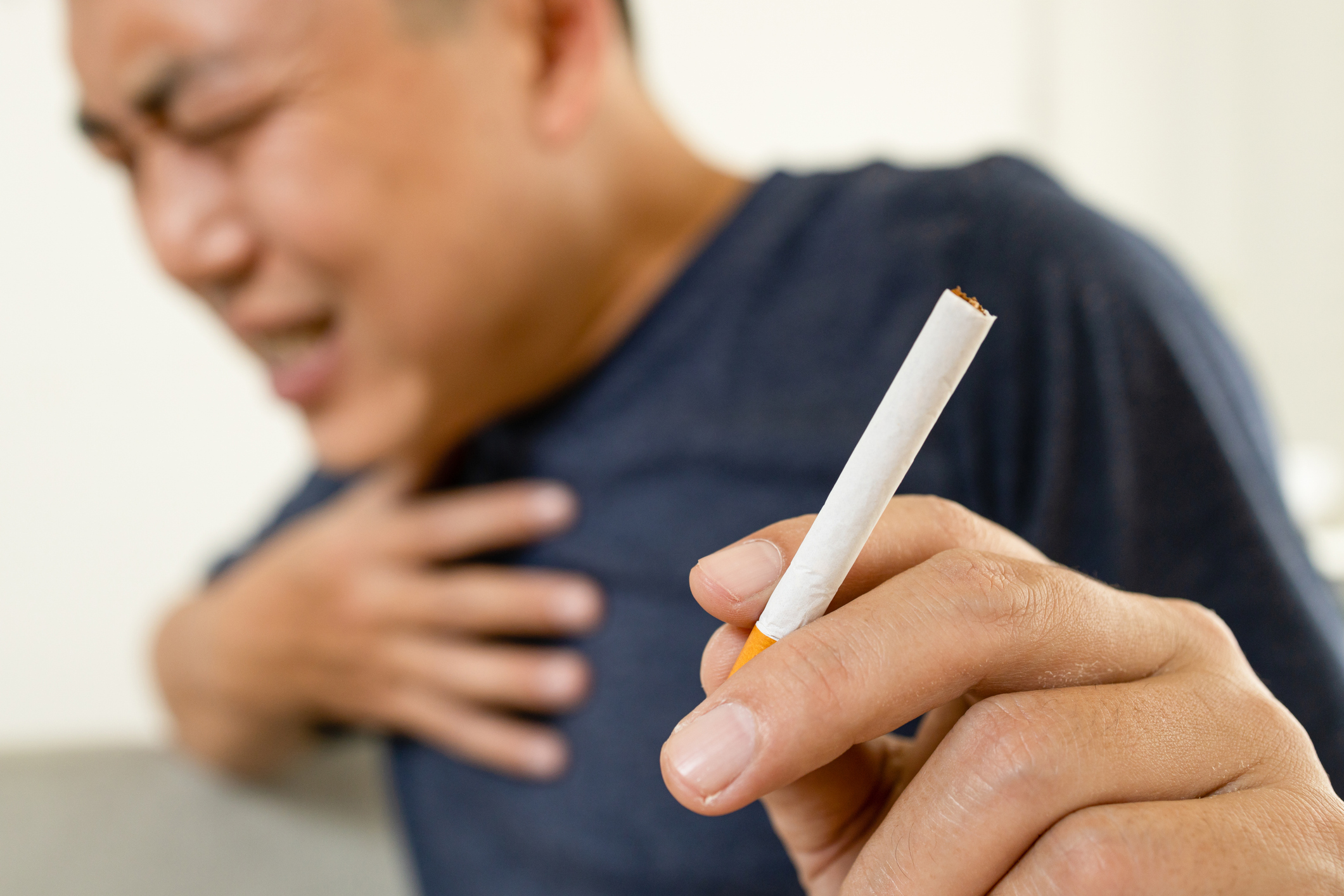 Smoking tobacco products, such as cigarettes, is the leading preventable cause of disease and death in the United States. According to the American Cancer Society, an estimated 480,000 people die from cigarette smoking in the U.S. each year, with many of them dying from cancer. What’s more, people who smoke die about ten years earlier than those who have never smoked.