Happy National Doctors’ Day

Today, March 30th, 2026, is observed as National Doctors’ Day.  

Flushing Hospital Medical Center would like to recognize the physicians who are devoted to providing our community with the utmost care. Flushing Hospital appreciates their hard work and all that they do for our hospital, our patients, and our community.  

All content of this newsletter is intended for general information purposes only and is not intended or implied to be a substitute for professional medical advice, diagnosis or treatment. Please consult a medical professional before adopting any of the suggestions on this page. You must never disregard professional medical advice or delay seeking medical treatment based upon any content of this newsletter. PROMPTLY CONSULT YOUR PHYSICIAN OR CALL 911 IF YOU BELIEVE YOU HAVE A MEDICAL EMERGENCY.

Sore Throat Vs. Strep Throat

A sore throat and strep throat may feel similar. However, they are not the same thing.

Most sore throats are caused by viruses, such as the common cold virus, and will go away in about a week or so. A sore throat can also stem from a bacterial infection. When this occurs, it is known as strep throat, which is caused by an infection from the group A Streptococcus bacterium. Symptoms of strep throat will last much longer than those caused by viral infections

Allergies, a dry environment, and smoking or exposure to secondhand smoke can also cause sore throats.

When you have a sore throat, the inside of your mouth, throat, and lymph nodes around the neck and head become inflamed and swollen. You may also notice that the inside of your mouth appears to be red from the inflammation. Other symptoms of a sore throat include:

  • Dryness
  • Hoarseness
  • Painful swallowing
  • Scratchy feeling in the throat

Symptoms of strep throat, on the other hand, can seem similar; however, the difference is that there are tiny red spots called petechiae on the roof of your mouth or white patches on your tonsils, which are the usual signs of a strep throat infection. Other symptoms of strep throat include:

  • Painful swallowing
  • Swollen lymph nodes and/or tonsils
  • Fever
  • Headache
  • Loss of appetite
  • Nausea
  • Rash
  • Stomach pain

There are many ways to relieve the pain caused by a sore throat, including:

  • Gargling with salt water
  • Hot tea
  • Honey
  • Taking over-the-counter pain relievers such as acetaminophen
  • Ice chips or popsicles
  • Using a humidifier to add cool mist to the air
  • Getting plenty of rest
  • Drinking plenty of water
  • Lozenges

It is important to note that you should never give honey to children under one year old or lozenges to children under the age of four.

The same treatments used for a normal sore throat can be used to soothe a sore throat caused by a strep throat infection. However, the best treatment for strep throat is prescribed antibiotics as they are necessary to effectively treat a strep throat infection and prevent complications.

If you or a loved one is experiencing symptoms of a sore throat, you can receive treatment at Flushing Hospital Medical Center’s Ambulatory Care Center. To schedule an appointment, please call (718) 670-5486.

All content of this newsletter is intended for general information purposes only and is not intended or implied to be a substitute for professional medical advice, diagnosis or treatment. Please consult a medical professional before adopting any of the suggestions on this page. You must never disregard professional medical advice or delay seeking medical treatment based upon any content of this newsletter. PROMPTLY CONSULT YOUR PHYSICIAN OR CALL 911 IF YOU BELIEVE YOU HAVE A MEDICAL EMERGENCY.

Social Work Appreciation Month

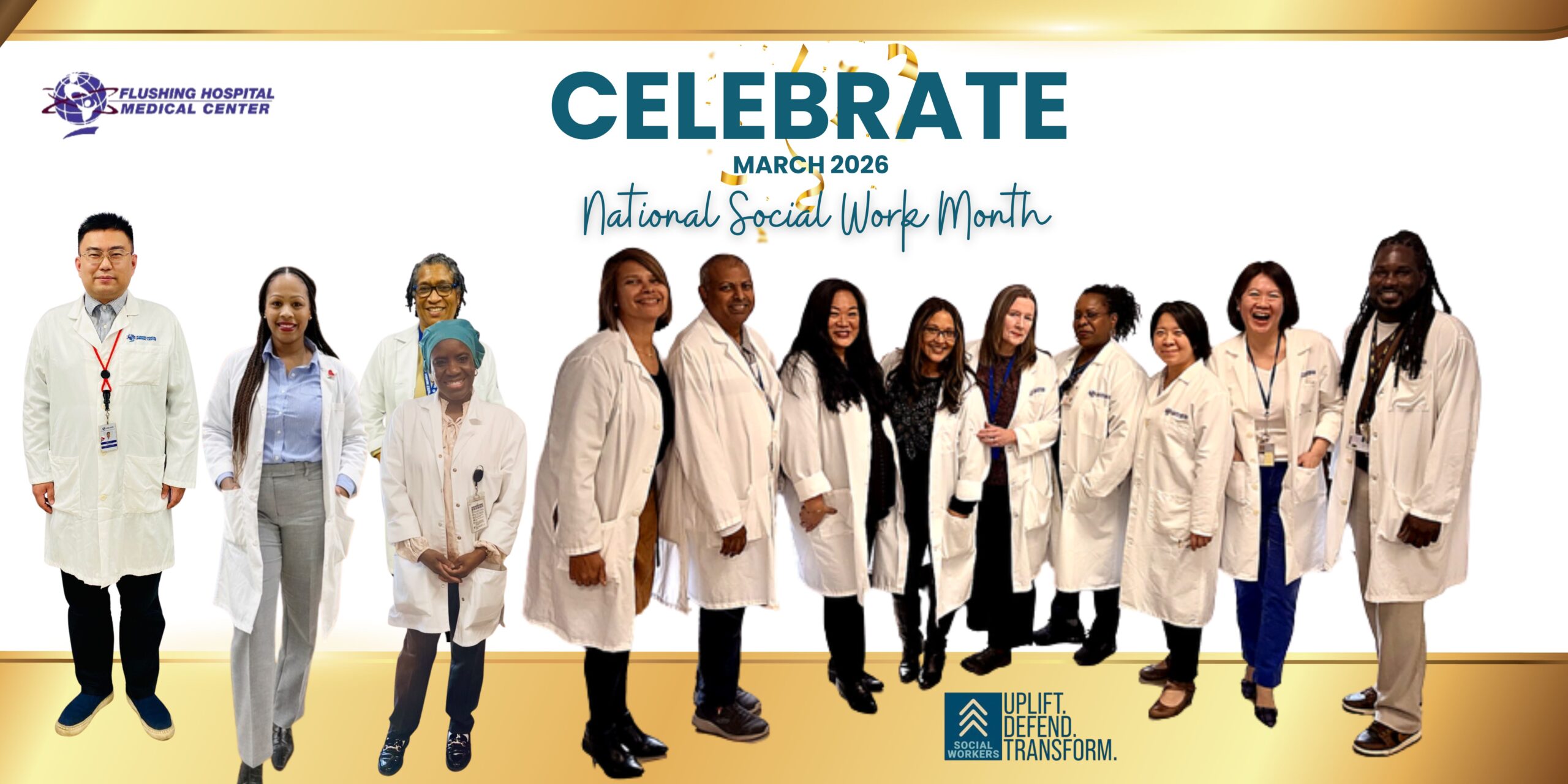
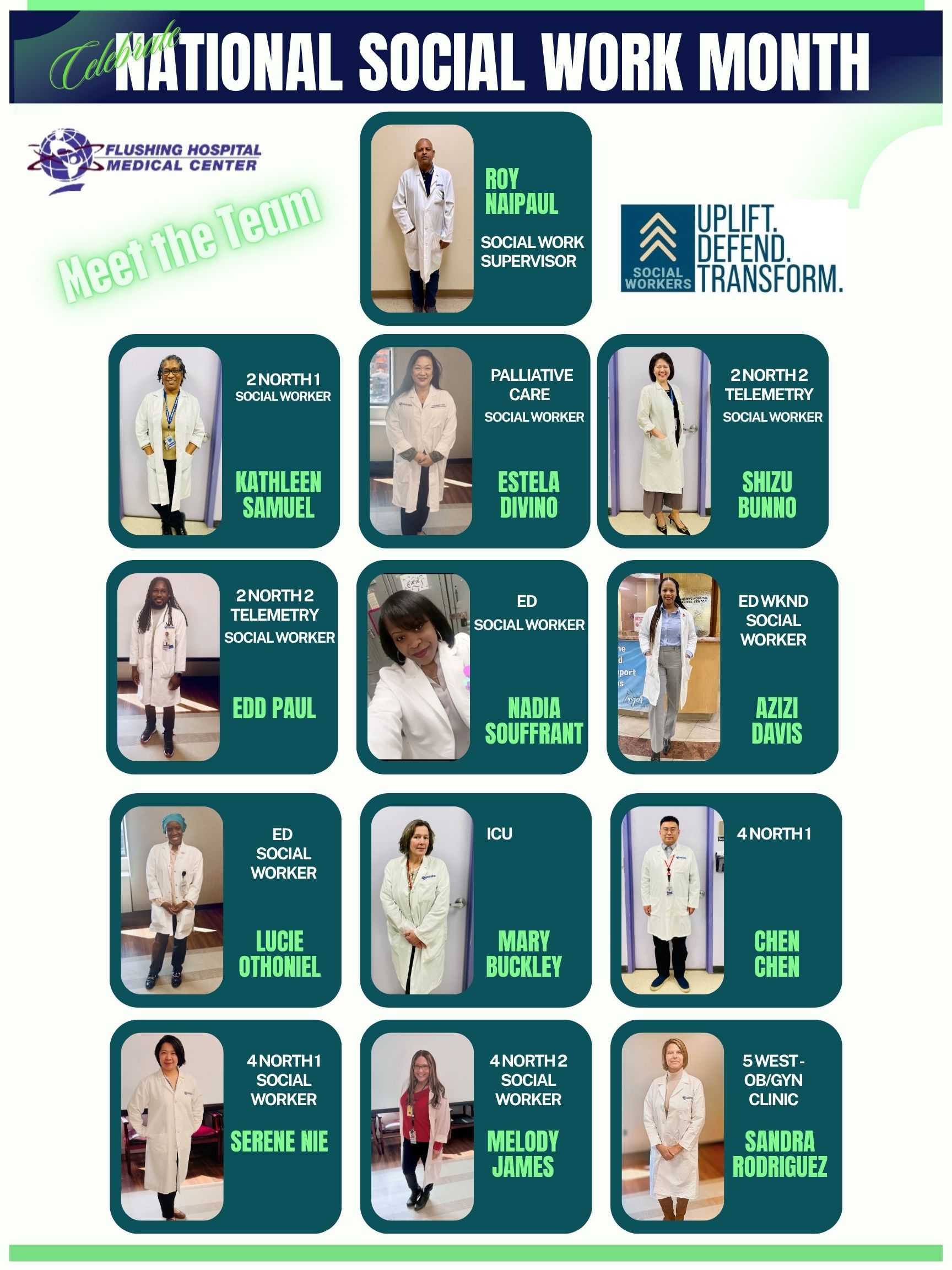
As Social Work Appreciation Month comes to a close, we would like to take a moment to recognize and honor our incredible Social Work team. 
 
Every day, our social workers go above and beyond to advocate for patients and families, navigate complex systems, and ensure that care extends beyond the hospital walls. Your compassion, resilience, and unwavering commitment play a vital role in improving outcomes and strengthening our community. 
 
Thank you for being the voice for those in need, for your dedication to care coordination, and for the difference you make—seen and unseen—every single day. 
 
We appreciate you today and always. 💙 
 
#SocialWorkMonth #ThankYouSocialWorkers #CareCoordination #MakingADifference 

All content of this newsletter is intended for general information purposes only and is not intended or implied to be a substitute for professional medical advice, diagnosis or treatment. Please consult a medical professional before adopting any of the suggestions on this page. You must never disregard professional medical advice or delay seeking medical treatment based upon any content of this newsletter. PROMPTLY CONSULT YOUR PHYSICIAN OR CALL 911 IF YOU BELIEVE YOU HAVE A MEDICAL EMERGENCY.

Heart Stent

When a coronary artery becomes narrow, it is due to the buildup of plaque. When this occurs, it may reduce blood flow to the heart and cause symptoms such as chest pain.

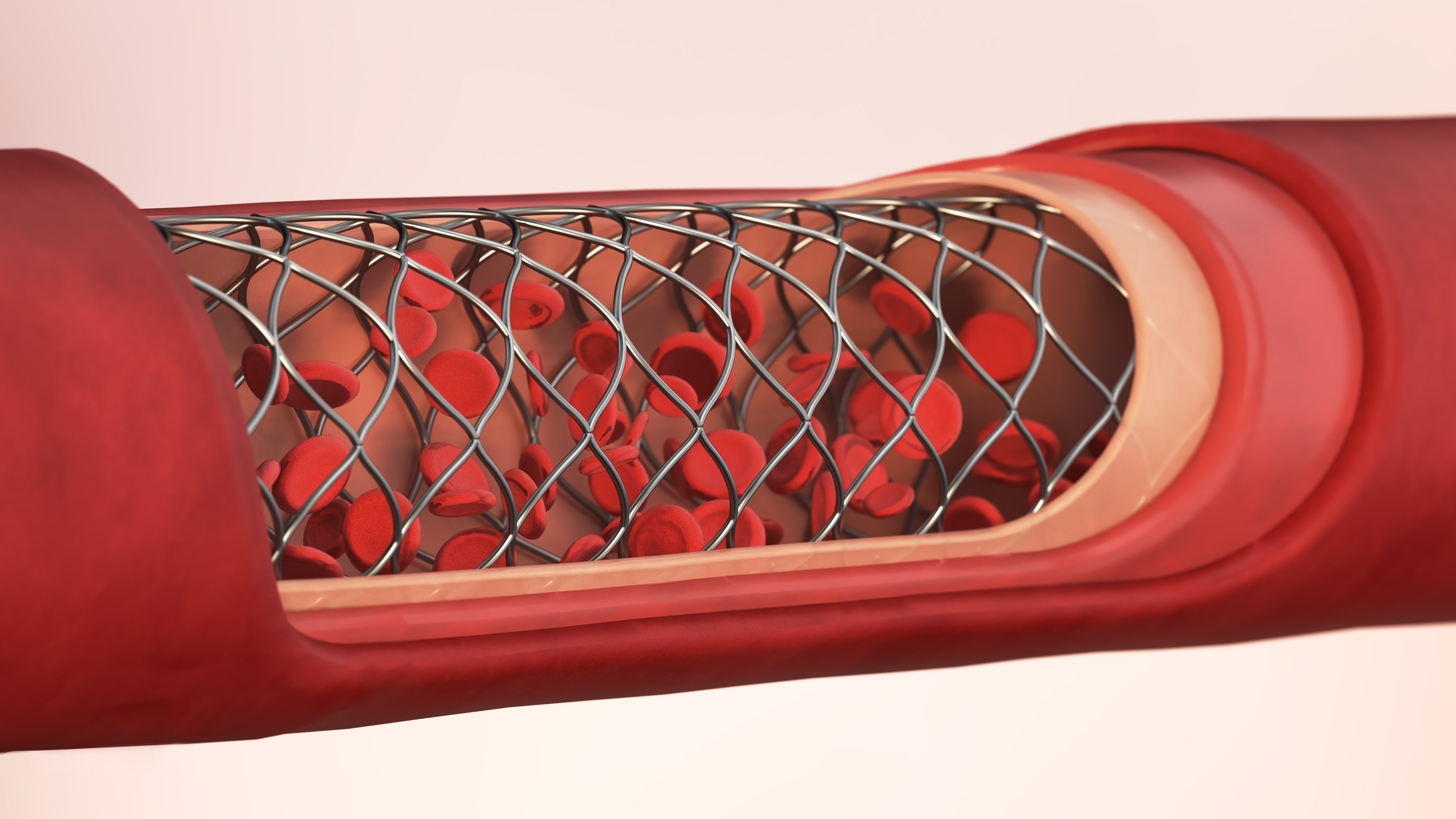
If a clot forms in a narrow coronary artery, it completely blocks blood flow and causes a heart attack. This is when a heart stent is used. A heart stent is a tiny, flexible wire-mesh tube that helps keep a coronary artery open, increasing blood flow to the heart.

A heart stent is used when a coronary artery is about 70% blocked. Using a stent improves blood flow to the heart and relieves chest pain. Most stents are permanent and help to reduce the risk of a heart attack.

There are many types of stents used to keep the coronary arteries open. They include:

· Bare metal stents

· Biodegradable stents

· Drug-eluting stents

When a stent is placed in a coronary artery, it is done through a minimally invasive procedure called angioplasty or percutaneous coronary intervention (PCI). During this procedure, a healthcare provider will insert a thin, flexible tube called a catheter in the heart’s blood vessels. The catheter has a balloon at the tip, which will be inflated to open the narrowed coronary artery and allow placement of the stent. After the procedure, a healthcare provider will prescribe blood thinners to prevent blood clots from blocking the artery again.

It is important to watch out for complications after getting a heart stent. If you are experiencing chest pain, it may be a symptom of restenosis, which is when the artery narrows again due to the growth of tissue. When this occurs, it can lead to a heart attack. If you are experiencing restenosis, you may need another procedure to place a drug-eluting stent.

Speak with your healthcare provider about the recovery time for the procedure. Most people will need to rest for a few days to a week before returning to work and any physical activity. It is also important to discuss follow-up care with your healthcare provider, as you may need to see a cardiologist or pulmonologist.

If you or a loved one is experiencing symptoms of chest pain, you can receive treatment at Flushing Hospital Medical Center’s Ambulatory Care Center. To schedule an appointment, please call (718) 670-5486.

All content of this newsletter is intended for general information purposes only and is not intended or implied to be a substitute for professional medical advice, diagnosis or treatment. Please consult a medical professional before adopting any of the suggestions on this page. You must never disregard professional medical advice or delay seeking medical treatment based upon any content of this newsletter. PROMPTLY CONSULT YOUR PHYSICIAN OR CALL 911 IF YOU BELIEVE YOU HAVE A MEDICAL EMERGENCY.

Familial Hypercholesterolemia

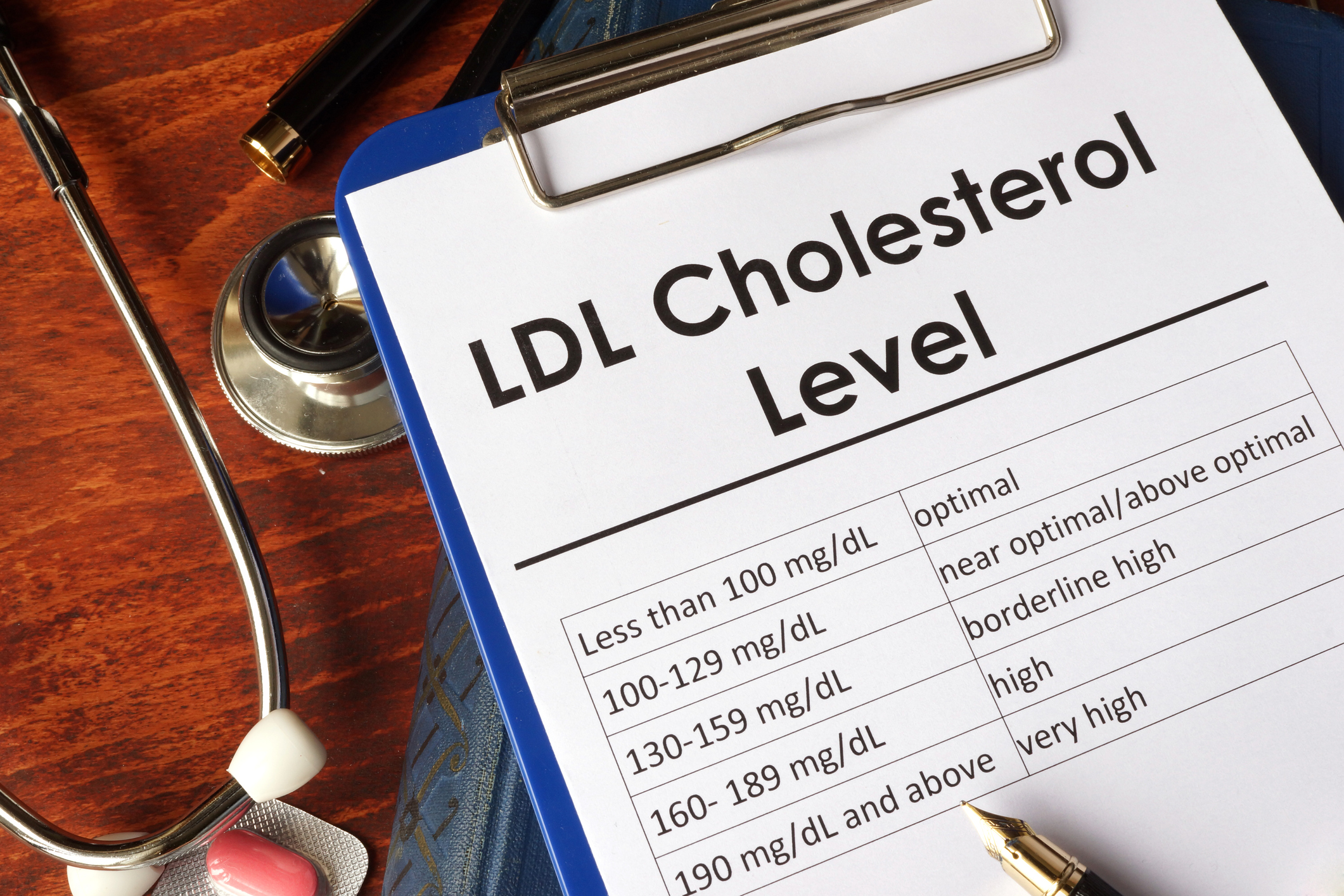
High levels of low-density lipoprotein (LDL) cholesterol, or “bad cholesterol,” are primarily caused by obesity and unhealthy lifestyle habits, such as a diet rich in saturated and trans fats, smoking, and a lack of physical activity.  These are all controllable factors.

High cholesterol can also arise from uncontrollable factors such as genetics.

Some individuals inherit genes from their biological parents that predispose them to high LDL cholesterol levels. This condition is known as familial hypercholesterolemia (FH), a genetic disorder caused by mutations in the LDLR gene located on chromosome 19. This mutation affects the body’s ability to process cholesterol properly.

There are two types of FH:

  • Heterozygous familial hypercholesterolemia, which is the most common of the two types, occurs if one parent gives you the FH variant
  • Homozygous familial hypercholesterolemia, which is rare and more serious, occurs when both parents give you the FH variant

While the genetic mutations that cause familial hypercholesterolemia are present from birth, symptoms may not appear until adulthood. They may develop earlier in childhood in people who inherit FH from both parents.  Symptoms of familial hypercholesterolemia include:

  • High levels of LDL cholesterol in the blood
  • Corneal arcus- a white or gray ring around the iris of the eye
  • Cholesterol deposits in the eyelids (xanthelasmas)
  • Chest pain
  • Cholesterol or fatty skin deposits that form on the hands, elbows, and knees
  • Swollen or painful Achilles tendon
  • Cramping of one or both calves when walking
  • Sores on the toes that do not heal

Living with familial hypercholesterolemia increases the risk of a heart attack at an early age.  The risk is also greater for premature cardiovascular disease and death at an earlier age.

Familial hypercholesterolemia is not preventable; however, it is very treatable.  If your healthcare provider suspects that you have FH, they will perform a physical examination and may order a lipid panel or genetic testing to help confirm a diagnosis.

If you have familial hypercholesterolemia, your doctor will prescribe medications such as statins to control cholesterol levels.  Practicing healthy lifestyle habits such as exercising regularly, eating a healthy diet, and maintaining a healthy weight may also help reduce the risk of complications.

To schedule an appointment with a doctor at Flushing Hospital Medical Center, please call 718-670-5486.


All content of this newsletter is intended for general information purposes only and is not intended or implied to be a substitute for professional medical advice, diagnosis or treatment. Please consult a medical professional before adopting any of the suggestions on this page. You must never disregard professional medical advice or delay seeking medical treatment based upon any content of this newsletter. PROMPTLY CONSULT YOUR PHYSICIAN OR CALL 911 IF YOU BELIEVE YOU HAVE A MEDICAL EMERGENCY.

Conditions that Lead to DVT

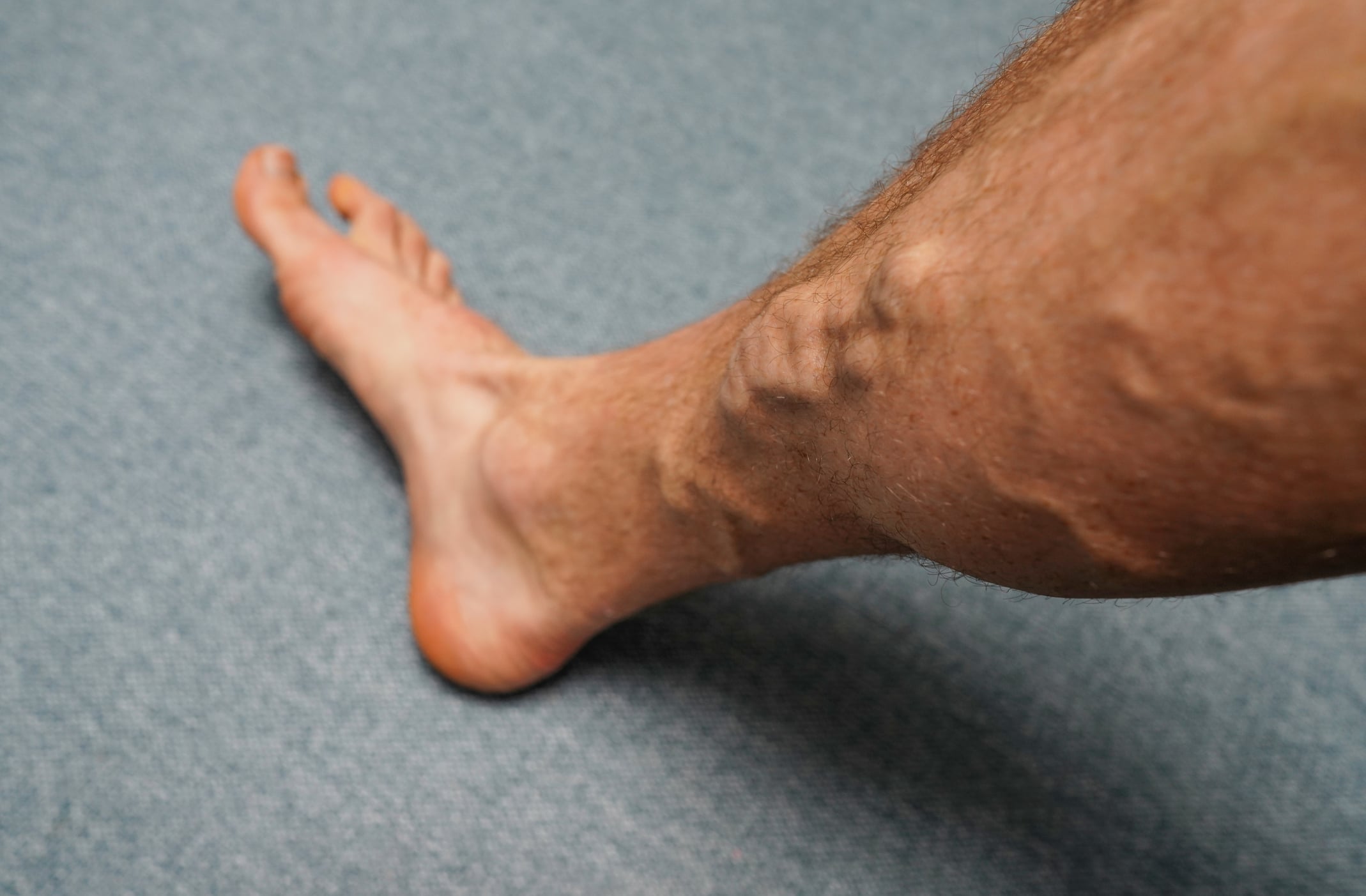
Deep vein thrombosis (DVT) is a condition that occurs when a blood clot forms in one or more of the deep veins in the body. DVT usually happens in the legs and causes leg pain or swelling.

Other symptoms of DVT include:

· Leg cramping or soreness that often starts in the calf

· A change in skin color in one leg to red or purple, depending on skin color

· A feeling of warmth on the affected leg

Deep vein thrombosis can occur without any noticeable symptoms.

A person can develop DVT if they have certain medical conditions that prevent the blood from flowing or affect how the blood clots.

Medical conditions that can lead to deep vein thrombosis include:

· Heart diseases

· Cancer and some cancer treatments

· Inherited blood clotting disorders such as sickle cell

· Inflammatory bowel disease

· Obesity

· Autoimmune diseases such as lupus

· Varicose veins

· Paralysis

· Pregnancy

· Serious infections

Other factors that can increase the risk of DVT include:

· Age

· Lack of movement

· Injury or surgery

· Birth control pills or hormone replacement therapy

· Smoking

DVT is diagnosed when a healthcare provider performs a physical exam and asks about your symptoms. During the physical exam, they will check your legs for swelling, tenderness, and any changes in skin color. The tests a healthcare provider will order depend on if they think you are at a low or high risk of developing DVT. Tests include:

· D-dimer blood test

· Duplex ultrasound

· Venography

· MRI

Treatment for DVT has three main goals:

· To prevent the clot from breaking loose and traveling to the lungs

· To prevent the clot from getting bigger

· To reduce the chances of developing DVT again

Treatment options for DVT include:

· Blood thinners

· Clot busters

· Filters

· Compression stockings

Making lifestyle changes may help prevent deep vein thrombosis. These lifestyle changes include:

· Moving your legs

· Managing your weight

· Quitting smoking

If you or a loved one is experiencing symptoms of deep vein thrombosis, you can receive treatment at Flushing Hospital Medical Center’s Ambulatory Care Center. To schedule an appointment, please call (718) 670-5486.

All content of this newsletter is intended for general information purposes only and is not intended or implied to be a substitute for professional medical advice, diagnosis or treatment. Please consult a medical professional before adopting any of the suggestions on this page. You must never disregard professional medical advice or delay seeking medical treatment based upon any content of this newsletter. PROMPTLY CONSULT YOUR PHYSICIAN OR CALL 911 IF YOU BELIEVE YOU HAVE A MEDICAL EMERGENCY.

Losing Muscle As We Age

As we age, we start to lose muscle mass gradually. This is called sarcopenia.

Sarcopenia, a type of atrophy, is the age-related progressive loss of muscle mass, function, and strength.

Everyone loses muscle mass over time; however, people who have sarcopenia lose it more quickly. Sarcopenia usually begins around the age of 35 and accelerates between the ages of 65 and 80. Rates of this acceleration vary; however, as much as 8% of muscle mass is lost each decade.

The natural aging process is usually the main cause of sarcopenia as the body doesn’t produce the same number of proteins the muscles need to grow, which causes them to get smaller. However, researchers have discovered other possible risk factors of the condition, including:

· Physical inactivity

· Obesity

· Chronic diseases such as chronic obstructive pulmonary disease (COPD), kidney disease, diabetes, cancer, and HIV

· Rheumatoid arthritis

· Insulin resistance

· Malnutrition or inadequate protein intake

· Reduction in hormone levels

· Decrease in the ability to convert protein to energy

· Decline in the number of nerve cells that send messages from the brain to the muscles telling them to move

Sarcopenia affects the musculoskeletal system and is a major factor in increased frailty, falls, and fractures. These conditions can lead to hospitalizations and surgeries, which increase the risk of complications, including death.

This condition can also affect people with a high body mass index (BMI), which is called sarcopenic obesity. People suffering from obesity and sarcopenia have a greater risk of complications than those with obesity or sarcopenia alone.

The most common symptom of sarcopenia is muscle weakness. Other symptoms may include:

· Decrease in muscle size

· Difficulty performing daily activities

· Poor balance and falls

· Loss of stamina

· Trouble climbing stairs

· Walking slowly

A healthcare provider may diagnose sarcopenia after they perform a physical exam and ask you about your symptoms. They may also ask you to complete a questionnaire based on your self-reported symptoms called the SARC-F, which stands for:

· Strength

· Assistance with walking

· Rising from a chair

· Climbing stairs

· Falls

You score each factor with a number between 0 and 2, with the highest maximum and total SARC-F being 10. A SARC-F score of 4 or more warrants more testing.

There is no single test that can diagnose sarcopenia. A healthcare provider may recommend several tests to help diagnose and then determine the severity of sarcopenia. These tests include:

· Muscle tests:

  •  Handgrip test
  • Chair stand test
  • Walking speed test
  • Short Physical Performance Battery (SPPB)
  • Timed-up and go test (TUG)

· Imaging tests for measurement of muscle mass

  • Dual-energy X-ray absorptiometry (DEXA or DXA)
  • Bioelectrical impedance analysis (BIA)

The treatment for sarcopenia usually includes lifestyle changes, as they can treat and help reverse the condition. These lifestyle changes include:

· Physical activity, which includes resistance-based strength training

· A healthy diet

Sarcopenia is not fully preventable. However, there are steps you can take to slow the progression of the disease, including:

· Making healthy food choices

· Exercising regularly

· Attending routine physicals

If you or a loved one is experiencing symptoms of sarcopenia, you can receive treatment at Flushing Hospital Medical Center’s Ambulatory Care Center. To schedule an appointment, please call (718) 670-5486.

All content of this newsletter is intended for general information purposes only and is not intended or implied to be a substitute for professional medical advice, diagnosis or treatment. Please consult a medical professional before adopting any of the suggestions on this page. You must never disregard professional medical advice or delay seeking medical treatment based upon any content of this newsletter. PROMPTLY CONSULT YOUR PHYSICIAN OR CALL 911 IF YOU BELIEVE YOU HAVE A MEDICAL EMERGENCY.

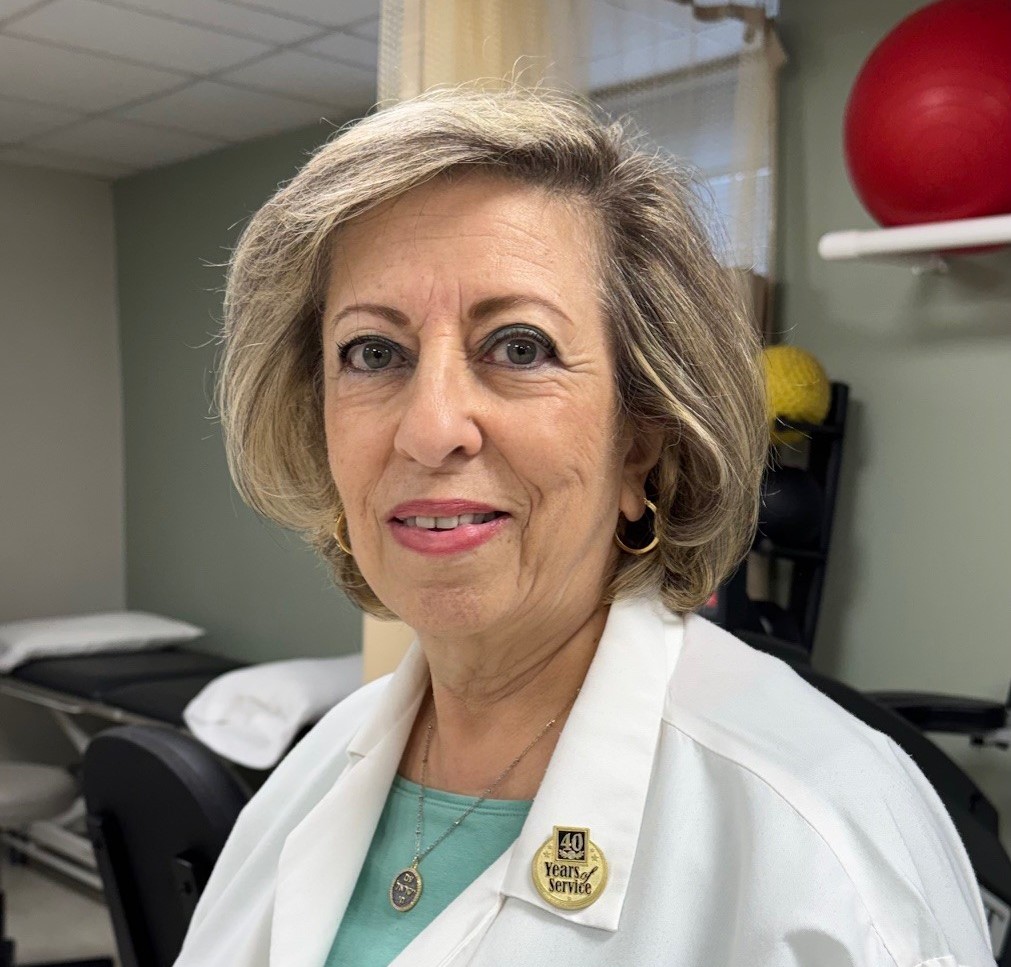
Employee Spotlight Shines on Mahnaz Pishanidar

This month, we are proud to shine our Employee Spotlight on Mahnaz ( Mickey ) Pishanidar, a Physical Therapist at Flushing Hospital Medical Center.  Mahnaz has been employed at Flushing Hospital for 43 years.

Mahnaz grew up in Iran and moved to the United States in 1980. She attended school in Iran and earned her degree in Physical Therapy at Tehran University. She currently lives in Great Neck, Long Island. Mahnaz has two children, one of whom had worked at Flushing Hospital for a year as a resident. She likes pets, especially dogs, but at the current time does not have one.

In her free time, Mahnaz enjoys cooking and baking. Her favorite foods to prepare are Persian and Italian. She also enjoys shopping, especially for shoes. She likes to travel and her favorite country to visit is Italy. Mahnaz likes classical and country music. She values spending time with friends and family and particularly enjoys having sleepovers with her three grandchildren. In the summertime she can be found every day at the swimming pool.

Mahnaz finds working at Flushing Hospital very rewarding. It feels like a second home to her. Her colleagues are wonderful and she enjoys treating her patients, many of whom try to teach her some Spanish. We look forward to Mahnaz working with us for many more years.

All content of this newsletter is intended for general information purposes only and is not intended or implied to be a substitute for professional medical advice, diagnosis or treatment. Please consult a medical professional before adopting any of the suggestions on this page. You must never disregard professional medical advice or delay seeking medical treatment based upon any content of this newsletter. PROMPTLY CONSULT YOUR PHYSICIAN OR CALL 911 IF YOU BELIEVE YOU HAVE A MEDICAL EMERGENCY.

National Drugs and Alcohol Facts Week

National Drug and Alcohol Facts Week takes place March 16th- 22nd.

National Drug and Alcohol Facts Week’s goal is to dispel myths about drug and alcohol use and to inform teens about the impact and risk of substance abuse as well as addiction.

According to research from the Centers for Disease Control and Prevention (CDC), two-thirds of U.S. students have tried alcohol by the 12th grade.

The average age at which children typically experiment with alcohol and drugs is 13 years old.

There are five signs of drug abuse among teens. They include:

Psychological changes such as trouble concentrating, memory issues, and random laughter

Changes in behavior, including bad grades, lack of respect for others, and poor eye contact

Suspicious behavior such as hiding drug paraphernalia, missing cash, or valuables

Health issues, including appetite changes, shakiness, excessive headaches, or frequent illness

Poor personal appearance, such as bad hygiene or bloodshot eyes

There is a lot of misinformation around drugs and alcohol. Many myths have been created and spread through our culture, especially among young people. Here are some myths about drugs and alcohol that have been debunked:

Myth #1- Marijuana addiction isn’t real

Although it is impossible to overdose on marijuana, habitual cannabis use can change the way the body works, create a tolerance, and cause withdrawal symptoms after stopping

Myth #2- It is okay to quit drinking alcohol and start smoking marijuana instead

Switching from one addictive behavior to another is common; however, it creates other addictive cycles

Myth #3- Prescription drugs can’t be addictive if prescribed by my doctor

Even doctor-prescribed drugs can have a tolerance built against them, which eventually causes an addiction. Especially painkillers such as opiates or benzodiazepines

Here are more facts about drugs, alcohol, and addiction:

  • Alcohol is the most abused substance in the U.S., and the third most common cause of death
  • Alcohol and drugs are involved in approximately 50% of deaths by suicide and are the cause of death of more than 50% of all violent crimes
  • 80% of all domestic violence abuse reports show a relationship to alcohol or drugs

Although National Drug and Alcohol Facts Week is geared toward young people, people of any age are encouraged to participate and educate themselves so that they can make educated choices related to drugs and alcohol.

To learn more about our mental health services or to schedule a virtual appointment, call (718) 670-5316 to speak with our intake coordinator or (718) 670-5562 to reach the clinic.


All content of this newsletter is intended for general information purposes only and is not intended or implied to be a substitute for professional medical advice, diagnosis or treatment. Please consult a medical professional before adopting any of the suggestions on this page. You must never disregard professional medical advice or delay seeking medical treatment based upon any content of this newsletter. PROMPTLY CONSULT YOUR PHYSICIAN OR CALL 911 IF YOU BELIEVE YOU HAVE A MEDICAL EMERGENCY.

Can Noroviruses Lead to Digestive Disorders?

Norovirus is the leading cause of illness from contaminated food in the U.S., and approximately 685 million cases are reported globally each year. Of that estimate, over 200 million cases affect children.  

Norovirus is a group of viruses that cause severe vomiting and diarrhea. It is very common and highly contagious.  

Most norovirus outbreaks occur between November and April in countries above the equator and between April and September in countries below the equator. 

A virus in the Caliciviridae family causes norovirus. When the virus enters your body, it causes your stomach and intestines to swell or become inflamed. This is called acute gastroenteritis, which typically presents with norovirus-like symptoms. Symptoms of norovirus include: 

  • Nausea 
  • Watery or loose diarrhea 
  • Vomiting 
  • Stomach pain 
  • Headache 
  • Fever 
  • Body aches 

Symptoms usually appear 12 to 48 hours after exposure to the virus and last one to three days. However, symptoms of the infection may last longer in the elderly, young children, and those who are immunocompromised.  

These groups are especially at risk of longer norovirus infections, as the virus can still be present in their stool, which causes chronic norovirus diarrhea and other severe complications.  

Norovirus infection, like other gastrointestinal pathogens, can cause a range of sequelae, a condition that is the consequence of a previous disease or injury, and complications. According to a study published in the National Library of Medicine, there has been some evidence linking norovirus infections to sequelae, including post-infectious irritable bowel syndrome (IBS) and inflammatory bowel disease (IBD). The study analyzed an outbreak of severe gastroenteritis attributed to foodborne human norovirus (HNoV), which showed that the prevalence of IBS was significantly higher in subjects who had experienced acute gastroenteritis than in control subjects.  

Another study that followed individuals from a massive outbreak of viral gastroenteritis also suggests that HNoV gastroenteritis can lead to the development of post-infectious IBS in a substantial proportion of patients.  

In addition to the two previous studies, another study presented that the risk of dyspepsia, constipation, and gastroesophageal reflux disease (GERD) was higher among those who had acute gastroenteritis during a confirmed norovirus outbreak. This study suggests that dysmotility, a condition in which the muscles and/or nerves of the digestive system do not work as they should, may result in subsequent infections. It is important to note that these findings have not been confirmed.  

The norovirus is extremely difficult to kill as it can’t easily be washed away and can survive temperatures up to 145°F. The Centers for Disease Control and Prevention (CDC) recommends washing hands vigorously with soap, cleaning any infected areas with diluted bleach, and washing infected clothes with hot water and detergent. The CDC also recommends wearing gloves and throwing them out after cleaning, which adds to your protection. 

There are also many precautions you can take to reduce the risk of getting norovirus, including: 

  • Washing fruits and vegetables before eating them 
  • Cooking your food thoroughly (especially seafood or shellfish) or to an appropriate temperature 
  • Avoiding contact with people who are infected with norovirus 

Please note that using hand sanitizer doesn’t kill norovirus particles as effectively as washing your hands with soap and water. If you are infected with norovirus, you shouldn’t prepare food or care for others, as you can spread the infection. 

If you experience vomiting, diarrhea, or other symptoms of norovirus, schedule an appointment with a doctor at Flushing Hospital Medical Center’s Ambulatory Care Center as soon as possible by calling (718) 670-5486. 

All content of this newsletter is intended for general information purposes only and is not intended or implied to be a substitute for professional medical advice, diagnosis or treatment. Please consult a medical professional before adopting any of the suggestions on this page. You must never disregard professional medical advice or delay seeking medical treatment based upon any content of this newsletter. PROMPTLY CONSULT YOUR PHYSICIAN OR CALL 911 IF YOU BELIEVE YOU HAVE A MEDICAL EMERGENCY.