
How Long Should You Keep Thanksgiving Leftovers?

It is the day after Thanksgiving, and the refrigerator is full of leftovers. It is important to know how long these leftovers should actually last to avoid foodborne illnesses.  

The U.S. Department of Agriculture’s (USDA) Food and Safety and Inspection Service recommends throwing out refrigerated leftovers after three to four days. If certain foods are kept in the freezer, they can still be eaten for three to four months after Thanksgiving.  

It is important to properly store and refrigerate all leftovers within two hours at 40 degrees Fahrenheit or colder. To store them, pack the leftovers into small containers and resealable plastic bags. Storing food in smaller portions makes it easier and more convenient for them to be used when taken straight from the freezer. Using freezer or storage-specific plastic bags and plastic wrap helps prevent freezer burn because they are thicker than normal bags. Push out as much air as possible to limit exposure to the surface of the food, which also helps prevent freezer burn. 

Throw away any food that doesn’t keep well in the refrigerator, such as salads, which can become soggy and wilted. Greens such as kale and cabbage can last for up to three days.  

Remove any stuffing from inside the turkey and store it separately in airtight containers. Stuffing can last up to four days in the refrigerator and two to three months in the freezer.  

When storing leftover turkey, cut the turkey into smaller pieces and store them separately in small airtight containers. Turkey can last for four days in the fridge and four months in the freezer.  

Gravy can last for four days in the fridge and up to four months in the freezer. When reheating the gravy, add it to a saucepan and cover it with a lid, and bring it to a rolling boil.  

Homemade cranberry sauce can stay good for a week to 10 days in the fridge. Canned cranberry sauce can be kept for up to two weeks when stored in an airtight container and refrigerated. It is not recommended to freeze cranberry sauce.  

Potatoes and yams can be stored in the refrigerator for four days and up to two months in the freezer.  

Desserts such as fruit pies can be kept at room temperature for two days. After two days, they can be stored in the refrigerator, loosely covered, for two more days.  

It is important to note that you should always reheat leftovers to 165 degrees Fahrenheit, as it destroys most foodborne pathogens, preventing you from developing food poisoning.   

If you or a loved one is experiencing symptoms of food poisoning, you can receive treatment at Flushing Hospital Medical Center’s Ambulatory Care Center. To schedule an appointment, please call (718) 670-5486. 

All content of this newsletter is intended for general information purposes only and is not intended or implied to be a substitute for professional medical advice, diagnosis or treatment. Please consult a medical professional before adopting any of the suggestions on this page. You must never disregard professional medical advice or delay seeking medical treatment based upon any content of this newsletter. PROMPTLY CONSULT YOUR PHYSICIAN OR CALL 911 IF YOU BELIEVE YOU HAVE A MEDICAL EMERGENCY.

Healthy Holiday Recipe: Honey Roasted Sweet Potatoes

Thanksgiving is tomorrow, and as we’re preparing to have dinner with the turkey as the star of the show, the sides we have along with the turkey help make it a complete meal. Sweet potatoes are often a common side dish.  

Sweet potatoes are high in fiber and vitamins A and C. Adding honey to your sweet potatoes adds natural sweetness with trace antioxidants, making this a nutritious and satisfying side.  

Here is a recipe for honey-roasted sweet potatoes that will help elevate your Thanksgiving Day meal.  

These sweet potatoes are lightly roasted with honey for a perfect balance of sweetness and caramelization.  

Honey Roasted Sweet Potatoes Recipe | Ellie Krieger | Food Network 

All content of this newsletter is intended for general information purposes only and is not intended or implied to be a substitute for professional medical advice, diagnosis or treatment. Please consult a medical professional before adopting any of the suggestions on this page. You must never disregard professional medical advice or delay seeking medical treatment based upon any content of this newsletter. PROMPTLY CONSULT YOUR PHYSICIAN OR CALL 911 IF YOU BELIEVE YOU HAVE A MEDICAL EMERGENCY.
From Preconception to Menopause

Whether considering starting a family or experiencing menopause, a woman must understand the best ways to navigate through each phase of life.  

Each phase of a woman’s life requires specific care as her body and healthcare needs evolve. A committed healthcare provider can help guide a woman through the care they needs from preconception, pregnancy, childbirth, menopause, and beyond.  

Preconception healthcare is the care a woman receives before she becomes pregnant. It is recommended for a woman to receive preconception healthcare. This may help address issues linked to heavy bleeding and extremely painful periods that are caused by conditions such as endometriosis or fibroids. After this diagnosis, a healthcare provider may create care plans to protect fertility.  

To prepare for preconception healthcare, you will have to: 

  • Learn about your family history, as many conditions are hereditary or genetic 
  • Stop smoking, drinking alcohol, and using certain drugs 
  • Avoid toxic substances and environmental contaminants 
  • Reach and maintain a healthy weight 
  • Get mentally healthy 

Prenatal healthcare is the medical care a woman receives during their pregnancy. At each prenatal visit, their healthcare provider will check the health of the mother and their baby.  

To prepare for prenatal care, you will have to: 

  • Schedule your first prenatal care checkup as soon as you think you are pregnant 
  • Work with your healthcare provider to get the essential prenatal tests scheduled, such as screening for sexually transmitted diseases. Sexually transmitted diseases, such as congenital syphilis, occur when a mother passes the infection to her baby during pregnancy. Transmission of this disease has increased by 15% since 2019 and 254% since 2016 

Postpartum healthcare is the time after a woman has delivered their baby, and their body slowly returns to its nonpregnant state. In addition to physical changes and medical issues that may occur during this period, healthcare providers should be aware of the mental and psychological needs of the postpartum mother.  

To prepare for postpartum healthcare, you should: 

  • Listen closely to your body, so you will know if anything feels wrong 
  • Advocate and/or speak up for yourself. If you are feeling unwell, you shouldn’t hesitate to be consistent with your communication with your physician 
  • Educate yourself on postpartum complications so you will know if anything feels wrong 

Menopause is the time that marks the end of a woman’s menstrual cycles. It is diagnosed after a woman has gone 12 months without a menstrual period. It can happen in a woman’s 40s or 50s; however, in the U.S., the average age a woman starts to experience menopause is at 51 years old. 

To prepare for care during the menopausal stage, you should: 

  • Take care of your bones as bone density begins to decline after menopause due to the loss of bone-protective estrogen. Taking a daily vitamin D3 supplement of 1,000 IUs is recommended 
  • Be mindful of your weight, as your metabolism will slow down as menopause approaches. This can make gaining weight more probable and losing it more difficult. It is important to maintain a healthy weight because it helps protect your bones, as constant weight gain and weight loss can put stress on them 
  • Do exercises to strengthen your pelvic floor muscles, such as Kegels, which can help prevent the sudden and frequent urge to urinate, and the occasional leakage of urine, called urinary incontinence. Urinary incontinence can become common during perimenopause for some women and can get progressively worse as changes in the vaginal tissue, urethra, and pelvic floor occur 
  • Take care of your heart’s health. Research shows that controlling whatever risk factors you can before the onset of menopause can ensure a healthy heart after menopause 

If you are planning to get pregnant, are pregnant, are postpartum, or are going through menopause, it is important to prepare for each stage as much as you can.  

Flushing Hospital’s Women’s Health Center offers comprehensive, multi-disciplinary, and culturally sensitive care. Our services are provided by a highly skilled team of the best OBGYNs in Queens who specialize in all aspects of women’s health. For more information about gynecological services at FHMC’s Center for Obstetrics and Gynecology, call us at (718) 670-5562. 

All content of this newsletter is intended for general information purposes only and is not intended or implied to be a substitute for professional medical advice, diagnosis or treatment. Please consult a medical professional before adopting any of the suggestions on this page. You must never disregard professional medical advice or delay seeking medical treatment based upon any content of this newsletter. PROMPTLY CONSULT YOUR PHYSICIAN OR CALL 911 IF YOU BELIEVE YOU HAVE A MEDICAL EMERGENCY.

Meet Our Doctors- Dr. Megan Deyarmond

We are pleased to introduce Dr. Megan Deyarmond, the newest member of the obstetrics and gynecology team at Flushing Hospital Medical Center. 

Dr. Deyarmond was born and raised in Colorado, where she attended the University of Denver for her undergraduate degree. She then moved to Washington, D.C., where she attended Georgetown University School of Medicine for her medical degree, and later completed her residency at Inova Fairfax Medical Center in nearby Virginia. 

Dr. Deyarmond always wanted to pursue a career in medicine, but as a veterinarian. It wasn’t until she was 10 years old that her grandfather, who was not a physician but knew she had an interest in medicine, started to expose her to the work that Doctors Without Borders was doing. This exposure made her want to work with the organization someday and prompted her to change her career plan from veterinary medicine to human medicine. “I have since had an interest in global health and addressing the barriers to care that exist in the healthcare system. I love the human aspect of medicine and feel like each interaction with providers, staff, patients, etc. presents such a unique opportunity to connect and learn”, she explained. This thought process is why she chose obstetrics and gynecology as her specialty. “I felt that OBGYN had the best mix of continuity of patient care, surgical experiences, etc. I also like the fact that you have the opportunity to follow a patient throughout different periods of their life”, she added. As an OBGYN, Dr. Deyarmond helps her patients with preconception counseling, pregnancy, routine gynecological care, contraception, and treats conditions such as abnormal uterine bleeding.  

Although she wasn’t born or raised in Queens, Dr. Deyarmond and her partner always planned to eventually move to New York because of the diversity of individuals, ideas, and cultures that exist here, especially in Queens, more than anywhere else. “When I was interviewing for jobs, I was looking for a place where the emphasis was on providing equitable, quality care that meets individual patient needs, understanding that every patient comes from a different background and situation. I wanted a place where the diversity of the community was celebrated and where every effort was made to ensure that each patient has a positive and supportive interaction with the healthcare system”, she said. This sentiment is what drew her to the community, specifically Flushing Hospital. She is excited to join the Flushing Hospital team and practice in the community and work with patients from diverse backgrounds, and learn how to best support them as they navigate the healthcare system.  

Flushing Hospital’s emphasis on providing the highest quality of care to all patients is important to Dr. Deyarmond. “I think providing the highest quality of care comes from really getting to know the people in the community and understanding what is important to them when interacting with healthcare providers (e.g., what makes them feel more comfortable and supported). Dr. Deyarmond hopes to be a provider who listens to and learns from patients and the community regarding how to not only treat their medical needs, but also to understand how to support them in navigating and engaging with the healthcare system.  

All content of this newsletter is intended for general information purposes only and is not intended or implied to be a substitute for professional medical advice, diagnosis or treatment. Please consult a medical professional before adopting any of the suggestions on this page. You must never disregard professional medical advice or delay seeking medical treatment based upon any content of this newsletter. PROMPTLY CONSULT YOUR PHYSICIAN OR CALL 911 IF YOU BELIEVE YOU HAVE A MEDICAL EMERGENCY.
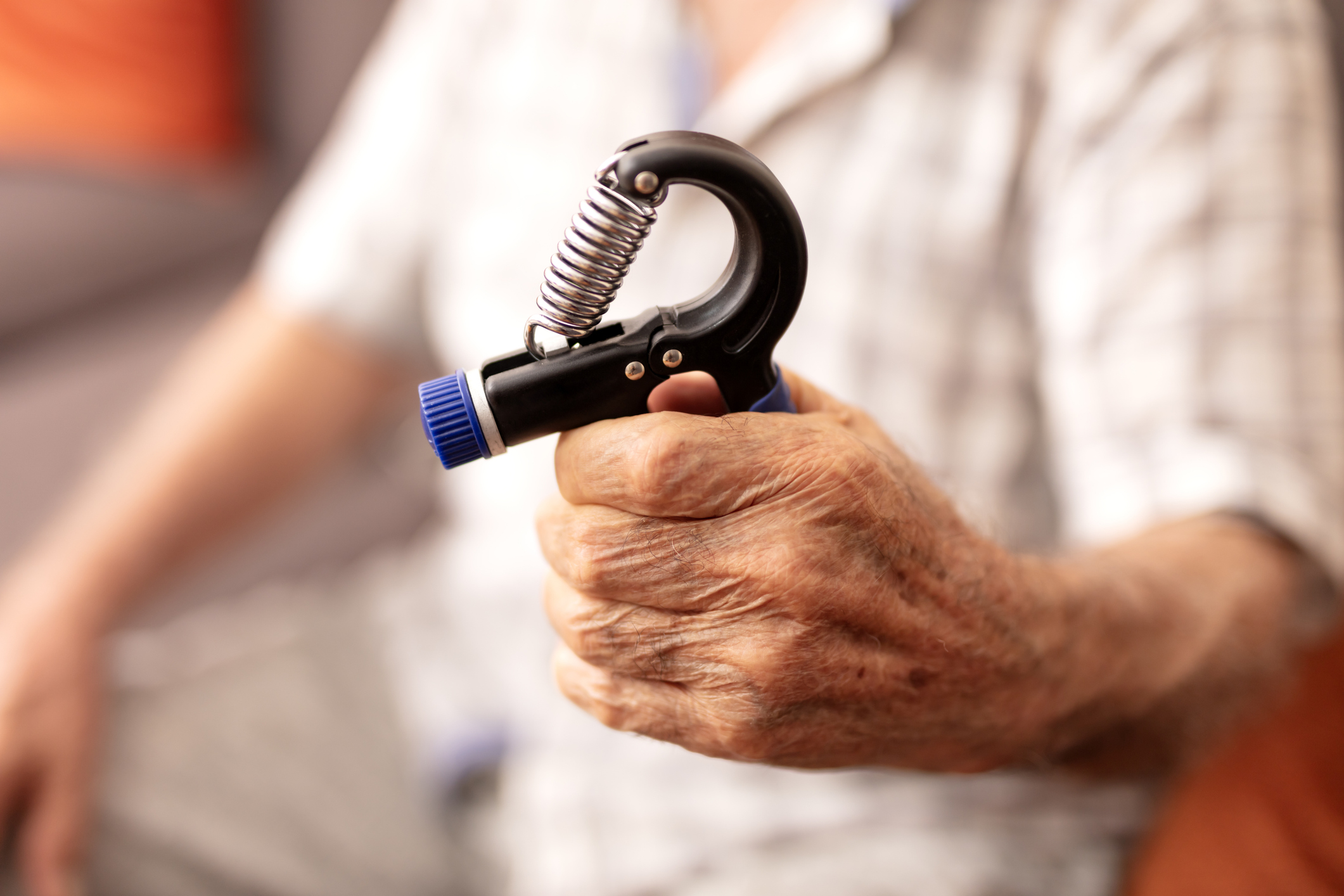
National Alzheimer’s Awareness Month

November is observed as National Alzheimer’s Awareness Month. This month recognizes the importance of understanding what Alzheimer’s is and what steps you can take to care for your brain.  

Alzheimer’s disease is a degenerative brain disease and the most common type of dementia. It causes a slow decline in memory, thinking, and reasoning skills. Age is the biggest risk factor for the disease, followed by sex and family history. 

Dementia is not a specific disease, but an overall term that describes a group of symptoms like memory loss and the loss of other mental abilities severe enough to interfere with daily life, caused by physical changes in the brain.  

Different types of dementia include: 

  • Lewy Body Dementia and Parkinson’s Disease 
  • Creutzfeldt-Jakob Disease 
  • Down Syndrome and Alzheimer’s Disease 
  • Frontotemporal Dementia 
  • Huntington’s Disease 
  • Korsakoff Syndrome 

There are many signs and symptoms of Alzheimer’s and dementia. They include: 

  • Memory loss that disrupts daily life 
  • Challenges in planning or solving problems 
  • Difficulty completing familiar tasks 
  • Confusion with time and place 
  • Trouble understanding visual images and spatial relationships 
  • New problems with words in speaking or writing 
  • Misplacing things and losing the ability to retrace steps 
  • Decreased or poor judgment 
  • Withdrawal from work or social activities 
  • Changes in mood and personality 

Even though there isn’t a cure for Alzheimer’s and many other types of dementia, there are many preventative measures you can follow to care for your brain, including: 

  • Breaking a sweat: regular cardiovascular exercise elevates your heart rate and increases blood flow to the brain and body. Several studies have found an association between physical activity and reduced risk of cognitive decline. 
  • Eating healthy: eating a healthy and balanced diet that is lower in fat and higher in vegetables and fruit to help reduce the risk of cognitive decline. Although research on diet and cognitive function is limited, certain diets, such as the Mediterranean and Mediterranean-DASH (Dietary Approaches to Stop Hypertension) diets, may help reduce the risk. 
  • Catching some ZZZs: Not getting enough sleep due to conditions like insomnia or sleep apnea may result in problems with memory and thinking. 
  • Taking care of your mental health: Some studies have linked a history of depression with an increased risk of cognitive decline. Seek medical treatment if you have experienced symptoms of depression, anxiety, or any other mental health concerns. Also, try to manage stress. 
  • Stumping yourself: Challenge and activate your mind. Try building a piece of furniture, completing a jigsaw puzzle, doing something artistic, or playing a strategy game. Challenging your mind may have short- and long-term benefits for your brain. 

If you or a loved one is experiencing symptoms associated with Alzheimer’s, you can receive treatment from a neurologist at Flushing Hospital Medical Center’s Ambulatory Care Center. To schedule an appointment, please call (718) 670-5486. 


All content of this newsletter is intended for general information purposes only and is not intended or implied to be a substitute for professional medical advice, diagnosis or treatment. Please consult a medical professional before adopting any of the suggestions on this page. You must never disregard professional medical advice or delay seeking medical treatment based upon any content of this newsletter. PROMPTLY CONSULT YOUR PHYSICIAN OR CALL 911 IF YOU BELIEVE YOU HAVE A MEDICAL EMERGENCY.

Type 3 Diabetes

Diabetes is a chronic disease that occurs when the body doesn’t produce enough insulin or can’t use the insulin it produces effectively. There are two main types of diabetes: type 1 and type 2. Another type of diabetes is gestational diabetes, which develops exclusively in pregnancy when blood sugar levels are too high.  

However, another type of diabetes, type 3 diabetes, has been linked to Alzheimer’s. 

Insulin helps control blood sugar levels by enabling glucose to enter cells. Insulin also affects metabolism, nerve cells, how neurons communicate, and the brain’s cognitive functions.  

When a person develops insulin resistance, it can reduce the supply of glucose to the brain and cause changes to the protein involved in the development of dementia called tau. Additionally, the brain can become damaged, and the connection between the regions of the brain can be weakened when it doesn’t receive a sufficient amount of glucose.  

Type 3 diabetes occurs when the brain becomes resistant to the effects of insulin. This insulin resistance is believed to lead to symptoms that are commonly associated with Alzheimer’s disease.  

It is important to note that type 3 diabetes isn’t officially recognized by the American Diabetes Association and other major health organizations. However, some experts have called Alzheimer’s disease type 3 diabetes because of the pathological implications that address a major decrease in glucose levels and how that affects brain cognition and memory.  

Researchers call Alzheimer’s type 3 diabetes due to the similar features that are present in diabetes, memory deficits, and a decline in thinking abilities in older adults. A study in 2020 listed the potential risk factors for developing type 3 diabetes, such as: 

  • A diet that is high in calories, sugar, and fat, but low in fiber 
  • A low socioeconomic status 
  • Exposure to stress 
  • Race and ethnicity 
  • A lack of physical activity 
  • Genetics 
  • Family history 
  • Birth weight 

The study also indicated that high blood pressure and impaired lipid, or fat, transportation play a role in the development of Alzheimer’s. The Alzheimer’s Society notes that diabetes is a risk factor for developing dementia.  

Although there isn’t a cure for Alzheimer’s and many other types of dementia, treatment for the disease includes medications that slow the progression of the condition or treat its symptoms.  

It is important to note that there is another type of diabetes known as type 3c diabetes mellitus that occurs when endocrine dysfunction affects the pancreas, such as damage to the exocrine glands, which harms the endocrine glands. This condition is distinctive and shouldn’t be confused with type 3 diabetes. 

If you or a loved one is experiencing symptoms associated with Alzheimer’s, you can receive treatment from a neurologist at Flushing Hospital Medical Center’s Ambulatory Care Center. To schedule an appointment, please call (718) 670-5486. 

All content of this newsletter is intended for general information purposes only and is not intended or implied to be a substitute for professional medical advice, diagnosis or treatment. Please consult a medical professional before adopting any of the suggestions on this page. You must never disregard professional medical advice or delay seeking medical treatment based upon any content of this newsletter. PROMPTLY CONSULT YOUR PHYSICIAN OR CALL 911 IF YOU BELIEVE YOU HAVE A MEDICAL EMERGENCY.

Pneumonia

Pneumonia is an infection that inflames the air sacs in one or both lungs. The air sacs may fill with fluid or pus, causing a cough with phlegm or pus, fever, chills, and difficulty breathing.  

Pneumonia can range in severity from mild to life-threatening. It is more serious for infants and young children, people older than 65 years old, and people with health problems or weakened immune systems.  

The signs and symptoms of pneumonia can vary depending on factors such as the type of germ causing the infection, age, and overall health. Signs and symptoms of pneumonia may include: 

  • Chest pain when breathing or coughing 
  • Confusion or changes in mental awareness; this occurs in adults 65 or older 
  • A phlegm-producing cough 
  • Fatigue 
  • Fever, sweating, and shaking chills 
  • Lower than normal body temperature; this occurs in adults older than 65 and people with weakened immune systems 
  • Nausea, vomiting, or diarrhea 
  • Shortness of breath 

Many germs can cause pneumonia. The most common are bacteria and viruses in the air we breathe. The body usually prevents these germs from infecting the lungs, but these germs can sometimes overpower the immune system, even if a person is generally healthy.  

Pneumonia is classified according to the types of germs that cause it and where the infection was contracted. 

Community-acquired pneumonia is the most common type of pneumonia. It occurs outside of hospitals or other healthcare facilities. It may be caused by: 

  • Bacteria 
  • Bacteria-like organisms 
  • Fungi 
  • Viruses, such as COVID-19 

Some people can get pneumonia during a hospital stay for another illness. Hospital-acquired pneumonia can be serious because the bacteria causing it may be more resistant to antibiotics and because the people who get it are already sick. People who are on breathing machines, often used in intensive care units, are at a higher risk of this type of pneumonia.  

Healthcare-acquired pneumonia is a bacterial infection that occurs in people who live in long-term care facilities or who receive care in outpatient clinics, including kidney dialysis centers. Like hospital-acquired pneumonia, healthcare-acquired pneumonia can be caused by bacteria that are more resistant to antibiotics.  

Aspiration pneumonia occurs when a person inhales food, a drink, vomit, or saliva into their lungs. Aspiration is more likely if something disturbs the normal gag reflex, such as a brain injury or swallowing problem, or excessive use of alcohol or drugs.  

There are many steps you can take to prevent pneumonia, including: 

  • Getting vaccinated 
  • Making sure children are vaccinated 
  • Practicing good hygiene 
  • Quitting smoking 
  • Keeping your immune system strong 

To diagnose pneumonia, a doctor will start by asking about your medical history and performing a physical exam, including listening to your lungs with a stethoscope to check for abnormal bubbling or crackling sounds that may suggest pneumonia.  

If pneumonia is suspected, a doctor may recommend the following tests: 

  • Blood tests 
  • Chest X-ray 
  • Pulse oximetry 
  • Sputum test 

A doctor might order additional tests for a person 65 years or older, is in the hospital, or has serious symptoms or health conditions. These tests may include a CT scan and/or a pleural fluid culture. 

Treatment for pneumonia involves curing the infection and preventing complications. People who have contracted community-acquired pneumonia usually can be treated at home with medication. Although most symptoms ease in a few days or weeks, the tiredness feeling can persist for a month or more. Specific treatments depend on the type and severity of pneumonia, age, and overall health. These treatments include: 

  • Antibiotics 
  • Cough medicine 
  • Fever reducers/pain relievers 

If you or a loved one is experiencing symptoms of pneumonia, you can receive treatment from a physician at Flushing Hospital Medical Center’s Ambulatory Care Center. To schedule an appointment, please call (718) 670-5486. 

All content of this newsletter is intended for general information purposes only and is not intended or implied to be a substitute for professional medical advice, diagnosis or treatment. Please consult a medical professional before adopting any of the suggestions on this page. You must never disregard professional medical advice or delay seeking medical treatment based upon any content of this newsletter. PROMPTLY CONSULT YOUR PHYSICIAN OR CALL 911 IF YOU BELIEVE YOU HAVE A MEDICAL EMERGENCY.

National Family Caregivers Month

Families are often the primary source of support for older adults and people with disabilities. Today in America, more than 53 million family caregivers provide unpaid care.  

November is observed as National Family Caregivers Month. It is dedicated to recognizing and honoring the selfless individuals who provide essential care and support to ill, disabled, or elderly loved ones. National Family Caregivers Month was established to recognize their significant contributions and raise awareness about their challenges. President Bill Clinton officially proclaimed in 1997 that November would be a time to honor and support caregivers across the country.  

Celebrating family caregivers during National Family Caregivers Month involves: 

  • Raising awareness of family caregiver issues 
  • Celebrating the efforts of family caregivers 
  • Educating family caregivers about self-identification 
  • Increasing support for family caregivers 
  • Reducing feelings of isolation 

There are several ways to get involved and show your support for family caregivers during National Caregivers Month, including: 

  • Express your gratitude 
  • Offer your assistance 
  • Join support groups 
  • Advocate for caregiver rights 
  • Donate to caregiver organizations 

Family caregivers should be celebrated every day. Taking care of a family member who is elderly, infirm, sick, or physically disabled can be emotionally and physically demanding. We must recognize and honor caregivers nationally, raise awareness around caregiving issues, educate communities, and work to increase support for our nation’s caregivers. 


All content of this newsletter is intended for general information purposes only and is not intended or implied to be a substitute for professional medical advice, diagnosis or treatment. Please consult a medical professional before adopting any of the suggestions on this page. You must never disregard professional medical advice or delay seeking medical treatment based upon any content of this newsletter. PROMPTLY CONSULT YOUR PHYSICIAN OR CALL 911 IF YOU BELIEVE YOU HAVE A MEDICAL EMERGENCY.
Chronic Venous Insufficiency

Chronic venous insufficiency (CVI) is a form of venous disease that occurs when the veins in the legs become damaged and do not work properly.  

Normally, the valves in the legs keep blood flowing back up to the heart. CVI damages those valves, causing blood to pool in the legs, increasing pressure in the veins, and causing symptoms such as swelling and ulcers. 

Chronic venous insufficiency can happen due to damage to any of the leg veins. These can include: 

  • Deep veins, which are the large veins deep in the body that run through muscle 
  • Superficial veins, which are close to the skin’s surface 
  • Perforating veins, which connect the deep and superficial veins  

CVI may cause mild symptoms at first. However, this condition can interfere with a person’s quality of life and lead to serious complications over time. There are several signs and symptoms of chronic venous insufficiency, including: 

  • Legs that feel tired or achy 
  • A burning or prickly feeling in the legs 
  • Reddish brown colored skin 
  • Varicose veins 
  • Flaking or itching on the legs or feet 
  • The feeling of fullness or heaviness in the legs 
  • Cramping in the legs at night 
  • Swelling in the lower legs and ankles, especially after standing for a while or at the end of the day 
  • Leathery-looking skin on the legs 
  • Ulcers that form near the ankles, which can become infected and painful 

Chronic venous insufficiency usually affects people over the age of 50. The risk of developing the disease rises the older a person gets. Overall, chronic venous insufficiency affects about one in 20 adults.  

Venous disorders are a general category for many possible vein issues, including CVI. They have various stages that are based on clinical signs, which a healthcare provider can see or feel when they examine your legs. The stages of venous disorders range from 0 to 6. These stages include: 

  • Stage 0: There are no visible signs; however, a person may feel fatigued or achy 
  • Stage 1: superficial veins, such as spider veins, are visible 
  • Stage 2: varicose veins that are at least three millimeters wide 
  • Stage 3: swollen limbs that don’t have any changes to the skin 
  • Stage 4: changes to the color and/or texture of the skin 
  • Stage 5: an ulcer that has healed 
  • Stage 6: an open ulcer 

Chronic venous insufficiency is diagnosed at stage 3 or above.  

There are three causes of valve malfunction: congenital, primary, or secondary. 

  1. Congenital causes of valve malfunction are deformities in the leg veins that a person is born with. Some people can be born without valves in their legs 
  2. Primary causes of valve malfunction are any changes to the leg veins that stop them from working correctly. A vein may get too wide, preventing its valve from completely closing 
  3. Secondary causes of valve malfunction are other types of medical issues that damage the leg veins. This is usually caused by deep vein thrombosis (DVT), the most common cause of CVI. The blood clot, or thrombus, leaves behind scar tissue, damaging the valve 

Chronic venous insufficiency is diagnosed through a physical exam and ultrasound imaging.  

Treatment for CVI involves lifestyle changes, such as leg elevation, exercise, weight management, and compression therapy. If these measures are not enough, a healthcare provider may recommend a procedure or surgery. The best treatment depends on how far the condition has progressed and the other medical conditions a person has.  

The goals of treatment are to help the blood flow better through the veins, help ulcers heal and limit their chances of returning, improve the skin’s appearance, and reduce pain and swelling.  

If you are experiencing symptoms of chronic venous insufficiency, you can schedule an appointment with a vascular surgeon from our Division of Vascular and Endovascular Surgery at Jamaica Hospital in New York or learn more about the services at our vascular surgery center in New York. Please call 718-206-6713. 


All content of this newsletter is intended for general information purposes only and is not intended or implied to be a substitute for professional medical advice, diagnosis or treatment. Please consult a medical professional before adopting any of the suggestions on this page. You must never disregard professional medical advice or delay seeking medical treatment based upon any content of this newsletter. PROMPTLY CONSULT YOUR PHYSICIAN OR CALL 911 IF YOU BELIEVE YOU HAVE A MEDICAL EMERGENCY.

Postpartum Depression and Psychosis

Postpartum refers to the time after childbirth. Postpartum mothers may experience mental health changes or challenges after giving birth, including mood disorders such as postpartum depression and postpartum psychosis.

Postpartum depression is a type of depression that happens after having a baby. It affects up to 15% of women, involving emotional highs and lows, frequent crying, fatigue, guilt, and anxiety. A postpartum mother may have trouble caring for their baby or themselves.

Postpartum psychosis (PPP) is a mental health emergency that affects a postpartum mother’s sense of reality, causing hallucinations, delusions, paranoia, or other behavior changes. In severe cases, postpartum mothers with PPP may attempt to harm themselves or their newborn.

Postpartum depression is common. A mother who has just given birth may experience baby blues, which affects between 50% and 75% of women after delivery. Up to 15% of them will develop postpartum depression. Postpartum psychosis is rare, as experts estimate that it affects between 0.089 and 2.6 out of every 1,000 births. In the United States, that means it happens in between 320 and 9,400 births each year. Globally, that means it happens between 12 million and 352.3 million births.

A mother can experience postpartum depression for up to one year after their baby is born. However, this doesn’t mean that they will feel cured in one year.

Symptoms of postpartum depression can include:

· Feeling sad, worthless, hopeless, or guilty

· Worrying excessively or feeling on edge

· Loss of interest in hobbies or things you once enjoyed

· Changes in appetite or not eating

· Loss of energy and motivation

· Trouble sleeping or wanting to sleep all the time

· Crying for no reason or excessively

· Difficulty thinking or focusing

· Thoughts of suicide or wishing you were dead

· Lack of interest in your baby or feeling anxious around your baby

· Thoughts of hurting your baby or feeling like you don’t want your baby

It is believed that hormonal changes are linked to postpartum depression; however, more research is needed to determine the link between the rapid drop in hormones after delivery and depression. The levels of estrogen and progesterone increase tenfold during pregnancy but drop sharply after delivery. When a mother is three days postpartum, levels of these hormones drop back to pre-pregnancy levels.

In addition to these chemical changes, the social and psychological changes associated with having a baby increase the risk of postpartum depression. Examples of these changes include physical bodily changes, lack of sleep, worries about parenting, or changes to relationships.

Experts don’t know why postpartum psychosis happens, but suspect it involves a combination of factors, including:

· History of mental health conditions

· Number of pregnancies

· Family history of mental health conditions, especially PPP

· Sleep deprivation

· Hormone changes

· Other medical conditions

Hallucinations and delusions are the two main symptoms of postpartum psychosis. However, there are several other common symptoms, including:

· Mood changes, such as mania and hypomania or depression

· Depersonalization

· Disorganized thinking or behavior

· Insomnia

· Irritability of agitation

· Thoughts of self-harm or harming others, especially their newborn

Researchers have organized the symptoms of PPP into three types: depressive, manic, and atypical/mixed.

The depressive subtype of PPP is the most common, making up about 41% of cases. It is also the most dangerous. Research shows that depressive symptoms and psychosis are almost always a factor in cases that involve self-harm or harm to a child, especially hallucinations or delusions that command a person to harm their child or themselves. The rate of harm to a child is about 4.5% with this subtype, about four or five times greater than with the other subtypes. The rate of dying by suicide is about 5%. Symptoms that are most likely experienced with this type include:

· Anxiety or panic

· Delusions and hallucinations

· Depression

· Feelings of guilt

· Loss of appetite

· Loss of enjoyment related to things they usually enjoy

· Thoughts of self-harm, suicide, or harming their child

The manic subtype is the next most common of the types, affecting about 34% of cases. The risk of self-harm or harm to children is lower but still possible, happening in about 1% of cases. Symptoms can include:

· Agitation or irritability

· Disruptive or aggressive behavior

· Talking more or faster than usual, or both

· Needing less sleep

· Delusions of greatness or importance, such as believing your child to be a holy or religious figure

The atypical/mixed subtype makes up to 25% of cases. This can mix the symptoms of manic and depressive subtypes. It can also involve symptoms where a person seems much less aware or completely unaware of the world around them. Symptoms can include:

· Disorganized speaking or behavior

· Disorientation or confusion

· Disturbance of consciousness, where a person doesn’t appear to be awake or isn’t aware of activities or things taking place nearby

· Hallucinations or delusions

· Inappropriate comments, behaviors, or emotional displays

· Catatonia or mutism

There isn’t a specific test that diagnoses postpartum depression. A healthcare provider will evaluate you at your postpartum visit, which may include discussing your health history, how you have felt since delivery, a physical exam, a pelvic exam, and lab tests. They may also perform a postpartum depression screening or ask a series of questions to assess if you have postpartum depression.

Postpartum psychosis can be diagnosed by a mental health provider who can determine either by observation or what you describe whether you have the condition or not. They may also perform physical and neurological exams and order blood, urine, or imaging tests.

Postpartum depression is treated differently depending on the type and severity of symptoms. Treatment options include anti-anxiety or antidepressant medications, psychotherapy or cognitive behavioral therapy, and support group participation.

Treatment for postpartum psychosis may include medications to treat depression, anxiety, and psychosis. You may also be admitted to a treatment center for several days until you’re stable. To find out more about our mental health services or to schedule a virtual appointment, call (718) 670-5316 to speak with our intake coordinator or call (718) 670-5562 to reach the clinic

All content of this newsletter is intended for general information purposes only and is not intended or implied to be a substitute for professional medical advice, diagnosis or treatment. Please consult a medical professional before adopting any of the suggestions on this page. You must never disregard professional medical advice or delay seeking medical treatment based upon any content of this newsletter. PROMPTLY CONSULT YOUR PHYSICIAN OR CALL 911 IF YOU BELIEVE YOU HAVE A MEDICAL EMERGENCY.