Things You Should and Shouldn’t Do After Bariatric Surgery

Bariatric surgery is a life-changing procedure. Following your doctor’s post-operation instructions and making healthy lifestyle changes are essential to avoiding complications and achieving long-term weight loss success. 

Patients should expect to have a new lifestyle that combines healthy eating, exercise, and attending regular visits with their healthcare providers. They should also consider these dos and don’ts after bariatric surgery: 

  • What you should do after bariatric surgery: 
    • Eat slowly and chew food well 
    • Aim to drink 64oz of fluids daily, taking small sips 
    • Eat 60g or more of protein daily, starting every meal with it 
    • Make fruits and vegetables the priority of your diet 
    • Start walking for five minutes every hour after surgery 
    • Aim for a goal of 30 minutes of exercise daily after it is allowed to do so 
    • Take all medications and supplements as prescribed, they will need to be taken for the rest of your lifetime 
  • What you shouldn’t do after bariatric surgery: 
    • Skip any meals 
    • Eat red meat early in recovery 
    • Engage in any strenuous activities 
    • Lift any objects over 10 lbs. for the first four to six weeks after surgery 
    • Eat fast food 
    • Eat or drink anything with natural sugar 
    • Drink liquids within 30 minutes after eating 
    • Eat bread, rice, pasta, bagels, or dumplings 
    • Allow yourself to get too hungry 
    • Take a bath or go swimming for two weeks after surgery 
    • Smoke cigarettes or drink alcohol 
    • Eat snacks loaded with empty calories 
    • Get pregnant for 12 to 18 months after surgery 
    • Stop taking medications as directed by your healthcare provider 

Bariatric surgery can be a life-changing and life-altering event for those who are trying to lose weight and live a healthier lifestyle. Making diet changes, modifying exercise routine, and following the guidelines set by your healthcare provider and surgical team can lead you to long-term success. 

For more information about the Bariatric Surgery Services at Flushing Hospital or procedures performed by our doctors, please call718-408-6977 or 718-670-8908. 

All content of this newsletter is intended for general information purposes only and is not intended or implied to be a substitute for professional medical advice, diagnosis or treatment. Please consult a medical professional before adopting any of the suggestions on this page. You must never disregard professional medical advice or delay seeking medical treatment based upon any content of this newsletter. PROMPTLY CONSULT YOUR PHYSICIAN OR CALL 911 IF YOU BELIEVE YOU HAVE A MEDICAL EMERGENCY.
Dumping Syndrome

Dumping syndrome or rapid gastric emptying is a condition that occurs when food and gastric juices move abnormally quickly from the stomach to the small intestine after eating.  

Dumping syndrome most commonly occurs after stomach surgery due to it altering the stomach, which can increase the risk of developing the condition. These surgeries are performed mostly to treat obesity, but they can also treat stomach cancer. Dumping syndrome can also happen after esophageal surgery, such as surgery to treat esophageal cancer. Surgeries for other conditions can cause dumping syndrome, including: 

  • Bariatric surgery 
  • Esophagectomy 
  • Gastrectomy 
  • Vagotomy 
  • Fundoplication 
  • Pyloroplasty 

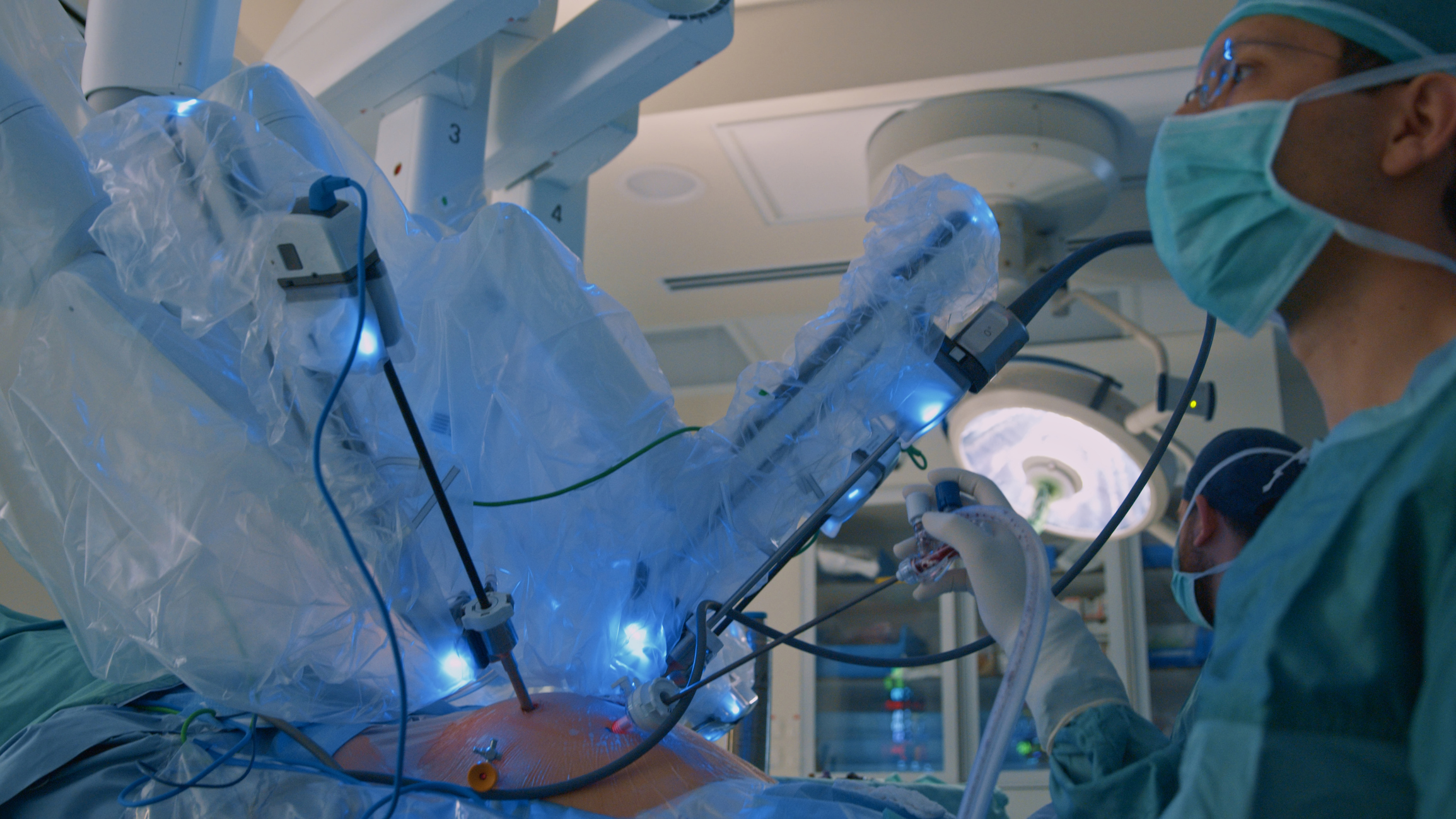
Symptoms of dumping syndrome generally start within minutes after eating, especially meals containing high levels of table sugar and fruit sugar. Symptoms include: 

  • Nausea 
  • Vomiting 
  • Feeling bloated or too full after eating 
  • Stomach cramps 
  • Diarrhea 
  • Rapid heart rate 
  • Dizziness or lightheadedness 
  • Flushing  

Late dumping syndrome starts one to three hours after eating a meal that is high in sugar. It takes time for symptoms to develop because the body releases large amounts of insulin to absorb the sugars entering the small intestine after eating. This process results in low blood sugar levels. Symptoms of late dumping syndrome can include: 

  • Rapid heart rate 
  • Sweating 
  • Weakness  
  • Dizziness or lightheadedness 
  • Flushing 

Some people can have both early and late symptoms. 

A healthcare provider can diagnose dumping syndrome by using the following methods: 

  • Discussing medical history and performing a medical evaluation 
  • Testing blood sugar 
  • Performing a gastric emptying test 

If a person has early dumping syndrome, the condition is likely to resolve itself on its own within three months. In the interim, dietary changes may help ease symptoms. If dietary changes don’t help, an antidiarrheal medicine will be prescribed and injected under the skin to slow food from emptying into the intestine.  

If medication doesn’t work, surgical procedures such as reconstructing the pylorus of a reverse gastric bypass may be recommended. 

There are dietary strategies that can help maintain good nutrition and minimize symptoms, including: 

  • Eating smaller meals 
  • Drinking 6-8 cups of fluids per day 
  • Drinking most of your fluids between meals 
  • Lying down for 30 minutes after meals 
  • Changing your diet 
  • Increasing fiber intake 

If you are going to drink alcohol, it is important to speak with your healthcare provider before doing so. Drinking alcohol beverages can worsen dumping syndrome symptoms because they can be absorbed quickly and can have high sugar content, which can lead to blood sugar levels rising rapidly and cause a significant insulin spike and then eventually low blood sugar. 

If you or a loved one is experiencing symptoms associated with dumping syndrome, you can receive treatment at Flushing Hospital Medical Center’s Ambulatory Care Center. To schedule an appointment, please call (718) 670-5486. 

All content of this newsletter is intended for general information purposes only and is not intended or implied to be a substitute for professional medical advice, diagnosis or treatment. Please consult a medical professional before adopting any of the suggestions on this page. You must never disregard professional medical advice or delay seeking medical treatment based upon any content of this newsletter. PROMPTLY CONSULT YOUR PHYSICIAN OR CALL 911 IF YOU BELIEVE YOU HAVE A MEDICAL EMERGENCY.

Appendicitis

Appendicitis occurs when the appendix becomes clogged, infected, and inflamed. It can cause acute pain in your lower abdomen; however, for most people, pain begins around the belly button and then moves. As inflammation worsens, appendicitis pain typically increases and eventually becomes serious.

Symptoms of appendicitis include:

  • Sudden pain that begins on the right side of the lower belly
  • Sudden pain that begins around the belly button and often shifts to the lower right belly
  • Pain that worsens with coughing, walking, or making other jarring movements
  • Nausea and vomiting
  • Loss of appetite
  • Low-grade fever that may rise as the illness worsens
  • Constipation or diarrhea
  • Belly bloating
  • Gas

Additional symptoms that may develop later in some people can include:

  • Malaise
  • Urinary symptoms- needing to go more frequently or more urgently
  • Bowel paralysis

The size and location of the appendix make it easy for it to become clogged and infected. Your large intestine is home to many bacteria. If they become trapped in your appendix, they overgrow and cause an infection. The bacteria then multiply quickly, causing the appendix to become inflamed and filled with pus. If it is not treated right away, the appendix may burst or break open.

Some common causes of inflammation, swelling, obstruction, and infection in your appendix include:

  • Hardened poop (appendix stones)
  • Lymphoid hyperplasia
  • Colitis

Other factors that could block the opening of your appendix can include:

  • Tumors
  • Parasites
  • Cystic fibrosis

Risk factors for appendicitis include:

  • Age – anyone can develop appendicitis, but it most often happens in people between the ages of 10 and 30
  • Your sex – men have a slightly higher risk of appendicitis than women

To help diagnose appendicitis, a healthcare provider will likely take a history of symptoms and examine the abdomen. Tests used to diagnose appendicitis can include:

  • A physical exam
  • Blood tests
  • Urine tests
  • Imaging tests

Appendicitis may spontaneously resolve if the cause suddenly goes away on its own. This might happen if an obstruction in your appendix gets unblocked and passes through the intestines, or if an infection causing lymphoid hyperplasia in your appendix suddenly improves. However, you shouldn’t assume this will happen or that it has happened, even if your pain has reduced.

The standard treatment includes medicine such as antibiotics and surgery to remove the appendix. The surgical procedure to remove the appendix is called an appendectomy, and it can be performed using robot-assisted technology.

Appendicitis is considered an emergency, so it is treated in the emergency room.

If you are experiencing symptoms of appendicitis, visit Flushing Hospital Medical Center’s Ambulatory Care Center. To schedule an appointment, please call (718) 670-5486. If there is an emergency, please call 911.

All content of this newsletter is intended for general information purposes only and is not intended or implied to be a substitute for professional medical advice, diagnosis or treatment. Please consult a medical professional before adopting any of the suggestions on this page. You must never disregard professional medical advice or delay seeking medical treatment based upon any content of this newsletter. PROMPTLY CONSULT YOUR PHYSICIAN OR CALL 911 IF YOU BELIEVE YOU HAVE A MEDICAL EMERGENCY.
Foods You Should Not Eat with Gallbladder Problems

The gallbladder is an organ that plays an essential role in digesting the foods we eat. Some foods we eat can be good for our gallbladder, while others can harm it. If you have gallstones or if your gallbladder is inflamed or infected due to gallbladder disease, you may need to follow a specific diet to protect your gallbladder. 

If you are experiencing problems with your gallbladder, various foods can increase your risk of developing diseases, including: 

  • Saturated and trans fats increase the risk of gallstones 
  • Refined carbohydrates increase the likelihood of developing gallstones 
  • Ultra-processed foods increase the risk of gallbladder disease 
  • Sugar-sweetened beverages increase the risk of gallbladder cancer 

If your diet consists of these foods, a healthcare provider may recommend following a diet to help improve the health of your gallbladder. A healthcare provider may suggest a diet that consists of: 

  • Fruits and vegetables that contain essential nutrients such as fiber, vitamins, minerals, and antioxidants may reduce the risk of gallstones 
  • Whole grains are a great source of dietary fiber that can help your digestive health and gallbladder, which may reduce the risk of gallstone disease 
  • Healthy fats may increase bile secretion and prevent gallbladder disease, benefiting gallbladder health 
  • Lean protein that is low in fat, such as poultry, fish, low-fat dairy, and especially plant-based protein, may lower the risk of gallbladder disease 

Two types of gallbladder diets may help lower your risk of gallstone issues: the Mediterranean diet and the Dietary Approaches to Stop Hypertension (DASH) diet. 

  • Mediterranean diet- focuses on eating whole foods and healthy fats 
  • DASH diet- focuses on high-fiber, heart-healthy foods that are low in sodium, which lowers your risk of hypertension 

A gallbladder diet may be difficult to adhere to at first. However, here are some meal-planning tips to follow to help: 

  • Controlling your portion sizes and the frequency of meals may protect against gallstones by helping empty the gallbladder and preventing bile build-up 
  • Adding specific foods to your diet can reduce your risk of and protect against gallbladder disease 
  • Maintaining a food diary to keep track of any symptoms you have and what you ate before the symptoms started, as it is important to know what foods may trigger symptoms.  
  • Planning meals and snacks can ensure you have the proper foods available when it is time to eat, instead of going too long between meals, which may increase the risk of gallstones 
  • Staying hydrated can help bile flow from your gallbladder to your small intestine, aiding in digestion 

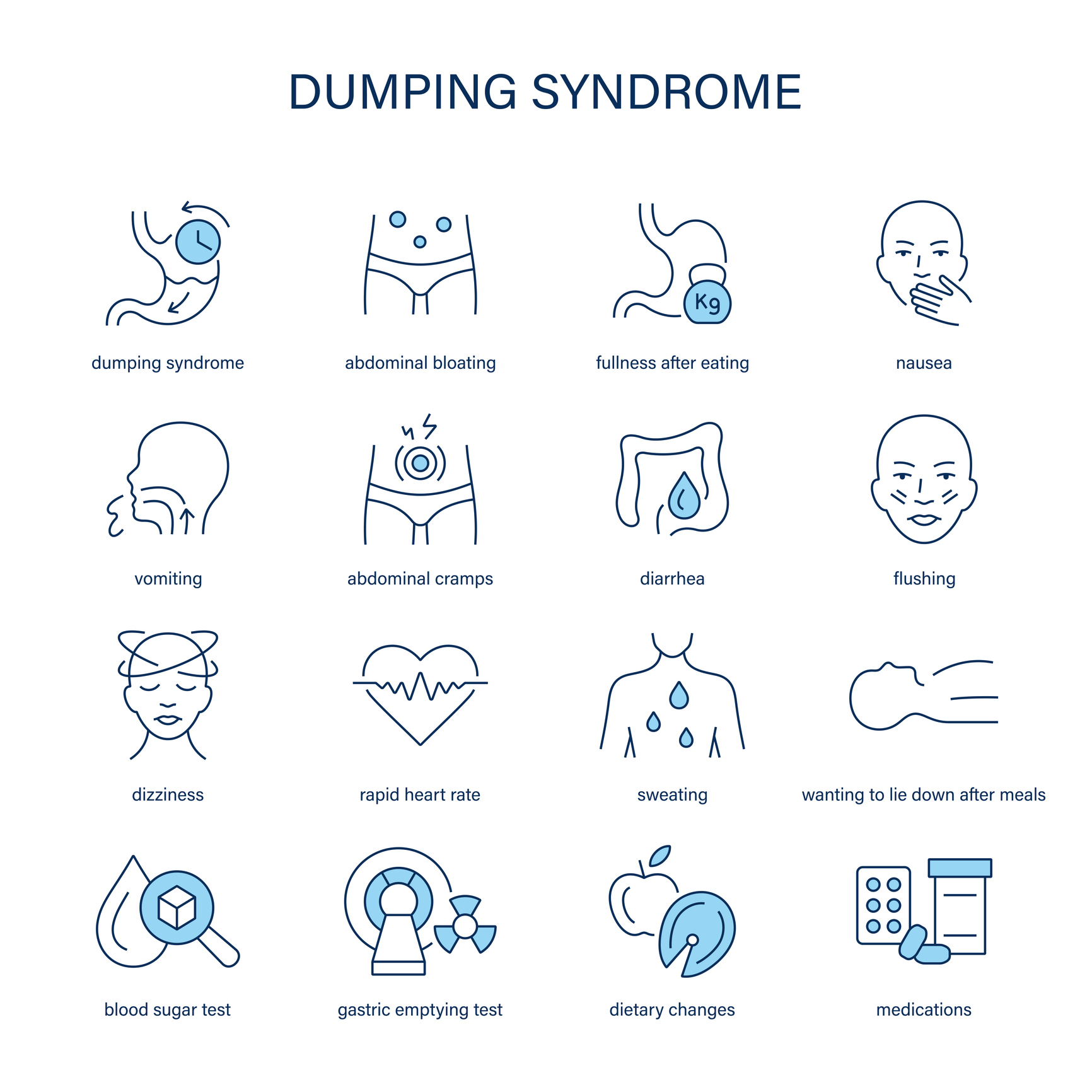
If you have been diagnosed with gallbladder disease and are considering surgery, robotic surgery could be an option. Robotic gallbladder surgery has many benefits, including:  

  • It is the best way to relieve gallbladder-related symptoms, such as belly pain, nausea, and vomiting.  
  • It lowers the risk of developing complications, such as infection or inflammation of nearby bile ducts or organs 
  • It prevents gallstones from returning, as well as any future gallstone attacks 

There are many potential advantages of robotic-assisted surgery over other types of surgery, including: 

  • Robot-assisted surgery provides surgeons with 3D images of the abdomen and pelvis, creating a clearer picture to reference during the operation
  • Under the surgeon’s direction, the robot can move more freely and with more versatility than a human hand 
  • You’ll have a few tiny scars 
  • You’re more likely to experience less pain and less bleeding after surgery compared to open surgery
  • A shorter hospital stay

To learn more about our robotic surgical procedures or schedule an appointment, contact Flushing Hospital Medical Center at (718) 670-5000. 

All content of this newsletter is intended for general information purposes only and is not intended or implied to be a substitute for professional medical advice, diagnosis or treatment. Please consult a medical professional before adopting any of the suggestions on this page. You must never disregard professional medical advice or delay seeking medical treatment based upon any content of this newsletter. PROMPTLY CONSULT YOUR PHYSICIAN OR CALL 911 IF YOU BELIEVE YOU HAVE A MEDICAL EMERGENCY.

Traditional vs Robotic Surgery

When a patient requires a surgical procedure, a healthcare provider and surgical team determine the most appropriate surgical method based on the patient’s condition. Two types of surgical methods that can be used are traditional and robotic.

Traditional, or open surgery, is a surgical technique that involves cutting the skin and tissues to provide the surgeon with a complete view of the structures or organs involved, such as the removal of the gallbladder or kidneys.

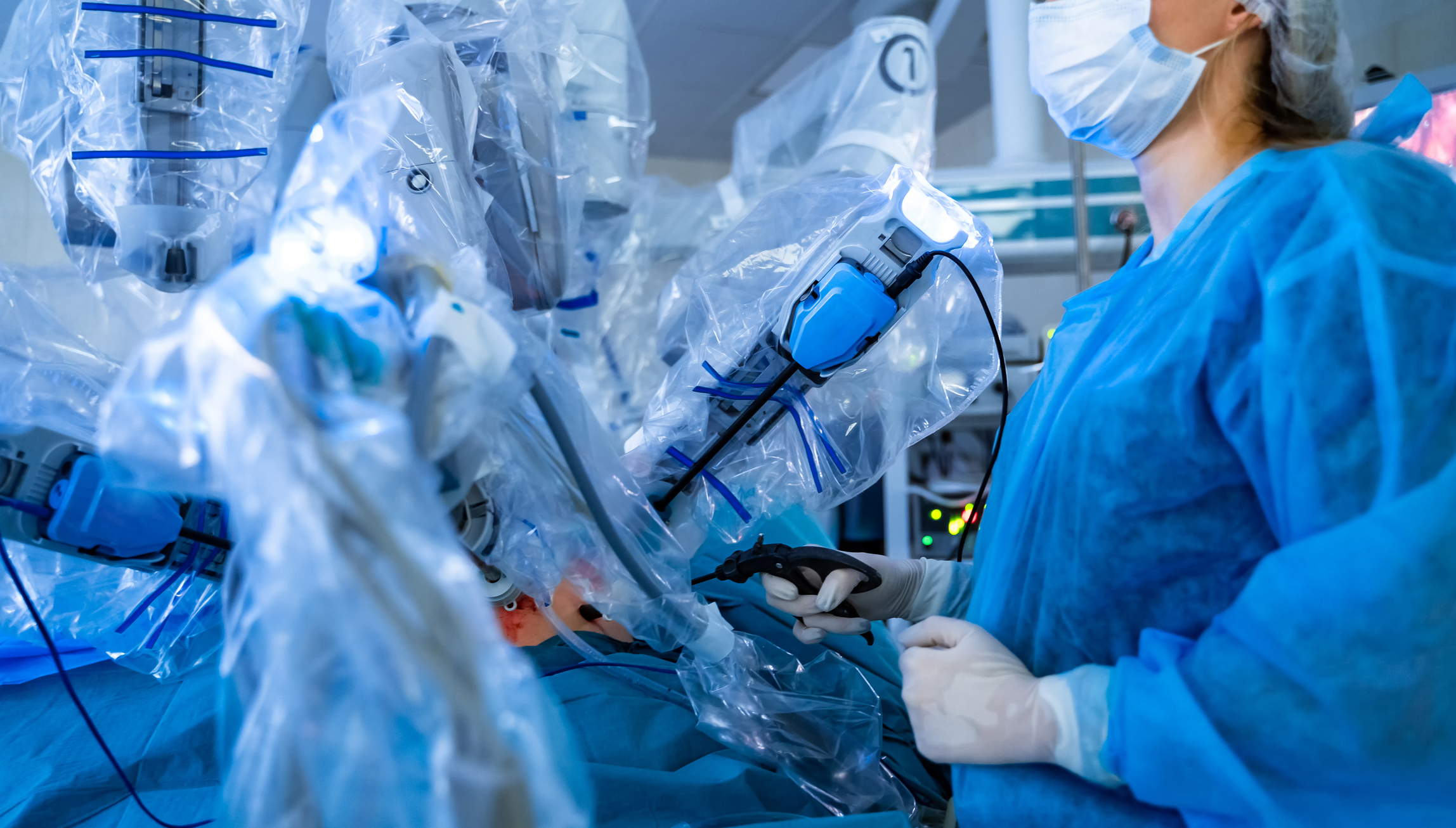
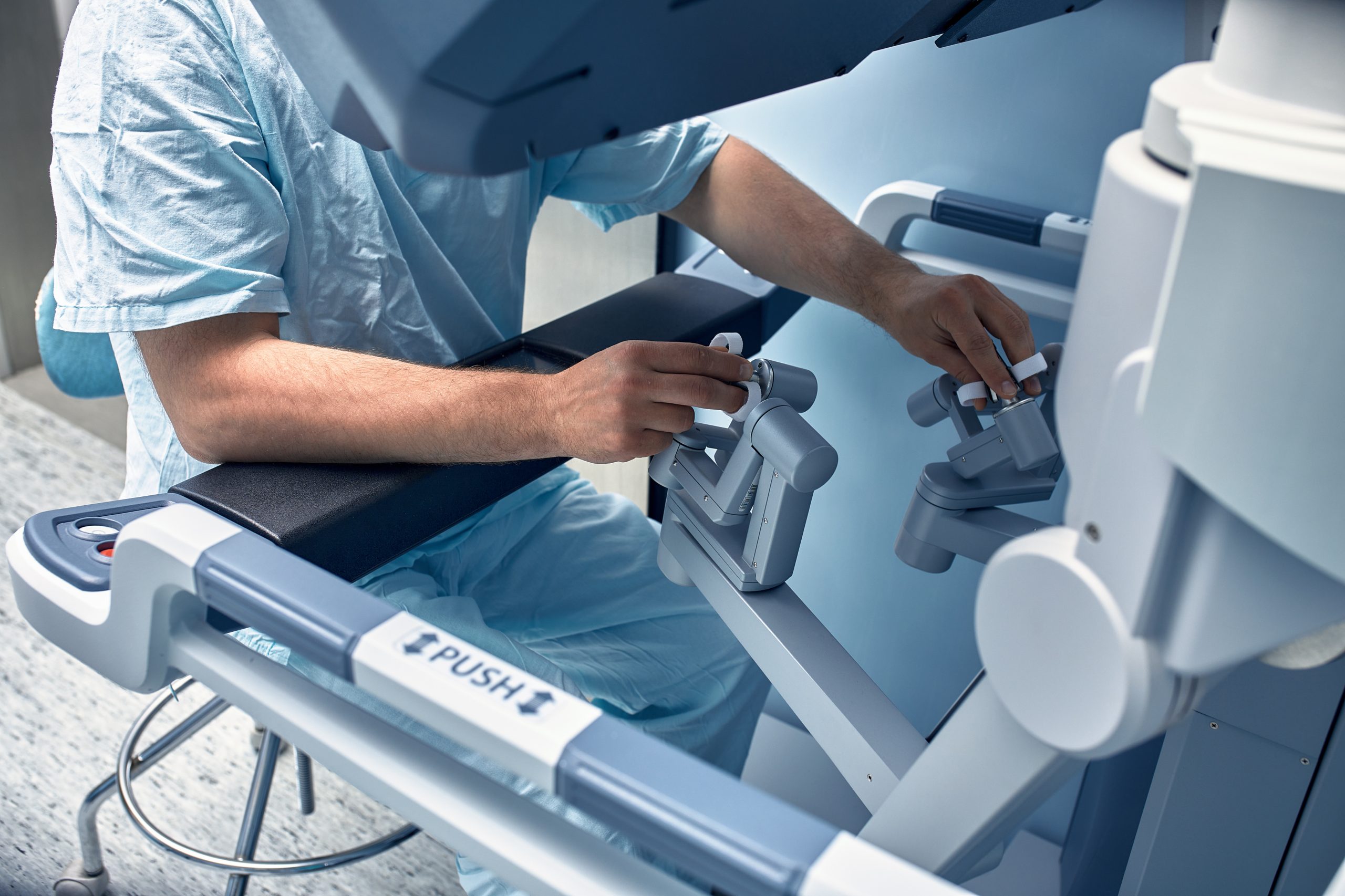
Robotic surgery is a minimally invasive surgical technique in which a surgeon performs a surgical procedure using a robotic device. The device features a robotic arm that can hold small surgical instruments and is more dexterous than a human hand.

There are several advantages of traditional surgery, including:

  • The effectiveness in treating a wide range of medical conditions
  • It allows for direct visualization and manipulation of organs and tissues
  • It can be performed quickly in emergencies
  • Many surgeons are highly trained and experienced in traditional surgical techniques

Traditional surgery can also have its disadvantages, including:

  • It can be invasive and cause pain, scarring, and longer recovery times
  • It can have a higher risk of infection and other complications
  • It can be expensive, especially if multiple procedures are needed

Robotic surgery can have several advantages, including:

  • It is more precise and accurate than traditional surgery
  • It is less invasive
  • It reduces blood loss
  • It has a faster recovery time
  • It creates fewer scars
  • It gives the surgeon a better range of motion
  • It gives the surgeon a better view of the surgical site, leading to more accurate and effective surgeries

The disadvantages of robotic surgery include:

  • It can cost more than traditional surgery
  • It gives the surgeon limited tactile feedback
  • There can be technical difficulties

Both traditional and robotic surgery have advantages and disadvantages. It all depends on the patient’s needs and what the healthcare provider and surgical team deem as the best course of action for that patient.

For more information about robotic surgery or to learn more about other surgical options at Flushing Hospital Medical Center, call (718) 670-5000 to make an appointment.


All content of this newsletter is intended for general information purposes only and is not intended or implied to be a substitute for professional medical advice, diagnosis or treatment. Please consult a medical professional before adopting any of the suggestions on this page. You must never disregard professional medical advice or delay seeking medical treatment based upon any content of this newsletter. PROMPTLY CONSULT YOUR PHYSICIAN OR CALL 911 IF YOU BELIEVE YOU HAVE A MEDICAL EMERGENCY.

Robotic Gynecological Surgery

Endometriosis is an often painful condition in which tissue that is similar to the inner lining of the uterus grows outside the uterus. It often affects the ovaries, fallopian tubes, and the tissue lining the pelvis. Rarely, endometriosis growths may be found beyond the area where pelvic organs are located.

Endometriosis tissue acts as the lining inside the uterus, it thickens, breaks down, and bleeds with each menstrual cycle. But it grows in places where it doesn’t belong, and it doesn’t leave the body. When endometriosis involves the ovaries, cysts called endometriomas may form. Surrounding tissue can become irritated and form scar tissue. Bands of fibrous tissue called adhesions also may form. These can cause pelvic tissues and organs to stick to each other.

The main symptom of endometriosis is pelvic pain. This pain can be intense or mild. Symptoms often feel worse just before and during your period due to inflammation brought on by the hormonal changes that occur at the time. Other symptoms of endometriosis include:

  • Excruciating menstrual cramps
  • Abdominal pain or back pain during your period or in between periods
  • Heavy bleeding during periods, or spotting between periods
  • Pain during sex
  • Infertility
  • Pain when pooping or peeing
  • Stomach problems like diarrhea, constipation, or bloating

You can have no symptoms of endometriosis. The seriousness of your pain may not be a sign of the number or extent of endometriosis growth in your body. You could have a small amount of tissue with bad pain. Or you could have little to no pain and have lots of endometriosis tissue. Women often find out they have the condition when they can’t get pregnant or after they have an unrelated surgery.

The exact cause of endometriosis isn’t clear. But some possible causes include:

  • Retrograde menstruation
  • Transformed peritoneal cells
  • Embryonic cell changes
  • Surgical scar complication
  • Endometrial cell transport
  • Immune system condition

Factors that raise the risk of endometriosis include:

  • Never giving birth
  • Starting your period at an early age
  • Going through menopause at an older age
  • Short menstrual cycles (less than 27 days)
  • Heavy menstrual periods that last longer than seven days
  • Having higher levels of estrogen in your body or greater lifetime exposure to estrogen your body produces
  • Low body mass index
  • One or more relatives with endometriosis, such as a mother, aunt, or sister

Any health condition that prevents blood from flowing out of the body during menstrual periods also can be a risk factor for endometriosis. So can conditions of the reproductive tract.

To diagnose endometriosis, your doctor will likely start by giving you a physical exam. You’ll be asked to describe your symptoms, including where and when you feel pain. Tests to check for clues of endometriosis include:

  • A pelvic exam
  • Ultrasound
  • MRI
  • Laparoscopy

Treatment for endometriosis often involves medicine or surgery. The approach you and your healthcare team choose will depend on how serious your symptoms are and whether you hope to become pregnant. Medicine is typically recommended first. If it doesn’t help enough, surgery becomes an option. Treatments for endometriosis include:

  • Pain medicines
  • Hormone therapy
  • Fertility treatment
  • Conservative therapy
  • Hysterectomy with removal of the ovaries

Surgery options may include robotic surgery. Long recovery times of up to six weeks and large incisions made recovery very difficult, but with advances in gynecologic surgery, especially robotic-assisted surgery, women can expect a much shorter recovery from pelvic surgery.

There are many potential advantages of robotic-assisted surgery over other types of surgery, including:

  • Robot-assisted surgery provides the surgeon with 3D images of inside your abdomen and pelvis that create a clearer picture for them to reference as they operate.
  • Under the surgeon’s direction, the robot can move more freely and with more versatility than a human hand
  • You’ll have a few tiny scars.
  • You’re more likely to experience less pain and less bleeding after surgery compared to open surgery.
  • A shorter hospital stay.

Experienced surgeons use the da Vinci robot to treat women who suffer from troubling gynecologic conditions like endometriosis.

To learn more about the robotic surgical procedures at Flushing Hospital Medical Center or to schedule an appointment, call (718) 670-5000.


All content of this newsletter is intended for general information purposes only and is not intended or implied to be a substitute for professional medical advice, diagnosis or treatment. Please consult a medical professional before adopting any of the suggestions on this page. You must never disregard professional medical advice or delay seeking medical treatment based upon any content of this newsletter. PROMPTLY CONSULT YOUR PHYSICIAN OR CALL 911 IF YOU BELIEVE YOU HAVE A MEDICAL EMERGENCY.

Bilateral Hernia Robot-Assisted Surgery

A bilateral hernia is a type of inguinal or groin hernia that occurs on both sides of the abdomen. An inguinal hernia happens when part of the membrane lining the abdominal cavity or intestine protrudes through a weak spot in the abdomen, often along the inguinal canal, which carries the spermatic cord in men.

Some signs and symptoms of a bilateral inguinal hernia include:

  • A bulge in the area on both sides of your pubic bone, which becomes more obvious when you’re upright, especially if you cough or strain
  • A burning or aching sensation at the bulge
  • Pain or discomfort in your groin, especially when bending over, coughing, or lifting
  • A heavy or dragging sensation in your groin
  • Weakness or pressure in your groin
  • Occasionally, pain, and swelling around the testicles when the protruding intestine descends into the scrotum

Some inguinal hernias have no apparent cause. Other causes of hernias can include:

  • Increased pressure within the abdomen
  • A preexisting weak spot in the abdominal wall
  • Straining during bowel movements or urination
  • Strenuous activity
  • Pregnancy
  • Chronic coughing or sneezing

Some risk factors that contribute to developing an inguinal hernia include:

  • Being male
  • Being older
  • Family history
  • Premature birth and low birth weight
  • Previous inguinal hernia or hernia repair

A physical exam is usually all that is needed to diagnose an inguinal hernia. Your doctor will check for a bulge in the groin area. They can also ask you to stand and cough or strain because standing and coughing can make a hernia more prominent.

Healthcare providers recommend surgery for most inguinal hernias. The types of surgeries used to repair inguinal hernias include:

  • Open surgery
  • Laparoscopic surgery
  • Robotic-assisted surgery

Robot-assisted surgery can repair smaller hernias or rebuild your entire abdominal wall. There are many potential advantages of robotic-assisted surgery over other types of surgery including:

  • Robot-assisted surgery provides the surgeon with 3D images of inside your abdomen that create a clearer picture for them to reference as they operate compared to the 2D images used during laparoscopic surgery
  • Under the surgeon’s direction, the robot can move more freely and with more versatility than a human hand
  • You’ll have a few tiny scars rather than one large incision scar (as with open surgery)
  • You’re more likely to experience less pain and less bleeding after surgery compared to open surgery
  • You’re more likely to have a quicker recovery time than with open surgery

For more information about robotic surgery or procedures performed by our surgeons, you can call Flushing Hospital’s Department of Surgery at 718-670-3135.

All content of this newsletter is intended for general information purposes only and is not intended or implied to be a substitute for professional medical advice, diagnosis or treatment. Please consult a medical professional before adopting any of the suggestions on this page. You must never disregard professional medical advice or delay seeking medical treatment based upon any content of this newsletter. PROMPTLY CONSULT YOUR PHYSICIAN OR CALL 911 IF YOU BELIEVE YOU HAVE A MEDICAL EMERGENCY.
Robot-Assisted Sacrocolpopexy for Pelvic Organ Prolapse

Pelvic organ prolapse is when one or more pelvic organs slip down into the vagina after the muscles and tissues that support them become weak or damaged.

There are many types of prolapse depending on what organs are involved. They include:

  • Uterine prolapse
  • Vaginal prolapse
  • Cystocele
  • Rectocele
  • Enterocele

There are many causes of pelvic organ prolapse. The most common causes include:

  • Vaginal childbirth.
  • Surgery on your pelvic organs.
  • Getting older.
  • Extreme physical activity or lifting heavy objects.
  • Increased abdominal pressure from straining during bowel movements or a chronic cough.
  • Genetics, like being born with weaker pelvic muscles.

There can be many symptoms of pelvic organ prolapse. The most common symptoms include:

  • Seeing a bulge or lump coming from the vagina.
  • Feeling like there is a ball stuck inside of the vagina.
  • A feeling of pressure or heaviness in the pelvis or lower back.
  • Leaking urine or problems with bowel movements.
  • Issues inserting tampons or pain during intercourse.

Surgeons can perform a sacrocolpopexy to help relieve these symptoms. A sacrocolpopexy can be done in two ways.

One way is with a thin telescope-like tube with a camera called a laparoscope put through incisions as the surgeon performs the surgery.

The other way, a robotic-assisted sacrocolpopexy, uses special tools like a surgical robot. This procedure uses similar steps but passes robotic controllers through small incisions as the surgeon guides them.

Robotic-assisted sacrocolpopexy has some benefits over other methods as it may lower the risk of complications for some people. Other benefits include:

  • A shorter hospital stay.
  • A faster recovery time.

Speak to your healthcare provider to learn which robotic surgery is best for you.

For more information about robotic surgery or procedures performed by our surgeons, please get in touch with Flushing Hospital’s Department of Surgery at 718-670-3135.

All content of this newsletter is intended for general information purposes only and is not intended or implied to be a substitute for professional medical advice, diagnosis or treatment. Please consult a medical professional before adopting any of the suggestions on this page. You must never disregard professional medical advice or delay seeking medical treatment based upon any content of this newsletter. PROMPTLY CONSULT YOUR PHYSICIAN OR CALL 911 IF YOU BELIEVE YOU HAVE A MEDICAL EMERGENCY.

Living With a Hernia

Unless you’ve suffered from one, most people only know about hernias from the Weird Al Yankovic song (“Living With A Hernia”).  Hernias are caused by pressure on an opening or weakness in the wall of muscle or connective tissue of the groin, belly button or upper stomach that allows a hernia sac (like a balloon) to protrude.  An increase in abdominal pressure pushes the hernia sac and its contents (organ or tissue) through the opening or weak spot.  The muscle weakness may be present at birth or develop at any age.  The most common types of hernia are:

ThinkstockPhotos-473611872. Inguinal (inner groin) –   fat, intestines, colon or bladder may protrude through the abdominal wall. About 96% of all groin hernias are inguinal, and most occur in men because of a natural weakness in this area.

. Incisional (resulting from an incision) —  intra-abdominal organs push  through the abdominal wall at the site of previous abdominal surgery. This type is most common in elderly or overweight people who are inactive after abdominal surgery.

. Femoral (outer groin) — occurs when the intestine enters the canal carrying the femoral vessels into the upper thigh. Femoral hernias are most common in women, especially those who are pregnant or obese.

. Umbilical (belly button) — part of the small intestine passes through the abdominal wall at or near the navel. Common in newborns, it also commonly afflicts obese women or those who have had many children.

. Hiatal (upper stomach) — when the upper stomach squeezes through the hiatus, an opening in the diaphragm through which the esophagus passes. These hernias cannot be seen or felt from the outside and majority do not require surgery

Anything that causes an increase in pressure in the abdomen can cause a hernia, including lifting heavy objects without proper support and coughing or sneezing.  Obesity, poor nutrition, smoking and prior abdominal surgery, can all weaken muscles and make hernias more likely.

Surgery to repair a hernia is one of the most commonly performed surgeries. Flushing Hospital Medical Center offers minimally invasive robotic procedures using the da Vinci robotic system. Hernia surgery performed using the robot allows for faster healing time, less scarring and shorter hospital stays.

If you are experiencing hernia discomfort and would like to make an appointment with a urologist, please contact the Ambulatory Care Center at 718-670-5486.

All content of this newsletter is intended for general information purposes only and is not intended or implied to be a substitute for professional medical advice, diagnosis or treatment. Please consult a medical professional before adopting any of the suggestions on this page. You must never disregard professional medical advice or delay seeking medical treatment based upon any content of this newsletter. PROMPTLY CONSULT YOUR PHYSICIAN OR CALL 911 IF YOU BELIEVE YOU HAVE A MEDICAL EMERGENCY.

What is a Vertical Sleeve Gastrectomy?

Finding it difficult to lose weight through dieting and exercise? If you are obese, with a body mass index (BMI) of 40 or higher, or at least 100 pounds overweight, you might be considering weight loss surgery, like a vertical sleeve gastrectomy.

ThinkstockPhotos-452196613

During vertical sleeve gastrectomy surgery, the surgeon removes a large portion of your stomach. The new, smaller stomach is about the size and shape of a banana, limiting the amount you can eat by making you feel full after eating small amounts of food.

This surgery is performed under general anesthesia. This type of surgery, called laparoscopic surgery, is usually done using a tiny camera called a laproscope that is placed in your belly. The camera is connected to a video monitor in the operating room that allows the surgeon to see inside your belly and remove most of your stomach.

Vertical sleeve gastrectomy is not a quick fix for obesity. It will greatly change your lifestyle, but you still have work to do.  To lose weight and avoid complications from the procedure, you will need to follow strict exercise and eating guidelines given to you by your doctor and dietitian.  This procedure cannot be reversed once it has been done.

Your surgeon will ask you to have a complete physical exam, blood and other tests, as well as an ultrasound of your gallbladder to make sure you are healthy enough for surgery.  It is also necessary to visit with other health care providers to make sure any medical problems you may have, such as diabetes, high blood pressure, and heart or lung problems, are under control before surgery. Quitting smoking is also required before surgery.

Counseling is recommended prior to surgery to make sure you are emotionally ready for such a major lifestyle change. Classes are available to help you learn what happens during the surgery, what you should expect afterward, and what risks or problems may occur afterward.

Flushing Hospital Medical Center offers a full range of bariatric surgery options performed by doctors using the minimally invasive da Vinci robotic system. Bariatric surgery performed using the robot allows for faster healing time, less scarring, and shorter hospital stays. Please call 718-670-8908 for an appointment.

All content of this newsletter is intended for general information purposes only and is not intended or implied to be a substitute for professional medical advice, diagnosis or treatment. Please consult a medical professional before adopting any of the suggestions on this page. You must never disregard professional medical advice or delay seeking medical treatment based upon any content of this newsletter. PROMPTLY CONSULT YOUR PHYSICIAN OR CALL 911 IF YOU BELIEVE YOU HAVE A MEDICAL EMERGENCY.