High-Functioning Depression

Depression is a common mental health condition that causes a persistent feeling of sadness and loss of interest, and changes how you think, sleep, eat, and act.

There are several types of depression, including:

  • Clinical depression (major depressive disorder)
  • Persistent depressive disorder (PDD)
  • Disruptive mood dysregulation disorder (DMDD)
  • Premenstrual dysphoric disorder (PMDD)

There are also specific forms of major depressive disorder, including:

  • Seasonal affective disorder (seasonal depression)
  • Prenatal depression and postpartum depression
  • Atypical depression

People with depression often can’t always keep up with the demands of day-to-day life, whether it is keeping a steady job, having significant relationships and friendships, or keeping the house tidy. Their depression can make every task feel daunting.

However, that isn’t always the case. Some people can experience depression in a way that doesn’t appear disruptive from the outside, but it still causes a major disruption inside. This is called high-functioning depression.

Although it isn’t a formal medical diagnosis, high-functioning depression is a helpful way to describe how some people who are living with the symptoms of depression manage to keep up a moderately stable life.

A person with high-functioning depression may have the same symptoms as a person with clinical or major depressive disorder. These symptoms include:

  • Feeling sad, helpless, or hopeless
  • Becoming disinterested in things that used to bring them joy
  • Changes in eating habits, like eating too much or too little
  • Trouble sleeping or sleeping too much
  • Difficulty concentrating
  • Negative thoughts about themselves and others

Unfortunately, some people may feel that they need to hide these depressive symptoms from others because:

  • They might have come from a family or culture that teaches people not to talk about mental illness
  • They think they will feel better by powering through on their own
  • They’re trying to avoid any impact on their job and relationships, hoping the depression lifts
  • They are someone who isn’t comfortable showing vulnerability or perceived weakness
  • They think having depression is something to be ashamed of
  • They feel that their life will fall apart and people will abandon them if they find out about their depression

More women than men are diagnosed with depression, but this may be because women are more likely to seek treatment.

A healthcare provider may determine a diagnosis of depression based on:

  • A physical exam
  • Lab tests
  • A psychiatric evaluation
  • DSM-5

Unfortunately, high-functioning depression can be difficult to recognize. Even though a person may appear to be high functioning, they still should get treatment for their depression. Treatments for depression may include:

  • Therapies such as cognitive behavioral therapy (CBT), dialectical behavior therapy (DBT), and mindfulness techniques
  • Medications
  • Support groups

To learn more about the mental health services at Flushing Hospital Medical Center, or to schedule a virtual appointment, call (718) 670-5316 to speak with our intake coordinator or call (718) 670-5562 to reach the clinic.

All content of this newsletter is intended for general information purposes only and is not intended or implied to be a substitute for professional medical advice, diagnosis or treatment. Please consult a medical professional before adopting any of the suggestions on this page. You must never disregard professional medical advice or delay seeking medical treatment based upon any content of this newsletter. PROMPTLY CONSULT YOUR PHYSICIAN OR CALL 911 IF YOU BELIEVE YOU HAVE A MEDICAL EMERGENCY.


Exercising Outdoors

Spring has arrived, and the weather is starting to warm up. This means we can spend more time exercising outdoors rather than at the gym or at home.  

Outdoor exercise is a great way to work out. It offers many benefits to our physical and mental health, such as: 

  • Reducing stress and anxiety 
  • Improving sleep 
  • Boosting vitamin D levels 
  • Boosting self-esteem 
  • Improving memory 
  • Lowering chronic disease risk 

Here are tips that can keep you safe while exercising outdoors: 

  • Drink plenty of water and avoid caffeine and alcohol 
  • Wear clothes that let the air circulate and moisture evaporate 
  • Stay sun safe by wearing sunscreen, sunglasses, and a hat 
  • Know the signs of heat-related illnesses 
  • Wear proper footwear for the activity you are engaging in 

If you experience medical problems while exercising, you can schedule an appointment with a doctor at Flushing Hospital Medical Center’s Ambulatory Care Center. To schedule an appointment, please call (718) 670-5486. 

All content of this newsletter is intended for general information purposes only and is not intended or implied to be a substitute for professional medical advice, diagnosis or treatment. Please consult a medical professional before adopting any of the suggestions on this page. You must never disregard professional medical advice or delay seeking medical treatment based upon any content of this newsletter. PROMPTLY CONSULT YOUR PHYSICIAN OR CALL 911 IF YOU BELIEVE YOU HAVE A MEDICAL EMERGENCY.

A.I. Therapy

During the COVID-19 pandemic, access to healthcare services through telehealth and telemedicine was implemented to help limit the spread of the virus. It was also used for those who were using mental health services, as that time was very lonely and isolated for many people.  

A 2020 review published in BMC Public Health concluded that telehealth improved the delivery of healthcare during the pandemic, minimizing COVID-19 transmission and potentially reducing morbidity and deaths. 

Telehealth is a way to receive healthcare services remotely through electronic devices such as a computer, tablet, or smartphone. These telehealth services can come in various forms, including: 

  • Live video or audio appointments 
  • Secured text messaging with a healthcare provider 
  • Remote devices that allow a healthcare provider to track blood sugar 

Today, many people use telehealth to get support for any mental health challenges they may be experiencing. Unfortunately, obtaining professional mental health support can be challenging as there is a shortage of mental healthcare providers. There is also the daunting task of searching for and finding the right one. This has caused many people to turn to A.I. therapy.  

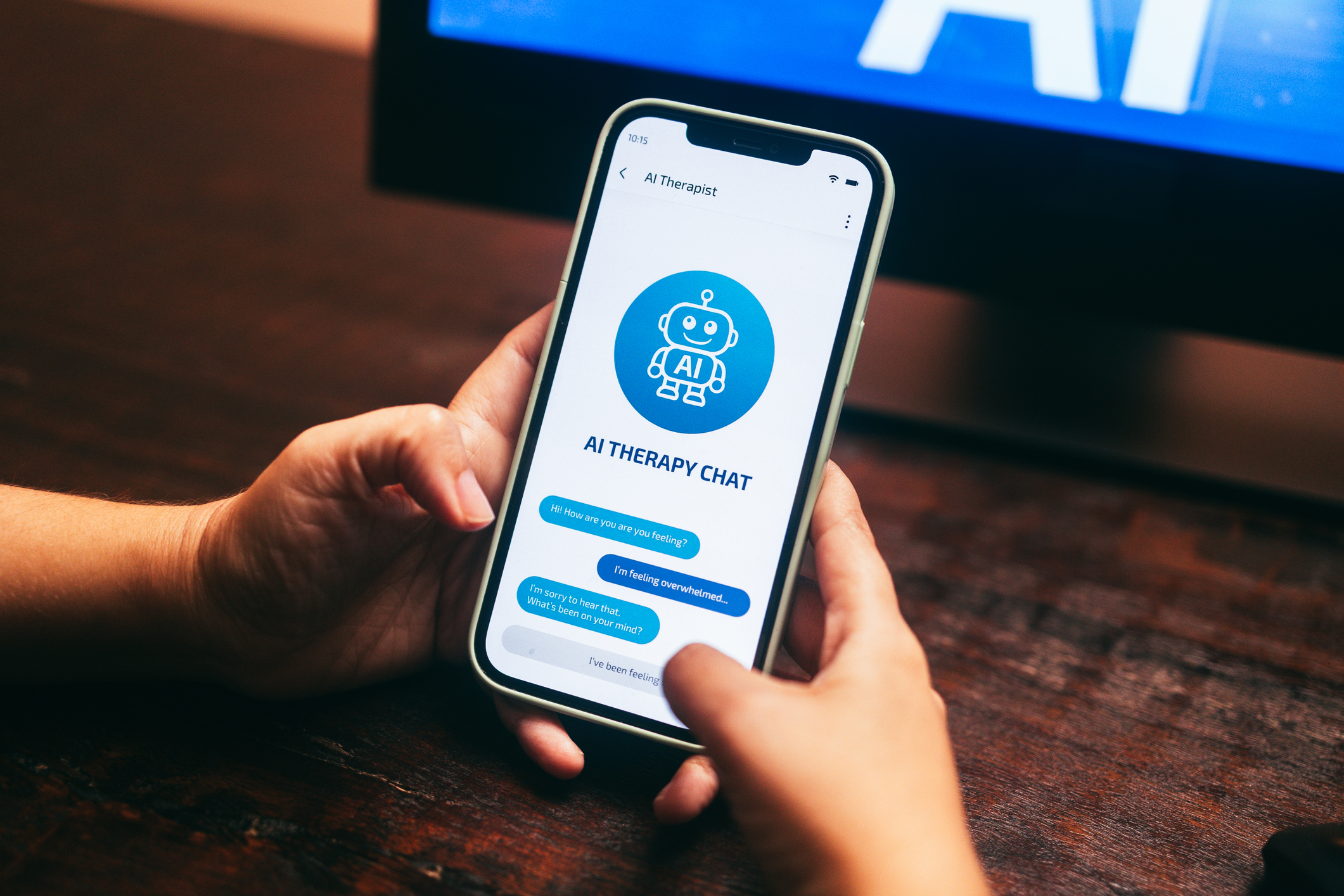
A.I. therapy uses artificial intelligence to support mental health through chatbots, digital therapy apps, and A.I.-driven counseling tools.  

Many American adults, 22% in fact, have found some relief by using mental health chatbots as a therapeutic tool.  

There are many possible reasons why people are turning to A.I. therapy as a viable option to address their mental health, including: 

  • Accessibility 
  • Affordability 
  • Anonymity 

There are many A.I. therapy platforms. They include: 

  • CBT-focused chatbots that use meditation and cognitive behavioral therapy (CBT) techniques that offer personalized recommendations and crisis support 
  • Skill-building apps that teach CBT skills, provide personalized recommendations, and collect user data to improve the experience 
  • Self-guided wellness platforms that combine A.I. chatbots with emotion tracking, journaling, and self-directed therapeutic exercises 
  • Mood tracking apps that allow users to track their moods and symptoms, while sometimes receiving self-care recommendations 
  • Conversational A.I. companions that provide daily support through advanced A.I. and adapt to the user’s needs. It is typically aimed at mild anxiety or overthinking, with CBT-focused conversations 

A.I. can be a promising tool for enhancing mental healthcare, but it can’t replace personalized mental healthcare.  

Although A.I. therapy can’t replace human therapists, it could be a helpful supplement for those who may need additional support, along with therapy.  

There are several reasons why A.I. therapy might be helpful, including: 

  • 24/7 availability due to A.I. chatbots being able to provide additional support outside of therapy sessions and holidays 
  • Affordability of A.I. therapy provides a low-cost way to get support outside of sessions 
  • Discretion of A.I. therapy helping people explore mental health support in a low- pressure, judgment-free way 

While A.I. therapy may have some benefits for those seeking support with their mental health, it also poses several potential risks, including: 

  • It can cause A.I.-induced psychosis 
  • It can give unsafe advice and misinformation 
  • It engages in sycophantic behavior by validating a user’s emotions, which can be dangerous if they have suicidal ideation, delusions, mania, or hallucinations 
  • There is a lack of human connection and empathy: A user might take a self-assessment without human input that can lead to false reassurance or dangerous delays in getting help. A.I. can miss nonverbal cues, and a user may take its output as definitive 

A.I. therapy can offer those who are seeking support with their mental health a convenient way to do so. However, effective mental healthcare should be safe and provided by trained, human mental health professionals.  

If you or a loved one needs the assistance and support of a mental health professional at Jamaica Hospital Medical Center, please call 718-206-5575 to schedule an appointment. 


All content of this newsletter is intended for general information purposes only and is not intended or implied to be a substitute for professional medical advice, diagnosis or treatment. Please consult a medical professional before adopting any of the suggestions on this page. You must never disregard professional medical advice or delay seeking medical treatment based upon any content of this newsletter. PROMPTLY CONSULT YOUR PHYSICIAN OR CALL 911 IF YOU BELIEVE YOU HAVE A MEDICAL EMERGENCY.

Dealing with Depression During the Holiday Season

The holidays are a time when we spend joyous and happy moments with friends and family. However, for some, the holidays can bring a lot of sadness, loneliness, and even depression. This is called holiday depression.  

Holiday depression can feel a lot like regular depression; however, it is triggered by the onset of the holidays, large family gatherings, and attending or hosting social events. Holiday depression is like the “winter blues”, but it may come and go in quick bursts as one event ends and another begins, or it can linger for days or weeks leading up to and beyond the holiday season.  

Holiday depression can disrupt relationships, mental health, and the ability to manage everything that comes with the holiday season.  

Holiday depression can affect anyone at any time, and it can be hard on a person’s mental health, as it can be triggered by various things, including: 

  • Stressful schedules 
  • Putting pressure on yourself 
  • Separation from loved ones 
  • Loneliness 
  • Family dynamics 
  • Seasonal depression 
  • Social anxiety 
  • Holiday trauma 

There are several signs of holiday depression. They can include: 

  • Feeling depressed and hopeless for more days than not 
  • Loss of interest in things you used to enjoy 
  • Constantly feeling anxious, nervous, or on edge 
  • Trouble sleeping over an extended time 
  • Intrusive thoughts that are difficult to manage on your own 
  • Thoughts of self-harm or suicide 

Holiday depression can feel daunting as you navigate the season. However, there are many ways to cope with and find support and emotional stability that can help you get through this difficult time of year. They include: 

  • Remembering a loved one 
  • Setting boundaries 
  • Staying connected with friends and family 
  • Limiting social media use 
  • Sharing happy memories 
  • Setting realistic expectations for the holidays 
  • Taking care of yourself 
  • Seeking support and help 

If you are having harmful thoughts, such as thoughts about suicide, or believe you are experiencing a mental health or emotional crisis, you can contact the 988 Suicide & Crisis Lifeline 24/7 through phone, chat, or text, go to the hospital, or call your local 911 hotline and your doctor right away to get the help you need. 

No one should face their mental health challenges alone. To learn more about our outpatient mental health services at Flushing Hospital Medical Center or to schedule a virtual appointment, please call (718) 670-5316 to speak with our intake coordinator or (718) 670-5562 to reach the clinic. 

All content of this newsletter is intended for general information purposes only and is not intended or implied to be a substitute for professional medical advice, diagnosis or treatment. Please consult a medical professional before adopting any of the suggestions on this page. You must never disregard professional medical advice or delay seeking medical treatment based upon any content of this newsletter. PROMPTLY CONSULT YOUR PHYSICIAN OR CALL 911 IF YOU BELIEVE YOU HAVE A MEDICAL EMERGENCY.

Postpartum Depression and Psychosis

Postpartum refers to the time after childbirth. Postpartum mothers may experience mental health changes or challenges after giving birth, including mood disorders such as postpartum depression and postpartum psychosis.

Postpartum depression is a type of depression that happens after having a baby. It affects up to 15% of women, involving emotional highs and lows, frequent crying, fatigue, guilt, and anxiety. A postpartum mother may have trouble caring for their baby or themselves.

Postpartum psychosis (PPP) is a mental health emergency that affects a postpartum mother’s sense of reality, causing hallucinations, delusions, paranoia, or other behavior changes. In severe cases, postpartum mothers with PPP may attempt to harm themselves or their newborn.

Postpartum depression is common. A mother who has just given birth may experience baby blues, which affects between 50% and 75% of women after delivery. Up to 15% of them will develop postpartum depression. Postpartum psychosis is rare, as experts estimate that it affects between 0.089 and 2.6 out of every 1,000 births. In the United States, that means it happens in between 320 and 9,400 births each year. Globally, that means it happens between 12 million and 352.3 million births.

A mother can experience postpartum depression for up to one year after their baby is born. However, this doesn’t mean that they will feel cured in one year.

Symptoms of postpartum depression can include:

· Feeling sad, worthless, hopeless, or guilty

· Worrying excessively or feeling on edge

· Loss of interest in hobbies or things you once enjoyed

· Changes in appetite or not eating

· Loss of energy and motivation

· Trouble sleeping or wanting to sleep all the time

· Crying for no reason or excessively

· Difficulty thinking or focusing

· Thoughts of suicide or wishing you were dead

· Lack of interest in your baby or feeling anxious around your baby

· Thoughts of hurting your baby or feeling like you don’t want your baby

It is believed that hormonal changes are linked to postpartum depression; however, more research is needed to determine the link between the rapid drop in hormones after delivery and depression. The levels of estrogen and progesterone increase tenfold during pregnancy but drop sharply after delivery. When a mother is three days postpartum, levels of these hormones drop back to pre-pregnancy levels.

In addition to these chemical changes, the social and psychological changes associated with having a baby increase the risk of postpartum depression. Examples of these changes include physical bodily changes, lack of sleep, worries about parenting, or changes to relationships.

Experts don’t know why postpartum psychosis happens, but suspect it involves a combination of factors, including:

· History of mental health conditions

· Number of pregnancies

· Family history of mental health conditions, especially PPP

· Sleep deprivation

· Hormone changes

· Other medical conditions

Hallucinations and delusions are the two main symptoms of postpartum psychosis. However, there are several other common symptoms, including:

· Mood changes, such as mania and hypomania or depression

· Depersonalization

· Disorganized thinking or behavior

· Insomnia

· Irritability of agitation

· Thoughts of self-harm or harming others, especially their newborn

Researchers have organized the symptoms of PPP into three types: depressive, manic, and atypical/mixed.

The depressive subtype of PPP is the most common, making up about 41% of cases. It is also the most dangerous. Research shows that depressive symptoms and psychosis are almost always a factor in cases that involve self-harm or harm to a child, especially hallucinations or delusions that command a person to harm their child or themselves. The rate of harm to a child is about 4.5% with this subtype, about four or five times greater than with the other subtypes. The rate of dying by suicide is about 5%. Symptoms that are most likely experienced with this type include:

· Anxiety or panic

· Delusions and hallucinations

· Depression

· Feelings of guilt

· Loss of appetite

· Loss of enjoyment related to things they usually enjoy

· Thoughts of self-harm, suicide, or harming their child

The manic subtype is the next most common of the types, affecting about 34% of cases. The risk of self-harm or harm to children is lower but still possible, happening in about 1% of cases. Symptoms can include:

· Agitation or irritability

· Disruptive or aggressive behavior

· Talking more or faster than usual, or both

· Needing less sleep

· Delusions of greatness or importance, such as believing your child to be a holy or religious figure

The atypical/mixed subtype makes up to 25% of cases. This can mix the symptoms of manic and depressive subtypes. It can also involve symptoms where a person seems much less aware or completely unaware of the world around them. Symptoms can include:

· Disorganized speaking or behavior

· Disorientation or confusion

· Disturbance of consciousness, where a person doesn’t appear to be awake or isn’t aware of activities or things taking place nearby

· Hallucinations or delusions

· Inappropriate comments, behaviors, or emotional displays

· Catatonia or mutism

There isn’t a specific test that diagnoses postpartum depression. A healthcare provider will evaluate you at your postpartum visit, which may include discussing your health history, how you have felt since delivery, a physical exam, a pelvic exam, and lab tests. They may also perform a postpartum depression screening or ask a series of questions to assess if you have postpartum depression.

Postpartum psychosis can be diagnosed by a mental health provider who can determine either by observation or what you describe whether you have the condition or not. They may also perform physical and neurological exams and order blood, urine, or imaging tests.

Postpartum depression is treated differently depending on the type and severity of symptoms. Treatment options include anti-anxiety or antidepressant medications, psychotherapy or cognitive behavioral therapy, and support group participation.

Treatment for postpartum psychosis may include medications to treat depression, anxiety, and psychosis. You may also be admitted to a treatment center for several days until you’re stable. To find out more about our mental health services or to schedule a virtual appointment, call (718) 670-5316 to speak with our intake coordinator or call (718) 670-5562 to reach the clinic

All content of this newsletter is intended for general information purposes only and is not intended or implied to be a substitute for professional medical advice, diagnosis or treatment. Please consult a medical professional before adopting any of the suggestions on this page. You must never disregard professional medical advice or delay seeking medical treatment based upon any content of this newsletter. PROMPTLY CONSULT YOUR PHYSICIAN OR CALL 911 IF YOU BELIEVE YOU HAVE A MEDICAL EMERGENCY.

How Having a Sedentary Job Contributes to a Higher Risk of Insomnia

According to a study published on January 7th, 2025, by the Journal of Occupational Health Psychology, people with sedentary jobs, an estimated 80% of the workforce, have a much higher risk of experiencing insomnia compared with people who are active at work. Insomnia is a common sleep disorder that can make it difficult to fall asleep or stay asleep. A sedentary job is any job that requires an employee to sit for about six hours of an eight-hour workday.

Researchers surveyed nearly 1,300 people twice over a span of ten years, inquiring about their job schedules and physical activity levels while at work. They also asked about the participants’ sleep habits, identifying three sleep health categories: good sleepers, insomnia-like sleepers, and catch-up sleepers.

Good sleepers are people who exhibit optimal sleep patterns, such as regular sleep cycles with low levels of daytime tiredness.

Insomnia-like sleepers are people who experience short sleep cycles and higher levels of daytime fatigue.

Catch-up sleepers fall between both groups and often rely on naps or extra weekend sleep to compensate for irregular sleeping patterns.

Compared to active work, sedentary work was 37% likely to lead to a variety of insomnia symptoms, such as difficulty falling asleep, interrupted sleep, and frequent daytime tiredness. The findings of the study also indicated that workers who fall into a pattern of poor sleep due to their job design (defined as elements such as the amount of technology used at work, levels of physical activity, and work schedules, and specifically the time of day when the employee works) can end up stuck in such unhealthy patterns for many years. Insomnia-like sleepers, for example, reported their symptoms persisted ten years later, at the end of the study.

Those experiencing insomnia may have the following symptoms:

  • Having a hard time falling asleep at night
  • Waking up during the night
  • Waking up too early
  • Feeling tired or sleepy during the day
  • Feeling cranky, depressed, or anxious
  • Having a hard time paying attention, focusing on tasks, or remembering
  • Making more errors or having more accidents
  • Having ongoing worries about sleep

If you are experiencing insomnia, there are several ways you can improve your sleep, including:

  • Taking short breaks throughout the day to move
  • Unplugging smartphones and computers two hours before bedtime
  • Using light exposure to readjust your circadian rhythms if you work a night shift

If you are experiencing symptoms of insomnia, you can learn more about our outpatient mental health services at Flushing Hospital Medical Center. To schedule a virtual appointment, please call (718) 670-5316 to speak with our intake coordinator or (718) 670-5562 to reach the clinic.

All content of this newsletter is intended for general information purposes only and is not intended or implied to be a substitute for professional medical advice, diagnosis or treatment. Please consult a medical professional before adopting any of the suggestions on this page. You must never disregard professional medical advice or delay seeking medical treatment based upon any content of this newsletter. PROMPTLY CONSULT YOUR PHYSICIAN OR CALL 911 IF YOU BELIEVE YOU HAVE A MEDICAL EMERGENCY.

Caring for a Loved One with Bipolar Disorder

Bipolar disorder, formerly called manic depression, is a mental condition that causes intense shifts in mood, energy levels, and behavior. These shifts can last for hours, days, weeks, or months and can interrupt a person’s ability to carry out day-to-day tasks.

Many people with bipolar disorder experience both manic/hypomanic and depressive episodes. These changing mood states don’t always follow a set pattern, and depression doesn’t always follow manic phases. A person may also experience the same mood state several times, with periods of a state of mental tranquility and stability that’s free of mood disturbances, called euthymia, in between, before experiencing the opposite mood.

Mood changes in bipolar disorder can happen over weeks, months, and sometimes years. An important aspect of mood changes is that they are a departure from a person’s regular self and that the mood change is sustained for a long time. It can be several days or weeks in the case of mania and several weeks or months in the case of depression.

The severity of the depression and manic phases can differ from person to person and in the same person at different times. Some people with bipolar disorder will have episodes of mania or hypomania many times throughout their lives, while others may rarely experience them. Signs and symptoms of a manic episode include:

  • Excessive happiness, hopefulness, and excitement
  • Sudden and severe changes in mood, such as going from joyful to angry and hostile
  • Restlessness
  • Rapid speech and racing thoughts
  • Increased energy and less need for sleep
  • Increased impulsivity and poor judgment
  • Making grand and unattainable plans
  • Reckless and risk-taking behavior, such as drug and alcohol misuse
  • Psychosis, such as experiencing hallucinations and delusions (in the most severe manic episodes)

Most of the time, people experiencing a manic episode are unaware of the negative consequences of their actions. If a person is having an intense manic episode, especially if they’re experiencing hallucinations and delusions, they may need to be hospitalized to protect themselves and others from harm. With bipolar disorder, suicide is an ever-present dancer, with some people becoming suicidal in manic episodes, not just in depressive ones.

Some people with bipolar disorder can have milder manic-like symptoms called hypomania. When experiencing hypomania, they may feel great and feel like they can get a lot done. They may feel like nothing is wrong during an episode; however, family and friends may notice their mood swings and activity level changes and think they’re unusual for them.

After a hypomanic episode, a person might experience severe depression. The symptoms of depressive episodes in bipolar disorder are the same as those of major depression, including:

  • Overwhelming sadness
  • Low energy and fatigue
  • Lack of motivation
  • Feelings of hopelessness or worthlessness
  • Loss of enjoyment of things that were once pleasurable for you
  • Difficulty concentrating and making decisions
  • Uncontrollable crying
  • Irritability
  • Increased need for sleep
  • Insomnia or hypersomnia
  • A change in appetite that causes weight loss or gain
  • Thoughts of death or suicide

When caring for a loved one with bipolar disorder, it is important to be patient and understanding, and offer them stability, consistency, and practical help through mood shifts.

There are several ways you can help a loved one through a manic episode. They include:

  • Creating a calm environment
  • Spending quality time together
  • Having honest conversations
  • Preparing easy-to-eat meals
  • Encouraging them to rest
  • Setting limits on their risky behavior
  • Involving a mental health professional if necessary
  • Encouraging medication adherence

There are several ways you can help a loved one through a depressive episode. They include:

  • Listening to and communicating with them
  • Encouraging small steps in self-care
  • Reducing external stressors
  • Suggesting low-energy activities for them to participate in
  • Monitoring them for any signs of crisis
  • Encouraging them to seek professional care

Caring for a loved one with bipolar disorder can be stressful and challenging. However, it is important that before you take care of anyone else, you should take care of yourself. You can do this by setting boundaries, not taking things personally, finding support for yourself, such as through friends, family, mental health professionals, or a support group, seeking family therapy, and practicing self-care.

Call, text, or chat 988 to speak to a trained crisis counselor offering support 24/7/365. And to learn more about our outpatient mental health services at Flushing Hospital Medical Center or to schedule a virtual appointment, please call (718) 670-5316 to speak with our intake coordinator or (718) 670-5562 to reach the clinic.

All content of this newsletter is intended for general information purposes only and is not intended or implied to be a substitute for professional medical advice, diagnosis or treatment. Please consult a medical professional before adopting any of the suggestions on this page. You must never disregard professional medical advice or delay seeking medical treatment based upon any content of this newsletter. PROMPTLY CONSULT YOUR PHYSICIAN OR CALL 911 IF YOU BELIEVE YOU HAVE A MEDICAL EMERGENCY.

The Loneliness Epidemic

In May 2023, former U.S. Surgeon General Dr. Vivek Murthy issued a report that drew attention to an epidemic that affects half of American adults: loneliness and social isolation.

Dr. Murthy said that loneliness and social isolation are “urgent public health concerns, more widespread than smoking, diabetes, or anxiety”.

Loneliness is feeling lonely or disconnected from others and not having meaningful or close relationships or a sense of belonging. It also describes the negative feelings that can occur when your needs for social connection aren’t met.

Social isolation is when a person doesn’t have relationships or contact with others and has little to no social support. It can pose a health risk to people, even if they don’t feel lonely.

Certain conditions or experiences may increase a person’s risk of social isolation and loneliness, including:

  • Having a mental or physical challenge, such as:
    • Chronic disease or condition
    • Psychiatric or depressive condition
    • Long-term disability
  • Being marginalized or discriminated against
  • Having limited or no access to resources, which may result in:
    • Living in rural areas
    • Limited transportation
    • Language barriers
    • Being a victim of violence or abuse
  • Facing a divorce, unemployment, or the loss of a loved one

Loneliness may impact some groups more than others, including:

  • Low-income adults
  • Young adults
  • Older adults
  • Adults living alone
  • Immigrants
  • People who identify as LGBTQ+

Social isolation and loneliness can increase a person’s risk for:

  • Heart disease and stroke
  • Type 2 diabetes
  • Depression, anxiety, suicide, and self-harm
  • Dementia
  • Earlier death

It is important to make meaningful social connections, as those who do experience benefits, including:

  • Less stress
  • Better sleep
  • A longer, healthier life

Making social connections can be hard, especially if you are in poor health, have money problems, or live alone. However, a few small acts of connection can build supportive and meaningful relationships.

You can take various steps to fight against loneliness, including the following:

  • Talking to family, friends, neighbors, and co-workers
  • Connecting with others on social media
  • Volunteering in your community
  • Being kind to yourself
  • Learning more about ways to improve social connectedness
  • Getting help from a professional

To find out more about Flushing Hospital Medical Center’s outpatient mental health services or to schedule a virtual appointment, please call (718) 670-5316 to speak with our intake coordinator or (718) 670-5562 to reach the clinic.


All content of this newsletter is intended for general information purposes only and is not intended or implied to be a substitute for professional medical advice, diagnosis or treatment. Please consult a medical professional before adopting any of the suggestions on this page. You must never disregard professional medical advice or delay seeking medical treatment based upon any content of this newsletter. PROMPTLY CONSULT YOUR PHYSICIAN OR CALL 911 IF YOU BELIEVE YOU HAVE A MEDICAL EMERGENCY.

Coping with Depression during the Holiday Season

The holiday season is filled with bright lights and festive cheer. However, this time of year can, unfortunately, bring feelings of loneliness, isolation, grief, and sadness for both those with clinical depression as well as those who aren’t depressed.

Holiday depression feels a lot like regular depression, but it is triggered by the onset of the holidays, holiday get-togethers, large family gatherings, and attending or hosting social events. Holiday depression is similar to the “winter blues”, but it may come and go in quick bursts as one event ends and another begins, or it can linger for the days or weeks leading up to and beyond the holiday season.

There are several causes of holiday depression including:

  • Stressful schedules
  • Putting pressure on yourself
  • Separation from loved ones
  • Loneliness
  • Family dynamics
  • Social anxiety
  • Holiday trauma

Signs of holiday depression may include:

  • Feeling depressed and hopeless for more days than not
  • Loss of interest in things you used to enjoy
  • Constantly feeling anxious, nervous, or on edge more often
  • Trouble sleeping over an extended period
  • Intrusive thoughts that are difficult to manage on your own
  • Thoughts of self-harm or suicide

No matter the cause of your low mood or negative feelings, several healthy coping strategies can help you prepare for and get through the festive months when you’re managing depression. Here are some coping strategies to consider this holiday season:

  • Seek support and help from a mental health professional
  • Stay active and get outdoors
  • Share how you’re feeling with trusted loved ones
  • Assess your relationships and set boundaries
  • Limit social media use
  • Set aside time for yourself and prioritize self-care
  • Practice relaxation
  • Consider volunteering throughout the holiday season
  • Remember a cherished loved one who passed on
  • Create a coping sheet or depression toolkit

To learn more about our outpatient mental health services at Flushing Hospital Medical Center or to schedule a virtual appointment, please call (718) 670-5316 to speak with our intake coordinator or (718) 670-5562 to reach the clinic.


All content of this newsletter is intended for general information purposes only and is not intended or implied to be a substitute for professional medical advice, diagnosis or treatment. Please consult a medical professional before adopting any of the suggestions on this page. You must never disregard professional medical advice or delay seeking medical treatment based upon any content of this newsletter. PROMPTLY CONSULT YOUR PHYSICIAN OR CALL 911 IF YOU BELIEVE YOU HAVE A MEDICAL EMERGENCY.

Loneliness

Loneliness is feeling lonely or disconnected from others and feeling like you don’t have meaningful or close relationships or a sense of belonging. It also describes the negative feelings that can occur when your needs for social connection aren’t met.

Social isolation is when a person doesn’t have relationships or contact with others and has little to no social support. It can pose a health risk to people, even if they don’t feel lonely.

Certain conditions or experiences may increase a person’s risk of social isolation and loneliness, including:

  • Having a mental or physical challenge, such as:
    • Chronic disease or condition
    • Psychiatric or depressive condition
    • Long-term disability
  • Being marginalized or discriminated against
  • Having limited or no access to resources may result in:
    • Living in rural areas
    • Limited transportation
    • Language barriers
    • Being a victim of violence or abuse
  • Facing a divorce, unemployment, or the loss of a loved one

Loneliness may impact some groups more than others, including:

  • Low-income adults
  • Young adults
  • Older adults
  • Adults living alone
  • Immigrants
  • People who identify as LGBTQ+

Social isolation and loneliness can increase a person’s risk for:

  • Heart disease and stroke
  • Type 2 diabetes
  • Depression, anxiety, suicide, and self-harm
  • Dementia
  • Earlier death

It is important to make meaningful social connections, as those who do experience benefits, including:

  • Less stress
  • Better sleep
  • A longer, healthier life

Making social connections can be hard, especially if you are in poor health, have money problems, or live alone. But a few small acts of connection can build supportive and meaningful relationships.

You can take various steps to fight against loneliness, including:

  • Talking to family, friends, neighbors, and co-workers
  • Connecting with others on social media
  • Volunteering in your community
  • Being kind to yourself
  • Learning more about ways to improve social connectedness
  • Getting help from a professional

To find out more about Flushing Hospital Medical Center’s outpatient mental health services or to schedule a virtual appointment, please call (718) 670-5316 to speak with our intake coordinator or call (718) 670-5562 to reach the clinic.


All content of this newsletter is intended for general information purposes only and is not intended or implied to be a substitute for professional medical advice, diagnosis or treatment. Please consult a medical professional before adopting any of the suggestions on this page. You must never disregard professional medical advice or delay seeking medical treatment based upon any content of this newsletter. PROMPTLY CONSULT YOUR PHYSICIAN OR CALL 911 IF YOU BELIEVE YOU HAVE A MEDICAL EMERGENCY.