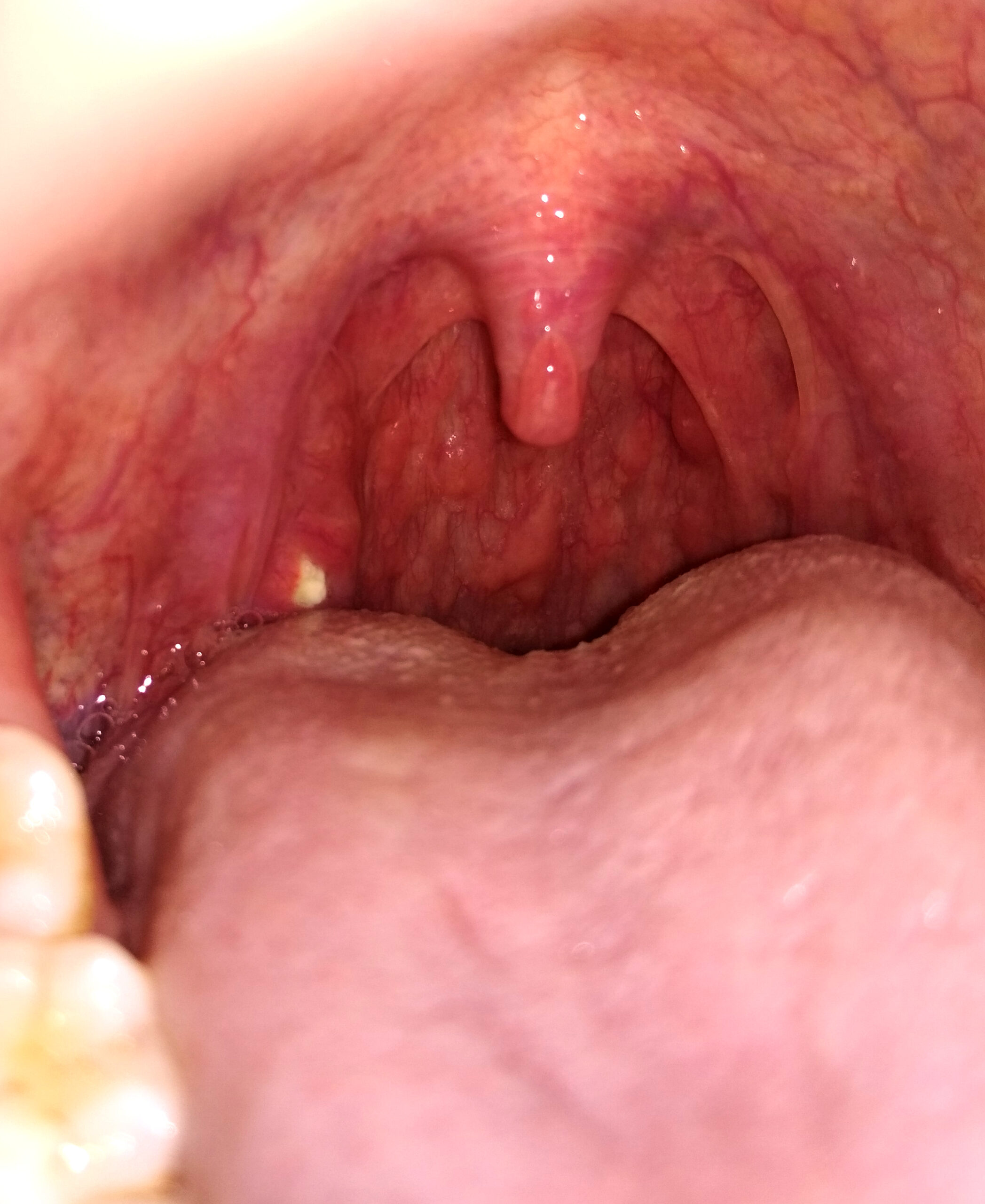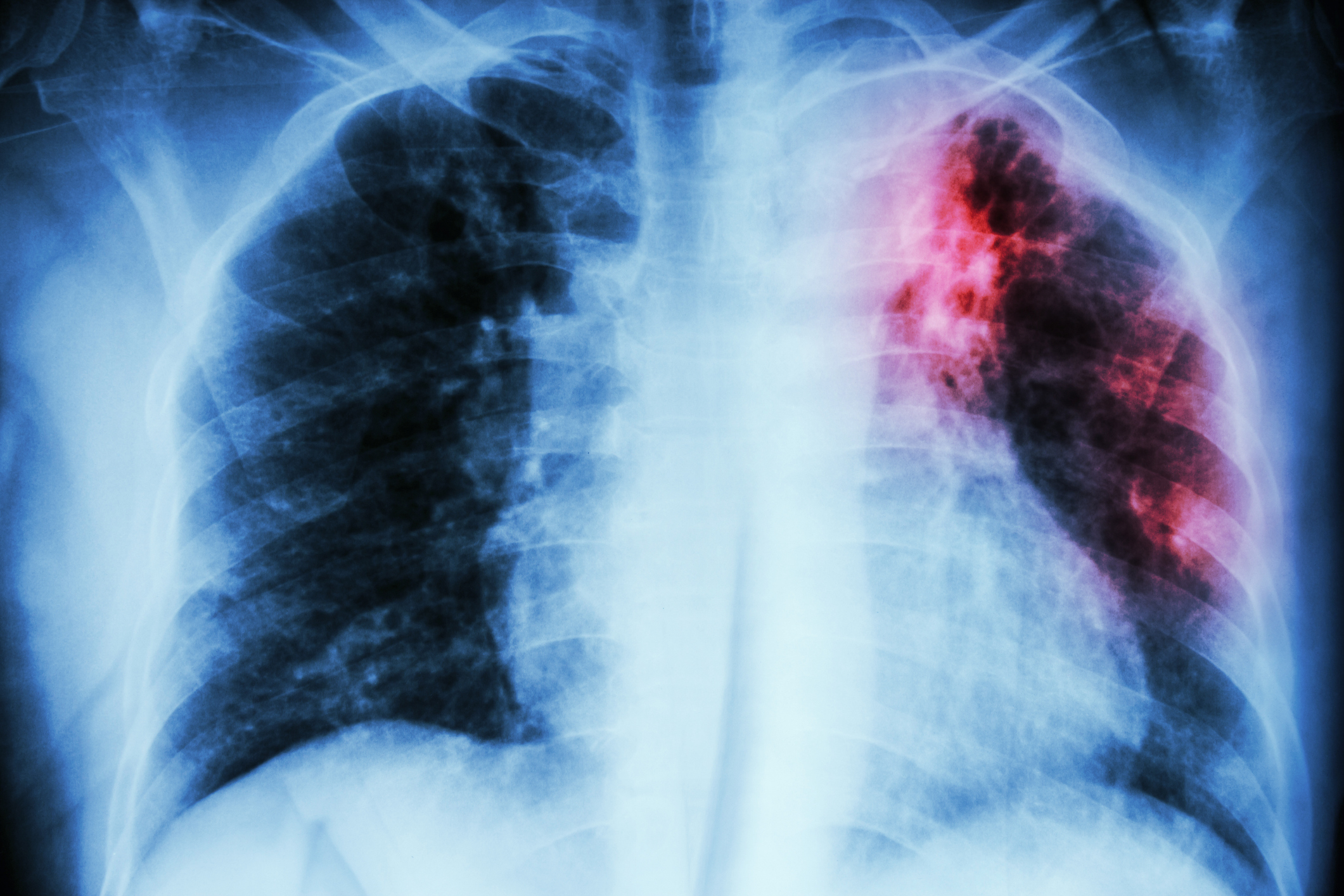
Pneumonia

Pneumonia is an infection that inflames the air sacs in one or both lungs. The air sacs may fill with fluid or pus, causing a cough with phlegm or pus, fever, chills, and difficulty breathing.  

Pneumonia can range in severity from mild to life-threatening. It is more serious for infants and young children, people older than 65 years old, and people with health problems or weakened immune systems.  

The signs and symptoms of pneumonia can vary depending on factors such as the type of germ causing the infection, age, and overall health. Signs and symptoms of pneumonia may include: 

  • Chest pain when breathing or coughing 
  • Confusion or changes in mental awareness; this occurs in adults 65 or older 
  • A phlegm-producing cough 
  • Fatigue 
  • Fever, sweating, and shaking chills 
  • Lower than normal body temperature; this occurs in adults older than 65 and people with weakened immune systems 
  • Nausea, vomiting, or diarrhea 
  • Shortness of breath 

Many germs can cause pneumonia. The most common are bacteria and viruses in the air we breathe. The body usually prevents these germs from infecting the lungs, but these germs can sometimes overpower the immune system, even if a person is generally healthy.  

Pneumonia is classified according to the types of germs that cause it and where the infection was contracted. 

Community-acquired pneumonia is the most common type of pneumonia. It occurs outside of hospitals or other healthcare facilities. It may be caused by: 

  • Bacteria 
  • Bacteria-like organisms 
  • Fungi 
  • Viruses, such as COVID-19 

Some people can get pneumonia during a hospital stay for another illness. Hospital-acquired pneumonia can be serious because the bacteria causing it may be more resistant to antibiotics and because the people who get it are already sick. People who are on breathing machines, often used in intensive care units, are at a higher risk of this type of pneumonia.  

Healthcare-acquired pneumonia is a bacterial infection that occurs in people who live in long-term care facilities or who receive care in outpatient clinics, including kidney dialysis centers. Like hospital-acquired pneumonia, healthcare-acquired pneumonia can be caused by bacteria that are more resistant to antibiotics.  

Aspiration pneumonia occurs when a person inhales food, a drink, vomit, or saliva into their lungs. Aspiration is more likely if something disturbs the normal gag reflex, such as a brain injury or swallowing problem, or excessive use of alcohol or drugs.  

There are many steps you can take to prevent pneumonia, including: 

  • Getting vaccinated 
  • Making sure children are vaccinated 
  • Practicing good hygiene 
  • Quitting smoking 
  • Keeping your immune system strong 

To diagnose pneumonia, a doctor will start by asking about your medical history and performing a physical exam, including listening to your lungs with a stethoscope to check for abnormal bubbling or crackling sounds that may suggest pneumonia.  

If pneumonia is suspected, a doctor may recommend the following tests: 

  • Blood tests 
  • Chest X-ray 
  • Pulse oximetry 
  • Sputum test 

A doctor might order additional tests for a person 65 years or older, is in the hospital, or has serious symptoms or health conditions. These tests may include a CT scan and/or a pleural fluid culture. 

Treatment for pneumonia involves curing the infection and preventing complications. People who have contracted community-acquired pneumonia usually can be treated at home with medication. Although most symptoms ease in a few days or weeks, the tiredness feeling can persist for a month or more. Specific treatments depend on the type and severity of pneumonia, age, and overall health. These treatments include: 

  • Antibiotics 
  • Cough medicine 
  • Fever reducers/pain relievers 

If you or a loved one is experiencing symptoms of pneumonia, you can receive treatment from a physician at Flushing Hospital Medical Center’s Ambulatory Care Center. To schedule an appointment, please call (718) 670-5486. 

All content of this newsletter is intended for general information purposes only and is not intended or implied to be a substitute for professional medical advice, diagnosis or treatment. Please consult a medical professional before adopting any of the suggestions on this page. You must never disregard professional medical advice or delay seeking medical treatment based upon any content of this newsletter. PROMPTLY CONSULT YOUR PHYSICIAN OR CALL 911 IF YOU BELIEVE YOU HAVE A MEDICAL EMERGENCY.

Spinal Meningitis

Spinal meningitis, or meningitis, is an inflammation of the meninges, the protective layers surrounding the brain and spinal cord. The meninges protect the brain and spinal cord from injury and provide support and structure. They contain nerves, blood vessels, and cerebrospinal fluid.

Viral infections are the most common cause of meningitis in the United States. Bacteria, parasites, fungi, and non-infectious conditions, such as cancer or head injuries, can also cause meningitis.

The types of meningitis are typically named for the cause of inflammation or how long you’ve had symptoms. They include:

  • Bacterial meningitis
  • Viral meningitis
  • Fungal meningitis
  • Parasitic meningitis
  • Primary amebic meningitis (PAM)
  • Drug-induced aseptic meningitis (DIAM)
  • Chronic meningitis
  • Acute meningitis

Certain health conditions can increase your risk of meningitis, including:

  • Age- Viral meningitis most often happens in children younger than five years old
  • Not getting vaccinations
  • Living in a group setting, such as a college dorm
  • Pregnancy
  • A weakened immune system
  • Not having a spleen

The symptoms of meningitis can be different in babies than in children and adults.

Symptoms of meningitis in children and adults include:

  • Neck stiffness
  • Nausea or vomiting
  • Sensitivity to light
  • Confusion or an altered mental state
  • Lack of energy, extreme sleepiness, or trouble waking up
  • Lack of appetite
  • Small round spots that look like a rash

You might experience additional symptoms of amebic meningitis a few days after your initial symptoms, including:

  • Hallucinations
  • Loss of balance
  • Lack of attention or focus

A baby might not experience the same meningitis symptoms as adults, such as headache, neck stiffness, and nausea. Some signs of meningitis you can look for in babies include:

  • Bulging “soft spot” on the baby’s head
  • Poor eating
  • Sleepiness or trouble waking up from sleep
  • Low energy or slower responses

A healthcare provider will diagnose meningitis by performing a physical exam, asking about your symptoms, and testing your cerebrospinal fluid (CSF). They may also ask if you’ve been around anyone with certain illnesses or traveled recently, get a blood or poop sample, swab your nose or throat, or order brain imaging.

The treatment for meningitis depends on the cause. Antibiotics are used to treat bacterial meningitis, and antifungals are used to treat fungal meningitis. Antivirals can be used to treat some viral causes of meningitis. Non-infectious causes of meningitis are treated by addressing the underlying illness or injury.

There are no specific treatments for other infectious causes of meningitis. Medications might be used to reduce inflammation or relieve symptoms.

Meningitis is highly contagious. If you think you have meningitis, visit Flushing Hospital Medical Center’s Ambulatory Care Center. To schedule an appointment to see if you have meningitis, please call (718) 670-5486.

All content of this newsletter is intended for general information purposes only and is not intended or implied to be a substitute for professional medical advice, diagnosis or treatment. Please consult a medical professional before adopting any of the suggestions on this page. You must never disregard professional medical advice or delay seeking medical treatment based upon any content of this newsletter. PROMPTLY CONSULT YOUR PHYSICIAN OR CALL 911 IF YOU BELIEVE YOU HAVE A MEDICAL EMERGENCY.

Tuberculosis

Tuberculosis is a serious infectious disease that mainly affects the lungs. It is caused by a bacteria called Mycobacterium tuberculosis. Tuberculosis can spread when a person with the illness coughs, sneezes, or speaks, releasing tiny droplets of germs into the air. Another person can breathe in the droplets, and the germs will enter the lungs.

When tuberculosis germs survive and multiply in the lungs, it is a TB infection. A TB infection can happen in one of three stages, each with symptoms.

Primary TB infection is the first stage of TB infection. Immune system cells find and capture the germs, which the immune system may destroy. However, some captured germs can still survive and multiply.

Most people don’t have symptoms during primary infection. Some people may have flu-like symptoms, including:

  • Low fever
  • Tiredness
  • Cough

Latent TB infection is the stage following primary TB infection. Immune system cells build a wall around lung tissue with TB germs, which keeps them under control. However, the germs survive. There aren’t any symptoms during latent TB infection.

Active TB disease happens when the immune system can’t control an infection. Germs cause disease throughout the lungs or other parts of the body. Active TB disease can happen right after primary infection, but it usually occurs after months or years of latent TB infection. Symptoms of active TB disease in the lungs begin gradually and worsen over a few weeks. Symptoms can include:

  • Cough
  • Coughing up blood or mucus
  • Chest pain
  • Pain with breathing or coughing
  • Fever
  • Chills
  • Night sweats
  • Weight loss
  • Loss of appetite
  • Tiredness
  • Not feeling well in general

Extrapulmonary tuberculosis occurs when an active TB infection spreads from the lungs to other body parts. Symptoms vary depending on what part of the body is infected. Common symptoms can include:

  • Fever
  • Chills
  • Night sweats
  • Weight loss
  • Not wanting to eat
  • Tiredness
  • Not feeling well in general
  • Pain near the site of infection

Common sites of active TB disease outside of the lungs include:

  • Kidneys
  • Liver
  • Fluid surrounding the brain and spinal cord
  • Heart muscles
  • Genitals
  • Lymph nodes
  • Bones and joints
  • Skin
  • Walls of blood vessels
  • The voice box or larynx

People with active TB infection can spread tuberculosis easily, especially in crowded spaces.

To diagnose a TB infection, a healthcare provider will perform an exam that includes:

  • Listening to you breathe with a stethoscope
  • Checking for swollen lymph nodes
  • Asking you questions about your symptoms

Your healthcare provider will order tests if:

  • Tuberculosis is suspected
  • You were likely exposed to a person with active TB disease
  • You have health risks for active TB disease

Your healthcare provider will determine whether a skin or blood test is best. X-rays, sputum tests, and other lab tests can also diagnose a TB infection.

Your healthcare provider may treat you with drug treatments if you have a latent TB infection. This is especially true for people who are at an increased risk of active TB disease. Most latent TB infections are treated for three or four months. Active TB may be treated for four, six, or nine months. Specialists in TB treatment will determine which drugs are best for you.

It is important to take every dose as instructed when your healthcare provider prescribes medication. You must complete the full course of treatment, as it is important for killing the bacteria in your body and preventing new drug-resistant bacteria.

If you are experiencing symptoms of tuberculosis, you must receive treatment from a doctor as soon as possible. You can schedule an appointment at Flushing Hospital Medical Center’s Ambulatory Care Center by calling (718) 670-5486.

All content of this newsletter is intended for general information purposes only and is not intended or implied to be a substitute for professional medical advice, diagnosis or treatment. Please consult a medical professional before adopting any of the suggestions on this page. You must never disregard professional medical advice or delay seeking medical treatment based upon any content of this newsletter. PROMPTLY CONSULT YOUR PHYSICIAN OR CALL 911 IF YOU BELIEVE YOU HAVE A MEDICAL EMERGENCY.

E. coli

E. coli is a group of bacteria that can cause infections in your stomach, urinary tract, and other body parts. E. coli bacteria normally live in the intestines of healthy people and animals without hurting them. But some strains can make you sick with watery diarrhea, vomiting, and fever. Shiga toxin-producing E. coli is most likely to cause severe illness.

Common types of E. coli infection include gastrointestinal and urinary tract infections. Other types of E. coli infections include:

  • Bloodstream infections
  • Prostatitis (prostate infection)
  • Pelvic inflammatory disease
  • Gallbladder infection
  • Wound infections

Pneumonia and meningitis are rare cases of E. coli infections.

Some symptoms of E. coli gastroenteritis include:

  • Diarrhea
  • Stomach pains and cramps
  • Loss of appetite
  • Low fever
  • Nausea and vomiting

Some symptoms of E. coli in your urinary tract include:

  • Abdominal or pelvic pain
  • Pain or burning sensation when you pee
  • An urgent need to pee frequently
  • Cloudy foul-smelling pee

Unlike many other disease-causing bacteria, E. coli can cause an infection even if you ingest only small amounts. Some causes of E. coli infections include:

  • Eating contaminated food
  • Drinking contaminated water
  • Contact with someone infected by E. coli
  • Touching poop or contaminated surfaces
  • Not wiping properly after going to the bathroom

E. coli can affect anyone who is exposed to the bacteria. Some people are more likely to develop problems than others including:

  • Newborns and young children
  • People over the age of 65
  • People with weakened immune systems
  • People with diabetes
  • People with ulcerative colitis

E. coli sometimes causes life-threatening complications, including:

  • Hemolytic uremic syndrome
  • Sepsis
  • Malnutrition

E. coli is diagnosed based on the symptoms. Your healthcare provider will perform specific tests for E. coli, including:

  • Stool test
  • Urinalysis or urine culture
  • Blood culture
  • Spinal tap or lumbar puncture

You often don’t need to treat E. coli infections that cause digestive symptoms. But if you have another type of E. coli infection like a UTI, meningitis, sepsis, or severe symptoms, you will be treated with antibiotics.

The most important thing you can do to protect against E. coli infections is to wash your hands with warm water and soap:

  • Before and after handling raw meat and poultry
  • Before and after cooking raw meat and poultry
  • After using the restroom, changing diapers, or contact with animals

You can also reduce your risk of an E. coli infection by following these safe food preparation procedures:

  • Don’t drink unpasteurized milk or ciders
  • Rinse all raw fruits and vegetables under running water before eating them
  • Don’t defrost frozen meat unwrapped on the counter
  • Don’t rinse meat before cooking
  • Use a plastic, silicone, or ceramic cutting board to cut raw meat
  • Use different surfaces for prepping different types of food
  • Cook all meat to a safe temperature before eating
  • Refrigerate leftovers right away

If you are experiencing signs and symptoms of E. coli and would like to schedule an appointment with a physician at Flushing Hospital, please call 718-670-5486.


All content of this newsletter is intended for general information purposes only and is not intended or implied to be a substitute for professional medical advice, diagnosis or treatment. Please consult a medical professional before adopting any of the suggestions on this page. You must never disregard professional medical advice or delay seeking medical treatment based upon any content of this newsletter. PROMPTLY CONSULT YOUR PHYSICIAN OR CALL 911 IF YOU BELIEVE YOU HAVE A MEDICAL EMERGENCY.

Cellulitis

Cellulitis is a common, potentially serious bacterial infection of the skin and tissue beneath the skin. The affected area is typically swollen, inflamed, painful, and warm to the touch.

Cellulitis commonly affects the lower part of your body, including your legs, feet, and toes. However, it can occur in any part of your body like your face, arms, hands, and fingers.

Some symptoms of cellulitis include:

  • An irritated area of skin that tends to expand
  • Swelling
  • Tenderness
  • Pain
  • Warmth
  • Fever
  • Chills
  • Spots
  • Blisters
  • Skin dimpling
  • Headache
  • Weakness
  • Red streaks from the original site of the cellulitis

When you first get cellulitis, your skin looks slightly discolored. It may feel slightly warm to the touch. As the infection spreads, the discoloration gets darker and your skin swells and becomes tender.

Some severe symptoms that will need immediate emergency care include:

  • If you have a large area of red inflamed skin
  • Fever
  • If the affected area is causing numbness, tingling, or other changes in a hand, arm, leg, or foot
  • If the skin appears black
  • If the area that is red and swollen is around your eyes or behind the ears
  • If you have diabetes or a weakened immune system

Cellulitis is caused when bacteria, most commonly streptococcus and staphylococcus enter through a crack or break in the skin. Bacteria are more likely to enter broken, dry, flaky, or swollen skin such as a recent surgical site, cuts, puncture wounds, ulcers, athlete’s foot, or dermatitis. If the wound isn’t treated properly, there is potential to encounter a more severe staphylococcus infection called methicillin-resistant Staphylococcus aureus (MRSA).

Another cause of cellulitis occurs due to poor hygiene. Ways to maintain good hygiene include:

  • Washing your hands regularly with soap and warm water
  • Cleaning and trimming your fingernails and toenails
  • Regularly showering and thoroughly drying your skin afterward
  • Wearing clean clothes
  • Keeping small wounds clean

To diagnose cellulitis, your healthcare provider will ask about your symptoms and examine the affected area. If you have a severe case of cellulitis, your physician may recommend tests to ensure the infection hasn’t spread to other parts of your body. These tests include:

  • Blood test
  • Skin test
  • Bacterial culture

Cellulitis is usually treated with oral antibiotics. However, severe cases of cellulitis may not respond to oral antibiotics. You may require hospitalization and intravenous antibiotics.

The fastest way to get rid of cellulitis is to take the full course of antibiotics. Some home treatments that can help the healing process include:

  • A warm compress
  • Elevation
  • Compression wraps or stockings

Some ways you can reduce your risk of cellulitis include:

  • Cleaning your wounds or sores with antibacterial soap and water
  • Applying an antibiotic ointment on your wounds or sores
  • Covering your wounds or sores with bandages to prevent dirt or bacteria from entering the area
  • Refraining from touching or rubbing your affected areas
  • Getting medical attention right away for any deep cuts or puncture wounds

If you are experiencing symptoms of cellulitis, you can make an appointment with a qualified physician at Flushing Hospital Medical Center by calling 718-670-5486.


All content of this newsletter is intended for general information purposes only and is not intended or implied to be a substitute for professional medical advice, diagnosis or treatment. Please consult a medical professional before adopting any of the suggestions on this page. You must never disregard professional medical advice or delay seeking medical treatment based upon any content of this newsletter. PROMPTLY CONSULT YOUR PHYSICIAN OR CALL 911 IF YOU BELIEVE YOU HAVE A MEDICAL EMERGENCY.

Tips To Make Sure the Ice in Your Freezer is Clean

There is nothing more refreshing on a warm summer day than an ice-filled cold beverage, but before you host your next summer gathering, make sure that the ice you serve is clean and free of harmful bacteria.

While ice is rarely considered to be the source of trouble, there are good reasons to take a second look at how ice is dispensed in your own home.  You may think most bacteria wouldn’t survive the icy conditions of a freezer. But they can. Bacteria and viruses such as listeria, E-coli and salmonella can live in freezing temperatures, meaning they may be alive in your ice cubes. With proper precautions however, you can eliminate the risk of these contaminants existing in the ice you serve.

Here are some tips:

  • Change Your Filter – Most ice makers in freezers use a secondary water filter to stop particles from contaminating the ice. To keep your ice clean, change the freezer’s water filter as frequently as the manufacturer recommends, about every six months.
  • Regular Cleaning – Don’t forget to defrost and deep clean your freezer at least once a year. As a rule of thumb, if the ice buildup in your freezer is a quarter-inch or thicker, then it’s time to defrost and clean it.
  • Use Ice Regularly – The slight melting and refreezing of cubes can allow pathogens to take hold. To avoid this, remove the ice storage bin from the freezer and dump any clumps into the sink. Since inactivity causes ice clumps to form, the easiest solution is to use the ice maker more frequently.
  • Organize Your Freezer – Make sure frozen foods are properly sealed or double-wrapped and avoid having them come into direct contact with ice in trays or bins. Also label all food with a use-by date and remove all expired foods from your freezer.
  • Don’t Use Your Hands – While all of the above tips are useful, the fact is that the most common way to spread germs is by placing unwashed hands in an ice container. Instead of using your hands, use a designated scooper or other tool to handle ice.

It is important to note that while the existence of contaminants in your ice might be disturbing to learn, the health risks associated with it is fairly minimal to the average immune system and the transmission of viruses are rare. Those more at risk are pregnant women, children, and people with a compromised immune system.

Regardless, it is always a good idea to take the proper precautions to reduce your chances of getting yourself or your guests sick.

All content of this newsletter is intended for general information purposes only and is not intended or implied to be a substitute for professional medical advice, diagnosis or treatment. Please consult a medical professional before adopting any of the suggestions on this page. You must never disregard professional medical advice or delay seeking medical treatment based upon any content of this newsletter. PROMPTLY CONSULT YOUR PHYSICIAN OR CALL 911 IF YOU BELIEVE YOU HAVE A MEDICAL EMERGENCY.

National Food Safety Education Month

September is National Food Safety Education Month. Designating this observance provides an opportunity to raise awareness about steps you can take to prevent food poisoning.

According to the Centers for Disease Control and Prevention (CDC), every year, an estimated 1 in 6 Americans (or 48 million people) get sick, 128,000 are hospitalized, and 3,000 die from eating contaminated food. Some people are more likely to get a foodborne illness (also called food poisoning) or to get seriously ill.

Flushing Hospital Medical Center (FHMC) would like to share information regarding food poisoning and prevention.

Some foods to avoid in an effort to prevent food poisoning are:

  • raw or undercooked meat and poultry
  • raw or undercooked fish and shellfish
  • canned fish and seafood
  • refrigerated smoked seafood in a cooked dish
  • unpasteurized dairy (milk and eggs)
  • raw or undercooked sprouts (alfalfa, bean, etc.)
  • unwashed fresh vegetables
  • soft cheeses made from unpasteurized milk
  • processed cheeses

To learn more about ways to prevent food poisoning visit:


All content of this newsletter is intended for general information purposes only and is not intended or implied to be a substitute for professional medical advice, diagnosis or treatment. Please consult a medical professional before adopting any of the suggestions on this page. You must never disregard professional medical advice or delay seeking medical treatment based upon any content of this newsletter. PROMPTLY CONSULT YOUR PHYSICIAN OR CALL 911 IF YOU BELIEVE YOU HAVE A MEDICAL EMERGENCY.

Can Hand Sanitizer Prevent the Flu?

During the flu season and throughout the year, protecting against bacteria is a battle fought nationally. There may be varying medical opinions, but the Centers for Disease Control and Prevention (CDC) is clear on their opinion

According to the CDC, if soap and water is not available, it is recommended that you use an alcohol-based hand sanitizer that contains at least 60% alcohol.

The CDC cautions that when using a hand sanitizer, you should make sure that all organics (i.e. dirt, food) should be removed from hands prior to applying the hand sanitizer.

After removing the surface substance, it is recommended that you apply a dime sized amount of waterless hand sanitizer to the palm of your hand, rub your hands together making sure to cover all surfaces of the hands and fingers and rub until the hand sanitizer is absorbed.

Some benefits of using a waterless hand sanitizer are:

  • Requires less time than hand washing with soap and water
  • Dries quickly on hands
  • Is more accessible than sinks
  • Reduces the bacterial count on hands
  • Can be less irritating to skin than soap and water

Although medical professionals may have different opinions on how to most effectively protect against bacteria, they all agree that hand washing with soap and water is the best way to reduce the number of germs in most instances.


All content of this newsletter is intended for general information purposes only and is not intended or implied to be a substitute for professional medical advice, diagnosis or treatment. Please consult a medical professional before adopting any of the suggestions on this page. You must never disregard professional medical advice or delay seeking medical treatment based upon any content of this newsletter. PROMPTLY CONSULT YOUR PHYSICIAN OR CALL 911 IF YOU BELIEVE YOU HAVE A MEDICAL EMERGENCY.

Flushing Hospital Shares Facts About Meningitis

This Sunday, April 24 in World Meningitis Awareness Day and Flushing Hospital Medical Center wants to share the following facts about meningitis.

Word Meningitis on a book and pills.

Meningitis is an inflammation of the fluid that covers the brain and spinal cord. It is an extremely serious condition that can result in death. Although anyone can develop meningitis, those most at risk are children under five and adolescents between 15-19 years old.
There are two main kinds of meningitis:

Bacterial meningitis is the more severe form of the disease and requires treatment in a hospital setting. Viral meningitis is more common, and most people with this form of the illness get better in a couple of weeks. With mild cases, you may only need home treatment, including taking medicine for fever and pain and drinking enough fluids to stay hydrated.

Meningitis isn’t as contagious as viruses, such as those that cause the common cold, but it can spread from person to person via coughing, sneezing, kissing, sexual contact, or contact with infected blood or stool. A mother can also pass the germs that cause meningitis to her baby during birth.

Meningitis can be hard to diagnose because many of the early symptoms match those of the flu. The most common symptoms are fever, vomiting, headaches, stiff neck, sensitivity to light, drowsiness, and muscle pain. Babies may also develop a rash, have a lack of appetite and seem more irritable.

The best way to protect your child from meningitis is to make sure he or she gets all the standard immunizations for children, including shots for measles, chickenpox, and pneumococcal infection. When children reach adolescence, it is recommended that they receive two doses of a meningococcal vaccine to prevent bacterial meningitis.

Flushing Hospital encourages everyone to know the symptoms of meningitis and speak to their doctor about the meningitis vaccine.

All content of this newsletter is intended for general information purposes only and is not intended or implied to be a substitute for professional medical advice, diagnosis or treatment. Please consult a medical professional before adopting any of the suggestions on this page. You must never disregard professional medical advice or delay seeking medical treatment based upon any content of this newsletter. PROMPTLY CONSULT YOUR PHYSICIAN OR CALL 911 IF YOU BELIEVE YOU HAVE A MEDICAL EMERGENCY.

Avoid the “Double Dip” at Your Next Party

You may have seen the infamous episode of the popular sitcom, Seinfeld where George “double dips” at a social gathering – basically scooping dip onto his chip, taking a bite, and then placing that same chip back in the bowl for another serving. Someone sees this and tells him that double dipping is like “putting your whole mouth in the dip”. The scene is often referenced and has become part of pop-culture lure, but is there any truth to this notion? Are “double dippers” really spreading germs by committing this offense?

ThinkstockPhotos-99700139The topic was so intriguing, that it prompted students at Clemson University to conduct an investigation about the potential dangers of double dipping. By comparing how much bacteria is transferred into dip from unbitten versus bitten crackers, the students were able to draw some interesting conclusions. First the dip was tested after the unbitten cracker was used. The results found no detectable bacteria present in the dip after that cracker was used. Next the dip was tested after the bitten, or double dipped cracker was submerged. Here the results were much different. Once subjected to double dipping, as many as 1,000 bacteria were detected in the dip.

What does this mean? There are thousands of different types of bacteria living in our mouths, and some of them transmit viruses like the flu. While Seinfeld made the term double dipping popular, perhaps the most infamous double dipper of all time was cook 19th century cook Mary Mallon, better known as Typhoid Mary. She was thought to have spread typhoid to many New England families as she tasted the food she was preparing for them.

Keeping that in mind, there is still a concern over transmitting bacteria via the double dip. So the next time you are at a party and you notice someone double dipping, you might want to avoid partaking in the dip and chips.

All content of this newsletter is intended for general information purposes only and is not intended or implied to be a substitute for professional medical advice, diagnosis or treatment. Please consult a medical professional before adopting any of the suggestions on this page. You must never disregard professional medical advice or delay seeking medical treatment based upon any content of this newsletter. PROMPTLY CONSULT YOUR PHYSICIAN OR CALL 911 IF YOU BELIEVE YOU HAVE A MEDICAL EMERGENCY.