
How Microplastics and Nanoplastics Affect Our Long-Term Health

Microplastics and nanoplastics (MNPs) are plastic particles that fail to break down and have become a major concern for environmental and human health.

These plastic particles are extremely small, as microplastics range from 1 micrometer to 5 millimeters. Nanoplastics are even smaller, as they are less than one micrometer.

There are two types of microplastics, primary microplastics and secondary microplastics. These microplastics typically come from two main sources. Primary microplastics are manufactured at a small size intentionally. Secondary microplastics are formed from the breakdown of larger plastic items.

There are public concerns about the health effects of microplastics and nanoplastics, as they have been found in our bodies because of what we eat, drink, or breathe.

Nanoplastics can behave differently from microplastics or materials that are larger. Their small size means that they may move more easily through biological membranes or interact differently with cells in the body.

Larger microplastics are filtered by the body’s natural defenses, such as the mucus and cilia in the airways, but can still get inhaled into the lungs and even infiltrate the bloodstream or the barriers to the digestive system.

Scientific research has pointed to the likelihood of nanoplastics being far more toxicologically active than microplastics, due to their being small enough to pass through some biological barriers and easily absorbed into the body, which can potentially disrupt and damage internal organs and processes.

Evidence suggests that microplastics may be correlated with health conditions, including:

  • Chronic degenerative diseases
  • Cardiovascular disease
  • Inflammatory diseases, such as inflammatory bowel disease (IBS)

Additionally, existing research has found that microplastics can accumulate in the human brain. They can also be found in plaque formed in our arteries.

Currently, the U.S. doesn’t have regulations around microplastics. However, there are ways to reduce your exposure to microplastics, including:

  • Cutting back on bottled water
  • Getting an NSF-certified water filter
  • Avoiding storing food in plastic containers
  • Avoiding the reuse of single-use plastics for food and drinks
  • Avoiding heating plastic
  • Washing plastic by hand
  • Keeping your air clean

According to health experts, there are ways you can lower your risk of the health effects linked to microplastics, including:

  • Eating a balanced diet
  • Getting enough sleep and exercise
  • Lowering stress
  • Seeing preventative care

Unfortunately, plastic is everywhere, and it is hard to avoid. However, it is important to remember that all the plastic we use will end up in a landfill and eventually in our environment and in our bodies. Limiting plastic usage and production will hopefully have a positive impact on future generations.

All content of this newsletter is intended for general information purposes only and is not intended or implied to be a substitute for professional medical advice, diagnosis or treatment. Please consult a medical professional before adopting any of the suggestions on this page. You must never disregard professional medical advice or delay seeking medical treatment based upon any content of this newsletter. PROMPTLY CONSULT YOUR PHYSICIAN OR CALL 911 IF YOU BELIEVE YOU HAVE A MEDICAL EMERGENCY.

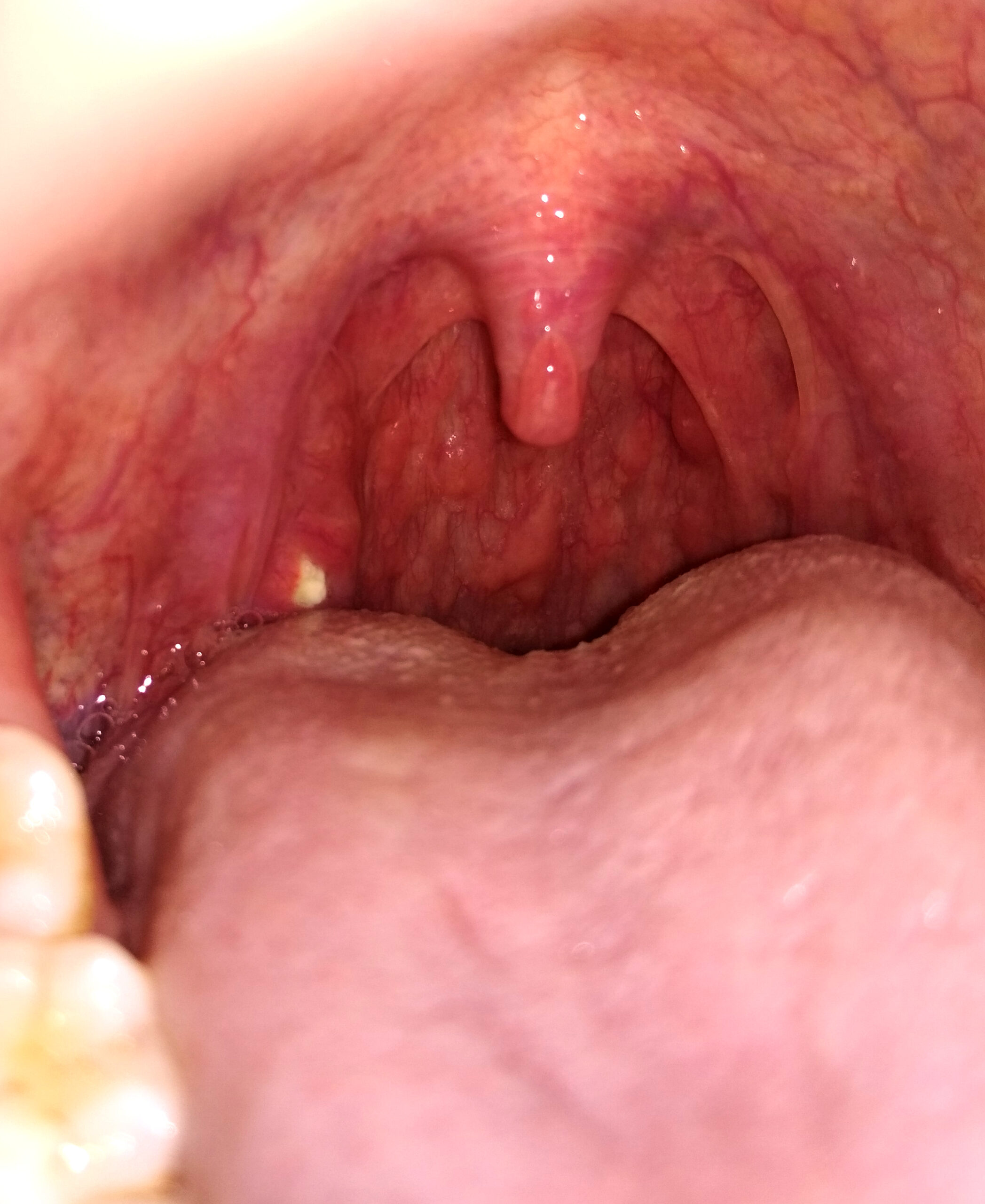
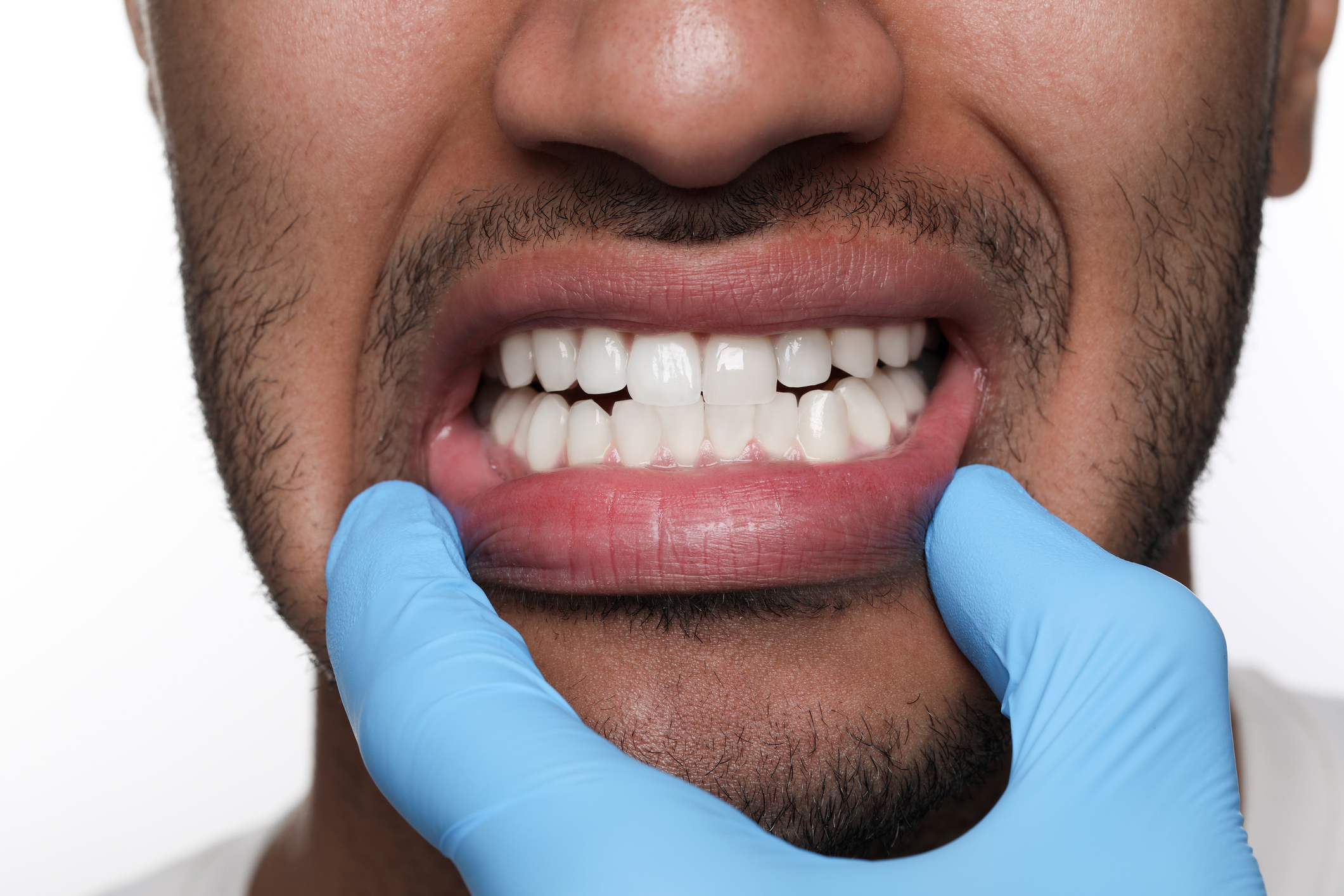
Misaligned Bite

The alignment of your teeth and how your upper and lower teeth fit together is called your bite. A malocclusion or misaligned bite occurs when your upper and lower teeth don’t fit together properly when you close your mouth.

Common causes of malocclusions include genetic or hereditary factors such as jaw size; dental issues such as impacted teeth, early or late tooth loss, or jaw or facial injury; developmental conditions such as cleft palate; childhood habits such as thumb sucking or long-term pacifier use; and poor oral health.

Healthcare providers may use these terms when describing the different types of malocclusions:

  • Open bite, where the front or side teeth do not touch when the mouth is closed
  • Overbite, where the upper front teeth excessively overlap the lower front teeth vertically.
  • Crossbite, where one or more upper teeth bite inside the lower teeth.
  • Underbite, where the lower front teeth extend past the upper front teeth.
  • Spacing, where there are excessive gaps between teeth.
  • Crowding, where there isn’t enough space for teeth to erupt properly

When left untreated, malocclusions can lead to a host of health problems, such as:

  • Gum irritation
  • Difficulty chewing
  • Lisping
  • Increased risk of cavities and gum disease
  • Jaw pain
  • Temporomandibular joint (TMJ) problems
  • Mouth breathing
  • Sleep apnea
  • Tooth loss

Malocclusions should be treated as soon as possible to avoid these problems. Your dentist can diagnose misaligned bites by conducting an examination and using X-rays, dental impressions, and dental records.   Your dentist may also refer you to an orthodontist for further evaluation and treatment.

Treatment may involve braces, clear aligners, jaw surgery, tooth extractions, prosthodontic treatments such as veneers, or orthodontic headgear.  Treatment is based on severity, the patient’s age, the type of malocclusion, and functional and cosmetic needs.

To schedule an appointment with a dentist at Flushing Hospital Medical Center, please call (718) 670-5521.


All content of this newsletter is intended for general information purposes only and is not intended or implied to be a substitute for professional medical advice, diagnosis or treatment. Please consult a medical professional before adopting any of the suggestions on this page. You must never disregard professional medical advice or delay seeking medical treatment based upon any content of this newsletter. PROMPTLY CONSULT YOUR PHYSICIAN OR CALL 911 IF YOU BELIEVE YOU HAVE A MEDICAL EMERGENCY.
National Children’s Dental Health Month

February is observed as National Children’s Dental Health Month, a month focusing on the importance of promoting good oral health habits among children and raising awareness about the significance of dental care.  

Good oral hygiene is an essential habit for a child to learn at a young age. Teaching children good oral health habits such as regularly brushing their teeth, flossing, rinsing, and attending dentist appointments can help them grow up with healthy mouths.  

These habits can help prevent them from developing cavities. Cavities are the most common chronic disease of children in the United States. According to the Centers for Disease Control and Prevention (CDC), more than half of children six to eight years old have had a cavity in at least one of their baby teeth. Additionally, more than half of adolescents aged 12 to 19 years old have had a cavity in at least one of their permanent teeth.  

If cavities go untreated, they can cause pain and infections that may lead to problems with eating, speaking, playing, and learning.  

Fortunately, cavities are preventable. According to the CDC, fluoride varnish can prevent 33% of cavities in baby teeth. Children living in communities with fluoridated tap water have fewer cavities than children whose water is not fluoridated. Additionally, children who brush daily with fluoride toothpaste will have fewer cavities.  

The CDC also notes that dental sealants can prevent cavities for many years as well. Applying dental sealants to the back teeth prevents 80% of cavities.  

There are several ways that parents and caregivers can help reduce the risk of or prevent babies and children from developing cavities, including: 

  • Babies 
  • Wipe their gums twice a day with a soft, clean cloth in the morning after their first feeding and right before they go to bed. This wipes away any bacteria or sugars that can cause cavities 
  • When teeth come in, start brushing them twice a day with a soft, small-bristle toothbrush and plain water 
  • Visit the dentist by your baby’s first birthday to spot any signs of problems early 
  • Talk to your dentist or healthcare provider about putting fluoride varnish on your child’s teeth as soon as the first tooth appears 

For children two years or younger, consult with your healthcare provider or dentist about the use of fluoride toothpaste. 

  • Children 
  • Brush their teeth twice a day with fluoride toothpaste 
  • Help your child brush their teeth until they develop good brushing skills. If your child is younger than six years old, watch them while they brush, and make sure they use a pea-sized amount of toothpaste and always spit it out instead of swallowing it 
  • Ask your child’s dentist to apply dental sealants when appropriate 
  • Drink tap water that contains fluoride 

It is important that your child regularly visits a dentist to ensure they receive the most effective treatment possible.  

If you would like to learn more about cavity prevention for your child, you can schedule an appointment at Flushing Hospital Medical Center’s Department of Dental Medicine. Please call (718) 670-5521. 


All content of this newsletter is intended for general information purposes only and is not intended or implied to be a substitute for professional medical advice, diagnosis or treatment. Please consult a medical professional before adopting any of the suggestions on this page. You must never disregard professional medical advice or delay seeking medical treatment based upon any content of this newsletter. PROMPTLY CONSULT YOUR PHYSICIAN OR CALL 911 IF YOU BELIEVE YOU HAVE A MEDICAL EMERGENCY.
The Importance of an Annual Dental Exam

It is a new year, and with it comes resolutions that we make to help improve our health and well-being. A great and important way to improve our health and well-being is to get a dental exam.

Dental exams are important because they help us maintain our oral health. Regular dental exams help detect problems early and prevent serious complications. However, not getting a dental exam can lead to serious oral health problems such as tartar buildup, cavities, and gum disease. Additionally, our oral health is connected to our overall health, as dental exams can detect signs of systemic conditions such as diabetes and heart disease.

Getting regular dental exams has many benefits, including:

· Detecting cavities early, as they are one of the most common dental issues. Cavities often develop without any noticeable symptoms in their early stages. If left untreated, cavities can grow, which may lead to pain, infection, or the need for extensive treatments such as root canals or crowns. Early treatment is less invasive, less expensive, and helps preserve the tooth’s natural structure. During a dental exam, a dentist can detect and treat any cavities by filling them

· Dental exams can identify early signs of gum disease, which include redness, swelling, and bleeding gums. Gum disease starts as gingivitis, and if left untreated, it can progress to periodontitis, which is a severe condition that affects the bone and tissues that support the teeth. Early intervention can reverse gingivitis and prevent it from leading to periodontitis

· Routine dental exams can help detect oral cancer, which can develop in the mouth, tongue, or throat. Symptoms of oral cancer can include red or white patches, sores that do not heal, or unusual lumps in the mouth. Early detection is important, as regular screenings during dental exams can catch oral cancer in its early stages when treatment is most effective

· Getting routine dental exams can help dentists detect signs of teeth grinding, which include worn enamel or flattened teeth. Teeth grinding can cause significant wear and tear on the teeth, which can lead to fractures, sensitivity, and jaw pain. Early detection allows interventions such as custom night guards that can help prevent further damage to the teeth

· Routine dental exams can help dentists assess alignment and bite issues such as crooked teeth or an improper bite, which can lead to uneven wear, jaw pain, and difficulty cleaning between teeth. After an exam, a dentist may recommend treatments such as Invisalign or braces to correct these dental issues

· Routine dental exams can help dentists detect dental issues that aren’t visible when they use an X-ray. X-rays can help dentists see what is happening beneath the surface, such as

hidden cavities between the teeth, impacted teeth that may need removal, or bone loss that is caused by gum disease

Getting regular and routine dental exams is preventive care that helps us maintain our oral health and avoid dental issues. It is important to remember that detecting dental health issues early is not only good for our oral health but also contributes to helping us maintain our overall health.

If you’re experiencing dental health problems, it is important to visit a dentist to ensure you’re receiving the most effective treatment possible. To schedule an appointment at Flushing Hospital Medical Center’s Department of Dental Medicine, please call (718) 670-5521.

All content of this newsletter is intended for general information purposes only and is not intended or implied to be a substitute for professional medical advice, diagnosis or treatment. Please consult a medical professional before adopting any of the suggestions on this page. You must never disregard professional medical advice or delay seeking medical treatment based upon any content of this newsletter. PROMPTLY CONSULT YOUR PHYSICIAN OR CALL 911 IF YOU BELIEVE YOU HAVE A MEDICAL EMERGENCY.
Should You Use Mouthwash Before or After Brushing?

Brushing and flossing are the most important measures for supporting your oral health. However, rinsing with mouthwash as an addition to these oral health care practices is a simple way to get more out of your dental hygiene routine.

There are two main types of mouthwash: therapeutic and cosmetic.

Therapeutic mouthwash usually contains active ingredients that fight off harmful bacteria, help reduce plaque, gingivitis, cavities, and bad breath. If they have fluoride, they can also help prevent tooth decay.

Cosmetic mouthwash may temporarily control or reduce bad breath and leave a pleasant taste in your mouth, but they do not help prevent cavities or gum disease.

According to the American Dental Association (ADA), mouthwash can reach areas that your toothbrush can’t, which can help reduce the risk of developing cavities and gum disease.

Additionally, the American Academy of Periodontology notes that untreated gum disease can lead to complications such as gum recession and tooth loss, but using mouthwash can help boost your prevention efforts.

Using mouthwash has many benefits, including:

  • It freshens your breath
  • It reduces plaque
  • It prevents gingivitis
  • It prevents cavities
  • It promotes overall dental health

Mouthwash can enhance your oral care routine. However, it is important to remember that it is not a substitute for regular brushing and flossing.

The ADA states that you may choose to use mouthwash before or after brushing based on personal preference. However, mouthwash manufacturers may recommend an order based on their product’s ingredients, so it is important to check the label on your product to ensure that you maximize its effects.

It is important to visit a dentist to ensure you’re receiving the most effective treatment possible. If you would like to receive a checkup, you can schedule an appointment at Flushing Hospital Medical Center’s Department of Dental Medicine by calling (718) 670-5521.


All content of this newsletter is intended for general information purposes only and is not intended or implied to be a substitute for professional medical advice, diagnosis or treatment. Please consult a medical professional before adopting any of the suggestions on this page. You must never disregard professional medical advice or delay seeking medical treatment based upon any content of this newsletter. PROMPTLY CONSULT YOUR PHYSICIAN OR CALL 911 IF YOU BELIEVE YOU HAVE A MEDICAL EMERGENCY.

Stomatitis

Stomatitis, or oral mucositis, is inflammation in the mucous membranes, or mucosa, that line the mouth or lips. The most common types are cold sores and canker sores.

Other less common types of stomatitis include:

  • Angular cheilitis
  • Thrush
  • Contact stomatitis
  • Denture stomatitis
  • Gingivostomatitis
  • Nicotine stomatitis

Stomatitis can have many causes, including:

  • Viral, bacterial, and fungal infections
  • Mouth injuries
  • Allergic reactions or mouth irritation
  • Treatments such as chemotherapy and radiation therapy
  • Certain medications
  • Systemic conditions such as Bechet’s disease and celiac disease
  • Skin conditions such as Bullous pemphigoid and lichen planus
  • Nutritional deficiencies

Signs and symptoms of stomatitis include:

  • Redness and swelling inside the mouth
  • A tiny blister, or cluster of blisters, that appears on or around the lips
  • One or more sores inside the mouth that are usually white, gray, or yellow, with a red border
  • White or gray patches on the tongue, the roof of the mouth, or inside the cheeks
  • The sensation that the tongue and the roof of the mouth are burning
  • Mild to severe pain or discomfort that may make it difficult to eat, swallow, or talk

Many factors put you more at risk of developing stomatitis, such as:

  • Not regularly cleaning your teeth
  • Having dry mouth

Stomatitis can cause various complications. The pain and swelling that stomatitis causes can be so severe that it hurts to eat or drink. This can cause someone to skip meals. However, not getting the nutrients or fluids you need can pose serious health risks such as malnutrition and dehydration.

Although infections can cause stomatitis, they can also cause another complication that can make you more vulnerable to germs, which can trigger more inflammation and tissue damage when you have an injured mucosa.

To diagnose stomatitis, a healthcare provider may look for visible signs of more recognizable types of stomatitis, such as canker sores and cold sores, just by looking at them. Reviewing your symptoms and medical history can help as well. For instance, if you are receiving cancer treatment, your doctor may conclude that your oral stomatitis is a side effect of treatment.

You may also need tests to diagnose stomatitis, such as:

  • Tests to check for viruses, bacteria, and fungi
  • Blood tests to check your overall health or for signs of systemic diseases
  • Allergy tests to check for allergens causing stomatitis
  • A biopsy to check for unusual cells that may be signs of a more serious condition

The treatment for stomatitis depends on what is causing it. The only way to cure stomatitis is to treat or manage the issue that is creating the problems. Treatments can include:

  • Over-the-counter medications for canker sores and cold sores
  • Prescription medications for infections such as antivirals, antibiotics, and antifungals.
  • Vitamins or supplements that give you the nutrients you need
  • Staying away from foods or products that trigger inflammation
  • Practicing good oral hygiene to keep your mouth free of harmful bacteria while your mouth heals

All causes of stomatitis can’t be prevented. However, you can reduce your risk of developing it by doing the following:

  • Brushing twice a day, flossing daily, and getting regular dental cleanings
  • Eating balanced meals and drinking enough water daily
  • Choosing not to smoke or use tobacco, or quitting if you do
  • Avoiding sharing foods, drinks, or lip balm, and intimate contact with someone with a cold sore

If you’re experiencing symptoms of stomatitis, it is important to visit a dentist to ensure you’re receiving the most effective treatment possible. To schedule an appointment at Flushing Hospital Medical Center’s Department of Dental Medicine, please call (718) 670-5521.

All content of this newsletter is intended for general information purposes only and is not intended or implied to be a substitute for professional medical advice, diagnosis or treatment. Please consult a medical professional before adopting any of the suggestions on this page. You must never disregard professional medical advice or delay seeking medical treatment based upon any content of this newsletter. PROMPTLY CONSULT YOUR PHYSICIAN OR CALL 911 IF YOU BELIEVE YOU HAVE A MEDICAL EMERGENCY.

Bad Breath

Bad breath or halitosis can be embarrassing and, in some cases, can cause anxiety.

Bad breath that doesn’t go away means you have an oral health issue or a condition affecting another body part.

The most common cause of bad breath is poor oral health. Without proper oral hygiene, such as brushing, flossing, and routine dental cleanings, harmful bacteria invade the mouth and multiply out of control. This leads to several oral health issues, including halitosis, cavities, and gum disease.

Poor oral hygiene isn’t the only cause of bad breath. Several other conditions can cause bad breath, including:

  • Dry mouth
  • Food
  • Head and neck cancers
  • Tobacco products
  • Gastroesophageal reflux disease (GERD)
  • Tonsil stones
  • Gum disease
  • Infections in your nose, throat, or lungs
  • Diabetes
  • Liver or kidney disease
  • Medicines
  • Sjögren’s syndrome

The main symptom of bad breath is a foul-smelling odor that comes from the mouth. The odor can be strong enough for other people to notice.

To diagnose bad breath, a dentist will smell the breath from your mouth and nose and rate the odor on a scale. The back of the tongue most often causes the smell, so they may also scrape it to rate its odor.

When treating bad breath, regularly cleaning your mouth and teeth can reduce bad breath, help avoid cavities, and lower the risk of gum disease. Further treatment for bad breath can vary. If your dentist thinks another health condition is causing your bad breath, you will likely need to see your primary care physician or a specialist.

Your dentist will work with you to help you better control bad breath caused by mouth issues. These dental measures can include:

  • Mouth rinses and toothpastes
  • Treatment of dental disease

Ways to reduce or prevent bad breath include the following:

  • Brushing your teeth after you eat
  • Flossing at least once a day
  • Brushing your tongue
  • Cleaning bridges, dentures, retainers, and mouthguards
  • Keeping your mouth moist
  • Changing your diet
  • Replacing your toothbrush
  • Scheduling regular dental checkups

If you’re experiencing bad breath, it is important to visit a dentist to ensure you’re receiving the most effective treatment possible. To schedule an appointment at Flushing Hospital Medical Center’s Department of Dental Medicine, please call (718) 670-5521.


All content of this newsletter is intended for general information purposes only and is not intended or implied to be a substitute for professional medical advice, diagnosis or treatment. Please consult a medical professional before adopting any of the suggestions on this page. You must never disregard professional medical advice or delay seeking medical treatment based upon any content of this newsletter. PROMPTLY CONSULT YOUR PHYSICIAN OR CALL 911 IF YOU BELIEVE YOU HAVE A MEDICAL EMERGENCY.

Making Your Oral Health a Priority for the New Year

As the New Year approaches, it is the time of year when resolutions to improve ourselves are made. Resolutions such as joining a gym to get into better shape, changing a diet, and quitting smoking are typical goals we hope to achieve. Another important resolution for the New Year is to focus on our oral health.

Some ways to help achieve this goal include:

  • Practice good oral hygiene – brushing and flossing daily is an easy way to improve oral health. To successfully remove plaque and the bacteria that cause plaque, it is important to brush at least twice a day and floss at least once a day to remove bacterial plaque and food that accumulated throughout the day. This can help prevent gum disease, tooth decay, and bad breath.
  • Watch what you eat and drink. Making healthier food and beverage choices, especially when it comes to snacks, is an important component in achieving your oral health goals. Frequently consuming foods and beverages containing acids and carbohydrates contributes to tooth decay.
  • Quit smoking – smoking greatly affects your oral health as it can lead to tooth staining, gum disease, tooth decay, tooth loss, and in more severe cases oral cancer. The New Year is a great time to give up smoking. Consider free online tools, smoking cessation groups, progress-tracking apps, and support from friends and family to assist you with tobacco cessation.
  • Receive regular check-ups – making routine visits to the dentist can prevent oral diseases or reveal existing oral diseases in their early stages. Visits to the dentist should take place every six months to allow your dentist to monitor the condition of your oral health and develop a treatment plan that is appropriate.

If you’re experiencing dental health problems, it is important to visit a dentist to ensure you’re receiving the most effective treatment possible. To schedule an appointment at Flushing Hospital Medical Center’s Department of Dental Medicine, please call (718) 670-5521.


All content of this newsletter is intended for general information purposes only and is not intended or implied to be a substitute for professional medical advice, diagnosis or treatment. Please consult a medical professional before adopting any of the suggestions on this page. You must never disregard professional medical advice or delay seeking medical treatment based upon any content of this newsletter. PROMPTLY CONSULT YOUR PHYSICIAN OR CALL 911 IF YOU BELIEVE YOU HAVE A MEDICAL EMERGENCY.

Smoking and Oral Health

Most people know that smoking is bad for their health. It causes many different health problems and fatal diseases. However, many people don’t realize the damage that smoking does to their mouths, gums, and teeth.

Smoking can lead to tooth staining, gum disease, tooth decay, tooth loss, and in more severe cases oral cancer. Smoking can also lead to other dental problems, including:

  • Bad breath
  • Cavities
  • Inflammation of the salivary gland openings on the roof of the mouth
  • Increased buildup of plaque and tartar on the teeth
  • Increased loss of bone within the jaw
  • Increased risk of white patches inside the mouth called leukoplakia
  • Delayed healing process following tooth extraction, periodontal treatment, or oral surgery
  • Lower success rate of dental implant procedures

If you smoke cigarettes or use other types of tobacco products, quitting is an important health decision to make for many reasons. Here are some tips to help you quit smoking:

  • Set a quit date
  • Seek support
  • Find healthy alternatives
  • Remove triggers
  • Consider nicotine replacement theory (NRT)
  • Stay positive
  • Reward yourself

Enrolling in a smoking cessation program can greatly improve your chances of quitting successfully.

For more information about smoking cessation programs or to register for our program, call: (718) 206-8494.

If you’re experiencing dental health problems, it is important to visit a dentist to ensure you’re receiving the most effective treatment possible. To schedule an appointment at Flushing Hospital Medical Center’s Department of Dental Medicine, please call (718) 670-5521.

All content of this newsletter is intended for general information purposes only and is not intended or implied to be a substitute for professional medical advice, diagnosis or treatment. Please consult a medical professional before adopting any of the suggestions on this page. You must never disregard professional medical advice or delay seeking medical treatment based upon any content of this newsletter. PROMPTLY CONSULT YOUR PHYSICIAN OR CALL 911 IF YOU BELIEVE YOU HAVE A MEDICAL EMERGENCY.

What Is Oil Pulling, And Can It Benefit Your Dental Health?

Oil pulling is an ancient home remedy that’s purported to significantly improve dental health in a variety of ways. It involves swishing about a tablespoon of oil around your mouth for 15 to 20 minutes, similarly to the way a person would use mouthwash. Most types of oil can be used for oil pulling, but extra virgin coconut oil is used most often.

Some of the commonly-claimed benefits of oil pulling have at least some scientific evidence to support them. These include:

Reducing bacteria in the mouth: Two studies (one for adults and one for children) examining the effects of oil pulling on bacteria in the mouth have found that this practice can be effective for significantly reducing Streptococcus mutans, one of the key bacteria that causes plaque buildup and tooth decay.

Improving bad breath: Some research has also demonstrated that oil pulling can be an effective treatment for bad breath. This benefit is believed to derive from the effectiveness of oil pulling when it comes to eliminating bacteria in the mouth; bad breath is often caused by chemicals and gases produced by these bacteria.

Treating gingivitis: The effectiveness of oil pulling for eliminating oral bacteria can also help with reducing inflammation of the gums (also known as gingivitis). Gingivitis often occurs as a result of the body’s immune system attacking these bacteria.

On the other hand, some of the other supposed benefits of oil pulling do not have any supporting scientific evidence. One common claim, for example, is that oil pulling can draw toxins from the blood; another is that it can whiten your teeth. At this time, no research so far has confirmed either of these claims.

If you’re experiencing dental health problems such as bad breath or gingivitis, it’s important for you to visit a dentist to ensure that you’re receiving the most effective treatment possible. To schedule an appointment at Flushing Hospital Medical Center’s Department of Dental Medicine, please call (718) 670-5521.


All content of this newsletter is intended for general information purposes only and is not intended or implied to be a substitute for professional medical advice, diagnosis or treatment. Please consult a medical professional before adopting any of the suggestions on this page. You must never disregard professional medical advice or delay seeking medical treatment based upon any content of this newsletter. PROMPTLY CONSULT YOUR PHYSICIAN OR CALL 911 IF YOU BELIEVE YOU HAVE A MEDICAL EMERGENCY.