
Fourth of July Recipe

The Fourth of July is this weekend, and many of us expect to spend time with our family, friends, and loved ones, while eating some delicious food, and watching the fireworks. If you are bringing food to your get-together and need some ideas, here is a recipe for tasty, mouthwatering teriyaki wings to enjoy while celebrating Independence Day. 

Teriyaki Chicken Wings Recipe | Tyler Florence | Food Network

All content of this newsletter is intended for general information purposes only and is not intended or implied to be a substitute for professional medical advice, diagnosis or treatment. Please consult a medical professional before adopting any of the suggestions on this page. You must never disregard professional medical advice or delay seeking medical treatment based upon any content of this newsletter. PROMPTLY CONSULT YOUR PHYSICIAN OR CALL 911 IF YOU BELIEVE YOU HAVE A MEDICAL EMERGENCY.

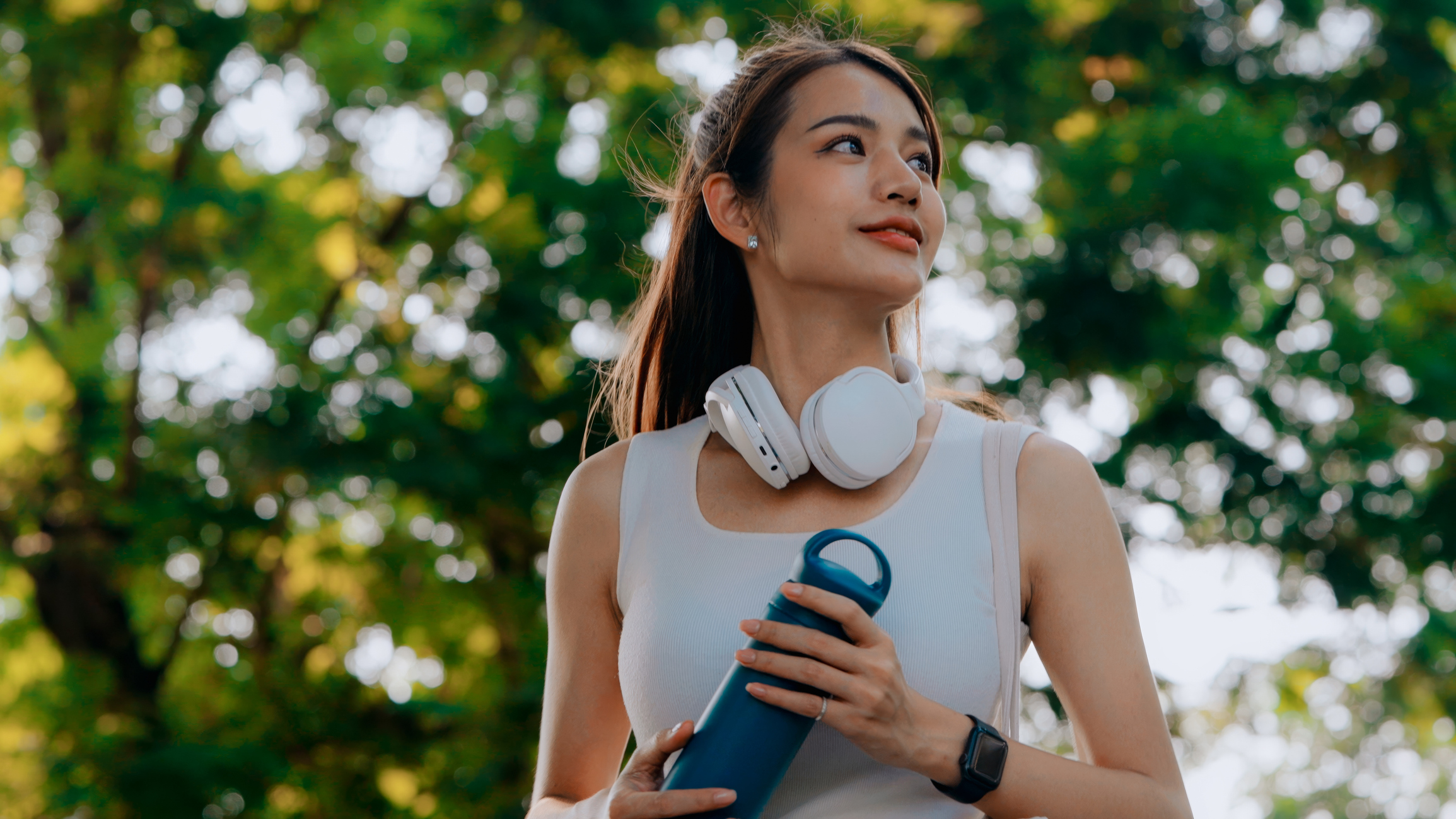
Summer Health Concerns and How to Prevent them

Summer is in full swing, so most of our time will be spent outside doing various activities. However, there are many health concerns to consider.

Here are some summer health concerns and how to prevent them:

  1. The human body is made of up to 78% of water, and when it doesn’t get enough, it can’t function properly. In high heat, dehydration can become severe and fatal. To prevent dehydration, it is important to stay hydrated. You can do this by drinking water and eating water-rich foods. Staying properly hydrated can also prevent kidney stones.
  1. Sunburns occur when ultraviolet (UV) rays from the sun cause a radiation burn on the skin. Sunburns can contribute to premature aging of the skin and skin cancer, and can also lead to dehydration, sun poisoning, and infection from severe burns. To prevent sunburn, wear sunscreen containing titanium oxide or zinc oxide every day, even on overcast days. Make sure to cover your entire body, including your ears, eyelids, lips, scalp, and, if exposed, the top of your feet.
  1. Spending time in the sun doesn’t only bring the risks of sunburn and dehydration. It also brings the risk of heat illnesses, including:
  • Heat rash- a red stinging rash that develops when sweat gets trapped in your glands.
  • Heat cramps are painful muscle cramps that occur when you sweat so much that your body loses salts and fluids.
  • Heat exhaustion occurs when the body can’t cool itself through sweating. If it’s not treated, it can quickly turn into heatstroke.
  • Heatstroke, or sunstroke, occurs when a person’s body temperature climbs to dangerous levels. It’s the most severe heat-related illness and can be fatal.

To prevent heat illnesses, limit the time you spend outdoors. Also, take any symptoms you observe in yourself and others seriously.

  1. Insects are more active during the summer, which means there’s a higher risk of encountering them. Especially for:
  • Bee stings
  • Mosquito bites
  • Tick bites
  • Ant bites

To prevent bugs from stinging or biting you, wear an insect repellent with the active ingredients DEET or picaridin. Other ways to prevent stings and bites include:

  • Avoid using scented products.
  • Drain any standing water.
  • Put on protective clothing.
  • Don’t leave any food uncovered outside.
  1. We want to spend more time near water to cool off as temperatures rise. However, it is important to follow proper safety precautions to avoid drowning risks. Here are some ways to prevent drowning risks:
  • Learn CPR
  • Use drain covers on pool drains.
  • Wear life jackets
  • Sign up for swimming lessons.
  1. Everybody loves a good summer barbecue or cookout, but sometimes the food we eat doesn’t always love us back. The smoking process that gives smoked meats their flavor also creates harmful substances called polycyclic aromatic hydrocarbons or PAHs and heterocyclic amines or HCAs. The National Cancer Institute warns that PAHs and HCAs are mutagenic, meaning they can cause changes to your DNA that put you at risk for certain types of cancer. You can prevent ingesting these harmful substances by using liquid smoke as an alternative marinade for your meats. Foodborne illness can be a concern for cookout food as well. This is the case for food left out or leftover sitting in the “temperature danger zone” of 40 to 140 degrees Fahrenheit. These temperatures allow bacteria to grow that can make you sick. You can prevent foodborne illness by cooking meats to a safe temperature and throwing any food that has sat out too long in the trash.
  1. Seasonal allergies caused by pollen is a huge problem in the summer as the weather gets warmer and trees, grass, and flowers pollinate. To prevent seasonal allergies, try taking allergy medications before the season starts so your body can build its defense.

These preventative measures can help you enjoy your summer and keep you safe.

If you or a loved one is experiencing symptoms of heat-related illness, you can receive treatment at Flushing Hospital Medical Center’s Ambulatory Care CenterTo schedule an appointment, please call (718) 670-5486. If you or someone you are with is experiencing an emergency, call 911 immediately.

All content of this newsletter is intended for general information purposes only and is not intended or implied to be a substitute for professional medical advice, diagnosis or treatment. Please consult a medical professional before adopting any of the suggestions on this page. You must never disregard professional medical advice or delay seeking medical treatment based upon any content of this newsletter. PROMPTLY CONSULT YOUR PHYSICIAN OR CALL 911 IF YOU BELIEVE YOU HAVE A MEDICAL EMERGENCY.
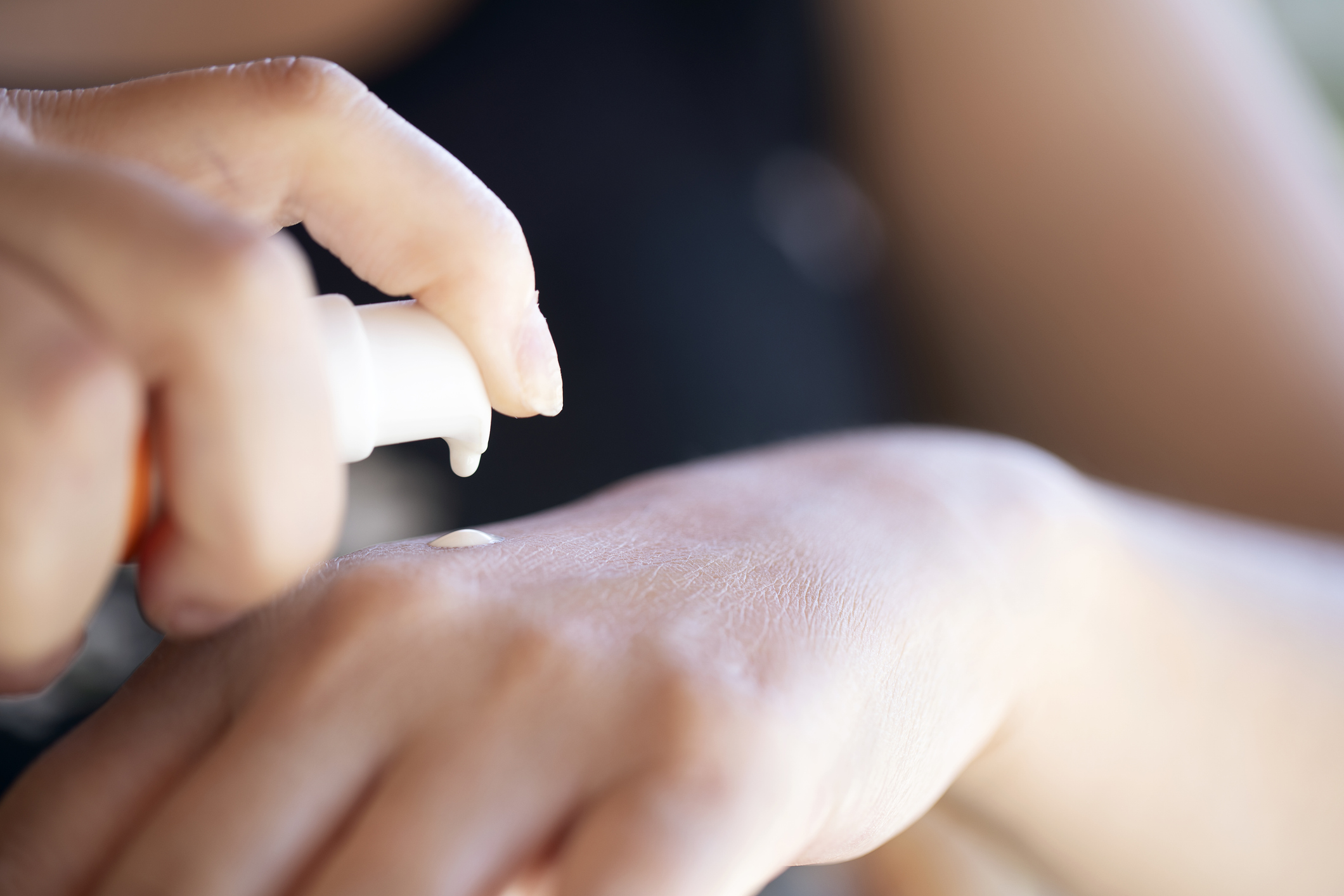
Skin Products that Increase Sensitivity to UV Rays

Summer is upon us, and with it comes days with increased ultraviolet (UV) radiation, which can put you at risk of skin damage and skin cancer, even with limited exposure.  

Using certain skin products can increase our skin’s exposure and sensitivity to harmful UV rays. When a person has heightened skin sensitivity or an unusual reaction to UV radiation from sunlight, it is called photosensitivity.  

There are two types of photosensitivity reactions: phototoxic and photoallergic.  

A phototoxic photosensitivity reaction is the most common reaction, usually occurring when a medication taken orally or topically is activated by UV light, causing skin damage that can look and feel like a sunburn or rash. It can also be triggered by certain ingredients in skin care products. The reaction can happen within minutes or after hours of exposure and is usually limited to the skin that has been exposed.  

Photoallergic photosensitivity is much less common and occurs when UV rays interact with ingredients in medicines or other products that are applied directly to the skin. The body’s immune system recognizes changes caused by sun exposure as an external threat, triggering a reaction, causing the body to generate antibodies and attacks. This reaction can leave a rash, blisters, red bumps, or even oozing lesions one to three days after application and sun exposure.  

A person can develop photosensitivity as a result of prescription or over-the-counter medications or when using certain types of skin care products.  

Certain ingredients in skin care products we use to take care of our skin, such as retinols, alpha hydroxy acids like glycolic acid, or benzoyl peroxide, remove the outermost layer of skin to fight lines or acne. Skin brighteners like vitamin C may decrease the melanin, the substance in the skin that serves as a natural defense against the sun’s rays, causing photosensitivity and increasing the risk of skin damage due to sun exposure.  

You can avoid the risk of photosensitivity when using retinol by: 

  • Only using retinol at night 
  • Avoid daily use, unless your skin has built up a tolerance to it 
  • Condition your skin to retinol by gradually increasing the strength and frequency at which you are using it 
  • Stop using it during the hot summer months when spending time outside, and seven or more days before and after a vacation at the beach 
  • Not using retinol at all if you are pregnant or breastfeeding 

As an alternative, use bio-retinol, which contains botanical ingredients and has the same benefits as retinol. 

Instead of using products that contain alpha hydroxy acids, use products containing beta hydroxy acids as they are sun-friendly alternatives. 

There are several ways to protect your skin from photosensitive sun damage due to UV radiation exposure, including: 

  • Taking care of your skin by shielding it from the sun on sunny days
  • Wearing a broad-brimmed hat and sun-protective clothing  
  • Using a broad-spectrum sunscreen with an SPF of at least 30 on all exposed skin, and not forgetting the back of the hands. Reapply sunscreen every two hours 
  • Minimizing your exposure to UV radiation, especially during the peak hours of 10 am to 4 pm 
  • Checking your skin monthly and visiting a dermatologist at least once a year for a professional skin exam 

Understanding what photosensitivity is and what causes it can help you protect your skin and limit exposure to UV radiation.  

If you or a loved one is experiencing symptoms of skin damage from photosensitivity, you can receive treatment at Flushing Hospital Medical Center’s Ambulatory Care Center. To schedule an appointment, please call (718) 670-5486. 


All content of this newsletter is intended for general information purposes only and is not intended or implied to be a substitute for professional medical advice, diagnosis or treatment. Please consult a medical professional before adopting any of the suggestions on this page. You must never disregard professional medical advice or delay seeking medical treatment based upon any content of this newsletter. PROMPTLY CONSULT YOUR PHYSICIAN OR CALL 911 IF YOU BELIEVE YOU HAVE A MEDICAL EMERGENCY.

Senior Summer Health Tips

Rising summer temperatures can be unbearable for everyone. They can be even worse for senior citizens because they can be severely affected by heat-related illnesses. Some heat-related illnesses include:

  • Heat exhaustion
  • Heatstroke
  • Heat syncope
  • Dehydration
  • Heat cramps
  • Heat edema
  • Heat rash
  • Sunburn

Older adults are at higher risk for heat-related illnesses and death. Factors that put older adults at greater risk include:

  • Health problems such as heart, lung, or kidney disease.
  • Skin changes that are caused by normal aging.
  • Any illness that causes weakness or results in a fever.
  • Drugs such as diuretics, sedatives, tranquilizers, and some heart and high blood pressure medications can make it harder for the body to cool itself off.
  • Being on several prescription drugs at the same time.
  • Being obese, overweight, or underweight.
  • Drinking alcoholic beverages.
  • Living in places without air conditioning or fans.
  • Dehydration.

Hot summer days can make it difficult for the body to regulate its temperature. Especially for older adults. Here are some tips to keep them safe and prevent heat-related illnesses:

  • Stay away from direct sun exposure as much as possible.
  • Spend as much time in air-conditioned spaces as possible.
  • Stay hydrated.
  • Wear loose and light-colored clothing and a wide-brimmed hat.
  • Take cool showers and baths.
  • Avoid exercising outdoors and other physical activity when it’s hot.
  • Wear broad-spectrum sunscreen that is SPF 15 or higher and reapply throughout the day.
  • Find out if certain medications can contribute to heat-related illnesses.

If you are experiencing any heat-related symptoms, you can schedule an appointment at Jamaica Hospital Medical Center’s Cardiology Department by calling (718) 206-7100. If you are experiencing an emergency, please dial 911 right away.


All content of this newsletter is intended for general information purposes only and is not intended or implied to be a substitute for professional medical advice, diagnosis or treatment. Please consult a medical professional before adopting any of the suggestions on this page. You must never disregard professional medical advice or delay seeking medical treatment based upon any content of this newsletter. PROMPTLY CONSULT YOUR PHYSICIAN OR CALL 911 IF YOU BELIEVE YOU HAVE A MEDICAL EMERGENCY.

Extreme Heat Safety Tips

This week, we are expected to experience a highly dangerous heatwave across New York City and the rest of the Northeast and Midwest due to the presence of a heat dome. Starting Wednesday and into the weekend, temperatures are expected to be in the low 90s and could get as high as the mid to high-90s.

A heatwave is when temperatures rise above 90 degrees for at least three days. A heat dome is when a ridge of high pressure builds over an area and doesn’t move for up to a week or more.

Extreme heat causes two heat-related illnesses in that your body can’t control its temperature: heat exhaustion and heatstroke.

Heat exhaustion symptoms include:

  • Heavy sweating
  • Nausea or vomiting
  • Muscle cramps
  • Fatigue
  • Dizziness and fainting

Here are some ways to prevent symptoms of heat exhaustion: Move to a cool place, loosen clothing, use cold compresses, and sip cool (not cold) water.

Heatstroke or Sunstroke symptoms can include:

  • A fever of 104 degrees or more
  • Severe headache
  • Behavioral changes
  • Confusion
  • Hot, red skin
  • No sweating
  • Rapid heartbeat and loss of consciousness

Here are some ways to prevent heatstroke: Quickly move yourself or the individual to a cooler place, use cold compresses, and do not give them anything to drink.

Some overall tips for staying safe in extreme heat include:

  1. Stay hydrated- Drink extra fluids and don’t wait until you’re thirsty.
  2. Wear sunscreen- Apply properly and as recommended to prevent sunburn which can make you dehydrated and affect your ability to cool down.
  3. Limit your time outside- Shorten your exercise time and rest often in shady areas. Try to exercise in the early morning or evening when it is cooler.
  4. Monitor high-risk loved ones- Pay attention to the warning signs of certain illnesses or medical conditions. Extreme heat can be dangerous for everyone, especially for those with a history of:
  • Heart disease
  • Asthma
  • High blood pressure
  • Stroke
  • Obesity
  • Diabetes

Others at risk due to extreme heat include the elderly, young children, those who work outdoors, people with disabilities, those who live alone, those without access to air conditioning, people who take certain medications, and pets.

  1. Check the car- Never leave children or pets in a parked car, even if the windows are cracked open.

Usually, we would look to a cool summer night for relief from a hot summer day. Unfortunately, night temperatures aren’t dropping as they should.

Here are some things you can do before going to bed during the heatwave:

  • Stay hydrated
  • Eat light
  • Dress lightly
  • Look for chances to cool the bedroom
  • Avoid alcohol
  • Set time aside to relax
  • Shower in lukewarm or cool water
  • Find the coolest place to sleep
  • Keep a regular sleep schedule

Extreme heat is the deadliest weather-related hazard in the United States, so it is important to understand the risks of extreme heat and to make a heat emergency plan that works for you and your family.

If you are experiencing any heat-related symptoms, you can schedule an appointment at Jamaica Hospital Medical Center’s Cardiology Department by calling (718) 206-7100.  If you are experiencing an emergency, please dial 911 right away.


All content of this newsletter is intended for general information purposes only and is not intended or implied to be a substitute for professional medical advice, diagnosis or treatment. Please consult a medical professional before adopting any of the suggestions on this page. You must never disregard professional medical advice or delay seeking medical treatment based upon any content of this newsletter. PROMPTLY CONSULT YOUR PHYSICIAN OR CALL 911 IF YOU BELIEVE YOU HAVE A MEDICAL EMERGENCY.

A Refreshing Summer Lemonade Recipe To Cool You Off

Do you need to cool off? Here’s a refreshing sparkling lemonade recipe to keep you cool this summer.

https://www.foodnetwork.com/recipes/sparkling-summer-lemonade-7252246

All content of this newsletter is intended for general information purposes only and is not intended or implied to be a substitute for professional medical advice, diagnosis or treatment. Please consult a medical professional before adopting any of the suggestions on this page. You must never disregard professional medical advice or delay seeking medical treatment based upon any content of this newsletter. PROMPTLY CONSULT YOUR PHYSICIAN OR CALL 911 IF YOU BELIEVE YOU HAVE A MEDICAL EMERGENCY.
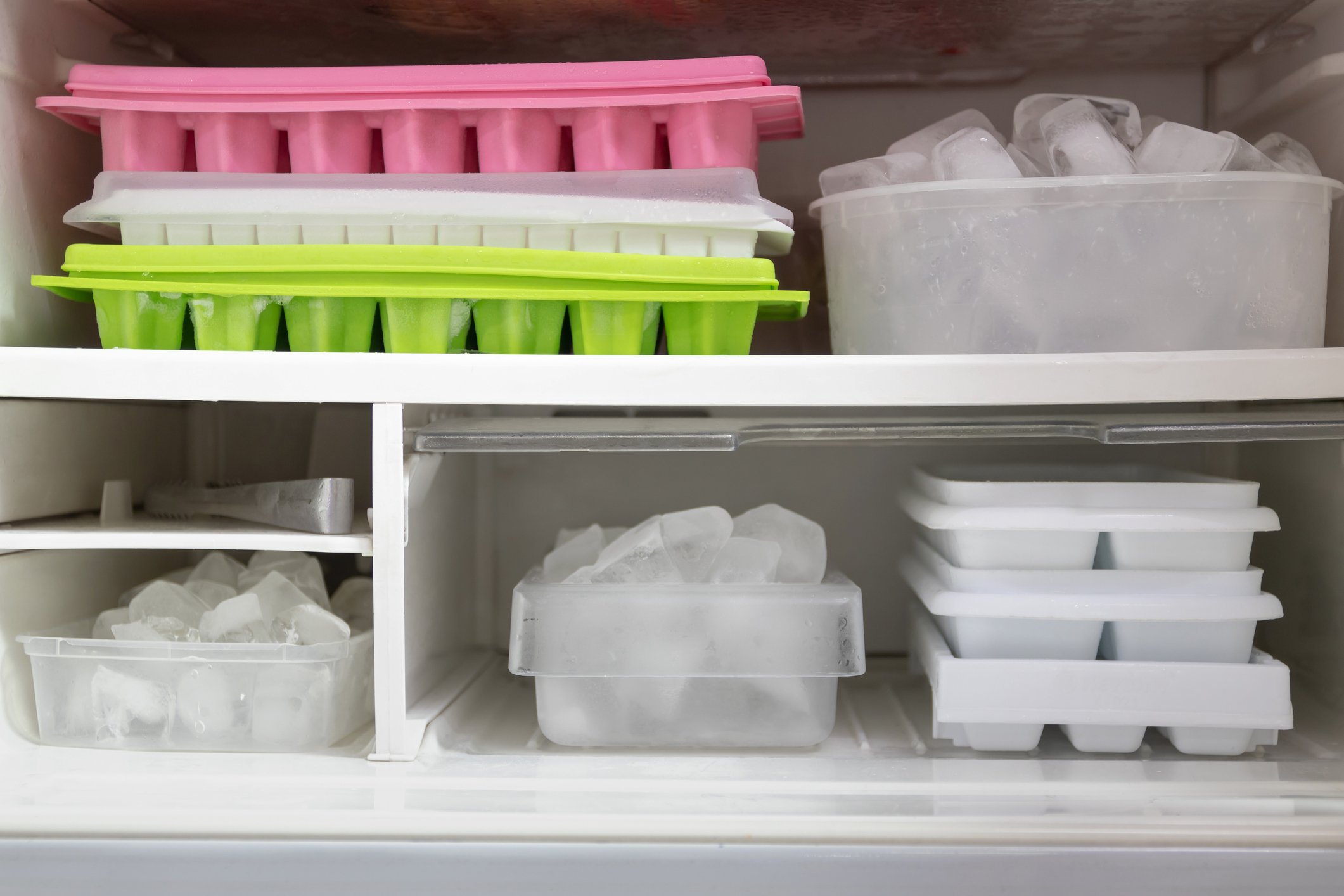
Tips To Make Sure the Ice in Your Freezer is Clean

There is nothing more refreshing on a warm summer day than an ice-filled cold beverage, but before you host your next summer gathering, make sure that the ice you serve is clean and free of harmful bacteria.

While ice is rarely considered to be the source of trouble, there are good reasons to take a second look at how ice is dispensed in your own home.  You may think most bacteria wouldn’t survive the icy conditions of a freezer. But they can. Bacteria and viruses such as listeria, E-coli and salmonella can live in freezing temperatures, meaning they may be alive in your ice cubes. With proper precautions however, you can eliminate the risk of these contaminants existing in the ice you serve.

Here are some tips:

  • Change Your Filter – Most ice makers in freezers use a secondary water filter to stop particles from contaminating the ice. To keep your ice clean, change the freezer’s water filter as frequently as the manufacturer recommends, about every six months.
  • Regular Cleaning – Don’t forget to defrost and deep clean your freezer at least once a year. As a rule of thumb, if the ice buildup in your freezer is a quarter-inch or thicker, then it’s time to defrost and clean it.
  • Use Ice Regularly – The slight melting and refreezing of cubes can allow pathogens to take hold. To avoid this, remove the ice storage bin from the freezer and dump any clumps into the sink. Since inactivity causes ice clumps to form, the easiest solution is to use the ice maker more frequently.
  • Organize Your Freezer – Make sure frozen foods are properly sealed or double-wrapped and avoid having them come into direct contact with ice in trays or bins. Also label all food with a use-by date and remove all expired foods from your freezer.
  • Don’t Use Your Hands – While all of the above tips are useful, the fact is that the most common way to spread germs is by placing unwashed hands in an ice container. Instead of using your hands, use a designated scooper or other tool to handle ice.

It is important to note that while the existence of contaminants in your ice might be disturbing to learn, the health risks associated with it is fairly minimal to the average immune system and the transmission of viruses are rare. Those more at risk are pregnant women, children, and people with a compromised immune system.

Regardless, it is always a good idea to take the proper precautions to reduce your chances of getting yourself or your guests sick.

All content of this newsletter is intended for general information purposes only and is not intended or implied to be a substitute for professional medical advice, diagnosis or treatment. Please consult a medical professional before adopting any of the suggestions on this page. You must never disregard professional medical advice or delay seeking medical treatment based upon any content of this newsletter. PROMPTLY CONSULT YOUR PHYSICIAN OR CALL 911 IF YOU BELIEVE YOU HAVE A MEDICAL EMERGENCY.

Can Exposure to the Sun Affect Your Blood Pressure?

High blood pressure (or hypertension) is a common, yet potentially very serious health condition that can lead to heart disease or stroke. To combat hypertension, doctors usually recommend that their patients follow a healthy, low salt diet and exercise regularly, but is there another simple thing that we all can do to lower our blood pressure?

Recent studies have indicated that spending more time outdoors in the sun can lower your lower pressure. What was found is that nitric oxide stored in the top layers of the skin reacts to sunlight and cause blood vessels to widen as the oxide moves into the bloodstream. That, in turn, lowers blood pressure.  The research, which was conducted by British researchers at the University of Southampton, exposed individuals with blood pressure within normal range to ultra violet light.  After exposure, those in the study saw a modest decrease in blood pressure levels. Researchers believe that the drop will be even more significant in individuals with elevated blood pressure.

Additional studies have concluded that people with higher levels of Vitamin D ( a vitamin that is commonly linked to sun exposure), experienced lower blood pressure levels and were at lower risk of developing hypertension. In fact, according to one recent study, for every 10 percent increase in vitamin D levels, there was an 8 percent decrease in the risk of developing hypertension.

Lastly, blood pressure levels tend to fluctuate seasonally, with levels typically being at their highest during the winter months. There are many potential factors for this, including  changing weather patterns and increased weight gain during the winter, but could more sun exposure be a factor in lower blood pressure during summer months?

This information does not mean that those looking to lower their blood pressure should rely on sun exposure as their only form of treatment against hypertension, nor should individuals ignore the potential dangers of prolonged, unprotected exposure to the. This research merely suggests that, if done responsibly, exposure to the sun can have a positive effect on your blood pressure levels.

If you have hypertension, speak with your physician about how increased sun exposure may benefit your condition. If you do not have a doctor, please call 718-670-5486.

All content of this newsletter is intended for general information purposes only and is not intended or implied to be a substitute for professional medical advice, diagnosis or treatment. Please consult a medical professional before adopting any of the suggestions on this page. You must never disregard professional medical advice or delay seeking medical treatment based upon any content of this newsletter. PROMPTLY CONSULT YOUR PHYSICIAN OR CALL 911 IF YOU BELIEVE YOU HAVE A MEDICAL EMERGENCY.

How to Prevent Dehydration During the Summer Heat

With the summer and warmer weather upon us causing more and more people to begin to participate in outdoor activities. Before you begin, make sure you drink plenty of water in order to avoid dehydration. Here are some tips to help you stay hydrated:


  • The rule that you need to drink eight glasses of water per day is a myth. The Institute of Medicine recommends women should receive 2.2 liters of fluid intake per day and men should get three liters. Keep in mind that fluid intake can come from beverages other than water.
  • While thirst is your body’s way of preventing dehydration, being thirsty doesn’t mean that you are dehydrated. Thirst is our brain’s way of telling us to drink more to avoid dehydration.
  • The color of your urine is a good, real-time indicator of dehydration, but the misconception is that urine should be clear. In truth, urine should be a pale-yellow color.
  • Caffeinated beverages, such as coffee or tea will not dehydrate you if consumed in moderate amounts. Caffeine is considered a mild diuretic, the amount of water in it offsets the amount of fluid it will cause you to lose through increased urination.
  • Drinking isn’t the only way of increasing your water intake. It is estimated that we get up to 20% of our daily water intake from the foods we eat. Fruits and vegetables contain the most, with cucumbers, celery, and watermelon having the highest concentration of water.
  • There is also such a thing as drinking too much water and becoming overhydrated. This can be very dangerous and can lead to a condition called hyponatremia. Symptoms include nausea, vomiting, headache, and fatigue. To avoid this problem, do not drink to the point that you are full from water alone.

All content of this newsletter is intended for general information purposes only and is not intended or implied to be a substitute for professional medical advice, diagnosis or treatment. Please consult a medical professional before adopting any of the suggestions on this page. You must never disregard professional medical advice or delay seeking medical treatment based upon any content of this newsletter. PROMPTLY CONSULT YOUR PHYSICIAN OR CALL 911 IF YOU BELIEVE YOU HAVE A MEDICAL EMERGENCY.

Flushing Hospital Offers Tips to Avoid Mosquito Bites This Summer

The summer is here and that means longer days and evenings spent outdoors. It also means an increased risk of getting bitten by mosquitos.

Mosquito bites occur when a female mosquito feeds on your blood. Mosquitoes select their victims by evaluating scent, exhaled carbon dioxide and the chemicals in a person’s sweat. When bitten, the proteins in the mosquito’s saliva trigger a mild immune system reaction. That reaction appears as a white, itchy bump on our skin.

The bump usually clears up on its own in a few days, but occasionally a mosquito bite can cause a large area of swelling, soreness and redness. This type of reaction is most common in children or adults not previously exposed to the type of mosquito that bit them, and people with immune system disorders. In these people, mosquito bites can also trigger a low-grade fever, hives, or swollen lymph nodes.

If mosquito bites lead to more serious symptoms — such as fever, headache, body aches and signs of infection — contact your doctor.

Mosquitos are also carriers of many diseases, including West Nile virus, malaria, yellow fever and dengue fever. While most of the diseases carried by mosquitos are found in other parts of the world, West Nile virus is now transmissible in the United States. In fact, doctors from Flushing Hospital were the first to identify the initial outbreak in 1999 and worked with health authorities to limit the exposure to the community.

Now Flushing Hospital wants to offer our community the following tips on how they can protect themselves from mosquito bites:

  • Wear protective clothing such as long pants and long sleeved shirts, particularly between dusk and dawn when mosquitos are most active
  • Avoid shaded, bushy areas where mosquitos like to rest
  • Remove any places where standing water can collect on your property, such as tires, cans, plastic containers fire pits, or pots
  • Make sure your roof gutters drain properly. Clean clogged gutters in the spring and the fall
  • Clean and chlorinate your swimming pools, outdoor saunas or hot tubs and drain water from pool covers
  • Change the water in your bird baths at least every three to four days
  • If you have severe reactions to mosquito bites, consider taking a non-drowsy, nonprescription antihistamine when you know you’ll be exposed to mosquitoes
  • Apply insect repellents that contain DEET as they are considered most effective

When applying insect repellent, it is important to follow a few safety measures including making sure you spray it on outdoors and away from food. If you’re using sunscreen, put it on about 20 minutes before applying the repellent and don’t apply repellent over sunburns, cuts, wounds or rashes.  When you go indoors, wash with soap and water to remove any remaining repellent.

Insect repellent with DEET is generally safe for children and adults, with a few exceptions. It is important to read the label carefully as infants and those with immunity complications should not use it. If you have any questions, you should consult your doctor.

By taking these precautions, Flushing Hospital hopes to help you limit your chances of becoming bit by a mosquito this summer.

All content of this newsletter is intended for general information purposes only and is not intended or implied to be a substitute for professional medical advice, diagnosis or treatment. Please consult a medical professional before adopting any of the suggestions on this page. You must never disregard professional medical advice or delay seeking medical treatment based upon any content of this newsletter. PROMPTLY CONSULT YOUR PHYSICIAN OR CALL 911 IF YOU BELIEVE YOU HAVE A MEDICAL EMERGENCY.