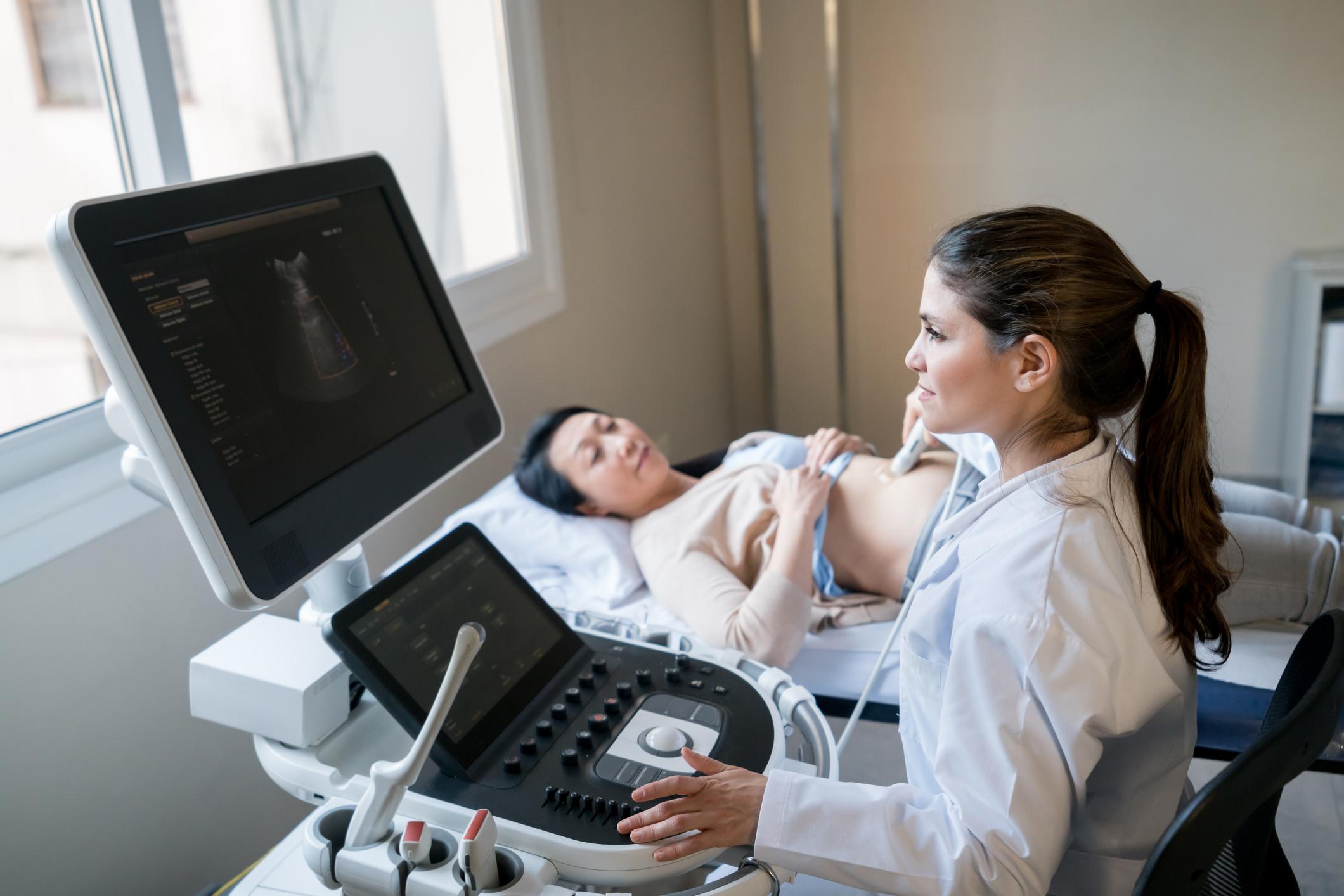
What to Expect During a CT Scan

A computerized tomography scan, or CT scan, is a type of imaging procedure that uses X-ray and computer technology to create cross-sectional images, also called slices, of the bones, blood vessels, and soft tissues inside the body. CT scan images show more detail than plain X-rays do.

CT scans help healthcare providers detect diseases and injuries and plan medical, surgical, or radiation treatment.

A healthcare professional may suggest a CT scan for many reasons. A CT scan can help:

  • Diagnose muscle and bone conditions, such as bone tumors and fractures
  • Show where a tumor, infection, or blood clot is
  • Guide procedures such as surgery, biopsy, and radiation therapy
  • Find and watch the progress of diseases and conditions such as cancer, heart disease, lung nodules, and liver masses.
  • Watch how well certain treatments, such as cancer treatment, work
  • Find injuries and bleeding inside the body that can happen after trauma

Your healthcare provider will tell you everything you need to know about CT scan preparation. Some general guidelines include:

  • Plan to arrive early. Your provider will tell you when to come to your appointment
  • Don’t eat for four hours before your CT scan
  • Drink only clear liquids in the two hours leading up to your appointment
  • Wear comfortable clothes and remove any metal jewelry or clothing. Your provider may give you a hospital gown to wear

During the test, you will lie on your back on a table. If your test requires it, a healthcare provider may inject contrast dye intravenously. This dye can make you feel flushed or give you a metallic taste in your mouth. When the scan begins:

  • The bed will slowly move in the doughnut-shaped scanner. At this point, you will need to stay as still as possible because movement can blur the images
  • You may also be asked to hold your breath for a short period, usually fewer than 15 to 20 seconds
  • The scanner takes pictures of the area your healthcare provider needs to see. Unlike an MRI scan, a CT scan is silent
  • When the exam is over, the table moves back out of the scanner

You can have a CT scan in a hospital or an outpatient facility. CT scans usually take about an hour. However, with newer machines, scans can take only a few minutes. The whole process can take about 30 minutes.

After the exam, you can return to your normal routine. If you were given contrast dye, you may be asked to wait a short time before leaving to ensure that you feel okay after the exam. You might be told to drink lots of fluids to help your kidneys remove the dye from your body.

CT images are stored as electronic data files. They’re most often reviewed on a computer screen. A radiologist looks at the images and creates a report that is kept in your medical records. It usually takes about 24 to 48 hours to get the results of your CT scan. Your healthcare professional talks with you about the results.

To schedule an appointment with the Flushing Hospital Medical Center’s Radiology Department, call 718- 670-5458. To schedule an appointment for a CT scan or for more information about CT scans, please call 718-670-8851.


All content of this newsletter is intended for general information purposes only and is not intended or implied to be a substitute for professional medical advice, diagnosis or treatment. Please consult a medical professional before adopting any of the suggestions on this page. You must never disregard professional medical advice or delay seeking medical treatment based upon any content of this newsletter. PROMPTLY CONSULT YOUR PHYSICIAN OR CALL 911 IF YOU BELIEVE YOU HAVE A MEDICAL EMERGENCY.
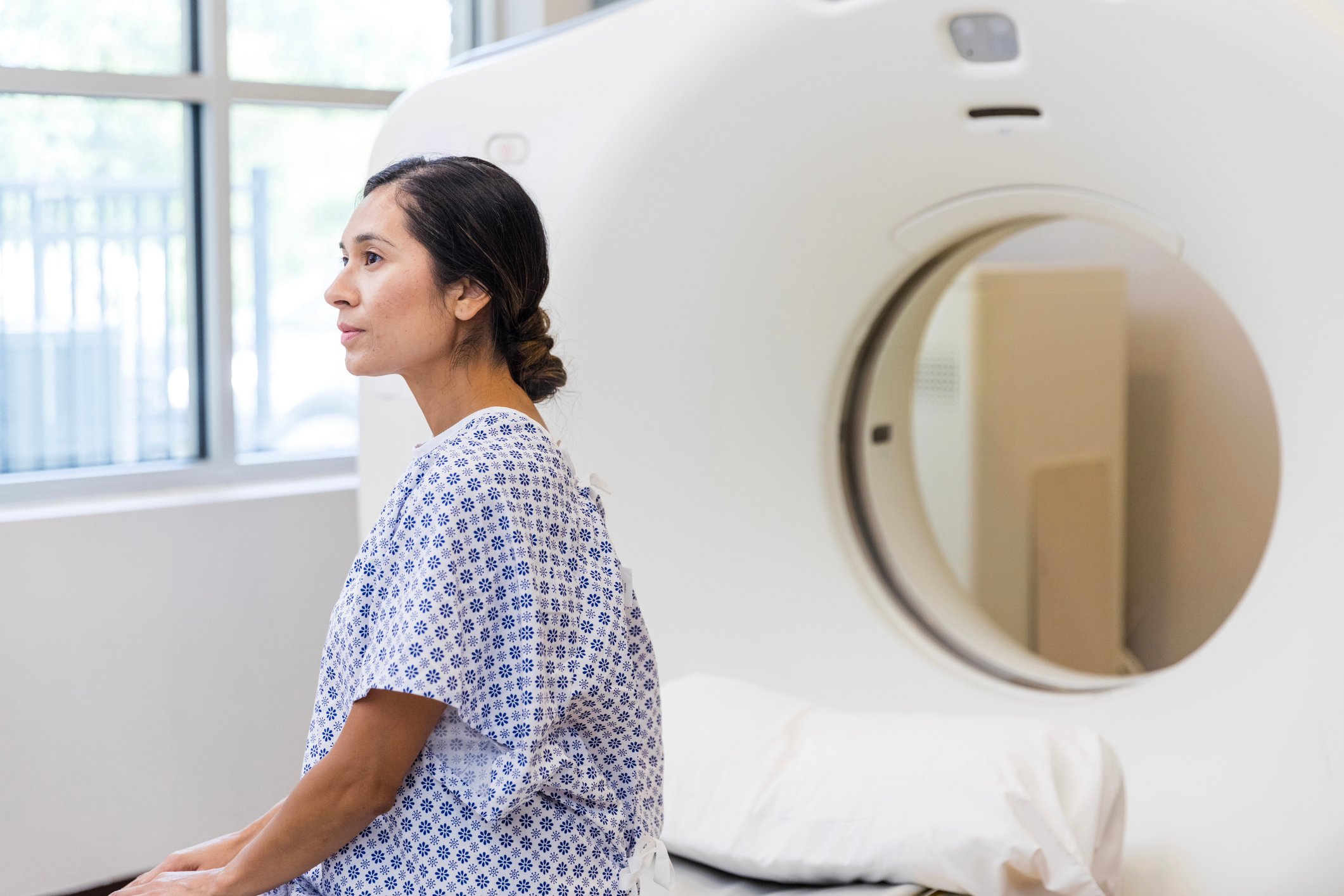
What To Expect and How To Prepare for Your Mammogram

mammogram-516258564Your doctor may have recommended scheduling a mammogram as part of your annual exam or to further examine symptoms you may be experiencing that are relative to cancer. Whatever the reason may be for testing, mammograms can be stressful for some women.

Although the anxiety leading up to the day of your mammogram may be overwhelming, it is important not to put off testing.  A mammogram is very effective in the early detection of breast cancer.

Knowing what to expect can alleviate some of the anxiety and stress that may occur before and during the process.  Here are a few tips to help guide you through the process and make your experience more comfortable:

  1. Preparing for your mammogram. Scheduling your mammogram a week after menstruation is often recommended by physicians because your breasts will be less tender and swollen. It is also recommended that you do not wear deodorants, antiperspirants, lotions, powders or ointments on your chest area because they may show up as abnormalities in your X-rays. Come prepared to remove all garments and jewelry on your upper body. If you have any concerns or symptoms you would like to discuss do not hesitate to do so before the examination. Most importantly, make certain that the facility is accredited by the American College of Radiology and specializes in breast imaging.
  2. The duration of your mammogram. A mammogram typically takes 20 -30 minutes to complete. Times may vary if you have larger breasts, denser breasts or implants. During this time a mammogram technologist will position your breasts on the X-ray machine and compress them each for a few seconds. You may experience some discomfort or pain. Technologists are trained to ensure your privacy and to do their best to make you as comfortable as possible. If the degree of pain is too much, please inform the technologist.
  3. After the test. After images are taken of your breast, their quality will be checked by a technician. If they are not up to standard the technologist will have to re-issue the mammogram. Otherwise, your radiologist will review and interpret the images. The radiologist will look for evidence of cancerous or benign tissues and send a report to your doctor.

If suspicious findings or abnormalities are found in your mammogram, the radiologist or your doctor may recommend another mammogram or breast ultrasound to further investigate their findings.

Flushing Hospital’s Radiology Department offers a wide variety of state-of-the-art diagnostic and specialty services performed by over 16 board-certified and subspecialty trained radiologists, along with several highly trained and experienced technologists

For more information about the radiology services offered by the hospital or to schedule an appointment, please call the Department of Radiology at 718- 670-5458.

All content of this newsletter is intended for general information purposes only and is not intended or implied to be a substitute for professional medical advice, diagnosis or treatment. Please consult a medical professional before adopting any of the suggestions on this page. You must never disregard professional medical advice or delay seeking medical treatment based upon any content of this newsletter. PROMPTLY CONSULT YOUR PHYSICIAN OR CALL 911 IF YOU BELIEVE YOU HAVE A MEDICAL EMERGENCY.