Scleroderma

Scleroderma is a rare chronic condition that causes the body to produce tissue that is thicker than it should be. It usually affects the skin, but it can also cause symptoms in other parts of the body.  

If a person has scleroderma, their immune system triggers the body’s cells to produce too much collagen. Collagen helps the body have strong, healthy connective tissue to support the organs and hold parts of the body in place. However, when the body produces too much collagen, the skin and other tissue can become thicker and more fibrous than they should be. 

Some people who have early scleroderma don’t have any symptoms. Some of the most common symptoms include:  

  • Joint pain 
  • Stiffness, especially first thing in the morning 
  • Fatigue 
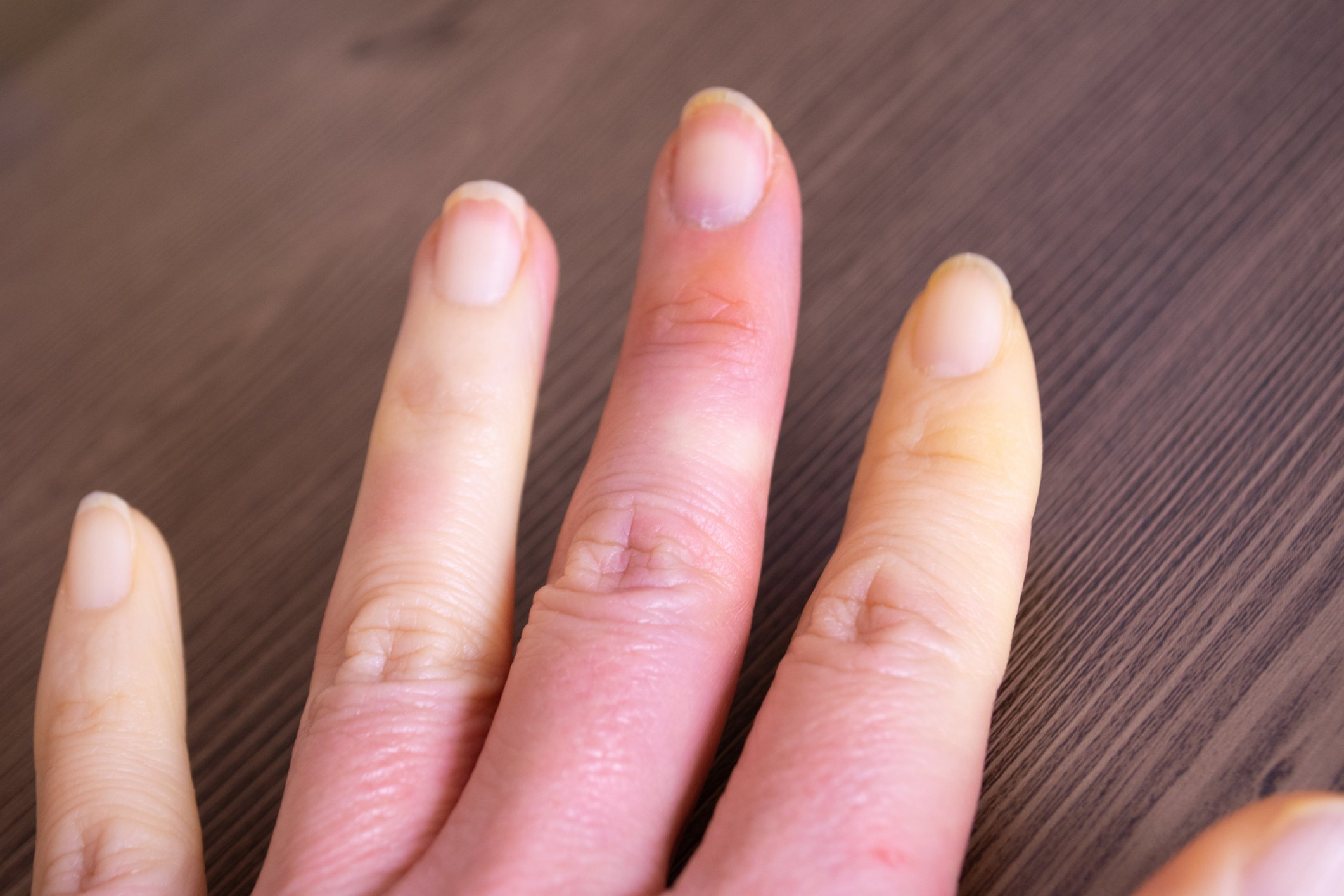
  • Patches or streaks of thickened, waxy skin 
  • Raynaud’s syndrome 
  • Unexplained weight loss 
  • Heartburn or acid reflux 

There are two main types of scleroderma: localized and systemic sclerosis. 

Localized scleroderma only affects one part of the body, usually the skin, and causes thick patches or streaks on the skin that feel waxy. This type of scleroderma is most common on the chest, arms, legs, stomach, hands, and feet. Localized scleroderma may get better on its own, and it doesn’t usually spread to other parts of the body. 

Systemic sclerosis can affect other organs as well as the skin, including the lungs, heart, stomach, and small bowels. It can affect a person’s ability to breathe or process nutrition. Systemic sclerosis has three subtypes: 

  • Diffuse sclerosis 
  • Limited sclerosis, also known as CREST syndrome 
  • Sine sclerosis 

Systemic sclerosis can cause symptoms that may seem unrelated to each other, such as: 

  • Coughing or shortness of breath 
  • Trouble swallowing 
  • Muscle numbness or tingling 
  • Heartburn, bloating, constipation, diarrhea, or trouble controlling your bowels 
  • Abnormal heartbeats, including heart blocks 
  • Dry eyes and mouth 
  • Itching  
  • Erectile dysfunction or vaginal dryness 

Experts aren’t sure of what causes scleroderma, but they know it is an autoimmune disease. Scleroderma can be hereditary, as biological parents can pass it on to their children. However, it is rare enough that there isn’t any definitive proof that it is a genetic disorder.  

Anyone can develop scleroderma, but you may be at a higher risk if you are: 

  • Female 
  • Black  
  • Between the ages of 30 and 50 years old 

Black people are more likely to have scleroderma, and it is more common to develop it earlier in life and experience more severe skin and lung symptoms. 

A person with scleroderma is more likely to have Raynaud’s syndrome and Sjögren’s syndrome. Some types of scleroderma can cause severe complications, including: 

  • A weakened immune system 
  • Cardiovascular disease 
  • Congestive heart failure 
  • Kidney failure 
  • Pulmonary fibrosis 
  • Pulmonary hypertension 
  • Needing a finger or toe amputated 
  • Cancer 
  • Gastrointestinal diseases 

Diagnosing scleroderma is usually part of a differential diagnosis, which means a healthcare provider will have to use a few tests to rule out other conditions that can cause similar symptoms before giving you a scleroderma diagnosis. A healthcare provider will perform a physical exam and tests, including: 

  • Blood tests to see how well your immune system is functioning 
  • A biopsy to remove a sample of your affected skin or other tissue for lab testing 
  • Pulmonary function tests to show if your lungs or respiratory system are affected 
  • Endoscopy if you are experiencing any gastrointestinal symptoms 

A healthcare provider may also recommend imaging tests, such as: 

  • CT scan 
  • Chest X-ray 
  • Echocardiogram 
  • Electrocardiogram (EKG/ECG) 

Unfortunately, there isn’t a cure for scleroderma. A healthcare provider will help you find treatments that manage the symptoms and lessen how much they impact your daily life. The treatments you receive depend on where you’re experiencing symptoms and their severity. Some treatment options include: 

  • Immunosuppressants 
  • Medicines to manage specific symptoms 
  • Skin treatments 
  • Physical therapy 
  • Phototherapy or light therapy 
  • Stem cell transplants 

If you or a loved one is experiencing symptoms of scleroderma, you can receive treatment at Flushing Hospital Medical Center’s Ambulatory Care Center. To schedule an appointment, please call (718) 670-5486. 


All content of this newsletter is intended for general information purposes only and is not intended or implied to be a substitute for professional medical advice, diagnosis or treatment. Please consult a medical professional before adopting any of the suggestions on this page. You must never disregard professional medical advice or delay seeking medical treatment based upon any content of this newsletter. PROMPTLY CONSULT YOUR PHYSICIAN OR CALL 911 IF YOU BELIEVE YOU HAVE A MEDICAL EMERGENCY.


BBQ Food Safety Tips

Summer is a time when we have and/or attend several barbecues or cookouts. However, whether you are hosting or attending, eating outdoors in warm weather can present food safety challenges. 

Bacteria in food multiply faster at temperatures between 40°F and 140°F, so the summer heat can create problems. Here are some tips to follow to help keep you and others safe from foodborne illnesses: 

  • Washing your hands is very important. Wash your hands if you are preparing food, serving food, or after using the bathroom. Wash your hands and forearms with soap and warm water for at least 20 seconds. If you are in an outdoor setting without access to a bathroom, use a bottle of water, some soap, and paper towels, or use hand sanitizer.  
  • Keep raw food separate from cooked food to avoid cross-contamination.  
  • Don’t use any plates or utensils that have potentially touched or have been contaminated by raw meat, poultry, or seafood. It is recommended to wash utensils that have touched raw meats if they must also be used to handle cooked meats 
  • Marinate food in the refrigerator, instead of out on the counter. If you want to use some of the marinade as a sauce on your food after it is cooked, keep a separate portion of it to use later. Do not reuse the marinade that contained raw meat 
  • Cook food thoroughly to kill any harmful germs and bacteria that may be present. E. coli and Salmonella can still be present in undercooked meats such as hamburger and chicken, and can cause severe illness, even death. Each food should be at a certain temperature for it to be fully cooked: 
    • Chicken 165o F 
    • Hamburgers 160o F 
    • Pork 150o F 
    • Hot dogs 140o F 
    • Leftovers 165o F 
    • Eggs 145o F 

Use a food thermometer to check the temperature of the food. Insert the thermometer into the center of the meat, which is the least cooked part. To check the temperature of hot dogs, go from the end of the hot dog to the center. Be careful not to pass through the meat and touch the cooking surface because you will get a false high temperature reading. 

  • Refrigerate or freeze food immediately, as you shouldn’t leave food out of the refrigerator, cooler, or off the grill for more than two hours. Never leave food out for more than one hour when the outside temperature is above 90°F 
  • Keep hot food hot and cold food cold. Hot food should be kept at or above 140°F, wrapped well, and placed in an insulated container. Cold food should be held at or below 40°F. Foods such as chicken salads and desserts that are in individual serving dishes should be placed directly on ice or in a shallow container set in a deep pan filled with ice. Drain off any water that pools as the ice melts, and replace the ice frequently 
  • Wipe surfaces often, especially after using them for food preparation, as germs from undercooked meat can grow on vegetables cut or washed on the same surface as meat. Mix and use a sanitizing solution of one capful of chlorine bleach per gallon of water for cleaning work area surfaces. If possible, use separate cutting boards or surfaces for foods that will not be cooked, such as salad 
  • Keep flies away by covering trash containers, and not storing meat wrappers and other trash in open cardboard boxes or uncovered containers, even for a short period of time 
  • Don’t use fly spray or “No-Pest” chemical strips, as they can contaminate your food 
  • Don’t keep food containers out in the open. Instead, place them in a shaded area 
  • Keep plates, cups, utensils, and food covered until they are ready to be used 
  • Handle plates, cups, and utensils where they won’t come in contact with any food 
  • Don’t prepare and serve food if you have been sick with vomiting or diarrhea within the past 24 hours 
  • Don’t wear loose finger or wrist jewelry or fake nails while working with food 
  • Keep plenty of paper towels handy for cleaning your hands and surfaces 

If you or a loved one is experiencing symptoms of a foodborne illness, you can receive treatment at Flushing Hospital Medical Center’s Ambulatory Care Center. To schedule an appointment, please call (718) 670-5486. 


All content of this newsletter is intended for general information purposes only and is not intended or implied to be a substitute for professional medical advice, diagnosis or treatment. Please consult a medical professional before adopting any of the suggestions on this page. You must never disregard professional medical advice or delay seeking medical treatment based upon any content of this newsletter. PROMPTLY CONSULT YOUR PHYSICIAN OR CALL 911 IF YOU BELIEVE YOU HAVE A MEDICAL EMERGENCY.

Tonsil Stones

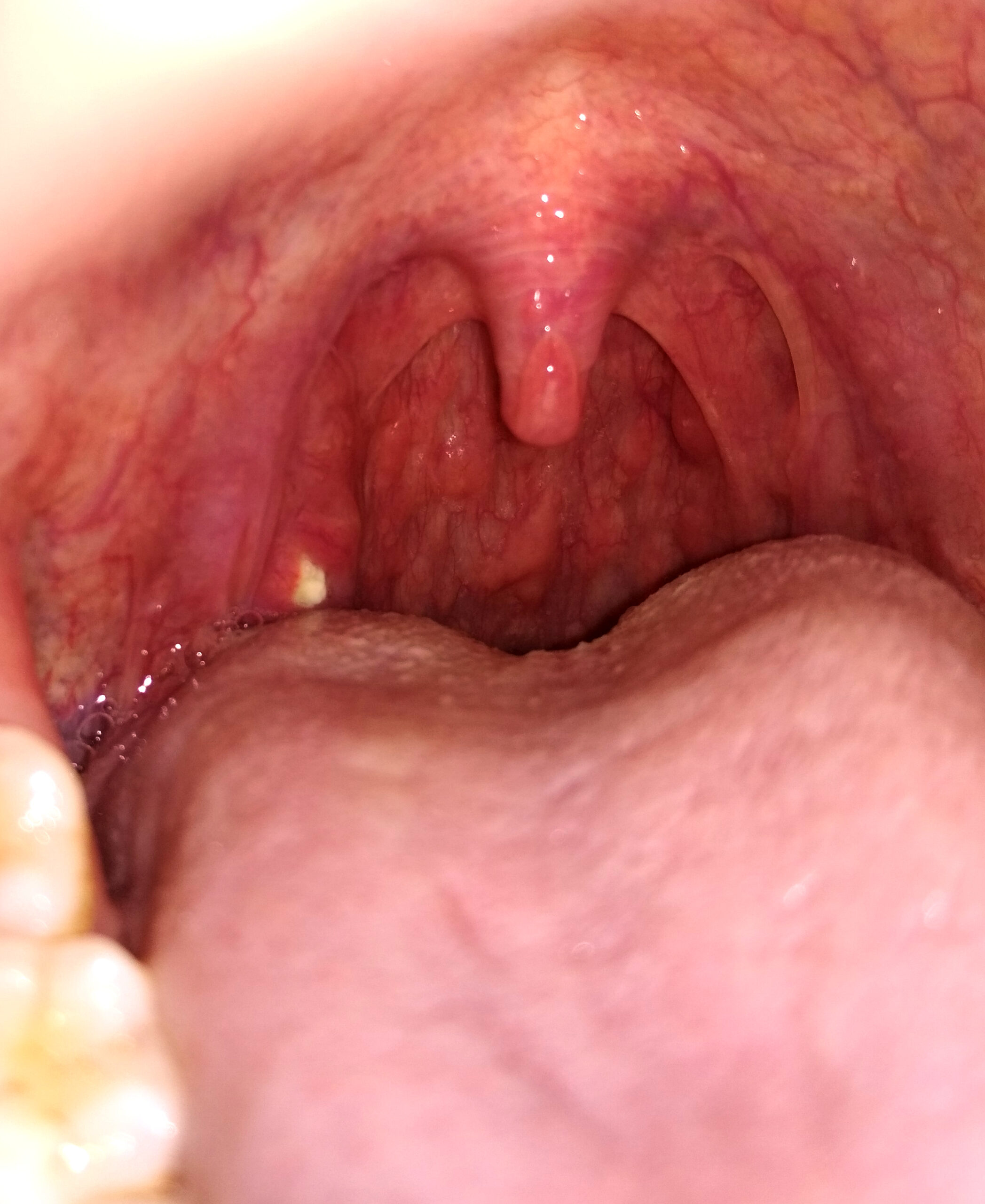
Tonsil stones are small, pebble-like lumps of calcified minerals, food debris, and germs, such as bacteria and fungi, that form in the tonsils.  

The most common symptom of tonsil stones is bad breath. Other symptoms can include: 

  • Sore throat 
  • Cough 
  • Difficulty swallowing 
  • Earache 
  • Bad taste in your mouth 
  • The feeling of something stuck in your throat 

Tonsil stones form when debris gets trapped in the tonsillar crypts, or the folds in the tonsils, and calcifies. You are more likely to develop enlarged tonsillar crypts if you have chronic tonsillitis. 

Anyone can get tonsil stones, but a person is more likely to develop them if they have dehydration or are a teenager. 

Tonsil stones are generally harmless. However, large or chronic tonsil stones can cause swelling and make it difficult to swallow, as well as trigger other types of infections.  

A healthcare provider can diagnose tonsil stones by: 

  • Performing a physical exam and looking inside your mouth and throat 
  • Taking an imaging scan if they can’t see the tonsil stones easily 
  • Dislodging them with a dental pick 

In many cases, tonsil stones can be removed at home by: 

  • Gargling with warm saltwater 
  • Using a water flosser to flush them out 
  • Using a cotton swab to push them out gently 
  • Coughing vigorously to dislodge them 

If they can’t be removed at home, a healthcare provider can remove them during a visit to their office. If you get tonsil stones frequently or if they cause uncomfortable symptoms, your healthcare provider may recommend other treatments, such as: 

  • Medications, such as over-the-counter (OTC) pain relievers or antibiotics 
  • A tonsillectomy to remove your tonsils 

Tonsil stones can’t always be prevented. However, there are steps you can take to reduce your risk of developing them, such as: 

  • Brushing and flossing regularly, as well as brushing your tongue 
  • Staying hydrated 
  • Gargling with warm salt water after eating 
  • Quitting smoking  

If you are experiencing symptoms of tonsil stones, you can schedule an appointment at Flushing Hospital Medical Center’s Department of Dental Medicine. Please call (718) 670-5521. 


All content of this newsletter is intended for general information purposes only and is not intended or implied to be a substitute for professional medical advice, diagnosis or treatment. Please consult a medical professional before adopting any of the suggestions on this page. You must never disregard professional medical advice or delay seeking medical treatment based upon any content of this newsletter. PROMPTLY CONSULT YOUR PHYSICIAN OR CALL 911 IF YOU BELIEVE YOU HAVE A MEDICAL EMERGENCY.

Robot-Assisted Prostatectomy

A prostatectomy is a surgical procedure that is performed to remove all or part of the prostate gland. It is used to treat prostate cancer and other prostate conditions.  

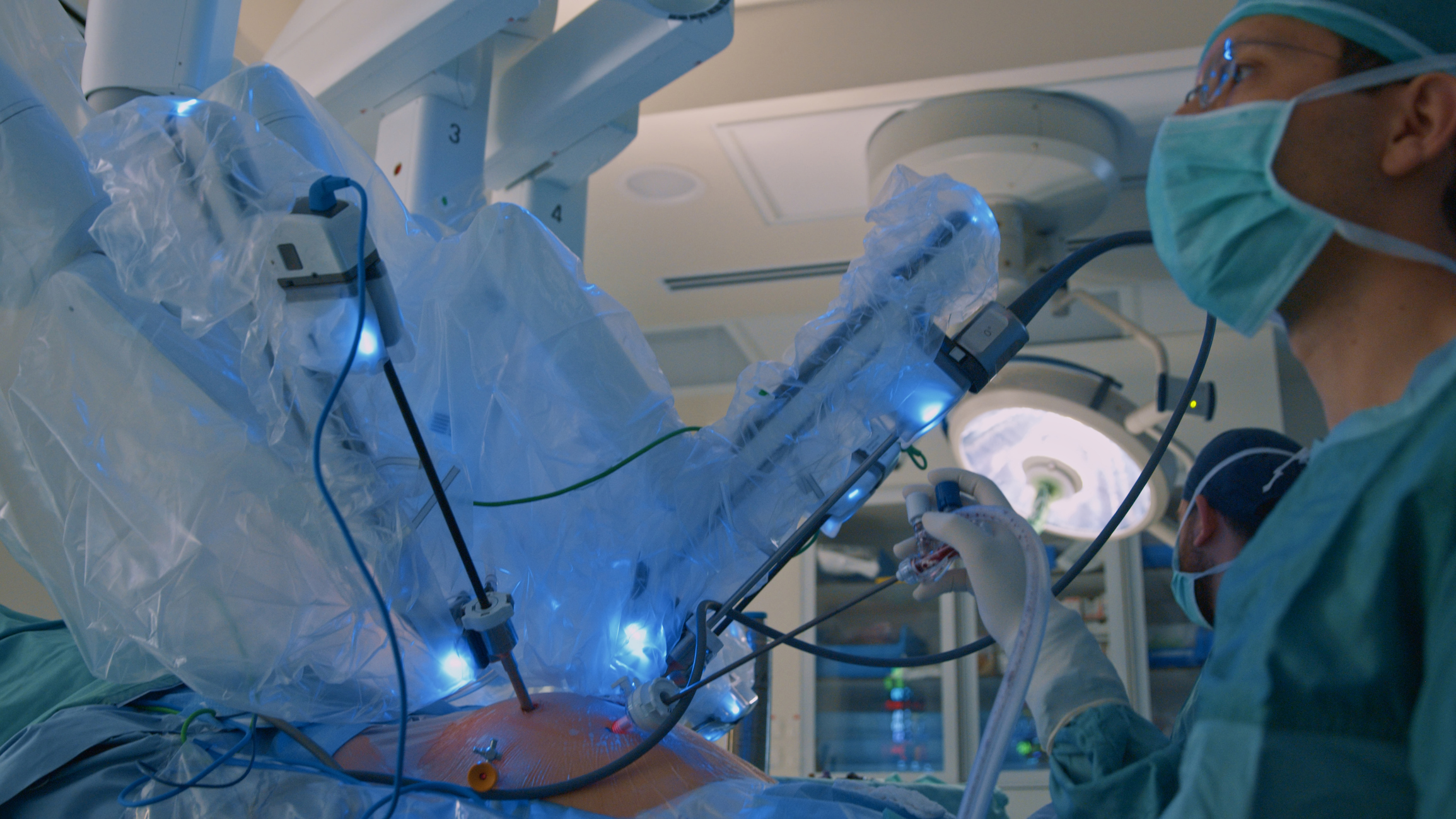
A robotic prostatectomy is a type of prostatectomy performed by a surgeon using surgical tools attached to robotic arms that assist in removing the prostate gland during the procedure.  

A robotic prostatectomy differs from a traditional open prostatectomy, which requires a large eight-to-ten-inch incision. Instead, a minimally invasive approach called laparoscopy allows the surgeon to operate with precise movements and allows the surgeon to operate by way of a one-to-two-inch incision and five much smaller incisions in the lower stomach.  

Although it is less invasive than open surgery, robotic prostatectomy is considered a major surgery.  

A robotic prostatectomy can be performed by using different approaches, depending on the condition that needs treatment, including: 

  • Robot-assisted radical laparoscopic prostatectomy (RALP) is used to treat prostate cancer by removing the entire prostate gland, surrounding tissues, and sometimes nearby lymph nodes 
  • Nerve-sparing prostatectomy is a surgical approach that takes the prostate gland while not trying to injure the nerves that play a role in erections. However, this may not be possible if there is cancer very close to the nerves. A non-nerve-sparing prostatectomy may be needed 
  • Simple robotic prostatectomy or partial prostatectomy only removes the inner part of the prostate, leaving the outer part intact. This procedure is performed to ease symptoms of benign prostatic hyperplasia (BPH), which is an enlarged prostate 

A partial prostatectomy eases urinary symptoms and complications resulting from blocked urine flow, such as: 

  • Urinary tract infections 
  • Trouble starting urination 
  • Stopping and starting while urinating  
  • An urgent need to urinate often 
  • Prolonged urination 
  • Urinating more than usual at night 
  • The feeling of not being able to fully empty the bladder 
  • Not being able to urinate 

It is possible to survive or live without a prostate. And like any surgery, robotic prostatectomy comes with some risks and side effects, and your healthcare team will work to lower these risks. 

A robotic prostatectomy has several benefits, as it can cause less pain and bleeding than traditional open surgery and allow for a shorter recovery time. 

To learn more about our robotic surgical procedures or schedule an appointment, contact Flushing Hospital Medical Center at (718) 670-5000. 

All content of this newsletter is intended for general information purposes only and is not intended or implied to be a substitute for professional medical advice, diagnosis or treatment. Please consult a medical professional before adopting any of the suggestions on this page. You must never disregard professional medical advice or delay seeking medical treatment based upon any content of this newsletter. PROMPTLY CONSULT YOUR PHYSICIAN OR CALL 911 IF YOU BELIEVE YOU HAVE A MEDICAL EMERGENCY.

How Taking Too Many Supplements Can Affect Our Health

Supplements and our health

Taking supplements can be beneficial for our health when taken as recommended. They can support certain bodily functions, fill gaps in our diet, and help manage deficiencies.  However, supplements can also have adverse effects when they are misused or overused.

Taking too many supplements can be harmful

Taking supplements, such as vitamins, in excess can lead to vitamin toxicity, which occurs when too many of these substances are stored in our bodies.

Fat-soluble vitamins, such as vitamins A, E, D, and K, have a higher potential for toxicity than water-soluble vitamins, such as vitamin C.

Symptoms of vitamin toxicity and over-supplementation

The symptoms of vitamin toxicity vary based on the type of vitamin taken and the amount taken; they may include:

  • Diarrhea
  • Nausea
  • Kidney stones
  • Hair loss
  • Fatigue
  • Nerve damage
  • Blood thinning
  • Liver problems

Over-supplementation can also lead to nutrient imbalances, which occur when the body gets too much or too little of one or more nutrients needed for proper functioning.

Some supplements can also interfere with prescription medications, affecting how the drug is absorbed and reducing its effectiveness.  They may also cause severe side effects.

How to take supplements safely

We can avoid complications linked to over-supplementation and take supplements safely by:

  • Reading labels carefully
  • Following the recommended doses
  • Choosing reputable brands
  • Looking for products tested by independent organizations such as USP (United States Pharmacopeia) and NSF International

Most importantly, you should talk to a healthcare professional before starting any supplements, especially if you are taking certain prescription medications or have been diagnosed with certain medical conditions.


All content of this newsletter is intended for general information purposes only and is not intended or implied to be a substitute for professional medical advice, diagnosis or treatment. Please consult a medical professional before adopting any of the suggestions on this page. You must never disregard professional medical advice or delay seeking medical treatment based upon any content of this newsletter. PROMPTLY CONSULT YOUR PHYSICIAN OR CALL 911 IF YOU BELIEVE YOU HAVE A MEDICAL EMERGENCY.

Bedwetting

Bed-wetting, also known as nighttime incontinence or nocturnal enuresis, means passing urine without intending to while asleep. This occurs after the age at which staying dry at night can reasonably be expected.

Children usually learn to control their bladders between the ages of two and four. Most children are generally fully toilet-trained by five years old. However, there isn’t really a target date for having complete bladder control. It is common for children to wet the bed between the ages of four and six as they grow and adjust to their bodies at their own pace. Most children gain control of their bladders by the age of seven, but accidents can still happen after and through their teenage years.

Bed-wetting isn’t a sign of problems with toilet training. It’s often just a typical part of a child’s development. However, there are some signs that there may be an underlying medical issue causing bedwetting. They include:

  • Pain while peeing
  • Changes to the frequency of when and how much peeing occurs during the day
  • Having a small stream of pee
  • Lack of bowel movements during the day
  • Changes to the color of urine
  • Mood changes

The most common cause of childhood bed-wetting is a lack of bladder control. However, bedwetting can be a symptom of an underlying medical condition, such as:

  • A urinary tract infection
  • No awareness of having a full bladder
  • A small bladder
  • A hormone imbalance
  • A problem in the urinary tract or nervous system
  • Sleep apnea
  • Diabetes
  • Ongoing constipation
  • Obstructive sleep apnea
  • ADHD

A healthcare provider can diagnose bedwetting after a physical exam and taking a complete medical history. They may offer to conduct tests, such as a urine test, a blood test, or an imaging test, to determine if there is an underlying medical condition that is causing your child to wet the bed. If your healthcare provider suspects that emotional or psychological factors have been causing bedwetting, they may recommend consulting with a mental health professional.

The treatment for bedwetting varies based on the cause. Treatment options could include:

  • Behavioral changes before or during bedtime, such as:
    • Limiting fluids before bedtime
    • Going to the bathroom before bedtime
    • Setting an alarm
    • Bladder therapy
  • Taking medications that can reduce nighttime urine production
  • Managing or treating any underlying medical conditions
  • Talking with a mental health professional, such as a psychologist or therapist, to manage your child’s stress, trauma, or emotional challenges

A child can be embarrassed by soggy sheets and pajamas. It is important not to get upset if your child wets the bed. If your child does continue to wet the bed, treat the problem with patience and understanding. Although bedwetting can’t always be prevented, you can reduce your child’s risk of bedwetting by:

  • Avoiding drinking a lot of fluids two hours before bedtime and avoiding caffeinated beverages
  • Going to the bathroom before bed
  • Making sure the bathroom or toilet is easily accessible
  • Wearing absorbent pants at night
  • Using positive reinforcement or affirmations to acknowledge when your child wakes up dry
  • Avoiding any shaming or making fun of someone in your family or friend group who has wet the bed

If your child is experiencing symptoms of bedwetting, you can visit the pediatrics unit at Flushing Hospital or call (718) 670-5000 to schedule an appointment.

All content of this newsletter is intended for general information purposes only and is not intended or implied to be a substitute for professional medical advice, diagnosis or treatment. Please consult a medical professional before adopting any of the suggestions on this page. You must never disregard professional medical advice or delay seeking medical treatment based upon any content of this newsletter. PROMPTLY CONSULT YOUR PHYSICIAN OR CALL 911 IF YOU BELIEVE YOU HAVE A MEDICAL EMERGENCY.

Summer Skin Problems

Summer is here, and we will all be spending more time outdoors enjoying the warm weather and sunshine. However, spending more time outdoors means there is increased exposure to sunlight, insects, and other elements of summer, which can lead to common skin conditions. 

Some common summer skin conditions include: 

  • Sun skin damage- sun safety is a priority when it comes to summer skin care. Even a few bad sunburns can increase the risk of skin cancer, premature wrinkling, and aging. Some ways to protect your skin include: 
    • Using a good, broad-spectrum, water-resistant sunscreen on your face and other exposed areas, even on cloudy days. 
    • Apply generously, and remember not to forget the lips, rims of the ears, the back of the neck, and the tops of the feet 
    • Choose a sunscreen with an SPF of at least 30 
    • Reapply about every two hours and after swimming or sweating 
    • Covering up with sun-protection clothing and always wearing a hat and sunglasses 
    • Staying inside or in a shaded area during peak sunny hours 
  • Insect bites and stings can leave the skin with painful welts and can even spread disease. A tick bite can spread Lyme disease. Wasp, bees, hornets, and yellow jacket stings can be painful, especially if you are allergic. Mosquito bites can make summertime gatherings miserable. 

To help prevent insect bites and stings, you can follow these steps: 

  • Use repellent to keep bugs off your skin 
  • Use a fan to circulate the air to help keep bugs from biting 
  • Treat bites with an anti-itch medication, as scratching bug bites can cause infection, break the skin, and leave scars 
  • Rashes and skin irritations- things such as summer heat, poison ivy, swimming in certain bodies of water, perspiration, and other factors can cause skin irritations and rashes.  

Hot summer air and sweat can cause and/or aggravate certain skin conditions, such as acne, tinea, and prickly heat.  

Plants such as poison ivy, poison oak, and poison sumac are plentiful in the summer. If you go for a run or hike, or go camping, be mindful that the oils from these plants can cause an allergic reaction that can be severe, with redness, swelling, and intense itchiness. The best way to prevent coming in contact with these plants is to learn what they look like so you can avoid them while outdoors. If you are exposed to these plants, wash your hands and clothes thoroughly to remove as much oil as possible.  

Bodies of water can contain bacteria, parasites, and other irritants that can cause certain water-related rashes, such as: 

  • Swimmer’s itch 
  • Sea lice 
  • Chlorine rash 

Some general summer skin care tips to keep your skin healthier during the summer months include: 

  • Stay hydrated by drinking plenty of water to keep your skin healthy and moisturized from the inside out 
  • Limit your exposure to the sun 
  • Take cool showers and dry off when you’re hot and sweaty 
  • Use a mild cleanser daily and avoid heavy makeup 

If you are experiencing symptoms of a summer skin condition, you can receive treatment at Flushing Hospital Medical Center’s Ambulatory Care CenterTo schedule an appointment, please call (718) 670-5486. If you or someone you are with is experiencing an emergency, call 911 immediately.

All content of this newsletter is intended for general information purposes only and is not intended or implied to be a substitute for professional medical advice, diagnosis or treatment. Please consult a medical professional before adopting any of the suggestions on this page. You must never disregard professional medical advice or delay seeking medical treatment based upon any content of this newsletter. PROMPTLY CONSULT YOUR PHYSICIAN OR CALL 911 IF YOU BELIEVE YOU HAVE A MEDICAL EMERGENCY.

Fourth of July Recipe

The Fourth of July is this weekend, and many of us expect to spend time with our family, friends, and loved ones, while eating some delicious food, and watching the fireworks. If you are bringing food to your get-together and need some ideas, here is a recipe for tasty, mouthwatering teriyaki wings to enjoy while celebrating Independence Day. 

Teriyaki Chicken Wings Recipe | Tyler Florence | Food Network

All content of this newsletter is intended for general information purposes only and is not intended or implied to be a substitute for professional medical advice, diagnosis or treatment. Please consult a medical professional before adopting any of the suggestions on this page. You must never disregard professional medical advice or delay seeking medical treatment based upon any content of this newsletter. PROMPTLY CONSULT YOUR PHYSICIAN OR CALL 911 IF YOU BELIEVE YOU HAVE A MEDICAL EMERGENCY.

Summer Health Concerns and How to Prevent them

Summer is in full swing, so most of our time will be spent outside doing various activities. However, there are many health concerns to consider.

Here are some summer health concerns and how to prevent them:

  1. The human body is made of up to 78% of water, and when it doesn’t get enough, it can’t function properly. In high heat, dehydration can become severe and fatal. To prevent dehydration, it is important to stay hydrated. You can do this by drinking water and eating water-rich foods. Staying properly hydrated can also prevent kidney stones.
  1. Sunburns occur when ultraviolet (UV) rays from the sun cause a radiation burn on the skin. Sunburns can contribute to premature aging of the skin and skin cancer, and can also lead to dehydration, sun poisoning, and infection from severe burns. To prevent sunburn, wear sunscreen containing titanium oxide or zinc oxide every day, even on overcast days. Make sure to cover your entire body, including your ears, eyelids, lips, scalp, and, if exposed, the top of your feet.
  1. Spending time in the sun doesn’t only bring the risks of sunburn and dehydration. It also brings the risk of heat illnesses, including:
  • Heat rash- a red stinging rash that develops when sweat gets trapped in your glands.
  • Heat cramps are painful muscle cramps that occur when you sweat so much that your body loses salts and fluids.
  • Heat exhaustion occurs when the body can’t cool itself through sweating. If it’s not treated, it can quickly turn into heatstroke.
  • Heatstroke, or sunstroke, occurs when a person’s body temperature climbs to dangerous levels. It’s the most severe heat-related illness and can be fatal.

To prevent heat illnesses, limit the time you spend outdoors. Also, take any symptoms you observe in yourself and others seriously.

  1. Insects are more active during the summer, which means there’s a higher risk of encountering them. Especially for:
  • Bee stings
  • Mosquito bites
  • Tick bites
  • Ant bites

To prevent bugs from stinging or biting you, wear an insect repellent with the active ingredients DEET or picaridin. Other ways to prevent stings and bites include:

  • Avoid using scented products.
  • Drain any standing water.
  • Put on protective clothing.
  • Don’t leave any food uncovered outside.
  1. We want to spend more time near water to cool off as temperatures rise. However, it is important to follow proper safety precautions to avoid drowning risks. Here are some ways to prevent drowning risks:
  • Learn CPR
  • Use drain covers on pool drains.
  • Wear life jackets
  • Sign up for swimming lessons.
  1. Everybody loves a good summer barbecue or cookout, but sometimes the food we eat doesn’t always love us back. The smoking process that gives smoked meats their flavor also creates harmful substances called polycyclic aromatic hydrocarbons or PAHs and heterocyclic amines or HCAs. The National Cancer Institute warns that PAHs and HCAs are mutagenic, meaning they can cause changes to your DNA that put you at risk for certain types of cancer. You can prevent ingesting these harmful substances by using liquid smoke as an alternative marinade for your meats. Foodborne illness can be a concern for cookout food as well. This is the case for food left out or leftover sitting in the “temperature danger zone” of 40 to 140 degrees Fahrenheit. These temperatures allow bacteria to grow that can make you sick. You can prevent foodborne illness by cooking meats to a safe temperature and throwing any food that has sat out too long in the trash.
  1. Seasonal allergies caused by pollen is a huge problem in the summer as the weather gets warmer and trees, grass, and flowers pollinate. To prevent seasonal allergies, try taking allergy medications before the season starts so your body can build its defense.

These preventative measures can help you enjoy your summer and keep you safe.

If you or a loved one is experiencing symptoms of heat-related illness, you can receive treatment at Flushing Hospital Medical Center’s Ambulatory Care CenterTo schedule an appointment, please call (718) 670-5486. If you or someone you are with is experiencing an emergency, call 911 immediately.

All content of this newsletter is intended for general information purposes only and is not intended or implied to be a substitute for professional medical advice, diagnosis or treatment. Please consult a medical professional before adopting any of the suggestions on this page. You must never disregard professional medical advice or delay seeking medical treatment based upon any content of this newsletter. PROMPTLY CONSULT YOUR PHYSICIAN OR CALL 911 IF YOU BELIEVE YOU HAVE A MEDICAL EMERGENCY.