Autism Acceptance Month

April is observed as Autism Acceptance Month. It encourages communities worldwide to move beyond simple awareness of autism and toward genuine acceptance, inclusion, and support for autistic individuals and their families.

Beginning in the 1970s, Autism Acceptance Month made a national effort to increase public understanding of autism. Over time, the conversation has expanded from simple awareness to genuine acceptance, emphasizing that autistic individuals deserve not just recognition but inclusion, respect, and equitable access to support. In 2026, that shift is more visible than ever, with advocacy organizations and clinical communities adopting acceptance-first language.

Recent data from the Centers for Disease Control and Prevention (CDC) shows that autism now affects about 1 in 31 or 3.2% of children eight years old in the U.S. These numbers emphasize the importance of early screening, accessible diagnostic services, and community-wide understanding.

An annual report from Autism Speaks revealed that roughly 11% of children with autism are not receiving the healthcare they need. This month acts as a crucial reminder that gaps in service access still exist, and that informed, empowered parents play a vital role in closing them.

One of the most impactful things a parent can do is learn to recognize the early signs of autism. Early identification allows for timely interventions, which research consistently links to stronger developmental outcomes.

The signs of autism vary by age, but the general red flags in the first two years include:

  • Limited eye contact
  • Delayed babbling or speech
  • Repetitive movements
  • Minimal response to their name

Children between the ages of two and four may present difficulties with pretend play, strong insistence on routines, or challenges interacting with peers. Because autism presents differently across children, including girls and non-binary children whose traits may be subtler, staying informed about the full spectrum of presentations is vital.

There are several steps you can take if you have any concerns:

  • If you believe something is abnormal when monitoring your child, document any specific behaviors you observe, noting frequency and context. Discuss the notes from your observations with your pediatrician and ask them direct questions about developmental screening.
  • Understanding the levels of autism can also help you articulate what you’re seeing and have productive conversations with healthcare providers.

A formal autism diagnostic evaluation usually involves assessments by a licensed psychologist using the Autism Diagnostic Observation Schedule-2 (ADOS-2). A clear diagnosis gives families a roadmap for services, school accommodations, and long-term planning.

Participating in Autism Acceptance Month doesn’t need grand gestures. Some meaningful ways to engage in everyday moments with your child and family include:

  • Evaluating your home for sensory triggers and creating predictable daily schedules with sensory-friendly routines
  • Using resources to learn about behavior strategies, sleep support, and transition planning
  • Approaching every interaction with the belief that your child understands more than they may be able to express
  • Having age-appropriate conversations about neurodiversity with siblings and extended family.
  • Joining parent support groups

Autism Acceptance Month brings families, educators, and communities together around the shared goal of better understanding autism spectrum disorder and the people it affects.

All content of this newsletter is intended for general information purposes only and is not intended or implied to be a substitute for professional medical advice, diagnosis or treatment. Please consult a medical professional before adopting any of the suggestions on this page. You must never disregard professional medical advice or delay seeking medical treatment based upon any content of this newsletter. PROMPTLY CONSULT YOUR PHYSICIAN OR CALL 911 IF YOU BELIEVE YOU HAVE A MEDICAL EMERGENCY.

Alcohol Awareness Month

April is Alcohol Awareness Month. It is an opportunity to raise awareness and understanding of alcohol use and misuse, and its impact on health. 

Alcohol-related problems continue to take a heavy toll on individuals, families, and communities. Researchers estimate that each year there are more than 178,000 alcohol-related deaths, making alcohol a leading preventable cause of death in the United States. In addition, more than 200 diseases and injury-related conditions are associated with alcohol misuse. 

The National Council on Alcoholism and Drug Dependence (NCADD) started the Alcohol Awareness Month program in 1987. The program targets teenagers and college-aged youth, aiming to educate them on the dangers of heavy drinking and other harmful behaviors that can be common during these years. 

Binge drinking and heavy drinking are two patterns of excessive alcohol use. The Centers for Disease Control and Prevention (CDC) defines binge drinking as consuming four or more drinks for women and five or more for men on a single occasion. Heavy drinking is defined as consuming eight or more drinks per week for women and 15 or more drinks per week for men. 

There are several ways to support Alcohol Awareness Month, including: 

  • Wear a red ribbon 
  • Participate in an alcohol-free 72 hours 
  • Host dry parties 
  • Talk with kids and teens about alcohol 
  • Talk with friends and family about alcohol 
  • Reflect on your relationship with alcohol 

Alcohol Awareness Month’s primary goal is to increase public awareness and education about alcohol and alcohol use disorder (AUD), formerly known as “alcoholism”. 

If you or a loved one needs expert detox services, you can take the first step toward recovery by calling Flushing Hospital Medical Center’s Addiction Services at 718-670-5693.  


All content of this newsletter is intended for general information purposes only and is not intended or implied to be a substitute for professional medical advice, diagnosis or treatment. Please consult a medical professional before adopting any of the suggestions on this page. You must never disregard professional medical advice or delay seeking medical treatment based upon any content of this newsletter. PROMPTLY CONSULT YOUR PHYSICIAN OR CALL 911 IF YOU BELIEVE YOU HAVE A MEDICAL EMERGENCY.

National Drugs and Alcohol Facts Week

National Drug and Alcohol Facts Week takes place March 16th- 22nd.

National Drug and Alcohol Facts Week’s goal is to dispel myths about drug and alcohol use and to inform teens about the impact and risk of substance abuse as well as addiction.

According to research from the Centers for Disease Control and Prevention (CDC), two-thirds of U.S. students have tried alcohol by the 12th grade.

The average age at which children typically experiment with alcohol and drugs is 13 years old.

There are five signs of drug abuse among teens. They include:

Psychological changes such as trouble concentrating, memory issues, and random laughter

Changes in behavior, including bad grades, lack of respect for others, and poor eye contact

Suspicious behavior such as hiding drug paraphernalia, missing cash, or valuables

Health issues, including appetite changes, shakiness, excessive headaches, or frequent illness

Poor personal appearance, such as bad hygiene or bloodshot eyes

There is a lot of misinformation around drugs and alcohol. Many myths have been created and spread through our culture, especially among young people. Here are some myths about drugs and alcohol that have been debunked:

Myth #1- Marijuana addiction isn’t real

Although it is impossible to overdose on marijuana, habitual cannabis use can change the way the body works, create a tolerance, and cause withdrawal symptoms after stopping

Myth #2- It is okay to quit drinking alcohol and start smoking marijuana instead

Switching from one addictive behavior to another is common; however, it creates other addictive cycles

Myth #3- Prescription drugs can’t be addictive if prescribed by my doctor

Even doctor-prescribed drugs can have a tolerance built against them, which eventually causes an addiction. Especially painkillers such as opiates or benzodiazepines

Here are more facts about drugs, alcohol, and addiction:

  • Alcohol is the most abused substance in the U.S., and the third most common cause of death
  • Alcohol and drugs are involved in approximately 50% of deaths by suicide and are the cause of death of more than 50% of all violent crimes
  • 80% of all domestic violence abuse reports show a relationship to alcohol or drugs

Although National Drug and Alcohol Facts Week is geared toward young people, people of any age are encouraged to participate and educate themselves so that they can make educated choices related to drugs and alcohol.

To learn more about our mental health services or to schedule a virtual appointment, call (718) 670-5316 to speak with our intake coordinator or (718) 670-5562 to reach the clinic.


All content of this newsletter is intended for general information purposes only and is not intended or implied to be a substitute for professional medical advice, diagnosis or treatment. Please consult a medical professional before adopting any of the suggestions on this page. You must never disregard professional medical advice or delay seeking medical treatment based upon any content of this newsletter. PROMPTLY CONSULT YOUR PHYSICIAN OR CALL 911 IF YOU BELIEVE YOU HAVE A MEDICAL EMERGENCY.
National Children’s Dental Health Month

February is observed as National Children’s Dental Health Month, a month focusing on the importance of promoting good oral health habits among children and raising awareness about the significance of dental care.  

Good oral hygiene is an essential habit for a child to learn at a young age. Teaching children good oral health habits such as regularly brushing their teeth, flossing, rinsing, and attending dentist appointments can help them grow up with healthy mouths.  

These habits can help prevent them from developing cavities. Cavities are the most common chronic disease of children in the United States. According to the Centers for Disease Control and Prevention (CDC), more than half of children six to eight years old have had a cavity in at least one of their baby teeth. Additionally, more than half of adolescents aged 12 to 19 years old have had a cavity in at least one of their permanent teeth.  

If cavities go untreated, they can cause pain and infections that may lead to problems with eating, speaking, playing, and learning.  

Fortunately, cavities are preventable. According to the CDC, fluoride varnish can prevent 33% of cavities in baby teeth. Children living in communities with fluoridated tap water have fewer cavities than children whose water is not fluoridated. Additionally, children who brush daily with fluoride toothpaste will have fewer cavities.  

The CDC also notes that dental sealants can prevent cavities for many years as well. Applying dental sealants to the back teeth prevents 80% of cavities.  

There are several ways that parents and caregivers can help reduce the risk of or prevent babies and children from developing cavities, including: 

  • Babies 
  • Wipe their gums twice a day with a soft, clean cloth in the morning after their first feeding and right before they go to bed. This wipes away any bacteria or sugars that can cause cavities 
  • When teeth come in, start brushing them twice a day with a soft, small-bristle toothbrush and plain water 
  • Visit the dentist by your baby’s first birthday to spot any signs of problems early 
  • Talk to your dentist or healthcare provider about putting fluoride varnish on your child’s teeth as soon as the first tooth appears 

For children two years or younger, consult with your healthcare provider or dentist about the use of fluoride toothpaste. 

  • Children 
  • Brush their teeth twice a day with fluoride toothpaste 
  • Help your child brush their teeth until they develop good brushing skills. If your child is younger than six years old, watch them while they brush, and make sure they use a pea-sized amount of toothpaste and always spit it out instead of swallowing it 
  • Ask your child’s dentist to apply dental sealants when appropriate 
  • Drink tap water that contains fluoride 

It is important that your child regularly visits a dentist to ensure they receive the most effective treatment possible.  

If you would like to learn more about cavity prevention for your child, you can schedule an appointment at Flushing Hospital Medical Center’s Department of Dental Medicine. Please call (718) 670-5521. 


All content of this newsletter is intended for general information purposes only and is not intended or implied to be a substitute for professional medical advice, diagnosis or treatment. Please consult a medical professional before adopting any of the suggestions on this page. You must never disregard professional medical advice or delay seeking medical treatment based upon any content of this newsletter. PROMPTLY CONSULT YOUR PHYSICIAN OR CALL 911 IF YOU BELIEVE YOU HAVE A MEDICAL EMERGENCY.
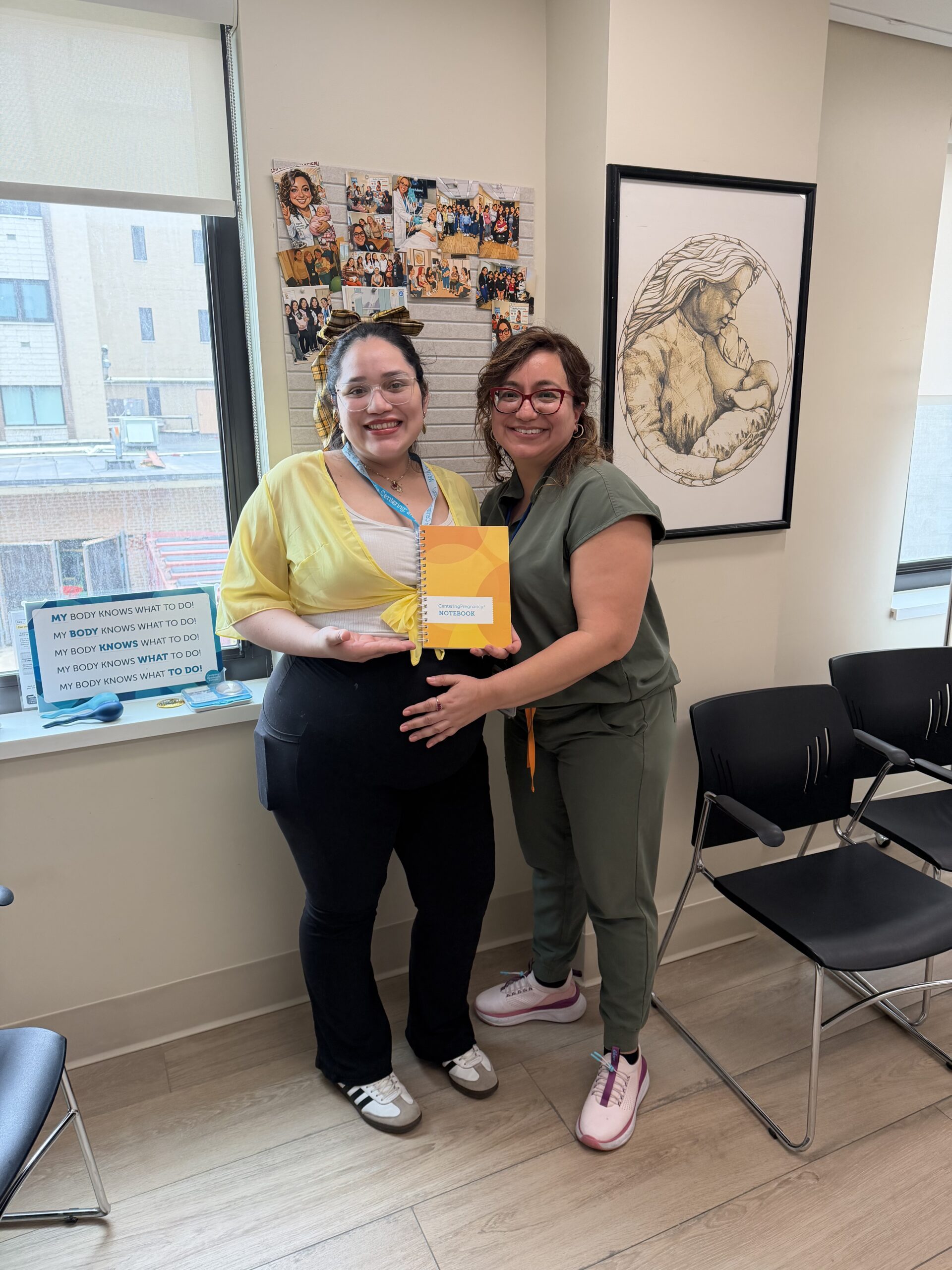
National Birth Defects Prevention Month

January is recognized as National Birth Defects Prevention Month. The observance was created to help raise awareness while working towards better care and highlight the efforts that help with prevention.  

Hundreds of thousands of babies are born around the world each day. Some are born healthy. However, some are born with birth defects. Birth defects are structural changes that affect one or more parts of the body, such as the heart, brain, feet, and hands. Some of the common birth defects include congenital heart defects, cleft lip, spina bifida, anotia, and microtia. These defects are formed during the first three months of pregnancy when the baby’s organs are developing.  

An estimated 8 million newborn babies are born with some kind of birth defect. These birth defects can range from minor to life-threatening.  

Although birth defects can’t always be prevented, many of them are reliant on the lifestyle of the parents, as exposure to certain substances during pregnancy can cause issues in the development of the baby.  

There are many ways to observe National Birth Defects Prevention Month, including: 

  • Taking prenatal vitamins and supplements such as folic acid (400mcg) every day 
  • Avoiding substances such as alcohol, drugs, both cigarette and secondhand smoke, marijuana, certain prescription medications, and any other substances that may be harmful to an unborn baby 
  • Seeing a healthcare provider regularly during every stage of your pregnancy 

Flushing Hospital Medical Center for Obstetrics and Gynecology offers comprehensive, multi-disciplinary, and culturally sensitive care. Our services are provided by a highly skilled team of the best OBGYNs in Queens. For more information, please call (718) 670-5562. 

All content of this newsletter is intended for general information purposes only and is not intended or implied to be a substitute for professional medical advice, diagnosis or treatment. Please consult a medical professional before adopting any of the suggestions on this page. You must never disregard professional medical advice or delay seeking medical treatment based upon any content of this newsletter. PROMPTLY CONSULT YOUR PHYSICIAN OR CALL 911 IF YOU BELIEVE YOU HAVE A MEDICAL EMERGENCY.
New Year’s Eve Safety Tips

New Year’s Eve is a time when we come together to reflect on the previous year, as we prepare to celebrate the start of a new one. However, these celebrations can come with dangers and responsibilities.  

Here are a few tips to keep you and your loved ones safe this New Year’s Eve: 

  • Plan your rides in advance. On average, driving accidents rise during the holidays, so it is extremely important to have a safe ride when so many people will be out that night celebrating. Do not assume that you will be able to get a cab. Knowing your options in advance can help you decide whether you will be taking public transportation, using a rideshare app, or carpooling with friends. 
  • Plan for the safety of your guests. If you are going to host a party, be sure your guests get home safely. Hire a driver for the evening who can provide people with a way to get home. Stop serving alcohol at least one hour before the end of the party, provide additional food or snacks, and ensure that your guests don’t drive after drinking. 
  • Make a plan with your kids. Set a reasonable curfew for your kids for their New Year’s Eve activities. If they are old enough to drive, be sure they understand the dangers of driving on that holiday. Encourage them to stay in one location instead of going from party to party. Discuss the dangers of driving distractions and how to avoid them. A teen passenger and teens driving with friends face a higher risk than teens who are driving alone. 
  • Take care of your pets. New Year’s Eve can cause high anxiety in pets. You can keep them safe in the house and comfortable by drowning out any sounds outside that are loud. If your pet has a history of high anxiety, consider consulting your vet for anxiety medication.  
  • Avoid leaving your car somewhere overnight, as New Year’s Day is the most active holiday for cars to get stolen. If you do have to leave your car overnight, make sure it is locked and try to pick it up as early as possible the next day. If you do decide to drive home, be sure to let someone know when you leave and when you get home safely. 

If you or a loved one is experiencing any medical problems, you can receive treatment from a physician at Flushing Hospital Medical Center’s Ambulatory Care Center. To schedule an appointment, please call (718) 670-5486. If you are experiencing an emergency, call 911. 

All content of this newsletter is intended for general information purposes only and is not intended or implied to be a substitute for professional medical advice, diagnosis or treatment. Please consult a medical professional before adopting any of the suggestions on this page. You must never disregard professional medical advice or delay seeking medical treatment based upon any content of this newsletter. PROMPTLY CONSULT YOUR PHYSICIAN OR CALL 911 IF YOU BELIEVE YOU HAVE A MEDICAL EMERGENCY.
National Safe Toys and Gifts Month

December is National Safe Toys and Gifts Month. It is an annual observance dedicated to promoting the safety of toys and gifts for children, particularly during the holiday season. It serves as a reminder to parents, caregivers, and gift-givers to choose age-appropriate and safe toys to ensure the well-being of the children who receive them.  

Started by the nonprofit organization, Prevent Blindness, National Safe Toys and Gifts Month focuses on raising awareness about the importance of selecting toys and gifts that meet safety standards and align with a child’s age and developmental stage. The month aims to prevent accidents and injuries caused by inappropriate or hazardous toys, especially when gift-giving is most common.  

Too often, accidents involving children and toys occur and may result in eye injuries. Each year, thousands of children ages 14 and younger suffer serious eye injuries, including blindness, from toys, according to the American Academy of Ophthalmology. Approximately one in ten children’s eye injuries caused by toys end up in the ER.  

Promoting safe toys and gifts during this month is essential for children’s well-being. Ways to participate and ensure safe gift-giving include: 

  • Check the labels of the toys before purchasing them. Always look for age-appropriate labels on toys and gifts and follow the manufacturer’s recommendations. 
  • Avoid toys with small parts, which can be choking hazards for young children. 
  • Inspect the toys for any hazards by examining them for sharp edges, loose parts, or any potential dangers that could harm children. 
  • Research the toys and gifts online by reading reviews and asking for recommendations from other parents and caregivers.  
  • Consider the child’s age before buying any gifts or toys. Also consider their interests and abilities when selecting gifts for them. 
  • Support educational toys by choosing toys and gifts that encourage learning, creativity, and development. 
  • Spread awareness by sharing safety tips and information about safe toys and gifts month with your community and on social media. 

Taking proper precautions can avoid many accidents and injuries involving children’s toys. Let’s all do our part to encourage their safety. 

To schedule an eye exam for your child at Flushing Hospital’s Medical Center Ambulatory Care Center, call (718) 670-5486. If there is an emergency, please call 911.  


All content of this newsletter is intended for general information purposes only and is not intended or implied to be a substitute for professional medical advice, diagnosis or treatment. Please consult a medical professional before adopting any of the suggestions on this page. You must never disregard professional medical advice or delay seeking medical treatment based upon any content of this newsletter. PROMPTLY CONSULT YOUR PHYSICIAN OR CALL 911 IF YOU BELIEVE YOU HAVE A MEDICAL EMERGENCY.
The Importance of Getting Vaccinated During Cold and Flu Season

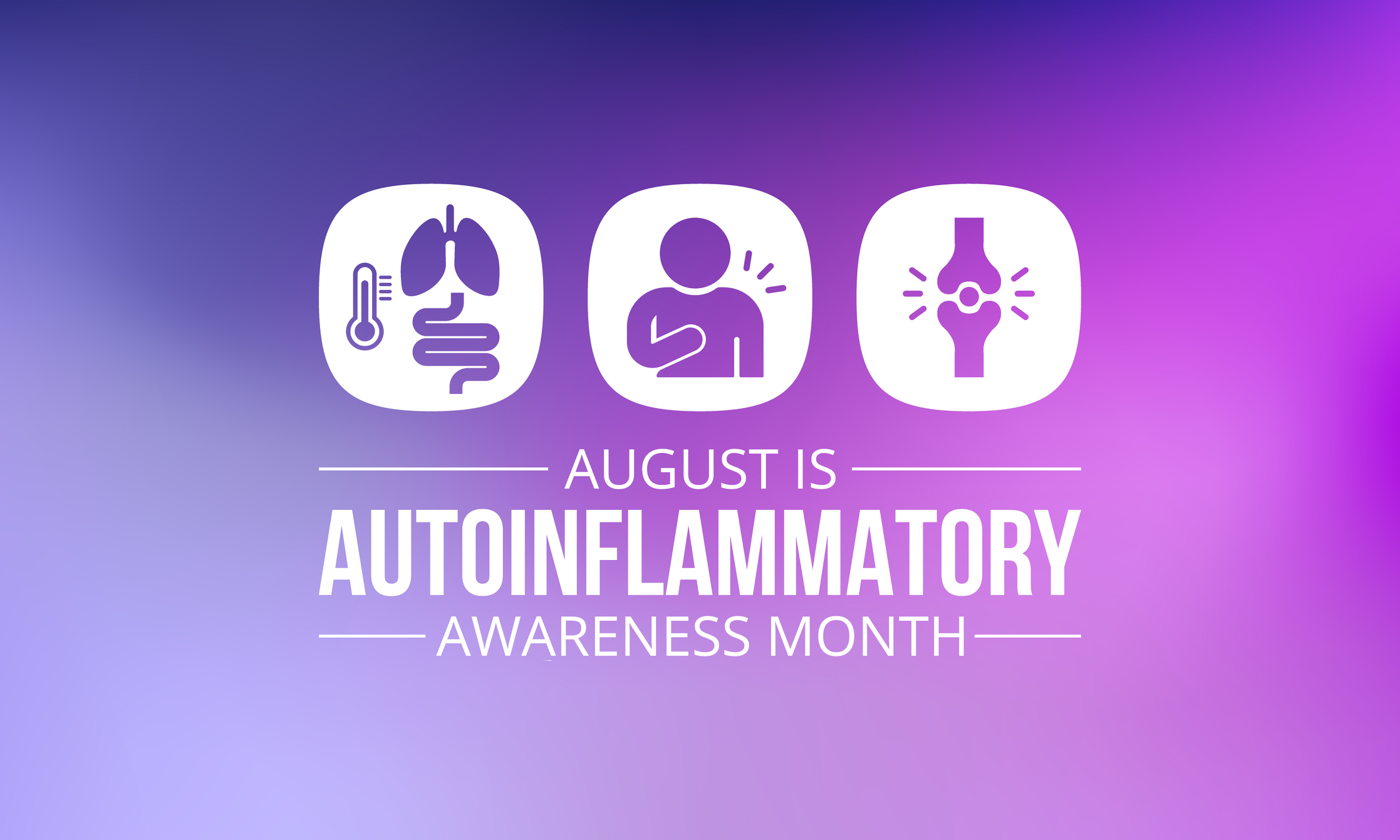
Flu season can be unpredictable, as it can begin as early as fall and can last until spring. Flu activity is usually at its peak during winter, and public healthcare professionals, advocates, and communities come together to promote flu vaccination as the flu can cause serious health complications, such as bacterial infections or pneumonia. If it isn’t treated in time, the flu can even lead to death. 

Vaccination is particularly important for people who are at higher risk of developing serious flu complications, including pregnant women and young children. Millions of children get sick with the flu every year, and thousands will be hospitalized as a result. Women are also at higher risk of developing serious flu complications during pregnancy.  

Since flu viruses are constantly changing and protection from vaccination decreases over time, getting a flu vaccine every year is the best way to reduce your risk of the flu. A flu vaccine is the only vaccine that protects against the flu and has been shown to reduce the risk of illness from the flu, hospitalization, and death.  

During flu season, we encourage everyone six months and older to get their annual flu vaccine, especially pregnant women, young children, and other people who are at a higher risk of developing serious flu complications. The more people who get vaccinated against the flu, the more people who will be protected from it. 

If you or a loved one would like to get the flu vaccine, you can visit Flushing Hospital Medical Center’s Ambulatory Care Center. To schedule an appointment, please call (718) 670-5486. 

All content of this newsletter is intended for general information purposes only and is not intended or implied to be a substitute for professional medical advice, diagnosis or treatment. Please consult a medical professional before adopting any of the suggestions on this page. You must never disregard professional medical advice or delay seeking medical treatment based upon any content of this newsletter. PROMPTLY CONSULT YOUR PHYSICIAN OR CALL 911 IF YOU BELIEVE YOU HAVE A MEDICAL EMERGENCY.

Does Nasal Irrigation Effectively Fight the Common Cold?

The winter season is approaching quickly, and with it comes the cold season. When we come down with a cold, we try different methods to relieve our cold symptoms.  

However, using a simple saline or saltwater solution can help reduce the duration of these symptoms.  

A pilot study done in 2019 found that flushing your nose with a 3% saline solution, which is higher than the standard 0.9% concentration, can reduce cold symptoms in almost two days.  

Additionally, researchers say that saline nasal drops may help reduce transmission rates of cold viruses.  

In the same 2019 study, 93% of participants said the 3% saline solution made a difference in their symptoms, and 61% said they would use it again during another cold.  

Most people may catch a cold two or three times each year, as the cold virus spreads easily via contaminated droplets. Saline solution is an affordable, easy-to-use treatment that may help slow down the spread of the cold virus between family members.  

Saline nasal drops may also help to clear up a runny nose. The solution may help reduce viral load, the amount of the virus in a person’s system, by flushing out the nasal passages.  

Saline nasal drops help flush out mucous and inflammatory mediators, which are chemical messengers that play a crucial role in initiating and regulating the body’s inflammatory response. This can improve cold symptoms and give the immune system a better chance to fight the infection.  

When you are looking to buy saline nasal drops or sprays, it is important to look for a saline percentage or the words “hypertonic” or “extra-strength” on the label. Many brands of saline solutions sell 3% hypertonic nasal spray, but it is important to read the labels carefully to confirm the product does not contain other added medications.  

You can also make a saline solution at home with salt, baking soda, and water. It is important to only use distilled or boiled and cooled tap water when preparing the solution, as the quality of tap water varies, and there may be things such as bugs and germs present.  

To make the saline solution, combine three tablespoons of salt and one teaspoon of baking soda. Avoid any salts that contain iodine, preservatives, or anti-caking agents because these can irritate your nose. Put one teaspoon of the salt-baking soda mixture into eight ounces of distilled or boiled water. Baking soda helps reduce irritation; however, you may still experience some irritation in the nose or throat after using the saline solution.  

Although hypertonic nasal drops or sprays could be prepared correctly, they can still irritate the nose and throat. Some people may even experience a temporary burning sensation. Use the hypertonic saline solution as tolerated. It is important to talk to your healthcare provider about alternative cold remedies if the saline solution doesn’t work well for you and if your cold symptoms persist or get worse. 

If you or a loved one is experiencing symptoms of a cold, you can receive treatment from a physician at Flushing Hospital Medical Center’s Ambulatory Care Center. To schedule an appointment, please call (718) 670-5486. 


All content of this newsletter is intended for general information purposes only and is not intended or implied to be a substitute for professional medical advice, diagnosis or treatment. Please consult a medical professional before adopting any of the suggestions on this page. You must never disregard professional medical advice or delay seeking medical treatment based upon any content of this newsletter. PROMPTLY CONSULT YOUR PHYSICIAN OR CALL 911 IF YOU BELIEVE YOU HAVE A MEDICAL EMERGENCY.

National Family Caregivers Month

Families are often the primary source of support for older adults and people with disabilities. Today in America, more than 53 million family caregivers provide unpaid care.  

November is observed as National Family Caregivers Month. It is dedicated to recognizing and honoring the selfless individuals who provide essential care and support to ill, disabled, or elderly loved ones. National Family Caregivers Month was established to recognize their significant contributions and raise awareness about their challenges. President Bill Clinton officially proclaimed in 1997 that November would be a time to honor and support caregivers across the country.  

Celebrating family caregivers during National Family Caregivers Month involves: 

  • Raising awareness of family caregiver issues 
  • Celebrating the efforts of family caregivers 
  • Educating family caregivers about self-identification 
  • Increasing support for family caregivers 
  • Reducing feelings of isolation 

There are several ways to get involved and show your support for family caregivers during National Caregivers Month, including: 

  • Express your gratitude 
  • Offer your assistance 
  • Join support groups 
  • Advocate for caregiver rights 
  • Donate to caregiver organizations 

Family caregivers should be celebrated every day. Taking care of a family member who is elderly, infirm, sick, or physically disabled can be emotionally and physically demanding. We must recognize and honor caregivers nationally, raise awareness around caregiving issues, educate communities, and work to increase support for our nation’s caregivers. 


All content of this newsletter is intended for general information purposes only and is not intended or implied to be a substitute for professional medical advice, diagnosis or treatment. Please consult a medical professional before adopting any of the suggestions on this page. You must never disregard professional medical advice or delay seeking medical treatment based upon any content of this newsletter. PROMPTLY CONSULT YOUR PHYSICIAN OR CALL 911 IF YOU BELIEVE YOU HAVE A MEDICAL EMERGENCY.