Stomatitis

Stomatitis, or oral mucositis, is inflammation in the mucous membranes, or mucosa, that line the mouth or lips. The most common types are cold sores and canker sores.

Other less common types of stomatitis include:

  • Angular cheilitis
  • Thrush
  • Contact stomatitis
  • Denture stomatitis
  • Gingivostomatitis
  • Nicotine stomatitis

Stomatitis can have many causes, including:

  • Viral, bacterial, and fungal infections
  • Mouth injuries
  • Allergic reactions or mouth irritation
  • Treatments such as chemotherapy and radiation therapy
  • Certain medications
  • Systemic conditions such as Bechet’s disease and celiac disease
  • Skin conditions such as Bullous pemphigoid and lichen planus
  • Nutritional deficiencies

Signs and symptoms of stomatitis include:

  • Redness and swelling inside the mouth
  • A tiny blister, or cluster of blisters, that appears on or around the lips
  • One or more sores inside the mouth that are usually white, gray, or yellow, with a red border
  • White or gray patches on the tongue, the roof of the mouth, or inside the cheeks
  • The sensation that the tongue and the roof of the mouth are burning
  • Mild to severe pain or discomfort that may make it difficult to eat, swallow, or talk

Many factors put you more at risk of developing stomatitis, such as:

  • Not regularly cleaning your teeth
  • Having dry mouth

Stomatitis can cause various complications. The pain and swelling that stomatitis causes can be so severe that it hurts to eat or drink. This can cause someone to skip meals. However, not getting the nutrients or fluids you need can pose serious health risks such as malnutrition and dehydration.

Although infections can cause stomatitis, they can also cause another complication that can make you more vulnerable to germs, which can trigger more inflammation and tissue damage when you have an injured mucosa.

To diagnose stomatitis, a healthcare provider may look for visible signs of more recognizable types of stomatitis, such as canker sores and cold sores, just by looking at them. Reviewing your symptoms and medical history can help as well. For instance, if you are receiving cancer treatment, your doctor may conclude that your oral stomatitis is a side effect of treatment.

You may also need tests to diagnose stomatitis, such as:

  • Tests to check for viruses, bacteria, and fungi
  • Blood tests to check your overall health or for signs of systemic diseases
  • Allergy tests to check for allergens causing stomatitis
  • A biopsy to check for unusual cells that may be signs of a more serious condition

The treatment for stomatitis depends on what is causing it. The only way to cure stomatitis is to treat or manage the issue that is creating the problems. Treatments can include:

  • Over-the-counter medications for canker sores and cold sores
  • Prescription medications for infections such as antivirals, antibiotics, and antifungals.
  • Vitamins or supplements that give you the nutrients you need
  • Staying away from foods or products that trigger inflammation
  • Practicing good oral hygiene to keep your mouth free of harmful bacteria while your mouth heals

All causes of stomatitis can’t be prevented. However, you can reduce your risk of developing it by doing the following:

  • Brushing twice a day, flossing daily, and getting regular dental cleanings
  • Eating balanced meals and drinking enough water daily
  • Choosing not to smoke or use tobacco, or quitting if you do
  • Avoiding sharing foods, drinks, or lip balm, and intimate contact with someone with a cold sore

If you’re experiencing symptoms of stomatitis, it is important to visit a dentist to ensure you’re receiving the most effective treatment possible. To schedule an appointment at Flushing Hospital Medical Center’s Department of Dental Medicine, please call (718) 670-5521.

All content of this newsletter is intended for general information purposes only and is not intended or implied to be a substitute for professional medical advice, diagnosis or treatment. Please consult a medical professional before adopting any of the suggestions on this page. You must never disregard professional medical advice or delay seeking medical treatment based upon any content of this newsletter. PROMPTLY CONSULT YOUR PHYSICIAN OR CALL 911 IF YOU BELIEVE YOU HAVE A MEDICAL EMERGENCY.
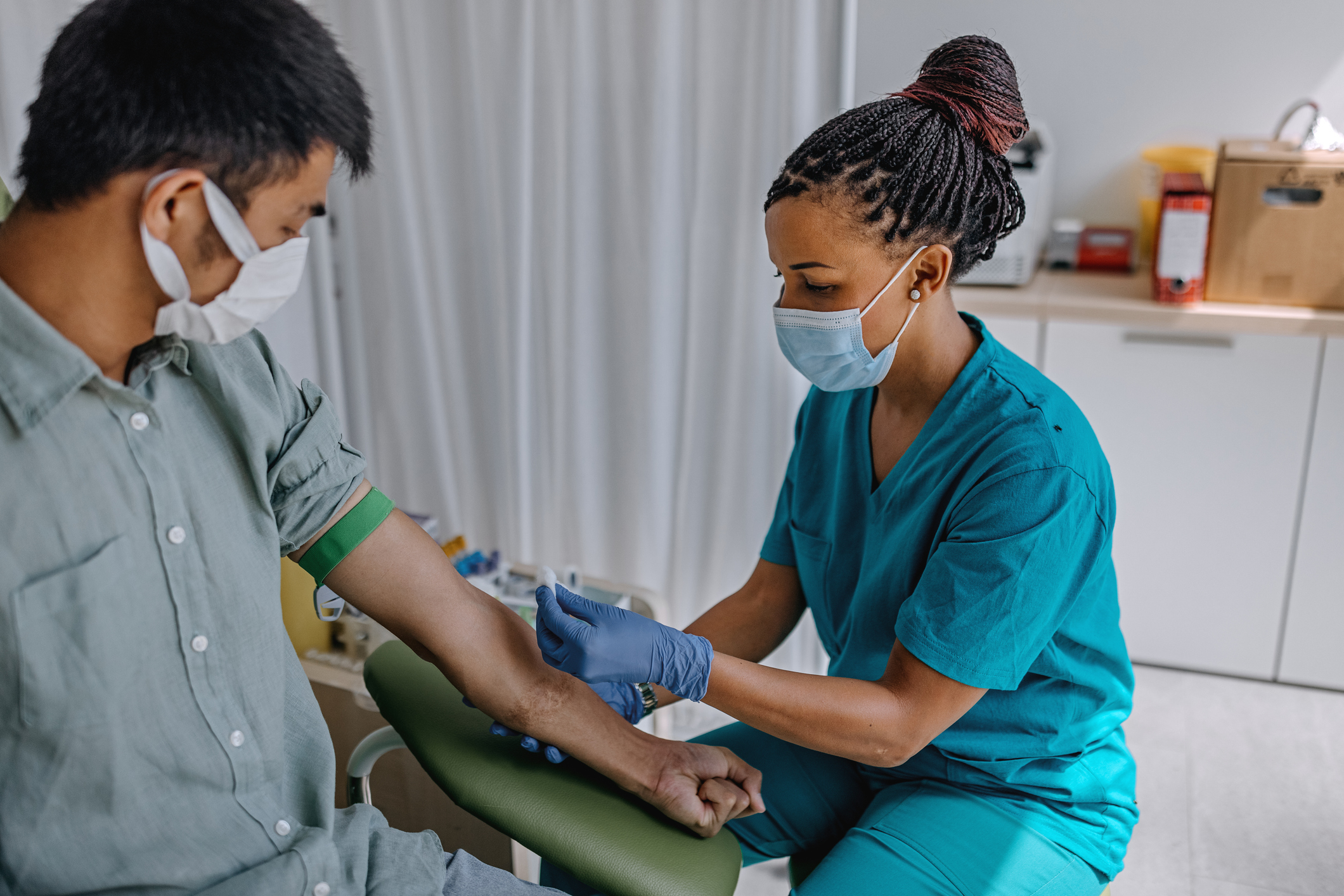
Bleeding Disorders

Bleeding disorders are a group of conditions that affect the way the body controls blood clotting. The clotting process, known as coagulation, changes blood from a liquid to a solid.

When you’re injured, your blood normally begins to clot to prevent a massive blood loss. However, these conditions prevent blood from clotting properly, which results in heavy or prolonged bleeding.

Bleeding disorders can cause abnormal bleeding outside and inside the body. Some disorders can drastically increase the amount of blood leaving the body, while others cause bleeding under the skin or in vital organs, such as the brain.

There are numerous bleeding disorders. The most common include:

  • Hemophilia A and B- are conditions that occur when there are low levels of clotting factors in your blood. It causes heavy or unusual bleeding in the joints. Although hemophilia is rare, it can have life-threatening complications
  • Factor II, V, VII, X, or XII deficiencies- are bleeding disorders related to blood clotting problems or abnormal bleeding problems
  • Von Willebrand’s disease- is the most common inherited bleeding disorder. It develops when the blood lacks the von Willebrand factor, which helps the blood clot

For blood to clot, the body needs blood proteins called clotting factors and blood cells called platelets. Normally, platelets clump together to form a plug at the site of a damaged or injured blood vessel. The clotting factors then combine to form a fibrin clot, keeping the platelets in place and preventing blood from flowing out of the blood vessel.

For people with bleeding disorders, however, the clotting factors or platelets don’t work the way they should or are in short supply. When the blood doesn’t clot, excessive or prolonged bleeding can occur. It can also lead to spontaneous or sudden bleeding in the muscles, joints, and other body parts.

Some bleeding disorders are present at birth and are passed down or inherited through families. However, other bleeding disorders can be caused by:

  • Medical conditions, such as liver disease
  • A low red blood cell count
  • A vitamin K deficiency
  • Side effects from certain medications

Symptoms of bleeding disorders can include:

  • Bruising easily
  • Heavy bleeding
  • Heavy menstrual bleeding
  • Nosebleeds that do not stop easily
  • Excessive bleeding due to surgical procedures
  • Umbilical cord bleeding after birth

A doctor will diagnose a bleeding disorder by asking about your symptoms and medical history. They will also perform a physical exam and run blood tests to make a proper diagnosis. These tests can include:

  • A complete blood count
  • A platelet aggregation test
  • A bleeding time test

Treatment options for bleeding disorders vary depending on the type of bleeding disorder and its severity. Although treatments can’t cure bleeding disorders, they can help relieve the symptoms associated with certain disorders. Treatment options include:

  • Iron supplementation
  • Blood transfusion

If you experience symptoms of a bleeding disorder, it’s important to get diagnosed as soon as possible; even if your symptoms are mild, talking to a doctor can help you avoid potential risk factors that may worsen them. You can schedule an appointment with a doctor at Flushing Hospital Medical Center’s Ambulatory Care Center by calling (718) 670-5486.

All content of this newsletter is intended for general information purposes only and is not intended or implied to be a substitute for professional medical advice, diagnosis or treatment. Please consult a medical professional before adopting any of the suggestions on this page. You must never disregard professional medical advice or delay seeking medical treatment based upon any content of this newsletter. PROMPTLY CONSULT YOUR PHYSICIAN OR CALL 911 IF YOU BELIEVE YOU HAVE A MEDICAL EMERGENCY.
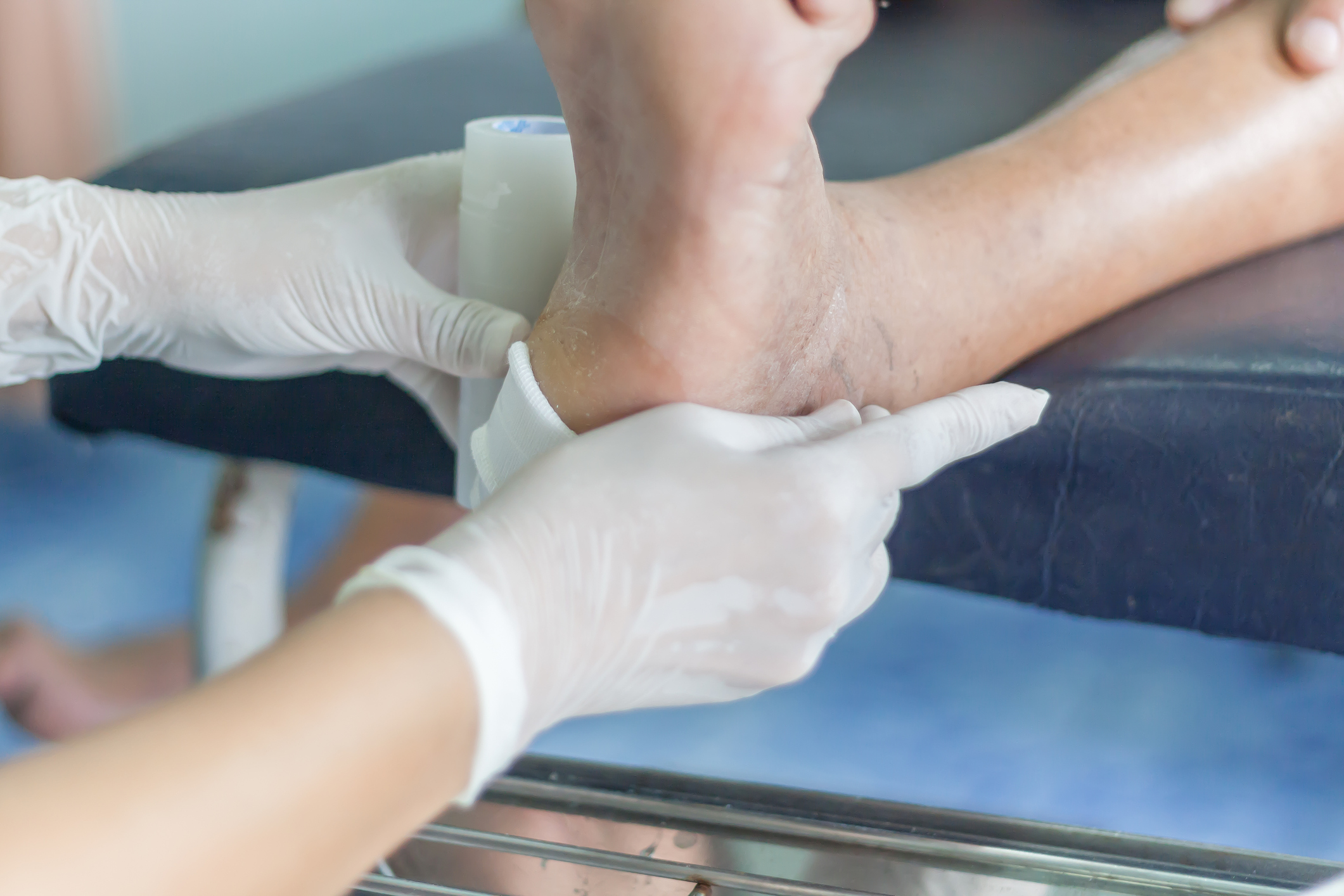
Cellulitis

Cellulitis is a common, potentially serious bacterial infection of the skin and tissue beneath the skin. The affected area is typically swollen, inflamed, painful, and warm to the touch.

Cellulitis commonly affects the lower part of your body, including your legs, feet, and toes. However, it can occur in any part of your body like your face, arms, hands, and fingers.

Some symptoms of cellulitis include:

  • An irritated area of skin that tends to expand
  • Swelling
  • Tenderness
  • Pain
  • Warmth
  • Fever
  • Chills
  • Spots
  • Blisters
  • Skin dimpling
  • Headache
  • Weakness
  • Red streaks from the original site of the cellulitis

When you first get cellulitis, your skin looks slightly discolored. It may feel slightly warm to the touch. As the infection spreads, the discoloration gets darker and your skin swells and becomes tender.

Some severe symptoms that will need immediate emergency care include:

  • If you have a large area of red inflamed skin
  • Fever
  • If the affected area is causing numbness, tingling, or other changes in a hand, arm, leg, or foot
  • If the skin appears black
  • If the area that is red and swollen is around your eyes or behind the ears
  • If you have diabetes or a weakened immune system

Cellulitis is caused when bacteria, most commonly streptococcus and staphylococcus enter through a crack or break in the skin. Bacteria are more likely to enter broken, dry, flaky, or swollen skin such as a recent surgical site, cuts, puncture wounds, ulcers, athlete’s foot, or dermatitis. If the wound isn’t treated properly, there is potential to encounter a more severe staphylococcus infection called methicillin-resistant Staphylococcus aureus (MRSA).

Another cause of cellulitis occurs due to poor hygiene. Ways to maintain good hygiene include:

  • Washing your hands regularly with soap and warm water
  • Cleaning and trimming your fingernails and toenails
  • Regularly showering and thoroughly drying your skin afterward
  • Wearing clean clothes
  • Keeping small wounds clean

To diagnose cellulitis, your healthcare provider will ask about your symptoms and examine the affected area. If you have a severe case of cellulitis, your physician may recommend tests to ensure the infection hasn’t spread to other parts of your body. These tests include:

  • Blood test
  • Skin test
  • Bacterial culture

Cellulitis is usually treated with oral antibiotics. However, severe cases of cellulitis may not respond to oral antibiotics. You may require hospitalization and intravenous antibiotics.

The fastest way to get rid of cellulitis is to take the full course of antibiotics. Some home treatments that can help the healing process include:

  • A warm compress
  • Elevation
  • Compression wraps or stockings

Some ways you can reduce your risk of cellulitis include:

  • Cleaning your wounds or sores with antibacterial soap and water
  • Applying an antibiotic ointment on your wounds or sores
  • Covering your wounds or sores with bandages to prevent dirt or bacteria from entering the area
  • Refraining from touching or rubbing your affected areas
  • Getting medical attention right away for any deep cuts or puncture wounds

If you are experiencing symptoms of cellulitis, you can make an appointment with a qualified physician at Flushing Hospital Medical Center by calling 718-670-5486.


All content of this newsletter is intended for general information purposes only and is not intended or implied to be a substitute for professional medical advice, diagnosis or treatment. Please consult a medical professional before adopting any of the suggestions on this page. You must never disregard professional medical advice or delay seeking medical treatment based upon any content of this newsletter. PROMPTLY CONSULT YOUR PHYSICIAN OR CALL 911 IF YOU BELIEVE YOU HAVE A MEDICAL EMERGENCY.
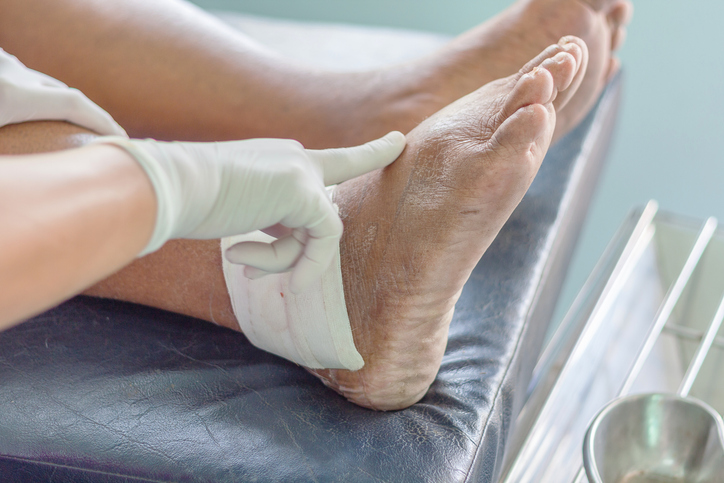
Flushing Hospital’s Wound Care Center Offers Tips To Avoid Food Ulcers


A foot ulcer is a break in the skin or a deep sore, which can become infected.

Some of the most common causes of foot ulcers include:

  • Circulatory problems – Your circulatory system carries oxygen-rich blood and nutrients to your entire body. These nutrients maintain healthy tissue. When someone experiences circulatory issues, the feet are typically one of the first places where problems can occur.
  • Nerve damage – When nerves are intact, they send signals to the brain when an object is causing pain. If someone has damaged nerves, they do not receive these signals and they are unable to identify when something is causing harm to the tissue. Failure to address the issue can result in irritation and potentially an ulcer.
  • Prolonged pressure on the feet – Ulcers can occur even in people without nerve damage when they wear shoes that fit poorly This is usually due to severe atherosclerosis, or a deformity such as a fracture. In addition, Elderly patients may have difficulty examining their feet, ignoring pain from pressure on the feet, which may lead to an ulcer.
  • Various health conditions – Ulcers are an indication that a severe stage of a condition such as peripheral artery disease, kidney failure, diabetes, hypertension, or high cholesterol is present. A physician can offer strategies such as medication management, healthy diet, exercise, and proper weight management to help manage these conditions.
  • Lifestyle issues – Smoking is a leading contributor to ulcers as it increases the risk of developing a variety of conditions that can lead to the development of them. In addition, leading a sedentary lifestyle can increase your chances of developing foot ulcers.  Avoiding prolonged periods of bed rest or non-mobility can decrease the likelihood of developing ulcers.

If left untreated for too long, a foot ulcer can cause serious consequences including potential amputation.

The three most important ways to avoid this is from happening is educating yourself about foot ulcers, wearing the appropriate shoes, and maintaining your regularly-scheduled appointments with your doctor

Flushing Hospital’s Wound Care Center wants to help our community put a stop to foot ulcers through proper care and early detection, which can greatly reduce the risk of amputation and improve overall quality of life.

If you have a foot ulcer and need help treating it, please call Flushing Hospital’s Wound Care at 718-670-4542 to schedule an appointment.

All content of this newsletter is intended for general information purposes only and is not intended or implied to be a substitute for professional medical advice, diagnosis or treatment. Please consult a medical professional before adopting any of the suggestions on this page. You must never disregard professional medical advice or delay seeking medical treatment based upon any content of this newsletter. PROMPTLY CONSULT YOUR PHYSICIAN OR CALL 911 IF YOU BELIEVE YOU HAVE A MEDICAL EMERGENCY.
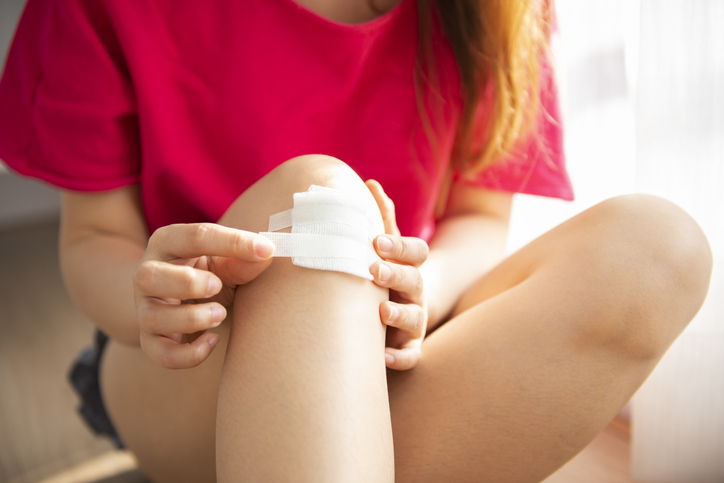
When To See A Doctor For Wound Care

Each year, approximately 6 million people will suffer from problem wounds caused by diabetes, circulatory problems, as well as other conditions.

The Wound Care Center at Flushing Hospital Medical Center is a dedicated state-of-the-art, out -patient, clinical wound care service specializing in advancing wound care.

By using a variety of clinically coordinated treatments such as, debridement, medicines, dressings and support services to treat problem wounds, patients are experiencing high rates of wound healing.  Studies have shown that wound care treatment reduces the rate of amputations and lengths of stays in hospitals

Timely treatment is extremely important when seeking wound care as a possible remedy.  Any patient with a wound that has not started to heal in two weeks, or is not completely healed in six weeks may be a candidate for the Wound Care Center.

Wounds that may indicate a need for wound therapy are:

  • Pressure ulcers
  • Diabetic ulcers
  • Neuropathic ulcers
  • Ischemic ulcers
  • Venous insufficiency
  • Traumatic wounds
  • Surgical wounds
  • Vasculitis
  • Burns
  • Peristomal skin irritations

The Wound Care team at Flushing Hospital is a group of physicians, nurses, managers, educators and staff that are specialty-trained in wound management.  If you have a wound that is taking a long time to heal and would like to make an appointment, please call 718-670-4542.


All content of this newsletter is intended for general information purposes only and is not intended or implied to be a substitute for professional medical advice, diagnosis or treatment. Please consult a medical professional before adopting any of the suggestions on this page. You must never disregard professional medical advice or delay seeking medical treatment based upon any content of this newsletter. PROMPTLY CONSULT YOUR PHYSICIAN OR CALL 911 IF YOU BELIEVE YOU HAVE A MEDICAL EMERGENCY.

The Stages of Wound Healing

Whether it’s a minor cut or a more serious injury everyone has sustained a wound at some point in their life. Each time we develop a break in our skin our bodies go through a wound healing process to repair the damage, but how does this happen?

When the skin is injured, our body sets into motion an automatic series of events, often referred to as the “cascade of healing,” in order to repair the injured tissues. The cascade of healing is divided into these four overlapping phases:

Phase 1: Stop the bleeding (hemostasis)
The first stage of wound healing is for the body to stop the bleeding. This is called hemostasis or clotting and it occurs within seconds to minutes after you suffer a wound. During this phase the body activates its emergency repair system to form a dam to block the drainage and prevent too much blood loss. Clotting also helps to close and heal the wound, making a scab.

Phase 2: Scabbing over
Once your wound isn’t bleeding any more, the body can begin cleaning and healing it. First, the blood vessels around the wound open a bit to allow more blood flow to it. Fresh blood brings more oxygen and nutrients to the wound.  White blood cells called macrophages help clean the wound by fighting any infection. They also send out chemical messengers called growth factors that help repair the area.

Phase 3: Rebuilding
After the wound is clean and stable, your body can begin rebuilding the site. Oxygen-rich red blood cells come to the site to create new tissue. Chemical signals in the body tell cells around the wound to make elastic tissues called collagen. This helps to repair the skin and tissues in the wound. At this stage in healing, you might see a fresh, raised, red scar. The scar will slowly fade in color and look flatter.

Phase 4: Maturation (strengthening)
Even after your wound looks closed and repaired, it’s still healing – this is called the Maturation phase. During this phase the new tissue slowly gains strength and flexibility. You may also experience itching or tightness over the area at this time. This phase can last anywhere from a few weeks to months.

If you suffered a wound, you can help the healing process by thoroughly cleaning it with mild soap and water and covering it with a sterile bandage to prevent infection. See your doctor if you think your wound has become infected.

Due to a variety of underlying conditions, some people may experience slow or non-healing wounds.  For those patients, Flushing Hospital Medical Center offers a Wound Care Center.  Speak to you doctor to see if you require specialized wound healing services.

All content of this newsletter is intended for general information purposes only and is not intended or implied to be a substitute for professional medical advice, diagnosis or treatment. Please consult a medical professional before adopting any of the suggestions on this page. You must never disregard professional medical advice or delay seeking medical treatment based upon any content of this newsletter. PROMPTLY CONSULT YOUR PHYSICIAN OR CALL 911 IF YOU BELIEVE YOU HAVE A MEDICAL EMERGENCY.

Wound Care and Nutrition

The nutritional status of a patient plays a large role in their body’s ability undergo wound healing.  It requires a higher than normal level of energy and nutrients if it is going to be successful. The body requires an additional 35 calories per kilogram of body weight to help a chronic wound to heal.  This will include eating a well-balanced diet that includes protein, grains, fruits, vegetables, and dairy.

For proper wound healing, a well-balanced diet should include 1.5 grams of protein for every kilogram of body weight. A kilogram is equal to 2.2 pounds. Keeping hydrated is also very important, eight glasses of water per day should be the minimum and more if the person sweats profusely, has a wound that is draining, or if vomiting and or diarrhea are present.  Meals should include meats, eggs, milk, cheese, nuts, seeds, yogurt and dried beans. In some people who have difficulty obtaining proper caloric intake from their daily meals, high protein and high calorie shakes can be used as supplements. Two amino acids, found in foods having protein and that have been identified as having potential to help wound healing are arginine and glutamine.

People with diabetes often have difficulty with wound healing, and this is due to poor circulation, nerve damage which leads to the constant breakdown of healthy tissue components needed to heal,  and a higher than normal level of sugar in the blood which can lead to higher rates of infection and causes fluids to be drained from the body. It is therefore very important for a person with diabetes to keep tight control of their disease.
Wound healing also requires additional levels of vitamins and minerals, however care must be taken too not take in more that the daily recommended amounts because this can have a negative effect on the body.

It is important to consult with a physician about how to eat successfully when trying to heal a wound and also a nutritionist who specializes in wound care.

If you have a chronic or non-healing wound, you may be a candidate for Flushing Hospital Medical Center’s  outpatient Wound Care Center.  To schedule an appointment or speak with a clinician, please call 718-670-4542

All content of this newsletter is intended for general information purposes only and is not intended or implied to be a substitute for professional medical advice, diagnosis or treatment. Please consult a medical professional before adopting any of the suggestions on this page. You must never disregard professional medical advice or delay seeking medical treatment based upon any content of this newsletter. PROMPTLY CONSULT YOUR PHYSICIAN OR CALL 911 IF YOU BELIEVE YOU HAVE A MEDICAL EMERGENCY.

What is Vacuum Assisted Closure Therapy?

One of the many wound care treatment options available at Flushing Hospital Medical Center is wound VAC (Vacuum Assisted Closure) therapy.  This form of therapy is effective in treating large or chronic wounds.

A VAC device is utilized during treatment and is composed of a gauze or foam dressing, an adhesive strip which seals the wound and the dressing, as well as a drainage tube that connects to a vacuum pump.

The VAC system works to heal wounds more quickly by decreasing air pressure on the affected area. It may also help to accelerate the healing process by:

  • Reducing swelling
  • Draining excess fluids
  • Increasing blood flow
  • Reducing bacteria
  • Helping to draw the edges of a wound together

In addition to promoting rapid wound healing, VAC therapy can offer other advantages such as decreased levels of discomfort and a reduced risk of infections.

If you suffer from chronic wounds that may be caused by conditions such as diabetes, speak to your health care provider about exploring this form of therapy as a treatment option.

The Wound Care Center at Flushing Hospital Medical Center is a state-of-the-art outpatient unit that provides specialized, interdisciplinary wound care to patients who suffer from non-healing or chronic wounds.

Designed to bring technically advanced, surgically-oriented wound care to patients whose wounds are resistant to traditional forms of treatment, the center is staffed with plastic surgeons, general surgeons, podiatrists, vascular surgeons and nurses certified in wound care. It currently boasts a success rate which is above the national average, and has expanded to a six-bed unit to better accommodate its growing number of patients.

To schedule an appointment Flushing Hospital’s Wound Care Center or to obtain more information about services provided, please call 718-670-4542.

All content of this newsletter is intended for general information purposes only and is not intended or implied to be a substitute for professional medical advice, diagnosis or treatment. Please consult a medical professional before adopting any of the suggestions on this page. You must never disregard professional medical advice or delay seeking medical treatment based upon any content of this newsletter. PROMPTLY CONSULT YOUR PHYSICIAN OR CALL 911 IF YOU BELIEVE YOU HAVE A MEDICAL EMERGENCY.

Can Healthy Eating Promote Successful Wound Healing?

The nutritional status of a patient plays a large role in their body’s ability undergo wound healing. It requires a higher than normal level of energy and nutrients if it is going to be successful. The body requires an additional 35 calories per kilogram of body weight to help a chronic wound to heal. This will include eating a well-balanced diet that includes protein, grains, fruits, vegetables, and dairy.

A balanced diet should include 1.5 grams of protein for every kilogram of body weight. A kilogram is equal to 2.2 pounds. Keeping hydrated is also very important, eight glasses of water per day should be the minimum and more if the person sweats profusely, has a wound that is draining, or if vomiting and or diarrhea are present. Meals should include meats, eggs, milk, cheese, nuts, seeds, yogurt and dried beans. In some people who have difficulty obtaining proper caloric intake from their daily meals, high protein and high calorie shakes can be used as supplements. Two amino acids, found in foods having protein and that have been identified as having potential to help wound healing are arginine and glutamine.


People with diabetes often have difficulty with wound healing, and this is due to poor circulation, nerve damage which leads to the constant breakdown of healthy tissue components needed to heal, and a higher than normal level of sugar in the blood which can lead to higher rates of infection and causes fluids to be drained from the body. It is therefore very important for a person with diabetes to keep tight control of their disease.
Wound healing also requires additional levels of vitamins and minerals, however care must be taken too not take in more that the daily recommended amounts because this can have a negative effect on the body.


It is important to consult with a physician about how to eat successfully when trying to heal a wound and also a nutritionist who specializes in wound care.
If you have a chronic or non-healing wound, you may be a candidate for Flushing Hospital Medical Center’s outpatient Wound Care Center. To schedule an appointment or speak with a clinician, please call 718-670-4542


All content of this newsletter is intended for general information purposes only and is not intended or implied to be a substitute for professional medical advice, diagnosis or treatment. Please consult a medical professional before adopting any of the suggestions on this page. You must never disregard professional medical advice or delay seeking medical treatment based upon any content of this newsletter. PROMPTLY CONSULT YOUR PHYSICIAN OR CALL 911 IF YOU BELIEVE YOU HAVE A MEDICAL EMERGENCY.

Dr. Tip – Foot Ulcer, Prevention and Treatment

Dr. Steve Norman, specializing in Podiatry at Flushing Hospital Medical Center’s Wound Care Center offers the following information on the prevention and treatment of diabetic foot ulcers.

If you have diabetes, you may have reduced nerve function due to a condition called peripheral diabetic neuropathy.  This condition causes the nerves that carry the sensation of pain from your feet to your brain to not function properly.  This lack of sensation may cause a small cut or scrape on your foot develop into an ulcer without you feeling the symptoms.

Here are some ways you can prevent a foot ulcer are:

  • Inspection – Check your feet every day. Check for cuts, blisters, calluses, red spots, swelling and other abnormalities.
  • Protection – Keep your feet clean by washing them every day. This will help defend wounds from becoming infected.  After washing, be sure to dry your feet thoroughly and apply lotion to prevent cracking.
  • Prevention – Try to keep your blood glucose levels within normal range. Elevated diabetes blood glucose levels can cause uncared foot ulcers to develop gangrene which can eventually lead to loss of limbs.

If you already have a foot ulcer you can try:

  • Keeping the ulcer dry and covered with a dressing
  • Maintaining proper blood glucose levels, this will facilitate healing
  • Applying topical ointments
  • Do not walk on the ulcerated foot excessively
  • Wear socks with extra padding and a loose-fitting soft shoe with laces or Velcro fasteners

“Advanced foot ulcers may require wound debridement, which is a process that carefully removes dead tissue,” stated Dr. Norman. “You want to make sure consult a physician before your wound/ulcer becomes so advanced that you may be faced with amputation.”

If you are suffering from a chronic or non-healing wound, you may be a candidate for Flushing Hospital Medical Center’s Wound Care Center.  The center is open for outpatient appointments Monday through Friday, 8:00am-4:00pm.  For more information, or to make an appointment, call 718-670-4542.

All content of this newsletter is intended for general information purposes only and is not intended or implied to be a substitute for professional medical advice, diagnosis or treatment. Please consult a medical professional before adopting any of the suggestions on this page. You must never disregard professional medical advice or delay seeking medical treatment based upon any content of this newsletter. PROMPTLY CONSULT YOUR PHYSICIAN OR CALL 911 IF YOU BELIEVE YOU HAVE A MEDICAL EMERGENCY.