Cancer Prevention and Early Detection Month

April is Cancer Prevention and Early Detection Month, a month dedicated to reminding us about the importance of getting routine cancer screenings.  

According to the American Cancer Society, for 2026, 44% of the estimated 626,000 cancer deaths in the United States can potentially be prevented because they are attributable to modifiable risk factors, such as: 

  • Cigarette smoking 
  • Secondhand smoke exposure 
  • Excess body weight 
  • Heavy alcohol use 
  • Unhealthy diet 
  • Lack of physical activity 
  • Excess ultraviolet radiation exposure 
  • Cancer-associated infections 

Cancer Prevention and Early Detection Month aims to educate people about healthy habits and making simple changes that can make a huge difference, such as quitting smoking, eating nutritious foods, and staying physically active. Routine cancer screenings and vaccinations are also essential.  

Detecting cancer early means better outcomes for your health, such as more treatment options, which can help prevent cancer from spreading. These practices can also significantly lower cancer rates and improve survival chances for many individuals.  

Here are some ways to get involved in Cancer Prevention and Early Detection Month: 

  • Raising awareness 
  • Inspiring action 
  • Mobilizing resources 
  • Highlighting progress 

Cancer Prevention and Early Detection Month’s goal is to inspire everyone to be proactive and take steps towards a healthier lifestyle and get regular cancer screenings, which can reduce the chances of developing cancer considerably. 

Whether you need diagnostic testing or treatment, the MediSys Health Network Cancer Center offers unmatched Queens cancer care for any form of cancer. To schedule an appointment or learn more about our oncology department, please call 718-206-8263. 

All content of this newsletter is intended for general information purposes only and is not intended or implied to be a substitute for professional medical advice, diagnosis or treatment. Please consult a medical professional before adopting any of the suggestions on this page. You must never disregard professional medical advice or delay seeking medical treatment based upon any content of this newsletter. PROMPTLY CONSULT YOUR PHYSICIAN OR CALL 911 IF YOU BELIEVE YOU HAVE A MEDICAL EMERGENCY.
How Microplastics and Nanoplastics Affect Our Long-Term Health

Microplastics and nanoplastics (MNPs) are plastic particles that fail to break down and have become a major concern for environmental and human health.

These plastic particles are extremely small, as microplastics range from 1 micrometer to 5 millimeters. Nanoplastics are even smaller, as they are less than one micrometer.

There are two types of microplastics, primary microplastics and secondary microplastics. These microplastics typically come from two main sources. Primary microplastics are manufactured at a small size intentionally. Secondary microplastics are formed from the breakdown of larger plastic items.

There are public concerns about the health effects of microplastics and nanoplastics, as they have been found in our bodies because of what we eat, drink, or breathe.

Nanoplastics can behave differently from microplastics or materials that are larger. Their small size means that they may move more easily through biological membranes or interact differently with cells in the body.

Larger microplastics are filtered by the body’s natural defenses, such as the mucus and cilia in the airways, but can still get inhaled into the lungs and even infiltrate the bloodstream or the barriers to the digestive system.

Scientific research has pointed to the likelihood of nanoplastics being far more toxicologically active than microplastics, due to their being small enough to pass through some biological barriers and easily absorbed into the body, which can potentially disrupt and damage internal organs and processes.

Evidence suggests that microplastics may be correlated with health conditions, including:

  • Chronic degenerative diseases
  • Cardiovascular disease
  • Inflammatory diseases, such as inflammatory bowel disease (IBS)

Additionally, existing research has found that microplastics can accumulate in the human brain. They can also be found in plaque formed in our arteries.

Currently, the U.S. doesn’t have regulations around microplastics. However, there are ways to reduce your exposure to microplastics, including:

  • Cutting back on bottled water
  • Getting an NSF-certified water filter
  • Avoiding storing food in plastic containers
  • Avoiding the reuse of single-use plastics for food and drinks
  • Avoiding heating plastic
  • Washing plastic by hand
  • Keeping your air clean

According to health experts, there are ways you can lower your risk of the health effects linked to microplastics, including:

  • Eating a balanced diet
  • Getting enough sleep and exercise
  • Lowering stress
  • Seeing preventative care

Unfortunately, plastic is everywhere, and it is hard to avoid. However, it is important to remember that all the plastic we use will end up in a landfill and eventually in our environment and in our bodies. Limiting plastic usage and production will hopefully have a positive impact on future generations.

All content of this newsletter is intended for general information purposes only and is not intended or implied to be a substitute for professional medical advice, diagnosis or treatment. Please consult a medical professional before adopting any of the suggestions on this page. You must never disregard professional medical advice or delay seeking medical treatment based upon any content of this newsletter. PROMPTLY CONSULT YOUR PHYSICIAN OR CALL 911 IF YOU BELIEVE YOU HAVE A MEDICAL EMERGENCY.

World Lung Cancer Day

August 1st is observed as World Lung Cancer Day. It is a day dedicated to the global initiative of raising awareness about lung cancer, its impact, and the importance of prevention, early detection, and advanced treatments.  

According to the World Health Organization, lung cancer is the leading cause of cancer-related deaths among both men and women, and it is so prevalent that more people die from it than from colon, breast, and liver cancers combined every year.  

World Lung Cancer Day was established in 2012 by the Forum of International Respiratory Societies (FIRS) in collaboration with other health organizations. The day focuses on educating the public about risk factors such as smoking, air pollution, and occupational exposures, while advocating for research and improved access to care. 

World Lung Cancer Day serves as a platform to support those affected by the disease and to emphasize the critical need for collective action in the fight against lung cancer. 

Lung cancer screening helps to identify cancer at an early stage when treatment can be most effective. Early detection through a low-dose computed tomography (LDCT) scan can improve survival rates in individuals with the disease. 

The MediSys Health Network is committed to improving the morbidity and mortality associated with lung cancer. For more information about our program, please contact the Lung Cancer Screening Program at 718-206-LUNG (5864). 

All content of this newsletter is intended for general information purposes only and is not intended or implied to be a substitute for professional medical advice, diagnosis or treatment. Please consult a medical professional before adopting any of the suggestions on this page. You must never disregard professional medical advice or delay seeking medical treatment based upon any content of this newsletter. PROMPTLY CONSULT YOUR PHYSICIAN OR CALL 911 IF YOU BELIEVE YOU HAVE A MEDICAL EMERGENCY.
The Link between Alcohol and Cancer

The Office of the Surgeon General recently issued an advisory calling for updated warnings on alcoholic beverages, cautioning that the consumption of alcohol heightens the risk of several types of cancer.

The current labels on alcoholic beverages warn about drinking while pregnant, drinking while driving, and operating machinery, as well as other general “health risks”.  The Office of the Surgeon General noted that alcohol consumption contributes to approximately 100,000 cancer cases and 20,000 cancer-related deaths each year. Therefore, the public needs to be warned about the link between alcohol consumption and an increased risk of cancer.

Alcohol has been classified as a carcinogen “primarily due to its metabolite, acetaldehyde, which has the ability to bind to DNA and potentially cause mutations”, says Dr. Vasilis Vasiliou PhD, chair of the Department of Environmental Health Sciences and the Susan Dwight Bliss Professor of Epidemiology at the Yale School of Public Health. Acetaldehyde may also increase the risk of aerodigestive cancers, which are cancers that affect the upper respiratory and digestive tracts. Aerodigestive cancers include cancer of the lip, tongue, salivary glands, and other oral and nasal regions. “Furthermore, acetaldehyde may have a more pronounced effect on individuals with mutations in DNA-repair enzymes, such as BRCA1 and BRCA2. Mutations in these BRCA1 and BRCA2 enzymes can increase the risk of developing breast or ovarian cancer”, Dr. Vasiliou says.

Dr. Vasiliou acknowledges that the adverse effects of alcohol are significantly influenced by the dose-response relationship, which considers both the quantity of alcohol consumed daily and the duration of consumption over time. These factors, along with co-exposures to environmental contaminants, play a pivotal role in determining the severity of alcohol-related risks. Such interactions suggest that alcohol’s harmful effects cannot be fully understood in isolation but should instead be evaluated within the broader context of combined exposures to other environmental and lifestyle-related carcinogens.

Dr. Vasiliou offers this advice when it pertains to alcohol and its link to cancer:

  • Do not start drinking for health reasons
  • Limit consumption
  • Consider personal and family health risks
  • Seek non-alcoholic sources of antioxidants

Synergistic interactions with other environmental carcinogens and lifestyle factors influence the risk of cancer from alcohol consumption. Reducing alcohol intake, alongside minimizing exposure to other known carcinogens such as tobacco smoke, environmental pollutants, and chemical toxins, is a critical strategy for lowering overall cancer risk. Comprehensive prevention efforts should address not only alcohol consumption but also broader environmental and lifestyle factors.


All content of this newsletter is intended for general information purposes only and is not intended or implied to be a substitute for professional medical advice, diagnosis or treatment. Please consult a medical professional before adopting any of the suggestions on this page. You must never disregard professional medical advice or delay seeking medical treatment based upon any content of this newsletter. PROMPTLY CONSULT YOUR PHYSICIAN OR CALL 911 IF YOU BELIEVE YOU HAVE A MEDICAL EMERGENCY.

What Does It Mean to “Die of Natural Causes?”

In the United States, the majority of deaths each year are recorded as having occurred due to “natural causes.” However, it may not always be clear what exactly this term means, particularly due to the fact that it does not point to a specific factor that led to a person’s death.

A death by natural causes is one that occurs solely due to internal factors (such as a disease) rather than external factors (such as a traumatic physical injury). Three of the most common ways it can occur include:

Heart disease: Although factors affected by lifestyle choices (such as a person’s weight, diet, and physical activity level) can contribute to the risk of developing heart disease, anyone can experience it at any age. This is because your risk is also tied to your genetics and family history of heart disease.

Cancer: While multiple people within the same family may experience cancer without it being the result of genetics, it can occur as a result of what is referred to as a “family cancer syndrome” (also known as “inherited cancer syndrome” or “genetic cancer syndrome”). This refers to an abnormal gene that can greatly increase the risk of certain forms of cancer. Family cancer syndrome accounts for approximately five to 10% of all types of cancer.

Stroke: You may experience a stroke due to various natural factors. Every 10 years after the age of 55, your risk of experiencing a stroke doubles. Additionally, death due to a stroke is more common among women of all ages than men. Strokes are also more common among people who are Black, Hispanic, Native American, or Native Alaskan, as well as people with certain genetic disorders such as sickle cell disease.

If you experience or have a family history of a chronic medical condition, get the treatment you need to prevent your symptoms from worsening. You can schedule an appointment with a medical specialist at Flushing Hospital Medical Center’s Ambulatory Care Center now by calling (718) 670-5486.

All content of this newsletter is intended for general information purposes only and is not intended or implied to be a substitute for professional medical advice, diagnosis or treatment. Please consult a medical professional before adopting any of the suggestions on this page. You must never disregard professional medical advice or delay seeking medical treatment based upon any content of this newsletter. PROMPTLY CONSULT YOUR PHYSICIAN OR CALL 911 IF YOU BELIEVE YOU HAVE A MEDICAL EMERGENCY.

Sunscreen and Skin Cancer Prevention

Many of us enjoy soaking up the sun in the summer, however, it is important that we do so safely and with discretion to prevent skin cancer.

One of the best ways to protect our skin from the sun’s harmful rays is to wear sunscreen.  Studies show that using sunscreen regularly reduces the incidence of melanoma (a form of skin cancer) by 50-73%.

Sunscreen works by preventing the sun’s ultraviolet (UV) radiation from reaching the skin.  Your sunscreen’s ability to prevent radiation from damaging your skin is measured by its SPF (Sun Protecting Factor). It is highly advised that you use sunscreens with an SPF of 15 or higher, as this offers better protection.

The Skin Cancer Foundation also recommends using a broad-spectrum sunscreen which offers protection against UVA and UVB radiation. Too much exposure from either type of radiation has been linked to skin cancer.

Additional recommendations for proper sunscreen use include:

  • Applying sunscreen approximately 30 minutes before sun exposure to ensure the product has enough time to properly bind to skin
  • Applying sunscreen generously and regularly
  • Checking product instructions for how often  sunscreen should be applied
  • Reapplying sunscreen after swimming or excessive sweating

It is important to keep in mind that protecting your skin from the sun does not only include wearing sunscreen. Remember to wear protective clothing or accessories such as broad-brimmed hats and long-sleeved shirts and limit the amount of time spent in the sun.

All content of this newsletter is intended for general information purposes only and is not intended or implied to be a substitute for professional medical advice, diagnosis or treatment. Please consult a medical professional before adopting any of the suggestions on this page. You must never disregard professional medical advice or delay seeking medical treatment based upon any content of this newsletter. PROMPTLY CONSULT YOUR PHYSICIAN OR CALL 911 IF YOU BELIEVE YOU HAVE A MEDICAL EMERGENCY.

HPV Fast Facts

Human papillomavirus is the most common sexually transmitted infection in the United States. Every year there are 14 million new HPV infections. HPV also known as human papillomavirus is a virus that can cause certain cancers and diseases in both men and women. Unfortunately, because HPV often has no signs or symptoms, many people who have the virus are unaware.

HPV is transmitted through vaginal, anal or oral sex with someone who has the virus. It is most commonly spread during vaginal or anal sex. Anyone who is sexually active can get HPV, even if you have had sex with only one person.

In most cases, HPV goes away on its own and does not cause any health problems. However HPV does not go away, it can cause health problems such as genital warts and cancer.

  • Genital warts- usually appear as a small bump or groups of bumps in the genital area. They can be small or large, raised or flat, or shaped like a cauliflower. A healthcare provider can usually diagnose warts by looking at the genital area.
  • Cervical cancer- usually does not have symptoms until it is quite advanced, very serious and hard to treat.

Some health effects caused by HPV can be prevented with vaccines. The HPV vaccine is recommended for preteen boys and girls at age 11 or 12 so they are protected before ever being exposed to the virus. Catch-up vaccines are recommended for males through age 21 and for females through age 26, if they did not get vaccinated when they were younger.

If your teen hasn’t gotten the vaccine yet, talk to their doctor or nurse about getting it for them as soon as possible. For more information about preventing and treating HPV please visit: http://www.hpv.com/what-is-hpv/

All content of this newsletter is intended for general information purposes only and is not intended or implied to be a substitute for professional medical advice, diagnosis or treatment. Please consult a medical professional before adopting any of the suggestions on this page. You must never disregard professional medical advice or delay seeking medical treatment based upon any content of this newsletter. PROMPTLY CONSULT YOUR PHYSICIAN OR CALL 911 IF YOU BELIEVE YOU HAVE A MEDICAL EMERGENCY.
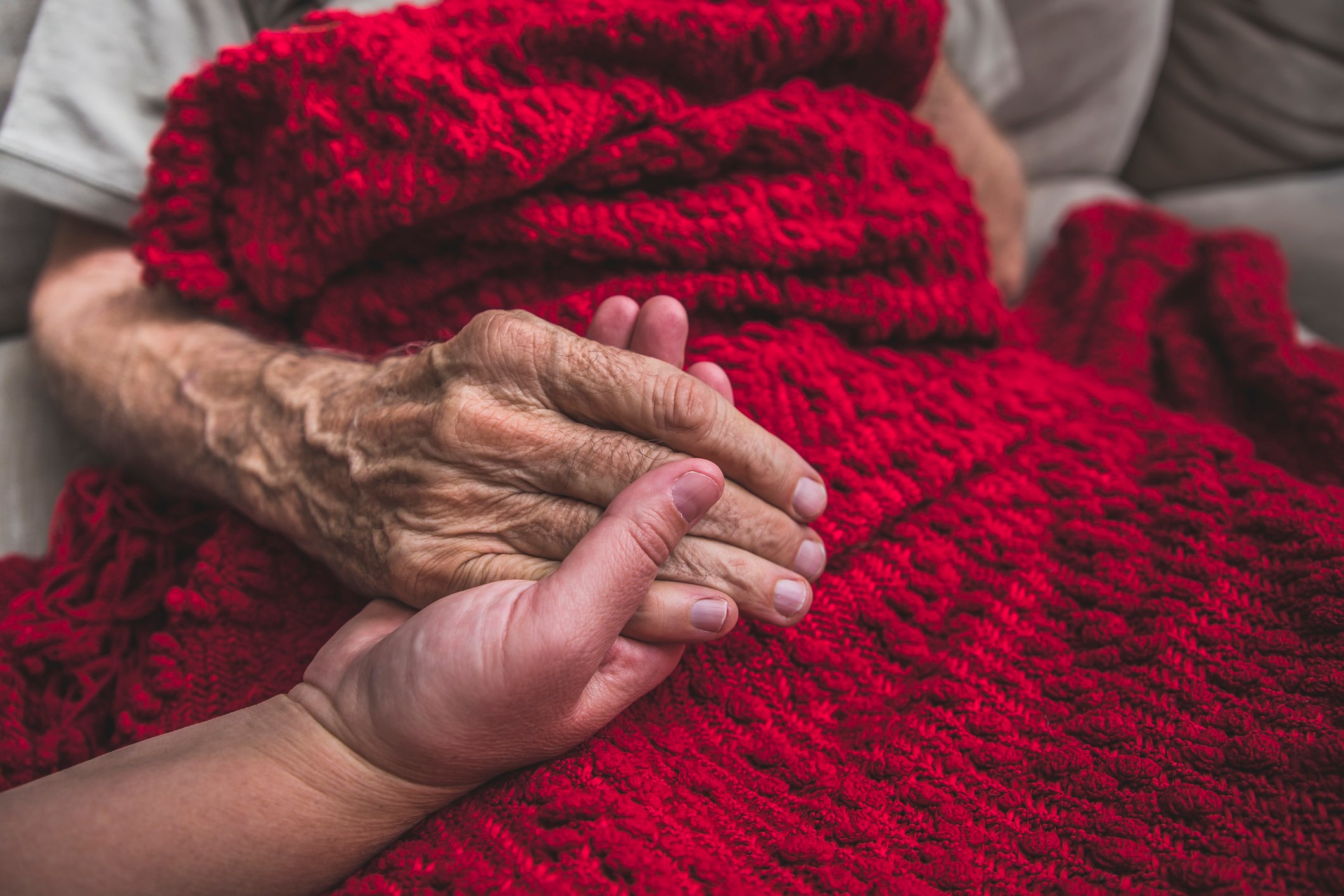
Metastatic Breast Cancer Awareness Day

October 13 is observed as Metastatic Breast Cancer Awareness Day. The purpose of this observance is to spread awareness about the disease and the need for developing new and targeted treatments that will improve the rate of survival.

Metastatic breast cancer also called stage four or advanced breast cancer is cancer that has spread beyond the breast to other organs in the body (most often the bones, lungs, liver or brain). Although metastatic breast cancer has spread to another part of the body, it is considered and treated as breast cancer. For example, breast cancer that has spread to the bones is still breast cancer (not bone cancer) and is treated with breast cancer drugs, rather than treatments for a cancer that began in the bones.

Currently there is no cure for MBC; however, individuals are able to live longer due to treatment that focuses on length and quality of life. While living with the disease is not easy you can face its many challenges with proper knowledge, tips, and support, you can be well equipped to face the challenges of MBC. Although today MBC cannot be cured, this does not mean it cannot be treated. Treatment focuses on length and quality of life. Together with your doctor, you can find the balance of treatment and quality of life that is right for you. Your treatment plan is guided by many factors, including:

  • Characteristics of the cancer cells
  • Where the cancer has spread
  • Your current symptoms
  • Age and health
  • Past cancer treatments

The types of treatments available for MBC are chemotherapy, hormone therapy and targeted therapies through drugs that target genes spreading cancerous cells. Clinical trials also offer the exploration of new treatment options that may be beneficial to you. Talk to your doctor about treatment options they suggest in order to find what works best for you.

Survival for metastatic breast cancer varies greatly from person to person but modern treatments for both early-stage and metastatic breast cancer have improved survival for women diagnosed today.

All content of this newsletter is intended for general information purposes only and is not intended or implied to be a substitute for professional medical advice, diagnosis or treatment. Please consult a medical professional before adopting any of the suggestions on this page. You must never disregard professional medical advice or delay seeking medical treatment based upon any content of this newsletter. PROMPTLY CONSULT YOUR PHYSICIAN OR CALL 911 IF YOU BELIEVE YOU HAVE A MEDICAL EMERGENCY.

Top Men’s Health Issues

It is no secret that men are less vigilant about receiving healthcare than women. In fact a report from the Centers for Disease Control and Prevention (CDC) indicates that men in the United States are 80% less likely than women to visit their doctor’s office regularly and schedule routine medical screenings.

There are several reasons given as to why men steer clear of the doctor’s office and delay treatment-some are, “there is probably nothing wrong” or “I’d rather tough it out.”  This laid-back approach to health care can unfortunately result in shorter or less healthy lives for men, if medical conditions go untreated. The good news is that many of the leading threats to men’s health are preventable and treatable if detected early. Here are few chronic health conditions that affect men the most:


  1. Cardiovascular disease also known as heart disease is one of the leading health risks facing men today. According to the American Heart Association (AHA), more than one in three adult men has heart disease. Although it may seem that something so serious should have warning signs, one may be developing heart disease without knowing it. Luckily, there are many lifestyle changes that can be made to ward off heart disease, such as not smoking, following a heart-smart diet, and being physically active.


  1. Lung cancer is one of the few cancers that can often be prevented simply by not smoking. Men who are at high risk for developing lung cancer may want to talk to a health care provider about quitting smoking- if they are smokers and getting yearly low-dose CT scans to test for early lung cancer.


  1. Prostate cancer is typically found in men over the age of 65. The chance of getting prostate cancer increases as a man gets older. For reasons that are still unknown, African American men are more likely to develop prostate cancer than other races. Men with a family history of prostate cancer are at a high risk for developing the disease.


  1. Type 2 Diabetes is the most common type of diabetes found in men. It affects approximately 95% of the 13 million men with the disease in the United States. Type 2 diabetes affects the body’s ability to use insulin properly. This can elevate sugar levels and cause damage to the body over time.


The first step to staying healthy is educating yourself, and then taking the necessary precautions to reduce your risk. It is equally as important to develop a relationship with your healthcare provider.  Your doctor can create a health care plan to screen, diagnose and treat diseases that you may at be risk for developing.

To schedule an appointment with a primary care physician, please call the Ambulatory Care Center at Flushing Hospital at 718-670-5486.

For more hospital events, highlights, health and  fitness tips, visit us on 

and follow us on Twitter  !

All content of this newsletter is intended for general information purposes only and is not intended or implied to be a substitute for professional medical advice, diagnosis or treatment. Please consult a medical professional before adopting any of the suggestions on this page. You must never disregard professional medical advice or delay seeking medical treatment based upon any content of this newsletter. PROMPTLY CONSULT YOUR PHYSICIAN OR CALL 911 IF YOU BELIEVE YOU HAVE A MEDICAL EMERGENCY.

Top 5 Women’s Health Issues

Do you know which health conditions pose the biggest threat to American women? The good news is that many of the leading threats to women’s health, which can vary based on a woman’s age and background, are preventable. Find out which conditions to be aware of to maximize your health today.

  1. Heart disease is the leading cause of death among women. Luckily, there are many lifestyle changes you can make to ward off heart disease, such as not smoking, following a heart-smart diet, and being physically active.


  1. Stroke poses a significant risk to women’s health in the United States. Almost 55,000 women suffer from stroke each year, and about 60 percent of overall stroke deaths occur among women.


  1. Two of the most common cancers affecting women are breast and cervical cancers. Early detection is the key to keeping women alive and healthy. The most recent figures show that around half a million women die from cervical cancer and half a million from breast cancer each year.


  1. Sexually transmitted diseases are responsible for one third of health issues for women between the ages of 15 and 44 years. Unsafe sex is a major risk factor – particularly among women and girls in developing countries.


  1. Depression is the most common mental health problem for women and suicide a leading cause of death for women under 60. Evidence suggests that women are more prone than men to experience anxiety, depression, and somatic complaints – physical symptoms that cannot be explained medically.


The first step to staying healthy is educating yourself, and then taking the necessary precautions to reduce your risk. While you can’t eliminate risk factors such as family history, you can control many other risk factors for heart disease, stroke and cancer. Also be sure to consult your doctor about when you should have mammograms and other cancer screenings. The Outpatient Mental Health Division at Flushing Hospital Medical Center has an experienced and friendly staff readily available to assist you. To make an appointment please call, 718-670-5562. If you are experiencing stroke or heart disease symptoms please refer to the Ambulatory Care Center at Flushing Hospital. To make an appointment, please call 718-670-5486.

All content of this newsletter is intended for general information purposes only and is not intended or implied to be a substitute for professional medical advice, diagnosis or treatment. Please consult a medical professional before adopting any of the suggestions on this page. You must never disregard professional medical advice or delay seeking medical treatment based upon any content of this newsletter. PROMPTLY CONSULT YOUR PHYSICIAN OR CALL 911 IF YOU BELIEVE YOU HAVE A MEDICAL EMERGENCY.