
Preeclampsia Awareness Week

May is Preeclampsia Awareness Month, a time to raise awareness of this potentially fatal pregnancy condition.  

Preeclampsia is a complication of pregnancy that occurs around the 20th week during pregnancy and lasts about six weeks after birth. It is characterized by symptoms, such as high blood pressure and protein in the urine, and can cause major difficulties for the mother and baby if the condition isn’t monitored and managed.   

Other symptoms of preeclampsia include: 

  • Severe headache 
  • Swelling in the hands and face 
  • Vision problems 
  • Nausea and vomiting 
  • Pain in the stomach or abdomen 
  • Sudden weight gain 
  • Shortness of breath 

Symptoms of postpartum preeclampsia include: 

  • Severe headache 
  • Vision changes 
  • Swelling of the hands and face 
  • Difficulty breathing 

It is important to note that the shorter the time between diagnosis and treatment, the better the outcomes for the mother and baby.  

Preeclampsia and related hypertension diseases of pregnancy (HDPs) affect approximately 76,000 mothers and 500,000 newborns every year and are the leading cause of maternal and infant illness and death in the U.S. and worldwide.  

According to a report done by the Preeclampsia Foundation based on survey data, which analyzed knowledge from almost 3,000 new and expectant mothers that closely represent the demographics of the U.S. population, found that 80% of new and expectant mothers are aware of preeclampsia as a dangerous high blood pressure condition related to pregnancy. However, only 8% of them can correctly name all its major symptoms, and only 29% expressed fear that it may impact their own pregnancy.  

Here are some additional statistics about preeclampsia: 

  • Hypertensive disorders of pregnancy complicate 5%-10% of all pregnancies worldwide. They include: 
  • Preeclampsia, with or without features 
  • Eclampsia 
  • Hemolysis, elevated liver enzymes, and low platelets (HELLP) syndrome 
  • Gestational hypertension 
  • Black women experience severe maternal morbidity events at 2.1 times the rate of white women 
  • Most maternal and infant deaths caused by HDPs occur in low- and middle-income countries 
  • The U.S. ranks 47th worldwide for maternal mortality, and is the only industrialized nation with a rising maternal mortality rate 
  • Sixty percent of hypertension-related maternal deaths are potentially preventable, which highlights missed opportunities for appropriate, recommended care of maternal hypertension 

There are several ways to improve outcomes for women affected by preeclampsia, including: 

  • Screening for risk factors and early hypertension control, nutrition, and exercise, which may help decrease rates of preeclampsia 
  • Providing easy-to-understand preeclampsia signs and symptoms education tools to improve patient understanding of these, and to discuss with their healthcare providers 
  • Supporting prenatal quality collaboratives that help hospitals to implement care practices that reduce early delivery and reduce severe pregnancy complications 
  • Providing access to midwives, doulas, and other trained childbirth attendants throughout the prenatal, labor, and delivery, and postpartum periods. This can improve pregnancy outcomes for all moms, especially those in the BIPOC community 
  • Encouraging and instructing prenatal and postpartum patients on self-measured blood pressure protocols. Pregnancy is the perfect time for women to check, know, and share their blood pressure readings 
  • Standardizing and providing care guidelines on the leading causes of maternal mortality, including hypertensive disorders of pregnancy. This has been shown to decrease maternal illness and death 

Preeclampsia rates in the U.S. are on the rise. It is important that all women know the signs, symptoms, and risk factors for developing high blood pressure during pregnancy, but also know they don’t need to have risk factors to develop it. 

Flushing Hospital’s Women’s Center for Obstetrics and Gynecology offers comprehensive, multi-disciplinary, and culturally sensitive care. Our services are provided by a highly skilled team of OBGYNs. For more information about gynecological services at FHMC’s Center for Obstetrics and Gynecology, call us at (718) 670 8994. 

All content of this newsletter is intended for general information purposes only and is not intended or implied to be a substitute for professional medical advice, diagnosis or treatment. Please consult a medical professional before adopting any of the suggestions on this page. You must never disregard professional medical advice or delay seeking medical treatment based upon any content of this newsletter. PROMPTLY CONSULT YOUR PHYSICIAN OR CALL 911 IF YOU BELIEVE YOU HAVE A MEDICAL EMERGENCY.

Older Americans Month- Mobility Exercises as You Age

May is observed as Older Americans Month. It is a time when the contributions of older adults are recognized across the country.  

As we get older, our joints may feel stiffer, and our balance and reactions might be slower. According to recent studies, over 30% of adults 65 years of age and older experience some form of mobility limitation.  

Mobility for older adults usually means the ability to move freely and independently. It’s all about different aspects of activities and movement like walking, bending, reaching, and balancing.   

For older adults, balance is extremely important, and those with limited mobility are at a higher risk of experiencing a fall. According to the Centers for Disease Control and Prevention (CDC), falls are the leading cause of death for older adults, with about one in four adults 65 years and older experiencing a fall every year.  

One way to reduce the risk of falling is by doing mobility exercises. Mobility exercises are low-impact movements that are designed to improve how joints move through their natural range of motion, while maintaining control and balance.  

Mobility exercises promote active movement and coordination, and usually focus on: 

  • Balance and coordination to prevent falls  
  • The ankles and feet for walking stability 
  • The hips and knees for standing, stepping, and going up and down stairs 
  • The spine for posture and reaching 
  • The shoulders for overhead and daily arm use 

Doing mobility exercises regularly may help support:  

  • Better balance and control of posture 
  • Reduced stiffness from long periods of sitting  
  • Easier walking and smoother transitions, such as going from sitting to standing and turning 
  • Improved confidence when engaging in daily tasks 
  • Long-term joint comfort and movement quality 

Here are some mobility exercises to help improve joint movement, balance, and coordination: 

  • Head rolls 
  • Shoulder rolls 
  • Arm circles 
  • Ankle circles 
  • Standing or seated hip circles 
  • Standing or seated marches  
  • Wrist flexibility exercises 
  • Standing side leg swings 
  • Heel-to-toe rocking 
  • Sit-to-stands 
  • Chair or floor cat-cows 
  • Seated leg raises 
  • Seated torse twists 
  • Supported single-leg stands 
  • Wall shoulder slides 

It is important to note that you should stretch before engaging in any physical activity, so you don’t injure yourself. It is also important that you keep mobility training safe and effective by: 

  • Moving slowly and with control 
  • Using a chair, wall, or rail for support 
  • Staying within a comfortable, pain-free range 
  • Wearing supportive footwear 
  • Stopping if dizziness, sharp pain, or discomfort occurs 

Mobility exercises don’t just help maintain and improve strength, flexibility, and balance to prevent falls. They also help improve your mental well-being, heart health, and overall quality of life.  

If you experience medical problems while exercising, you can schedule an appointment with a doctor at Flushing Hospital Medical Center’s Ambulatory Care Center. To schedule an appointment, please call (718) 670-5486. 

All content of this newsletter is intended for general information purposes only and is not intended or implied to be a substitute for professional medical advice, diagnosis or treatment. Please consult a medical professional before adopting any of the suggestions on this page. You must never disregard professional medical advice or delay seeking medical treatment based upon any content of this newsletter. PROMPTLY CONSULT YOUR PHYSICIAN OR CALL 911 IF YOU BELIEVE YOU HAVE A MEDICAL EMERGENCY.

Metabolic Syndrome and How it Can Lead to Heart Disease

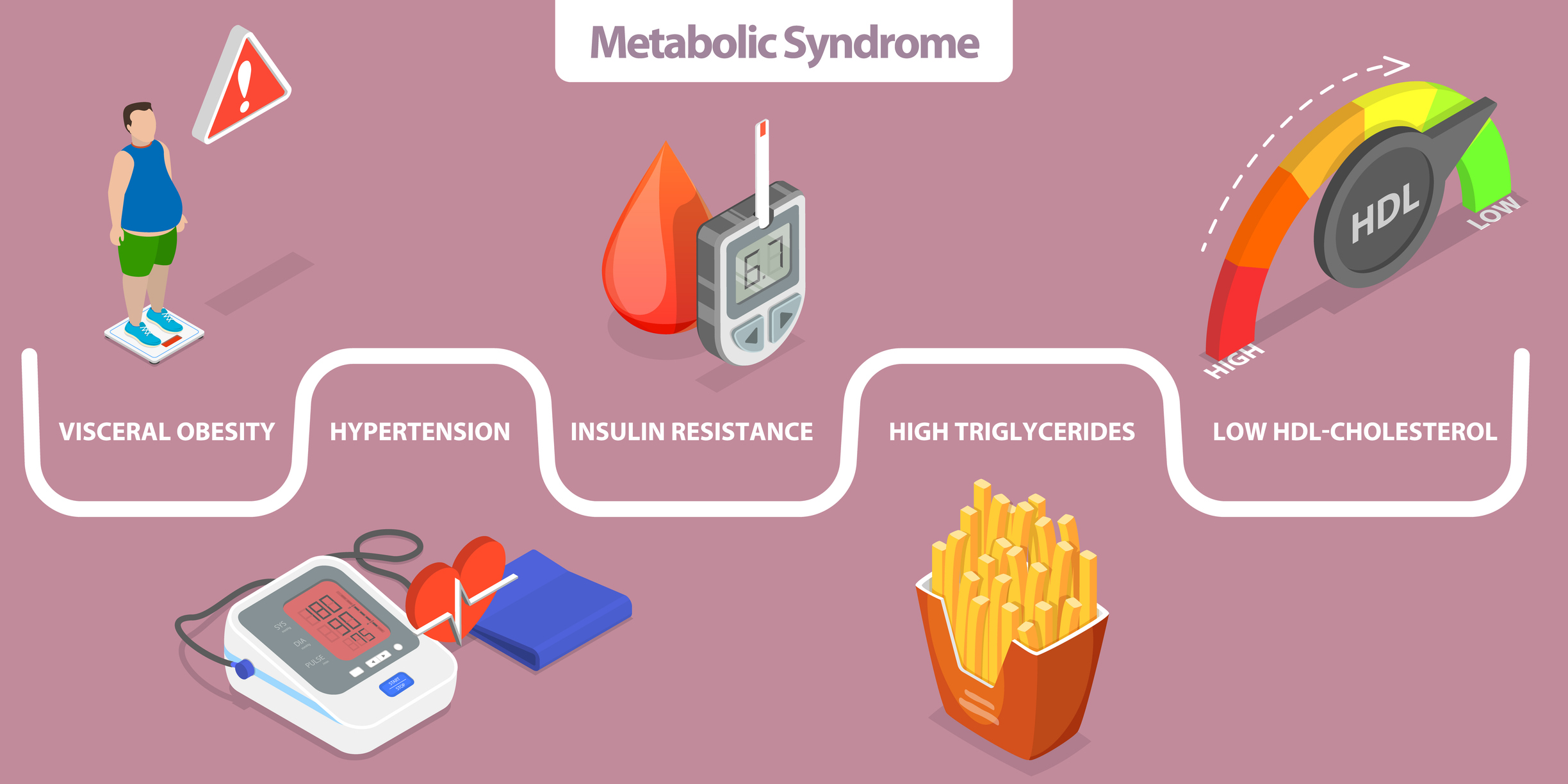
Metabolic syndrome is a group of conditions that increase the risk of heart disease, stroke, type 2 diabetes, and other health problems.  

The number of people with metabolic syndrome is increasing, as up to one-third of adults in the U.S. have it. 

When a person is diagnosed with metabolic syndrome, they have three or more risk factors, such as: 

  • High blood pressure 
  • High blood sugar  
  • Low levels of HDL, or good cholesterol  
  • High triglyceride levels in the blood 
  • A large waist circumference or an apple-shaped body 

Although each of these conditions is a risk factor for cardiovascular disease, when a person has three or more of them and is diagnosed with metabolic syndrome, the chances of them developing a serious cardiovascular condition increase.  

There are several underlying causes of metabolic syndrome, such as: 

  • Being overweight and being obese 
  • Having an insulin resistance 
  • Being physically inactive 
  • Genetic factors 
  • Increasing age 

Metabolic syndrome is a serious health condition; however, there are ways to reduce your risk of developing it, such as: 

  • Being more physically active 
  • Losing weight 
  • Eating a heart-healthy diet that is rich in: 
  • Whole grains 
  • Fruits and vegetables 
  • Fish  

Another way to reduce your risk of developing metabolic syndrome is working with your healthcare team to monitor and manage your blood sugar, blood cholesterol, and blood pressure. 

If you or a loved one is experiencing symptoms of metabolic syndrome, you can receive treatment at Flushing Hospital Medical Center’s Ambulatory Care Center. To schedule an appointment, please call (718) 670-5486. 

All content of this newsletter is intended for general information purposes only and is not intended or implied to be a substitute for professional medical advice, diagnosis or treatment. Please consult a medical professional before adopting any of the suggestions on this page. You must never disregard professional medical advice or delay seeking medical treatment based upon any content of this newsletter. PROMPTLY CONSULT YOUR PHYSICIAN OR CALL 911 IF YOU BELIEVE YOU HAVE A MEDICAL EMERGENCY.
Exercising Outdoors

Spring has arrived, and the weather is starting to warm up. This means we can spend more time exercising outdoors rather than at the gym or at home.  

Outdoor exercise is a great way to work out. It offers many benefits to our physical and mental health, such as: 

  • Reducing stress and anxiety 
  • Improving sleep 
  • Boosting vitamin D levels 
  • Boosting self-esteem 
  • Improving memory 
  • Lowering chronic disease risk 

Here are tips that can keep you safe while exercising outdoors: 

  • Drink plenty of water and avoid caffeine and alcohol 
  • Wear clothes that let the air circulate and moisture evaporate 
  • Stay sun safe by wearing sunscreen, sunglasses, and a hat 
  • Know the signs of heat-related illnesses 
  • Wear proper footwear for the activity you are engaging in 

If you experience medical problems while exercising, you can schedule an appointment with a doctor at Flushing Hospital Medical Center’s Ambulatory Care Center. To schedule an appointment, please call (718) 670-5486. 

All content of this newsletter is intended for general information purposes only and is not intended or implied to be a substitute for professional medical advice, diagnosis or treatment. Please consult a medical professional before adopting any of the suggestions on this page. You must never disregard professional medical advice or delay seeking medical treatment based upon any content of this newsletter. PROMPTLY CONSULT YOUR PHYSICIAN OR CALL 911 IF YOU BELIEVE YOU HAVE A MEDICAL EMERGENCY.

Snow STEMI

A powerful winter storm called a Nor’easter has brought blizzard-like conditions and a large amount of snowfall to our area.

When we get such large amounts of snow, the easy part is watching the beauty of the snow falling. Unfortunately, the most difficult part is having to shovel several inches of snow from the sidewalk and driveway.

A major worry when shoveling large amounts of snow is how it can affect our health.

According to the National Library of Medicine, heavy snowfall, cold temperatures, and low atmospheric pressure during the winter months have been associated with increased adverse cardiovascular events, such as “snow-shoveler’s ST-elevated myocardial infarction (STEMI).”

Snow-shoveler’s STEMI is a type of heart attack that occurs when there is a partial or complete blockage in one of the coronary arteries, which stops blood flow to part of the heart muscle. This can especially occur due to the over-exertion caused by shoveling snow.

Per the American Heart Association, shoveling snow can put some people at risk of a heart attack, but most people won’t have a problem. Sudden exertion, such as shoveling hundreds of pounds of snow or pushing a heavy snow blower after being sedentary for several months, can put a huge strain on the heart.

There is also a factor of cold weather, as it can increase heart rate and blood pressure, and make blood clots form more easily and constrict arteries, which can decrease blood supply. This can even affect healthy people. People who are over the age of 40 years old, or are relatively inactive, are especially at risk. Other people who are at risk of STEMI include:

Those with preexisting heart conditions:

  • Those with high blood pressure (hypertension)
  • Those who smoke tobacco products

According to Medical News Today, research indicates that heavy snowfall is linked to a 6% higher likelihood of hospital admission for men with a heart attack and a 34% increase in dying.

The National Safety Council recommends the following safety tips to shovel safely:

  • Know the signs of a heart attack, stop immediately, and call 911 if you’re experiencing any of them; every minute counts

The warning signs of a heart attack include:

    • Chest discomfort that lasts more than a few minutes or doesn’t go away and returns
    • Pain or discomfort in the arms, back, neck, jaw, and stomach
    • Shortness of breath

Other signs of a heart attack can include:

    • Breaking out in a cold sweat
    • Nausea
    • A rapid or irregular heartbeat
    • Unusual tiredness
    • Heartburn or indigestion
    • Lightheadedness
  • Take it slow and stretch before you start shoveling
  • Shovel only fresh, powdery snow because it is lighter
  • Push the snow instead of lifting it. If you do lift the snow, use a small shovel or only partially fill the shovel
  • Lift with your legs and not your back
  • Dress in warm layers
  • Do not shovel after eating or while smoking
  • Do not work to the point of exhaustion

If you have a history of heart disease, do not pick up a shovel without the permission of your healthcare provider.

If you or a loved one is experiencing symptoms of STEMI, while, during, or after shoveling snow, you can receive treatment from a cardiologist at Flushing Hospital Medical Center’s Ambulatory Care Center. To schedule an appointment, please call (718) 670-5486. If you are experiencing an emergency, please call 911 immediately.

All content of this newsletter is intended for general information purposes only and is not intended or implied to be a substitute for professional medical advice, diagnosis or treatment. Please consult a medical professional before adopting any of the suggestions on this page. You must never disregard professional medical advice or delay seeking medical treatment based upon any content of this newsletter. PROMPTLY CONSULT YOUR PHYSICIAN OR CALL 911 IF YOU BELIEVE YOU HAVE A MEDICAL EMERGENCY.

June Is National Migraine and Headache Awareness Month

According to the Coalition for Headache and Migraine Patients (CHAMP), June is recognized by the federal government as National Migraine and Headache Awareness Month.

More than 38 million people in the United States experience migraines or some type of tension headache with 2 -3 million of them experiencing chronic migraines.

The exact causes of migraines are unknown.  People with migraine or tension headaches may have a tendency to be affected by certain triggers such as fatigue, bright lights, weather changes and hypertension.

Some symptoms of migraine or tension headaches are:

  • Throbbing pain, numbness, weakness
  • Sensitivity to light
  • Sensitivity to sound
  • Nausea
  • Diarrhea
  • Vertigo
  • Mood changes
  • Neck pain
  • Vision changes

Treatment for migraine or tension headaches depends on the how often or how severe the headache is, the level of disability your headache may cause and contributing medical conditions you may have.

Over the counter medications such as anti-nausea or Ibuprofen may help with more minor episodes, but if you are experiencing multiple headaches per month lasting more than 12 hours, over the counter medications aren’t helping and your migraine symptoms include numbness or weakness, it is best to consult your physician.

If you are experiencing painful migraine or tension headaches, Flushing Hospital Medical Center has reopened many of its healthcare services. To learn about the safety measures the hospital has taken to protect your health, please visit https://flushinghospital.org/for-our-patients/

If you would like to schedule an appointment please call 718-670-5486.

To learn more about migraines and tension headaches visit – https://migraine.com/migraine-statistics/

All content of this newsletter is intended for general information purposes only and is not intended or implied to be a substitute for professional medical advice, diagnosis or treatment. Please consult a medical professional before adopting any of the suggestions on this page. You must never disregard professional medical advice or delay seeking medical treatment based upon any content of this newsletter. PROMPTLY CONSULT YOUR PHYSICIAN OR CALL 911 IF YOU BELIEVE YOU HAVE A MEDICAL EMERGENCY.

Blood Pressure – Keeping it Under Control in the New Year

Soon it will be the beginning of the New Year and many of us will make resolutions to do things better than the previous year. For many people this means living healthy, losing weight, and keeping our blood pressure under control.

High blood pressure affects one in three Americans. If not controlled well it can lead to kidney problems, damaged blood vessels, stroke, and heart attacks. There are many factors that can cause blood pressure to be elevated including obesity, stress, smoking, high sodium diets and elevated cholesterol. Ideally, managing some of these factors can help to maintain a blood pressure that is as close to normal range (120/80mmHg) as possible.

There are many ways that doctors can help us to control our blood pressure, Your doctor can prescribe medication that will help. Additionally other methods include:

  • Quitting smoking
  • Lose weight
  • Stress reduction
  • Exercise regularly
  • Eat less salty food
  • Eliminate beverages that contain caffeine
  • Eat dark chocolate
  • Cut back on sugar
  • Drink less alcohol

Keeping your blood pressure under control is probably one of the most important things you can do to keep yourself healthy. Speak to your doctor about methods that would work best for you.

If you would like to schedule an appointment with a doctor at Flushing Hospital to discuss how you can lower your blood pressure in 2018, please call 718-670-5486.

All content of this newsletter is intended for general information purposes only and is not intended or implied to be a substitute for professional medical advice, diagnosis or treatment. Please consult a medical professional before adopting any of the suggestions on this page. You must never disregard professional medical advice or delay seeking medical treatment based upon any content of this newsletter. PROMPTLY CONSULT YOUR PHYSICIAN OR CALL 911 IF YOU BELIEVE YOU HAVE A MEDICAL EMERGENCY.

Can Exposure to the Sun Affect Your Blood Pressure?

High blood pressure (or hypertension) is a common, yet potentially very serious health condition that can lead to heart disease or stroke. To combat hypertension, doctors usually recommend that their patients follow a healthy, low salt diet and exercise regularly, but is there another simple thing that we all can do to lower our blood pressure?

Recent studies have indicated that spending more time outdoors in the sun can lower your lower pressure. What was found is that nitric oxide stored in the top layers of the skin reacts to sunlight and cause blood vessels to widen as the oxide moves into the bloodstream. That, in turn, lowers blood pressure.  The research, which was conducted by British researchers at the University of Southampton, exposed individuals with blood pressure within normal range to ultra violet light.  After exposure, those in the study saw a modest decrease in blood pressure levels. Researchers believe that the drop will be even more significant in individuals with elevated blood pressure.

Additional studies have concluded that people with higher levels of Vitamin D ( a vitamin that is commonly linked to sun exposure), experienced lower blood pressure levels and were at lower risk of developing hypertension. In fact, according to one recent study, for every 10 percent increase in vitamin D levels, there was an 8 percent decrease in the risk of developing hypertension.

Lastly, blood pressure levels tend to fluctuate seasonally, with levels typically being at their highest during the winter months. There are many potential factors for this, including  changing weather patterns and increased weight gain during the winter, but could more sun exposure be a factor in lower blood pressure during summer months?

This information does not mean that those looking to lower their blood pressure should rely on sun exposure as their only form of treatment against hypertension, nor should individuals ignore the potential dangers of prolonged, unprotected exposure to the. This research merely suggests that, if done responsibly, exposure to the sun can have a positive effect on your blood pressure levels.

If you have hypertension, speak with your physician about how increased sun exposure may benefit your condition. If you do not have a doctor, please call 718-670-5486.

All content of this newsletter is intended for general information purposes only and is not intended or implied to be a substitute for professional medical advice, diagnosis or treatment. Please consult a medical professional before adopting any of the suggestions on this page. You must never disregard professional medical advice or delay seeking medical treatment based upon any content of this newsletter. PROMPTLY CONSULT YOUR PHYSICIAN OR CALL 911 IF YOU BELIEVE YOU HAVE A MEDICAL EMERGENCY.

Can Your Teenager Develop Hypertension?

High blood pressure, or hypertension, is a disease that most don’t begin to think about until they are well into their adult life, but more and more teenagers and younger children are now developing high blood pressure.

It was once believed that high blood pressure in teens was largely related to an underlying problem with the heart or kidneys. Research has shown that this is not the case and that teens today are developing hypertension in approximately the same proportions as adults.

One of the biggest reasons is the rise of childhood obesity. Teens in the United States now weigh more and exercise less than in past generations. Smoking cigarettes, as well as alcohol and drug use can also be contributing factors. As a result, rates of high blood pressure among this group have a grown at a rapidly increasing rate.

While these factors certainly can’t be ignored, they are not the only reasons why a teenager can develop high blood pressure. The teenage years are synonymous with puberty. The sudden bodily changes that take place during this time in a young adult’s life can also play a role. Hormone changes and rapid growth spurts can cause transient increases in blood pressure levels. As a result, even if a child isn’t overweight or inactive, they could still post high levels. Being obese or inactive can only add to the problem.

Another issue is understanding the definition of hypertension in teenagers. While determining hypertension in adults is fairly easy as there are set numerical values used as markers, diagnosing the disease in teens is more complicated. To determine hypertension in teens, doctors look at five key factors:

  • Age
  • Gender
  • Height
  • Systolic reading (the upper value which represents the pressure when heart contracts)
  • Diastolic reading (the lower value which represents the pressure when the heart relaxes)

These values are then compared to other boys or girls to determine where the teen falls with a certain percentile. The system is a complicated one but takes into account factors that better characterize a teen’s blood pressure. As a result, blood pressure readings that may seem high when looked at on an isolated basis may end up being perfectly normal when adjusted for the child’s height, age, and gender.

Because teenagers with hypertension tend to suffer more cardiovascular events later in life, early intervention is vital to lowering the blood pressure and sustaining long-term control.

Treating hypertension in teenagers will typically focus on lifestyle interventions before medications are considered.  Suggested changes include:

  • Eating a healthy diet
  • Maintaining an ideal body mass index (BMI)
  • Exercising regularly
  • Quitting cigarettes
  • Limiting drug and alcohol use

It’s important that your teenager have an annual physical examination performed so a doctor can check their blood pressure. If your teen does not have a doctor, Flushing Hospital’s Ambulatory Care Center has many qualified physicians. To make an appointment, please call 718-670-5486.

All content of this newsletter is intended for general information purposes only and is not intended or implied to be a substitute for professional medical advice, diagnosis or treatment. Please consult a medical professional before adopting any of the suggestions on this page. You must never disregard professional medical advice or delay seeking medical treatment based upon any content of this newsletter. PROMPTLY CONSULT YOUR PHYSICIAN OR CALL 911 IF YOU BELIEVE YOU HAVE A MEDICAL EMERGENCY.

Is There an Underlying Cause for Your Hypertension?

Over 75 million or one out of every three adults in the United States has high blood pressure, or hypertension.  For most, hypertension is the result of either genetic or lifestyle factors such as obesity or smoking, but for approximately 10% of Americans, hypertension is caused by the existence of another disease.

When hypertension is the result of another medical condition it is referred to as secondary hypertension. Secondary hypertension can be caused by a variety of conditions that affect any number of different systems and organs. Some of the most common causes for secondary hypertension include:

  • Kidney disease -Secondary hypertension can be related to damaged kidneys or to an abnormal narrowing of one or both renal arteries.
  • Coarctation of the aorta.With this congenital defect, the body’s main artery (aorta) is narrowed (coarctation). This forces the heart to pump harder to get blood through the aorta and to the rest of your body. This in turn, raises blood pressure — particularly in your arms.
  • Adrenal disease – The adrenal glands sit on top of the kidneys and produce several hormones that help regulate blood pressure. Sometimes, one or both adrenal glands make and secrete an excess of these hormones.
  • Hyperparathyroidism – The parathyroid glands regulate levels of calcium and phosphorus in your body. If the glands secrete too much parathyroid hormone, the amount of calcium in your blood rises — which triggers a rise in blood pressure.
  • Pregnancy –  Pregnancy can make existing high blood pressure worse, or may cause high blood pressure to develop (pregnancy-induced hypertension or preeclampsia).

Like primary hypertension, secondary hypertension usually has no specific signs or symptoms, even when your blood pressure has reached dangerously high levels.  Secondary hypertension can also worsen an underlying medical condition and lead to other serious complications, such as heart attack or stroke, if left untreated.

In most cases, once an underlying medical condition causing hypertension is identified and appropriate treatment is provided, your blood pressure will return to normal.

If you have a condition that can cause secondary hypertension, it is important to see your doctor and have your blood pressure checked regularly.

If you have hypertension and believe there is an underlying cause, schedule an appointment with your doctor. If you do not have one, please call Flushing Hospital’s Ambulatory Care Center at 718-670-5486 to schedule an appointment.


All content of this newsletter is intended for general information purposes only and is not intended or implied to be a substitute for professional medical advice, diagnosis or treatment. Please consult a medical professional before adopting any of the suggestions on this page. You must never disregard professional medical advice or delay seeking medical treatment based upon any content of this newsletter. PROMPTLY CONSULT YOUR PHYSICIAN OR CALL 911 IF YOU BELIEVE YOU HAVE A MEDICAL EMERGENCY.