
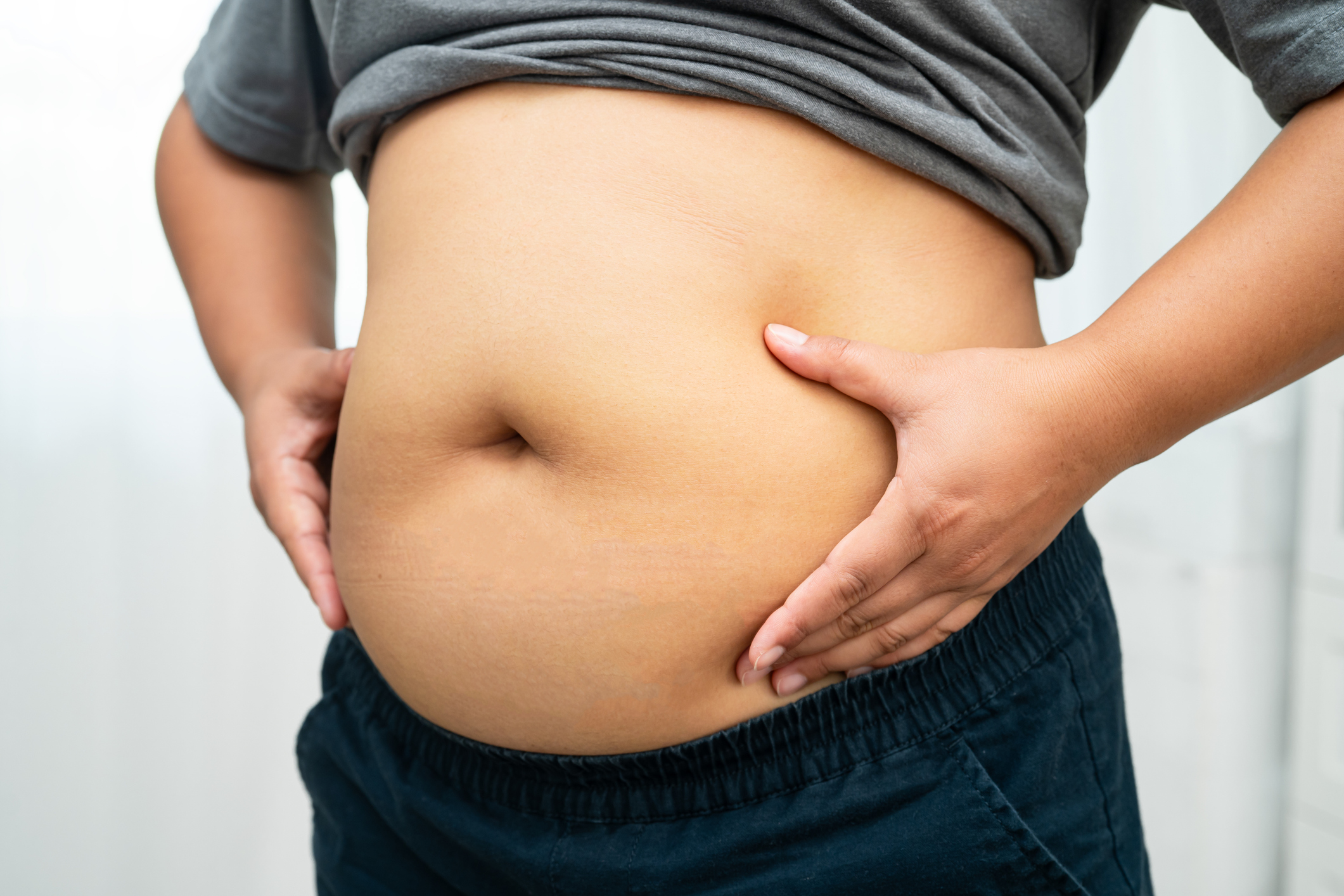
 Weight fluctuation is something that many of us experience throughout our lives. When you gain weight for no obvious reason, it may be connected to hormone fluctuations that can occur with age, menopause, or a medical issue. These changes in hormone levels can affect major body functions, including the way you gain and lose weight. While hormonal weight gain affects both sexes, the distribution of fat differs between men and women.
Men generally gain weight in their abdominal area. Premenopausal women often gain weight around their hips and thighs, while postmenopausal women may gain weight in their abdominal area.
Treating hormonal weight gain consists of finding the cause of and fixing the hormonal imbalance. There may also be a need to treat the underlying medical issue causing a shift in your hormone levels.
Hormonal weight gain resulting from hormone imbalances can lead to different symptoms and can vary on the specific hormone and whether its levels are too high or too low. The common symptoms of hormonal weight gain besides difficulty losing weight include:
- Depression
- Insomnia
- “Brain fog” or an inability to think clearly
- Fatigue
- Constipation
- Thirst that persists despite drinking water
- Frequent urination
- Irregular menstrual cycle
- Irregular heartbeat
- Acne
Hormonal weight gain can be caused by changes to the normal level and function of several important hormones that help regulate appetite, the sense of fullness, metabolism, and how body fat is distributed. These hormones include:
- Estrogen
- Insulin
- Leptin
- Cortisol
- Ghrelin
There are several conditions that can cause hormonal weight gain, including:
- Menopause
- Endometriosis
- Polycystic Ovary Syndrome (PCOS)
- Hypothyroidism
- Insomnia
Losing hormonal weight gain starts with finding the hormones that affect your weight. It may also be necessary to get the right diagnosis and treatment if you have a hormonal imbalance caused by an underlying medical issue.
Any weight loss goal generally involves lifestyle changes that consist of the following strategies:
- A daily program to maintain activity levels
- A change in diet to reduce calories
- Adequate sleep every night
- Behavior strategies to encourage commitment
Working with a fitness professional can help you find exercises to target areas where you have excess weight due to hormonal weight gain.
Hormonal weight gain supplements or medications may also be advised. They can reset hormone levels, treat the effects of abnormal levels, or control any underlying problems. Some common treatments include:
- Insulin therapy for type 2 diabetes
- Bioidentical hormone therapy
- Sleep medications
- Hormonal birth control pills for controlling endometriosis
- Synthetic thyroid hormone levothyroxine (a T4 preparation) for hypothyroidism
In extreme cases, treatment may involve surgical intervention to treat underlying problems. These therapies may include:
- Bariatric weight loss surgery
- Ovarian cyst surgery
- Hysterectomy
Hormonal weight gain can look like any other type of weight gain. To determine if your weight gain is hormonal, visit your healthcare provider.
If you or a loved one is experiencing symptoms of hormonal weight gain, you can receive treatment at Flushing Hospital Medical Center’s Ambulatory Care Center. To schedule an appointment, please call (718) 670-5486.
All content of this newsletter is intended for general information purposes only and is not intended or implied to be a substitute for professional medical advice, diagnosis or treatment. Please consult a medical professional before adopting any of the suggestions on this page. You must never disregard professional medical advice or delay seeking medical treatment based upon any content of this newsletter. PROMPTLY CONSULT YOUR PHYSICIAN OR CALL 911 IF YOU BELIEVE YOU HAVE A MEDICAL EMERGENCY.