How Microplastics and Nanoplastics Affect Our Long-Term Health

Microplastics and nanoplastics (MNPs) are plastic particles that fail to break down and have become a major concern for environmental and human health.

These plastic particles are extremely small, as microplastics range from 1 micrometer to 5 millimeters. Nanoplastics are even smaller, as they are less than one micrometer.

There are two types of microplastics, primary microplastics and secondary microplastics. These microplastics typically come from two main sources. Primary microplastics are manufactured at a small size intentionally. Secondary microplastics are formed from the breakdown of larger plastic items.

There are public concerns about the health effects of microplastics and nanoplastics, as they have been found in our bodies because of what we eat, drink, or breathe.

Nanoplastics can behave differently from microplastics or materials that are larger. Their small size means that they may move more easily through biological membranes or interact differently with cells in the body.

Larger microplastics are filtered by the body’s natural defenses, such as the mucus and cilia in the airways, but can still get inhaled into the lungs and even infiltrate the bloodstream or the barriers to the digestive system.

Scientific research has pointed to the likelihood of nanoplastics being far more toxicologically active than microplastics, due to their being small enough to pass through some biological barriers and easily absorbed into the body, which can potentially disrupt and damage internal organs and processes.

Evidence suggests that microplastics may be correlated with health conditions, including:

  • Chronic degenerative diseases
  • Cardiovascular disease
  • Inflammatory diseases, such as inflammatory bowel disease (IBS)

Additionally, existing research has found that microplastics can accumulate in the human brain. They can also be found in plaque formed in our arteries.

Currently, the U.S. doesn’t have regulations around microplastics. However, there are ways to reduce your exposure to microplastics, including:

  • Cutting back on bottled water
  • Getting an NSF-certified water filter
  • Avoiding storing food in plastic containers
  • Avoiding the reuse of single-use plastics for food and drinks
  • Avoiding heating plastic
  • Washing plastic by hand
  • Keeping your air clean

According to health experts, there are ways you can lower your risk of the health effects linked to microplastics, including:

  • Eating a balanced diet
  • Getting enough sleep and exercise
  • Lowering stress
  • Seeing preventative care

Unfortunately, plastic is everywhere, and it is hard to avoid. However, it is important to remember that all the plastic we use will end up in a landfill and eventually in our environment and in our bodies. Limiting plastic usage and production will hopefully have a positive impact on future generations.

All content of this newsletter is intended for general information purposes only and is not intended or implied to be a substitute for professional medical advice, diagnosis or treatment. Please consult a medical professional before adopting any of the suggestions on this page. You must never disregard professional medical advice or delay seeking medical treatment based upon any content of this newsletter. PROMPTLY CONSULT YOUR PHYSICIAN OR CALL 911 IF YOU BELIEVE YOU HAVE A MEDICAL EMERGENCY.


Heart Stent

When a coronary artery becomes narrow, it is due to the buildup of plaque. When this occurs, it may reduce blood flow to the heart and cause symptoms such as chest pain.

If a clot forms in a narrow coronary artery, it completely blocks blood flow and causes a heart attack. This is when a heart stent is used. A heart stent is a tiny, flexible wire-mesh tube that helps keep a coronary artery open, increasing blood flow to the heart.

A heart stent is used when a coronary artery is about 70% blocked. Using a stent improves blood flow to the heart and relieves chest pain. Most stents are permanent and help to reduce the risk of a heart attack.

There are many types of stents used to keep the coronary arteries open. They include:

· Bare metal stents

· Biodegradable stents

· Drug-eluting stents

When a stent is placed in a coronary artery, it is done through a minimally invasive procedure called angioplasty or percutaneous coronary intervention (PCI). During this procedure, a healthcare provider will insert a thin, flexible tube called a catheter in the heart’s blood vessels. The catheter has a balloon at the tip, which will be inflated to open the narrowed coronary artery and allow placement of the stent. After the procedure, a healthcare provider will prescribe blood thinners to prevent blood clots from blocking the artery again.

It is important to watch out for complications after getting a heart stent. If you are experiencing chest pain, it may be a symptom of restenosis, which is when the artery narrows again due to the growth of tissue. When this occurs, it can lead to a heart attack. If you are experiencing restenosis, you may need another procedure to place a drug-eluting stent.

Speak with your healthcare provider about the recovery time for the procedure. Most people will need to rest for a few days to a week before returning to work and any physical activity. It is also important to discuss follow-up care with your healthcare provider, as you may need to see a cardiologist or pulmonologist.

If you or a loved one is experiencing symptoms of chest pain, you can receive treatment at Flushing Hospital Medical Center’s Ambulatory Care Center. To schedule an appointment, please call (718) 670-5486.

All content of this newsletter is intended for general information purposes only and is not intended or implied to be a substitute for professional medical advice, diagnosis or treatment. Please consult a medical professional before adopting any of the suggestions on this page. You must never disregard professional medical advice or delay seeking medical treatment based upon any content of this newsletter. PROMPTLY CONSULT YOUR PHYSICIAN OR CALL 911 IF YOU BELIEVE YOU HAVE A MEDICAL EMERGENCY.
Conditions that Lead to DVT

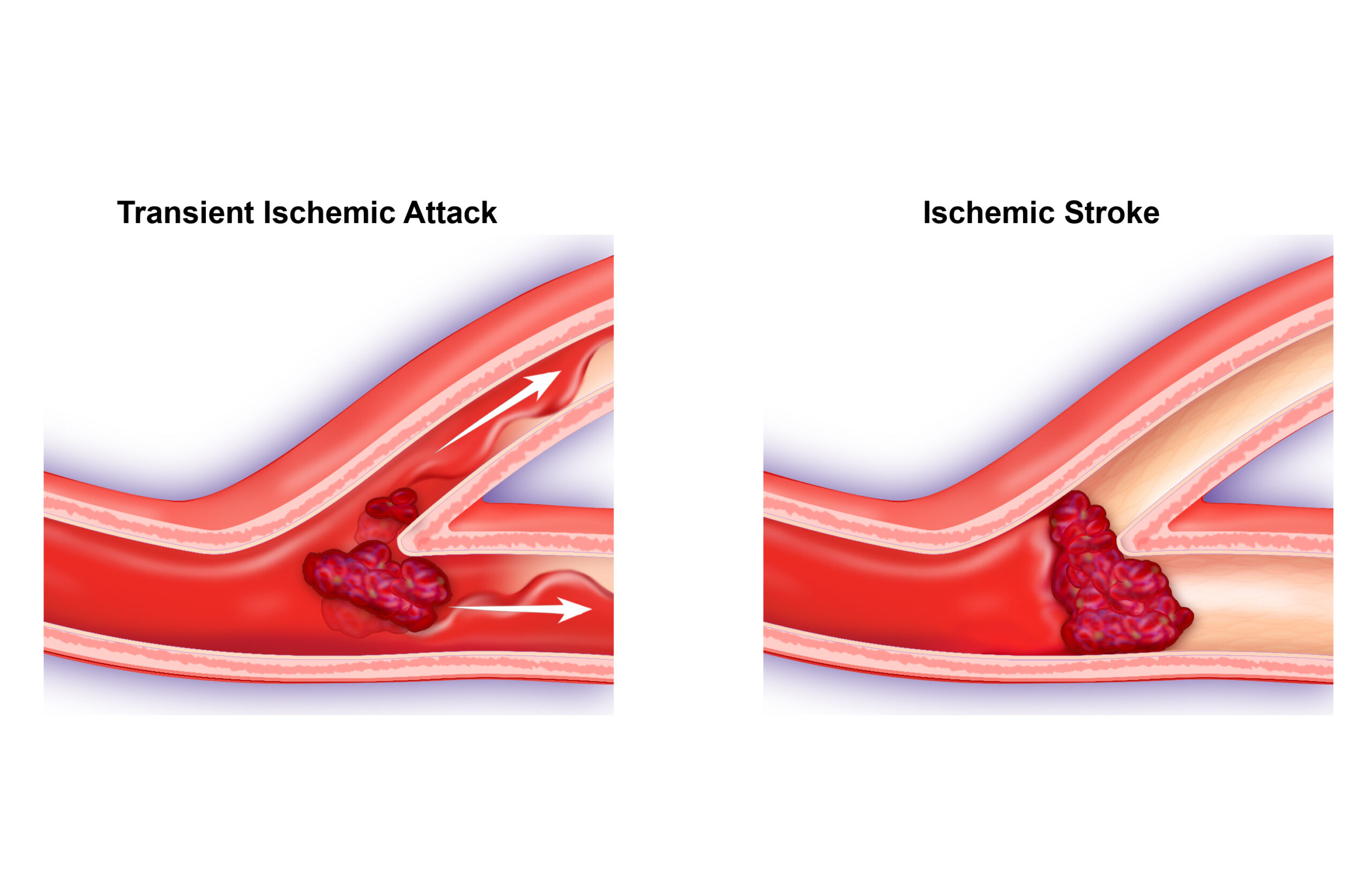
Deep vein thrombosis (DVT) is a condition that occurs when a blood clot forms in one or more of the deep veins in the body. DVT usually happens in the legs and causes leg pain or swelling.

Other symptoms of DVT include:

· Leg cramping or soreness that often starts in the calf

· A change in skin color in one leg to red or purple, depending on skin color

· A feeling of warmth on the affected leg

Deep vein thrombosis can occur without any noticeable symptoms.

A person can develop DVT if they have certain medical conditions that prevent the blood from flowing or affect how the blood clots.

Medical conditions that can lead to deep vein thrombosis include:

· Heart diseases

· Cancer and some cancer treatments

· Inherited blood clotting disorders such as sickle cell

· Inflammatory bowel disease

· Obesity

· Autoimmune diseases such as lupus

· Varicose veins

· Paralysis

· Pregnancy

· Serious infections

Other factors that can increase the risk of DVT include:

· Age

· Lack of movement

· Injury or surgery

· Birth control pills or hormone replacement therapy

· Smoking

DVT is diagnosed when a healthcare provider performs a physical exam and asks about your symptoms. During the physical exam, they will check your legs for swelling, tenderness, and any changes in skin color. The tests a healthcare provider will order depend on if they think you are at a low or high risk of developing DVT. Tests include:

· D-dimer blood test

· Duplex ultrasound

· Venography

· MRI

Treatment for DVT has three main goals:

· To prevent the clot from breaking loose and traveling to the lungs

· To prevent the clot from getting bigger

· To reduce the chances of developing DVT again

Treatment options for DVT include:

· Blood thinners

· Clot busters

· Filters

· Compression stockings

Making lifestyle changes may help prevent deep vein thrombosis. These lifestyle changes include:

· Moving your legs

· Managing your weight

· Quitting smoking

If you or a loved one is experiencing symptoms of deep vein thrombosis, you can receive treatment at Flushing Hospital Medical Center’s Ambulatory Care Center. To schedule an appointment, please call (718) 670-5486.

All content of this newsletter is intended for general information purposes only and is not intended or implied to be a substitute for professional medical advice, diagnosis or treatment. Please consult a medical professional before adopting any of the suggestions on this page. You must never disregard professional medical advice or delay seeking medical treatment based upon any content of this newsletter. PROMPTLY CONSULT YOUR PHYSICIAN OR CALL 911 IF YOU BELIEVE YOU HAVE A MEDICAL EMERGENCY.

Snow STEMI

A powerful winter storm called a Nor’easter has brought blizzard-like conditions and a large amount of snowfall to our area.

When we get such large amounts of snow, the easy part is watching the beauty of the snow falling. Unfortunately, the most difficult part is having to shovel several inches of snow from the sidewalk and driveway.

A major worry when shoveling large amounts of snow is how it can affect our health.

According to the National Library of Medicine, heavy snowfall, cold temperatures, and low atmospheric pressure during the winter months have been associated with increased adverse cardiovascular events, such as “snow-shoveler’s ST-elevated myocardial infarction (STEMI).”

Snow-shoveler’s STEMI is a type of heart attack that occurs when there is a partial or complete blockage in one of the coronary arteries, which stops blood flow to part of the heart muscle. This can especially occur due to the over-exertion caused by shoveling snow.

Per the American Heart Association, shoveling snow can put some people at risk of a heart attack, but most people won’t have a problem. Sudden exertion, such as shoveling hundreds of pounds of snow or pushing a heavy snow blower after being sedentary for several months, can put a huge strain on the heart.

There is also a factor of cold weather, as it can increase heart rate and blood pressure, and make blood clots form more easily and constrict arteries, which can decrease blood supply. This can even affect healthy people. People who are over the age of 40 years old, or are relatively inactive, are especially at risk. Other people who are at risk of STEMI include:

Those with preexisting heart conditions:

  • Those with high blood pressure (hypertension)
  • Those who smoke tobacco products

According to Medical News Today, research indicates that heavy snowfall is linked to a 6% higher likelihood of hospital admission for men with a heart attack and a 34% increase in dying.

The National Safety Council recommends the following safety tips to shovel safely:

  • Know the signs of a heart attack, stop immediately, and call 911 if you’re experiencing any of them; every minute counts

The warning signs of a heart attack include:

    • Chest discomfort that lasts more than a few minutes or doesn’t go away and returns
    • Pain or discomfort in the arms, back, neck, jaw, and stomach
    • Shortness of breath

Other signs of a heart attack can include:

    • Breaking out in a cold sweat
    • Nausea
    • A rapid or irregular heartbeat
    • Unusual tiredness
    • Heartburn or indigestion
    • Lightheadedness
  • Take it slow and stretch before you start shoveling
  • Shovel only fresh, powdery snow because it is lighter
  • Push the snow instead of lifting it. If you do lift the snow, use a small shovel or only partially fill the shovel
  • Lift with your legs and not your back
  • Dress in warm layers
  • Do not shovel after eating or while smoking
  • Do not work to the point of exhaustion

If you have a history of heart disease, do not pick up a shovel without the permission of your healthcare provider.

If you or a loved one is experiencing symptoms of STEMI, while, during, or after shoveling snow, you can receive treatment from a cardiologist at Flushing Hospital Medical Center’s Ambulatory Care Center. To schedule an appointment, please call (718) 670-5486. If you are experiencing an emergency, please call 911 immediately.

All content of this newsletter is intended for general information purposes only and is not intended or implied to be a substitute for professional medical advice, diagnosis or treatment. Please consult a medical professional before adopting any of the suggestions on this page. You must never disregard professional medical advice or delay seeking medical treatment based upon any content of this newsletter. PROMPTLY CONSULT YOUR PHYSICIAN OR CALL 911 IF YOU BELIEVE YOU HAVE A MEDICAL EMERGENCY.

Understanding Cholesterol Numbers

Cholesterol is a type of waxy, fat-like substance, or lipid, that the body needs to function. It forms part of the cell membranes, helps the liver make bile, and serves as a building block for hormones.  

There are several types of cholesterol. They include: 

  • High-density lipoprotein (HDL) cholesterol is a good cholesterol that helps protect the arteries 
  • Low-density lipoprotein (LDL) cholesterol is bad cholesterol that causes plaque buildup in the arteries 
  • Very-low density lipoprotein (VLDL) cholesterol is another type of bad cholesterol that can also cause plaque buildup in the arteries 
  • Non-HDL cholesterol- refers to all the cholesterol in the blood, except for HDL cholesterol 

Cholesterol is vital for us to live, as it does many essential jobs in the body. However, too much cholesterol in the blood is harmful as it can enter the artery wall, weakening it, leading to hardened deposits of atherosclerotic plaque to form. This is called atherosclerosis, and it can lead to problems such as: 

  • Coronary artery disease 
  • Peripheral artery disease 
  • Carotid artery disease 

A person can live for many years with high cholesterol and not know it. High levels of cholesterol, or hyperlipidemia, can be a risk of a heart attack or stroke. That is why it is important to get your cholesterol numbers checked on a regular basis. 

When getting your cholesterol numbers checked, a healthcare provider will use a blood test called a lipid panel. A healthcare provider will check the numbers of the main levels of cholesterol. They include: 

  • Total cholesterol: Below 200 
  • LDL cholesterol: Below 100 
  • VLDL cholesterol: Below 30 
  • HDL cholesterol: 40-80 for males. 50-80 for females 

The lipid panel also measures another type of fat in the blood called triglycerides. 

Normal cholesterol levels can vary based on age, ethnicity, and sex.   

If a person has heart disease or several risk factors, the LDL target number may be different, and a healthcare provider will want the number to be below 70. 

HDL numbers are typically better when higher rather than lower. An ideal number for HDL cholesterol should be between 60 and 80 to protect against heart disease. An HDL number over 80 is too high and can be unhealthy. HDL is the only number that has sex-based differences, as females need a higher HDL level than males. 

High cholesterol means that total cholesterol is 200/mg/dl or higher, or higher than normal. “Borderline high” is a phrase that healthcare providers may use to break down the results of a lipid panel. If a person’s cholesterol numbers are close to normal, they may be easier to manage. High cholesterol numbers include: 

  • Total cholesterol: Borderline high: 200-239  

                                      High: 240 or higher 

  • LDL cholesterol: Elevated:100-129  

                                    Borderline high: 130-159 

                                    High: 160-189 

  • VLDL cholesterol: 30 or higher 

LDL cholesterol, VLDL cholesterol, and total cholesterol numbers should be lower rather than higher. 

How often a person gets their cholesterol checked depends on their age, family history, risk factors for heart disease, and their sex, as males need more frequent tests starting at a younger age.  

Males ages 20 to 44 should get their cholesterol checked every five years. Males ages 45 to 65 should get their cholesterol checked every one to two years. And males 65 years and older should get their cholesterol checked every year.  

Females ages 20-54 should get their cholesterol checked every five years. Females ages 55 to 65 should get their cholesterol checked every one to two years. And females 65 and older should get their cholesterol checked every year. 

It is important to know what your cholesterol numbers are, as they can help you learn about your potential risks for heart disease. A healthcare provider will look at your cholesterol numbers, as well as the other aspects of your health, to learn more about your risks of heart disease.  

If you or a loved one would like to learn more about understanding cholesterol numbers, you can speak with a physician at Flushing Hospital Medical Center’s Ambulatory Care Center. To schedule an appointment, please call (718) 670-5486. 


All content of this newsletter is intended for general information purposes only and is not intended or implied to be a substitute for professional medical advice, diagnosis or treatment. Please consult a medical professional before adopting any of the suggestions on this page. You must never disregard professional medical advice or delay seeking medical treatment based upon any content of this newsletter. PROMPTLY CONSULT YOUR PHYSICIAN OR CALL 911 IF YOU BELIEVE YOU HAVE A MEDICAL EMERGENCY.

How to Set Healthy Weight Loss Goals

Embarking on a weight loss journey can be a difficult and sometimes daunting experience. There are many factors that can affect a person’s weight management, such as medical conditions, certain medicines, stress, age, genes, hormones, and environment.  

However, maintaining a lifestyle that consists of a good nutritional diet, regular physical activity, stress management, and proper sleep can support a healthy weight. Additionally, people who lose weight gradually, which is about one to two pounds a week, are more likely to keep the weight off than those who lose weight more quickly.  

If a person is not at a healthy weight, moderate weight loss can help improve their cholesterol, blood pressure, and blood sugar levels. Just a 5% to 10% reduction of their current weight may lower their risk for some chronic diseases, such as heart disease, prediabetes, and type 2 diabetes. Other benefits of moderate weight loss include: 

  • More energy  
  • Better mobility  
  • A boost in self-confidence 
  • Improved fitness 

Starting a weight loss journey can be challenging. However, having and following a plan can help make the journey easier. Here are five steps that can help guide you to a healthier weight: 

  • Consider the reasons why you want to lose weight. Writing down your reasons and posting them where you can see them can help remind you why you are making this change and keep you focused on your weight loss goals 
  • Keep track of where you are as you begin your weight loss journey. You can keep a journal of your nutrition to help you keep track of what you eat and drink in a day. Make note of your physical activity by including the time of day you exercised, what activities you did, and for how long. Maintain a chart of your sleep schedule, including what time you went to sleep and woke up, and the number of hours you slept. Monitor your stress levels and the healthy ways you are reducing your stress. You can also track how you felt during your meals, when you exercise, and any lifestyle challenges that have affected your progress 
  • Set specific and realistic goals. Creating short-term goals with rewards can help prevent you from feeling frustrated when there is a setback. When setting short-term goals, focus on two or three goals at a time 
  • Find a good support system. Surround yourself with family or friends who are supportive of your weight loss goals. If they have similar goals, they may share resources that have helped them on their weight loss journey 
  • Stay up to date with your progress throughout your weight loss journey. Regularly evaluate your progress by revisiting the goals you set. Determine what has been working well and what hasn’t been, and use this information to make any changes to your goals and weight loss plan. If you are consistently meeting a particular goal, you can reward yourself for achieving your goals. It is important to recognize and be proud of your progress as you meet your goals. Rewarding yourself helps to keep you motivated and on the right path 

Please note that before you start your weight loss journey, speak with your healthcare provider so you can decide whether or not it’s a good time to set a weight loss goal. 

And if you do go on a weight loss journey, don’t get discouraged if you aren’t losing weight as quickly as you had hoped. Remember that sustainable weight loss takes time.  

For more information about the Bariatric Surgery Services at Flushing Hospital or procedures performed by our doctors, please call718-408-6977 or 718-670-8908. 


All content of this newsletter is intended for general information purposes only and is not intended or implied to be a substitute for professional medical advice, diagnosis or treatment. Please consult a medical professional before adopting any of the suggestions on this page. You must never disregard professional medical advice or delay seeking medical treatment based upon any content of this newsletter. PROMPTLY CONSULT YOUR PHYSICIAN OR CALL 911 IF YOU BELIEVE YOU HAVE A MEDICAL EMERGENCY.
How Many Steps Do You Need to Walk Every Day to Be Healthy?

Ten thousand steps per day is a commonly cited goal when it comes to improving your health. However, factors such as age, sex, and occupation may influence the best step count for you.

Researchers examined how the number of steps people take affected their risk for disease and their lifespan. They found that 10,000 steps per day doesn’t always mean people are healthier. Additionally, there is a point at which the number of steps taken per day levels off when it comes to improving health.

For adults younger than 60 years of age, 8,000 and 10,000 steps per day were associated with a decreased risk of death.

For adults older than 60 years of age, 6,000 to 8,000 steps per day achieved a lower risk of mortality.

Researchers also found that people who lose more than 10% of their body weight over 18 months walk approximately 10,000 steps a day. At least 3,500 of those steps were at least of moderate-to-vigorous intensity in short, 10-minute bursts.

Walking is excellent for the heart, as it can lower your risk of cardiovascular disease and help prevent a cardiovascular event such as a stroke or heart failure.

The American Heart Association reports that older adults who take 4,500 steps per day have a 77% lower risk of having an adverse cardiovascular event than people who take fewer than 2,000 steps. Each time you add 500 steps to your daily average, you incrementally lower your risk by 14%. However, this benefit can plateau between 6,000 and 8,000 steps.

Walking can have many health benefits for your mind, as it can help preserve your cognitive function. The more steps you take each day, the more your risk of developing dementia. Once you hit 9,800 steps per day, that benefit can plateau. However, you can begin seeing significant benefits at just 3,800 steps daily, and getting that many steps consistently may lower your risk of dementia by 50% over time.

According to the American Diabetes Association (ADA), walking at least 30 minutes per day, five days a week, can significantly lower your risk of Type 2 diabetes. Whether you walk it all at once or you split it into smaller walks doesn’t matter. Exercises such as walking increase insulin sensitivity and help lower your blood sugar.

A short burst of 10 minutes of brisk walking can increase your energy, mood, and mental alertness. You can also use walking to significantly lower your risk of depression.

According to the American Psychological Association, people who walk at a moderate pace for 75 minutes weekly have an 18% lower depression risk than people who don’t get any physical activity. Walking for 120 minutes weekly can lower your risk by 25%.

Walking greatly benefits your overall health. It doesn’t matter if you do most of your walking during the day, at night, during the week, or on the weekends. You are still helping your health.

It is recommended that you consult your doctor before starting or adding new exercises to your routine. You can schedule an appointment with a doctor at Flushing Hospital’s Ambulatory Care Center by calling (718) 670-5486.

All content of this newsletter is intended for general information purposes only and is not intended or implied to be a substitute for professional medical advice, diagnosis or treatment. Please consult a medical professional before adopting any of the suggestions on this page. You must never disregard professional medical advice or delay seeking medical treatment based upon any content of this newsletter. PROMPTLY CONSULT YOUR PHYSICIAN OR CALL 911 IF YOU BELIEVE YOU HAVE A MEDICAL EMERGENCY.
The Impact of Ultraprocessed Foods on Your Health

Ultraprocessed foods, or UPFs, are food products such as frozen pizza, ready-to-eat meals, instant noodles, and many store-bought breads that contain a long list of ingredients, chemical additives, and little to no “whole” foods.

Understanding ultraprocessed foods is tricky, as even experts don’t fully agree on what they specifically are and whether they are good or bad. However, a 2024 study led by researchers at Harvard T.H. Chan School of Public Health also found that a high intake of ultraprocessed foods may increase the risk of early death. Participants who ate the most ultraprocessed foods of any kind had a 4% higher risk of death from any cause and an 8% higher risk of death from neurodegenerative diseases. And according to the Yale School of Public Health, high ultraprocessed food intake has been linked to a 25%-58% higher risk of health issues related to the heart and metabolism, and a 21%-66% higher risk of mortality.

People who eat more ultraprocessed foods may tend to eat more calories overall. Data from the Centers for Disease Control and Prevention (CDC) shows that 53% of the calories that adults consumed daily, on average, came from ultraprocessed foods between 2021 and 2023. For children 18 years old and younger, it is 61.9%. Scientists are studying whether ultraprocessed foods high in saturated fat, added sugars, and sodium may mimic addictive substances in some people, and if they do, how they may do so.

Some ultraprocessed foods may contribute to poorer health outcomes. Examples of this include:

  • They may displace or replace healthier foods
  • They could lead to eating too many calories
  • They may result in eating too much saturated fat, added sugars, or sodium
  • They may influence how the brain responds to these foods
  • The changed textures may trigger the brain to stay hungry even after eating
  • They can potentially disrupt blood sugar
  • They can potentially disrupt your gut health
  • They could cause exposure to toxins

The recommendation to limit the intake of ultraprocessed foods reinforces the long-standing nutrition guidance to limit unhealthy fats, added sugars, and sodium. A diet composed mainly of ultraprocessed foods also exposes people to unhealthy additives and increases the risk of chronic inflammatory diseases.

The best way to identify ultraprocessed foods is to read the packaging of the product to see if its list of ingredients contains either food substances never or rarely used in kitchens, such as high-fructose corn syrup, hydrogenated or interesterified oils, and hydrolyzed proteins. Or it may contain classes of additives designed to make the final product palatable or more appealing, such as flavors, flavor enhancers, colors, emulsifiers, emulsifying salts, sweeteners, thickeners, and anti-foaming, bulking, carbonating, foaming, gelling, and glazing agents.

It is important to note that an overall healthy diet pattern should focus on eating healthier options such as vegetables, fruits, whole grains, beans, nuts, seeds, healthy non-tropical oils, and lean proteins.

The Yale School of Public Health offers four ways to reduce ultraprocessed foods in your diet. They include:

  1. Planning and preparing meals at home in advance that use less processed and ultraprocessed foods
  2. Drinking water and unsweetened beverages such as coffee and tea instead of soda and other sweetened drinks
  3. Eating fresh fruits and vegetables, if they are available to you. If they are not available, choose minimally processed frozen or canned options with no added salt or sugar
  4. Adding an unprocessed fruit or vegetable to your meal if an ultraprocessed food is your only option and you are short on time. And to choose an ultraprocessed food option with less sodium, saturated fat, and added sugar

If you would like to learn more about Flushing Hospital Medical Center’s nutritional services, you can visit the Ambulatory Care Center. To schedule an appointment, please call (718) 670-5486.

All content of this newsletter is intended for general information purposes only and is not intended or implied to be a substitute for professional medical advice, diagnosis or treatment. Please consult a medical professional before adopting any of the suggestions on this page. You must never disregard professional medical advice or delay seeking medical treatment based upon any content of this newsletter. PROMPTLY CONSULT YOUR PHYSICIAN OR CALL 911 IF YOU BELIEVE YOU HAVE A MEDICAL EMERGENCY.
Congratulations to the MediSys Health Network for Their Excellence in Stroke Care

The MediSys Health Network continues to demonstrate its unwavering dedication to providing high-quality stroke care. Jamaica Hospital Medical Center was recognized by the American Heart Association for its continued commitment to quality improvement across its cardiovascular and stroke service lines by awarding the hospital the 2025 AHA Commitment to Quality Award.

Additionally, Jamaica and Flushing Hospital received the American Heart Association’s 2025 Get With The Guidelines-Stroke Gold Plus with Honor Roll Elite and Target: Type 2 Diabetes Honor Roll Achievement Award.

Get With The Guidelines puts the expertise of the American Heart Association and American Stroke Association to work for hospitals nationwide, helping ensure patient care is aligned with the latest research and evidence-based guidelines. Get With The Guidelines – Stroke is an in-hospital program for improving stroke care by promoting consistent adherence to these guidelines, which can minimize the long-term effects of a stroke and even prevent death.

Both Jamaica Hospital and Flushing Hospital Medical Centers’ Departments of Prehospital Care have also received the American Heart Association’s Mission: Lifeline® EMS Gold achievement award for their commitment to offering rapid and research-based care to people experiencing the most severe form of heart attacks and strokes, ultimately saving lives.

Jamaica Hospital and Flushing Hospital Medical Centers’ Departments of Prehospital Care are honored to be recognized by the American Heart Association for our dedication to providing optimal care for heart attack patients. The Mission: Lifeline program puts proven knowledge and guidelines to work daily, so patients have the best possible chance of survival.

Congratulations to both hospitals on being recognized for these great achievements.


All content of this newsletter is intended for general information purposes only and is not intended or implied to be a substitute for professional medical advice, diagnosis or treatment. Please consult a medical professional before adopting any of the suggestions on this page. You must never disregard professional medical advice or delay seeking medical treatment based upon any content of this newsletter. PROMPTLY CONSULT YOUR PHYSICIAN OR CALL 911 IF YOU BELIEVE YOU HAVE A MEDICAL EMERGENCY.

National Cholesterol Education Month

September is National Cholesterol Education Month. It serves as an important time to focus on heart health, getting your blood cholesterol checked, and taking proactive steps to manage cholesterol levels.

National Cholesterol Education Month seeks to inform the public about the dangers of high cholesterol and its connection with the leading cause of death around the globe, heart disease.

High cholesterol is one of the most common and commonly misunderstood health risks in America. It can be caused by an unhealthy diet and exacerbated by smoking and a lack of exercise. Since it is symptomless, it can be hard to diagnose. It is a serious condition that affects nearly 102 million Americans over the age of 20 years old.

Fortunately, managing cholesterol levels can be achieved through lifestyle changes and, if necessary, medication. Here are some effective strategies to help lower cholesterol:

  • Adopting a heart-healthy diet that focuses on eating foods rich in fiber, such as fruits, vegetables, and whole grains. Incorporate healthy fats from sources such as avocados, nuts, and olive oil, while reducing intake of saturated and trans fats found in processed and fried foods.
  • Increasing physical activity, such as brisk walking, jogging, or cycling, can help raise HDL cholesterol and lower LDL cholesterol. Aiming for at least 150 minutes of moderate-intensity exercise per week is recommended.
  • Maintaining a healthy weight by losing excess weight through a combination of healthy eating and exercising regularly can improve cholesterol levels and overall heart health.
  • Quitting smoking and limiting alcohol use through smoking cessation and moderate alcohol consumption can improve HDL cholesterol levels and reduce overall cardiovascular risk.
  • Monitoring your cholesterol levels by getting regular check-ups with a healthcare provider can help track cholesterol levels and assess risk factors. This is particularly important for younger adults who may not exhibit symptoms, but could still be at risk.

National Cholesterol Education Month is an important time to reflect on the state of our heart health and take proactive steps to manage our cholesterol levels.

If you are concerned about your heart health and would like to get your blood cholesterol checked, you can schedule an appointment with a doctor at Flushing Hospital’s Ambulatory Care Center by calling (718) 670-5486.


All content of this newsletter is intended for general information purposes only and is not intended or implied to be a substitute for professional medical advice, diagnosis or treatment. Please consult a medical professional before adopting any of the suggestions on this page. You must never disregard professional medical advice or delay seeking medical treatment based upon any content of this newsletter. PROMPTLY CONSULT YOUR PHYSICIAN OR CALL 911 IF YOU BELIEVE YOU HAVE A MEDICAL EMERGENCY.