Shigella Virus

Shigella virus or infection is an illness that affects the intestine and is caused by a group of germs called Shigella bacteria. 

A Shigella infection mostly affects children under the age of five, but it can happen at any age. The germs that cause a shigella infection are easily spread through an infected person’s stool. An infection occurs after the germs are swallowed after either touching your mouth, drinking tainted water, or eating tainted food, or due to them being present on fingers, surfaces, or in food or water.  

The main symptom of a Shigella infection is diarrhea, which can be bloody or long-lasting. Other Shigella infection symptoms can include: 

  • Fever 
  • Stomach pain or cramps 
  • An upset stomach or vomiting 
  • A feeling of needing to pass stool even when the bowel is empty 

The symptoms of a Shigella infection tend to last for up to seven days and sometimes longer. Some people can have no symptoms after they have been infected with Shigella; however, the germs may be able to spread through stool for up to a few weeks. 

It may take weeks or months before you return to your usual bowel habits, and most Shigella infections clear up without leading to other complications, such as dehydration, seizures, rectal prolapse, hemolytic uremic syndrome, toxic megacolon, reactive arthritis, and bloodstream infections. 

It is important to call your healthcare provider or go to urgent care if you or your child has the following: 

  • Bloody diarrhea 
  • Diarrhea along with a fever of 102 degrees Fahrenheit or higher 
  • Diarrhea that causes weight loss and dehydration 
  • Frequent vomiting that prevents you from keeping liquids down 
  • Terrible cramps or tenderness 
  • Dehydration symptoms, such as little or no urination, very dry mouth or throat, or a feeling of dizziness while standing 

If you have a weakened immune system with any symptoms of a Shigella infection, call your healthcare provider, as the illness will make you sicker for a longer period. 

Diagnosing a Shigella infection involves a physical exam and tests to determine if you have the illness, as many other health conditions can cause diarrhea or bloody diarrhea. A stool sample can be collected by you or your healthcare provider; it will be sent to a lab to check for Shigella germs or toxins, which are harmful substances the germs make. 

Treatment for a Shigella infection depends on the severity of the illness. An illness caused by a Shigella infection is usually mild and gets better within seven days. If the illness is mild, you may only need to replace lost fluids from diarrhea, especially if you are in overall good health.  

Talk with your healthcare provider before taking any non-prescription diarrhea medicine, as these medicines could make some conditions worse. 

If a lab test is positive for the Shigella virus, non-prescription medicines containing bismuth subsalicylate can help pass stool less often and shorten the length of the illness. However, it is not recommended for children, pregnant or breastfeeding people, or people who are allergic to aspirin.  

Additionally, do not take diarrhea medicines such as loperamide or medicines containing the combination of diphenoxylate and atropine, as they are not recommended for a Shigella infection. This combination of medicines can lower the body’s ability to clear Shigella germs and make your condition worse. 

Antibiotics are prescribed by a healthcare provider if there is a serious Shigella infection. However, some Shigella bacteria can resist the effects of these medicines, so your healthcare provider may not recommend them unless your infection is very bad.  

To help prevent a Shigella infection, follow these steps: 

  • Wash your hands often 
  • Try not to swallow water from ponds, lakes, or untreated pools 
  • Throw away soiled diapers in a covered, lined garbage can 
  • Disinfect all diaper-changing areas right after use, especially if the diaper spills or leaks 
  • Do not have sexual contact with anyone who has diarrhea or who has recently recovered from diarrhea. Wait at least two weeks 

If you or your child has diarrhea or a known Shigella infection, take these steps to prevent the spread of germs: 

  • Keep washing your hands often 
  • Do not prepare food for others 
  • Keep children with diarrhea home from school, childcare, or play groups 
  • Stay home from healthcare, food service, or childcare jobs while sick 
  • Do not go swimming until you have fully recovered 

If you or a loved one is experiencing symptoms of a Shigella infection, you can receive treatment at Flushing Hospital Medical Center’s Ambulatory Care Center. To schedule an appointment, please call (718) 670-5486. 

All content of this newsletter is intended for general information purposes only and is not intended or implied to be a substitute for professional medical advice, diagnosis or treatment. Please consult a medical professional before adopting any of the suggestions on this page. You must never disregard professional medical advice or delay seeking medical treatment based upon any content of this newsletter. PROMPTLY CONSULT YOUR PHYSICIAN OR CALL 911 IF YOU BELIEVE YOU HAVE A MEDICAL EMERGENCY.


Employee Spotlight Shines on Daryl Arcinas, RN

This month, we are proud to shine our Employee Spotlight on Daryl Arcinas, RN, Clinical Nurse Manager in the Emergency Department.

Daryl’s journey with Flushing Hospital Medical Center began in 2010. After a brief departure in 2023, he returned later that year as a per diem House Nurse Supervisor before being promoted to his current leadership role in 2025.

Healthcare is a family legacy for Daryl. Born in the Philippines and raised in Jamaica, Queens, he grew up inspired by his mother (a NICU nurse), his aunt (an ER nurse), and his uncle (an internal medicine physician), all of whom served at Jamaica Hospital. A graduate of Stony Brook University, Daryl remains deeply rooted in his community and his family.

Outside of the hospital, Daryl is a devoted husband to his wife, Jasmine, and a proud father to their two daughters, Rosalie and Reilene. Their home is made complete by two dogs: Hero, an Alaskan Malamute, and Nami, a Japanese Akita.

Daryl is a man of many interests, from playing the piano and enjoying live orchestral concerts by Hans Zimmer to staying active through football, golf, tennis, and swimming. An avid traveler, he frequently visits family in Los Angeles and Dallas and has explored much of Asia, with Japan, the Philippines, and Hong Kong topping his list of favorite destinations.

Daryl attributes his success to staying humble, transparent, and lead with integrity. He enjoys working at Flushing Hospital because of its unique “family-like” atmosphere. We are honored to have him on our team and look forward to his continued contributions for many years to come!

All content of this newsletter is intended for general information purposes only and is not intended or implied to be a substitute for professional medical advice, diagnosis or treatment. Please consult a medical professional before adopting any of the suggestions on this page. You must never disregard professional medical advice or delay seeking medical treatment based upon any content of this newsletter. PROMPTLY CONSULT YOUR PHYSICIAN OR CALL 911 IF YOU BELIEVE YOU HAVE A MEDICAL EMERGENCY.

Peptide Therapy

The use of peptide injection therapy has increased across the United States. According to the American Medical Association, public interest in injectable peptides is rising as more people see them promoted online for weight loss, anti-aging, and muscle recovery.

Peptides are short chains of amino acids, which are the building blocks of protein. Peptides naturally occur in the body, acting as hormones, regulators, or messengers.  They support important functions and processes such as digestion, regulating metabolism and appetite, regulating blood sugar, defending the body against injury and infection, promoting cell growth and tissue repair, and regulating blood pressure. Peptides can also influence mood, stress, and behavior.

Examples of peptides that occur naturally in the body are:

  • Insulin
  • Endorphins
  • Glutathione
  • Collagen peptides
  • Growth Hormone (GH)
  • BPC-157
  • Vasopressin
  • Glucagon
  • GLP‑1 (glucagon‑like peptide‑1)
  • Atrial natriuretic peptide (ANP)

Peptide therapy uses synthetic peptides designed to mimic those naturally occurring in the body to improve or alter how the body functions.

Treatment can be delivered through supplements, topical creams, or nasal sprays. However, peptide drugs delivered by injection are one of the fastest‑growing categories. This growth is primarily driven by the demand for GLP‑1 receptor agonists, such as semaglutides used to treat diabetes and obesity, and non‑GLP‑1 injectable peptides, such as NAD+ used to improve cellular energy and metabolism, as well as sermorelin/ipamorelin to stimulate growth hormone release.

Safety should be considered when deciding if peptide therapy is right for you.  FDA-approved treatments are generally safe when prescribed appropriately. Non- approved or compounded treatments may carry a higher risk due to possible dosing errors, unknown long-term health effects, contamination, or hormone disruption.

If you are interested in starting peptide therapy, speak with a licensed physician to learn if this form of treatment is appropriate for your health goals and overall condition. To schedule an appointment with a physician at Flushing Hospital Medical Center, please call 718-670-5486.


All content of this newsletter is intended for general information purposes only and is not intended or implied to be a substitute for professional medical advice, diagnosis or treatment. Please consult a medical professional before adopting any of the suggestions on this page. You must never disregard professional medical advice or delay seeking medical treatment based upon any content of this newsletter. PROMPTLY CONSULT YOUR PHYSICIAN OR CALL 911 IF YOU BELIEVE YOU HAVE A MEDICAL EMERGENCY.

Centering Pregnancy at Flushing Hospital

Flushing Hospital Medical Center is committed to providing the best possible prenatal care to our patients. That is why we are offering Centering Pregnancy to our expectant parents. 

Centering Pregnancy is an innovative prenatal model designed to promote the overall health and well-being of the mother and baby. Unlike traditional one-on-one prenatal visits, this approach incorporates small-group sessions for medical care, education, and emotional support, fostering meaningful relationships between participants and clinicians. 

After an initial private visit with a provider, participants in the centering pregnancy program, all of whom are in similar stages of their pregnancy, meet in a small group setting for their prenatal appointments. Here, participants share with and learn from each other during the course of their pregnancy. Each of the ten-centering prenatal care group sessions is approximately 90 minutes long. This group dynamic gives each of the participants the advantage of having more time with their provider. 

At the beginning of the session, our facilitator will guide each patient to get weighed, have their blood pressure checked, and record their values for the provider to review. The provider will listen to the baby’s heartbeat and review the pertinent patient-specific information. After this information is collected, the 8-12 participants will form a circle and begin the fun and interactive educational session. 

Some of the topics covered in these sessions, designed to promote health and well-being during the pregnancy and postpartum period, include: 

  • The progression of their pregnancy 
  • Relaxation techniques 
  • Common discomforts and how to resolve them 
  • Nutrition during pregnancy 
  • What to expect during labor and delivery 
  • Newborn feeding, including breastfeeding 
  • Newborn care 

Games are played to help the learning process and to assist in building friendships between the participants. After the educational session, there is a question-and-answer period. 

Expectant mothers are actively involved in their care as they share similar experiences with women during the same stage of pregnancy. Moms and providers can relax and get to know each other. Many long-lasting friendships are formed from being involved in Centering Pregnancy. 

Studies show that women who participate in Centering Pregnancy programs tend to experience: 

  • Fewer preterm births (33 percent fewer, according to some research) 
  • Lower rates of emergency C-sections 
  • Higher rates of breastfeeding 
  • Better engagement in their own health 
  • Improved spacing between pregnancies 
  • Better well-child visit attendance and immunization rates 
  • Lower rates of postpartum depression 
  • Dramatically reduced racial disparities in preterm birth, especially among African American women 

“The Centering Pregnancy has proven to be overwhelmingly positive, with participants expressing satisfaction with the group setting and the support they receive. Expectant women learn together, feel less isolated, and share their questions and experiences. Empowering women and allaying fears throughout pregnancy and after birth has been a benefit of Centering Pregnancy,” said Maria DeMarinis Smilios, MSN, CNS, RNC, IBCLC, Director of Nursing-Maternal & Child Services and Ambulatory Care 

These are the many benefits of Centering Pregnancy compared to traditional care. There is no extra charge for this type of prenatal care when compared to traditional prenatal care. 

For more information and to schedule for Centering Pregnancy, call 718 670-8992. 

All content of this newsletter is intended for general information purposes only and is not intended or implied to be a substitute for professional medical advice, diagnosis or treatment. Please consult a medical professional before adopting any of the suggestions on this page. You must never disregard professional medical advice or delay seeking medical treatment based upon any content of this newsletter. PROMPTLY CONSULT YOUR PHYSICIAN OR CALL 911 IF YOU BELIEVE YOU HAVE A MEDICAL EMERGENCY.

Preeclampsia Awareness Week

May is Preeclampsia Awareness Month, a time to raise awareness of this potentially fatal pregnancy condition.  

Preeclampsia is a complication of pregnancy that occurs around the 20th week during pregnancy and lasts about six weeks after birth. It is characterized by symptoms, such as high blood pressure and protein in the urine, and can cause major difficulties for the mother and baby if the condition isn’t monitored and managed.   

Other symptoms of preeclampsia include: 

  • Severe headache 
  • Swelling in the hands and face 
  • Vision problems 
  • Nausea and vomiting 
  • Pain in the stomach or abdomen 
  • Sudden weight gain 
  • Shortness of breath 

Symptoms of postpartum preeclampsia include: 

  • Severe headache 
  • Vision changes 
  • Swelling of the hands and face 
  • Difficulty breathing 

It is important to note that the shorter the time between diagnosis and treatment, the better the outcomes for the mother and baby.  

Preeclampsia and related hypertension diseases of pregnancy (HDPs) affect approximately 76,000 mothers and 500,000 newborns every year and are the leading cause of maternal and infant illness and death in the U.S. and worldwide.  

According to a report done by the Preeclampsia Foundation based on survey data, which analyzed knowledge from almost 3,000 new and expectant mothers that closely represent the demographics of the U.S. population, found that 80% of new and expectant mothers are aware of preeclampsia as a dangerous high blood pressure condition related to pregnancy. However, only 8% of them can correctly name all its major symptoms, and only 29% expressed fear that it may impact their own pregnancy.  

Here are some additional statistics about preeclampsia: 

  • Hypertensive disorders of pregnancy complicate 5%-10% of all pregnancies worldwide. They include: 
  • Preeclampsia, with or without features 
  • Eclampsia 
  • Hemolysis, elevated liver enzymes, and low platelets (HELLP) syndrome 
  • Gestational hypertension 
  • Black women experience severe maternal morbidity events at 2.1 times the rate of white women 
  • Most maternal and infant deaths caused by HDPs occur in low- and middle-income countries 
  • The U.S. ranks 47th worldwide for maternal mortality, and is the only industrialized nation with a rising maternal mortality rate 
  • Sixty percent of hypertension-related maternal deaths are potentially preventable, which highlights missed opportunities for appropriate, recommended care of maternal hypertension 

There are several ways to improve outcomes for women affected by preeclampsia, including: 

  • Screening for risk factors and early hypertension control, nutrition, and exercise, which may help decrease rates of preeclampsia 
  • Providing easy-to-understand preeclampsia signs and symptoms education tools to improve patient understanding of these, and to discuss with their healthcare providers 
  • Supporting prenatal quality collaboratives that help hospitals to implement care practices that reduce early delivery and reduce severe pregnancy complications 
  • Providing access to midwives, doulas, and other trained childbirth attendants throughout the prenatal, labor, and delivery, and postpartum periods. This can improve pregnancy outcomes for all moms, especially those in the BIPOC community 
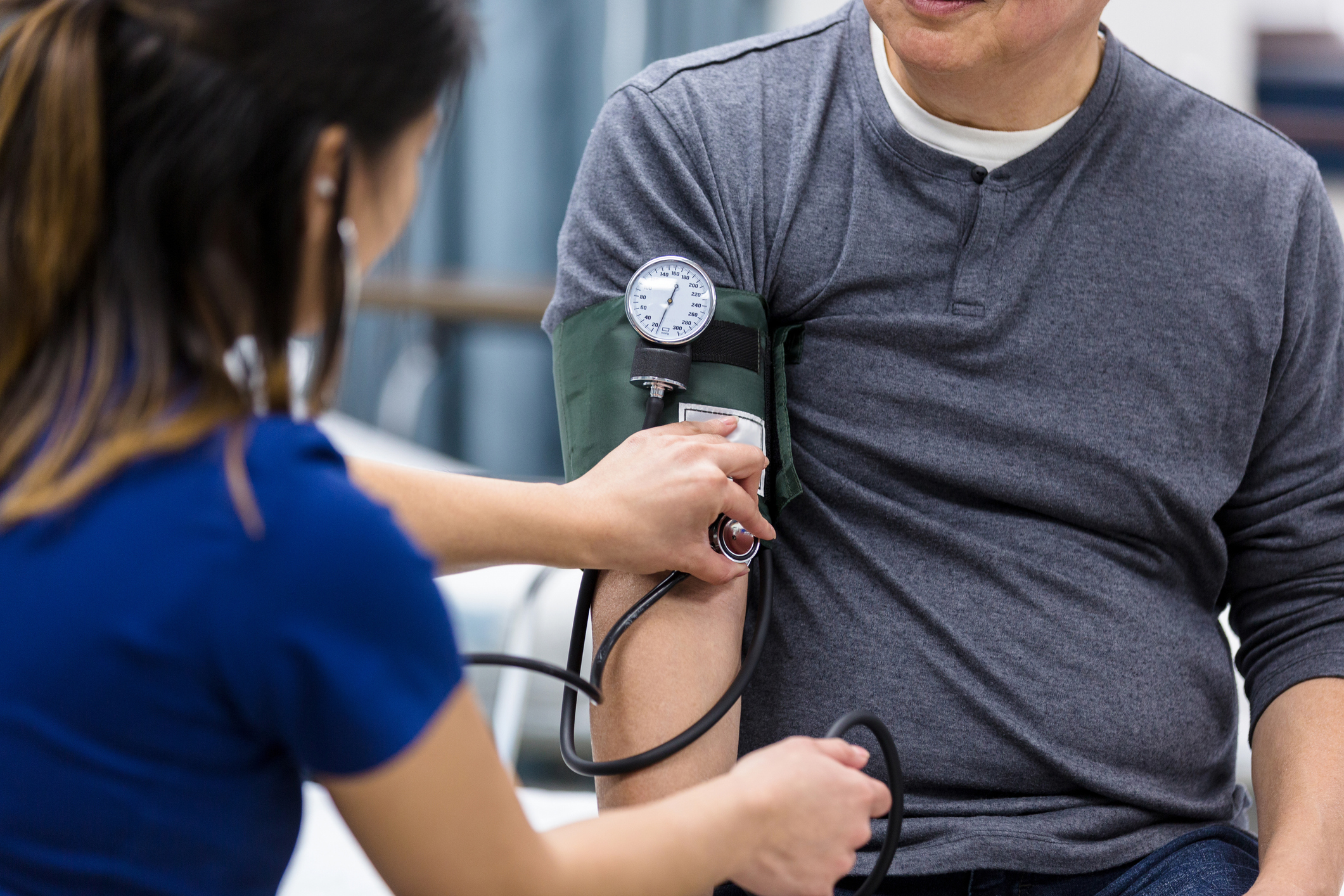
  • Encouraging and instructing prenatal and postpartum patients on self-measured blood pressure protocols. Pregnancy is the perfect time for women to check, know, and share their blood pressure readings 
  • Standardizing and providing care guidelines on the leading causes of maternal mortality, including hypertensive disorders of pregnancy. This has been shown to decrease maternal illness and death 

Preeclampsia rates in the U.S. are on the rise. It is important that all women know the signs, symptoms, and risk factors for developing high blood pressure during pregnancy, but also know they don’t need to have risk factors to develop it. 

Flushing Hospital’s Women’s Center for Obstetrics and Gynecology offers comprehensive, multi-disciplinary, and culturally sensitive care. Our services are provided by a highly skilled team of OBGYNs. For more information about gynecological services at FHMC’s Center for Obstetrics and Gynecology, call us at (718) 670 8994. 

All content of this newsletter is intended for general information purposes only and is not intended or implied to be a substitute for professional medical advice, diagnosis or treatment. Please consult a medical professional before adopting any of the suggestions on this page. You must never disregard professional medical advice or delay seeking medical treatment based upon any content of this newsletter. PROMPTLY CONSULT YOUR PHYSICIAN OR CALL 911 IF YOU BELIEVE YOU HAVE A MEDICAL EMERGENCY.
Older Americans Month- Mobility Exercises as You Age

May is observed as Older Americans Month. It is a time when the contributions of older adults are recognized across the country.  

As we get older, our joints may feel stiffer, and our balance and reactions might be slower. According to recent studies, over 30% of adults 65 years of age and older experience some form of mobility limitation.  

Mobility for older adults usually means the ability to move freely and independently. It’s all about different aspects of activities and movement like walking, bending, reaching, and balancing.   

For older adults, balance is extremely important, and those with limited mobility are at a higher risk of experiencing a fall. According to the Centers for Disease Control and Prevention (CDC), falls are the leading cause of death for older adults, with about one in four adults 65 years and older experiencing a fall every year.  

One way to reduce the risk of falling is by doing mobility exercises. Mobility exercises are low-impact movements that are designed to improve how joints move through their natural range of motion, while maintaining control and balance.  

Mobility exercises promote active movement and coordination, and usually focus on: 

  • Balance and coordination to prevent falls  
  • The ankles and feet for walking stability 
  • The hips and knees for standing, stepping, and going up and down stairs 
  • The spine for posture and reaching 
  • The shoulders for overhead and daily arm use 

Doing mobility exercises regularly may help support:  

  • Better balance and control of posture 
  • Reduced stiffness from long periods of sitting  
  • Easier walking and smoother transitions, such as going from sitting to standing and turning 
  • Improved confidence when engaging in daily tasks 
  • Long-term joint comfort and movement quality 

Here are some mobility exercises to help improve joint movement, balance, and coordination: 

  • Head rolls 
  • Shoulder rolls 
  • Arm circles 
  • Ankle circles 
  • Standing or seated hip circles 
  • Standing or seated marches  
  • Wrist flexibility exercises 
  • Standing side leg swings 
  • Heel-to-toe rocking 
  • Sit-to-stands 
  • Chair or floor cat-cows 
  • Seated leg raises 
  • Seated torse twists 
  • Supported single-leg stands 
  • Wall shoulder slides 

It is important to note that you should stretch before engaging in any physical activity, so you don’t injure yourself. It is also important that you keep mobility training safe and effective by: 

  • Moving slowly and with control 
  • Using a chair, wall, or rail for support 
  • Staying within a comfortable, pain-free range 
  • Wearing supportive footwear 
  • Stopping if dizziness, sharp pain, or discomfort occurs 

Mobility exercises don’t just help maintain and improve strength, flexibility, and balance to prevent falls. They also help improve your mental well-being, heart health, and overall quality of life.  

If you experience medical problems while exercising, you can schedule an appointment with a doctor at Flushing Hospital Medical Center’s Ambulatory Care Center. To schedule an appointment, please call (718) 670-5486. 

All content of this newsletter is intended for general information purposes only and is not intended or implied to be a substitute for professional medical advice, diagnosis or treatment. Please consult a medical professional before adopting any of the suggestions on this page. You must never disregard professional medical advice or delay seeking medical treatment based upon any content of this newsletter. PROMPTLY CONSULT YOUR PHYSICIAN OR CALL 911 IF YOU BELIEVE YOU HAVE A MEDICAL EMERGENCY.

Why Aren’t Children Getting Enough Sleep?

Sleep plays a crucial role in a child’s development as it is an important building block for their mental and physical health. It has a direct effect on a child’s overall wellness, as research shows that sleep can impact their alertness and attention, cognitive performance, mood, resiliency, vocabulary acquisition, and learning and memory. In toddlers, napping is necessary for memory consolidation, executive attention, and the development of motor skills. What’s more, sleep crucially affects their growth, especially in early infancy.  

The American Academy of Pediatrics (AAP) estimates that 25% to 50% of children and 40% of adolescents are affected by sleep problems, such as: 

  • A new sibling 
  • Teething 
  • An illness, such as the cold or an ear infection 
  • Sleeping in a different place 
  • A new caregiver 
  • A change in schedule 
  • Allergies 

In addition to these sleep problems, a significant number of children also suffer from sleep disorders at some point. Sleep disorders are connected to mental and physical issues, with one amplifying the other in a pattern that can be difficult to stop. The most common sleep disorders in children include: 

  • Sleep apnea  
  • Snoring 
  • Nightmares and night terrors 
  • Sleepwalking and sleep talking 
  • Restless leg syndrome 

Another reason why children aren’t getting enough sleep is that they aren’t sleeping for the number of hours recommended. According to research data released by the National Sleep Foundation (NSF) from their 2026 Sleep in America poll in March of this year, 44% of children in the U.S. do not consistently get the recommended amount of sleep for their age. Younger children especially fall short. 

In 2015, the Centers for Disease Control and Prevention (CDC) looked at the sleep behavior in middle and high school students and found that around 60% of middle school and 73% of high school students were getting less than the recommended 9-12 hours a night for children 6 to 12 years old and 8-10 hours a night for children 13 to 18 years old.  

Several issues have been discovered as the contributing factors of why children within this age group aren’t getting the recommended amount of sleep, including: 

  • The use of electronic devices 
  • Changes in their internal clocks 
  • Early school start times 
  • Caffeine consumption 

A child’s daytime habits also affect sleep. To promote restful sleep for a child, you can follow these sleep hygiene rules: 

  • Keeping a regular bedtime  
  • Arranging a balanced schedule with alternating moments of rest and play 
  • Creating a no-screen zone in the child’s bedroom, even during the day 
  • Providing them with a healthy diet 
  • Setting the thermostat at a slightly cooler temperature 
  • Using dark curtains to block out light, or a nightlight if they’re afraid of the dark 
  • Keeping the bedroom quiet, or using a white noise machine to block out outside sounds 
  • Avoiding caffeine, large meals, and sugary snacks before bedtime, choose a healthy bedtime snack instead 

Practicing good sleep hygiene can help your child get into a consistent bedtime routine and help them sleep better. 

If your child is having trouble sleeping, you can receive treatment at Flushing Hospital Medical Center’s Ambulatory Care Center. To schedule an appointment, please call (718) 670-5486. 

All content of this newsletter is intended for general information purposes only and is not intended or implied to be a substitute for professional medical advice, diagnosis or treatment. Please consult a medical professional before adopting any of the suggestions on this page. You must never disregard professional medical advice or delay seeking medical treatment based upon any content of this newsletter. PROMPTLY CONSULT YOUR PHYSICIAN OR CALL 911 IF YOU BELIEVE YOU HAVE A MEDICAL EMERGENCY.

Celiac Disease Awareness Month

May is Celiac Awareness Month. It is observed as a time to raise awareness for the more than three million Americans living with celiac disease, an autoimmune condition that causes the immune system to react to gluten, a protein found in foods containing wheat, barley, and rye. 

 It is estimated that up to 83% of Americans who have celiac disease are undiagnosed or misdiagnosed with other conditions. 

When a person has celiac disease, eating gluten triggers an immune response to the gluten protein in the small intestines. The immune system sends inflammatory cells and antibodies to destroy the gluten molecules. Over time, this reaction can damage the lining of the small intestine, which prevents it from absorbing nutrients. This condition is called malabsorption. It can also lead to malnutrition and several other conditions resulting from a lack of nutrients. 

The symptoms of celiac disease can vary greatly. They can also be different in children and adults. Digestive symptoms for adults include: 

  • Diarrhea 
  • Fatigue 
  • Weight loss 
  • Bloating and gas 
  • Belly pain 
  • Nausea and vomiting 
  • Constipation 

However, more than half the adults with celiac disease have symptoms that are not related to the digestive system, including: 

  • Anemia 
  • Osteoporosis 
  • Dermatitis herpetiformis 
  • Mouth ulcers 
  • Headaches and fatigue 
  • Nervous system injury, including numbness, tingling in the feet and hands, as well as possible problems with balance, and cognitive impairment 
  • Joint pain 
  • Hyposplenism 
  • Elevated liver enzymes 

Children with celiac disease are more likely than adults to have digestive problems, including: 

  • Nausea and vomiting 
  • Chronic diarrhea 
  • Swollen belly 
  • Constipation 
  • Gas 
  • Pale, foul-smelling stools 

For children who aren’t able to absorb nutrients, it may cause: 

  • Failure to thrive in infants 
  • Damage to tooth enamel 
  • Weight loss 
  • Anemia 
  • Irritability 
  • Short stature 
  • Delayed puberty 
  • Neurological symptoms, including attention-deficit/hyperactivity disorder (ADHD), learning disabilities, headaches, lack of muscle coordination, and seizures 

Celiac disease is most commonly found in people of Northern European descent. It is estimated to affect 1% of the populations of Europe and North America. A person has a 10% chance of developing the disease if they have a first-degree relative, such as a parent or child, who has it. About 97% of people diagnosed with celiac disease have a recognizable gene variant associated with it. 

A person’s genes, combined with eating foods with gluten and other factors, can contribute to celiac disease. However, the precise cause isn’t known. Sometimes celiac disease becomes active after surgery, pregnancy, childbirth, viral infection, or severe emotional distress. 

Several risk factors cause celiac disease to be more common in people who have: 

  • A family member with celiac disease or dermatitis herpetiformis 
  • Type 1 diabetes 
  • Down syndrome, Williams syndrome, or Turner syndrome 
  • Autoimmune thyroid disease 
  • Microscopic colitis 
  • Addison’s disease 

Many people with celiac disease don’t know they have it. However, two blood tests can help diagnose it: 

  • Serology testing 
  • Genetic testing 

It is important to be tested for celiac disease before trying a gluten-free diet. Eliminating gluten from your diet might make the results of the blood tests appear in the standard range. 

The first and most important step in treating and the only way to manage celiac disease is to stop eating gluten and adopt a strict, lifelong gluten-free diet. You can’t change the way your body reacts to gluten, but you can prevent gluten from triggering a reaction. Additional treatments may include: 

  • Nutritional supplements 
  • Specific medications 
  • Corticosteroids 
  • Continuous follow-up care 

To schedule an appointment with a gastroenterologist or dietitian at Flushing Hospital Medical Center, please call 718-670-5486. 

All content of this newsletter is intended for general information purposes only and is not intended or implied to be a substitute for professional medical advice, diagnosis or treatment. Please consult a medical professional before adopting any of the suggestions on this page. You must never disregard professional medical advice or delay seeking medical treatment based upon any content of this newsletter. PROMPTLY CONSULT YOUR PHYSICIAN OR CALL 911 IF YOU BELIEVE YOU HAVE A MEDICAL EMERGENCY.