
Type 3 Diabetes

Diabetes is a chronic disease that occurs when the body doesn’t produce enough insulin or can’t use the insulin it produces effectively. There are two main types of diabetes: type 1 and type 2. Another type of diabetes is gestational diabetes, which develops exclusively in pregnancy when blood sugar levels are too high.  

However, another type of diabetes, type 3 diabetes, has been linked to Alzheimer’s. 

Insulin helps control blood sugar levels by enabling glucose to enter cells. Insulin also affects metabolism, nerve cells, how neurons communicate, and the brain’s cognitive functions.  

When a person develops insulin resistance, it can reduce the supply of glucose to the brain and cause changes to the protein involved in the development of dementia called tau. Additionally, the brain can become damaged, and the connection between the regions of the brain can be weakened when it doesn’t receive a sufficient amount of glucose.  

Type 3 diabetes occurs when the brain becomes resistant to the effects of insulin. This insulin resistance is believed to lead to symptoms that are commonly associated with Alzheimer’s disease.  

It is important to note that type 3 diabetes isn’t officially recognized by the American Diabetes Association and other major health organizations. However, some experts have called Alzheimer’s disease type 3 diabetes because of the pathological implications that address a major decrease in glucose levels and how that affects brain cognition and memory.  

Researchers call Alzheimer’s type 3 diabetes due to the similar features that are present in diabetes, memory deficits, and a decline in thinking abilities in older adults. A study in 2020 listed the potential risk factors for developing type 3 diabetes, such as: 

  • A diet that is high in calories, sugar, and fat, but low in fiber 
  • A low socioeconomic status 
  • Exposure to stress 
  • Race and ethnicity 
  • A lack of physical activity 
  • Genetics 
  • Family history 
  • Birth weight 

The study also indicated that high blood pressure and impaired lipid, or fat, transportation play a role in the development of Alzheimer’s. The Alzheimer’s Society notes that diabetes is a risk factor for developing dementia.  

Although there isn’t a cure for Alzheimer’s and many other types of dementia, treatment for the disease includes medications that slow the progression of the condition or treat its symptoms.  

It is important to note that there is another type of diabetes known as type 3c diabetes mellitus that occurs when endocrine dysfunction affects the pancreas, such as damage to the exocrine glands, which harms the endocrine glands. This condition is distinctive and shouldn’t be confused with type 3 diabetes. 

If you or a loved one is experiencing symptoms associated with Alzheimer’s, you can receive treatment from a neurologist at Flushing Hospital Medical Center’s Ambulatory Care Center. To schedule an appointment, please call (718) 670-5486. 

All content of this newsletter is intended for general information purposes only and is not intended or implied to be a substitute for professional medical advice, diagnosis or treatment. Please consult a medical professional before adopting any of the suggestions on this page. You must never disregard professional medical advice or delay seeking medical treatment based upon any content of this newsletter. PROMPTLY CONSULT YOUR PHYSICIAN OR CALL 911 IF YOU BELIEVE YOU HAVE A MEDICAL EMERGENCY.


Insulin Pumps

Insulin pumps can help people with diabetes conveniently manage their blood sugar. These small, wearable devices supply a continuous flow of rapid-acting insulin underneath the skin, delivering doses at specific times, and are an alternative to multiple daily injections.  

An insulin pump mimics how the pancreas would naturally release insulin. It delivers insulin in one of two ways: 

  • Small and continuous doses are called basal insulin. A person with diabetes will likely have multiple basal rates in increments throughout the day due to the body requiring different amounts of small “background” doses throughout a 24-hour period  
  • Manual surges of insulin when eating and correcting high blood sugar are called bolus insulin. The pump uses the information the user enters about their carbohydrate intake and blood sugar level to calculate how much bolus insulin they need. Most pumps will recommend a dose to the user, which they can then confirm or adjust before the insulin is delivered 

There are several types of insulin pumps on the market with unique features. Each type and brand of pump has various settings, including: 

  • Integration with continuous glucose monitor (CGM) technology to automatically increase, decrease, or stop insulin release based on a person’s glucose level 
  • Options to manually increase or decrease the basal rate for a certain amount of time 
  • Alarms to alert the user of a low battery or a low reservoir 
  • Alarms to alert the user if their glucose level is out of range, the CGM communicates with their pump 
  • Connectivity to phone apps and other smart devices 

There are two main types of insulin pumps: those with tubing and those without tubing.  

Tubed insulin pumps have a long, thin tube that connects the pump to a cannula, a thin, flexible tube, inserted under the skin to deliver insulin. Parts of a tubed insulin pump include: 

  • The pump machine and technology 
  • The tubing and infusion set 

Most reservoirs and infusion sets should be changed every two to three days. And the reservoir must be changed if it runs out of insulin. New infusion sets, reservoirs, and tubing should be used every time; however, the pump itself can typically last for many years. 

Tubeless insulin pumps, or patch pumps, also use a cannula under the skin. However, the insulin reservoir and the cannula are part of one pod that sits on the skin with an adhesive patch. There is no external tubing, and it can be operated wirelessly with a handheld controller.  

Each pump or pod can be used at a time. Like a tubed pump, it needs to be changed every two to three days and must be changed if the reservoir runs out of insulin. 

Before attaching the pod, the reservoir is filled with insulin and attached with adhesive to the skin. A button is then pressed that releases a needle that is threaded through the cannula in the pod. The needle retracts back into the pod, and the cannula remains under the skin. The pump can be worn on the upper arm, stomach, hip, buttock, or thigh. 

Tubeless insulin pumps are waterproof, so they can be worn when bathing or swimming. 

Anyone with diabetes who requires synthetic insulin can use an insulin pump. This includes children and adults with Type 1 diabetes, some people with Type 2 diabetes, and people with Type 3c or monogenic diabetes. 

Each insulin pump has different Food and Drug Administration (FDA) approvals regarding how old a person can be to use it. Some insulin pumps have approval for children as young as two years old. Most other pumps have approval for those seven years and older.  

Using an insulin pump has several advantages, including: 

  • Not having to inject insulin 
  • It is more discreet than injecting insulin with a syringe 
  • It is more accurate at delivering insulin 
  • It may help with tighter blood glucose control 
  • There are fewer fluctuations in blood glucose levels 
  • It may result in improved A1C 
  • There are fewer episodes of low blood sugar 
  • There is more flexibility with diet and exercise 
  • It helps manage the early morning rise in blood glucose levels called the dawn phenomenon 

Using an insulin pump can also have its disadvantages, including: 

  • Increased weight gain 
  • Increased risk of diabetic ketoacidosis if the pump doesn’t work correctly 
  • Risk of skin infection or irritation at the application site 
  • Needing to be attached to the pump most of the time 
  • Having to operate the pump, replace its batteries, set doses, etc. 
  • Having to wear the pump makes it obvious you have diabetes 
  • Learning how to use the pump and keeping it working properly 
  • Having to check blood sugar levels several times a day and count carbohydrates 
  • It can be more expensive than taking traditional insulin injections 

There are many factors to consider when choosing an insulin pump. Fortunately, pump manufacturers have a lot of information on their products, and trainers who can answer questions.  

It is very important to discuss your options with a diabetes healthcare provider.  

If you have any questions about which insulin pumps are best for you, or if you would like help to manage your diabetes, you can speak with an endocrinologist at Flushing Hospital Medical Center’s Ambulatory Care Center. To schedule an appointment, please call (718) 670-5486. 


All content of this newsletter is intended for general information purposes only and is not intended or implied to be a substitute for professional medical advice, diagnosis or treatment. Please consult a medical professional before adopting any of the suggestions on this page. You must never disregard professional medical advice or delay seeking medical treatment based upon any content of this newsletter. PROMPTLY CONSULT YOUR PHYSICIAN OR CALL 911 IF YOU BELIEVE YOU HAVE A MEDICAL EMERGENCY.
How Making Lifestyle Changes Can Reduce the Risk of Chronic Diseases

According to the World Health Organization (WHO), chronic diseases, also known as non-communicable diseases, are conditions that tend to have a long duration and result from a combination of genetic, physiological, environmental, and behavioral factors.

Chronic diseases are the leading cause of death worldwide. These diseases include:

  • Cancers
  • Cardiovascular disease, such as heart attacks and strokes
  • Chronic respiratory diseases, such as chronic obstructive pulmonary disease (COPD) and asthma
  • Diabetes

A person’s lifestyle and daily habits can increase their risk of developing a chronic disease. About 80% of chronic diseases are driven by a person’s daily habits. These include:

  • Tobacco use, including the effects of exposure to second-hand smoke
  • Unhealthy diets, including excess salt, sugar, and fats
  • Excessive alcohol use
  • Insufficient physical activity

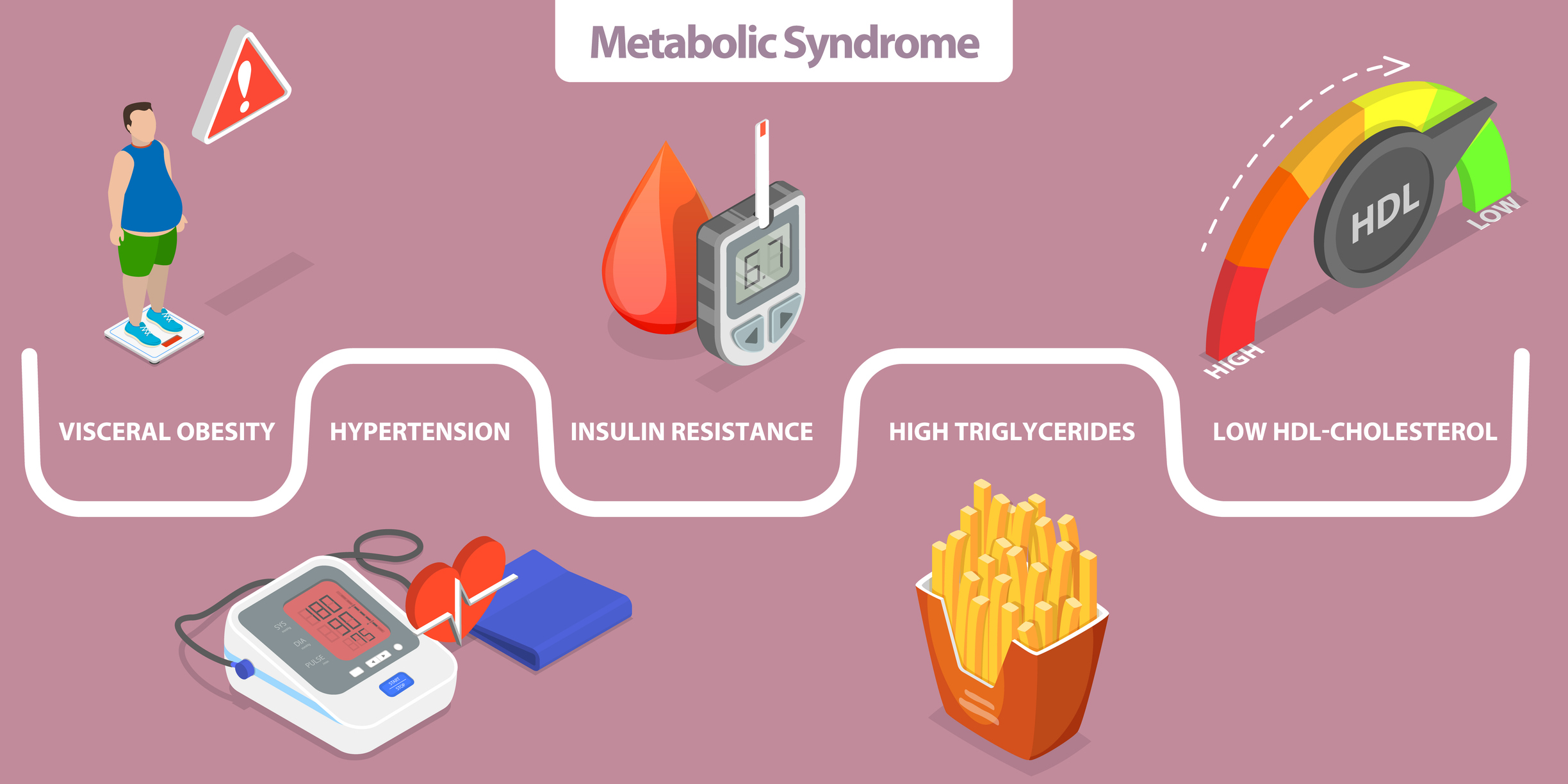
These habits can contribute to metabolic changes that can increase a person’s risk of chronic disease, including:

  • Hypertension
  • Obesity
  • Diabetes
  • High cholesterol

Making the following lifestyle changes is one of the best ways to address harmful habits and help prevent chronic diseases.

  • Dietary changes include eating whole, unrefined, and minimally processed plants. Eating plant-based foods can help reduce diabetes, heart disease, and the risk of cancer
  • Increasing physical activity by engaging in a recommended 150 minutes of moderate-intensity activity each week
  • Getting a good, restful night’s sleep of about seven to nine hours. This can be achieved by:
    • Having a consistent bedtime and waking up on time, even on weekends
    • Being physically active
    • Limiting alcohol and caffeine
    • Putting digital devices away 90 minutes before bedtime
    • Keeping your sleeping area cool, dark, and comfortable
  • Reducing stress by practicing mindfulness, meditation, and gratitude can help relieve stress and improve your physical and mental health.
  • Staying socially connected with friends and family can help keep you emotionally and physically healthy.
  • Quitting smoking, or never starting, lowers the risk of serious health problems, such as heart disease, cancer, Type 2 diabetes, and lung disease, as well as premature death
  • Limiting alcohol use can reduce health risks that excessive drinking can lead to, such as high blood pressure, various cancers, heart disease, stroke, and liver disease

By avoiding these risks and getting good preventive care, you can improve your chance of staying well, feeling good, and living longer.

For more information on how you can make lifestyle changes, you can schedule an appointment with a doctor at Flushing Hospital Medical Center’s Ambulatory Care Center by calling (718) 670-5486.

All content of this newsletter is intended for general information purposes only and is not intended or implied to be a substitute for professional medical advice, diagnosis or treatment. Please consult a medical professional before adopting any of the suggestions on this page. You must never disregard professional medical advice or delay seeking medical treatment based upon any content of this newsletter. PROMPTLY CONSULT YOUR PHYSICIAN OR CALL 911 IF YOU BELIEVE YOU HAVE A MEDICAL EMERGENCY.

The Impact of Ultraprocessed Foods on Your Health

Ultraprocessed foods, or UPFs, are food products such as frozen pizza, ready-to-eat meals, instant noodles, and many store-bought breads that contain a long list of ingredients, chemical additives, and little to no “whole” foods.

Understanding ultraprocessed foods is tricky, as even experts don’t fully agree on what they specifically are and whether they are good or bad. However, a 2024 study led by researchers at Harvard T.H. Chan School of Public Health also found that a high intake of ultraprocessed foods may increase the risk of early death. Participants who ate the most ultraprocessed foods of any kind had a 4% higher risk of death from any cause and an 8% higher risk of death from neurodegenerative diseases. And according to the Yale School of Public Health, high ultraprocessed food intake has been linked to a 25%-58% higher risk of health issues related to the heart and metabolism, and a 21%-66% higher risk of mortality.

People who eat more ultraprocessed foods may tend to eat more calories overall. Data from the Centers for Disease Control and Prevention (CDC) shows that 53% of the calories that adults consumed daily, on average, came from ultraprocessed foods between 2021 and 2023. For children 18 years old and younger, it is 61.9%. Scientists are studying whether ultraprocessed foods high in saturated fat, added sugars, and sodium may mimic addictive substances in some people, and if they do, how they may do so.

Some ultraprocessed foods may contribute to poorer health outcomes. Examples of this include:

  • They may displace or replace healthier foods
  • They could lead to eating too many calories
  • They may result in eating too much saturated fat, added sugars, or sodium
  • They may influence how the brain responds to these foods
  • The changed textures may trigger the brain to stay hungry even after eating
  • They can potentially disrupt blood sugar
  • They can potentially disrupt your gut health
  • They could cause exposure to toxins

The recommendation to limit the intake of ultraprocessed foods reinforces the long-standing nutrition guidance to limit unhealthy fats, added sugars, and sodium. A diet composed mainly of ultraprocessed foods also exposes people to unhealthy additives and increases the risk of chronic inflammatory diseases.

The best way to identify ultraprocessed foods is to read the packaging of the product to see if its list of ingredients contains either food substances never or rarely used in kitchens, such as high-fructose corn syrup, hydrogenated or interesterified oils, and hydrolyzed proteins. Or it may contain classes of additives designed to make the final product palatable or more appealing, such as flavors, flavor enhancers, colors, emulsifiers, emulsifying salts, sweeteners, thickeners, and anti-foaming, bulking, carbonating, foaming, gelling, and glazing agents.

It is important to note that an overall healthy diet pattern should focus on eating healthier options such as vegetables, fruits, whole grains, beans, nuts, seeds, healthy non-tropical oils, and lean proteins.

The Yale School of Public Health offers four ways to reduce ultraprocessed foods in your diet. They include:

  1. Planning and preparing meals at home in advance that use less processed and ultraprocessed foods
  2. Drinking water and unsweetened beverages such as coffee and tea instead of soda and other sweetened drinks
  3. Eating fresh fruits and vegetables, if they are available to you. If they are not available, choose minimally processed frozen or canned options with no added salt or sugar
  4. Adding an unprocessed fruit or vegetable to your meal if an ultraprocessed food is your only option and you are short on time. And to choose an ultraprocessed food option with less sodium, saturated fat, and added sugar

If you would like to learn more about Flushing Hospital Medical Center’s nutritional services, you can visit the Ambulatory Care Center. To schedule an appointment, please call (718) 670-5486.

All content of this newsletter is intended for general information purposes only and is not intended or implied to be a substitute for professional medical advice, diagnosis or treatment. Please consult a medical professional before adopting any of the suggestions on this page. You must never disregard professional medical advice or delay seeking medical treatment based upon any content of this newsletter. PROMPTLY CONSULT YOUR PHYSICIAN OR CALL 911 IF YOU BELIEVE YOU HAVE A MEDICAL EMERGENCY.

Signs Your Blood Sugar is Too High

Hyperglycemia, also known as high blood sugar, is common in people who have diabetes. It occurs when too much sugar (glucose) is in the blood and the body has too little insulin or if the body can’t use insulin properly to regulate blood sugar levels.

People with diabetes can experience hyperglycemia episodes frequently.

Hyperglycemia usually doesn’t cause symptoms until blood sugar levels are high – above 180 to 200 milligrams per deciliter (mg/dL), or 10 to 11.1 millimoles per liter (mmol/L).

Symptoms for hyperglycemia develop slowly over several days or weeks. The longer sugar levels stay high, the more serious symptoms can become. However, some people who’ve had type 2 diabetes for a long time may not show any symptoms despite high blood sugar levels. Early symptoms of hyperglycemia include:

  • Frequent urination
  • Increased thirst
  • Blurred vision
  • Feeling weak or unusually tired
  • Headache

Recognizing early symptoms of hyperglycemia can help identify and treat it right away.

If hyperglycemia isn’t treated, it can cause toxic acids called ketones, to build up in the blood and urine. This condition is called ketoacidosis. Symptoms include:

  • Fruity-smelling breath
  • Dry mouth
  • Abdominal pain
  • Nausea and vomiting
  • Shortness of breath
  • Confusion or disorientation
  • Loss of consciousness
  • Dehydration
  • Rapid heartbeat

Hyperglycemia most often results from a lack of insulin. This happens due to insulin resistance and/or issues with the pancreas, the organ that makes insulin.

However, other hormones can contribute to the development of hyperglycemia as well. Excess of the stress hormone cortisol or the growth hormone can lead to high blood sugar.

Chronic hyperglycemia over the years can damage blood vessels and tissues in your body. This can lead to a variety of complications, including:

  • Retinopathy
  • Nephropathy
  • Neuropathy
  • Gastroparesis
  • Heart disease
  • Stroke

Hyperglycemia is diagnosed when a healthcare provider orders blood work to screen for the condition and diagnose diabetes. These tests may include:

  • Fasting glucose tests.
  • Glucose tolerance tests.
  • A1c test.

Injected insulin is the main way to treat hyperglycemia episodes. Everyone requires different doses. Your healthcare provider will work with you to determine which dose is best to treat and prevent high blood sugar. Dietary changes and exercise plans can also help manage your blood sugar to prevent hyperglycemia.

If you’re experiencing symptoms of hyperglycemia, you can receive treatment from an endocrinologist at Flushing Hospital Medical Center’s Ambulatory Care Center. To schedule an appointment, please call (718) 670-5486.


All content of this newsletter is intended for general information purposes only and is not intended or implied to be a substitute for professional medical advice, diagnosis or treatment. Please consult a medical professional before adopting any of the suggestions on this page. You must never disregard professional medical advice or delay seeking medical treatment based upon any content of this newsletter. PROMPTLY CONSULT YOUR PHYSICIAN OR CALL 911 IF YOU BELIEVE YOU HAVE A MEDICAL EMERGENCY.

National Diabetes Month

November is National Diabetes Month. This month focuses on increasing awareness about diabetes and its impact on individuals and communities. It aims to educate the public about the different types of diabetes, risk factors, prevention strategies, and the importance of early detection and management.

Diabetes is a disease that occurs when your blood glucose, or blood sugar, is too high. It affects about 38 million Americans or one in every 10 people, including children and adults. Diabetes can damage the eyes, kidneys, nerves, and heart, and is linked to some types of cancers.

Diabetes symptoms depend on how high your blood sugar is. Some people, especially if they have prediabetes, gestational diabetes, or type 2 diabetes may not have symptoms. Type 1 diabetes symptoms tend to come on quickly and more severe. Some symptoms of type 1 and type 2 diabetes include:

  • Feeling more thirsty than usual
  • Urinating often
  • Losing weight without trying
  • Presence of ketones in the urine. Ketones are a byproduct of the breakdown of muscle and fat that happens when there isn’t enough available insulin
  • Feeling tired and weak
  • Feeling irritable or having other mood changes
  • Having blurry vision
  • Having slow-healing sores
  • Getting many infections such as gum, skin, and vaginal infections

Taking charge of your health may help you prevent diabetes health problems. Here are some tips to help you avoid developing diabetes:

  • Know your risk of developing diabetes- You are more likely to develop type 2 diabetes if you are overweight or obese; have a family history of diabetes; are African American, American Indian, Asian American, Hispanic or Latino, or Pacific Islander; are not physically active; or have prediabetes.
  • Manage your blood glucose, blood pressure, and cholesterol levels- Preventing or managing diabetes as soon as possible after diagnosis may help prevent diabetes complications. You can start by managing your diabetes ABCs:
    • A is for the A1C test that healthcare providers use to measure your average glucose levels.
    • B is for blood pressure
    • C is for cholesterol
  • Take small steps towards healthy habits- Lifestyle habits like planning healthy meals, being physically active, getting enough sleep, and not smoking help prevent diabetes or manage your diabetes ABCs.
  • Take your medicines on time- Remember to take your medicines even if you feel healthy. Talk with your doctor or pharmacist if you have trouble taking your medicine on time or the correct dosage.
  • Reach or maintain a healthy weight- If you are overweight or obese, ask your primary care provider if eating healthy, physical activity, or other weight-loss treatments can help manage your weight.
  • Take care of your mental health- Managing diabetes can be hard. If you feel sad, down, or overwhelmed, find healthy ways to cope with stress. Consider talking to a mental health counselor or joining a support group.
  • Work with your healthcare team- Managing diabetes takes a team. Your healthcare team can include a primary care provider, diabetes specialist, registered dietitian, or certified diabetes educator. Ask your primary care provider if you should talk with other healthcare professionals about preventing or managing diabetes.

If you have any diabetic symptoms and would like to prevent developing diabetes, or if you would like help managing your diabetes, call Jamaica Hospital Medical Center’s endocrinology service at 718-206-7001 to schedule an appointment.

All content of this newsletter is intended for general information purposes only and is not intended or implied to be a substitute for professional medical advice, diagnosis or treatment. Please consult a medical professional before adopting any of the suggestions on this page. You must never disregard professional medical advice or delay seeking medical treatment based upon any content of this newsletter. PROMPTLY CONSULT YOUR PHYSICIAN OR CALL 911 IF YOU BELIEVE YOU HAVE A MEDICAL EMERGENCY.
Understanding How Diabetes Can Affect Your Digestion

Nausea and vomiting are two unpleasant feelings that most everyone has encountered at some point in their life, but for many diabetics, these are symptoms that they live with every day as a result of a condition known as diabetic gastroparesis.

Gastroparesis, also known as delayed gastric emptying, is a known complication of both the type 1 and type 2 forms of diabetes.  It occurs because high blood glucose levels associated with diabetes often leads to nerve damage throughout the body.  One such nerve is the vagus nerve. It controls the movement of food from the stomach into the small intestine. When it is damaged, food cannot move as quickly through the digestive system because the stomach muscles aren’t working well or stop working completely.  When undigested food remains in the stomach for too long it can lead to a variety of problems such as bacterial overgrowth and the build-up of hardened, solid masses.

It is estimated at as many as 50% of all people living with diabetes develop some level of gastroparesis during their lifetime, but symptoms can vary greatly from person to person.

The most common symptoms associated with diabetic gastroparesis include:

  • Nausea after eating
  • Vomiting after eating
  • Fullness after eating small amount of food
  • Bloating
  • Pain in the upper section of your stomach
  • Lack of appetite
  • Heartburn
  • Unexplained weight loss

Diabetic gastroparesis can affect lead to many complications including dehydration and malnutrition. It can also make it hard for someone with diabetes to manage their blood sugar levels as well as maintain a healthy weight.

Unfortunately, there is no cure for gastroparesis, but there are some medications that have shown temporary relief. There are also some alternative food delivery methods available, such as feeding tubes and IV nutritional therapy for those with severe symptoms.

The best way to reduce the symptoms of diabetic gastroparesis involves adjusting your lifestyle through:

  • Maintaining a low fat / low fiber diet
  • Drinking plenty of water
  • Reducing stress levels
  • Quitting smoking
  • Avoiding alcohol and carbonated beverages
  • Eating small meals and chewing your food slowly
  • Taking walks after meals

It is also recommended that you talk to your doctor about any medications you are taking as they can also worsen gastroparesis symptoms.

If you would like to make an appointment with a diabetes specialist at Flushing Hospital’s Ambulatory Care Center, please call 718-670-5486.

All content of this newsletter is intended for general information purposes only and is not intended or implied to be a substitute for professional medical advice, diagnosis or treatment. Please consult a medical professional before adopting any of the suggestions on this page. You must never disregard professional medical advice or delay seeking medical treatment based upon any content of this newsletter. PROMPTLY CONSULT YOUR PHYSICIAN OR CALL 911 IF YOU BELIEVE YOU HAVE A MEDICAL EMERGENCY.

Can A Glycemic Index Help Diabetics Control Their Blood Sugar

If you have diabetes, you probably already know that eating certain carbohydrates can raise your blood sugar levels dramatically and quickly.

That’s because carbohydrates such as refined sugars and breads are easier for your body to convert into glucose, (the sugar your body uses for energy) than more slowly digested carbohydrates like those in vegetables and whole grains.

glycemic index, diabetes, flushing Hospital, blood sugar

If you are diabetic and consume too much of the wrong type of carbohydrates you may have a difficult time controlling your blood sugar. To help diabetics make better choices a guide known as the glycemic index (GI) has been developed. This index assigns numbers to carbohydrate-containing foods based on how much and how quickly they can increase your blood sugar. The glycemic index provides diabetics with a way to distinguish slower-acting “good carbs” from the faster “bad carbs.” Many utilize this tool to refine their carbohydrate intake and to help them maintain steady blood sugar levels.

According to the glycemic index, carbohydrates with a low GI value are more slowly digested, absorbed and metabolized, resulting in a lower and slower rise in blood glucose. GI values are divided into three categories:

  • 55 or less = Low (good)
  • 56- 69 = Medium
  • 70 or higher = High (bad)

Research has indicated that for most diabetics, the best tool for managing blood glucose is carbohydrate counting. Some clinical studies also suggest that a low GI diet can help people with diabetes control blood glucose levels, but there are warnings.

While the glycemic index can be a helpful tool to assist diabetics, most healthcare professionals agree that it shouldn’t be the only guide used to determine what to eat. One of the reasons for this is that the glycemic index only takes the carbohydrate value into account and doesn’t consider other nutritional values. The glycemic index also does not take into consideration the portion size of the carbohydrates being eaten, how they are being prepared, and what other foods are being consumed at the same time.

The glycemic index is also used by individuals who are trying to lose weight as well as those trying to adopt a healthier diet. Regardless of the reason however, doctors maintain that even though it can be helpful, the glycemic index should not be used in isolation as other nutritional factors, such as calories, fat, fiber, vitamins, and other nutrients should be considered.

If you have diabetes and are considering adopting the glycemic index into your diet, it is important to speak to your doctor first. If you would like to schedule an appointment with a diabetes specialist at Flushing Hospital’s Ambulatory Care Center, please call 718-670-5486.


All content of this newsletter is intended for general information purposes only and is not intended or implied to be a substitute for professional medical advice, diagnosis or treatment. Please consult a medical professional before adopting any of the suggestions on this page. You must never disregard professional medical advice or delay seeking medical treatment based upon any content of this newsletter. PROMPTLY CONSULT YOUR PHYSICIAN OR CALL 911 IF YOU BELIEVE YOU HAVE A MEDICAL EMERGENCY.

What you should know about Type 1 (T1D) Diabetes

Diabetes is on the rise and what has significantly increased is the rate of type 1 diabetes (T1D), formerly known as “juvenile” or “juvenile onset” diabetes. The Centers for Disease Control and Prevention (CDC) has found that more than 13,000 children and young people are diagnosed with type 1 diabetes each year.

T1D is often first diagnosed in children, teenagers, or young adults. However, people may develop T1D at any age. The exact cause of T1D is unknown, there is no cure and it cannot be outgrown. In most cases of T1D, the body’s own immune system, which normally fights harmful bacteria and viruses, mistakenly destroys the insulin-producing cells in the pancreas. Doctors believe genetics may play a role in this process, and exposure to certain environmental factors, such as viruses, may trigger the disease.

Symptoms for T1D include:
• Increased thirst
• Frequent urination
• Bedwetting in children who previously didn’t wet the bed during the night
• Extreme hunger
• Unintended weight loss
• Irritability and other mood changes
• Fatigue and weakness
• Blurred vision
• In females, frequent vaginal yeast infections

The good news is that it can be controlled with insulin therapy, exercise and diet. A simple blood test can identify type 1 diabetes. Be sure to consult with a physician if you or a family member is experiencing any of the above symptoms by contacting Flushing Hospital Medical Center’s Ambulatory Care Center at 718-670-5486.


All content of this newsletter is intended for general information purposes only and is not intended or implied to be a substitute for professional medical advice, diagnosis or treatment. Please consult a medical professional before adopting any of the suggestions on this page. You must never disregard professional medical advice or delay seeking medical treatment based upon any content of this newsletter. PROMPTLY CONSULT YOUR PHYSICIAN OR CALL 911 IF YOU BELIEVE YOU HAVE A MEDICAL EMERGENCY.

How Does Weight Loss Surgery Affect Diabetes?

Type 2 diabetes mellitus (T2DM) is the most common form of diabetes.  Complications from this disease can lead to more serious health conditions such as hypertension and stroke.  Type 2 diabetes can also lead to premature death; in fact, studies show that the risk of premature death can be increased by as much as 80% in patients with T2DM.

According to the American Society for Metabolic and Bariatric Surgery, “Obesity is the primary cause for type 2 diabetes.” Therefore, most patients diagnosed with T2DM can improve their health by losing weight.

One of the most effective forms of weight loss treatments for obesity is bariatric surgery.  It has been found that undergoing bariatric surgery and adhering to a prescribed diabetes treatment plan can improve blood sugar levels and cause remission of the disease in most patients. The American Society for Metabolic and Bariatric Surgery reports that “Nearly all individuals who have bariatric surgery show improvement in their diabetic state.” Surgery may improve type 2 diabetes in approximately 90% of patients by either lowering blood sugar, reducing the dosage of medication needed or improving health problems associated with diabetes.

The two most popular bariatric surgeries are the sleeve gastrectomy and gastric bypass procedures. In the sleeve gastrectomy procedure, a large portion of the stomach is removed and a smaller, new stomach in the shape of a tube or “sleeve” is created.  During bypass surgery, a new small stomach pouch is created, and a section of the small bowel is bypassed. Both surgeries can offer excellent long-term results and positive outcomes in most patients. They are typically performed laparoscopically, utilizing a minimally invasive approach.   Laparoscopic surgery can offer patients several benefits including shorter hospital stays, shorter recovery time and less scarring.

Although bariatric surgery is considered safe, it is important that patients understand the risks of surgery. As with most major surgical procedures, the risks can include bleeding or other complications.

At Flushing Hospital’s Bariatric Surgical Center, procedures are performed utilizing minimally invasive techniques including robotic surgery. The Center also provides many compassionately delivered services to help patients succeed in every step of their weight loss journey including close physician monitoring, pre and post-surgical psychological evaluations, personalized diet and nutritional counseling as well as ongoing education and support groups.

For more information about the Bariatric Surgery Services at Flushing Hospital or procedures performed by our doctors, please call 718-670-8908

All content of this newsletter is intended for general information purposes only and is not intended or implied to be a substitute for professional medical advice, diagnosis or treatment. Please consult a medical professional before adopting any of the suggestions on this page. You must never disregard professional medical advice or delay seeking medical treatment based upon any content of this newsletter. PROMPTLY CONSULT YOUR PHYSICIAN OR CALL 911 IF YOU BELIEVE YOU HAVE A MEDICAL EMERGENCY.