
Exercising Outdoors

Spring has arrived, and the weather is starting to warm up. This means we can spend more time exercising outdoors rather than at the gym or at home.  

Outdoor exercise is a great way to work out. It offers many benefits to our physical and mental health, such as: 

  • Reducing stress and anxiety 
  • Improving sleep 
  • Boosting vitamin D levels 
  • Boosting self-esteem 
  • Improving memory 
  • Lowering chronic disease risk 

Here are tips that can keep you safe while exercising outdoors: 

  • Drink plenty of water and avoid caffeine and alcohol 
  • Wear clothes that let the air circulate and moisture evaporate 
  • Stay sun safe by wearing sunscreen, sunglasses, and a hat 
  • Know the signs of heat-related illnesses 
  • Wear proper footwear for the activity you are engaging in 

If you experience medical problems while exercising, you can schedule an appointment with a doctor at Flushing Hospital Medical Center’s Ambulatory Care Center. To schedule an appointment, please call (718) 670-5486. 

All content of this newsletter is intended for general information purposes only and is not intended or implied to be a substitute for professional medical advice, diagnosis or treatment. Please consult a medical professional before adopting any of the suggestions on this page. You must never disregard professional medical advice or delay seeking medical treatment based upon any content of this newsletter. PROMPTLY CONSULT YOUR PHYSICIAN OR CALL 911 IF YOU BELIEVE YOU HAVE A MEDICAL EMERGENCY.
Snow STEMI

A powerful winter storm called a Nor’easter has brought blizzard-like conditions and a large amount of snowfall to our area.

When we get such large amounts of snow, the easy part is watching the beauty of the snow falling. Unfortunately, the most difficult part is having to shovel several inches of snow from the sidewalk and driveway.

A major worry when shoveling large amounts of snow is how it can affect our health.

According to the National Library of Medicine, heavy snowfall, cold temperatures, and low atmospheric pressure during the winter months have been associated with increased adverse cardiovascular events, such as “snow-shoveler’s ST-elevated myocardial infarction (STEMI).”

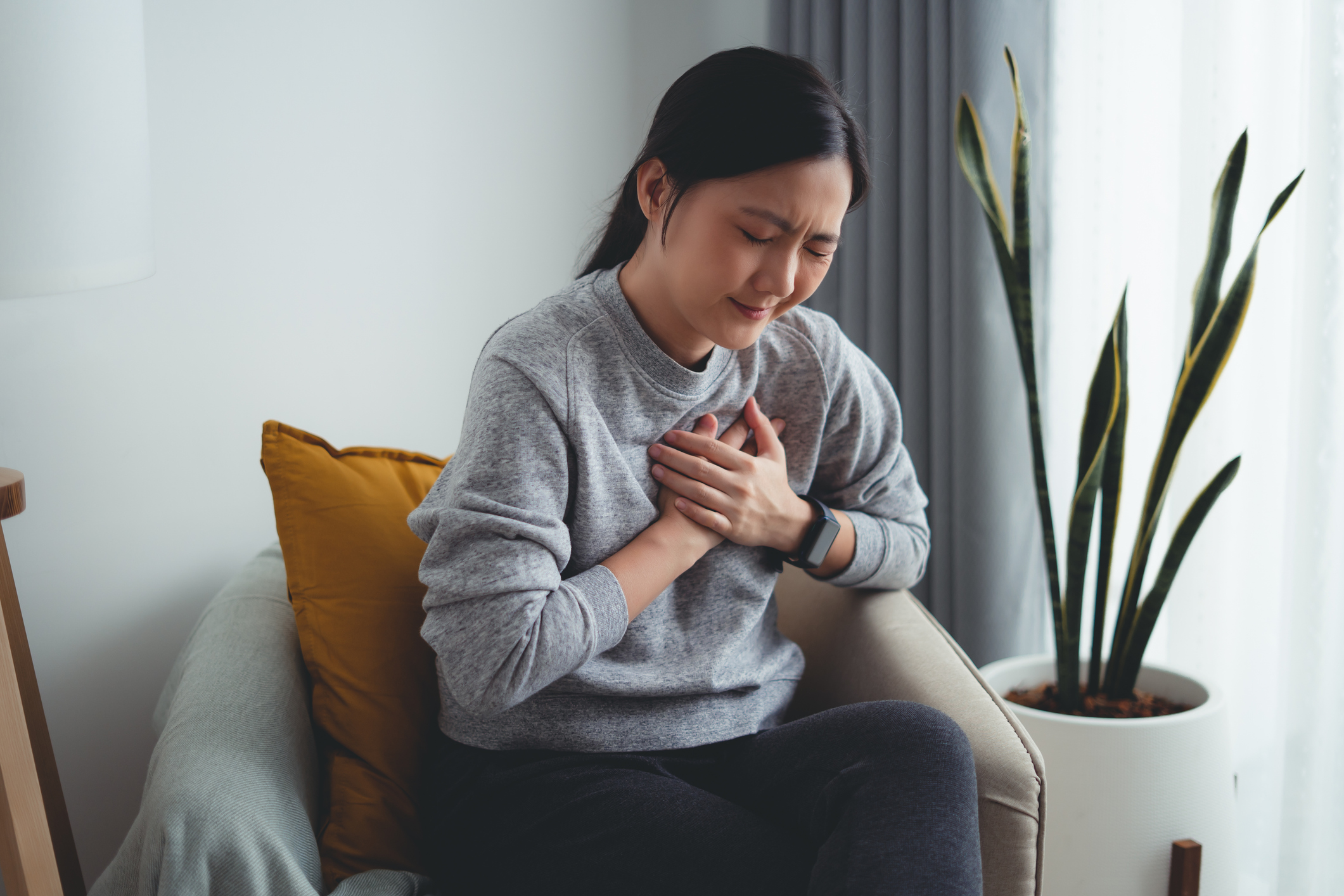
Snow-shoveler’s STEMI is a type of heart attack that occurs when there is a partial or complete blockage in one of the coronary arteries, which stops blood flow to part of the heart muscle. This can especially occur due to the over-exertion caused by shoveling snow.

Per the American Heart Association, shoveling snow can put some people at risk of a heart attack, but most people won’t have a problem. Sudden exertion, such as shoveling hundreds of pounds of snow or pushing a heavy snow blower after being sedentary for several months, can put a huge strain on the heart.

There is also a factor of cold weather, as it can increase heart rate and blood pressure, and make blood clots form more easily and constrict arteries, which can decrease blood supply. This can even affect healthy people. People who are over the age of 40 years old, or are relatively inactive, are especially at risk. Other people who are at risk of STEMI include:

Those with preexisting heart conditions:

  • Those with high blood pressure (hypertension)
  • Those who smoke tobacco products

According to Medical News Today, research indicates that heavy snowfall is linked to a 6% higher likelihood of hospital admission for men with a heart attack and a 34% increase in dying.

The National Safety Council recommends the following safety tips to shovel safely:

  • Know the signs of a heart attack, stop immediately, and call 911 if you’re experiencing any of them; every minute counts

The warning signs of a heart attack include:

    • Chest discomfort that lasts more than a few minutes or doesn’t go away and returns
    • Pain or discomfort in the arms, back, neck, jaw, and stomach
    • Shortness of breath

Other signs of a heart attack can include:

    • Breaking out in a cold sweat
    • Nausea
    • A rapid or irregular heartbeat
    • Unusual tiredness
    • Heartburn or indigestion
    • Lightheadedness
  • Take it slow and stretch before you start shoveling
  • Shovel only fresh, powdery snow because it is lighter
  • Push the snow instead of lifting it. If you do lift the snow, use a small shovel or only partially fill the shovel
  • Lift with your legs and not your back
  • Dress in warm layers
  • Do not shovel after eating or while smoking
  • Do not work to the point of exhaustion

If you have a history of heart disease, do not pick up a shovel without the permission of your healthcare provider.

If you or a loved one is experiencing symptoms of STEMI, while, during, or after shoveling snow, you can receive treatment from a cardiologist at Flushing Hospital Medical Center’s Ambulatory Care Center. To schedule an appointment, please call (718) 670-5486. If you are experiencing an emergency, please call 911 immediately.

All content of this newsletter is intended for general information purposes only and is not intended or implied to be a substitute for professional medical advice, diagnosis or treatment. Please consult a medical professional before adopting any of the suggestions on this page. You must never disregard professional medical advice or delay seeking medical treatment based upon any content of this newsletter. PROMPTLY CONSULT YOUR PHYSICIAN OR CALL 911 IF YOU BELIEVE YOU HAVE A MEDICAL EMERGENCY.

Chair Exercises for Older Adults

Physical activity can reduce not only the risk of heart disease but also cognitive decline. It can also help you to sustain your ability to perform everyday activities. Maintaining physical fitness as we age becomes increasingly important for our overall well-being. However, for many older adults, high-impact workouts may not be suitable or comfortable, especially if they have challenges with balance or mobility.

Fortunately, engaging in seated or standing chair-based exercises has many health benefits that can help older adults stay active safely.

Doing chair-based exercises offers many health benefits to older adults, including:

  • Improved flexibility
  • Improved balance
  • Improved stamina and endurance
  • Helps build strength
  • Helps burn calories
  • Helps maintain muscle mass
  • Contributes to weight management

Some seated chair-based exercises include:

  • Seated leg extensions
  • Pelvic tilts
  • Seated calf raises
  • Toe raises
  • Shoulder blade squeezes
  • Thigh squeezes
  • Arm raises
  • Bicep curls
  • Seated marches
  • Side bend stretches
  • Seated shoulder stretches
  • Seated hamstring stretches
  • Seated neck rotations
  • Sit-to-stands
  • Knee extensions
  • Seated torso twists

Some standing chair-based exercises include:

  • Standing leg curls
  • Chair planks
  • Standing side leg raises
  • Calf raises
  • Standing marches
  • Standing torso twists

Older adults should aim to do chair-based exercises regularly. It is recommended to engage in these exercises at least two to three times a week to maintain and improve strength, flexibility, and balance. Consistency is key to experiencing the full benefits.

Whether you are looking to maintain your current level of fitness or start a new journey towards better health, these chair-based exercises offer a safe and effective way to achieve your goals.

It is recommended that you consult your doctor before starting a new exercise routine. You can schedule an appointment with a doctor at Flushing Hospital’s Ambulatory Care Center by calling (718) 670-5486.


All content of this newsletter is intended for general information purposes only and is not intended or implied to be a substitute for professional medical advice, diagnosis or treatment. Please consult a medical professional before adopting any of the suggestions on this page. You must never disregard professional medical advice or delay seeking medical treatment based upon any content of this newsletter. PROMPTLY CONSULT YOUR PHYSICIAN OR CALL 911 IF YOU BELIEVE YOU HAVE A MEDICAL EMERGENCY.
How Many Steps Do You Need to Walk Every Day to Be Healthy?

Ten thousand steps per day is a commonly cited goal when it comes to improving your health. However, factors such as age, sex, and occupation may influence the best step count for you.

Researchers examined how the number of steps people take affected their risk for disease and their lifespan. They found that 10,000 steps per day doesn’t always mean people are healthier. Additionally, there is a point at which the number of steps taken per day levels off when it comes to improving health.

For adults younger than 60 years of age, 8,000 and 10,000 steps per day were associated with a decreased risk of death.

For adults older than 60 years of age, 6,000 to 8,000 steps per day achieved a lower risk of mortality.

Researchers also found that people who lose more than 10% of their body weight over 18 months walk approximately 10,000 steps a day. At least 3,500 of those steps were at least of moderate-to-vigorous intensity in short, 10-minute bursts.

Walking is excellent for the heart, as it can lower your risk of cardiovascular disease and help prevent a cardiovascular event such as a stroke or heart failure.

The American Heart Association reports that older adults who take 4,500 steps per day have a 77% lower risk of having an adverse cardiovascular event than people who take fewer than 2,000 steps. Each time you add 500 steps to your daily average, you incrementally lower your risk by 14%. However, this benefit can plateau between 6,000 and 8,000 steps.

Walking can have many health benefits for your mind, as it can help preserve your cognitive function. The more steps you take each day, the more your risk of developing dementia. Once you hit 9,800 steps per day, that benefit can plateau. However, you can begin seeing significant benefits at just 3,800 steps daily, and getting that many steps consistently may lower your risk of dementia by 50% over time.

According to the American Diabetes Association (ADA), walking at least 30 minutes per day, five days a week, can significantly lower your risk of Type 2 diabetes. Whether you walk it all at once or you split it into smaller walks doesn’t matter. Exercises such as walking increase insulin sensitivity and help lower your blood sugar.

A short burst of 10 minutes of brisk walking can increase your energy, mood, and mental alertness. You can also use walking to significantly lower your risk of depression.

According to the American Psychological Association, people who walk at a moderate pace for 75 minutes weekly have an 18% lower depression risk than people who don’t get any physical activity. Walking for 120 minutes weekly can lower your risk by 25%.

Walking greatly benefits your overall health. It doesn’t matter if you do most of your walking during the day, at night, during the week, or on the weekends. You are still helping your health.

It is recommended that you consult your doctor before starting or adding new exercises to your routine. You can schedule an appointment with a doctor at Flushing Hospital’s Ambulatory Care Center by calling (718) 670-5486.

All content of this newsletter is intended for general information purposes only and is not intended or implied to be a substitute for professional medical advice, diagnosis or treatment. Please consult a medical professional before adopting any of the suggestions on this page. You must never disregard professional medical advice or delay seeking medical treatment based upon any content of this newsletter. PROMPTLY CONSULT YOUR PHYSICIAN OR CALL 911 IF YOU BELIEVE YOU HAVE A MEDICAL EMERGENCY.

National Cholesterol Education Month

September is National Cholesterol Education Month. It serves as an important time to focus on heart health, getting your blood cholesterol checked, and taking proactive steps to manage cholesterol levels.

National Cholesterol Education Month seeks to inform the public about the dangers of high cholesterol and its connection with the leading cause of death around the globe, heart disease.

High cholesterol is one of the most common and commonly misunderstood health risks in America. It can be caused by an unhealthy diet and exacerbated by smoking and a lack of exercise. Since it is symptomless, it can be hard to diagnose. It is a serious condition that affects nearly 102 million Americans over the age of 20 years old.

Fortunately, managing cholesterol levels can be achieved through lifestyle changes and, if necessary, medication. Here are some effective strategies to help lower cholesterol:

  • Adopting a heart-healthy diet that focuses on eating foods rich in fiber, such as fruits, vegetables, and whole grains. Incorporate healthy fats from sources such as avocados, nuts, and olive oil, while reducing intake of saturated and trans fats found in processed and fried foods.
  • Increasing physical activity, such as brisk walking, jogging, or cycling, can help raise HDL cholesterol and lower LDL cholesterol. Aiming for at least 150 minutes of moderate-intensity exercise per week is recommended.
  • Maintaining a healthy weight by losing excess weight through a combination of healthy eating and exercising regularly can improve cholesterol levels and overall heart health.
  • Quitting smoking and limiting alcohol use through smoking cessation and moderate alcohol consumption can improve HDL cholesterol levels and reduce overall cardiovascular risk.
  • Monitoring your cholesterol levels by getting regular check-ups with a healthcare provider can help track cholesterol levels and assess risk factors. This is particularly important for younger adults who may not exhibit symptoms, but could still be at risk.

National Cholesterol Education Month is an important time to reflect on the state of our heart health and take proactive steps to manage our cholesterol levels.

If you are concerned about your heart health and would like to get your blood cholesterol checked, you can schedule an appointment with a doctor at Flushing Hospital’s Ambulatory Care Center by calling (718) 670-5486.


All content of this newsletter is intended for general information purposes only and is not intended or implied to be a substitute for professional medical advice, diagnosis or treatment. Please consult a medical professional before adopting any of the suggestions on this page. You must never disregard professional medical advice or delay seeking medical treatment based upon any content of this newsletter. PROMPTLY CONSULT YOUR PHYSICIAN OR CALL 911 IF YOU BELIEVE YOU HAVE A MEDICAL EMERGENCY.
How High Blood Pressure Affects Kidney Health

Photo of woman checking blood presure at homeHypertension, or high blood pressure, negatively impacts our health, including kidney health.

Uncontrolled high blood pressure is a leading cause of kidney failure, and impaired kidney function can also lead to higher blood pressure levels.

High blood pressure, if left untreated or uncontrolled over time, can damage the blood vessels in our kidneys. When this happens, the kidneys do not receive enough oxygen and nutrients needed for proper functioning.

Additionally, high blood pressure can cause scarring of kidney tissue, a condition known as hypertensive arteriolar nephrosclerosis. This scarring impairs our kidneys’ ability to filter blood and regulate fluids.

When kidneys are damaged, they cannot filter blood effectively and struggle to remove waste and excess fluid from the body. This retention of fluids, salt, and toxins can further elevate blood pressure.

To significantly reduce the risk of these complications and others associated with high blood pressure, it is important to manage our health effectively. This can be achieved by:

  • Taking medications as prescribed
  • Limiting our sodium intake
  • Eating a healthy diet
  • Having regular blood pressure screenings
  • Drinking less alcohol
  • Exercising
  • Quitting smoking or using tobacco
  • Controlling cholesterol

Working with your doctor to control your blood pressure can help you minimize your risk of kidney damage and other health problems. To schedule an appointment with a doctor at Flushing Hospital Medical Center, please call 718-670-5486.

All content of this newsletter is intended for general information purposes only and is not intended or implied to be a substitute for professional medical advice, diagnosis or treatment. Please consult a medical professional before adopting any of the suggestions on this page. You must never disregard professional medical advice or delay seeking medical treatment based upon any content of this newsletter. PROMPTLY CONSULT YOUR PHYSICIAN OR CALL 911 IF YOU BELIEVE YOU HAVE A MEDICAL EMERGENCY.

National High Blood Pressure Education Month

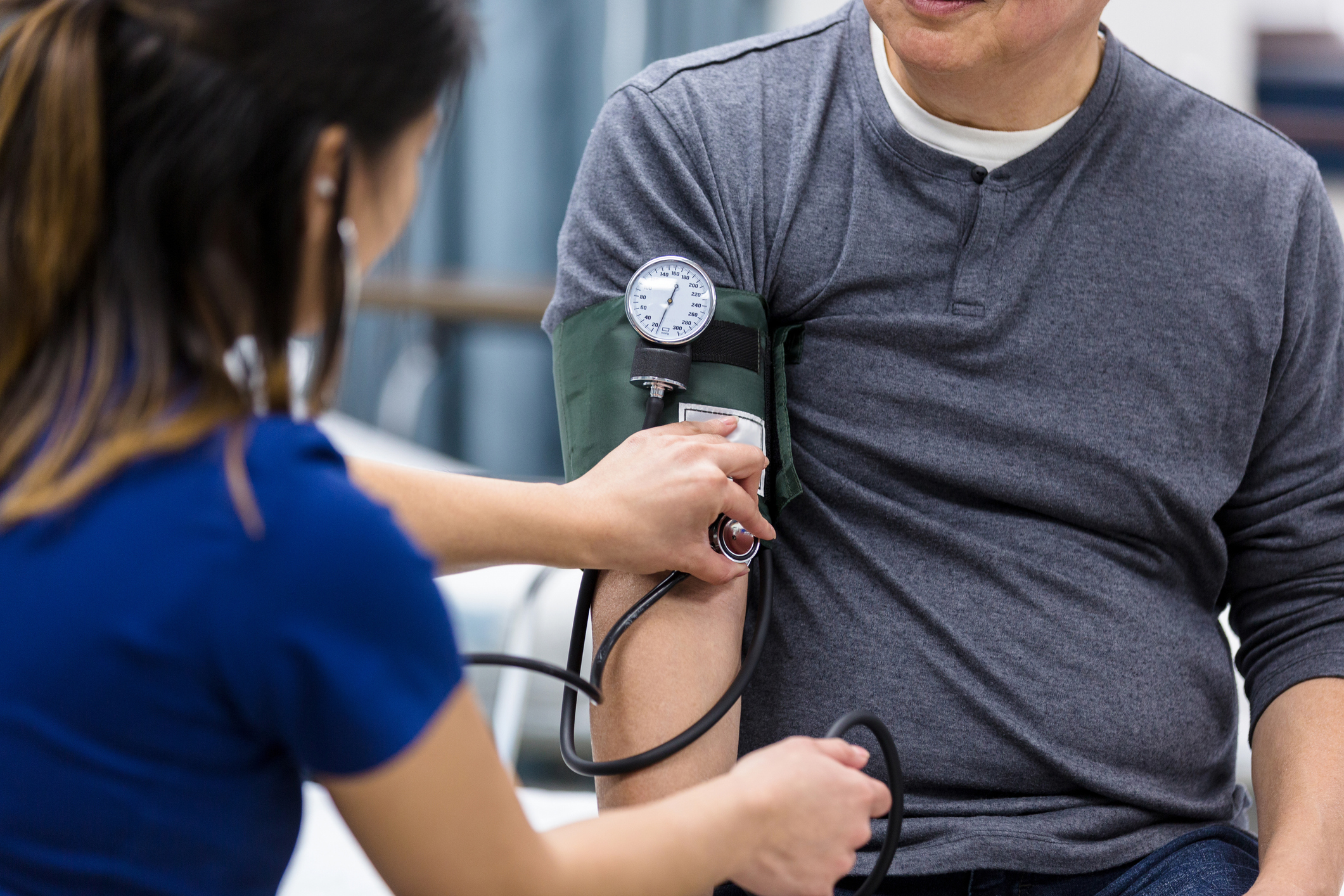
A woman getting her blood pressure checked at a doctor's office.High blood pressure, also known as hypertension, is defined as a systolic blood pressure greater than 130 mmHg or a diastolic blood pressure greater than 80 mmHg, according to the Centers for Disease Control and Prevention. Hypertension is a main contributing factor for heart disease and stroke, the leading causes of death in the United States. Nearly half of all adults have hypertension, but only about a quarter of these adults have their blood pressure under control.

As your blood flows throughout your body, it pushes against the walls of your arteries; this is what is known as blood pressure. It’s normal for your blood pressure to rise and fall throughout the day, and certain factors, such as anxiety, might cause it to become elevated in specific situations. However, if your blood pressure is chronically high, it can cause damage to your heart.

Certain factors can increase your risk of developing chronic high blood pressure. These include:

  • Diabetes

  • Lifestyle factors, such as obesity, an unhealthy diet, or a lack of physical activity

  • Excessive consumption of alcohol or usage of tobacco

  • A family history of high blood pressure

  • Older age

  • Race (over half of Black adults in the United States have hypertension)

There are steps you can take to manage your blood pressure and decrease your risk of medical complications. To prevent high blood pressure, it is most helpful to:

  • Eat a healthy diet

  • Maintain a healthy weight

  • Engage in regular physical activity

  • Avoid smoking

  • Limit alcohol consumption (no more than two drinks per day for men or one drink per day for women)

  • Get a sufficient amount of sleep each night

To control high blood pressure, you should:

  • Regularly measure your blood pressure

  • Make lifestyle changes to prevent your condition from worsening

  • Get medical care for any underlying conditions that may be contributing to your high blood pressure

Flushing Hospital Medical Center’s expert cardiology specialists can high-quality care for chronic hypertension and any condition that may be causing it to occur. To schedule an appointment with a cardiologist, please call (718) 670-5486.

All content of this newsletter is intended for general information purposes only and is not intended or implied to be a substitute for professional medical advice, diagnosis or treatment. Please consult a medical professional before adopting any of the suggestions on this page. You must never disregard professional medical advice or delay seeking medical treatment based upon any content of this newsletter. PROMPTLY CONSULT YOUR PHYSICIAN OR CALL 911 IF YOU BELIEVE YOU HAVE A MEDICAL EMERGENCY.

Supplements That May Raise Blood Pressure

Supplements are often taken in an effort to increase the intake of nutrients and improve overall health.  Although supplements can provide some health benefits, they can also be harmful, especially for those diagnosed with medical conditions such as high blood pressure.

Several supplements are known to increase blood pressure or interfere with drugs intended to lower blood pressure. Here are a few:

  • Licorice
  • Caffeine pills
  • Ginseng
  • Guarana
  • Arnica
  • Ephedra
  • John’s wort
  • Bitter orange
  • Evening primrose
  • Saw palmetto
  • Hawthorn

It is always recommended that you speak with your doctor before adding supplements to your health routine.  Your physician can explore potential risks to your health and contraindications with the medications you are taking.

To schedule an appointment with a doctor at Flushing Hospital Medical Center, please call 718-670-5486.

All content of this newsletter is intended for general information purposes only and is not intended or implied to be a substitute for professional medical advice, diagnosis or treatment. Please consult a medical professional before adopting any of the suggestions on this page. You must never disregard professional medical advice or delay seeking medical treatment based upon any content of this newsletter. PROMPTLY CONSULT YOUR PHYSICIAN OR CALL 911 IF YOU BELIEVE YOU HAVE A MEDICAL EMERGENCY.

10 Foods That Can Help Lower High Blood Pressure

Hypertension (high blood pressure) develops when the force of the blood pushing against the arteries or flowing through the blood vessels is consistently too high.  This can lead to complications such as stroke, heart failure, kidney disease or heart attack.

Hypertension is treatable and manageable through medication and making certain lifestyle changes. One of the most effective lifestyle changes a person living with hypertension can apply is following a healthy diet rich in the following foods:

  1. Salmon and other types of fatty fish
  2. Green, leafy vegetables such as spinach and broccoli
  3. Citrus fruits
  4. Oatmeal
  5. Beets
  6. Berries
  7. Low-fat yogurt
  8. Seeds such as pumpkin, flax, and sunflower seeds
  9. Garlic
  10. Legumes and beans

Adding these foods to a diet can help with managing high blood pressure when combined with exercise and a treatment plan recommended by a doctor.

To schedule an appointment with a doctor at Flushing Hospital Medical Center, please call 718-670-5486.

All content of this newsletter is intended for general information purposes only and is not intended or implied to be a substitute for professional medical advice, diagnosis or treatment. Please consult a medical professional before adopting any of the suggestions on this page. You must never disregard professional medical advice or delay seeking medical treatment based upon any content of this newsletter. PROMPTLY CONSULT YOUR PHYSICIAN OR CALL 911 IF YOU BELIEVE YOU HAVE A MEDICAL EMERGENCY.

Blood Pressure – Keeping it Under Control in the New Year

Soon it will be the beginning of the New Year and many of us will make resolutions to do things better than the previous year. For many people this means living healthy, losing weight, and keeping our blood pressure under control.

High blood pressure affects one in three Americans. If not controlled well it can lead to kidney problems, damaged blood vessels, stroke, and heart attacks. There are many factors that can cause blood pressure to be elevated including obesity, stress, smoking, high sodium diets and elevated cholesterol. Ideally, managing some of these factors can help to maintain a blood pressure that is as close to normal range (120/80mmHg) as possible.

There are many ways that doctors can help us to control our blood pressure, Your doctor can prescribe medication that will help. Additionally other methods include:

  • Quitting smoking
  • Lose weight
  • Stress reduction
  • Exercise regularly
  • Eat less salty food
  • Eliminate beverages that contain caffeine
  • Eat dark chocolate
  • Cut back on sugar
  • Drink less alcohol

Keeping your blood pressure under control is probably one of the most important things you can do to keep yourself healthy. Speak to your doctor about methods that would work best for you.

If you would like to schedule an appointment with a doctor at Flushing Hospital to discuss how you can lower your blood pressure in 2018, please call 718-670-5486.

All content of this newsletter is intended for general information purposes only and is not intended or implied to be a substitute for professional medical advice, diagnosis or treatment. Please consult a medical professional before adopting any of the suggestions on this page. You must never disregard professional medical advice or delay seeking medical treatment based upon any content of this newsletter. PROMPTLY CONSULT YOUR PHYSICIAN OR CALL 911 IF YOU BELIEVE YOU HAVE A MEDICAL EMERGENCY.