How Microplastics and Nanoplastics Affect Our Long-Term Health

Microplastics and nanoplastics (MNPs) are plastic particles that fail to break down and have become a major concern for environmental and human health.

These plastic particles are extremely small, as microplastics range from 1 micrometer to 5 millimeters. Nanoplastics are even smaller, as they are less than one micrometer.

There are two types of microplastics, primary microplastics and secondary microplastics. These microplastics typically come from two main sources. Primary microplastics are manufactured at a small size intentionally. Secondary microplastics are formed from the breakdown of larger plastic items.

There are public concerns about the health effects of microplastics and nanoplastics, as they have been found in our bodies because of what we eat, drink, or breathe.

Nanoplastics can behave differently from microplastics or materials that are larger. Their small size means that they may move more easily through biological membranes or interact differently with cells in the body.

Larger microplastics are filtered by the body’s natural defenses, such as the mucus and cilia in the airways, but can still get inhaled into the lungs and even infiltrate the bloodstream or the barriers to the digestive system.

Scientific research has pointed to the likelihood of nanoplastics being far more toxicologically active than microplastics, due to their being small enough to pass through some biological barriers and easily absorbed into the body, which can potentially disrupt and damage internal organs and processes.

Evidence suggests that microplastics may be correlated with health conditions, including:

  • Chronic degenerative diseases
  • Cardiovascular disease
  • Inflammatory diseases, such as inflammatory bowel disease (IBS)

Additionally, existing research has found that microplastics can accumulate in the human brain. They can also be found in plaque formed in our arteries.

Currently, the U.S. doesn’t have regulations around microplastics. However, there are ways to reduce your exposure to microplastics, including:

  • Cutting back on bottled water
  • Getting an NSF-certified water filter
  • Avoiding storing food in plastic containers
  • Avoiding the reuse of single-use plastics for food and drinks
  • Avoiding heating plastic
  • Washing plastic by hand
  • Keeping your air clean

According to health experts, there are ways you can lower your risk of the health effects linked to microplastics, including:

  • Eating a balanced diet
  • Getting enough sleep and exercise
  • Lowering stress
  • Seeing preventative care

Unfortunately, plastic is everywhere, and it is hard to avoid. However, it is important to remember that all the plastic we use will end up in a landfill and eventually in our environment and in our bodies. Limiting plastic usage and production will hopefully have a positive impact on future generations.

All content of this newsletter is intended for general information purposes only and is not intended or implied to be a substitute for professional medical advice, diagnosis or treatment. Please consult a medical professional before adopting any of the suggestions on this page. You must never disregard professional medical advice or delay seeking medical treatment based upon any content of this newsletter. PROMPTLY CONSULT YOUR PHYSICIAN OR CALL 911 IF YOU BELIEVE YOU HAVE A MEDICAL EMERGENCY.

Spring Superfoods: What’s In Season?

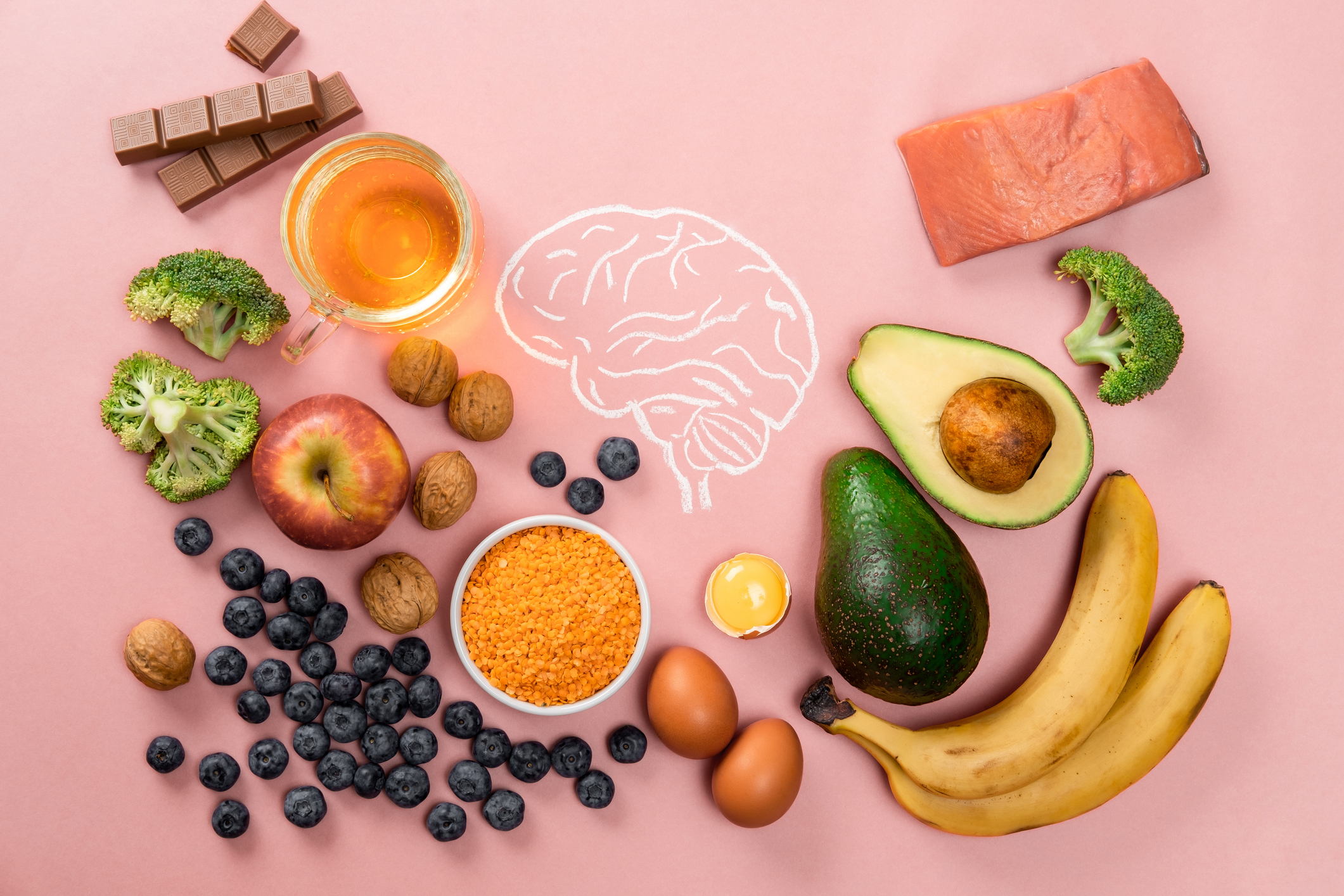
Spring is a time for renewal and rejuvenation. So why not rejuvenate your diet by adding spring superfoods to receive their benefits?  

Seasonal superfoods are the key to maximizing nutrients, improving digestion, and staying connected to nature. The reason to eat superfoods during the season they are most prominent is that they are at the peak of their nutritional value. Foods grown and eaten in season are fresher, more flavorful, and full of vitamins. Eating greens that are abundant in the spring can detoxify and cleanse your body. Here are some spring superfoods to add to your diet: 

  • Asparagus is rich in vitamins A, C, E, and K, and is a good source of folate and fiber, which benefit the digestive system by flushing out toxins and help to promote healthy skin 
  • Spinach is high in fiber and iron and contains vitamins A, C, and K, which combine to support eye, blood, immune, metabolic, and gut health 
  • Radishes contain vitamins C and K, as well as calcium and potassium, which help support liver health and digestion 
  • Artichokes contain fiber, potassium, magnesium, and vitamin C, which help support liver function and gut health, as well as support energy production, metabolism, and maintain healthy nerve and heart function 
  • Strawberries are rich in antioxidants and an excellent source of vitamin C, potassium, and folate, which help reduce free radicals linked to cancer and diabetes, and other conditions  
  • Spring onions are a great source of antioxidants, which can help prevent heart disease and cancer, and reduce the risk of developing chronic disease 
  • Sweet peas are a great source of fiber, protein, vitamins C and A, which are good for eye health 
  • Rhubarb is full of vitamins A and K, and B vitamins, which are good for immune, skin, eye, and bone health, and support a healthy metabolism 
  • Fennel contains fiber, potassium, calcium, magnesium, iron, and vitamins C and A, which help with digestive problems, such as cramping, bloating, and gas, support eye, muscle, and bone health, boost brain health, control blood pressure, and strengthen the immune system  
  • Fava beans are a great source of magnesium, protein, and fiber, which are good for heart, bone, immune, and blood health, as well as support digestive and weight management functions, and provide neurological and brain support 
  • Garlic scapes contain glutathione, sulfur compounds, and other flavonoids, which help reduce oxidative stress which is linked to cancer, liver and kidney disease and other illnesses 
  • Fiddleheads contain the B vitamin niacin, which is essential for a healthy metabolism, nervous system, hair, skin, and eyes 
  • Mint contains vitamins A and C, iron, calcium, flavonoids, and rosmarinic acid, which have antioxidant and anti-inflammatory properties that protect cells from oxidative stress and may support overall immune function, as well as being high in menthol, which helps soothe inflammation and ease gastrointestinal symptoms 
  • Salmon is a great source of omega-3s, which can help protect the heart, brain, and more due to its anti-inflammatory benefits 
  • Blackberries are packed with fiber, potassium, and vitamin C, as well as anthocyanins, and support gut, heart, and immune health 
  • Carrots contain beta and alpha carotenes, which may help reduce cancer risk, and are full of fiber, potassium, and vitamin C for an extra boost in gut, heart, and immune health 
  • Mushrooms are a good source of vitamin D, which supports bone health and immune function 
  • Arugula contains vitamins A and K, beta-carotene, and calcium, which help with digestion, eyesight, and bone health  

If you would like to learn more about superfoods and their health benefits, you can schedule an appointment at Flushing Hospital Medical Center’s Ambulatory Care Center. Please call (718) 670-5486. 


All content of this newsletter is intended for general information purposes only and is not intended or implied to be a substitute for professional medical advice, diagnosis or treatment. Please consult a medical professional before adopting any of the suggestions on this page. You must never disregard professional medical advice or delay seeking medical treatment based upon any content of this newsletter. PROMPTLY CONSULT YOUR PHYSICIAN OR CALL 911 IF YOU BELIEVE YOU HAVE A MEDICAL EMERGENCY.

Losing Muscle As We Age

As we age, we start to lose muscle mass gradually. This is called sarcopenia.

Sarcopenia, a type of atrophy, is the age-related progressive loss of muscle mass, function, and strength.

Everyone loses muscle mass over time; however, people who have sarcopenia lose it more quickly. Sarcopenia usually begins around the age of 35 and accelerates between the ages of 65 and 80. Rates of this acceleration vary; however, as much as 8% of muscle mass is lost each decade.

The natural aging process is usually the main cause of sarcopenia as the body doesn’t produce the same number of proteins the muscles need to grow, which causes them to get smaller. However, researchers have discovered other possible risk factors of the condition, including:

· Physical inactivity

· Obesity

· Chronic diseases such as chronic obstructive pulmonary disease (COPD), kidney disease, diabetes, cancer, and HIV

· Rheumatoid arthritis

· Insulin resistance

· Malnutrition or inadequate protein intake

· Reduction in hormone levels

· Decrease in the ability to convert protein to energy

· Decline in the number of nerve cells that send messages from the brain to the muscles telling them to move

Sarcopenia affects the musculoskeletal system and is a major factor in increased frailty, falls, and fractures. These conditions can lead to hospitalizations and surgeries, which increase the risk of complications, including death.

This condition can also affect people with a high body mass index (BMI), which is called sarcopenic obesity. People suffering from obesity and sarcopenia have a greater risk of complications than those with obesity or sarcopenia alone.

The most common symptom of sarcopenia is muscle weakness. Other symptoms may include:

· Decrease in muscle size

· Difficulty performing daily activities

· Poor balance and falls

· Loss of stamina

· Trouble climbing stairs

· Walking slowly

A healthcare provider may diagnose sarcopenia after they perform a physical exam and ask you about your symptoms. They may also ask you to complete a questionnaire based on your self-reported symptoms called the SARC-F, which stands for:

· Strength

· Assistance with walking

· Rising from a chair

· Climbing stairs

· Falls

You score each factor with a number between 0 and 2, with the highest maximum and total SARC-F being 10. A SARC-F score of 4 or more warrants more testing.

There is no single test that can diagnose sarcopenia. A healthcare provider may recommend several tests to help diagnose and then determine the severity of sarcopenia. These tests include:

· Muscle tests:

  •  Handgrip test
  • Chair stand test
  • Walking speed test
  • Short Physical Performance Battery (SPPB)
  • Timed-up and go test (TUG)

· Imaging tests for measurement of muscle mass

  • Dual-energy X-ray absorptiometry (DEXA or DXA)
  • Bioelectrical impedance analysis (BIA)

The treatment for sarcopenia usually includes lifestyle changes, as they can treat and help reverse the condition. These lifestyle changes include:

· Physical activity, which includes resistance-based strength training

· A healthy diet

Sarcopenia is not fully preventable. However, there are steps you can take to slow the progression of the disease, including:

· Making healthy food choices

· Exercising regularly

· Attending routine physicals

If you or a loved one is experiencing symptoms of sarcopenia, you can receive treatment at Flushing Hospital Medical Center’s Ambulatory Care Center. To schedule an appointment, please call (718) 670-5486.

All content of this newsletter is intended for general information purposes only and is not intended or implied to be a substitute for professional medical advice, diagnosis or treatment. Please consult a medical professional before adopting any of the suggestions on this page. You must never disregard professional medical advice or delay seeking medical treatment based upon any content of this newsletter. PROMPTLY CONSULT YOUR PHYSICIAN OR CALL 911 IF YOU BELIEVE YOU HAVE A MEDICAL EMERGENCY.

Dumping Syndrome

Dumping syndrome or rapid gastric emptying is a condition that occurs when food and gastric juices move abnormally quickly from the stomach to the small intestine after eating.  

Dumping syndrome most commonly occurs after stomach surgery due to it altering the stomach, which can increase the risk of developing the condition. These surgeries are performed mostly to treat obesity, but they can also treat stomach cancer. Dumping syndrome can also happen after esophageal surgery, such as surgery to treat esophageal cancer. Surgeries for other conditions can cause dumping syndrome, including: 

  • Bariatric surgery 
  • Esophagectomy 
  • Gastrectomy 
  • Vagotomy 
  • Fundoplication 
  • Pyloroplasty 

Symptoms of dumping syndrome generally start within minutes after eating, especially meals containing high levels of table sugar and fruit sugar. Symptoms include: 

  • Nausea 
  • Vomiting 
  • Feeling bloated or too full after eating 
  • Stomach cramps 
  • Diarrhea 
  • Rapid heart rate 
  • Dizziness or lightheadedness 
  • Flushing  

Late dumping syndrome starts one to three hours after eating a meal that is high in sugar. It takes time for symptoms to develop because the body releases large amounts of insulin to absorb the sugars entering the small intestine after eating. This process results in low blood sugar levels. Symptoms of late dumping syndrome can include: 

  • Rapid heart rate 
  • Sweating 
  • Weakness  
  • Dizziness or lightheadedness 
  • Flushing 

Some people can have both early and late symptoms. 

A healthcare provider can diagnose dumping syndrome by using the following methods: 

  • Discussing medical history and performing a medical evaluation 
  • Testing blood sugar 
  • Performing a gastric emptying test 

If a person has early dumping syndrome, the condition is likely to resolve itself on its own within three months. In the interim, dietary changes may help ease symptoms. If dietary changes don’t help, an antidiarrheal medicine will be prescribed and injected under the skin to slow food from emptying into the intestine.  

If medication doesn’t work, surgical procedures such as reconstructing the pylorus of a reverse gastric bypass may be recommended. 

There are dietary strategies that can help maintain good nutrition and minimize symptoms, including: 

  • Eating smaller meals 
  • Drinking 6-8 cups of fluids per day 
  • Drinking most of your fluids between meals 
  • Lying down for 30 minutes after meals 
  • Changing your diet 
  • Increasing fiber intake 

If you are going to drink alcohol, it is important to speak with your healthcare provider before doing so. Drinking alcohol beverages can worsen dumping syndrome symptoms because they can be absorbed quickly and can have high sugar content, which can lead to blood sugar levels rising rapidly and cause a significant insulin spike and then eventually low blood sugar. 

If you or a loved one is experiencing symptoms associated with dumping syndrome, you can receive treatment at Flushing Hospital Medical Center’s Ambulatory Care Center. To schedule an appointment, please call (718) 670-5486. 

All content of this newsletter is intended for general information purposes only and is not intended or implied to be a substitute for professional medical advice, diagnosis or treatment. Please consult a medical professional before adopting any of the suggestions on this page. You must never disregard professional medical advice or delay seeking medical treatment based upon any content of this newsletter. PROMPTLY CONSULT YOUR PHYSICIAN OR CALL 911 IF YOU BELIEVE YOU HAVE A MEDICAL EMERGENCY.

IBS vs Lactose Intolerance

Irritable bowel syndrome (IBS) and lactose intolerance can cause similar symptoms in the digestive system. They include: 

  • Diarrhea  
  • Abdominal pain 
  • Gas 
  • Bloating 

Although their symptoms overlap, they are separate conditions with differences in how they are diagnosed and treated. 

IBS is a common condition that affects the stomach and intestines. It causes various symptoms, including: 

  • Cramping that is related to the urge to poop 
  • Excess gas 
  • Mucus in the poop 
  • Alternating diarrhea and constipation 
  • The feeling of being unable to empty the bowels after pooping 

There are three types of irritable bowel syndrome, which are categorized based on how poops look on the days of having symptom flare-ups. They include: 

  • IBS with constipation (IBS-C) causes most poop to be hard and lumpy 
  • IBS with diarrhea (IBS-D) causes most poop to be watery and loose 
  • IBS with mixed bowel habits (IBS-M) causes hard and lumpy, as well as watery and loose bowel movements 

Unfortunately, researchers don’t know what causes IBS. However, IBS is classified as a neurogastrointestinal disorder or a gut-brain interaction. A gut-brain interaction means there are problems with how the gut and brain coordinate to help the digestive system work. IBS can also be caused by: 

  • An imbalance in the microbes that normally live in the digestive system 
  • Emotional stress and adverse life events 
  • An infection of the digestive tract, which includes common stomach bugs 

Lactose intolerance is a condition that occurs when people lack the enzyme lactase. This makes it difficult to digest lactose, which is the sugar present in milk and milk products.  

Lactose malabsorption is the inability to break down and absorb lactose molecules in the digestive system. Lactose malabsorption is common, as about 65% of adults worldwide can’t break down and absorb lactose.  

Lactose intolerance symptoms can appear inside and outside of the digestive system. Symptoms include: 

  • Nausea and vomiting 
  • Headaches 
  • Fatigue 
  • Joint pain 
  • Problems concentrating 
  • Mouth ulcers 

Primary lactose intolerance is inherited and is more common in certain ethnicities and parts of the world. In the U.S., African Americans, Latinx, Asian Americans, and Native Americans are more likely to suffer from lactose intolerance.  

Although it is uncommon, other forms of lactose intolerance are caused by disease or medications.  

IBS and lactose intolerance can be diagnosed without testing. A person’s health history is an important part of diagnosing these conditions.  

An IBS diagnosis is based on symptoms described in the Rome criteria, the guidelines used to diagnose gut-brain interaction, which includes stool changes, such as diarrhea, constipation, or a combination, and abdominal pain for at least one day each week during the previous three months. 

If these symptoms meet the Rome criteria, an IBS diagnosis can be made without the need for an invasive test such as a colonoscopy.  

However, further diagnostic testing would be needed if symptoms include blood in the stool, fever, and weight loss to determine if these are symptoms of another condition. 

The first steps in diagnosing lactose intolerance include a health history and physical exam. In some cases, a clear connection between a person consuming dairy products and symptoms can suggest a diagnosis of lactose intolerance.  

In certain cases, a breath test to diagnose lactose intolerance is available. During this test, a person drinks a solution that contains lactose and breathes to have their breath captured and measured for hydrogen. A higher level of hydrogen in the breath can indicate lactose intolerance. 

IBS treatment starts with diet and lifestyle changes, including: 

  • Adopting a low-FODMAP diet, which is a diet that is low in certain carbohydrates such as fermentable oligosaccharides, disaccharides, monosaccharides, and polyols 
  • Eating more fiber 
  • Avoiding caffeine and alcohol 
  • Decreasing and managing stress 
  • Identifying and avoiding foods that cause symptoms 
  • Eating small meals on a regular schedule 
  • Treating mental health conditions 
  • Increasing physical activity 
  • Trying a peppermint oil supplement 

If lifestyle and diet changes don’t help, many drugs could help, including: 

  • Antidiarrheals 
  • Antispasmodics 
  • Laxatives 
  • Selective serotonin reuptake inhibitors (SSRIs) 
  • Tricyclic antidepressants (TCAs) 
  • Other prescription drugs 

Treating lactose intolerance consists of avoiding foods that cause symptoms, dairy products that have less lactose or are lactose-free, or taking a supplement that breaks down lactose. 

If you or a loved one is experiencing symptoms associated with IBS or lactose intolerance, you can receive treatment at Flushing Hospital Medical Center’s Ambulatory Care Center. To schedule an appointment, please call (718) 670-5486. 

All content of this newsletter is intended for general information purposes only and is not intended or implied to be a substitute for professional medical advice, diagnosis or treatment. Please consult a medical professional before adopting any of the suggestions on this page. You must never disregard professional medical advice or delay seeking medical treatment based upon any content of this newsletter. PROMPTLY CONSULT YOUR PHYSICIAN OR CALL 911 IF YOU BELIEVE YOU HAVE A MEDICAL EMERGENCY.

Foods You Should Not Eat with Gallbladder Problems

The gallbladder is an organ that plays an essential role in digesting the foods we eat. Some foods we eat can be good for our gallbladder, while others can harm it. If you have gallstones or if your gallbladder is inflamed or infected due to gallbladder disease, you may need to follow a specific diet to protect your gallbladder. 

If you are experiencing problems with your gallbladder, various foods can increase your risk of developing diseases, including: 

  • Saturated and trans fats increase the risk of gallstones 
  • Refined carbohydrates increase the likelihood of developing gallstones 
  • Ultra-processed foods increase the risk of gallbladder disease 
  • Sugar-sweetened beverages increase the risk of gallbladder cancer 

If your diet consists of these foods, a healthcare provider may recommend following a diet to help improve the health of your gallbladder. A healthcare provider may suggest a diet that consists of: 

  • Fruits and vegetables that contain essential nutrients such as fiber, vitamins, minerals, and antioxidants may reduce the risk of gallstones 
  • Whole grains are a great source of dietary fiber that can help your digestive health and gallbladder, which may reduce the risk of gallstone disease 
  • Healthy fats may increase bile secretion and prevent gallbladder disease, benefiting gallbladder health 
  • Lean protein that is low in fat, such as poultry, fish, low-fat dairy, and especially plant-based protein, may lower the risk of gallbladder disease 

Two types of gallbladder diets may help lower your risk of gallstone issues: the Mediterranean diet and the Dietary Approaches to Stop Hypertension (DASH) diet. 

  • Mediterranean diet- focuses on eating whole foods and healthy fats 
  • DASH diet- focuses on high-fiber, heart-healthy foods that are low in sodium, which lowers your risk of hypertension 

A gallbladder diet may be difficult to adhere to at first. However, here are some meal-planning tips to follow to help: 

  • Controlling your portion sizes and the frequency of meals may protect against gallstones by helping empty the gallbladder and preventing bile build-up 
  • Adding specific foods to your diet can reduce your risk of and protect against gallbladder disease 
  • Maintaining a food diary to keep track of any symptoms you have and what you ate before the symptoms started, as it is important to know what foods may trigger symptoms.  
  • Planning meals and snacks can ensure you have the proper foods available when it is time to eat, instead of going too long between meals, which may increase the risk of gallstones 
  • Staying hydrated can help bile flow from your gallbladder to your small intestine, aiding in digestion 

If you have been diagnosed with gallbladder disease and are considering surgery, robotic surgery could be an option. Robotic gallbladder surgery has many benefits, including:  

  • It is the best way to relieve gallbladder-related symptoms, such as belly pain, nausea, and vomiting.  
  • It lowers the risk of developing complications, such as infection or inflammation of nearby bile ducts or organs 
  • It prevents gallstones from returning, as well as any future gallstone attacks 

There are many potential advantages of robotic-assisted surgery over other types of surgery, including: 

  • Robot-assisted surgery provides surgeons with 3D images of the abdomen and pelvis, creating a clearer picture to reference during the operation
  • Under the surgeon’s direction, the robot can move more freely and with more versatility than a human hand 
  • You’ll have a few tiny scars 
  • You’re more likely to experience less pain and less bleeding after surgery compared to open surgery
  • A shorter hospital stay

To learn more about our robotic surgical procedures or schedule an appointment, contact Flushing Hospital Medical Center at (718) 670-5000. 

All content of this newsletter is intended for general information purposes only and is not intended or implied to be a substitute for professional medical advice, diagnosis or treatment. Please consult a medical professional before adopting any of the suggestions on this page. You must never disregard professional medical advice or delay seeking medical treatment based upon any content of this newsletter. PROMPTLY CONSULT YOUR PHYSICIAN OR CALL 911 IF YOU BELIEVE YOU HAVE A MEDICAL EMERGENCY.

Understanding Cholesterol Numbers

Cholesterol is a type of waxy, fat-like substance, or lipid, that the body needs to function. It forms part of the cell membranes, helps the liver make bile, and serves as a building block for hormones.  

There are several types of cholesterol. They include: 

  • High-density lipoprotein (HDL) cholesterol is a good cholesterol that helps protect the arteries 
  • Low-density lipoprotein (LDL) cholesterol is bad cholesterol that causes plaque buildup in the arteries 
  • Very-low density lipoprotein (VLDL) cholesterol is another type of bad cholesterol that can also cause plaque buildup in the arteries 
  • Non-HDL cholesterol- refers to all the cholesterol in the blood, except for HDL cholesterol 

Cholesterol is vital for us to live, as it does many essential jobs in the body. However, too much cholesterol in the blood is harmful as it can enter the artery wall, weakening it, leading to hardened deposits of atherosclerotic plaque to form. This is called atherosclerosis, and it can lead to problems such as: 

  • Coronary artery disease 
  • Peripheral artery disease 
  • Carotid artery disease 

A person can live for many years with high cholesterol and not know it. High levels of cholesterol, or hyperlipidemia, can be a risk of a heart attack or stroke. That is why it is important to get your cholesterol numbers checked on a regular basis. 

When getting your cholesterol numbers checked, a healthcare provider will use a blood test called a lipid panel. A healthcare provider will check the numbers of the main levels of cholesterol. They include: 

  • Total cholesterol: Below 200 
  • LDL cholesterol: Below 100 
  • VLDL cholesterol: Below 30 
  • HDL cholesterol: 40-80 for males. 50-80 for females 

The lipid panel also measures another type of fat in the blood called triglycerides. 

Normal cholesterol levels can vary based on age, ethnicity, and sex.   

If a person has heart disease or several risk factors, the LDL target number may be different, and a healthcare provider will want the number to be below 70. 

HDL numbers are typically better when higher rather than lower. An ideal number for HDL cholesterol should be between 60 and 80 to protect against heart disease. An HDL number over 80 is too high and can be unhealthy. HDL is the only number that has sex-based differences, as females need a higher HDL level than males. 

High cholesterol means that total cholesterol is 200/mg/dl or higher, or higher than normal. “Borderline high” is a phrase that healthcare providers may use to break down the results of a lipid panel. If a person’s cholesterol numbers are close to normal, they may be easier to manage. High cholesterol numbers include: 

  • Total cholesterol: Borderline high: 200-239  

                                      High: 240 or higher 

  • LDL cholesterol: Elevated:100-129  

                                    Borderline high: 130-159 

                                    High: 160-189 

  • VLDL cholesterol: 30 or higher 

LDL cholesterol, VLDL cholesterol, and total cholesterol numbers should be lower rather than higher. 

How often a person gets their cholesterol checked depends on their age, family history, risk factors for heart disease, and their sex, as males need more frequent tests starting at a younger age.  

Males ages 20 to 44 should get their cholesterol checked every five years. Males ages 45 to 65 should get their cholesterol checked every one to two years. And males 65 years and older should get their cholesterol checked every year.  

Females ages 20-54 should get their cholesterol checked every five years. Females ages 55 to 65 should get their cholesterol checked every one to two years. And females 65 and older should get their cholesterol checked every year. 

It is important to know what your cholesterol numbers are, as they can help you learn about your potential risks for heart disease. A healthcare provider will look at your cholesterol numbers, as well as the other aspects of your health, to learn more about your risks of heart disease.  

If you or a loved one would like to learn more about understanding cholesterol numbers, you can speak with a physician at Flushing Hospital Medical Center’s Ambulatory Care Center. To schedule an appointment, please call (718) 670-5486. 


All content of this newsletter is intended for general information purposes only and is not intended or implied to be a substitute for professional medical advice, diagnosis or treatment. Please consult a medical professional before adopting any of the suggestions on this page. You must never disregard professional medical advice or delay seeking medical treatment based upon any content of this newsletter. PROMPTLY CONSULT YOUR PHYSICIAN OR CALL 911 IF YOU BELIEVE YOU HAVE A MEDICAL EMERGENCY.

What is Dry January?

New Year’s has come and gone, and we are all trying to stick to the resolutions we made. For some, a common resolution is giving up alcohol.  

Heavy social drinking can often be considered binge drinking. Binge drinking is when a man drinks five or more drinks and a woman drinks four or more drinks in one sitting.  

This is why many people commit to Dry January, which is when a person gives up drinking alcohol for the entire month.  

Dry January has become a very popular New Year’s resolution over the past few years. Recent research indicates that younger Americans are generally drinking less than previous generations. According to a poll released last summer, conducted by the analytics company Gallup, the percentage of Americans who said they drink fell to a record low of 54%. This is one percentage point lower than the previous record low in 1958. 

There are several health benefits to participating in Dry January, including: 

  • Increased energy levels 
  • Lower blood pressure and heart rate 
  • A decrease in liver inflammation 
  • Clearer skin and decreased facial puffiness and bloating 
  • A decrease in calorie consumption 
  • It helps shift your perspective and understanding of your relationship with alcohol 

There are many tips to help you succeed during Dry January, including: 

  • Reduce your alcohol consumption by half before you start 
  • Write down the goals you want to achieve and document your progress 
  • Abstain from drinking alcohol longer if you can  
  • Ease back into drinking alcohol if you choose to go back to drinking, and drink in moderation 
  • Surround yourself with supportive friends and family 
  • Be mindful of withdrawal symptoms. Symptoms of withdrawal include: 
    • Abdominal cramping 
    • Anxiety 
    • Dizziness 
    • Headaches 
    • Nausea 
    • Shaking 
    • Sweating  
    • Vomiting  
  • Avoid any situations that may tempt you to drink 
  • Participate in hobbies and other interests that don’t involve drinking alcohol 
  • Seek out extra help and resources if you need them 

At Flushing Hospital Medical Center, our Psychiatry Department features a Division of Addiction Services where you or your loved one can receive comprehensive assessments and treatment for alcohol and chemical dependency. For more details about our unit, contact us at (718) 670-5693 or (718) 670-5540, or for additional information about our Reflections treatment program, please get in touch with us at (718) 670-5078. 

All content of this newsletter is intended for general information purposes only and is not intended or implied to be a substitute for professional medical advice, diagnosis or treatment. Please consult a medical professional before adopting any of the suggestions on this page. You must never disregard professional medical advice or delay seeking medical treatment based upon any content of this newsletter. PROMPTLY CONSULT YOUR PHYSICIAN OR CALL 911 IF YOU BELIEVE YOU HAVE A MEDICAL EMERGENCY.

How to Set Healthy Weight Loss Goals

Embarking on a weight loss journey can be a difficult and sometimes daunting experience. There are many factors that can affect a person’s weight management, such as medical conditions, certain medicines, stress, age, genes, hormones, and environment.  

However, maintaining a lifestyle that consists of a good nutritional diet, regular physical activity, stress management, and proper sleep can support a healthy weight. Additionally, people who lose weight gradually, which is about one to two pounds a week, are more likely to keep the weight off than those who lose weight more quickly.  

If a person is not at a healthy weight, moderate weight loss can help improve their cholesterol, blood pressure, and blood sugar levels. Just a 5% to 10% reduction of their current weight may lower their risk for some chronic diseases, such as heart disease, prediabetes, and type 2 diabetes. Other benefits of moderate weight loss include: 

  • More energy  
  • Better mobility  
  • A boost in self-confidence 
  • Improved fitness 

Starting a weight loss journey can be challenging. However, having and following a plan can help make the journey easier. Here are five steps that can help guide you to a healthier weight: 

  • Consider the reasons why you want to lose weight. Writing down your reasons and posting them where you can see them can help remind you why you are making this change and keep you focused on your weight loss goals 
  • Keep track of where you are as you begin your weight loss journey. You can keep a journal of your nutrition to help you keep track of what you eat and drink in a day. Make note of your physical activity by including the time of day you exercised, what activities you did, and for how long. Maintain a chart of your sleep schedule, including what time you went to sleep and woke up, and the number of hours you slept. Monitor your stress levels and the healthy ways you are reducing your stress. You can also track how you felt during your meals, when you exercise, and any lifestyle challenges that have affected your progress 
  • Set specific and realistic goals. Creating short-term goals with rewards can help prevent you from feeling frustrated when there is a setback. When setting short-term goals, focus on two or three goals at a time 
  • Find a good support system. Surround yourself with family or friends who are supportive of your weight loss goals. If they have similar goals, they may share resources that have helped them on their weight loss journey 
  • Stay up to date with your progress throughout your weight loss journey. Regularly evaluate your progress by revisiting the goals you set. Determine what has been working well and what hasn’t been, and use this information to make any changes to your goals and weight loss plan. If you are consistently meeting a particular goal, you can reward yourself for achieving your goals. It is important to recognize and be proud of your progress as you meet your goals. Rewarding yourself helps to keep you motivated and on the right path 

Please note that before you start your weight loss journey, speak with your healthcare provider so you can decide whether or not it’s a good time to set a weight loss goal. 

And if you do go on a weight loss journey, don’t get discouraged if you aren’t losing weight as quickly as you had hoped. Remember that sustainable weight loss takes time.  

For more information about the Bariatric Surgery Services at Flushing Hospital or procedures performed by our doctors, please call718-408-6977 or 718-670-8908. 


All content of this newsletter is intended for general information purposes only and is not intended or implied to be a substitute for professional medical advice, diagnosis or treatment. Please consult a medical professional before adopting any of the suggestions on this page. You must never disregard professional medical advice or delay seeking medical treatment based upon any content of this newsletter. PROMPTLY CONSULT YOUR PHYSICIAN OR CALL 911 IF YOU BELIEVE YOU HAVE A MEDICAL EMERGENCY.

Winter Dehydration

Dehydration in the winter may seem less likely than in the summertime, but it is still a risk. According to the U.S. National Academies of Sciences, Engineering, and Medicine, the recommended amount of daily fluid intake is around 15.5 cups for men and 11.5 for women. For many of us, it might be harder to reach these quantities during the winter months.

Some causes of winter dehydration include:

  • Indoor heat
  • Bundling up in too many layers
  • Lack of thirst
  • Fluid loss from respiration
  • More frequent urination

There are many signs of dehydration, including:

  • The color of your urine
  • Constipation
  • Fatigue
  • Dry mouth and chapped lips
  • Dry skin
  • Headaches
  • Difficulty concentrating
  • Irritability
  • Feeling faint or dizzy
  • A rapid heart rate

Here are some tips for staying hydrated in the winter:

  • Drink warm fluids if it is too difficult to drink cold water when it’s cold outside.
  • Infuse plain water by adding flavorings such as a wedge of lemon or lime, other pieces of fruit, or unsweetened water enhancers.
  • Carry a reusable water bottle with you to encourage daily hydration.
  • Eat homemade soups and water-rich fruits and vegetables to help increase fluid intake.
  • Avoid drinking caffeine as it can contribute to dehydration.
  • Swap drinking an alcoholic beverage for a mocktail.
  • Make hydration a routine by drinking a certain amount of water daily.

If you have symptoms of dehydration, consult with a physician immediately. A severe case of dehydration can lead to complications and potentially death. For less severe cases, you can schedule an appointment with a physician at Flushing Hospital Medical Center by calling 718-670-5486.

All content of this newsletter is intended for general information purposes only and is not intended or implied to be a substitute for professional medical advice, diagnosis or treatment. Please consult a medical professional before adopting any of the suggestions on this page. You must never disregard professional medical advice or delay seeking medical treatment based upon any content of this newsletter. PROMPTLY CONSULT YOUR PHYSICIAN OR CALL 911 IF YOU BELIEVE YOU HAVE A MEDICAL EMERGENCY.