Hepatitis B

Hepatitis B is a serious viral liver infection that is caused by the hepatitis B virus (HBV).  

The hepatitis B virus can be passed from person to person through various ways, including: 

  • Sexual contact 
  • Sharing of needles 
  • Accidental needlesticks 
  • Pregnant person to newborn 

There are two types of hepatitis B: acute hepatitis B and chronic hepatitis B. 

Acute hepatitis B is a short-term illness that occurs within the first six months after being exposed to the hepatitis B virus. 

Chronic hepatitis B is a longer-term illness that lasts more than six months after exposure.  

Most adults who develop hepatitis B will make a full recovery even if they have severe symptoms. However, infants and children are more likely to develop chronic hepatitis B infection. 

Hepatitis B symptoms can range from mild to serious and usually start about one to four months after being infected with the hepatitis B virus, but can be noticeable as early as two weeks after the initial infection. Symptoms of hepatitis B include: 

  • Abdominal pain 
  • Dark urine 
  • Fever 
  • Joint pain 
  • Nausea and vomiting 
  • Fatigue and weakness 
  • Loss of appetite 
  • Jaundice 

Although anyone can get hepatitis B, certain people have an increased risk of infection if they: 

  • Have sexually transmitted diseases such as HIV 
  • Take immunosuppressants that keep the immune system from mistakenly attacking healthy tissue 
  • Are currently receiving dialysis treatment 
  • Have another type of liver disease 

An acute and chronic hepatitis B infection can cause several complications, including: 

  • Acute liver failure 
  • Chronic liver failure 
  • Cirrhosis of the liver 
  • Liver cancer 
  • Reactivated hepatitis B 
  • Hepatitis D 

A healthcare provider can diagnose hepatitis B by asking about your symptoms and performing a physical exam. They will also ask if there is any family history of liver disease. They may ask: 

  • If your work exposes you to the virus  
  • If you use any intravenous (IV) drugs 
  • If you have unprotected sex with anyone who may have hepatitis B 

A healthcare provider may also perform tests to help diagnose hepatitis B, including: 

  • Blood tests 
  • Imaging tests such as an elastography 
  • Liver biopsy 

Treatment for hepatitis B is dependent on your situation. A healthcare provider may prescribe prophylactic treatment, which is medication to prevent a disease, if you were exposed to the virus within the past 24 hours. Medications for prophylactic treatment include: 

  • Hepatitis B vaccination 
  • Hepatitis B immune globulin (HBIG) 

Acute hepatitis does not have a specific treatment. A healthcare provider may prescribe IV fluids to prevent dehydration if you have been vomiting or experiencing diarrhea. 

Treatment for chronic hepatitis B varies, as it depends on your symptoms and overall health. Treatment options can include: 

  • Monitoring your overall health 
  • Medications such as antiviral drugs or immunomodulators 
  • Surgery to remove part of your liver if hepatitis B causes cancer, or a liver transplant if your whole liver must be removed 

The best way to reduce the risk of or prevent a hepatitis B infection is to get vaccinated. It takes three doses of the hepatitis B vaccine, administered over six months, to achieve complete protection from infection. You can also reduce your risk by practicing safe sex and needle use and not sharing personal items.  

If you or a loved one is experiencing symptoms associated with hepatitis B, you can receive treatment from a physician at Flushing Hospital Medical Center’s Ambulatory Care Center. To schedule an appointment, please call (718) 670-5486. 

All content of this newsletter is intended for general information purposes only and is not intended or implied to be a substitute for professional medical advice, diagnosis or treatment. Please consult a medical professional before adopting any of the suggestions on this page. You must never disregard professional medical advice or delay seeking medical treatment based upon any content of this newsletter. PROMPTLY CONSULT YOUR PHYSICIAN OR CALL 911 IF YOU BELIEVE YOU HAVE A MEDICAL EMERGENCY.

National Birth Defects Prevention Month

January is recognized as National Birth Defects Prevention Month. The observance was created to help raise awareness while working towards better care and highlight the efforts that help with prevention.  

Hundreds of thousands of babies are born around the world each day. Some are born healthy. However, some are born with birth defects. Birth defects are structural changes that affect one or more parts of the body, such as the heart, brain, feet, and hands. Some of the common birth defects include congenital heart defects, cleft lip, spina bifida, anotia, and microtia. These defects are formed during the first three months of pregnancy when the baby’s organs are developing.  

An estimated 8 million newborn babies are born with some kind of birth defect. These birth defects can range from minor to life-threatening.  

Although birth defects can’t always be prevented, many of them are reliant on the lifestyle of the parents, as exposure to certain substances during pregnancy can cause issues in the development of the baby.  

There are many ways to observe National Birth Defects Prevention Month, including: 

  • Taking prenatal vitamins and supplements such as folic acid (400mcg) every day 
  • Avoiding substances such as alcohol, drugs, both cigarette and secondhand smoke, marijuana, certain prescription medications, and any other substances that may be harmful to an unborn baby 
  • Seeing a healthcare provider regularly during every stage of your pregnancy 

Flushing Hospital Medical Center for Obstetrics and Gynecology offers comprehensive, multi-disciplinary, and culturally sensitive care. Our services are provided by a highly skilled team of the best OBGYNs in Queens. For more information, please call (718) 670-5562. 

All content of this newsletter is intended for general information purposes only and is not intended or implied to be a substitute for professional medical advice, diagnosis or treatment. Please consult a medical professional before adopting any of the suggestions on this page. You must never disregard professional medical advice or delay seeking medical treatment based upon any content of this newsletter. PROMPTLY CONSULT YOUR PHYSICIAN OR CALL 911 IF YOU BELIEVE YOU HAVE A MEDICAL EMERGENCY.

The Difference between a Midwife and a Doula

Nurse midwives and certified doulas serve as members of a birthing team. Both have different training and education and provide various means of support and care during pregnancy, labor, and beyond.

Certified nurse midwives have master’s degrees in midwifery and often have experience working as labor and delivery nurses. Similarly to OB/GYNs, they support gynecological health and pregnancy care from a medical perspective.

Certified nurse midwives are trained to perform the following healthcare services:

  • Perform annual wellness exams
  • Perform gynecological exams
  • Provide prenatal care
  • Prescribe medications
  • Give labor-inducing drugs
  • Monitor the fetus using electronic equipment
  • Order pain medications during labor
  • Order an epidural
  • Perform an episiotomy
  • Deliver a baby vaginally
  • Assist with C-sections
  • Resuscitate a baby
  • Stitch tears
  • Provide STI testing and care
  • Postpartum checkups and breastfeeding support

If you are having a baby outside of your home, you’ll need either an OB/GYN or a certified nurse midwife to deliver your baby.

Certified doulas are trained care professionals, not medical caregivers. Certified doulas don’t necessarily have degrees in healthcare. They earn credentials and accreditations from dedicated training agencies or programs. Their focus is on providing physical and emotional support throughout your pregnancy, delivery, and the postpartum period. Doulas can provide support and education that’s on the periphery of your medical well-being as well.

Different doulas provide different kinds of services. Some may specialize in pregnancy and delivery, while others may provide a full spectrum of services, including supporting you after your baby arrives. Services they offer can include:

  • Birth coaching, such as teaching you different birthing positions and techniques for reducing labor discomforts
  • Healthy pregnancy advice such as nutritional counseling
  • Helping draft your birth plan and advocating for your wishes during labor and delivery
  • Providing mental health check-ins and advice for self-care
  • Continuing to support you after your baby arrives with advice on breastfeeding and helping around the house with meal preparation and housework
  • Education for your support people, like a partner or friend who’ll be in the delivery room or will be caring for your baby with you

Researchers have suggested that using a birthing doula can lead to better birth outcomes, including:

  • Shorter labors
  • Less reliance on medications and epidurals
  • Lowered risk of C-section
  • More satisfaction with the experience of labor

Certified doulas may be most helpful for people who:

  • Are giving birth for the first time
  • Are from underrepresented groups, including people of color and members of the LGBTQIA+ community
  • Have experienced trauma in prior births
  • Wish to have an unmedicated, natural labor, and delivery

The most important consideration when choosing a midwife or a doula is finding someone you like, trust, and feel comfortable around. Someone who respects your opinions and viewpoints on pregnancy and the birthing process can be beneficial.

Experience can be another important factor. Doulas and midwives with more years of experience will bring different skills and perspectives than someone more recently trained.

For more information about Flushing Hospital Medical Center’s Women’s Health Center, please call 718 670-5702.

All content of this newsletter is intended for general information purposes only and is not intended or implied to be a substitute for professional medical advice, diagnosis or treatment. Please consult a medical professional before adopting any of the suggestions on this page. You must never disregard professional medical advice or delay seeking medical treatment based upon any content of this newsletter. PROMPTLY CONSULT YOUR PHYSICIAN OR CALL 911 IF YOU BELIEVE YOU HAVE A MEDICAL EMERGENCY.
Down Syndrome Awareness Month

Down syndrome is the most common chromosomal condition in the United States. According to the Centers for Disease Control and Prevention (CDC), approximately one in every 700 babies in the United States is born with Down syndrome.  It is most likely to occur in children whose mothers became pregnant with them at 35 years of age or older.

Typically, at the time of conception, a fetus receives genetic information from both parents in the form of 46 chromosomes.  Down syndrome develops as a result of the fetus receiving an extra copy of chromosome 21.  This extra chromosome affects the baby’s physical and mental development.   Some of the physical features and developmental problems associated with Down syndrome include:

  • Flattened face, particularly in the bridge of the nose
  • Almond-shaped eyes that slant up
  • A short neck
  • Small ears
  • A tongue that tends to stick out of the mouth
  • Tiny white spots on the iris (colored part) of the eye
  • Small hands and feet
  • A single line across the palm of the hand (palmar crease)
  • Small pinky fingers that sometimes curve toward the thumb
  • Poor muscle tone or loose joints
  • Shorter in height as children and adults

There are three main types of Down syndrome. Approximately 95% of people with this condition have Trisomy 21, in which each cell of their body has three copies of chromosome 21 instead of the typical two. About 3% of people with Down syndrome have translocation Down syndrome, in which an extra part or whole chromosome 21 is present, but attached to a different chromosome. The rarest form of Down syndrome is mosaic Down syndrome, in which only some cells have an extra copy of chromosome 21.

People with Down syndrome are at greater risk for certain medical problems. Some of these include hearing loss, obstructive sleep apnea, ear infections, eye diseases, and heart defects. Many people who live with Down syndrome are regularly monitored by a doctor to identify these conditions.

While Down syndrome is a lifelong condition, treatments such as speech, occupational, and physical therapy, when initiated at an early stage in life, can help individuals living with it develop to their full physical and intellectual potential. It is essential to work with your doctor during pregnancy to identify whether your child may have Down syndrome, as this will help with getting them the care they need as early as possible.

To speak with a doctor at Flushing Hospital Medical Center about screening or diagnostic testing for Down syndrome during pregnancy, please call (718) 670-5486.

All content of this newsletter is intended for general information purposes only and is not intended or implied to be a substitute for professional medical advice, diagnosis or treatment. Please consult a medical professional before adopting any of the suggestions on this page. You must never disregard professional medical advice or delay seeking medical treatment based upon any content of this newsletter. PROMPTLY CONSULT YOUR PHYSICIAN OR CALL 911 IF YOU BELIEVE YOU HAVE A MEDICAL EMERGENCY.
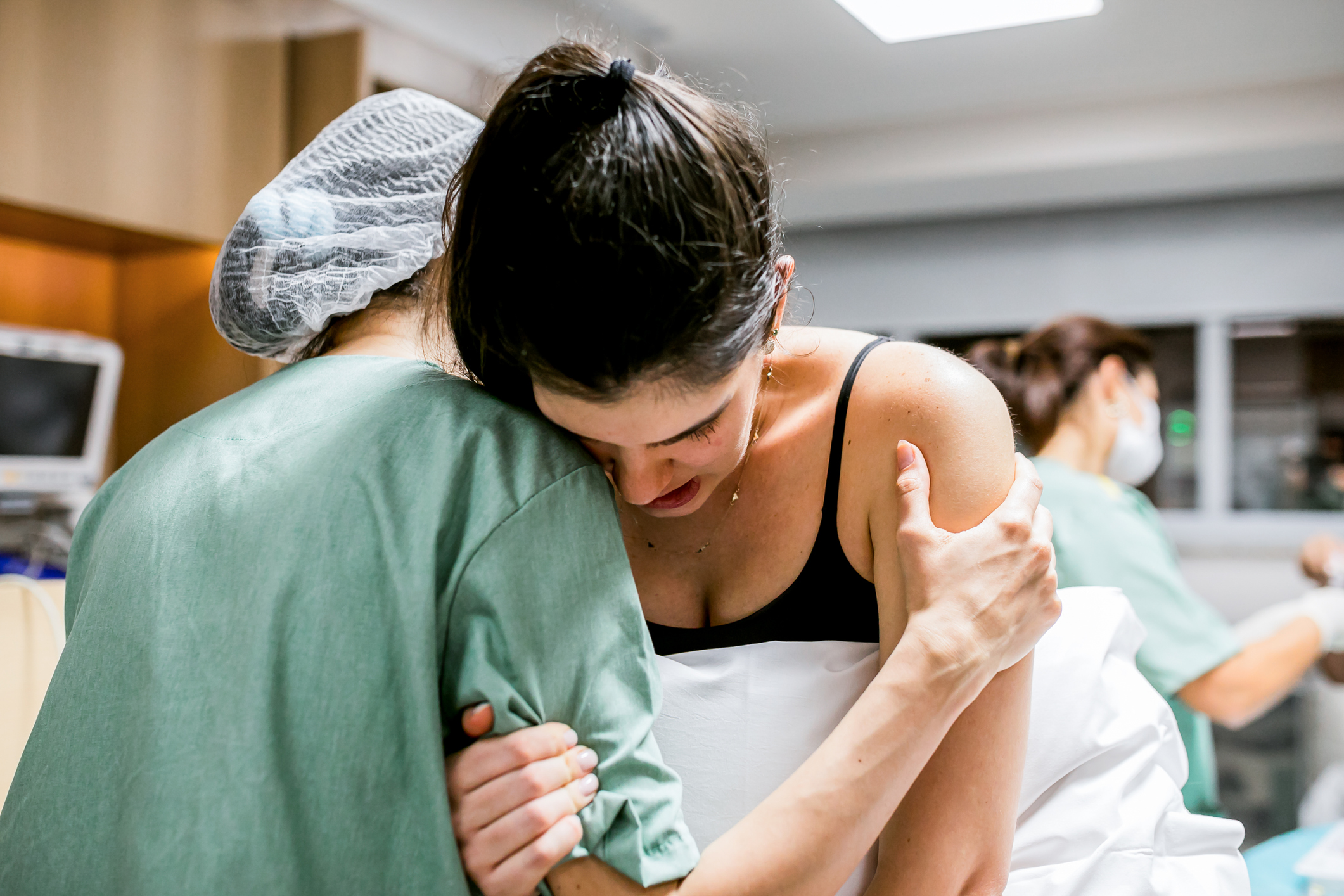
What is Preeclampsia?

Preeclampsia is a blood pressure condition that occurs during pregnancy and can complicate the delivery of a baby. Up to 15% of premature births in the United States occur because of this condition.

Preeclampsia often occurs after 20 weeks of pregnancy, but can develop sooner. It can also occur after pregnancy, typically following the first few days or week after delivery; this is known as postpartum preeclampsia.

Not everyone with preeclampsia may experience noticeable symptoms; in fact, most expecting mothers are unaware they have this condition until receiving a prenatal checkup. If symptoms do occur, some of the first signs typically include high blood pressure, retention of water weight, and protein in urine (detectable through diagnostic tests). Other symptoms may include:

  • Headaches
  • Visual disturbances, blurring, dark spots, or light sensitivity
  • Right side abdominal pain
  • Shortness of breath
  • Edema (swelling of the hands and face)

Certain severe symptoms of preeclampsia may indicate a medical emergency, requiring a hospital visit and, potentially, early delivery of the baby. These include blood pressure of 160/110 mmHg or higher, fluid in the lungs, decreased urine production, low blood platelet levels, and decreased liver or kidney function.

While medical experts are uncertain what specifically causes preeclampsia, certain factors may increase your likelihood of developing this condition. These include:

  • A family history of preeclampsia
  • A personal medical history involving high blood pressure, kidney disease, diabetes, obesity, or an autoimmune disease such as lupus
  • Multiple expected babies

You should consult your doctor about the most effective approach to treatment for preeclampsia. In most cases, this condition can only be resolved once the baby has been delivered; however, your doctor may provide medication to assist with managing your blood pressure and the development of the fetus’ lungs.

If you are experiencing symptoms of preeclampsia and require specialized medical care to protect the health of yourself and your baby, please call Flushing Hospital Medical Center’s Division of Obstetrics and Gynecology at (718) 670-5702 to schedule an appointment or learn more about our New Beginnings labor and delivery unit.

All content of this newsletter is intended for general information purposes only and is not intended or implied to be a substitute for professional medical advice, diagnosis or treatment. Please consult a medical professional before adopting any of the suggestions on this page. You must never disregard professional medical advice or delay seeking medical treatment based upon any content of this newsletter. PROMPTLY CONSULT YOUR PHYSICIAN OR CALL 911 IF YOU BELIEVE YOU HAVE A MEDICAL EMERGENCY.

What is Chorionic Villus Sampling?

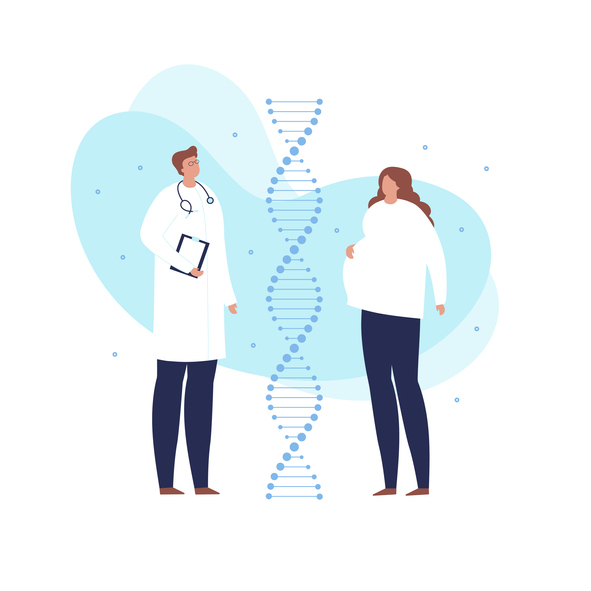
Approximately 120,000 babies are born each year with a genetic defect, leading to one in five children dying within their first year of life. This is why genetic testing is an essential component of effective pre-natal care and a valuable means of identifying potential health issues for your child early. One such diagnostic method is chorionic villus sampling.

This test takes a tissue sample from the placenta to determine whether your baby may have chromosomal abnormalities or other genetic problems. It’s typically performed between the 10th and 12th weeks of pregnancy and is followed by a blood test between weeks 16 and 18 to check for neural tube defects.

Chorionic villus sampling may be conducted in two ways. The first, referred to as transcervical chorionic villus sampling, obtains a tissue sample from the placenta through a catheter inserted in your cervix. The second method, transabdominal sampling, obtains this sample through a needle inserted through your abdomen and uterus.

If you have a family history of genetic disorders, you may be recommended to undergo this procedure. It may also be recommended if your other genetic and diagnostic tests have shown abnormal results or if you will be 35 years of age or older by your pregnancy due date.

If your doctor does not make a recommendation for you to receive this test, you may still choose to do so. However, this procedure is invasive and comes with some risks, such as cramping, bleeding, infection, preterm labor, and rarely, more serious problems such as infant limb defects or miscarriage.

You should discuss the benefits and risks of chorionic villus sampling with a doctor. You can schedule an appointment with an OB/GYN at Flushing Hospital Medical Center’s Women’s Health Department by calling (718) 670-5702.

All content of this newsletter is intended for general information purposes only and is not intended or implied to be a substitute for professional medical advice, diagnosis or treatment. Please consult a medical professional before adopting any of the suggestions on this page. You must never disregard professional medical advice or delay seeking medical treatment based upon any content of this newsletter. PROMPTLY CONSULT YOUR PHYSICIAN OR CALL 911 IF YOU BELIEVE YOU HAVE A MEDICAL EMERGENCY.
Gestational Diabetes

Gestational diabetes is the term used to describe a high level of blood sugar that develops in pregnant women who never had diabetes prior to their pregnancy. The exact cause is not certain, but it is thought to be due to the placenta blocking the body’s ability to use insulin, causing the blood sugar level to rise. The body simply can’t manufacture a high enough quantity of insulin to keep blood sugar under control.

Risk factors for gestational diabetes:
• Women over the age of 25 who become pregnant
• Family history of diabetes
• Excess weight before and during pregnancy
• Race and ethnicity (African Americans, Hispanics, Asian and American Indians are at higher risk)

Gestational diabetes usually affects the mother after the 24th week of pregnancy. Babies born to mothers who have gestational diabetes tend to be heavier than babies born to mothers who have well-controlled blood sugar. There is also the chance that women with gestational diabetes will deliver their babies pre-term. Later on in life, these babies may develop diabetes on their own. After the baby is born, the mom’s blood sugar often returns to normal but there is a higher risk of developing type II diabetes later in life.

Treatment for gestational diabetes includes regular daily testing of blood sugar, a rigorous diet, and a regular schedule of exercise. Medication may be necessary to control blood sugar in some cases.

There are a few ways to lower the risk of diabetes. This includes:
• Watch your weight
• Exercise regularly
• Eat a diet of fresh fruits and vegetables

If you are pregnant or thinking of becoming pregnant and would like to schedule an appointment with a doctor at Flushing Hospital, please call 718-670-5486.

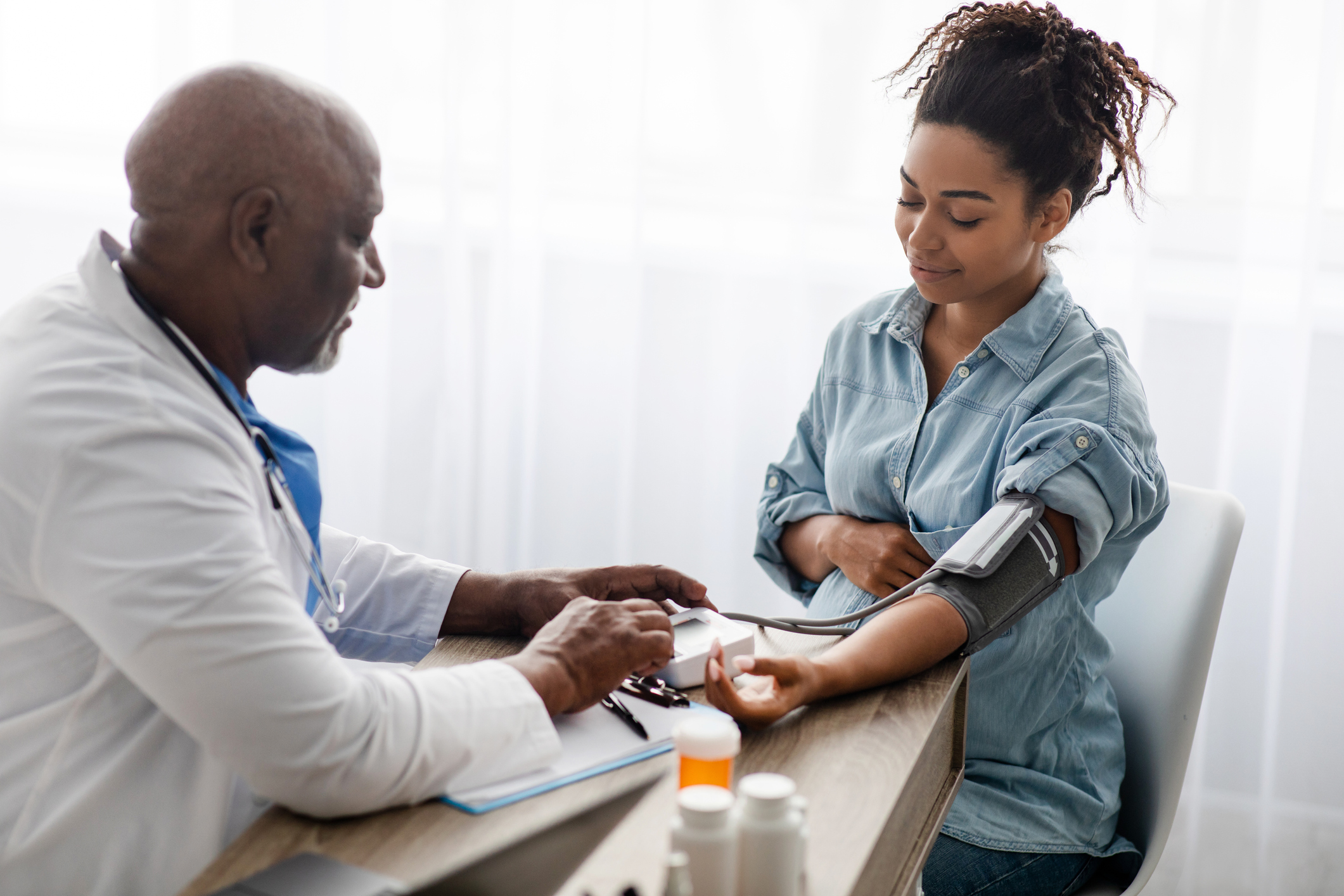
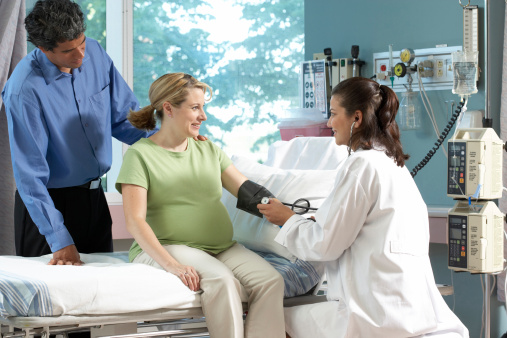
Side profile of a female doctor checking the blood pressure of a pregnant woman

All content of this newsletter is intended for general information purposes only and is not intended or implied to be a substitute for professional medical advice, diagnosis or treatment. Please consult a medical professional before adopting any of the suggestions on this page. You must never disregard professional medical advice or delay seeking medical treatment based upon any content of this newsletter. PROMPTLY CONSULT YOUR PHYSICIAN OR CALL 911 IF YOU BELIEVE YOU HAVE A MEDICAL EMERGENCY.
Could You Be Pregnant? 10 Signs You May Be

A common question many women ask after missing their period is, “could I be pregnant?”  There are early symptoms that you could look out for that may indicate pregnancy. These signs may show up a week or two after you have missed your period and can include:

  1. Mood swings
  2. Food aversions
  3. Frequent urination
  4. Spotting and cramping
  5. Constipation
  6. Changes in breasts that may involve swelling or tenderness
  7. Fatigue
  8. Headaches
  9. Back pain
  10. Darkening of nipples

Every woman’s body is unique; therefore, some may experience multiple symptoms or none at all during the early stages of their pregnancies.  If you believe you could be pregnant, it is advised that you see your doctor to confirm the pregnancy.   Once your pregnancy is confirmed, your doctor will discuss a prenatal care plan that is best for you and your baby’s health.

Prenatal care is vital because it improves the chances of a healthy pregnancy.  Women who do not receive prenatal care are three times more likely to have low birthweight babies and are more at risk of having complications caused by pregnancy.

All content of this newsletter is intended for general information purposes only and is not intended or implied to be a substitute for professional medical advice, diagnosis or treatment. Please consult a medical professional before adopting any of the suggestions on this page. You must never disregard professional medical advice or delay seeking medical treatment based upon any content of this newsletter. PROMPTLY CONSULT YOUR PHYSICIAN OR CALL 911 IF YOU BELIEVE YOU HAVE A MEDICAL EMERGENCY.
The Difference Between Preconception and Prenatal Care

Preconception care and prenatal care while different are both very important factors in the health of a woman and her unborn child.

Preconception care consists of the healthcare you receive before conceiving.   During this time, your doctor will assess your health to determine if there are conditions that can affect your future pregnancy. Potential risks may be reduced or eliminated by applying interventions such as medication or lifestyle changes.   Lifestyle changes that are encouraged may include eating a healthy diet, maintaining a healthy weight, taking supplements that contain folic acid, receiving pertinent vaccinations, getting mentally healthy, quitting smoking and avoiding alcohol consumption.

There are many benefits associated with preconception care, they include:

  • Reducing infant and maternal mortality
  • Reducing the risk of complications during pregnancy
  • Preventing certain birth defects

Most doctors recommend receiving preconception care three to six months before the time you intend to conceive.

Prenatal care is healthcare you receive while you are pregnant. It is important because it helps improves your chances of having a healthy pregnancy. Your visits with your doctor may involve physical exams, imaging tests, blood tests or screening tests to detect fetal abnormalities.  It is recommended that you ask your physician lots of questions and express your concerns during these visits.  Your physician will serve as a guide and source of support as your body changes.

Women who receive regular prenatal care may receive benefits that include:

  • Reducing the risk of pregnancy complications
  • Managing preexisting medical conditions such as high blood pressure which can affect pregnancy
  • Receiving accurate nutritional information
  • Ensuring that medications being taken are safe
  • Physician monitoring of the baby’s development
  • Decreasing the possibility of preterm labor

Prenatal care is essential in promoting the best possible outcomes for mother and child. The sooner you receive care the better.

To receive information about preconception or prenatal care at Flushing Hospital Medical Center or to schedule an appointment with one of our doctors, please call 718-670-5486.

All content of this newsletter is intended for general information purposes only and is not intended or implied to be a substitute for professional medical advice, diagnosis or treatment. Please consult a medical professional before adopting any of the suggestions on this page. You must never disregard professional medical advice or delay seeking medical treatment based upon any content of this newsletter. PROMPTLY CONSULT YOUR PHYSICIAN OR CALL 911 IF YOU BELIEVE YOU HAVE A MEDICAL EMERGENCY.

Winter Pregnancy Tips

Winter presents several factors that can make being pregnant challenging.  Extremely cold temperatures and other severe weather conditions can put expectant mothers at risk for injuries. The cold-weather season is also the peak time of year for illnesses such as the flu to develop.

It is very important for pregnant women to follow proper safety and preventative measures to remain healthy and reduce the chances of an accident.  Here are a few:

  1. Dress appropriately– Pregnant women have an altered center of gravity. Wearing heels or other impractical footwear is not recommended, especially in icy or slippery conditions. Consider shoes that are flat and are designed with safety features such as rubber and slip-resistant bottoms. It is also important to wear warm clothing, dress in layers if necessary.
  2. Take measures to prevent the flu– According to the Centers for Disease Control and Prevention (CDC), influenza (flu) activity increases during October and November and peaks between December and February. During these months, the CDC recommends that moms-to-be receive the flu shot and practice preventative actions such as washing their hands to keep the flu at bay.
  3. Exercise safely- When temperatures are frigid and there is snow or ice on the ground, exercising indoors is best. Activities such as mall walking or joining a class at the gym are both suggested options for those experiencing cabin fever.
  4. Stay hydrated- Dry temperatures indoors and outdoors causes our bodies to lose water and moisture in the winter. Expectant moms should be mindful of their water intake and try to stay hydrated, as severe dehydration can lead to preterm labor.
  5. Eat a healthy diet- It is important to eat balanced meals. Eating fresh fruit and vegetables each day can help to boost the immune system.

Following these tips can help pregnant women to stay safe and healthy during the winter season. However, it is recommended that expectant mothers speak to their doctors to learn about all the ways they can reduce their risk of injuries and prevent winter-related illnesses from developing. To schedule an appointment with a doctor at Flushing Hospital Medical Center, please call 718-670-8992.

All content of this newsletter is intended for general information purposes only and is not intended or implied to be a substitute for professional medical advice, diagnosis or treatment. Please consult a medical professional before adopting any of the suggestions on this page. You must never disregard professional medical advice or delay seeking medical treatment based upon any content of this newsletter. PROMPTLY CONSULT YOUR PHYSICIAN OR CALL 911 IF YOU BELIEVE YOU HAVE A MEDICAL EMERGENCY.