
Social Anxiety Disorder

Social anxiety disorder (SAD) is a medical condition that causes fear and anxiety when you are around people in social situations and causes an intense fear of being judged or watched by others. It typically begins in the early to mid-teens, though it can sometimes start in younger children or adults.

Like many other mental health conditions, social anxiety disorder likely arises from a complex interaction of biological and environmental factors, which may include:

  • Inherited traits
  • Brain structure
  • Environment

Several factors increase the risk of developing social anxiety disorder, including:

  • Family history
  • Negative experiences
  • Temperament
  • New social or work demands
  • Having an appearance or condition that draws attention to them

There are many signs and symptoms of social anxiety disorder, including:

  • Emotional and behavioral symptoms
    • Fear of situations in which you may be judged negatively
    • Worry about embarrassing or humiliating yourself
    • Intense fear of interacting or talking with strangers
    • Fear that others will notice that you look anxious
    • Fear of physical symptoms that may cause you embarrassment, such as blushing, sweating, trembling, or having a shaky voice
    • Avoidance of doing things or speaking to people out of fear of embarrassment
    • Avoidance of situations where you might be the center of attention
    • Intense fear or anxiety during social situations
    • Analysis of your performance and identification of flaws in your interactions after a social situation
    • Expectation of the worst possible consequences from a negative experience during a social situation
  • Physical and physiological symptoms
    • Blushing
    • Fast heartbeat
    • Trembling
    • Sweating
    • Upset stomach or nausea
    • Trouble catching your breath
    • Dizziness or lightheadedness
    • Feeling that your mind has gone blank
    • Muscle tension

People living with social anxiety may avoid social situations such as:

  • Interacting with unfamiliar people or strangers
  • Dating, attending parties, or social gatherings
  • Going to work or school
  • Starting conversations or making eye contact
  • Eating or performing in front of others
  • Using a public restroom
  • Taking or making phone calls

The symptoms of social anxiety disorder can change over time. They may flare up if you’re facing many changes, stresses, or demands in your life.

Although avoiding situations that produce anxiety may make you feel better in the short term, your anxiety is likely to continue over the long term if you don’t get treatment. Therefore, you should speak to your doctor about the symptoms you are experiencing. Your healthcare provider will want to determine whether other conditions may be causing your anxiety or if you have a social anxiety disorder along with another physical or mental health disorder. They may determine a diagnosis based on the following:

  • A physical exam to help assess whether any medical condition or medication may trigger symptoms of anxiety
  • A discussion of your symptoms, how often they occur, and in what situations
  • A review of a list of situations to see if they make you anxious
  • Self-report questionnaires about symptoms of social anxiety
  • Criteria listed in the Diagnostic and Statistical Manual of Mental Disorders (DSM-5), published by the American Psychiatric Association

Treatment depends on how much social anxiety disorder affects your ability to function in daily life. Treatments can include:

  • Psychotherapy (the most common treatment) or cognitive behavioral therapy (CBT) is the most effective type of psychotherapy for anxiety
  • Medications, such as antidepressants, anti-anxiety medications, or beta-blockers

If you or a loved one has social anxiety disorder, you can find out more about Flushing Hospital Medical Center’s mental health services or schedule a virtual appointment by calling (718) 670-5316 to speak with our intake coordinator or call (718) 670-5562 to reach the clinic.

All content of this newsletter is intended for general information purposes only and is not intended or implied to be a substitute for professional medical advice, diagnosis or treatment. Please consult a medical professional before adopting any of the suggestions on this page. You must never disregard professional medical advice or delay seeking medical treatment based upon any content of this newsletter. PROMPTLY CONSULT YOUR PHYSICIAN OR CALL 911 IF YOU BELIEVE YOU HAVE A MEDICAL EMERGENCY.
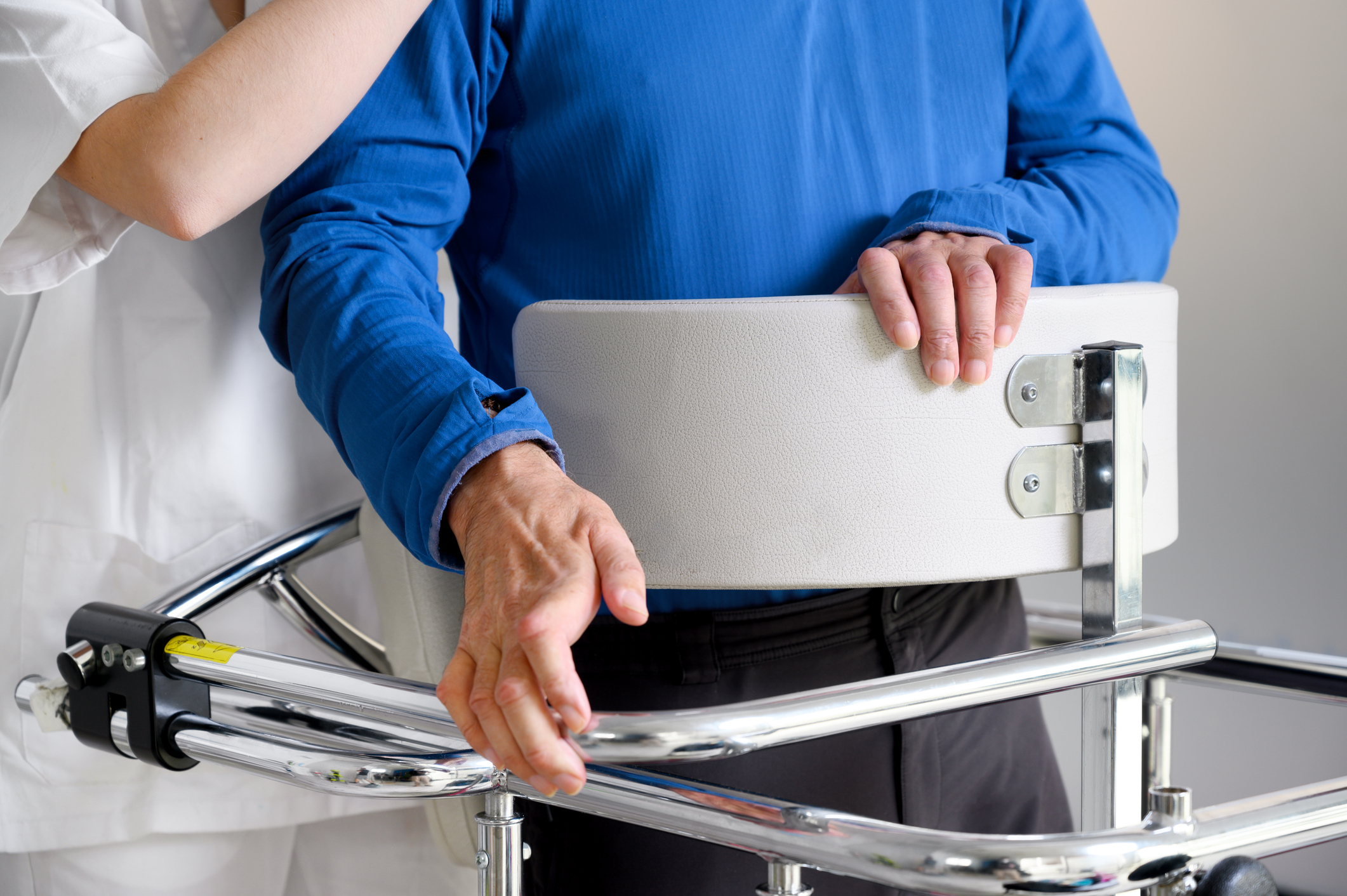

ALS

Amyotrophic lateral sclerosis, commonly referred to as ALS, is a neurological disorder that affects nerve cells in the brain and spinal cord. ALS causes ataxia, a loss of muscle control.

ALS is often called Lou Gehrig’s disease after the baseball player who was diagnosed with it. The exact cause of the disease is unknown. However, a small number of cases, about 10%, are inherited. For the other cases, there isn’t a known cause.

The symptoms of ALS can vary from person to person. Symptoms depend on which nerve cells are affected. ALS typically begins with muscle weakness that gradually worsens over time. Symptoms might include:

  • Trouble walking or doing usual daily activities
  • Tripping and falling
  • Weakness in the legs, feet, or ankles
  • Hand weakness or clumsiness
  • Weakness associated with muscle cramps and twitching in the arms, shoulders, and tongue
  • Untimely crying, laughing, or yawning
  • Thinking or behavioral changes

ALS often starts in the hands, feet, arms, or legs, with muscle twitching and weakness in an arm or leg. It then spreads to other parts of the body, causing muscles to get weaker as more nerve cells die. The disease eventually affects control of the muscles needed to move, speak, chew, eat, swallow, and breathe. Unfortunately, there is no cure for this fatal disease.

There is generally no pain in the early stages of ALS. Pain is also not common in the later stages. ALS usually doesn’t affect bladder control. It also doesn’t affect the senses, including the ability to taste, smell, touch, and hear.

There are several risk factors for ALS, including:

  • Genetics
  • Age
  • Sex

Several environmental factors have been associated with an increased risk of ALS. They include:

  • Smoking
  • Environmental toxin exposure
  • Military service

ALS can cause several complications as the disease progresses, including:

  • Breathing problems
  • Speaking problems
  • Eating problems
  • Dementia

ALS can be hard to diagnose early because it can have similar symptoms to other diseases. Tests that can rule out other conditions or help diagnose the disease can include:

  • Electromyogram (EMG)
  • Nerve conduction study
  • MRI
  • Blood and urine tests
  • Spinal tap
  • Muscle biopsy
  • Nerve biopsy

Treatments for ALS can’t reverse the damage, but they can slow down the progression of symptoms. They can also prevent complications and make you more comfortable and independent.

You may need a team of healthcare providers and doctors trained in many areas to provide your care. This team will work together to prolong your survival and improve your quality of life. They will work to select the right treatment options for you. The Food and Drug Administration (FDA) has approved certain medications for treating ALS.

In addition to medication, there are many forms of therapy and forms of support available, including:

  • Breathing care
  • Physical therapy
  • Occupational therapy
  • Speech therapy
  • Nutritional support
  • Psychological and social support

If you or a loved one is experiencing symptoms associated with ALS, you can receive treatment from a neurologist at Flushing Hospital Medical Center’s Ambulatory Care Center. To schedule an appointment, please call (718) 670-5486

All content of this newsletter is intended for general information purposes only and is not intended or implied to be a substitute for professional medical advice, diagnosis or treatment. Please consult a medical professional before adopting any of the suggestions on this page. You must never disregard professional medical advice or delay seeking medical treatment based upon any content of this newsletter. PROMPTLY CONSULT YOUR PHYSICIAN OR CALL 911 IF YOU BELIEVE YOU HAVE A MEDICAL EMERGENCY.
Preparing for Cold and Flu Season

As we enter the fall season and approach winter, it is important to be proactive and take the proper steps to protect yourself and loved ones from seasonal illnesses.

Here are some steps you can take to prepare for the upcoming cold and flu season:

  • Getting vaccines, such as the flu shot, can help your body’s immune system recognize and defend against a variety of viruses before you get infected. They can also reduce symptom severity if you do fall ill.
  • Practicing good hygiene habits can help reduce your exposure to germs and viruses. Some good hygiene habits you can practice include:
    • Washing your hands regularly, especially before eating and after using the restroom
    • Covering your mouth when you cough or sneeze, even if it is just seasonal allergies
    • Wiping down commonly used surfaces in your home, such as door handles, toilets, faucets, remotes, and other areas you and your loved ones may touch regularly
    • Avoiding sharing personal products and utensils with others
    • Wearing a mask to help reduce your exposure to respiratory illnesses
    • Limiting time in shared spaces, when you can, to help stop germs from spreading around your home
  • Taking care of yourself by protecting your immune system. Some ways you can protect your immune system include:
    • Getting a good night’s rest can help strengthen your body and immune system against illnesses
    • Adding vitamin-dense fruits and vegetables to your meals can help you maintain your energy and ward off viral and bacterial infections.
    • Staying hydrated, which can help loosen mucus and increase blood flow
    • Staying physically active can help your body build resistance and resilience against infectious diseases
    • Taking time to relax and manage stress is important to keep your immune system running at full capacity.

If you do start to feel under the weather, it is important to take quick action to protect your health and prevent the spread of illness to others. By following these simple steps, you can recover more comfortably and help keep you and your loved ones safe.

All content of this newsletter is intended for general information purposes only and is not intended or implied to be a substitute for professional medical advice, diagnosis or treatment. Please consult a medical professional before adopting any of the suggestions on this page. You must never disregard professional medical advice or delay seeking medical treatment based upon any content of this newsletter. PROMPTLY CONSULT YOUR PHYSICIAN OR CALL 911 IF YOU BELIEVE YOU HAVE A MEDICAL EMERGENCY.

National AFib Awareness Month

September is National AFib Awareness Month, a month dedicated to promoting education, early detection, and improved care for AFib.

AFib stands for atrial fibrillation, a type of arrhythmia, or abnormal heartbeat. During AFib, the heart’s upper chambers, or the atria, beat chaotically and irregularly. They beat out of sync with the lower chambers, called ventricles.

Afib can lead to blood clots in the heart. It also increases the risk of stroke, heart failure, and other heart-related complications.

Afib usually isn’t life-threatening, but it is a serious medical condition that needs proper treatment to prevent serious health issues.

There are many symptoms of AFib, including:

  • Feelings of a fast, fluttering, or pounding heartbeat
  • Chest pain
  • Dizziness
  • Fatigue
  • Lightheadedness
  • Reduced ability to exercise
  • Shortness of breath
  • Weakness

People can experience three types of AFib, including:

  • Paroxysmal AFib
  • Persistent AFib
  • Long-standing persistent AFib

The most common cause of AFib is problems with the heart’s structure. Other health problems and heart diseases that can cause AFib include:

  • A congenital heart defect
  • Sick sinus syndrome
  • Obstructive sleep apnea
  • Heart attack
  • High blood pressure
  • Lung diseases, including pneumonia
  • Coronary artery disease
  • Thyroid diseases
  • Infections from viruses

Many factors can increase your risk of AFib, including:

  • Age
  • Caffeine, nicotine, or illegal drug use
  • Drinking too much alcohol
  • Changes in the level of body minerals
  • Family history
  • Long-term health conditions
  • Obesity
  • Some medicines and supplements

Healthy lifestyle choices can reduce heart disease risk and prevent AFib. Some basic heart-healthy tips include:

  • Controlling high blood pressure, high cholesterol, and diabetes
  • Not smoking or using tobacco
  • Eating a diet that is low in salt and saturated fat
  • Exercising at least 30 minutes a day at least five days a week
  • Getting at least seven to nine hours of sleep a day
  • Maintaining a healthy weight
  • Reducing and managing stress

A healthcare provider can diagnose AFib by examining you and asking questions about your medical history and symptoms. Tests may be done to look for conditions causing irregular heartbeats such as heart disease or thyroid disease, including:

  • Blood tests
  • ECG or EKG
  • Holter monitor
  • Event recorder
  • Implantable loop recorder
  • Exercise stress tests
  • Chest X-ray

The goals of AFib treatment are to reset and control the heartbeat and prevent blood clots. Treatment for AFib depends on how long you’ve had it, your symptoms, and the cause of the irregular heartbeat. AFib treatment can include:

  • Medications
  • Cardioversion therapy
  • Surgery or catheter procedures

If you are experiencing any symptoms of Afib, you can schedule an appointment at Jamaica Hospital Medical Center’s Cardiology Department by calling (718) 206-7100. If you are experiencing an emergency, please dial 911 right away.

All content of this newsletter is intended for general information purposes only and is not intended or implied to be a substitute for professional medical advice, diagnosis or treatment. Please consult a medical professional before adopting any of the suggestions on this page. You must never disregard professional medical advice or delay seeking medical treatment based upon any content of this newsletter. PROMPTLY CONSULT YOUR PHYSICIAN OR CALL 911 IF YOU BELIEVE YOU HAVE A MEDICAL EMERGENCY.
Foods That Can Support Brain Health

The brain is the body’s command center. It processes information and sends messages that control everything your body does, from thoughts and emotions to memory and motor skills. 

As we age, the brain experiences physiological changes that affect memory, focus, and word recall. Fortunately, we can combat some of these changes with our diet, which plays a major role in keeping our minds sharp and maintaining our mental function. 

Brain foods are foods that can benefit brain health. They contain various nutrients that keep the brain functioning well. They include: 

  • Omega-3 fatty acids 
  • B vitamins 
  • Vitamin E 
  • Vitamin C 
  • Vitamin K 
  • Selenium 
  • Iron 
  • Choline 

Eating a diet rich in these nutrients can help fight off common brain-related conditions and symptoms often associated with age. These nutrients may help with: 

  • Brain development 
  • Proper signaling of neurotransmitters 
  • Processing and understanding new information 
  • Memory 
  • Protein balance 
  • Reducing the risk of brain-related conditions linked to inflammation, such as depression and dementia 

There are several nutrient-rich foods to add to your diet, including: 

  • Eggs 
  • Fatty fish 
  • Berries such as blueberries, raspberries, and strawberries 
  • Broccoli 
  • Mushrooms 
  • Walnuts 
  • Turmeric 
  • Coffee 
  • Leafy greens 
  • Green tea 
  • Dark chocolate 
  • Fermented dairy 
  • Avocados 
  • Certain fruit juices such as pomegranate, grape, and cherry juice 
  • Whole grains 

It is important to remember that no food on its own will magically transform your brain. However, eating these brain foods regularly can keep it sharp and help maintain your cognitive ability as you age. Maintaining an overall healthy eating pattern is important to receive the health benefits of these nutrient-rich foods. 

All content of this newsletter is intended for general information purposes only and is not intended or implied to be a substitute for professional medical advice, diagnosis or treatment. Please consult a medical professional before adopting any of the suggestions on this page. You must never disregard professional medical advice or delay seeking medical treatment based upon any content of this newsletter. PROMPTLY CONSULT YOUR PHYSICIAN OR CALL 911 IF YOU BELIEVE YOU HAVE A MEDICAL EMERGENCY.

Prostate Cancer Awareness Month

September is Prostate Cancer Awareness Month, a month dedicated to raising awareness, encouraging early detection, supporting those facing prostate cancer, and funding research for better outcomes. 

Prostate cancer develops when abnormal cells grow out of control in the prostate. 

Prostate cancer is the most diagnosed cancer among men, and the second leading cause of cancer-related deaths in men in the United States. 

Each year, approximately 299,010 men (1 in 8) will be diagnosed with the disease during their lifetime. 

Certain groups face a higher risk of prostate cancer, including: 

  • Men over the age of 50 
  • Black men 
  • Men with a family history of prostate cancer 
  • Men who have been exposed to certain chemicals 
  • Military veterans 

One of the challenges of prostate cancer is that the early stages of the disease usually have no symptoms. Signs and symptoms of early-stage prostate cancer include: 

  • Blood in the urine, which makes it look pink, red, or cola-colored 
  • Blood in the semen 
  • Needing to urinate more often 
  • Trouble getting started when trying to urinate 
  • Waking up to urinate more often at night 

Unfortunately, by the time a man may notice changes, the cancer may already be advanced. Signs and symptoms of advanced prostate cancer include: 

  • Accidental leaking of urine 
  • Back pain 
  • Bone pain 
  • Erectile dysfunction 
  • Fatigue 
  • Losing weight without trying 
  • Weakness in the arms or legs 

To diagnose prostate cancer, a healthcare provider may use a physical exam and screening tests to show whether you have signs of the disease that require more testing. These tests include: 

  • A digital rectal exam 
  • Prostate-specific antigen (PSA) blood test 
  • An MRI or transrectal ultrasound 
  • A biopsy of the prostate 

Treatment for prostate cancer depends on multiple factors, such as your overall condition, whether the cancer has spread, and how fast it is spreading. Most prostate cancers diagnosed in the early stages can be cured with treatment. If your cancer is slow-growing and hasn’t spread, your healthcare provider may monitor it instead of treating it right away. Your healthcare provider will monitor your cancer by using active surveillance. 

Surgery as a treatment for prostate cancer most often involves removing the prostate with a surgical procedure called prostatectomy. There are three ways a prostatectomy can be performed. They include: 

  • Laparoscopic prostatectomy 
  • Robotic prostatectomy 
  • Open prostatectomy 

Additional treatments for prostate cancer include: 

  • Radiation therapy 
  • External beam 
  • Brachytherapy 
  • Ablation therapy 
  • Cryoablation 
  • High-intensity focused ultrasound (HIFU) 
  • Hormone therapy 
  • Chemotherapy 
  • Targeted therapy 
  • Immunotherapy 
  • Radiopharmaceutical treatments 

To schedule an appointment with an oncologist at our MediSys Health Network Cancer Center, or to learn more about our cancer care program, please call (718) 206-6742. 

All content of this newsletter is intended for general information purposes only and is not intended or implied to be a substitute for professional medical advice, diagnosis or treatment. Please consult a medical professional before adopting any of the suggestions on this page. You must never disregard professional medical advice or delay seeking medical treatment based upon any content of this newsletter. PROMPTLY CONSULT YOUR PHYSICIAN OR CALL 911 IF YOU BELIEVE YOU HAVE A MEDICAL EMERGENCY.
Signs Your Stomach Pain Could Be Serious

Stomachaches are a common, uncomfortable part of our lives. Usually, they go away on their own with a little rest or a home remedy. However, severe stomach pain can be a sign of a serious condition, especially if it is followed by symptoms such as: 

  • Coughing up or vomiting blood 
  • Bloody stool 
  • Fever 
  • Difficulty breathing 
  • A very hard abdomen, which may indicate severe constipation or other digestive issues 
  • Tenderness in the abdomen when touched 
  • Neck, shoulder, or chest pain 
  • Pain moving from the belly button to the right side 
  • Inability to have a bowel movement along with vomiting 

When a person experiences serious symptoms with stomach pain, it could be a sign of life-threatening conditions that include: 

  • Appendicitis 
  • Bowel obstruction 
  • Bowel perforation 

Frequent stomach pain or stomach pain that is uncomfortable but not severe can also indicate an underlying health issue, such as: 

  • Colitis  
  • Cystitis 
  • Kidney stones 
  • Irritable bowel syndrome (IBS) 

Additionally, stomach pain can be caused by common temporary conditions that affect the lower belly, including: 

  • Menstrual cramps 
  • Trapped gas 
  • Food poisoning 
  • Stomach flu 
  • Constipation 
  • Food allergies 

If your stomach pain isn’t severe or doesn’t last long, and if you aren’t having emergency symptoms, the pain may go away on its own. You can also try these steps to help relieve stomach pain: 

  • Drinking water 
  • Exercising 
  • Taking gas-relieving medication, such as an over-the-counter (OTC) antacid 
  • Following the banana, rice, apple sauce, and toast (BRAT) diet 
  • Using a hot water bottle or heating pad 

If you are experiencing severe stomach pain, you can visit Flushing Hospital Medical Center’s Ambulatory Care Center today for comprehensive care. For more information, call us at 718-670-5486. 

All content of this newsletter is intended for general information purposes only and is not intended or implied to be a substitute for professional medical advice, diagnosis or treatment. Please consult a medical professional before adopting any of the suggestions on this page. You must never disregard professional medical advice or delay seeking medical treatment based upon any content of this newsletter. PROMPTLY CONSULT YOUR PHYSICIAN OR CALL 911 IF YOU BELIEVE YOU HAVE A MEDICAL EMERGENCY.

National Childhood Obesity Month

September is National Childhood Obesity Awareness Month, recognized by the Centers for Disease Control and Prevention (CDC) as a month dedicated to raising awareness about preventing childhood obesity.  

Childhood obesity is a critical public health challenge that affects one in three children in the United States. Children with obesity face an increased risk of chronic health conditions, such as type 2 diabetes, high blood pressure, asthma, sleep apnea, and bone and joint problems. Obesity can also impact children beyond physical issues. It affects their emotional and social well-being as well, which leads to challenges like bullying and lower self-esteem. 

Many factors impact childhood obesity, including eating and physical activity behaviors, genetics, metabolism, family and home environment, and community and social factors. For some children and families, obesity can be influenced by the following: 

  • Too much time spent being inactive 
  • Lack of sleep 
  • Lack of places to go in the community to be physically active 
  • Easy access to inexpensive, high-calorie foods and sugary beverages 
  • Lack of access to affordable healthier foods 

Here are some tips on how parents can help prevent their child from experiencing obesity: 

  • Monitor growth 
  • Provide nutritious foods 
  • Promote drinking water 
  • Encourage physical activity 
  • Model healthy behaviors 
  • Create a healthy sleep environment 

Childhood obesity can be prevented by working together to help children achieve and maintain a healthy weight, improve their overall well-being, and build a foundation for a healthier future. 

If you would like to speak with a pediatrician and learn more about childhood obesity at Flushing Hospital Medical Center, please call 718-670-5440 to schedule an appointment. 

All content of this newsletter is intended for general information purposes only and is not intended or implied to be a substitute for professional medical advice, diagnosis or treatment. Please consult a medical professional before adopting any of the suggestions on this page. You must never disregard professional medical advice or delay seeking medical treatment based upon any content of this newsletter. PROMPTLY CONSULT YOUR PHYSICIAN OR CALL 911 IF YOU BELIEVE YOU HAVE A MEDICAL EMERGENCY.

Wellness Wednesday Tip: Improving Your Physical Health

Physical health and wellness are key to our overall well-being. Physical health is the condition of your body and how well it functions, from the strength of your heart and lungs to your ability to fight infection and move without pain.

Physical wellness is a proactive approach that emphasizes lifestyle choices that sustain energy, resilience, and functional capacity over a lifetime.

The tenets of physical health and wellness are important for keeping your body functioning properly. They include:

  • Watching what you put into your body
  • How much physical activity you get
  • Maintaining a healthy weight

These tenets are positive health habits that can help you decrease your stress, lower your risk of disease, and increase your energy.

Here are some strategies to help you improve your physical health:

  • Increase your physical activity
    • Set specific goals for your physical activity
    • Take the stairs instead of the elevator
    • Take a walk on your lunch break
    • Set an alarm to go off every hour as a reminder to move around for a minute or two
    • Keep moving while watching TV
    • Take an online exercise class
  • Eat a healthy and nutritious diet
    • Eat a variety of foods, such as fruits, vegetables, whole grains, beans, seeds, lean meat, seafood, eggs, milk, yogurt, and cheese
    • Limit foods that are low in vitamins and minerals
    • Cut down on sugar by choosing foods with little or no added sugar
    • Get more fiber
    • Replace saturated fats in your diet with unsaturated fats, such as olive, canola, or other vegetable oils instead of butter, meat fats, or shortening
    • Avoid foods high in salt, such as canned, smoked, or processed foods. Choose fresh poultry, fish, and lean meat instead
    • Choose more complex carbs such as starches and fiber, which can be found in whole-grain breads, cereals, starchy vegetables, and legumes
  • Reach your weight loss goals and maintain a healthy weight
    • Weigh yourself
    • Calculate how many calories you need for your healthy goals
    • Record your daily food intake and physical activity
    • Set specific goals
    • Choose healthy meals and physical activities you enjoy
    • Plan activities with friends or family
    • Be patient
  • Build healthy habits
    • Plan and identify unhealthy patterns, and set realistic goals
    • Change your surroundings and find ways to make healthier choices by removing temptations
    • Ask for support by finding family, friends, co-workers, neighbors, or support groups
    • Speak with a mental health professional if you are experiencing severe depression, anxiety, or burnout
  • Build muscle safely
    • Start slowly, especially if you haven’t been active for a while
    • Pay attention to your body when you experience exhaustion, sore joints, or muscle pains, which is a sign you are overdoing it
    • Use small amounts of weight to start and add more weight slowly over time, while focusing on your form
    • Use smooth, steady movements to lift weights into position, and don’t jerk or thrust weights
    • Avoid locking your arm and leg joints in a straight position
    • Don’t hold your breath during strength exercises
    • Ask for help by looking for a group class at a local gym, recreation center, or find a trainer
  • Combat age-related changes
    • Commit to a healthy diet
    • Drink plenty of fluids
    • Move more
    • Get plenty of sleep
    • Limit alcohol use
    • Avoid tobacco products
    • Visit the doctor regularly

If you would like to improve your physical health, or experience medical problems while doing so, you can schedule an appointment with a doctor at Flushing Hospital Medical Center’s Ambulatory Care Center. To schedule an appointment, please call (718) 670-5486.

All content of this newsletter is intended for general information purposes only and is not intended or implied to be a substitute for professional medical advice, diagnosis or treatment. Please consult a medical professional before adopting any of the suggestions on this page. You must never disregard professional medical advice or delay seeking medical treatment based upon any content of this newsletter. PROMPTLY CONSULT YOUR PHYSICIAN OR CALL 911 IF YOU BELIEVE YOU HAVE A MEDICAL EMERGENCY.

The Importance of Stretching

Stretching is an essential part of exercise or any physical activity you are engaging in. It has several benefits, as it helps prevent falls and injuries by warming up muscles, joints, and connective tissues.

Stretching before and after exercising can help you improve:

· Flexibility

· Balance

· Speed

· Jump height

· Strength

· Endurance

· Range of motion

There are two types of stretching: static and dynamic stretching. Static stretching is when you hold a pose, like touching your toes in a hamstring stretch without moving. This helps your muscles relax and slowly get longer. It is recommended to use static stretching as a part of your cool-down after exercise.

Dynamic stretching is when you move a body part slowly and control it through its full range of motion, like doing arm circles or high knees. These stretches are best done before a workout or between sets of exercises.

Static and dynamic stretches can be:

Active: When you use your muscles to move or hold the stretch, such as when you lift your toes in the air because it stretches your calf muscles

Passive: When you rely on assisted stretching from another person, your hand, or a prop, such as using a doorframe to stretch your chest and shoulders

Stretching works best when you have the time and availability to not rush through it. If you are creating a stretching routine, it is recommended to start with a few different stretches for a total of 10 to 15 minutes. Furthermore, it is most important to focus on body areas critical for mobility, such as your calves, hamstrings, hip flexors in the pelvis, and quadriceps in the front of the thigh. It is also beneficial to stretch your shoulders, neck, and lower back.

For a 10-minute stretching routine, you can start with some basic upper- and lower- body stretching exercises, such as:

· Dynamic shoulder rolls

· Active neck stretch

· Static shoulder stretch

· Static triceps stretch

· Dynamic hip circles

· Static quadriceps stretch, standing up

· Static hamstring stretch, lying down

· Dynamic ankle circles

· Static calf stretch

Daily stretching may seem overwhelming. However, when you begin to stretch daily, it is important to take your time and not rush through it to avoid injury. Stretching is a simple way to prepare your muscles and joints for any workout and is an effective way to maximize active recovery days.

It is recommended that you consult your doctor before starting or adding new exercises to your routine. You can schedule an appointment with a doctor at Flushing Hospital’s Ambulatory Care Center by calling (718) 670-5486.

All content of this newsletter is intended for general information purposes only and is not intended or implied to be a substitute for professional medical advice, diagnosis or treatment. Please consult a medical professional before adopting any of the suggestions on this page. You must never disregard professional medical advice or delay seeking medical treatment based upon any content of this newsletter. PROMPTLY CONSULT YOUR PHYSICIAN OR CALL 911 IF YOU BELIEVE YOU HAVE A MEDICAL EMERGENCY.