
Older Americans Month- Mobility Exercises as You Age

May is observed as Older Americans Month. It is a time when the contributions of older adults are recognized across the country.  

As we get older, our joints may feel stiffer, and our balance and reactions might be slower. According to recent studies, over 30% of adults 65 years of age and older experience some form of mobility limitation.  

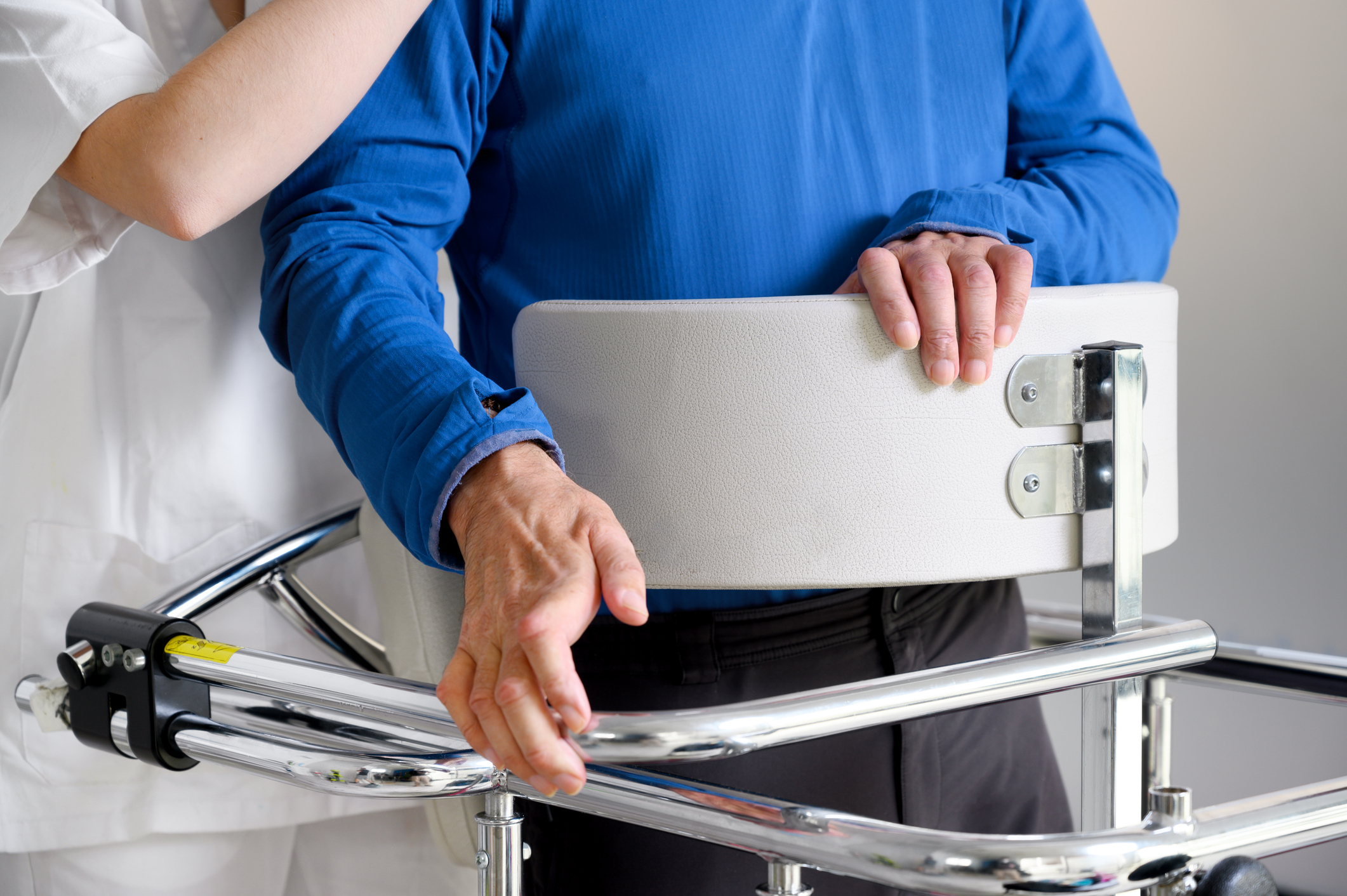
Mobility for older adults usually means the ability to move freely and independently. It’s all about different aspects of activities and movement like walking, bending, reaching, and balancing.   

For older adults, balance is extremely important, and those with limited mobility are at a higher risk of experiencing a fall. According to the Centers for Disease Control and Prevention (CDC), falls are the leading cause of death for older adults, with about one in four adults 65 years and older experiencing a fall every year.  

One way to reduce the risk of falling is by doing mobility exercises. Mobility exercises are low-impact movements that are designed to improve how joints move through their natural range of motion, while maintaining control and balance.  

Mobility exercises promote active movement and coordination, and usually focus on: 

  • Balance and coordination to prevent falls  
  • The ankles and feet for walking stability 
  • The hips and knees for standing, stepping, and going up and down stairs 
  • The spine for posture and reaching 
  • The shoulders for overhead and daily arm use 

Doing mobility exercises regularly may help support:  

  • Better balance and control of posture 
  • Reduced stiffness from long periods of sitting  
  • Easier walking and smoother transitions, such as going from sitting to standing and turning 
  • Improved confidence when engaging in daily tasks 
  • Long-term joint comfort and movement quality 

Here are some mobility exercises to help improve joint movement, balance, and coordination: 

  • Head rolls 
  • Shoulder rolls 
  • Arm circles 
  • Ankle circles 
  • Standing or seated hip circles 
  • Standing or seated marches  
  • Wrist flexibility exercises 
  • Standing side leg swings 
  • Heel-to-toe rocking 
  • Sit-to-stands 
  • Chair or floor cat-cows 
  • Seated leg raises 
  • Seated torse twists 
  • Supported single-leg stands 
  • Wall shoulder slides 

It is important to note that you should stretch before engaging in any physical activity, so you don’t injure yourself. It is also important that you keep mobility training safe and effective by: 

  • Moving slowly and with control 
  • Using a chair, wall, or rail for support 
  • Staying within a comfortable, pain-free range 
  • Wearing supportive footwear 
  • Stopping if dizziness, sharp pain, or discomfort occurs 

Mobility exercises don’t just help maintain and improve strength, flexibility, and balance to prevent falls. They also help improve your mental well-being, heart health, and overall quality of life.  

If you experience medical problems while exercising, you can schedule an appointment with a doctor at Flushing Hospital Medical Center’s Ambulatory Care Center. To schedule an appointment, please call (718) 670-5486. 

All content of this newsletter is intended for general information purposes only and is not intended or implied to be a substitute for professional medical advice, diagnosis or treatment. Please consult a medical professional before adopting any of the suggestions on this page. You must never disregard professional medical advice or delay seeking medical treatment based upon any content of this newsletter. PROMPTLY CONSULT YOUR PHYSICIAN OR CALL 911 IF YOU BELIEVE YOU HAVE A MEDICAL EMERGENCY.

Things You Should and Shouldn’t Do After Bariatric Surgery

Bariatric surgery is a life-changing procedure. Following your doctor’s post-operation instructions and making healthy lifestyle changes are essential to avoiding complications and achieving long-term weight loss success. 

Patients should expect to have a new lifestyle that combines healthy eating, exercise, and attending regular visits with their healthcare providers. They should also consider these dos and don’ts after bariatric surgery: 

  • What you should do after bariatric surgery: 
    • Eat slowly and chew food well 
    • Aim to drink 64oz of fluids daily, taking small sips 
    • Eat 60g or more of protein daily, starting every meal with it 
    • Make fruits and vegetables the priority of your diet 
    • Start walking for five minutes every hour after surgery 
    • Aim for a goal of 30 minutes of exercise daily after it is allowed to do so 
    • Take all medications and supplements as prescribed, they will need to be taken for the rest of your lifetime 
  • What you shouldn’t do after bariatric surgery: 
    • Skip any meals 
    • Eat red meat early in recovery 
    • Engage in any strenuous activities 
    • Lift any objects over 10 lbs. for the first four to six weeks after surgery 
    • Eat fast food 
    • Eat or drink anything with natural sugar 
    • Drink liquids within 30 minutes after eating 
    • Eat bread, rice, pasta, bagels, or dumplings 
    • Allow yourself to get too hungry 
    • Take a bath or go swimming for two weeks after surgery 
    • Smoke cigarettes or drink alcohol 
    • Eat snacks loaded with empty calories 
    • Get pregnant for 12 to 18 months after surgery 
    • Stop taking medications as directed by your healthcare provider 

Bariatric surgery can be a life-changing and life-altering event for those who are trying to lose weight and live a healthier lifestyle. Making diet changes, modifying exercise routine, and following the guidelines set by your healthcare provider and surgical team can lead you to long-term success. 

For more information about the Bariatric Surgery Services at Flushing Hospital or procedures performed by our doctors, please call718-408-6977 or 718-670-8908. 

All content of this newsletter is intended for general information purposes only and is not intended or implied to be a substitute for professional medical advice, diagnosis or treatment. Please consult a medical professional before adopting any of the suggestions on this page. You must never disregard professional medical advice or delay seeking medical treatment based upon any content of this newsletter. PROMPTLY CONSULT YOUR PHYSICIAN OR CALL 911 IF YOU BELIEVE YOU HAVE A MEDICAL EMERGENCY.

Perimenopause

Perimenopause is the transitional period before menopause. During this time, a woman’s body is preparing to stop having periods.   

During this transition, the number of hormones a woman’s ovaries produce varies. Perimenopause can last two to eight years. The average is about four years. The hormone changes can cause symptoms that include: 

  • Irregular periods 
  • Vaginal dryness 
  • Hot flashes 
  • Night sweats 
  • Sleep problems 
  • Mood changes 
  • Trouble finding words and remembering, also known as brain fog 
  • Dry skin, dry eyes, dry mouth 
  • Worsening premenstrual syndrome (PMS) 
  • Breast tenderness 
  • Decreasing fertility 
  • Changes in sexual function 
  • Loss of bone 
  • Changing cholesterol levels 

Perimenopause is caused by changes in two key female hormones: estrogen and progesterone. As a woman goes through perimenopause, these hormones fluctuate, and many of the changes they have during perimenopause are caused by lower estrogen. 

Menopause can happen earlier in some women than in others, like before the age of 40, or between the ages of 40 and 45. Certain factors may make it more likely for perimenopause to start at an earlier age, such as: 

  • Smoking 
  • Family history 
  • Cancer treatment 
  • Hysterectomy 

Some health conditions may make early menopause more likely, such as: 

  • Thyroid disease 
  • Rheumatoid arthritis 
  • Other autoimmune diseases 

Perimenopause is a gradual change, and there is no single test or symptom that tells it has started. A healthcare provider looks at many things to diagnose perimenopause, including: 

  • Age 
  • Menstrual history 
  • Noticeable symptoms or body changes  

Some healthcare providers may order tests to check hormone levels. However, other than checking the thyroid, which affects hormone levels, hormone testing isn’t usually helpful to know if a woman is in perimenopause. That is because hormone levels in perimenopause change unpredictably.  

The treatment for perimenopause usually consists of medicines that treat perimenopausal symptoms, such as: 

  • Hormone therapy 
  • Vaginal estrogen 
  • Antidepressants 
  • Gabapentin 
  • Fezolinetant 
  • Oxybutynin 
  • Birth control pills 

If you are experiencing symptoms of perimenopause, call  (718) 670 8994 for more information about gynecological services at FHMC’s Center for Obstetrics and Gynecology. 


All content of this newsletter is intended for general information purposes only and is not intended or implied to be a substitute for professional medical advice, diagnosis or treatment. Please consult a medical professional before adopting any of the suggestions on this page. You must never disregard professional medical advice or delay seeking medical treatment based upon any content of this newsletter. PROMPTLY CONSULT YOUR PHYSICIAN OR CALL 911 IF YOU BELIEVE YOU HAVE A MEDICAL EMERGENCY.

High-Functioning Depression

Depression is a common mental health condition that causes a persistent feeling of sadness and loss of interest, and changes how you think, sleep, eat, and act.

There are several types of depression, including:

  • Clinical depression (major depressive disorder)
  • Persistent depressive disorder (PDD)
  • Disruptive mood dysregulation disorder (DMDD)
  • Premenstrual dysphoric disorder (PMDD)

There are also specific forms of major depressive disorder, including:

  • Seasonal affective disorder (seasonal depression)
  • Prenatal depression and postpartum depression
  • Atypical depression

People with depression often can’t always keep up with the demands of day-to-day life, whether it is keeping a steady job, having significant relationships and friendships, or keeping the house tidy. Their depression can make every task feel daunting.

However, that isn’t always the case. Some people can experience depression in a way that doesn’t appear disruptive from the outside, but it still causes a major disruption inside. This is called high-functioning depression.

Although it isn’t a formal medical diagnosis, high-functioning depression is a helpful way to describe how some people who are living with the symptoms of depression manage to keep up a moderately stable life.

A person with high-functioning depression may have the same symptoms as a person with clinical or major depressive disorder. These symptoms include:

  • Feeling sad, helpless, or hopeless
  • Becoming disinterested in things that used to bring them joy
  • Changes in eating habits, like eating too much or too little
  • Trouble sleeping or sleeping too much
  • Difficulty concentrating
  • Negative thoughts about themselves and others

Unfortunately, some people may feel that they need to hide these depressive symptoms from others because:

  • They might have come from a family or culture that teaches people not to talk about mental illness
  • They think they will feel better by powering through on their own
  • They’re trying to avoid any impact on their job and relationships, hoping the depression lifts
  • They are someone who isn’t comfortable showing vulnerability or perceived weakness
  • They think having depression is something to be ashamed of
  • They feel that their life will fall apart and people will abandon them if they find out about their depression

More women than men are diagnosed with depression, but this may be because women are more likely to seek treatment.

A healthcare provider may determine a diagnosis of depression based on:

  • A physical exam
  • Lab tests
  • A psychiatric evaluation
  • DSM-5

Unfortunately, high-functioning depression can be difficult to recognize. Even though a person may appear to be high functioning, they still should get treatment for their depression. Treatments for depression may include:

  • Therapies such as cognitive behavioral therapy (CBT), dialectical behavior therapy (DBT), and mindfulness techniques
  • Medications
  • Support groups

To learn more about the mental health services at Flushing Hospital Medical Center, or to schedule a virtual appointment, call (718) 670-5316 to speak with our intake coordinator or call (718) 670-5562 to reach the clinic.

All content of this newsletter is intended for general information purposes only and is not intended or implied to be a substitute for professional medical advice, diagnosis or treatment. Please consult a medical professional before adopting any of the suggestions on this page. You must never disregard professional medical advice or delay seeking medical treatment based upon any content of this newsletter. PROMPTLY CONSULT YOUR PHYSICIAN OR CALL 911 IF YOU BELIEVE YOU HAVE A MEDICAL EMERGENCY.
Exercising Outdoors

Spring has arrived, and the weather is starting to warm up. This means we can spend more time exercising outdoors rather than at the gym or at home.  

Outdoor exercise is a great way to work out. It offers many benefits to our physical and mental health, such as: 

  • Reducing stress and anxiety 
  • Improving sleep 
  • Boosting vitamin D levels 
  • Boosting self-esteem 
  • Improving memory 
  • Lowering chronic disease risk 

Here are tips that can keep you safe while exercising outdoors: 

  • Drink plenty of water and avoid caffeine and alcohol 
  • Wear clothes that let the air circulate and moisture evaporate 
  • Stay sun safe by wearing sunscreen, sunglasses, and a hat 
  • Know the signs of heat-related illnesses 
  • Wear proper footwear for the activity you are engaging in 

If you experience medical problems while exercising, you can schedule an appointment with a doctor at Flushing Hospital Medical Center’s Ambulatory Care Center. To schedule an appointment, please call (718) 670-5486. 

All content of this newsletter is intended for general information purposes only and is not intended or implied to be a substitute for professional medical advice, diagnosis or treatment. Please consult a medical professional before adopting any of the suggestions on this page. You must never disregard professional medical advice or delay seeking medical treatment based upon any content of this newsletter. PROMPTLY CONSULT YOUR PHYSICIAN OR CALL 911 IF YOU BELIEVE YOU HAVE A MEDICAL EMERGENCY.

Alcohol Awareness Month

April is Alcohol Awareness Month. It is an opportunity to raise awareness and understanding of alcohol use and misuse, and its impact on health. 

Alcohol-related problems continue to take a heavy toll on individuals, families, and communities. Researchers estimate that each year there are more than 178,000 alcohol-related deaths, making alcohol a leading preventable cause of death in the United States. In addition, more than 200 diseases and injury-related conditions are associated with alcohol misuse. 

The National Council on Alcoholism and Drug Dependence (NCADD) started the Alcohol Awareness Month program in 1987. The program targets teenagers and college-aged youth, aiming to educate them on the dangers of heavy drinking and other harmful behaviors that can be common during these years. 

Binge drinking and heavy drinking are two patterns of excessive alcohol use. The Centers for Disease Control and Prevention (CDC) defines binge drinking as consuming four or more drinks for women and five or more for men on a single occasion. Heavy drinking is defined as consuming eight or more drinks per week for women and 15 or more drinks per week for men. 

There are several ways to support Alcohol Awareness Month, including: 

  • Wear a red ribbon 
  • Participate in an alcohol-free 72 hours 
  • Host dry parties 
  • Talk with kids and teens about alcohol 
  • Talk with friends and family about alcohol 
  • Reflect on your relationship with alcohol 

Alcohol Awareness Month’s primary goal is to increase public awareness and education about alcohol and alcohol use disorder (AUD), formerly known as “alcoholism”. 

If you or a loved one needs expert detox services, you can take the first step toward recovery by calling Flushing Hospital Medical Center’s Addiction Services at 718-670-5693.  


All content of this newsletter is intended for general information purposes only and is not intended or implied to be a substitute for professional medical advice, diagnosis or treatment. Please consult a medical professional before adopting any of the suggestions on this page. You must never disregard professional medical advice or delay seeking medical treatment based upon any content of this newsletter. PROMPTLY CONSULT YOUR PHYSICIAN OR CALL 911 IF YOU BELIEVE YOU HAVE A MEDICAL EMERGENCY.

National Drugs and Alcohol Facts Week

National Drug and Alcohol Facts Week takes place March 16th- 22nd.

National Drug and Alcohol Facts Week’s goal is to dispel myths about drug and alcohol use and to inform teens about the impact and risk of substance abuse as well as addiction.

According to research from the Centers for Disease Control and Prevention (CDC), two-thirds of U.S. students have tried alcohol by the 12th grade.

The average age at which children typically experiment with alcohol and drugs is 13 years old.

There are five signs of drug abuse among teens. They include:

Psychological changes such as trouble concentrating, memory issues, and random laughter

Changes in behavior, including bad grades, lack of respect for others, and poor eye contact

Suspicious behavior such as hiding drug paraphernalia, missing cash, or valuables

Health issues, including appetite changes, shakiness, excessive headaches, or frequent illness

Poor personal appearance, such as bad hygiene or bloodshot eyes

There is a lot of misinformation around drugs and alcohol. Many myths have been created and spread through our culture, especially among young people. Here are some myths about drugs and alcohol that have been debunked:

Myth #1- Marijuana addiction isn’t real

Although it is impossible to overdose on marijuana, habitual cannabis use can change the way the body works, create a tolerance, and cause withdrawal symptoms after stopping

Myth #2- It is okay to quit drinking alcohol and start smoking marijuana instead

Switching from one addictive behavior to another is common; however, it creates other addictive cycles

Myth #3- Prescription drugs can’t be addictive if prescribed by my doctor

Even doctor-prescribed drugs can have a tolerance built against them, which eventually causes an addiction. Especially painkillers such as opiates or benzodiazepines

Here are more facts about drugs, alcohol, and addiction:

  • Alcohol is the most abused substance in the U.S., and the third most common cause of death
  • Alcohol and drugs are involved in approximately 50% of deaths by suicide and are the cause of death of more than 50% of all violent crimes
  • 80% of all domestic violence abuse reports show a relationship to alcohol or drugs

Although National Drug and Alcohol Facts Week is geared toward young people, people of any age are encouraged to participate and educate themselves so that they can make educated choices related to drugs and alcohol.

To learn more about our mental health services or to schedule a virtual appointment, call (718) 670-5316 to speak with our intake coordinator or (718) 670-5562 to reach the clinic.


All content of this newsletter is intended for general information purposes only and is not intended or implied to be a substitute for professional medical advice, diagnosis or treatment. Please consult a medical professional before adopting any of the suggestions on this page. You must never disregard professional medical advice or delay seeking medical treatment based upon any content of this newsletter. PROMPTLY CONSULT YOUR PHYSICIAN OR CALL 911 IF YOU BELIEVE YOU HAVE A MEDICAL EMERGENCY.

A.I. Therapy

During the COVID-19 pandemic, access to healthcare services through telehealth and telemedicine was implemented to help limit the spread of the virus. It was also used for those who were using mental health services, as that time was very lonely and isolated for many people.  

A 2020 review published in BMC Public Health concluded that telehealth improved the delivery of healthcare during the pandemic, minimizing COVID-19 transmission and potentially reducing morbidity and deaths. 

Telehealth is a way to receive healthcare services remotely through electronic devices such as a computer, tablet, or smartphone. These telehealth services can come in various forms, including: 

  • Live video or audio appointments 
  • Secured text messaging with a healthcare provider 
  • Remote devices that allow a healthcare provider to track blood sugar 

Today, many people use telehealth to get support for any mental health challenges they may be experiencing. Unfortunately, obtaining professional mental health support can be challenging as there is a shortage of mental healthcare providers. There is also the daunting task of searching for and finding the right one. This has caused many people to turn to A.I. therapy.  

A.I. therapy uses artificial intelligence to support mental health through chatbots, digital therapy apps, and A.I.-driven counseling tools.  

Many American adults, 22% in fact, have found some relief by using mental health chatbots as a therapeutic tool.  

There are many possible reasons why people are turning to A.I. therapy as a viable option to address their mental health, including: 

  • Accessibility 
  • Affordability 
  • Anonymity 

There are many A.I. therapy platforms. They include: 

  • CBT-focused chatbots that use meditation and cognitive behavioral therapy (CBT) techniques that offer personalized recommendations and crisis support 
  • Skill-building apps that teach CBT skills, provide personalized recommendations, and collect user data to improve the experience 
  • Self-guided wellness platforms that combine A.I. chatbots with emotion tracking, journaling, and self-directed therapeutic exercises 
  • Mood tracking apps that allow users to track their moods and symptoms, while sometimes receiving self-care recommendations 
  • Conversational A.I. companions that provide daily support through advanced A.I. and adapt to the user’s needs. It is typically aimed at mild anxiety or overthinking, with CBT-focused conversations 

A.I. can be a promising tool for enhancing mental healthcare, but it can’t replace personalized mental healthcare.  

Although A.I. therapy can’t replace human therapists, it could be a helpful supplement for those who may need additional support, along with therapy.  

There are several reasons why A.I. therapy might be helpful, including: 

  • 24/7 availability due to A.I. chatbots being able to provide additional support outside of therapy sessions and holidays 
  • Affordability of A.I. therapy provides a low-cost way to get support outside of sessions 
  • Discretion of A.I. therapy helping people explore mental health support in a low- pressure, judgment-free way 

While A.I. therapy may have some benefits for those seeking support with their mental health, it also poses several potential risks, including: 

  • It can cause A.I.-induced psychosis 
  • It can give unsafe advice and misinformation 
  • It engages in sycophantic behavior by validating a user’s emotions, which can be dangerous if they have suicidal ideation, delusions, mania, or hallucinations 
  • There is a lack of human connection and empathy: A user might take a self-assessment without human input that can lead to false reassurance or dangerous delays in getting help. A.I. can miss nonverbal cues, and a user may take its output as definitive 

A.I. therapy can offer those who are seeking support with their mental health a convenient way to do so. However, effective mental healthcare should be safe and provided by trained, human mental health professionals.  

If you or a loved one needs the assistance and support of a mental health professional at Jamaica Hospital Medical Center, please call 718-206-5575 to schedule an appointment. 


All content of this newsletter is intended for general information purposes only and is not intended or implied to be a substitute for professional medical advice, diagnosis or treatment. Please consult a medical professional before adopting any of the suggestions on this page. You must never disregard professional medical advice or delay seeking medical treatment based upon any content of this newsletter. PROMPTLY CONSULT YOUR PHYSICIAN OR CALL 911 IF YOU BELIEVE YOU HAVE A MEDICAL EMERGENCY.

Blood Test for Alzheimer’s Disease

Alzheimer’s disease is a degenerative brain disease and the most common type of dementia. It causes a slow decline in memory, thinking, and reasoning skills. 

In May of 2025, the U.S. Food and Drug Administration (FDA) approved the Lumipulse test, the first blood test to help diagnose Alzheimer’s disease.  

The Lumipulse test utilizes a blood sample to measure specific proteins, including a particular form of the tau protein. The tau protein is a protein found in neurons that stabilizes hollow rods called microtubules, which guide the transport of nutrients, signals, and other essential molecules throughout the cell. The tau protein can indicate the presence of amyloid plaques in the brain. An amyloid plaque is a buildup of protein that is considered a hallmark sign of Alzheimer’s disease.  

The Lumipulse test, along with other diagnostic tools such as a PET scan, can aid in the diagnosis of Alzheimer’s disease.  

Although this blood test can detect changes before any memory issues occur, it is recommended that it be used clinically in those who are showing symptoms of Alzheimer’s disease.  

The test is approved for adults 50 years of age and older who are having early memory or thinking problems, such as repeating questions, forgetting names, or misplacing things.  

The test is not recommended for those with no symptoms of Alzheimer’s disease. 

It is important to note that if you can take the Lumipulse test and receive a positive result, it means that there are changes in your brain that may suggest you have Alzheimer’s. However, these results by themselves do not mean that you have Alzheimer’s disease.  

You should consult with your healthcare provider to help further determine if you have Alzheimer’s disease. They may: 

  • Recommend more tests, such as imaging tests or cognitive tests 
  • Suggest lifestyle changes that help support your brain health 
  • Help you plan next steps, such as treatment options or clinical trials 

If you or a loved one is experiencing symptoms associated with Alzheimer’s, you can receive treatment from a neurologist at Flushing Hospital Medical Center’s Ambulatory Care Center. To schedule an appointment, please call (718) 670-5486. 


All content of this newsletter is intended for general information purposes only and is not intended or implied to be a substitute for professional medical advice, diagnosis or treatment. Please consult a medical professional before adopting any of the suggestions on this page. You must never disregard professional medical advice or delay seeking medical treatment based upon any content of this newsletter. PROMPTLY CONSULT YOUR PHYSICIAN OR CALL 911 IF YOU BELIEVE YOU HAVE A MEDICAL EMERGENCY.

Seasonal Affective Disorder

Seasonal affective disorder (SAD), also known as seasonal depression, is a type of depression that is triggered by the change of seasons. It usually starts in late fall or early winter and goes away in spring and summer. This is called winter-pattern SAD or winter depression. 

Seasonal affective disorder affects about 5% of adults in the U.S. It tends to start in young adulthood (usually between the ages of 18 and 30).

The American Psychiatric Association classifies SAD as major depressive disorder with seasonal patterns and can cause a person to experience mood changes and symptoms of depression. Symptoms of depression can include: 

  • A persistent mood of sadness, anxiousness, or emptiness most of the day, nearly every day for at least weeks 
  • Feelings of hopelessness or negativity 
  • Feelings of irritability, frustration, or restlessness 
  • Feelings of guilt, worthlessness, or helplessness 
  • A loss of interest or pleasure in favorite hobbies and activities 
  • Fatigue, decreased energy, or a slowed down feeling 
  • Difficulty concentrating, remembering, or making decisions 
  • Changes in sleep, appetite, or unplanned weigh changes 
  • Physical aches or pains, headaches, cramps, or digestive problems that have an unknown cause and don’t go away with treatment 
  • Thoughts of death, suicide, or suicide attempts 

Winter-pattern seasonal affective disorder can cause additional symptoms, including: 

  • Oversleeping 
  • Overeating, with cravings for carbohydrates, which can lead to weight gain 
  • Social withdrawal 

Although it is rare, people can experience summer-pattern SAD, or summer depression, which starts in the late spring or early summer and ends in the fall. Symptoms for summer-pattern SAD include: 

  • Insomnia 
  • Anxiety 
  • A poor appetite that leads to weight loss 
  • Restlessness and agitation 
  • Aggressive or violent behavior 

Unfortunately, researchers are unsure of what causes seasonal affective disorder. However, studies indicate that people with SAD, especially winter-pattern SAD, have reduced levels of serotonin, the brain chemical that helps regulate mood. According to the National Institute of Mental Health, there is research that also suggests that sunlight affects levels of molecules that help maintain normal serotonin levels. Shorter daylight hours may prevent these molecules from functioning properly, which can contribute to a decrease in serotonin levels in the winter.  

A vitamin D deficiency may worsen problems associated with winter-pattern SAD because vitamin D is believed to promote serotonin activity. Vitamin D can be consumed in food and can also be produced by the body when the skin is exposed to sunlight. With less daylight in the winter, people with SAD may have lower levels of vitamin D, which further reduces serotonin activity.  

In addition to lower vitamin D levels, there are other studies that suggest that both forms of SAD relate to altered levels of melatonin, the hormone that is key for maintaining the normal sleep/wake cycle. People who have winter-pattern SAD can produce too much melatonin, which can increase sleepiness and lead to oversleeping. 

It is important to note that you shouldn’t try to diagnose yourself if you are experiencing symptoms of SAD. See a healthcare provider to be properly evaluated as you may be suffering from depression for another reason. A healthcare provider may refer you to a psychiatrist or psychologist who will assess your pattern of symptoms and determine if you have seasonal depression or another mood disorder. 

Although there isn’t a blood test or scan to diagnose seasonal depression, a healthcare provider may recommend testing to rule out other conditions that cause similar symptoms, including testing your thyroid to make sure that it is functioning properly.  

There are several treatment options for SAD, including: 

  • Light therapy 
  • Cognitive behavioral therapy (CBT) 
  • Antidepressant medication 
  • Spending time outdoors 
  • Vitamin D supplements 

If you or someone you know is struggling or having thoughts of suicide, call or text the 988 Suicide and Crisis Lifeline at 988 or chat at 988lifeline.org. In life-threatening situations, call 911 

To find out more about our mental health services or to schedule a virtual appointment, call (718) 670-5316 to speak with our intake coordinator or call (718) 670-5562 to reach the clinic. 

All content of this newsletter is intended for general information purposes only and is not intended or implied to be a substitute for professional medical advice, diagnosis or treatment. Please consult a medical professional before adopting any of the suggestions on this page. You must never disregard professional medical advice or delay seeking medical treatment based upon any content of this newsletter. PROMPTLY CONSULT YOUR PHYSICIAN OR CALL 911 IF YOU BELIEVE YOU HAVE A MEDICAL EMERGENCY.