Older Americans Month- Mobility Exercises as You Age

May is observed as Older Americans Month. It is a time when the contributions of older adults are recognized across the country.  

As we get older, our joints may feel stiffer, and our balance and reactions might be slower. According to recent studies, over 30% of adults 65 years of age and older experience some form of mobility limitation.  

Mobility for older adults usually means the ability to move freely and independently. It’s all about different aspects of activities and movement like walking, bending, reaching, and balancing.   

For older adults, balance is extremely important, and those with limited mobility are at a higher risk of experiencing a fall. According to the Centers for Disease Control and Prevention (CDC), falls are the leading cause of death for older adults, with about one in four adults 65 years and older experiencing a fall every year.  

One way to reduce the risk of falling is by doing mobility exercises. Mobility exercises are low-impact movements that are designed to improve how joints move through their natural range of motion, while maintaining control and balance.  

Mobility exercises promote active movement and coordination, and usually focus on: 

  • Balance and coordination to prevent falls  
  • The ankles and feet for walking stability 
  • The hips and knees for standing, stepping, and going up and down stairs 
  • The spine for posture and reaching 
  • The shoulders for overhead and daily arm use 

Doing mobility exercises regularly may help support:  

  • Better balance and control of posture 
  • Reduced stiffness from long periods of sitting  
  • Easier walking and smoother transitions, such as going from sitting to standing and turning 
  • Improved confidence when engaging in daily tasks 
  • Long-term joint comfort and movement quality 

Here are some mobility exercises to help improve joint movement, balance, and coordination: 

  • Head rolls 
  • Shoulder rolls 
  • Arm circles 
  • Ankle circles 
  • Standing or seated hip circles 
  • Standing or seated marches  
  • Wrist flexibility exercises 
  • Standing side leg swings 
  • Heel-to-toe rocking 
  • Sit-to-stands 
  • Chair or floor cat-cows 
  • Seated leg raises 
  • Seated torse twists 
  • Supported single-leg stands 
  • Wall shoulder slides 

It is important to note that you should stretch before engaging in any physical activity, so you don’t injure yourself. It is also important that you keep mobility training safe and effective by: 

  • Moving slowly and with control 
  • Using a chair, wall, or rail for support 
  • Staying within a comfortable, pain-free range 
  • Wearing supportive footwear 
  • Stopping if dizziness, sharp pain, or discomfort occurs 

Mobility exercises don’t just help maintain and improve strength, flexibility, and balance to prevent falls. They also help improve your mental well-being, heart health, and overall quality of life.  

If you experience medical problems while exercising, you can schedule an appointment with a doctor at Flushing Hospital Medical Center’s Ambulatory Care Center. To schedule an appointment, please call (718) 670-5486. 

All content of this newsletter is intended for general information purposes only and is not intended or implied to be a substitute for professional medical advice, diagnosis or treatment. Please consult a medical professional before adopting any of the suggestions on this page. You must never disregard professional medical advice or delay seeking medical treatment based upon any content of this newsletter. PROMPTLY CONSULT YOUR PHYSICIAN OR CALL 911 IF YOU BELIEVE YOU HAVE A MEDICAL EMERGENCY.

Celiac Disease Awareness Month

May is Celiac Awareness Month. It is observed as a time to raise awareness for the more than three million Americans living with celiac disease, an autoimmune condition that causes the immune system to react to gluten, a protein found in foods containing wheat, barley, and rye. 

 It is estimated that up to 83% of Americans who have celiac disease are undiagnosed or misdiagnosed with other conditions. 

When a person has celiac disease, eating gluten triggers an immune response to the gluten protein in the small intestines. The immune system sends inflammatory cells and antibodies to destroy the gluten molecules. Over time, this reaction can damage the lining of the small intestine, which prevents it from absorbing nutrients. This condition is called malabsorption. It can also lead to malnutrition and several other conditions resulting from a lack of nutrients. 

The symptoms of celiac disease can vary greatly. They can also be different in children and adults. Digestive symptoms for adults include: 

  • Diarrhea 
  • Fatigue 
  • Weight loss 
  • Bloating and gas 
  • Belly pain 
  • Nausea and vomiting 
  • Constipation 

However, more than half the adults with celiac disease have symptoms that are not related to the digestive system, including: 

  • Anemia 
  • Osteoporosis 
  • Dermatitis herpetiformis 
  • Mouth ulcers 
  • Headaches and fatigue 
  • Nervous system injury, including numbness, tingling in the feet and hands, as well as possible problems with balance, and cognitive impairment 
  • Joint pain 
  • Hyposplenism 
  • Elevated liver enzymes 

Children with celiac disease are more likely than adults to have digestive problems, including: 

  • Nausea and vomiting 
  • Chronic diarrhea 
  • Swollen belly 
  • Constipation 
  • Gas 
  • Pale, foul-smelling stools 

For children who aren’t able to absorb nutrients, it may cause: 

  • Failure to thrive in infants 
  • Damage to tooth enamel 
  • Weight loss 
  • Anemia 
  • Irritability 
  • Short stature 
  • Delayed puberty 
  • Neurological symptoms, including attention-deficit/hyperactivity disorder (ADHD), learning disabilities, headaches, lack of muscle coordination, and seizures 

Celiac disease is most commonly found in people of Northern European descent. It is estimated to affect 1% of the populations of Europe and North America. A person has a 10% chance of developing the disease if they have a first-degree relative, such as a parent or child, who has it. About 97% of people diagnosed with celiac disease have a recognizable gene variant associated with it. 

A person’s genes, combined with eating foods with gluten and other factors, can contribute to celiac disease. However, the precise cause isn’t known. Sometimes celiac disease becomes active after surgery, pregnancy, childbirth, viral infection, or severe emotional distress. 

Several risk factors cause celiac disease to be more common in people who have: 

  • A family member with celiac disease or dermatitis herpetiformis 
  • Type 1 diabetes 
  • Down syndrome, Williams syndrome, or Turner syndrome 
  • Autoimmune thyroid disease 
  • Microscopic colitis 
  • Addison’s disease 

Many people with celiac disease don’t know they have it. However, two blood tests can help diagnose it: 

  • Serology testing 
  • Genetic testing 

It is important to be tested for celiac disease before trying a gluten-free diet. Eliminating gluten from your diet might make the results of the blood tests appear in the standard range. 

The first and most important step in treating and the only way to manage celiac disease is to stop eating gluten and adopt a strict, lifelong gluten-free diet. You can’t change the way your body reacts to gluten, but you can prevent gluten from triggering a reaction. Additional treatments may include: 

  • Nutritional supplements 
  • Specific medications 
  • Corticosteroids 
  • Continuous follow-up care 

To schedule an appointment with a gastroenterologist or dietitian at Flushing Hospital Medical Center, please call 718-670-5486. 

All content of this newsletter is intended for general information purposes only and is not intended or implied to be a substitute for professional medical advice, diagnosis or treatment. Please consult a medical professional before adopting any of the suggestions on this page. You must never disregard professional medical advice or delay seeking medical treatment based upon any content of this newsletter. PROMPTLY CONSULT YOUR PHYSICIAN OR CALL 911 IF YOU BELIEVE YOU HAVE A MEDICAL EMERGENCY.

Metabolic Syndrome and How it Can Lead to Heart Disease

Metabolic syndrome is a group of conditions that increase the risk of heart disease, stroke, type 2 diabetes, and other health problems.  

The number of people with metabolic syndrome is increasing, as up to one-third of adults in the U.S. have it. 

When a person is diagnosed with metabolic syndrome, they have three or more risk factors, such as: 

  • High blood pressure 
  • High blood sugar  
  • Low levels of HDL, or good cholesterol  
  • High triglyceride levels in the blood 
  • A large waist circumference or an apple-shaped body 

Although each of these conditions is a risk factor for cardiovascular disease, when a person has three or more of them and is diagnosed with metabolic syndrome, the chances of them developing a serious cardiovascular condition increase.  

There are several underlying causes of metabolic syndrome, such as: 

  • Being overweight and being obese 
  • Having an insulin resistance 
  • Being physically inactive 
  • Genetic factors 
  • Increasing age 

Metabolic syndrome is a serious health condition; however, there are ways to reduce your risk of developing it, such as: 

  • Being more physically active 
  • Losing weight 
  • Eating a heart-healthy diet that is rich in: 
  • Whole grains 
  • Fruits and vegetables 
  • Fish  

Another way to reduce your risk of developing metabolic syndrome is working with your healthcare team to monitor and manage your blood sugar, blood cholesterol, and blood pressure. 

If you or a loved one is experiencing symptoms of metabolic syndrome, you can receive treatment at Flushing Hospital Medical Center’s Ambulatory Care Center. To schedule an appointment, please call (718) 670-5486. 

All content of this newsletter is intended for general information purposes only and is not intended or implied to be a substitute for professional medical advice, diagnosis or treatment. Please consult a medical professional before adopting any of the suggestions on this page. You must never disregard professional medical advice or delay seeking medical treatment based upon any content of this newsletter. PROMPTLY CONSULT YOUR PHYSICIAN OR CALL 911 IF YOU BELIEVE YOU HAVE A MEDICAL EMERGENCY.
Things You Should and Shouldn’t Do After Bariatric Surgery

Bariatric surgery is a life-changing procedure. Following your doctor’s post-operation instructions and making healthy lifestyle changes are essential to avoiding complications and achieving long-term weight loss success. 

Patients should expect to have a new lifestyle that combines healthy eating, exercise, and attending regular visits with their healthcare providers. They should also consider these dos and don’ts after bariatric surgery: 

  • What you should do after bariatric surgery: 
    • Eat slowly and chew food well 
    • Aim to drink 64oz of fluids daily, taking small sips 
    • Eat 60g or more of protein daily, starting every meal with it 
    • Make fruits and vegetables the priority of your diet 
    • Start walking for five minutes every hour after surgery 
    • Aim for a goal of 30 minutes of exercise daily after it is allowed to do so 
    • Take all medications and supplements as prescribed, they will need to be taken for the rest of your lifetime 
  • What you shouldn’t do after bariatric surgery: 
    • Skip any meals 
    • Eat red meat early in recovery 
    • Engage in any strenuous activities 
    • Lift any objects over 10 lbs. for the first four to six weeks after surgery 
    • Eat fast food 
    • Eat or drink anything with natural sugar 
    • Drink liquids within 30 minutes after eating 
    • Eat bread, rice, pasta, bagels, or dumplings 
    • Allow yourself to get too hungry 
    • Take a bath or go swimming for two weeks after surgery 
    • Smoke cigarettes or drink alcohol 
    • Eat snacks loaded with empty calories 
    • Get pregnant for 12 to 18 months after surgery 
    • Stop taking medications as directed by your healthcare provider 

Bariatric surgery can be a life-changing and life-altering event for those who are trying to lose weight and live a healthier lifestyle. Making diet changes, modifying exercise routine, and following the guidelines set by your healthcare provider and surgical team can lead you to long-term success. 

For more information about the Bariatric Surgery Services at Flushing Hospital or procedures performed by our doctors, please call718-408-6977 or 718-670-8908. 

All content of this newsletter is intended for general information purposes only and is not intended or implied to be a substitute for professional medical advice, diagnosis or treatment. Please consult a medical professional before adopting any of the suggestions on this page. You must never disregard professional medical advice or delay seeking medical treatment based upon any content of this newsletter. PROMPTLY CONSULT YOUR PHYSICIAN OR CALL 911 IF YOU BELIEVE YOU HAVE A MEDICAL EMERGENCY.

Home Devices to Help with Rheumatoid Arthritis

Rheumatoid arthritis is a chronic inflammatory disorder that affects more than just the joints. This condition can damage several of the body’s systems, including the skin, eyes, lungs, heart, and blood vessels, causing symptoms, including: 

  • Pain  
  • Swelling  
  • Tenderness in more than one joint 
  • Joint stiffness 
  • Fatigue 
  • Weakness 
  • Fever  

Treatment for rheumatoid arthritis helps maintain or improve joint function, as its most important goal is to reduce joint pain and swelling. Treatment options include: 

  • Medications, such as disease-modifying antirheumatic drugs (DMARDs), non-steroidal anti-inflammatory drugs (NSAIDs), and corticosteroids  
  • Physical or occupational therapy 
  • In cases of severely damaged joints, surgery, such as knee replacement, hip replacement, and other surgeries that correct a deformed joint.   

A healthcare provider may also suggest rheumatoid arthritis-friendly gadgets or assistive devices, which can be found at a pharmacy or medical supply store, online, or at home, which can help ease the strain on your joints, help make daily tasks easier, and help you regain your independence, such as: 

  • Assistive devices that help you when getting dressed: 
    • Long-handled shoehorns   
    • Slide-in shoes 
    • Sock aids, which help you put on and remove your socks 
    • Clothes fasteners  
    • Long-handled combs with a coated grip  
    • Pull-on or front-closure bras 
    • Bracelet buddies 
    • Elastic-waisted pants 
    • Elastic shoelaces 
  • Assistive devices for personal care: 
    • Electric toothbrushes and flossers  
    • Easy-open medication bottles 
    • Soap and shampoo pump bottles 
    • Wash mitts  
    • Shower safety aids, such as a handlebar or a stool 
    • Blow dryer holder 
    • Cosmetic tools with longer, fatter handles and silicone or foam grips  
  • Assistive devices to help you in the kitchen: 
    • Lightweight two-handled pots and pans  
    • Adaptive utensils  
    • Wash mitts 
    • Jar and bottle openers 
    • Rocking T knives  
    • Milk carton holders  
    • Automatic vegetable peelers  
    • Grabbers  
  • Assistive devices for shopping: 
    • Motorized shopping carts  
    • Grabbers 
    • Reusable shopping bags  
  • Assistive devices for driving: 
    • Steering wheel grips 
    • Key holders 
    • Beaded seat covers 
    • Panoramic or wide-angle rear and side-view mirrors  
    • Seatbelt extenders  
    • Handybars  
  • Assistive devices for hobbies and leisure activities: 
    • Padded fingerless gloves 
    • Easy action scissors 
    • Playing card holders  
    • Bookrest pillows  
    • A grippy cellphone case and PopSockets  
  • Assistive devices for walking: 
    • Wheelchairs and electric scooters 
    • Canes and walkers 
    • Knee braces and splints 
  • Assistive devices for work: 
    • Ergonomic desk and chair 
    • Adaptive computer equipment 
    • Pens and pencils with a wider grip 
    • Headset or earbuds 
    • Speech-to-text 

Rheumatoid arthritis symptoms can affect even the simplest daily tasks. Utilizing assistive devices can help improve the quality of life for those suffering from this disorder. 

If you or a loved one is experiencing symptoms of rheumatoid arthritis, you can receive treatment at Flushing Hospital Medical Center’s Ambulatory Care Center. To schedule an appointment, please call (718) 670-5486. 

All content of this newsletter is intended for general information purposes only and is not intended or implied to be a substitute for professional medical advice, diagnosis or treatment. Please consult a medical professional before adopting any of the suggestions on this page. You must never disregard professional medical advice or delay seeking medical treatment based upon any content of this newsletter. PROMPTLY CONSULT YOUR PHYSICIAN OR CALL 911 IF YOU BELIEVE YOU HAVE A MEDICAL EMERGENCY.
Flushing Hospital’s Department of Physical Medicine and Rehabilitation

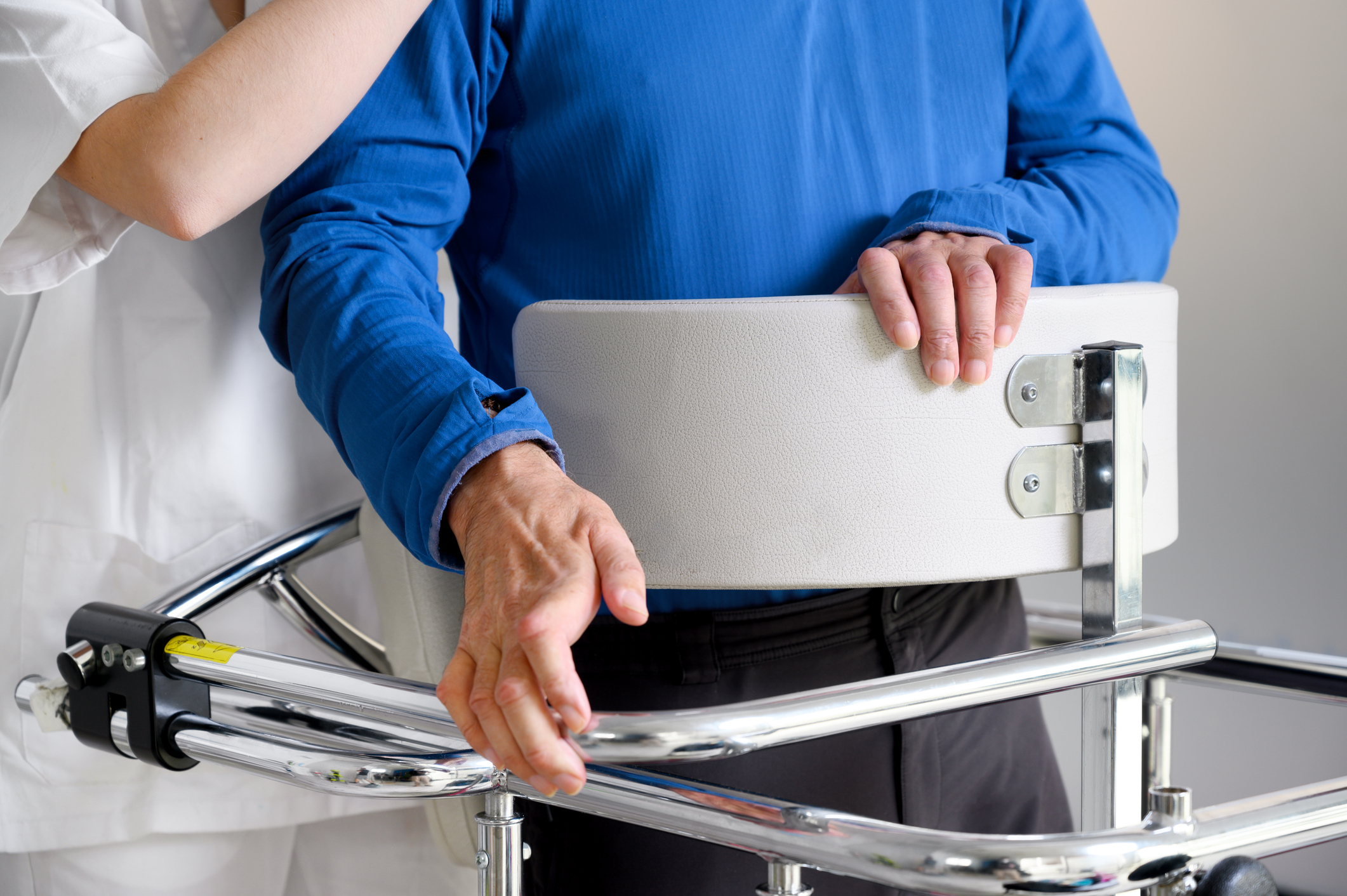
Rehabilitation therapy is a form of patient-centered healthcare that is designed to restore, maintain, or improve a patient’s physical, cognitive, and emotional abilities after illness, injury, surgery, or chronic conditions. The Department of Physical Medicine and Rehabilitation at Flushing Hospital Medical Center offers a comprehensive range of outpatient services. The team’s experienced staff includes physical therapists, occupational therapists, speech language pathologists, and audiologists. 

The department has physiatrists who are highly experienced rehabilitation physicians. They are board-certified in physical medicine and rehabilitation, brain injury medicine, and electrodiagnostic medicine.  

Physical therapists provide outpatient services at the hospital. They assess each patient’s unique needs and determine a care plan to address the functional deficits identified. Goals for therapy are based on the patient’s specific needs.  

Common diagnoses treated on an outpatient basis include neck/back pain, joint pain/arthritis, musculoskeletal diseases, and neurological conditions such as stroke and nerve injuries.  

Flushing Hospital’s Department of Physical Medicine and Rehabilitation utilizes therapeutic exercise and movement-based interventions to improve patient outcomes. Electrotherapeutic equipment and thermal modalities, such as hot/cold packs, work as adjuncts to manual therapy techniques. Therapists are trained in manual techniques such as myofascial release and joint mobilization. Exercise techniques using equipment and resistance modalities are taught to the patient as a home exercise program to improve their overall function. 

Dedicated occupational therapists evaluate patients’ self-care skills for activities of daily living (ADLs). They develop care plans to improve the patient’s ability to perform these tasks to lead a more independent lifestyle. 

The speech-language pathologists provide communication, cognitive, and swallowing evaluations and treatment to patients of all ages. Care plans are individualized and patient-centered. Patients with dysphagia (difficulty swallowing) may also be referred for instrumental swallow evaluation, specifically Modified Barium Swallow (MBS) tests, to objectively assess swallowing, make appropriate food and liquid recommendations, and develop a targeted swallowing therapy plan. 

The audiology department provides comprehensive audiological evaluations to patients of all ages, from newborn through geriatric age ranges. Recommendations are made based on the individual’s needs and may include referral/recommendation for possible hearing aids. These patients are given appropriate referrals and guided in the follow-up process.  

Flushing Hospital’s Department of Physical Medicine and Rehabilitation is committed to providing the highest quality care and helping individuals improve their quality of life by regaining mobility, strength, and independence. For more information, please call us at (718) 670-5515. 

All content of this newsletter is intended for general information purposes only and is not intended or implied to be a substitute for professional medical advice, diagnosis or treatment. Please consult a medical professional before adopting any of the suggestions on this page. You must never disregard professional medical advice or delay seeking medical treatment based upon any content of this newsletter. PROMPTLY CONSULT YOUR PHYSICIAN OR CALL 911 IF YOU BELIEVE YOU HAVE A MEDICAL EMERGENCY.

Cancer Prevention and Early Detection Month

April is Cancer Prevention and Early Detection Month, a month dedicated to reminding us about the importance of getting routine cancer screenings.  

According to the American Cancer Society, for 2026, 44% of the estimated 626,000 cancer deaths in the United States can potentially be prevented because they are attributable to modifiable risk factors, such as: 

  • Cigarette smoking 
  • Secondhand smoke exposure 
  • Excess body weight 
  • Heavy alcohol use 
  • Unhealthy diet 
  • Lack of physical activity 
  • Excess ultraviolet radiation exposure 
  • Cancer-associated infections 

Cancer Prevention and Early Detection Month aims to educate people about healthy habits and making simple changes that can make a huge difference, such as quitting smoking, eating nutritious foods, and staying physically active. Routine cancer screenings and vaccinations are also essential.  

Detecting cancer early means better outcomes for your health, such as more treatment options, which can help prevent cancer from spreading. These practices can also significantly lower cancer rates and improve survival chances for many individuals.  

Here are some ways to get involved in Cancer Prevention and Early Detection Month: 

  • Raising awareness 
  • Inspiring action 
  • Mobilizing resources 
  • Highlighting progress 

Cancer Prevention and Early Detection Month’s goal is to inspire everyone to be proactive and take steps towards a healthier lifestyle and get regular cancer screenings, which can reduce the chances of developing cancer considerably. 

Whether you need diagnostic testing or treatment, the MediSys Health Network Cancer Center offers unmatched Queens cancer care for any form of cancer. To schedule an appointment or learn more about our oncology department, please call 718-206-8263. 

All content of this newsletter is intended for general information purposes only and is not intended or implied to be a substitute for professional medical advice, diagnosis or treatment. Please consult a medical professional before adopting any of the suggestions on this page. You must never disregard professional medical advice or delay seeking medical treatment based upon any content of this newsletter. PROMPTLY CONSULT YOUR PHYSICIAN OR CALL 911 IF YOU BELIEVE YOU HAVE A MEDICAL EMERGENCY.

High-Functioning Depression

Depression is a common mental health condition that causes a persistent feeling of sadness and loss of interest, and changes how you think, sleep, eat, and act.

There are several types of depression, including:

  • Clinical depression (major depressive disorder)
  • Persistent depressive disorder (PDD)
  • Disruptive mood dysregulation disorder (DMDD)
  • Premenstrual dysphoric disorder (PMDD)

There are also specific forms of major depressive disorder, including:

  • Seasonal affective disorder (seasonal depression)
  • Prenatal depression and postpartum depression
  • Atypical depression

People with depression often can’t always keep up with the demands of day-to-day life, whether it is keeping a steady job, having significant relationships and friendships, or keeping the house tidy. Their depression can make every task feel daunting.

However, that isn’t always the case. Some people can experience depression in a way that doesn’t appear disruptive from the outside, but it still causes a major disruption inside. This is called high-functioning depression.

Although it isn’t a formal medical diagnosis, high-functioning depression is a helpful way to describe how some people who are living with the symptoms of depression manage to keep up a moderately stable life.

A person with high-functioning depression may have the same symptoms as a person with clinical or major depressive disorder. These symptoms include:

  • Feeling sad, helpless, or hopeless
  • Becoming disinterested in things that used to bring them joy
  • Changes in eating habits, like eating too much or too little
  • Trouble sleeping or sleeping too much
  • Difficulty concentrating
  • Negative thoughts about themselves and others

Unfortunately, some people may feel that they need to hide these depressive symptoms from others because:

  • They might have come from a family or culture that teaches people not to talk about mental illness
  • They think they will feel better by powering through on their own
  • They’re trying to avoid any impact on their job and relationships, hoping the depression lifts
  • They are someone who isn’t comfortable showing vulnerability or perceived weakness
  • They think having depression is something to be ashamed of
  • They feel that their life will fall apart and people will abandon them if they find out about their depression

More women than men are diagnosed with depression, but this may be because women are more likely to seek treatment.

A healthcare provider may determine a diagnosis of depression based on:

  • A physical exam
  • Lab tests
  • A psychiatric evaluation
  • DSM-5

Unfortunately, high-functioning depression can be difficult to recognize. Even though a person may appear to be high functioning, they still should get treatment for their depression. Treatments for depression may include:

  • Therapies such as cognitive behavioral therapy (CBT), dialectical behavior therapy (DBT), and mindfulness techniques
  • Medications
  • Support groups

To learn more about the mental health services at Flushing Hospital Medical Center, or to schedule a virtual appointment, call (718) 670-5316 to speak with our intake coordinator or call (718) 670-5562 to reach the clinic.

All content of this newsletter is intended for general information purposes only and is not intended or implied to be a substitute for professional medical advice, diagnosis or treatment. Please consult a medical professional before adopting any of the suggestions on this page. You must never disregard professional medical advice or delay seeking medical treatment based upon any content of this newsletter. PROMPTLY CONSULT YOUR PHYSICIAN OR CALL 911 IF YOU BELIEVE YOU HAVE A MEDICAL EMERGENCY.

How Microplastics and Nanoplastics Affect Our Long-Term Health

Microplastics and nanoplastics (MNPs) are plastic particles that fail to break down and have become a major concern for environmental and human health.

These plastic particles are extremely small, as microplastics range from 1 micrometer to 5 millimeters. Nanoplastics are even smaller, as they are less than one micrometer.

There are two types of microplastics, primary microplastics and secondary microplastics. These microplastics typically come from two main sources. Primary microplastics are manufactured at a small size intentionally. Secondary microplastics are formed from the breakdown of larger plastic items.

There are public concerns about the health effects of microplastics and nanoplastics, as they have been found in our bodies because of what we eat, drink, or breathe.

Nanoplastics can behave differently from microplastics or materials that are larger. Their small size means that they may move more easily through biological membranes or interact differently with cells in the body.

Larger microplastics are filtered by the body’s natural defenses, such as the mucus and cilia in the airways, but can still get inhaled into the lungs and even infiltrate the bloodstream or the barriers to the digestive system.

Scientific research has pointed to the likelihood of nanoplastics being far more toxicologically active than microplastics, due to their being small enough to pass through some biological barriers and easily absorbed into the body, which can potentially disrupt and damage internal organs and processes.

Evidence suggests that microplastics may be correlated with health conditions, including:

  • Chronic degenerative diseases
  • Cardiovascular disease
  • Inflammatory diseases, such as inflammatory bowel disease (IBS)

Additionally, existing research has found that microplastics can accumulate in the human brain. They can also be found in plaque formed in our arteries.

Currently, the U.S. doesn’t have regulations around microplastics. However, there are ways to reduce your exposure to microplastics, including:

  • Cutting back on bottled water
  • Getting an NSF-certified water filter
  • Avoiding storing food in plastic containers
  • Avoiding the reuse of single-use plastics for food and drinks
  • Avoiding heating plastic
  • Washing plastic by hand
  • Keeping your air clean

According to health experts, there are ways you can lower your risk of the health effects linked to microplastics, including:

  • Eating a balanced diet
  • Getting enough sleep and exercise
  • Lowering stress
  • Seeing preventative care

Unfortunately, plastic is everywhere, and it is hard to avoid. However, it is important to remember that all the plastic we use will end up in a landfill and eventually in our environment and in our bodies. Limiting plastic usage and production will hopefully have a positive impact on future generations.

All content of this newsletter is intended for general information purposes only and is not intended or implied to be a substitute for professional medical advice, diagnosis or treatment. Please consult a medical professional before adopting any of the suggestions on this page. You must never disregard professional medical advice or delay seeking medical treatment based upon any content of this newsletter. PROMPTLY CONSULT YOUR PHYSICIAN OR CALL 911 IF YOU BELIEVE YOU HAVE A MEDICAL EMERGENCY.

Exercising Outdoors

Spring has arrived, and the weather is starting to warm up. This means we can spend more time exercising outdoors rather than at the gym or at home.  

Outdoor exercise is a great way to work out. It offers many benefits to our physical and mental health, such as: 

  • Reducing stress and anxiety 
  • Improving sleep 
  • Boosting vitamin D levels 
  • Boosting self-esteem 
  • Improving memory 
  • Lowering chronic disease risk 

Here are tips that can keep you safe while exercising outdoors: 

  • Drink plenty of water and avoid caffeine and alcohol 
  • Wear clothes that let the air circulate and moisture evaporate 
  • Stay sun safe by wearing sunscreen, sunglasses, and a hat 
  • Know the signs of heat-related illnesses 
  • Wear proper footwear for the activity you are engaging in 

If you experience medical problems while exercising, you can schedule an appointment with a doctor at Flushing Hospital Medical Center’s Ambulatory Care Center. To schedule an appointment, please call (718) 670-5486. 

All content of this newsletter is intended for general information purposes only and is not intended or implied to be a substitute for professional medical advice, diagnosis or treatment. Please consult a medical professional before adopting any of the suggestions on this page. You must never disregard professional medical advice or delay seeking medical treatment based upon any content of this newsletter. PROMPTLY CONSULT YOUR PHYSICIAN OR CALL 911 IF YOU BELIEVE YOU HAVE A MEDICAL EMERGENCY.