
Pneumonia

Pneumonia is an infection that inflames the air sacs in one or both lungs. The air sacs may fill with fluid or pus, causing a cough with phlegm or pus, fever, chills, and difficulty breathing.  

Pneumonia can range in severity from mild to life-threatening. It is more serious for infants and young children, people older than 65 years old, and people with health problems or weakened immune systems.  

The signs and symptoms of pneumonia can vary depending on factors such as the type of germ causing the infection, age, and overall health. Signs and symptoms of pneumonia may include: 

  • Chest pain when breathing or coughing 
  • Confusion or changes in mental awareness; this occurs in adults 65 or older 
  • A phlegm-producing cough 
  • Fatigue 
  • Fever, sweating, and shaking chills 
  • Lower than normal body temperature; this occurs in adults older than 65 and people with weakened immune systems 
  • Nausea, vomiting, or diarrhea 
  • Shortness of breath 

Many germs can cause pneumonia. The most common are bacteria and viruses in the air we breathe. The body usually prevents these germs from infecting the lungs, but these germs can sometimes overpower the immune system, even if a person is generally healthy.  

Pneumonia is classified according to the types of germs that cause it and where the infection was contracted. 

Community-acquired pneumonia is the most common type of pneumonia. It occurs outside of hospitals or other healthcare facilities. It may be caused by: 

  • Bacteria 
  • Bacteria-like organisms 
  • Fungi 
  • Viruses, such as COVID-19 

Some people can get pneumonia during a hospital stay for another illness. Hospital-acquired pneumonia can be serious because the bacteria causing it may be more resistant to antibiotics and because the people who get it are already sick. People who are on breathing machines, often used in intensive care units, are at a higher risk of this type of pneumonia.  

Healthcare-acquired pneumonia is a bacterial infection that occurs in people who live in long-term care facilities or who receive care in outpatient clinics, including kidney dialysis centers. Like hospital-acquired pneumonia, healthcare-acquired pneumonia can be caused by bacteria that are more resistant to antibiotics.  

Aspiration pneumonia occurs when a person inhales food, a drink, vomit, or saliva into their lungs. Aspiration is more likely if something disturbs the normal gag reflex, such as a brain injury or swallowing problem, or excessive use of alcohol or drugs.  

There are many steps you can take to prevent pneumonia, including: 

  • Getting vaccinated 
  • Making sure children are vaccinated 
  • Practicing good hygiene 
  • Quitting smoking 
  • Keeping your immune system strong 

To diagnose pneumonia, a doctor will start by asking about your medical history and performing a physical exam, including listening to your lungs with a stethoscope to check for abnormal bubbling or crackling sounds that may suggest pneumonia.  

If pneumonia is suspected, a doctor may recommend the following tests: 

  • Blood tests 
  • Chest X-ray 
  • Pulse oximetry 
  • Sputum test 

A doctor might order additional tests for a person 65 years or older, is in the hospital, or has serious symptoms or health conditions. These tests may include a CT scan and/or a pleural fluid culture. 

Treatment for pneumonia involves curing the infection and preventing complications. People who have contracted community-acquired pneumonia usually can be treated at home with medication. Although most symptoms ease in a few days or weeks, the tiredness feeling can persist for a month or more. Specific treatments depend on the type and severity of pneumonia, age, and overall health. These treatments include: 

  • Antibiotics 
  • Cough medicine 
  • Fever reducers/pain relievers 

If you or a loved one is experiencing symptoms of pneumonia, you can receive treatment from a physician at Flushing Hospital Medical Center’s Ambulatory Care Center. To schedule an appointment, please call (718) 670-5486. 

All content of this newsletter is intended for general information purposes only and is not intended or implied to be a substitute for professional medical advice, diagnosis or treatment. Please consult a medical professional before adopting any of the suggestions on this page. You must never disregard professional medical advice or delay seeking medical treatment based upon any content of this newsletter. PROMPTLY CONSULT YOUR PHYSICIAN OR CALL 911 IF YOU BELIEVE YOU HAVE A MEDICAL EMERGENCY.

Tuberculosis

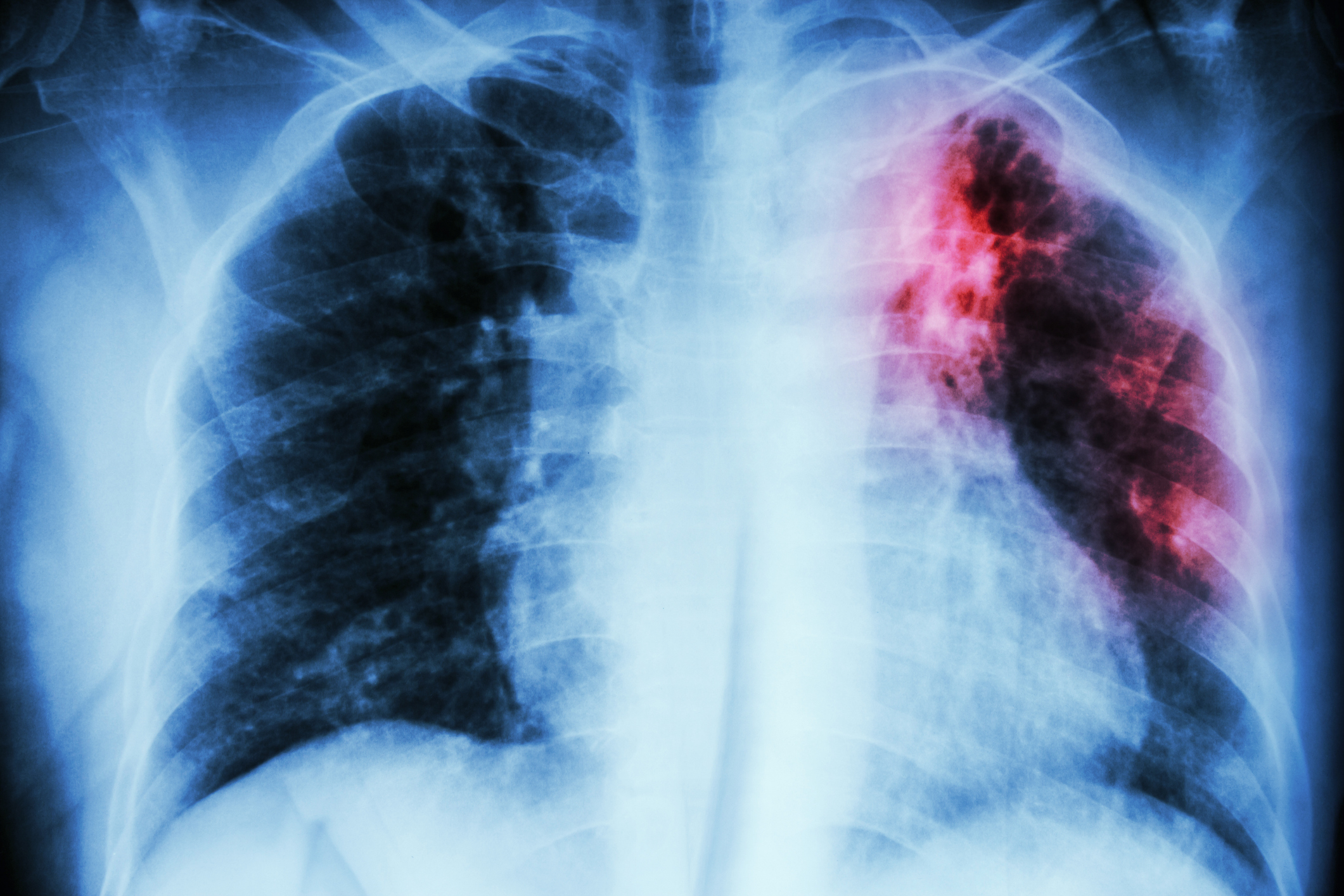
Tuberculosis is a serious infectious disease that mainly affects the lungs. It is caused by a bacteria called Mycobacterium tuberculosis. Tuberculosis can spread when a person with the illness coughs, sneezes, or speaks, releasing tiny droplets of germs into the air. Another person can breathe in the droplets, and the germs will enter the lungs.

When tuberculosis germs survive and multiply in the lungs, it is a TB infection. A TB infection can happen in one of three stages, each with symptoms.

Primary TB infection is the first stage of TB infection. Immune system cells find and capture the germs, which the immune system may destroy. However, some captured germs can still survive and multiply.

Most people don’t have symptoms during primary infection. Some people may have flu-like symptoms, including:

  • Low fever
  • Tiredness
  • Cough

Latent TB infection is the stage following primary TB infection. Immune system cells build a wall around lung tissue with TB germs, which keeps them under control. However, the germs survive. There aren’t any symptoms during latent TB infection.

Active TB disease happens when the immune system can’t control an infection. Germs cause disease throughout the lungs or other parts of the body. Active TB disease can happen right after primary infection, but it usually occurs after months or years of latent TB infection. Symptoms of active TB disease in the lungs begin gradually and worsen over a few weeks. Symptoms can include:

  • Cough
  • Coughing up blood or mucus
  • Chest pain
  • Pain with breathing or coughing
  • Fever
  • Chills
  • Night sweats
  • Weight loss
  • Loss of appetite
  • Tiredness
  • Not feeling well in general

Extrapulmonary tuberculosis occurs when an active TB infection spreads from the lungs to other body parts. Symptoms vary depending on what part of the body is infected. Common symptoms can include:

  • Fever
  • Chills
  • Night sweats
  • Weight loss
  • Not wanting to eat
  • Tiredness
  • Not feeling well in general
  • Pain near the site of infection

Common sites of active TB disease outside of the lungs include:

  • Kidneys
  • Liver
  • Fluid surrounding the brain and spinal cord
  • Heart muscles
  • Genitals
  • Lymph nodes
  • Bones and joints
  • Skin
  • Walls of blood vessels
  • The voice box or larynx

People with active TB infection can spread tuberculosis easily, especially in crowded spaces.

To diagnose a TB infection, a healthcare provider will perform an exam that includes:

  • Listening to you breathe with a stethoscope
  • Checking for swollen lymph nodes
  • Asking you questions about your symptoms

Your healthcare provider will order tests if:

  • Tuberculosis is suspected
  • You were likely exposed to a person with active TB disease
  • You have health risks for active TB disease

Your healthcare provider will determine whether a skin or blood test is best. X-rays, sputum tests, and other lab tests can also diagnose a TB infection.

Your healthcare provider may treat you with drug treatments if you have a latent TB infection. This is especially true for people who are at an increased risk of active TB disease. Most latent TB infections are treated for three or four months. Active TB may be treated for four, six, or nine months. Specialists in TB treatment will determine which drugs are best for you.

It is important to take every dose as instructed when your healthcare provider prescribes medication. You must complete the full course of treatment, as it is important for killing the bacteria in your body and preventing new drug-resistant bacteria.

If you are experiencing symptoms of tuberculosis, you must receive treatment from a doctor as soon as possible. You can schedule an appointment at Flushing Hospital Medical Center’s Ambulatory Care Center by calling (718) 670-5486.

All content of this newsletter is intended for general information purposes only and is not intended or implied to be a substitute for professional medical advice, diagnosis or treatment. Please consult a medical professional before adopting any of the suggestions on this page. You must never disregard professional medical advice or delay seeking medical treatment based upon any content of this newsletter. PROMPTLY CONSULT YOUR PHYSICIAN OR CALL 911 IF YOU BELIEVE YOU HAVE A MEDICAL EMERGENCY.
Idiopathic Pulmonary Fibrosis

Idiopathic pulmonary fibrosis is a lung disease that occurs when lung tissue becomes scarred and damaged. The scarring of the lung tissue causes stiffness, making breathing difficult. The word “idiopathic” means it has no known cause, but there are many causes of pulmonary fibrosis.

Some causes of pulmonary fibrosis include:

  • Long-term exposure to certain toxins
  • Radiation therapy
  • Some medicines
  • Certain medical conditions

How fast pulmonary fibrosis worsens over time and how severe the symptoms are vary from person to person. These symptoms include:

  • Shortness of breath
  • Dry cough
  • Extreme tiredness
  • Unintended weight loss
  • Aching muscles and joints
  • The widening and rounding of the tips of the fingers or toes, called clubbing.

Pulmonary fibrosis has been found in children and infants, but this is not common. Idiopathic pulmonary fibrosis is much more likely to affect middle-aged and older adults. Other types of pulmonary fibrosis caused by connective tissue disease, can occur in younger people.

Certain factors increase the risk of pulmonary fibrosis. They are:

  • Smoking
  • Certain types of work
  • Cancer treatments
  • Genetics

Pulmonary fibrosis can cause many complications including:

  • High blood pressure in the lungs
  • Right-sided heart failure
  • Respiratory failure
  • Lung cancer and other lung problems

Pulmonary fibrosis is diagnosed when your doctor or other healthcare professional reviews your medical and family history and performs a physical exam.

Some other ways pulmonary fibrosis can be diagnosed include:

  • Imaging tests
  • Lung function tests
  • Biopsy/Tissue sample collection
  • Blood tests

The scarring and thickening of the lungs from pulmonary fibrosis cannot be repaired. And no current treatment has prevented pulmonary fibrosis from getting worse over time.

Treatments for pulmonary fibrosis are focused on:

  • Medicines
  • Oxygen therapy
  • Pulmonary rehabilitation
  • Lung transplant

Being actively involved in your treatment and staying as healthy as possible are essential to living with pulmonary fibrosis. It is important to:

  • Stop smoking and avoid other irritants to the lungs
  • Eat well
  • Exercise regularly
  • Take time to rest
  • Get vaccinated
  • Follow your treatment plan

Pulmonary fibrosis is a lifelong condition that worsens over time. It can cause fear, depression, and stress.

Here are some tips to help you cope with your diagnosis:

  • Learn about your condition.
  • Spend time with family and friends.
  • Talk to your doctor or other healthcare professionals.
  • Join a support group.
  • Learn about palliative care services.

If you need medical attention for symptoms of pulmonary fibrosis or other lung diseases, schedule an appointment with a pulmonologist at our Ambulatory Care Center by calling (718) 670-5486.

All content of this newsletter is intended for general information purposes only and is not intended or implied to be a substitute for professional medical advice, diagnosis or treatment. Please consult a medical professional before adopting any of the suggestions on this page. You must never disregard professional medical advice or delay seeking medical treatment based upon any content of this newsletter. PROMPTLY CONSULT YOUR PHYSICIAN OR CALL 911 IF YOU BELIEVE YOU HAVE A MEDICAL EMERGENCY.

COPD Awareness Month

Chronic obstructive pulmonary disease (COPD) is a chronic inflammatory lung condition that affects at least 12 million Americans and is one of the leading causes of disability and death. This condition causes the body’s airways to become obstructed through the over-production of mucus, which is itself caused by inflammation of the bronchial tubes that transport air to and from the lungs.

The symptoms of COPD worsen over time, progressing from coughing, wheezing, and shortness of breath to weight loss and an increasing lack of energy and oxygen. Your lungs lose the elasticity they rely on to force air out of the body, preventing sufficient air from leaving the lungs when you exhale.

COPD has a few clear causes, including:

  • Certain chronic conditions affecting the body’s airways, such as emphysema and chronic bronchitis.
  • A genetic disorder that causes a deficiency of the protein alpha-1-antitrypsin, which helps to protect the lungs.

The most common cause of COPD, by far, is smoking. Long-term exposure to cigarette smoke and similar irritants inflame the body’s airways and contribute to the development of a chronic cough. Therefore, the best way for most people to reduce their risk of developing COPD is to quit smoking or avoid environmental exposure to smoke as much as possible.

You can take meaningful steps toward quitting smoking by:

  • Setting a date to quit.
  • Letting family, friends, and co-workers know that you’re quitting.
  • Making a plan for navigating challenges such as cravings and withdrawal.
  • Removing cigarettes and tobacco products from your environment.
  • Working with a doctor.

You can get help to quit smoking through Flushing Hospital Medical Center’s smoking cessation program, Freedom from Smoking, which you can contact at (718) 206-8494 to receive more information. If you need medical attention for symptoms of COPD, schedule an appointment with a pulmonologist at our Ambulatory Care Center by calling (718) 670-5486.

If you or a loved one experiences a COPD-related emergency such as severely-blue lips or fingernail beds, a rapid heartbeat, significant trouble catching a breath, or severe mental fogginess, dial 911 immediately.


All content of this newsletter is intended for general information purposes only and is not intended or implied to be a substitute for professional medical advice, diagnosis or treatment. Please consult a medical professional before adopting any of the suggestions on this page. You must never disregard professional medical advice or delay seeking medical treatment based upon any content of this newsletter. PROMPTLY CONSULT YOUR PHYSICIAN OR CALL 911 IF YOU BELIEVE YOU HAVE A MEDICAL EMERGENCY.

Learn The Facts About Cystic Fibrosis

Cystic fibrosis (CF) is a hereditary disease that affects the cells in your body that make mucus.  CF occurs when there is a mutation of the cystic fibrosis transmembrane conductance regulator (CFTR) gene. The mutation disables cells from moving chloride (a component of salt) to their surfaces.  Without the movement of chloride, cells cannot hydrate properly.  This leads to the production of mucus that is thicker and stickier than normal.

CF can result in damage to the digestive system, lungs, and other organs that utilize mucus to function.  The buildup of mucus can obstruct the ducts, tubes or passageways of these organs.

Those living with cystic fibrosis often have abnormally high levels of salt in their sweat.  Other complications or symptoms that may develop as a result of the disease include:

  • Frequent lung infections, including recurrent  pneumonia or bronchitis
  • Persistent cough with thick mucus
  • Frequent sinus infections
  • Wheezing
  • Shortness of breath
  • Nasal polyps
  • Fatigue
  • Delayed growth or puberty
  • Poor weight gain
  • Bowel movements of greasy bulky stools
  • Severe constipation
  • Male infertility

All babies born in the United States are screened for cystic fibrosis by testing small blood samples. In other cases, if someone is suspected to have CF, their doctor can order a sweat test to determine if chloride levels are normal.

Currently, there is no cure for CF. However; treatment is focused on alleviating symptoms and reducing complications. Treatment may include medications, physical therapy, pulmonary rehabilitation, or surgery.

All content of this newsletter is intended for general information purposes only and is not intended or implied to be a substitute for professional medical advice, diagnosis or treatment. Please consult a medical professional before adopting any of the suggestions on this page. You must never disregard professional medical advice or delay seeking medical treatment based upon any content of this newsletter. PROMPTLY CONSULT YOUR PHYSICIAN OR CALL 911 IF YOU BELIEVE YOU HAVE A MEDICAL EMERGENCY.

Rheumatoid Arthritis and Lung Disease

Rheumatoid arthritis (RA) is an autoimmune and inflammatory disease that primarily attacks joints.

Although RA mostly causes damage to joints, it can also affect other parts of the body such as the lungs.

Lung problems that can occur as a result of RA include:

  • Bronchiectasis (Damage to the airways)
  • Interstitial lung disease (Inflammation and scarring of lung tissue)
  • Pleural disease (Buildup of fluid in the chest cavity)
  • Lung nodules (Small growths or lumps in the lungs)
  • Pulmonary hypertension (High blood pressure in the lungs)

The symptoms of rheumatoid lung disease vary but may include:

  • Shortness of breath
  • Dry cough
  • Fatigue
  • Weakness
  • Fever

According to the Arthritis Foundation, “The risk of developing lung disease is eight times higher in people with RA than in the general population.”  Other risk factors for rheumatoid lung disease are:

  • Smoking
  • Age (People diagnosed with RA after the age of 60 are at greater risk)
  • Sex (Men are more likely to develop rheumatoid lung disease than women)
  • High RA disease activity
  • Undertreated RA

The cause of lung disease associated with RA is unknown; however, there are several things you can do to protect lung health.  Here are a few:

  • Receive early treatment for rheumatoid arthritis
  • Avoid smoking or secondhand smoke
  • Exercise regularly
  • Avoid toxic fumes
  • Get the flu and pneumonia vaccine

If you are experiencing breathing problems or symptoms associated with rheumatoid lung disease, contact your doctor.

To schedule an appointment with a doctor at Flushing Hospital Medical Center, please call 718-670-5486.


All content of this newsletter is intended for general information purposes only and is not intended or implied to be a substitute for professional medical advice, diagnosis or treatment. Please consult a medical professional before adopting any of the suggestions on this page. You must never disregard professional medical advice or delay seeking medical treatment based upon any content of this newsletter. PROMPTLY CONSULT YOUR PHYSICIAN OR CALL 911 IF YOU BELIEVE YOU HAVE A MEDICAL EMERGENCY.
Lung Cancer and Treatment Options

Lung cancer is a form of cancer that starts in the lungs. In the early stages, there may not be any signs or symptoms. A history of smoking definitely contributes to a higher risk of being diagnosed with the disease, though non-smokers also can develop lung cancer. Smoking causes cancer by irritating the lining of the lungs. This causes changes in the lung tissue. It is believed that the effects of smoking may be reversible in the very early phases but repeated exposure to the chemicals found in smoke will eventually be irreversible.

Signs and Symptoms of Lung Cancer include:

  • A cough that doesn’t get better
  • Coughing up blood
  • Shortness of breath
  • Chest pain
  • Wheezing
  • Hoarseness
  • Headache
  • Weight loss that isn’t intentional

There are two types of lung cancer based on their appearance under the microscope:

  • Small cell is the most common type of lung cancer and is found in heavy smokers.
  • Non-small cell is a group of other types of lung cancers that act similarly. This group includes squamous cell carcinoma, adenocarcinoma, and large cell carcinoma.

Lung cancer staging

Stage 1

  • The cancer is limited to the lung.
  • Tumor is smaller than 2 inches
  • has not spread to lymph nodes

Stage 2

  • Usually larger than 2 inches
  • Spread to lymph nodes
  • Possible spread to pleura, chest wall and diaphragm

Stage 3

  • Involves spread to other organs
  • Found in distant lymph nodes

Stage 4

  • Spread from one lung to another
  • Spread to distant parts of the body

If lung cancer is suspected, a few tests to make the diagnosis definitive will be ordered. A chest x-ray will be performed and if there are any lesions found on the lung a CT scan will be performed to get a better view of the lungs. An exam of the sputum can sometimes reveal lung cancer cells and to complete the diagnosis a lung biopsy will be done to examine the cells to see if they are cancerous.

Depending on the stage of cancer, treatment options vary and can include chemotherapy, radiation and / or surgery. A common surgical option is called a lobectomy, removing one of the lobes of the lung.

If you would like to discuss lung cancer and treatment options with a physician at Flushing Hospital, please call 718-670-5486.

All content of this newsletter is intended for general information purposes only and is not intended or implied to be a substitute for professional medical advice, diagnosis or treatment. Please consult a medical professional before adopting any of the suggestions on this page. You must never disregard professional medical advice or delay seeking medical treatment based upon any content of this newsletter. PROMPTLY CONSULT YOUR PHYSICIAN OR CALL 911 IF YOU BELIEVE YOU HAVE A MEDICAL EMERGENCY.

Walking Pneumonia

Walking pneumonia  is a very mild case of pneumonia, with very mild symptoms not much different than a common cold..  It is caused by the Mycoplasma pneumoniae bacteria, and most commonly seen during the late summer, though it can occur at any time of the year. People who are most susceptible are young children and adults under the age of 40. Also people living in close quarters such as dormitories, military barracks and nursing homes are at higher risk

Walking pneumonia is considered to be contagious and is typically spread by coughing and sneezing. A person who has it can be contagious for as many as 10 days.

The symptoms of walking pneumonia include:
• Chest pain when taking deep breaths
• Coughing
• Fatigue
• Headache
• Sore throat

There are a few things a person can do to help lower their chances of getting walking pneumonia. Frequently washing your hands with soap and water is always a good idea as is eating a balanced diet, and getting sufficient sleep every night. It is important to dress appropriately for inclement weather which can make you more susceptible to lowered resistance and to cover your mouth when you cough or sneeze and ask others around you to do the same. Not smoking will also help.

Treating walking pneumonia requires drinking lots of fluids and getting as much rest as possible. Your doctor may prescribe an antibiotic if they feel it is necessary. Most people start to feel better after four or five days but there are some people who have a cough that can last for weeks.

If you are experiencing symptoms of walking pneumonia, you should see your physician for appropriate treatment options. If you would like to schedule an appointment with a physician at Flushing Hospital Medical Center, please call 718-670-5486.

All content of this newsletter is intended for general information purposes only and is not intended or implied to be a substitute for professional medical advice, diagnosis or treatment. Please consult a medical professional before adopting any of the suggestions on this page. You must never disregard professional medical advice or delay seeking medical treatment based upon any content of this newsletter. PROMPTLY CONSULT YOUR PHYSICIAN OR CALL 911 IF YOU BELIEVE YOU HAVE A MEDICAL EMERGENCY.

What You Should Know About Legionnaire’s Disease

Legionnaire's Disease Legionella is a type of bacterium that is typically found in freshwater environments; however, it can also grow in man-made water systems such as cooling towers for industrial air conditioning mechanisms, grocery store misting machines, decorative fountains, as well as hot water tanks and heaters.

Exposure to Legionella is known to cause legionnaire’s disease which is a severe form of pneumonia.  This disease can develop after a person breathes in small droplets of water contaminated by bacteria.  Infection may also occur through aspiration -when water accidentally gets into the lungs while drinking.

Legionnaire’s disease usually develops between two to 10 days after exposure to legionella. The most common symptoms include:

  • Coughing
  • Fever
  • Shortness of breath
  • Muscle aches
  • Chills
  • Headaches
  • Chest pain
  • Gastrointestinal symptoms such as diarrhea, nausea or vomiting

Some people are more prone to develop legionnaire’s disease than others. Individuals who are most at risk include:

  • Smokers
  • Adults who are 50 years of age  and older
  • People with weakened immune systems
  • Those who have a chronic lung disease

Treatment of legionnaire’s disease involves the administration of antibiotics and may require hospitalization.  If symptoms are left untreated they can develop into life-threatening conditions such as septic shock, respiratory failure and acute kidney failure.

Legionnaire’s disease can be prevented. According to the Centers for Disease Control and Prevention (CDC), “the key to preventing Legionnaires’ disease is to make sure that building owners and managers maintain building water systems.”  Smokers are also advised to quit smoking, as this can reduce their risk.

To learn more about Legionnaire’s disease please visit https://www.cdc.gov/legionella/index.html

All content of this newsletter is intended for general information purposes only and is not intended or implied to be a substitute for professional medical advice, diagnosis or treatment. Please consult a medical professional before adopting any of the suggestions on this page. You must never disregard professional medical advice or delay seeking medical treatment based upon any content of this newsletter. PROMPTLY CONSULT YOUR PHYSICIAN OR CALL 911 IF YOU BELIEVE YOU HAVE A MEDICAL EMERGENCY.

What is A Pulmonary Embolism?

A pulmonary embolism is a blockage of an artery in the lung. In most cases, an embolism results from a blood clot that has traveled to the lung. When this occurs blood flow is obstructed which increases the risk of serious damage to organs or death.  However, if symptoms are recognized and treatment is received promptly these risks can be reduced.

Symptoms of a pulmonary embolism may vary depending on the size of the clot, how much of your lung is affected or if you have preexisting health conditions such as heart or lung disease.  Symptoms tend to come suddenly and may include:

  • Shortness of breath
  • Blue nails or lips
  • Chest pain, which may worsen with exertion or each time you breathe deeply
  • Coughing that may produce bloody or blood-streaked sputum
  • Lightheadedness
  • Excessive sweating

If you are experiencing these symptoms it is highly advised that you seek immediate medical attention.

Knowing your risks and exercising preventative measures can also reduce your chances of developing a pulmonary embolism.  You are at an increased risk if you:

  • Are pregnant
  • Are taking estrogen supplements or birth control pills that contain estrogen
  • Are a smoker
  • Recently had major surgery
  • Have a disease that increases the risk of blood clotting
  • Are obese
  • Are on bed rest or confined to a space for an extensive amount of time

You can prevent the occurrence of a pulmonary embolism by:

  • Taking medication(blood thinners) as prescribed
  • Elevating legs
  • Wearing compression stockings as recommended
  • Being physically active or moving around as much as possible
  • Drinking plenty of fluids

Pulmonary medicine is the branch of medicine that deals with the causes, diagnosis, prevention and treatment of diseases affecting the lungs. The Division of Pulmonary Medicine at Flushing Hospital Medical Center is dedicated to providing outstanding inpatient and outpatient care through the use of certified physicians and modern research.

To learn more about the Division of Pulmonary Medicine at Flushing Hospital or to schedule an appointment with a specially-trained physician, please call 718-670-5639.

All content of this newsletter is intended for general information purposes only and is not intended or implied to be a substitute for professional medical advice, diagnosis or treatment. Please consult a medical professional before adopting any of the suggestions on this page. You must never disregard professional medical advice or delay seeking medical treatment based upon any content of this newsletter. PROMPTLY CONSULT YOUR PHYSICIAN OR CALL 911 IF YOU BELIEVE YOU HAVE A MEDICAL EMERGENCY.