
Hepatitis B

Hepatitis B is a serious viral liver infection that is caused by the hepatitis B virus (HBV).  

The hepatitis B virus can be passed from person to person through various ways, including: 

  • Sexual contact 
  • Sharing of needles 
  • Accidental needlesticks 
  • Pregnant person to newborn 

There are two types of hepatitis B: acute hepatitis B and chronic hepatitis B. 

Acute hepatitis B is a short-term illness that occurs within the first six months after being exposed to the hepatitis B virus. 

Chronic hepatitis B is a longer-term illness that lasts more than six months after exposure.  

Most adults who develop hepatitis B will make a full recovery even if they have severe symptoms. However, infants and children are more likely to develop chronic hepatitis B infection. 

Hepatitis B symptoms can range from mild to serious and usually start about one to four months after being infected with the hepatitis B virus, but can be noticeable as early as two weeks after the initial infection. Symptoms of hepatitis B include: 

  • Abdominal pain 
  • Dark urine 
  • Fever 
  • Joint pain 
  • Nausea and vomiting 
  • Fatigue and weakness 
  • Loss of appetite 
  • Jaundice 

Although anyone can get hepatitis B, certain people have an increased risk of infection if they: 

  • Have sexually transmitted diseases such as HIV 
  • Take immunosuppressants that keep the immune system from mistakenly attacking healthy tissue 
  • Are currently receiving dialysis treatment 
  • Have another type of liver disease 

An acute and chronic hepatitis B infection can cause several complications, including: 

  • Acute liver failure 
  • Chronic liver failure 
  • Cirrhosis of the liver 
  • Liver cancer 
  • Reactivated hepatitis B 
  • Hepatitis D 

A healthcare provider can diagnose hepatitis B by asking about your symptoms and performing a physical exam. They will also ask if there is any family history of liver disease. They may ask: 

  • If your work exposes you to the virus  
  • If you use any intravenous (IV) drugs 
  • If you have unprotected sex with anyone who may have hepatitis B 

A healthcare provider may also perform tests to help diagnose hepatitis B, including: 

  • Blood tests 
  • Imaging tests such as an elastography 
  • Liver biopsy 

Treatment for hepatitis B is dependent on your situation. A healthcare provider may prescribe prophylactic treatment, which is medication to prevent a disease, if you were exposed to the virus within the past 24 hours. Medications for prophylactic treatment include: 

  • Hepatitis B vaccination 
  • Hepatitis B immune globulin (HBIG) 

Acute hepatitis does not have a specific treatment. A healthcare provider may prescribe IV fluids to prevent dehydration if you have been vomiting or experiencing diarrhea. 

Treatment for chronic hepatitis B varies, as it depends on your symptoms and overall health. Treatment options can include: 

  • Monitoring your overall health 
  • Medications such as antiviral drugs or immunomodulators 
  • Surgery to remove part of your liver if hepatitis B causes cancer, or a liver transplant if your whole liver must be removed 

The best way to reduce the risk of or prevent a hepatitis B infection is to get vaccinated. It takes three doses of the hepatitis B vaccine, administered over six months, to achieve complete protection from infection. You can also reduce your risk by practicing safe sex and needle use and not sharing personal items.  

If you or a loved one is experiencing symptoms associated with hepatitis B, you can receive treatment from a physician at Flushing Hospital Medical Center’s Ambulatory Care Center. To schedule an appointment, please call (718) 670-5486. 

All content of this newsletter is intended for general information purposes only and is not intended or implied to be a substitute for professional medical advice, diagnosis or treatment. Please consult a medical professional before adopting any of the suggestions on this page. You must never disregard professional medical advice or delay seeking medical treatment based upon any content of this newsletter. PROMPTLY CONSULT YOUR PHYSICIAN OR CALL 911 IF YOU BELIEVE YOU HAVE A MEDICAL EMERGENCY.

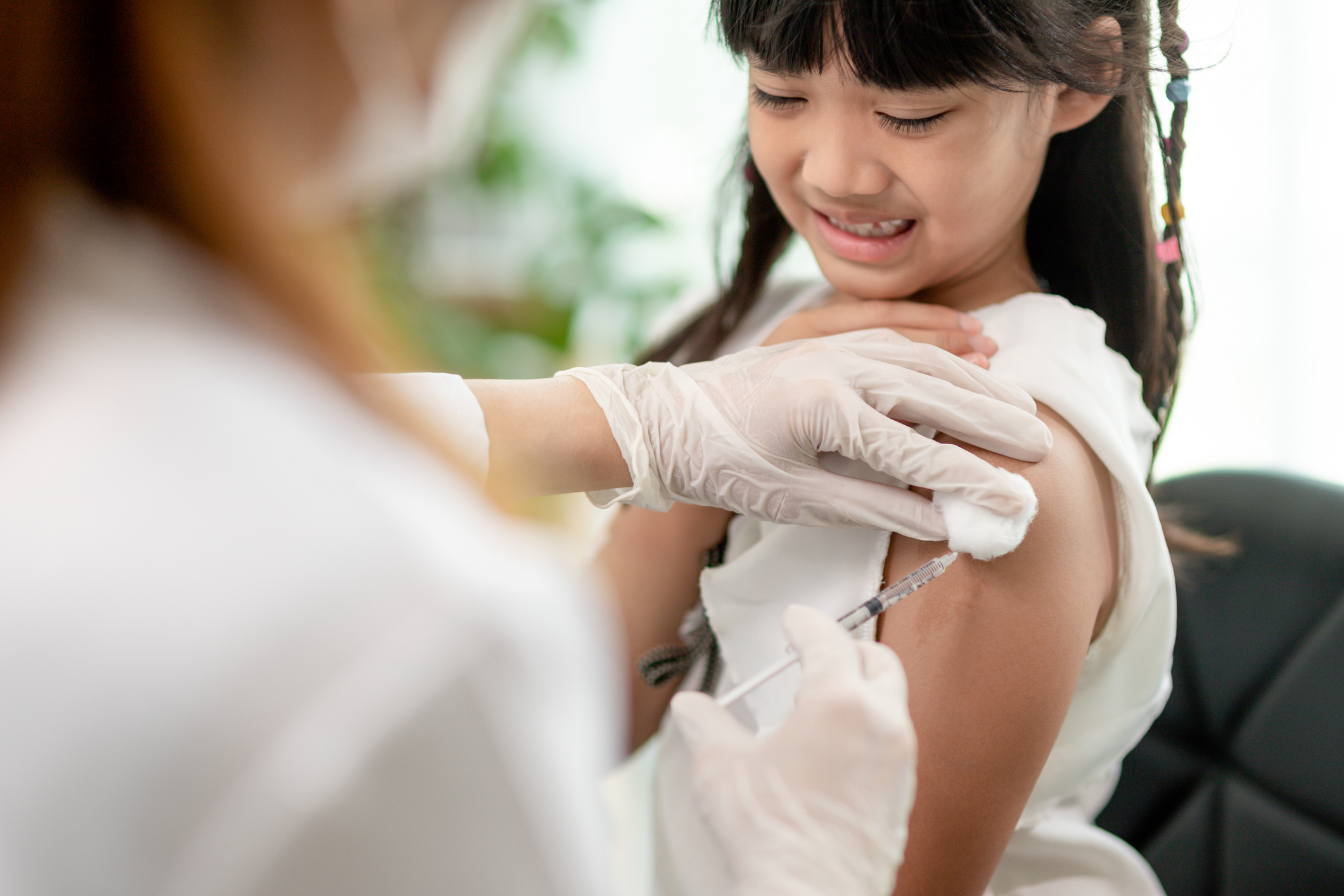
The Importance of Getting Vaccinated During Cold and Flu Season

Flu season can be unpredictable, as it can begin as early as fall and can last until spring. Flu activity is usually at its peak during winter, and public healthcare professionals, advocates, and communities come together to promote flu vaccination as the flu can cause serious health complications, such as bacterial infections or pneumonia. If it isn’t treated in time, the flu can even lead to death. 

Vaccination is particularly important for people who are at higher risk of developing serious flu complications, including pregnant women and young children. Millions of children get sick with the flu every year, and thousands will be hospitalized as a result. Women are also at higher risk of developing serious flu complications during pregnancy.  

Since flu viruses are constantly changing and protection from vaccination decreases over time, getting a flu vaccine every year is the best way to reduce your risk of the flu. A flu vaccine is the only vaccine that protects against the flu and has been shown to reduce the risk of illness from the flu, hospitalization, and death.  

During flu season, we encourage everyone six months and older to get their annual flu vaccine, especially pregnant women, young children, and other people who are at a higher risk of developing serious flu complications. The more people who get vaccinated against the flu, the more people who will be protected from it. 

If you or a loved one would like to get the flu vaccine, you can visit Flushing Hospital Medical Center’s Ambulatory Care Center. To schedule an appointment, please call (718) 670-5486. 

All content of this newsletter is intended for general information purposes only and is not intended or implied to be a substitute for professional medical advice, diagnosis or treatment. Please consult a medical professional before adopting any of the suggestions on this page. You must never disregard professional medical advice or delay seeking medical treatment based upon any content of this newsletter. PROMPTLY CONSULT YOUR PHYSICIAN OR CALL 911 IF YOU BELIEVE YOU HAVE A MEDICAL EMERGENCY.
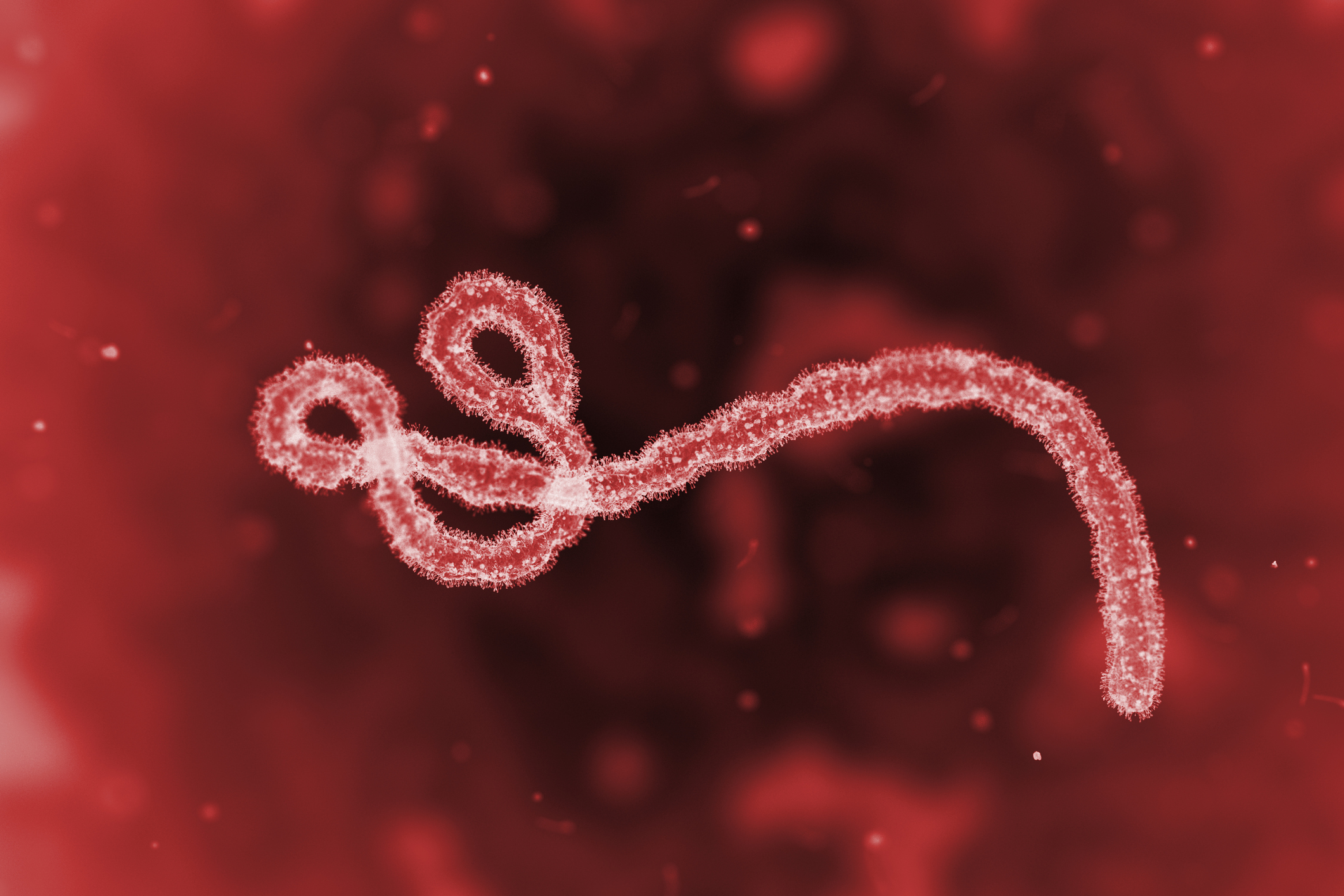
Pneumonia

Pneumonia is an infection that inflames the air sacs in one or both lungs. The air sacs may fill with fluid or pus, causing a cough with phlegm or pus, fever, chills, and difficulty breathing.  

Pneumonia can range in severity from mild to life-threatening. It is more serious for infants and young children, people older than 65 years old, and people with health problems or weakened immune systems.  

The signs and symptoms of pneumonia can vary depending on factors such as the type of germ causing the infection, age, and overall health. Signs and symptoms of pneumonia may include: 

  • Chest pain when breathing or coughing 
  • Confusion or changes in mental awareness; this occurs in adults 65 or older 
  • A phlegm-producing cough 
  • Fatigue 
  • Fever, sweating, and shaking chills 
  • Lower than normal body temperature; this occurs in adults older than 65 and people with weakened immune systems 
  • Nausea, vomiting, or diarrhea 
  • Shortness of breath 

Many germs can cause pneumonia. The most common are bacteria and viruses in the air we breathe. The body usually prevents these germs from infecting the lungs, but these germs can sometimes overpower the immune system, even if a person is generally healthy.  

Pneumonia is classified according to the types of germs that cause it and where the infection was contracted. 

Community-acquired pneumonia is the most common type of pneumonia. It occurs outside of hospitals or other healthcare facilities. It may be caused by: 

  • Bacteria 
  • Bacteria-like organisms 
  • Fungi 
  • Viruses, such as COVID-19 

Some people can get pneumonia during a hospital stay for another illness. Hospital-acquired pneumonia can be serious because the bacteria causing it may be more resistant to antibiotics and because the people who get it are already sick. People who are on breathing machines, often used in intensive care units, are at a higher risk of this type of pneumonia.  

Healthcare-acquired pneumonia is a bacterial infection that occurs in people who live in long-term care facilities or who receive care in outpatient clinics, including kidney dialysis centers. Like hospital-acquired pneumonia, healthcare-acquired pneumonia can be caused by bacteria that are more resistant to antibiotics.  

Aspiration pneumonia occurs when a person inhales food, a drink, vomit, or saliva into their lungs. Aspiration is more likely if something disturbs the normal gag reflex, such as a brain injury or swallowing problem, or excessive use of alcohol or drugs.  

There are many steps you can take to prevent pneumonia, including: 

  • Getting vaccinated 
  • Making sure children are vaccinated 
  • Practicing good hygiene 
  • Quitting smoking 
  • Keeping your immune system strong 

To diagnose pneumonia, a doctor will start by asking about your medical history and performing a physical exam, including listening to your lungs with a stethoscope to check for abnormal bubbling or crackling sounds that may suggest pneumonia.  

If pneumonia is suspected, a doctor may recommend the following tests: 

  • Blood tests 
  • Chest X-ray 
  • Pulse oximetry 
  • Sputum test 

A doctor might order additional tests for a person 65 years or older, is in the hospital, or has serious symptoms or health conditions. These tests may include a CT scan and/or a pleural fluid culture. 

Treatment for pneumonia involves curing the infection and preventing complications. People who have contracted community-acquired pneumonia usually can be treated at home with medication. Although most symptoms ease in a few days or weeks, the tiredness feeling can persist for a month or more. Specific treatments depend on the type and severity of pneumonia, age, and overall health. These treatments include: 

  • Antibiotics 
  • Cough medicine 
  • Fever reducers/pain relievers 

If you or a loved one is experiencing symptoms of pneumonia, you can receive treatment from a physician at Flushing Hospital Medical Center’s Ambulatory Care Center. To schedule an appointment, please call (718) 670-5486. 

All content of this newsletter is intended for general information purposes only and is not intended or implied to be a substitute for professional medical advice, diagnosis or treatment. Please consult a medical professional before adopting any of the suggestions on this page. You must never disregard professional medical advice or delay seeking medical treatment based upon any content of this newsletter. PROMPTLY CONSULT YOUR PHYSICIAN OR CALL 911 IF YOU BELIEVE YOU HAVE A MEDICAL EMERGENCY.

National Immunization Awareness Month

August is National Immunization Awareness Month (NIAM). It is a day observed to highlight the importance of vaccination for people of all ages.  

Vaccinations are important at every stage of life. They are one of the safest preventative care measures available and help play a vital role in keeping you healthy.  

Vaccines work by stimulating the immune system to protect the body against viruses or bacteria that cause infection. After vaccination, the immune system is better prepared to respond quickly when the body encounters the disease-causing organism. 

From infants to older adults, immunizations play a critical role in preventing serious diseases such as measles, whooping cough, flu, shingles, and HPV-related cancers. Skipping vaccines can leave you and your family vulnerable to these illnesses.  

Getting vaccinated plays an important role in keeping your family and community healthy, as vaccinations help protect you from infectious diseases and can lessen the severity of illness. They don’t just help protect you; they also help keep diseases from spreading to others, such as your family, neighbors, classmates, coworkers, and others in the community. Especially those most vulnerable to illness, such as infants, elderly people, and those with weakened immune systems.   

National Immunization Awareness Month offers a timely reminder as families prepare for back-to-school and flu season approaches. If you would like to help raise awareness about the importance of vaccination, encourage friends and family to talk to a healthcare provider they trust about staying up to date on their vaccinations. 

All content of this newsletter is intended for general information purposes only and is not intended or implied to be a substitute for professional medical advice, diagnosis or treatment. Please consult a medical professional before adopting any of the suggestions on this page. You must never disregard professional medical advice or delay seeking medical treatment based upon any content of this newsletter. PROMPTLY CONSULT YOUR PHYSICIAN OR CALL 911 IF YOU BELIEVE YOU HAVE A MEDICAL EMERGENCY.
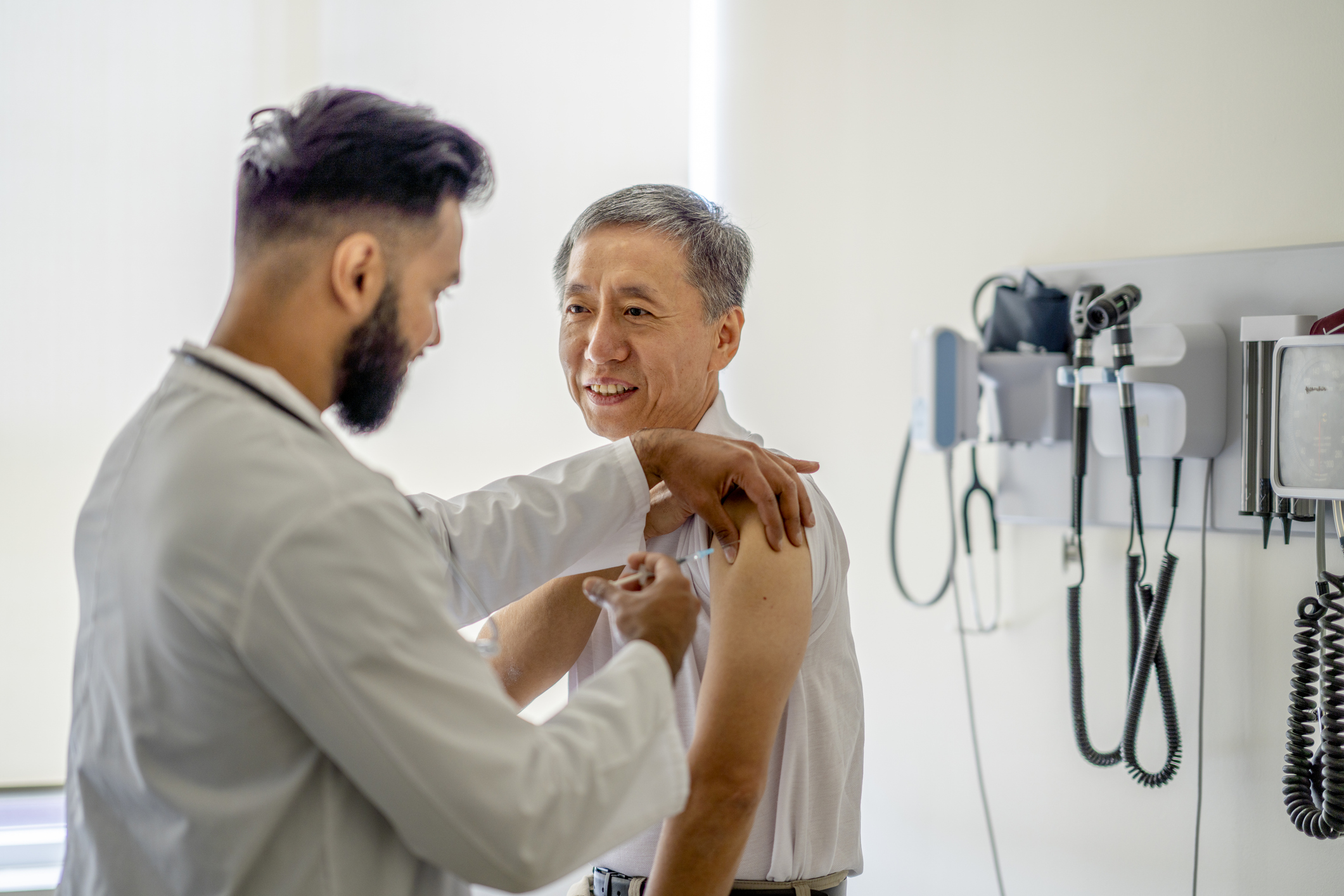
Hepatitis Awareness Month

May is Hepatitis Awareness Month. It is a month that raises awareness of viral hepatitis in the United States. 

Hepatitis is inflammation of the liver that damages it, affecting how well it functions. 

Viral hepatitis is a major public health threat, and unfortunately, hundreds of thousands of people in the United States don’t know they are infected. 

Hepatitis A and hepatitis B are vaccine-preventable, and hepatitis C can be cured. 

A hepatitis A infection usually causes a mild, short-term illness. Vaccination is the best way to prevent infection. 

Many people with the hepatitis B virus won’t experience symptoms, and similarly, many people with hepatitis C don’t look or feel sick. Left untreated, both infections can cause serious health problems, including liver damage, cirrhosis, liver cancer, and even death. 

Although there is no cure for hepatitis B, treatments are available that can delay or reduce the risk of developing liver cancer. There currently isn’t a vaccine to prevent hepatitis C, but curative treatments are available. Most people who are infected with hepatitis C can be cured with just eight to 12 weeks of well-tolerated oral-only treatment. Testing is the first step. 

Getting tested is the only way to know you have either virus. May 19th is observed as Hepatitis Testing Day, so it is imperative to get tested to know whether or not you are infected.

Hepatitis Awareness Month educates healthcare practitioners and the public about the importance of vaccination against hepatitis A and hepatitis B, as well as the importance of testing and treatment for hepatitis B and hepatitis C. 

All content of this newsletter is intended for general information purposes only and is not intended or implied to be a substitute for professional medical advice, diagnosis or treatment. Please consult a medical professional before adopting any of the suggestions on this page. You must never disregard professional medical advice or delay seeking medical treatment based upon any content of this newsletter. PROMPTLY CONSULT YOUR PHYSICIAN OR CALL 911 IF YOU BELIEVE YOU HAVE A MEDICAL EMERGENCY.

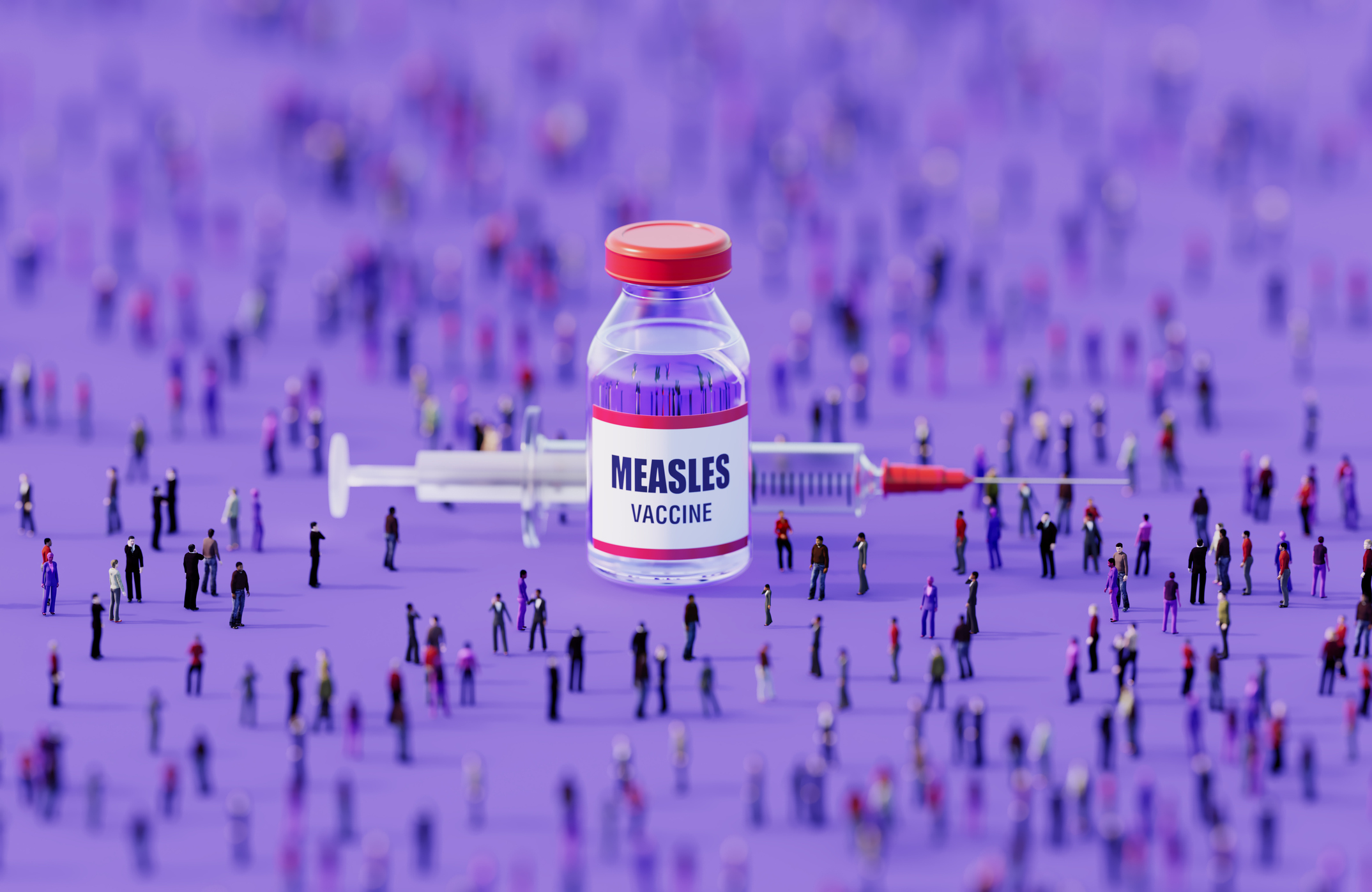
Measles

Measles is a highly contagious disease that is caused by a virus. It can affect anyone but is most common in children.

Some risk factors for measles include:

  • Being unvaccinated
  • Traveling internationally
  • Having a vitamin A deficiency

Measles infects the respiratory tract and then spreads throughout the body. Signs and symptoms of measles appear around 10 to 14 days after exposure to the virus, they include:

  • Fever
  • Dry cough
  • Runny nose
  • Sore throat
  • Inflamed eyes
  • Koplik’s spots (tiny white spots with bluish-white centers on a red background, which form on the inner lining of the cheek)
  • A skin rash made up of large, flat blotches that often flow into one another

The infection occurs in stages that span over two to three weeks. These stages include:

  • Infection and incubation- the measles virus spreads in the body for 10 to 14 days after infection. During that time, there are no signs or symptoms.
  • Nonspecific signs and symptoms- measles typically begins with a mild to moderate fever, a persistent cough, a runny nose, inflamed eyes, and a sore throat. This mild illness can last two to three days.
  • Acute illness and rash- a rash consisting of small red spots, some may be slightly raised. Spots and bumps in tight clusters give the skin a splotchy red appearance. The face is usually the first place it appears. The rash spreads down the arms, chest, and back, then over the thighs, lower legs, and feet over the next few days. At the same time, the fever rises to temperatures as high as 104 to 105.8.
  • Recovery- the measles rash can last for about seven days. The rash fades gradually from the face and lastly the thighs and feet. As other symptoms go away, coughing and the darkening or peeling of the skin where the rash was, lasts about 10 days.

A person with measles can spread the virus to others for about eight days. Starting four days before the rash appears and ends when the rash has been present for four days.

When an infected person coughs, sneezes, or talks, infectious droplets spray into the air where others can breathe them in. Infectious droplets can stay in the air for about an hour and on a surface for several hours.

Many complications can arise from measles, including:

  • Diarrhea and vomiting
  • Ear infection
  • Bronchitis, laryngitis, or croup
  • Pneumonia
  • Encephalitis
  • Pregnancy problems

The U.S. Centers for Disease Control and Prevention (CDC) recommends that children and adults receive the measles vaccine to prevent infection.

Your healthcare provider can usually diagnose measles based on the disease’s characteristic rash and the Koplik’s spot on the inner lining of the cheek. Your healthcare provider may ask whether you or your child received measles vaccines, whether you traveled outside of the U.S. recently, and if you had contact with anyone who has a rash or fever.

The rash can be confused with many other illnesses, however, a blood test can be done to confirm whether the rash is measles. A test using a throat swab or urine sample can also be used.

There is no specific treatment for a measles infection once it occurs. Treatment can include providing comfort measures to relieve symptoms such as rest and treating or preventing complications.

Some measures can be taken to protect individuals who don’t have immunity to measles after they have been exposed to the virus, they include:

  • Post-exposure vaccination
  • Immune serum globulin
  • Medications
    • Fever reducers
    • Antibiotics
    • Vitamin A

If you become sick with severe symptoms, particularly after potential exposure to the measles virus, you must receive treatment from a doctor as soon as possible. You can schedule an appointment at Flushing Hospital Medical Center’s Ambulatory Care Center by calling (718) 670-5486.


All content of this newsletter is intended for general information purposes only and is not intended or implied to be a substitute for professional medical advice, diagnosis or treatment. Please consult a medical professional before adopting any of the suggestions on this page. You must never disregard professional medical advice or delay seeking medical treatment based upon any content of this newsletter. PROMPTLY CONSULT YOUR PHYSICIAN OR CALL 911 IF YOU BELIEVE YOU HAVE A MEDICAL EMERGENCY.

MPox

Mpox previously known as monkeypox, is a viral illness caused by the monkeypox virus. The virus usually affects rats, mice, or monkeys. But it can occur in people as well.

Mpox usually occurs in Central and West Africa. Cases outside of Africa are due to international travel, imported animals, and close contact with an animal or person infected with mpox.

Mpox symptoms may start three to 17 days after exposure. Symptoms last two to four weeks and may include:

  • Fever
  • Skin rash
  • Swollen lymph nodes
  • Headache
  • Muscle aches and backaches
  • Chills
  • Fatigue

A skin rash starts about one to four days after a fever. It first appears on the face, hands, or feet and then spreads to other body parts. You can spread mpox while you have symptoms.

There are many ways that mpox can spread, including:

  • Person to person
    • Direct contact with rashes, scabs, or bodily fluids of a person with mpox
    • Extended close contact with respiratory droplets from an infected person, including sexual contact
    • Clothes, sheets, blankets, or other materials that have been in contact with rashes or bodily fluids of an infected person
    • An infected pregnant person can spread the mpox virus to a fetus
  • Animal to person
    • Animal bites or scratches
    • Wild game that is cooked for food
    • Products, such as skins or furs made from infected animals
    • Direct contact with bodily fluids or rashes of animals with mpox

There are many steps you can take to prevent infection or the spread of the mpox virus, including:

  • Avoiding close contact with people who have a rash that looks like mpox
  • Avoiding the handling of clothes, sheets, blankets, or other materials that have been in close contact with an infected animal or person
  • Quarantining people who have mpox from healthy people
  • Washing your hands well with soap and water after contact with an infected person or animal. If soap and water aren’t available, use an alcohol-based hand sanitizer
  • Avoiding animals that may carry the virus

The treatment for most people with mpox is aimed at relieving symptoms. Care may include managing skin damage from the mpox rash, drinking enough fluids to help keep stool soft, and pain management. There is no specific treatment approved for mpox. Healthcare professionals may treat mpox with antiviral drugs used to treat smallpox. If you have mpox, quarantine at home in a room separate from family and pets until your rash and scabs heal.

You can make an appointment for mpox treatment and prevention at Flushing Hospital Medical Center’s on-site ambulatory care center by calling (718) 670-5486.

All content of this newsletter is intended for general information purposes only and is not intended or implied to be a substitute for professional medical advice, diagnosis or treatment. Please consult a medical professional before adopting any of the suggestions on this page. You must never disregard professional medical advice or delay seeking medical treatment based upon any content of this newsletter. PROMPTLY CONSULT YOUR PHYSICIAN OR CALL 911 IF YOU BELIEVE YOU HAVE A MEDICAL EMERGENCY.
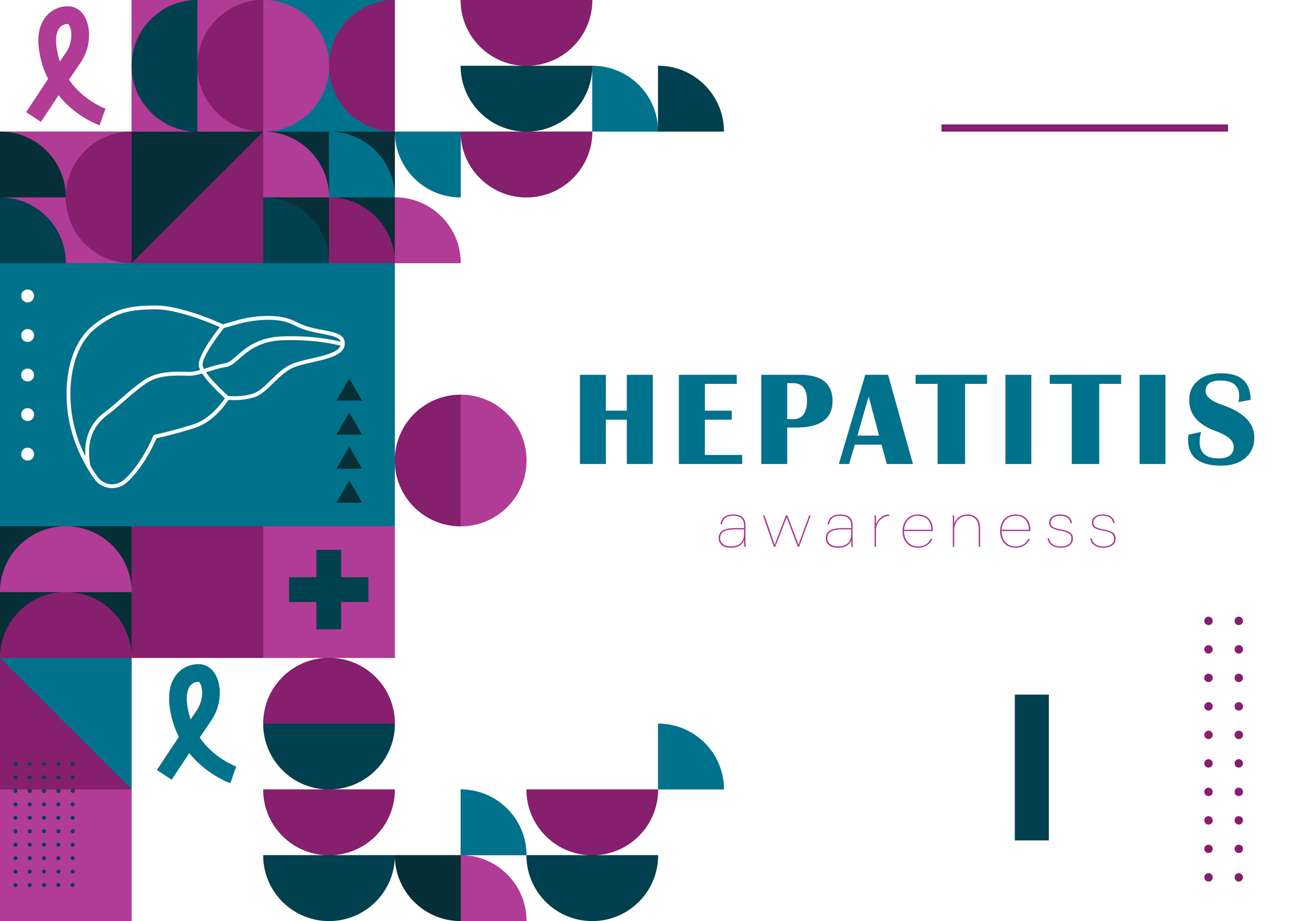
National Immunization Awareness Month

August is National Immunization Awareness Month or NIAM. It is an annual observance highlighting the importance of getting routine vaccinations for people of all ages. 

Vaccines work by stimulating the immune system to protect our bodies against viruses or bacteria that cause infection. After vaccination, the immune system is better prepared to respond quickly when the body encounters disease-causing organisms.

Vaccinations are important at every stage of life. They are one of the safest preventative care measures available and help play a vital role in keeping you healthy. When you skip vaccines, you leave yourself vulnerable to illnesses such as shingles, influenza (flu), and both HPV and hepatitis B which are leading causes of cancer. 

Getting vaccinated also helps keep your family and community healthy, as vaccinations can help lessen the severity of illness and keep diseases from spreading. Additionally, vaccinations help protect those most vulnerable to illness, such as infants, elders, and people with weakened immune systems. 

If you or a loved one would like to get vaccinated, schedule an appointment with a physician at Flushing Hospital’s Department of Internal Medicine or your primary care physician as soon as possible.

To schedule an appointment for you or a loved one to get up to date on vaccinations, you can call Flushing Hospital Medical Center’s Ambulatory Care Center at (718) 670-5486.

All content of this newsletter is intended for general information purposes only and is not intended or implied to be a substitute for professional medical advice, diagnosis or treatment. Please consult a medical professional before adopting any of the suggestions on this page. You must never disregard professional medical advice or delay seeking medical treatment based upon any content of this newsletter. PROMPTLY CONSULT YOUR PHYSICIAN OR CALL 911 IF YOU BELIEVE YOU HAVE A MEDICAL EMERGENCY.
COVID-19 Boosters: Everything You Should Know to Stay Up-To-Date

Since the beginning of the COVID-19 pandemic, new variants of the virus have emerged, causing surges in infections and hospitalizations over time. Staying up to date with your vaccinations is essential for protecting yourself against this evolving health threat. However, recommendations may be different for some people based on factors such as age or other health concerns.

The Centers for Disease Control and Prevention (CDC) recommend that you receive the latest COVID-19 vaccine regardless of whether you received the original doses; the newest version of the vaccine is expected to be available during fall 2023. Additional recommendations include:

  • Children between six months and four years old who receive the Pfizer-BioNTech vaccine should get three doses, including at least one dose of the latest vaccine
  • Children aged five years or older who receive the Pfizer-BioNTech vaccine should get at least one dose of the updated vaccine
  • Children between six months and five years old receiving the Moderna vaccine should get two doses, including at least one dose of the latest vaccine
  • People who are unable or choose not to get a recommended mRNA vaccine should get the Novavax COVID-19 vaccine doses approved for their age group
  • People who got the Johnson & Johnson/Janssen COVID-19 vaccine should get one dose of the updated COVID-19 vaccine

If you are aged 65 or older, you are also eligible to receive an additional dose of the updated vaccine at least four months after your first dose. People who are moderately or severely immunocompromised may receive an additional dose of the vaccine at least two months after their first dose.

You can receive the latest COVID-19 vaccine at Flushing Hospital Medical Center’s Ambulatory Care Center. To schedule an appointment, please call (718) 670-5486.

All content of this newsletter is intended for general information purposes only and is not intended or implied to be a substitute for professional medical advice, diagnosis or treatment. Please consult a medical professional before adopting any of the suggestions on this page. You must never disregard professional medical advice or delay seeking medical treatment based upon any content of this newsletter. PROMPTLY CONSULT YOUR PHYSICIAN OR CALL 911 IF YOU BELIEVE YOU HAVE A MEDICAL EMERGENCY.

The Shingles Vaccine: Everything You Need to Know

Shingles is an infection that can cause painful rashes and blisters anywhere on the body. It is caused by the varicella-zoster virus, which also causes chickenpox. If you’ve had chickenpox at any point in the past, the virus is still present in your body and can re-activate later in life as shingles.

Although shingles isn’t life-threatening, it can be very painful. Additionally, it can lead to postherpetic neuralgia, a complication that causes shingles pain to occur long after rashes and blisters are no longer present.

According to the Centers for Disease Control and Prevention, the only protection available against shingles is vaccination. Two doses of the shingles vaccine, also known as Shingrix, are recommended for all adults over the age of 50, as well as adults over the age of 19 who have weakened immune systems due to disease or medical treatment. You should also get the vaccine if you’ve already had shingles, as it can prevent future occurrences of the condition.

The shingles vaccine is safe, with side-effects generally going away no more than three days after receiving a dose. Side-effects are also more common in young people. They typically include:

  • Soreness in the injected arm
  • Redness and swelling around the vaccination site
  • Fatigue
  • Headaches
  • Muscle pain
  • Fever
  • Stomach pain
  • Nausea

There is also a very small risk of Guillain-Barré syndrome (GBS), a serious nervous system disorder, associated with the shingles vaccine; this risk, however, is also associated with the shingles itself.

While most people should get the shingles vaccine at some point, it may not be right for everyone based on certain factors. You should not receive the vaccine while you currently have shingles, are pregnant, or if you have previously had a severe allergic reaction to any component of the vaccine.

You can receive the shingles vaccine at Flushing Hospital Medical Center’s Ambulatory Care Center. To schedule an appointment, please call (718) 670-5486.

All content of this newsletter is intended for general information purposes only and is not intended or implied to be a substitute for professional medical advice, diagnosis or treatment. Please consult a medical professional before adopting any of the suggestions on this page. You must never disregard professional medical advice or delay seeking medical treatment based upon any content of this newsletter. PROMPTLY CONSULT YOUR PHYSICIAN OR CALL 911 IF YOU BELIEVE YOU HAVE A MEDICAL EMERGENCY.