
Things You Should and Shouldn’t Do After Bariatric Surgery

Bariatric surgery is a life-changing procedure. Following your doctor’s post-operation instructions and making healthy lifestyle changes are essential to avoiding complications and achieving long-term weight loss success. 

Patients should expect to have a new lifestyle that combines healthy eating, exercise, and attending regular visits with their healthcare providers. They should also consider these dos and don’ts after bariatric surgery: 

  • What you should do after bariatric surgery: 
    • Eat slowly and chew food well 
    • Aim to drink 64oz of fluids daily, taking small sips 
    • Eat 60g or more of protein daily, starting every meal with it 
    • Make fruits and vegetables the priority of your diet 
    • Start walking for five minutes every hour after surgery 
    • Aim for a goal of 30 minutes of exercise daily after it is allowed to do so 
    • Take all medications and supplements as prescribed, they will need to be taken for the rest of your lifetime 
  • What you shouldn’t do after bariatric surgery: 
    • Skip any meals 
    • Eat red meat early in recovery 
    • Engage in any strenuous activities 
    • Lift any objects over 10 lbs. for the first four to six weeks after surgery 
    • Eat fast food 
    • Eat or drink anything with natural sugar 
    • Drink liquids within 30 minutes after eating 
    • Eat bread, rice, pasta, bagels, or dumplings 
    • Allow yourself to get too hungry 
    • Take a bath or go swimming for two weeks after surgery 
    • Smoke cigarettes or drink alcohol 
    • Eat snacks loaded with empty calories 
    • Get pregnant for 12 to 18 months after surgery 
    • Stop taking medications as directed by your healthcare provider 

Bariatric surgery can be a life-changing and life-altering event for those who are trying to lose weight and live a healthier lifestyle. Making diet changes, modifying exercise routine, and following the guidelines set by your healthcare provider and surgical team can lead you to long-term success. 

For more information about the Bariatric Surgery Services at Flushing Hospital or procedures performed by our doctors, please call718-408-6977 or 718-670-8908. 

All content of this newsletter is intended for general information purposes only and is not intended or implied to be a substitute for professional medical advice, diagnosis or treatment. Please consult a medical professional before adopting any of the suggestions on this page. You must never disregard professional medical advice or delay seeking medical treatment based upon any content of this newsletter. PROMPTLY CONSULT YOUR PHYSICIAN OR CALL 911 IF YOU BELIEVE YOU HAVE A MEDICAL EMERGENCY.

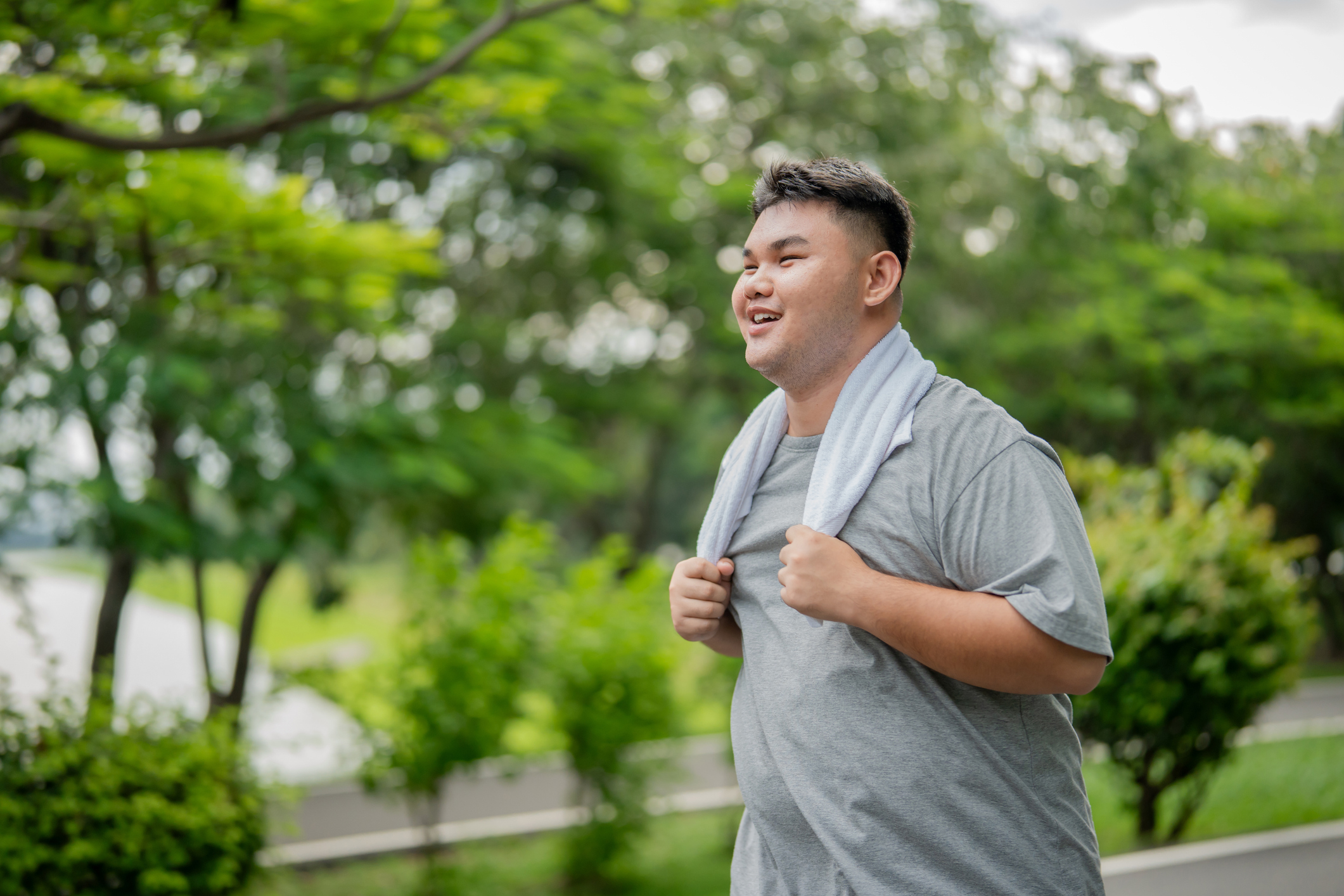
Exercising Outdoors

Spring has arrived, and the weather is starting to warm up. This means we can spend more time exercising outdoors rather than at the gym or at home.  

Outdoor exercise is a great way to work out. It offers many benefits to our physical and mental health, such as: 

  • Reducing stress and anxiety 
  • Improving sleep 
  • Boosting vitamin D levels 
  • Boosting self-esteem 
  • Improving memory 
  • Lowering chronic disease risk 

Here are tips that can keep you safe while exercising outdoors: 

  • Drink plenty of water and avoid caffeine and alcohol 
  • Wear clothes that let the air circulate and moisture evaporate 
  • Stay sun safe by wearing sunscreen, sunglasses, and a hat 
  • Know the signs of heat-related illnesses 
  • Wear proper footwear for the activity you are engaging in 

If you experience medical problems while exercising, you can schedule an appointment with a doctor at Flushing Hospital Medical Center’s Ambulatory Care Center. To schedule an appointment, please call (718) 670-5486. 

All content of this newsletter is intended for general information purposes only and is not intended or implied to be a substitute for professional medical advice, diagnosis or treatment. Please consult a medical professional before adopting any of the suggestions on this page. You must never disregard professional medical advice or delay seeking medical treatment based upon any content of this newsletter. PROMPTLY CONSULT YOUR PHYSICIAN OR CALL 911 IF YOU BELIEVE YOU HAVE A MEDICAL EMERGENCY.
Losing Muscle As We Age

As we age, we start to lose muscle mass gradually. This is called sarcopenia.

Sarcopenia, a type of atrophy, is the age-related progressive loss of muscle mass, function, and strength.

Everyone loses muscle mass over time; however, people who have sarcopenia lose it more quickly. Sarcopenia usually begins around the age of 35 and accelerates between the ages of 65 and 80. Rates of this acceleration vary; however, as much as 8% of muscle mass is lost each decade.

The natural aging process is usually the main cause of sarcopenia as the body doesn’t produce the same number of proteins the muscles need to grow, which causes them to get smaller. However, researchers have discovered other possible risk factors of the condition, including:

· Physical inactivity

· Obesity

· Chronic diseases such as chronic obstructive pulmonary disease (COPD), kidney disease, diabetes, cancer, and HIV

· Rheumatoid arthritis

· Insulin resistance

· Malnutrition or inadequate protein intake

· Reduction in hormone levels

· Decrease in the ability to convert protein to energy

· Decline in the number of nerve cells that send messages from the brain to the muscles telling them to move

Sarcopenia affects the musculoskeletal system and is a major factor in increased frailty, falls, and fractures. These conditions can lead to hospitalizations and surgeries, which increase the risk of complications, including death.

This condition can also affect people with a high body mass index (BMI), which is called sarcopenic obesity. People suffering from obesity and sarcopenia have a greater risk of complications than those with obesity or sarcopenia alone.

The most common symptom of sarcopenia is muscle weakness. Other symptoms may include:

· Decrease in muscle size

· Difficulty performing daily activities

· Poor balance and falls

· Loss of stamina

· Trouble climbing stairs

· Walking slowly

A healthcare provider may diagnose sarcopenia after they perform a physical exam and ask you about your symptoms. They may also ask you to complete a questionnaire based on your self-reported symptoms called the SARC-F, which stands for:

· Strength

· Assistance with walking

· Rising from a chair

· Climbing stairs

· Falls

You score each factor with a number between 0 and 2, with the highest maximum and total SARC-F being 10. A SARC-F score of 4 or more warrants more testing.

There is no single test that can diagnose sarcopenia. A healthcare provider may recommend several tests to help diagnose and then determine the severity of sarcopenia. These tests include:

· Muscle tests:

  •  Handgrip test
  • Chair stand test
  • Walking speed test
  • Short Physical Performance Battery (SPPB)
  • Timed-up and go test (TUG)

· Imaging tests for measurement of muscle mass

  • Dual-energy X-ray absorptiometry (DEXA or DXA)
  • Bioelectrical impedance analysis (BIA)

The treatment for sarcopenia usually includes lifestyle changes, as they can treat and help reverse the condition. These lifestyle changes include:

· Physical activity, which includes resistance-based strength training

· A healthy diet

Sarcopenia is not fully preventable. However, there are steps you can take to slow the progression of the disease, including:

· Making healthy food choices

· Exercising regularly

· Attending routine physicals

If you or a loved one is experiencing symptoms of sarcopenia, you can receive treatment at Flushing Hospital Medical Center’s Ambulatory Care Center. To schedule an appointment, please call (718) 670-5486.

All content of this newsletter is intended for general information purposes only and is not intended or implied to be a substitute for professional medical advice, diagnosis or treatment. Please consult a medical professional before adopting any of the suggestions on this page. You must never disregard professional medical advice or delay seeking medical treatment based upon any content of this newsletter. PROMPTLY CONSULT YOUR PHYSICIAN OR CALL 911 IF YOU BELIEVE YOU HAVE A MEDICAL EMERGENCY.

Chair Exercises for Older Adults

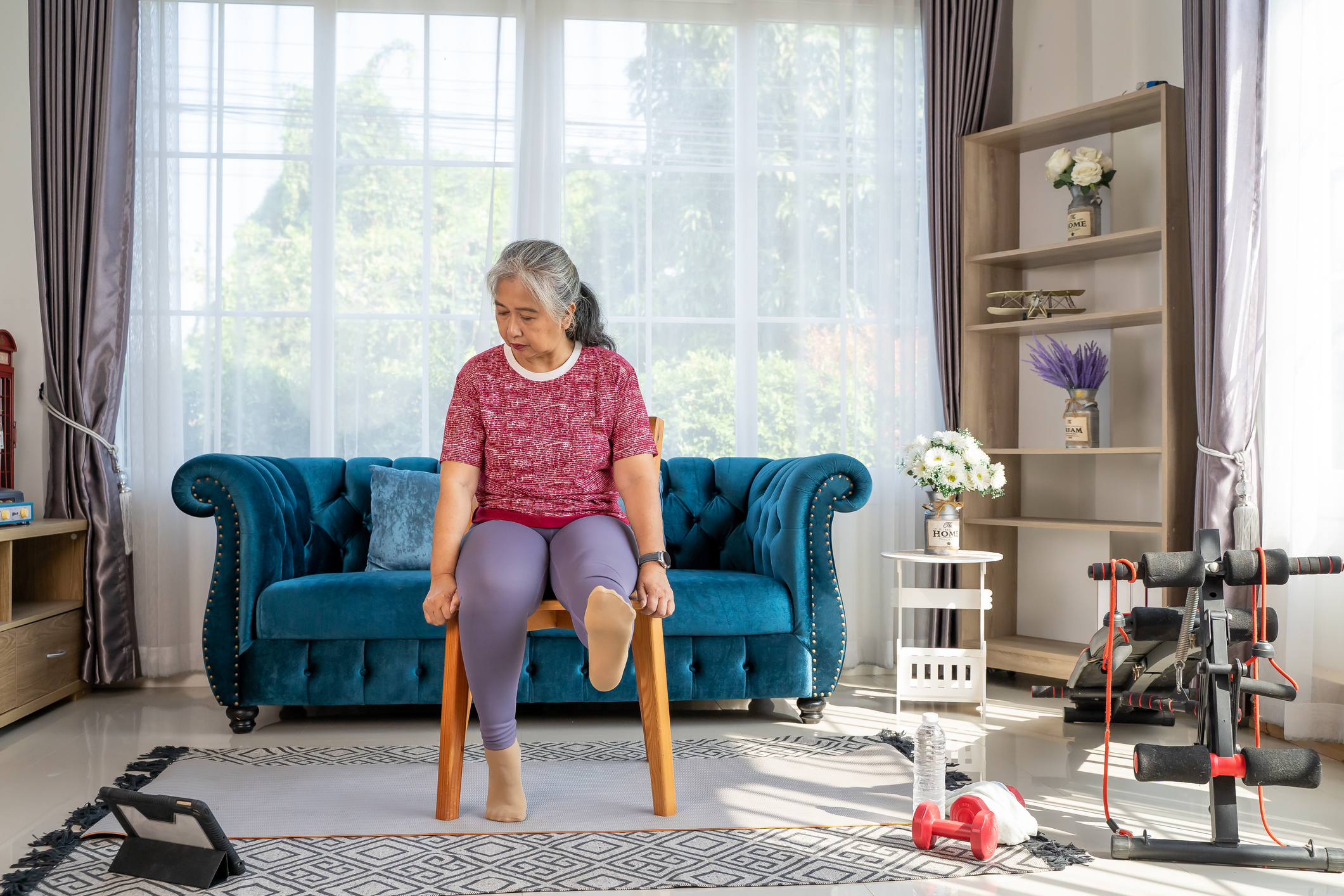
Physical activity can reduce not only the risk of heart disease but also cognitive decline. It can also help you to sustain your ability to perform everyday activities. Maintaining physical fitness as we age becomes increasingly important for our overall well-being. However, for many older adults, high-impact workouts may not be suitable or comfortable, especially if they have challenges with balance or mobility.

Fortunately, engaging in seated or standing chair-based exercises has many health benefits that can help older adults stay active safely.

Doing chair-based exercises offers many health benefits to older adults, including:

  • Improved flexibility
  • Improved balance
  • Improved stamina and endurance
  • Helps build strength
  • Helps burn calories
  • Helps maintain muscle mass
  • Contributes to weight management

Some seated chair-based exercises include:

  • Seated leg extensions
  • Pelvic tilts
  • Seated calf raises
  • Toe raises
  • Shoulder blade squeezes
  • Thigh squeezes
  • Arm raises
  • Bicep curls
  • Seated marches
  • Side bend stretches
  • Seated shoulder stretches
  • Seated hamstring stretches
  • Seated neck rotations
  • Sit-to-stands
  • Knee extensions
  • Seated torso twists

Some standing chair-based exercises include:

  • Standing leg curls
  • Chair planks
  • Standing side leg raises
  • Calf raises
  • Standing marches
  • Standing torso twists

Older adults should aim to do chair-based exercises regularly. It is recommended to engage in these exercises at least two to three times a week to maintain and improve strength, flexibility, and balance. Consistency is key to experiencing the full benefits.

Whether you are looking to maintain your current level of fitness or start a new journey towards better health, these chair-based exercises offer a safe and effective way to achieve your goals.

It is recommended that you consult your doctor before starting a new exercise routine. You can schedule an appointment with a doctor at Flushing Hospital’s Ambulatory Care Center by calling (718) 670-5486.


All content of this newsletter is intended for general information purposes only and is not intended or implied to be a substitute for professional medical advice, diagnosis or treatment. Please consult a medical professional before adopting any of the suggestions on this page. You must never disregard professional medical advice or delay seeking medical treatment based upon any content of this newsletter. PROMPTLY CONSULT YOUR PHYSICIAN OR CALL 911 IF YOU BELIEVE YOU HAVE A MEDICAL EMERGENCY.

How Making Lifestyle Changes Can Reduce the Risk of Chronic Diseases

According to the World Health Organization (WHO), chronic diseases, also known as non-communicable diseases, are conditions that tend to have a long duration and result from a combination of genetic, physiological, environmental, and behavioral factors.

Chronic diseases are the leading cause of death worldwide. These diseases include:

  • Cancers
  • Cardiovascular disease, such as heart attacks and strokes
  • Chronic respiratory diseases, such as chronic obstructive pulmonary disease (COPD) and asthma
  • Diabetes

A person’s lifestyle and daily habits can increase their risk of developing a chronic disease. About 80% of chronic diseases are driven by a person’s daily habits. These include:

  • Tobacco use, including the effects of exposure to second-hand smoke
  • Unhealthy diets, including excess salt, sugar, and fats
  • Excessive alcohol use
  • Insufficient physical activity

These habits can contribute to metabolic changes that can increase a person’s risk of chronic disease, including:

  • Hypertension
  • Obesity
  • Diabetes
  • High cholesterol

Making the following lifestyle changes is one of the best ways to address harmful habits and help prevent chronic diseases.

  • Dietary changes include eating whole, unrefined, and minimally processed plants. Eating plant-based foods can help reduce diabetes, heart disease, and the risk of cancer
  • Increasing physical activity by engaging in a recommended 150 minutes of moderate-intensity activity each week
  • Getting a good, restful night’s sleep of about seven to nine hours. This can be achieved by:
    • Having a consistent bedtime and waking up on time, even on weekends
    • Being physically active
    • Limiting alcohol and caffeine
    • Putting digital devices away 90 minutes before bedtime
    • Keeping your sleeping area cool, dark, and comfortable
  • Reducing stress by practicing mindfulness, meditation, and gratitude can help relieve stress and improve your physical and mental health.
  • Staying socially connected with friends and family can help keep you emotionally and physically healthy.
  • Quitting smoking, or never starting, lowers the risk of serious health problems, such as heart disease, cancer, Type 2 diabetes, and lung disease, as well as premature death
  • Limiting alcohol use can reduce health risks that excessive drinking can lead to, such as high blood pressure, various cancers, heart disease, stroke, and liver disease

By avoiding these risks and getting good preventive care, you can improve your chance of staying well, feeling good, and living longer.

For more information on how you can make lifestyle changes, you can schedule an appointment with a doctor at Flushing Hospital Medical Center’s Ambulatory Care Center by calling (718) 670-5486.

All content of this newsletter is intended for general information purposes only and is not intended or implied to be a substitute for professional medical advice, diagnosis or treatment. Please consult a medical professional before adopting any of the suggestions on this page. You must never disregard professional medical advice or delay seeking medical treatment based upon any content of this newsletter. PROMPTLY CONSULT YOUR PHYSICIAN OR CALL 911 IF YOU BELIEVE YOU HAVE A MEDICAL EMERGENCY.
How Many Steps Do You Need to Walk Every Day to Be Healthy?

Ten thousand steps per day is a commonly cited goal when it comes to improving your health. However, factors such as age, sex, and occupation may influence the best step count for you.

Researchers examined how the number of steps people take affected their risk for disease and their lifespan. They found that 10,000 steps per day doesn’t always mean people are healthier. Additionally, there is a point at which the number of steps taken per day levels off when it comes to improving health.

For adults younger than 60 years of age, 8,000 and 10,000 steps per day were associated with a decreased risk of death.

For adults older than 60 years of age, 6,000 to 8,000 steps per day achieved a lower risk of mortality.

Researchers also found that people who lose more than 10% of their body weight over 18 months walk approximately 10,000 steps a day. At least 3,500 of those steps were at least of moderate-to-vigorous intensity in short, 10-minute bursts.

Walking is excellent for the heart, as it can lower your risk of cardiovascular disease and help prevent a cardiovascular event such as a stroke or heart failure.

The American Heart Association reports that older adults who take 4,500 steps per day have a 77% lower risk of having an adverse cardiovascular event than people who take fewer than 2,000 steps. Each time you add 500 steps to your daily average, you incrementally lower your risk by 14%. However, this benefit can plateau between 6,000 and 8,000 steps.

Walking can have many health benefits for your mind, as it can help preserve your cognitive function. The more steps you take each day, the more your risk of developing dementia. Once you hit 9,800 steps per day, that benefit can plateau. However, you can begin seeing significant benefits at just 3,800 steps daily, and getting that many steps consistently may lower your risk of dementia by 50% over time.

According to the American Diabetes Association (ADA), walking at least 30 minutes per day, five days a week, can significantly lower your risk of Type 2 diabetes. Whether you walk it all at once or you split it into smaller walks doesn’t matter. Exercises such as walking increase insulin sensitivity and help lower your blood sugar.

A short burst of 10 minutes of brisk walking can increase your energy, mood, and mental alertness. You can also use walking to significantly lower your risk of depression.

According to the American Psychological Association, people who walk at a moderate pace for 75 minutes weekly have an 18% lower depression risk than people who don’t get any physical activity. Walking for 120 minutes weekly can lower your risk by 25%.

Walking greatly benefits your overall health. It doesn’t matter if you do most of your walking during the day, at night, during the week, or on the weekends. You are still helping your health.

It is recommended that you consult your doctor before starting or adding new exercises to your routine. You can schedule an appointment with a doctor at Flushing Hospital’s Ambulatory Care Center by calling (718) 670-5486.

All content of this newsletter is intended for general information purposes only and is not intended or implied to be a substitute for professional medical advice, diagnosis or treatment. Please consult a medical professional before adopting any of the suggestions on this page. You must never disregard professional medical advice or delay seeking medical treatment based upon any content of this newsletter. PROMPTLY CONSULT YOUR PHYSICIAN OR CALL 911 IF YOU BELIEVE YOU HAVE A MEDICAL EMERGENCY.
Healthy Aging Month

September is Healthy Aging Month, a month observed to encourage people to focus on their health and take steps to help them face the challenges that come with aging.

As we age, we become aware of changes in our mental and physical health, as well as shifts in our social needs. You can take charge of your well-being by taking steps to age with a healthy mind and body. Flushing Hospital Medical Center would like to offer these tips to help boost your health as you age:

  • Get moving
    • It is important to consult your doctor before exercising. Start slow, know your limitations, and modify activities if needed
    • Aim for at least 150 minutes of moderate-intensity physical activity each week
  • Maintain a healthy diet
  • Eat proper portion sizes
  • Avoid excess processed foods
  • Stay hydrated
  • Stay socially active
    • Stay in touch with friends and family
    • Try doing something new that interests you
  • Balance your body and mind
    • Keep a positive attitude
    • Keep your mind active by reading or doing puzzles
    • Keep your body active with yoga and stretches
  • Be proactive
    • Receive regular checkups, physicals, and medical tests when needed
    • Take vitamins, supplements, and medications as prescribed or needed

Healthy Aging Month is a time to celebrate life and the positive aspects of growing older. Healthy living is healthy aging. Developing and maintaining healthy aging practices throughout your life contributes to greater resilience and opportunities to thrive as we age. Making small changes in your daily life can help you live longer and better.

If you have questions about any medical issues that may arise as you age, you can schedule an appointment with a doctor at Flushing Hospital’s Ambulatory Care Center by calling (718) 670-5486.

All content of this newsletter is intended for general information purposes only and is not intended or implied to be a substitute for professional medical advice, diagnosis or treatment. Please consult a medical professional before adopting any of the suggestions on this page. You must never disregard professional medical advice or delay seeking medical treatment based upon any content of this newsletter. PROMPTLY CONSULT YOUR PHYSICIAN OR CALL 911 IF YOU BELIEVE YOU HAVE A MEDICAL EMERGENCY.

Outdoor Exercise Tips

The weather is warming up, and we can spend more time outdoors at the park or dining at a restaurant.

Many people exercise outdoors rather than at the gym or in their homes. Outdoor exercise is a great way to work out. It offers many benefits to our physical and mental health, such as:

  • Reducing stress and anxiety
  • Improving sleep
  • Boosting vitamin D levels
  • Boosting self-esteem
  • Improving memory
  • Lowering chronic disease risk

Here are tips that can keep you safe when exercising outdoors:

  • Drink plenty of water. Avoid caffeine and alcohol
  • Wear clothes that let the air circulate and moisture evaporate
  • Stay sun safe by wearing sunscreen, sunglasses, and a hat
  • Know the signs of heat-related illnesses
  • Wear proper footwear for the activity you are engaging in

If you experience medical problems while exercising, you can schedule an appointment with a doctor at Flushing Hospital Medical Center’s Ambulatory Care Center. To schedule an appointment, please call (718) 670-5486.


All content of this newsletter is intended for general information purposes only and is not intended or implied to be a substitute for professional medical advice, diagnosis or treatment. Please consult a medical professional before adopting any of the suggestions on this page. You must never disregard professional medical advice or delay seeking medical treatment based upon any content of this newsletter. PROMPTLY CONSULT YOUR PHYSICIAN OR CALL 911 IF YOU BELIEVE YOU HAVE A MEDICAL EMERGENCY.

Effective Post Workout Stretches

The benefits of stretching have been well established. When you stretch after a workout, you help give your body a jump start on recovery, while releasing stress and tension, and boosting the flexibility of your joints. Here are some post-workout stretches you can try:

  • Lunging hip flexor stretch
  • Piriformis stretch
  • Cat-cow stretch
  • Standing calf stretch
  • Overhead triceps stretch
  • Standing bicep stretch
  • Quadriceps stretch
  • Hamstring stretch
  • Shoulder stretch
  • Butterfly stretch
  • Lower back stretch
  • Downward-facing dog
  • Seated forward fold
  • Figure four stretch
  • Supine spinal twist
  • Wide leg forward fold
  • Floor scorpion
  • 90/90 with a forward fold

Here are some safety tips to consider when stretching:

  • Don’t stretch to the point of pain
  • Watch your posture
  • Breathe through your stretches
  • Start slowly

Consider cooldown stretching if you are looking for a simple quick, and almost effortless workout routine that could help you reduce the risk of injury, increase blood flow for better recovery, and return your body to balance.

It is recommended that you consult your doctor before starting or adding new exercises to your routine, you can schedule an appointment with a doctor at Flushing Hospital’s Ambulatory Care Center by calling (718) 670-5486.


All content of this newsletter is intended for general information purposes only and is not intended or implied to be a substitute for professional medical advice, diagnosis or treatment. Please consult a medical professional before adopting any of the suggestions on this page. You must never disregard professional medical advice or delay seeking medical treatment based upon any content of this newsletter. PROMPTLY CONSULT YOUR PHYSICIAN OR CALL 911 IF YOU BELIEVE YOU HAVE A MEDICAL EMERGENCY.

Effective Exercises You Can Do At Work

Fitting a long workout into your already packed work schedule can be difficult. If you’re struggling to find time to stay active, you may want to try doing short workouts throughout the day instead. Even spending five to 10 minutes exercising at your desk can stimulate midday blood flow and help push through your mid-afternoon slump. Here are some effective exercises you can do at work:

  • Desk pushups
  • Chair dips
  • Oblique twists
  • Calf raises
  • Seated back extensions
  • Triceps stretches
  • Overhead reaches
  • Shoulder shrugs
  • Neck stretches
  • Squats
  • Desk planks
  • Static lunges
  • Side lunges
  • Wall sits
  • Jumping jacks
  • Marching
  • Seated bicycles
  • Leg lifts
  • Seated leg extensions
  • Seated knee-to-chest
  • Seated flutter kicks

All of these exercises are productive. The goal is to move to a new position throughout the day to avoid repetitive stretch injuries. According to The Harvard School of Public Health, even short periods of physical activity can improve your mood. You may experience other benefits including:

  • Relief of body discomfort
  • Increased attention and productivity

It is recommended that you consult your doctor before starting a new exercise routine, you can schedule an appointment with a doctor at Flushing Hospital’s Ambulatory Care Center by calling (718) 670-5486.

All content of this newsletter is intended for general information purposes only and is not intended or implied to be a substitute for professional medical advice, diagnosis or treatment. Please consult a medical professional before adopting any of the suggestions on this page. You must never disregard professional medical advice or delay seeking medical treatment based upon any content of this newsletter. PROMPTLY CONSULT YOUR PHYSICIAN OR CALL 911 IF YOU BELIEVE YOU HAVE A MEDICAL EMERGENCY.