
Perimenopause

Perimenopause is the transitional period before menopause. During this time, a woman’s body is preparing to stop having periods.   

During this transition, the number of hormones a woman’s ovaries produce varies. Perimenopause can last two to eight years. The average is about four years. The hormone changes can cause symptoms that include: 

  • Irregular periods 
  • Vaginal dryness 
  • Hot flashes 
  • Night sweats 
  • Sleep problems 
  • Mood changes 
  • Trouble finding words and remembering, also known as brain fog 
  • Dry skin, dry eyes, dry mouth 
  • Worsening premenstrual syndrome (PMS) 
  • Breast tenderness 
  • Decreasing fertility 
  • Changes in sexual function 
  • Loss of bone 
  • Changing cholesterol levels 

Perimenopause is caused by changes in two key female hormones: estrogen and progesterone. As a woman goes through perimenopause, these hormones fluctuate, and many of the changes they have during perimenopause are caused by lower estrogen. 

Menopause can happen earlier in some women than in others, like before the age of 40, or between the ages of 40 and 45. Certain factors may make it more likely for perimenopause to start at an earlier age, such as: 

  • Smoking 
  • Family history 
  • Cancer treatment 
  • Hysterectomy 

Some health conditions may make early menopause more likely, such as: 

  • Thyroid disease 
  • Rheumatoid arthritis 
  • Other autoimmune diseases 

Perimenopause is a gradual change, and there is no single test or symptom that tells it has started. A healthcare provider looks at many things to diagnose perimenopause, including: 

  • Age 
  • Menstrual history 
  • Noticeable symptoms or body changes  

Some healthcare providers may order tests to check hormone levels. However, other than checking the thyroid, which affects hormone levels, hormone testing isn’t usually helpful to know if a woman is in perimenopause. That is because hormone levels in perimenopause change unpredictably.  

The treatment for perimenopause usually consists of medicines that treat perimenopausal symptoms, such as: 

  • Hormone therapy 
  • Vaginal estrogen 
  • Antidepressants 
  • Gabapentin 
  • Fezolinetant 
  • Oxybutynin 
  • Birth control pills 

If you are experiencing symptoms of perimenopause, call  (718) 670 8994 for more information about gynecological services at FHMC’s Center for Obstetrics and Gynecology. 


All content of this newsletter is intended for general information purposes only and is not intended or implied to be a substitute for professional medical advice, diagnosis or treatment. Please consult a medical professional before adopting any of the suggestions on this page. You must never disregard professional medical advice or delay seeking medical treatment based upon any content of this newsletter. PROMPTLY CONSULT YOUR PHYSICIAN OR CALL 911 IF YOU BELIEVE YOU HAVE A MEDICAL EMERGENCY.

How Having a Sedentary Job Contributes to a Higher Risk of Insomnia

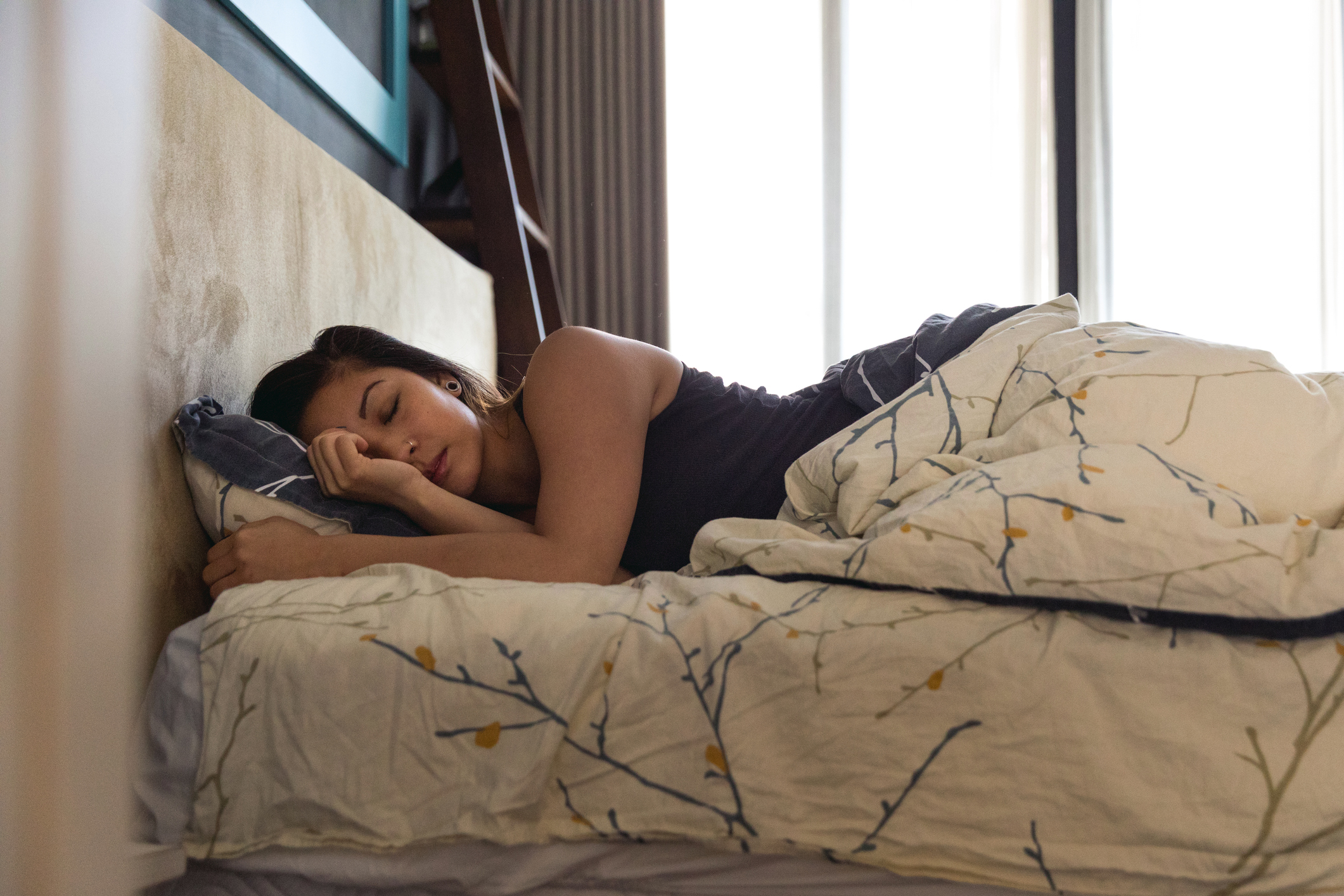
According to a study published on January 7th, 2025, by the Journal of Occupational Health Psychology, people with sedentary jobs, an estimated 80% of the workforce, have a much higher risk of experiencing insomnia compared with people who are active at work. Insomnia is a common sleep disorder that can make it difficult to fall asleep or stay asleep. A sedentary job is any job that requires an employee to sit for about six hours of an eight-hour workday.

Researchers surveyed nearly 1,300 people twice over a span of ten years, inquiring about their job schedules and physical activity levels while at work. They also asked about the participants’ sleep habits, identifying three sleep health categories: good sleepers, insomnia-like sleepers, and catch-up sleepers.

Good sleepers are people who exhibit optimal sleep patterns, such as regular sleep cycles with low levels of daytime tiredness.

Insomnia-like sleepers are people who experience short sleep cycles and higher levels of daytime fatigue.

Catch-up sleepers fall between both groups and often rely on naps or extra weekend sleep to compensate for irregular sleeping patterns.

Compared to active work, sedentary work was 37% likely to lead to a variety of insomnia symptoms, such as difficulty falling asleep, interrupted sleep, and frequent daytime tiredness. The findings of the study also indicated that workers who fall into a pattern of poor sleep due to their job design (defined as elements such as the amount of technology used at work, levels of physical activity, and work schedules, and specifically the time of day when the employee works) can end up stuck in such unhealthy patterns for many years. Insomnia-like sleepers, for example, reported their symptoms persisted ten years later, at the end of the study.

Those experiencing insomnia may have the following symptoms:

  • Having a hard time falling asleep at night
  • Waking up during the night
  • Waking up too early
  • Feeling tired or sleepy during the day
  • Feeling cranky, depressed, or anxious
  • Having a hard time paying attention, focusing on tasks, or remembering
  • Making more errors or having more accidents
  • Having ongoing worries about sleep

If you are experiencing insomnia, there are several ways you can improve your sleep, including:

  • Taking short breaks throughout the day to move
  • Unplugging smartphones and computers two hours before bedtime
  • Using light exposure to readjust your circadian rhythms if you work a night shift

If you are experiencing symptoms of insomnia, you can learn more about our outpatient mental health services at Flushing Hospital Medical Center. To schedule a virtual appointment, please call (718) 670-5316 to speak with our intake coordinator or (718) 670-5562 to reach the clinic.

All content of this newsletter is intended for general information purposes only and is not intended or implied to be a substitute for professional medical advice, diagnosis or treatment. Please consult a medical professional before adopting any of the suggestions on this page. You must never disregard professional medical advice or delay seeking medical treatment based upon any content of this newsletter. PROMPTLY CONSULT YOUR PHYSICIAN OR CALL 911 IF YOU BELIEVE YOU HAVE A MEDICAL EMERGENCY.
Wellness Wednesday: The Health Benefits of Napping

There are days when you suddenly get tired in the middle of the day and want to nap. But napping at the wrong time of day or for too long can backfire causing sleep inertia and insomnia.

If you are considering taking a nap, make sure that it is at a time when you:

Are experiencing new fatigue or unexpected sleepiness; are about to experience sleep loss like during a long work shift; are eight hours or more before bedtime.

Here are some tips that will help you get the most out of your naptime:

  • Keep naps short- aim to nap for 10 to 20 minutes. The longer you nap the more likely you will feel groggy afterward.
  • Take naps in the early afternoon- napping after 3 pm can interfere with nighttime sleep. Individual factors such as your need for sleep, your sleeping schedule, your age, and your medication use can play a role in determining the best time of day to nap.
  • Create a restful environment- nap in a quiet, dark place with a comfortable room temperature and few distractions.

There are many benefits of napping, including:

  • Relaxation
  • Reduced fatigue
  • Increased alertness
  • Improved mood
  • Improved performance
  • Quicker reaction time
  • Better memory
  • An improved creative mindset

After napping, give yourself time to wake up before you resume activities, especially those requiring a quick or sharp response.

All content of this newsletter is intended for general information purposes only and is not intended or implied to be a substitute for professional medical advice, diagnosis or treatment. Please consult a medical professional before adopting any of the suggestions on this page. You must never disregard professional medical advice or delay seeking medical treatment based upon any content of this newsletter. PROMPTLY CONSULT YOUR PHYSICIAN OR CALL 911 IF YOU BELIEVE YOU HAVE A MEDICAL EMERGENCY.
Night Sweats

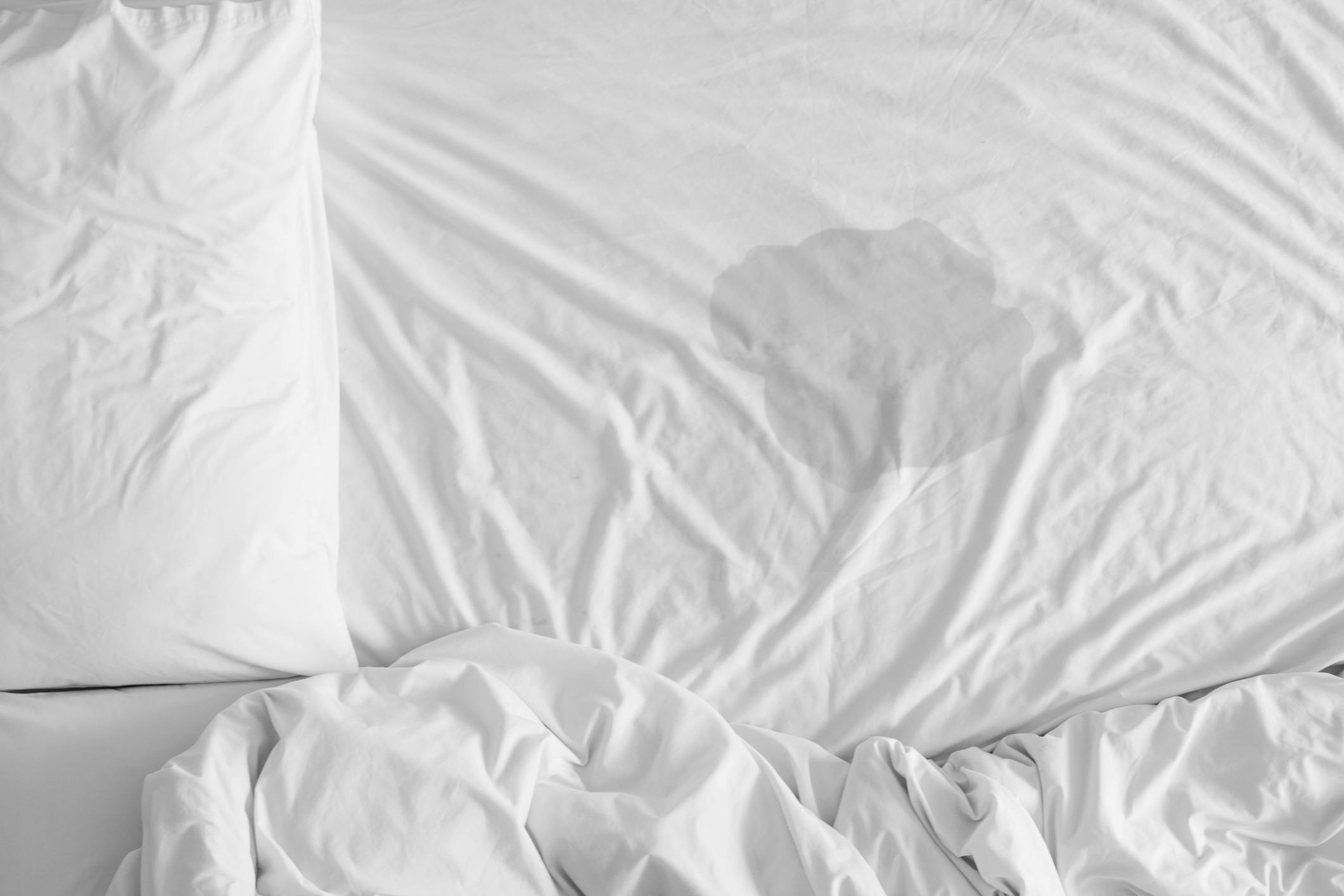
Night sweats are repeated episodes of very heavy sweating during sleep. Sweating is common during sleep, especially if you’re sleeping in a hot bedroom. However, unlike regular sweating, night sweats can be identified by the symptom of excessive sweating that soaks through your clothes and bedsheets.

Even though excessive sweating is a symptom of night sweats, night sweats can be a symptom of an underlying illness or medical condition. These illnesses and conditions can include:

  • Menopause
  • Infections
  • Cancer
  • Anxiety disorders
  • Hyperthyroidism
  • Medications
  • Autoimmune disorders
  • HIV/AIDS
  • Stroke
  • Diabetes

Some other causes of night sweats can include:

  • Low blood sugar
  • Obesity
  • Sleep disorders
  • Gastroesophageal reflux disease
  • Panic disorder
  • Pregnancy
  • Lifestyle behaviors, such as smoking and drinking alcohol

Night sweats aren’t usually a cause for concern. However, you should speak with a healthcare professional if you develop night sweats that happen frequently, disturb your sleep, or are accompanied by other symptoms like a high fever, a cough, or unexplained weight loss.

Regardless of what is causing your night sweats, you can take preventative steps to help improve the quality of your sleep, including:

  • Limiting your consumption of alcohol and caffeine
  • Avoiding the use of tobacco and illegal drugs
  • Sleeping in a cooler environment
  • Considering the use of cooling products, such as a cooling mattress, pillow, or duvet
  • Maintaining a healthy weight
  • Avoiding spicy foods, especially if you have menopause

If you are experiencing night sweats, visit Flushing Hospital Medical Center’s Ambulatory Care Center. To schedule an appointment, please call (718) 670-5486.


All content of this newsletter is intended for general information purposes only and is not intended or implied to be a substitute for professional medical advice, diagnosis or treatment. Please consult a medical professional before adopting any of the suggestions on this page. You must never disregard professional medical advice or delay seeking medical treatment based upon any content of this newsletter. PROMPTLY CONSULT YOUR PHYSICIAN OR CALL 911 IF YOU BELIEVE YOU HAVE A MEDICAL EMERGENCY.

Back To School – Time To Reestablish Your Child’s Sleep Schedule

While most parents tend to be a bit more flexible with their child’s sleep schedule during summer vacation, it’s important to remember that back to school is just around the corner, and now is the time to reestablish a proper sleeping routine for your children.

After a relaxing summer, children might need some time to adjust to their back-to-school sleep schedule. Here are some tips to help your child adjust to the change:

  • Every night, beginning 1-2 weeks before school begins, set an incrementally earlier bedtime and wake-up time.
  • Once your child’s sleep schedule is established, stick with it.
  • Establish a relaxing bedtime routine to allow your child time to unwind including a bath and a bedtime story (for young children) or reading time (for older children).
  • Limit television, video games, and other electronic distractions before and during bedtime.
  • Avoid big meals and caffeinated beverages close to bedtime as they may prevent your child from falling asleep.
  • Maintain a peaceful bedroom environment which includes a comfy bed, an appropriate room temperature, and lights turned off, or with a night light if your child needs one.
  • Be a role model by setting a good example for your child. Establish your regular sleep schedule and maintain a home that promotes healthy sleep.

Getting your child back on track at bedtime will allow for a smooth transition for the first day of school and will help your children reach their full learning potential.

All content of this newsletter is intended for general information purposes only and is not intended or implied to be a substitute for professional medical advice, diagnosis or treatment. Please consult a medical professional before adopting any of the suggestions on this page. You must never disregard professional medical advice or delay seeking medical treatment based upon any content of this newsletter. PROMPTLY CONSULT YOUR PHYSICIAN OR CALL 911 IF YOU BELIEVE YOU HAVE A MEDICAL EMERGENCY.

Rare but True: Sleeping Beauty or Kleine Levin Syndrome

sleeping -493503106Kleine Levin Syndrome (KLS) or Sleeping Beauty Syndrome is a rare neurological condition characterized by recurring periods of excess sleep.  It is estimated that 1000 people worldwide are diagnosed with the disorder.  Adolescent boys are primarily affected but a small percentage of adults and small children (male and female) are also known to suffer from this condition.

KLS symptoms occur in episodes that can last for days, weeks or months.  During each episode, an individual can sleep from 12 to 20 hours a day- only waking to eat and use the bathroom. A person can experience anywhere from two to 12 episodes per year.   Symptoms that occur during wakefulness include:

  • Mood changes
  • Hyper sexuality
  • Hallucinations
  • Disorientation
  • Child-like behavior
  • Flu-like symptoms
  • Excessive eating
  • Hypersensitivity to noise and light

These symptoms prevent individuals from leading a normal life. Most are bed ridden and unable to attend work or school. The frequency of KLS episodes tend to decrease with age, there is a possibility that they can recur later in life.

The cause of KLS is unknown but it is believed that it may be the result of a malfunction of the hypothalamus and thalamus (the parts of the brain that regulates sleep, body temperature, sex drive and appetite).

There is no cure for KLS but treatment is available to alleviate symptoms.  Doctors may prescribe stimulants to reduce excessive sleepiness.

All content of this newsletter is intended for general information purposes only and is not intended or implied to be a substitute for professional medical advice, diagnosis or treatment. Please consult a medical professional before adopting any of the suggestions on this page. You must never disregard professional medical advice or delay seeking medical treatment based upon any content of this newsletter. PROMPTLY CONSULT YOUR PHYSICIAN OR CALL 911 IF YOU BELIEVE YOU HAVE A MEDICAL EMERGENCY.

Benefit of the Annual Physical

The greatest benefit of an annual physical is knowledge for both you and your physician.  An annual visit establishes a baseline for your personal health.  Armed with this information, your doctor can detect unhealthy trends before they become risk factors.

Nearly one third of the population with a chronic disease is unaware that they have the disease.  According to the Partnership to Fight Chronic Disease, as many as 100,000 lives could be saved each year by increasing preventive care services.

Health screenings, such as blood glucose and blood pressure tests can easily detect the two most chronic conditions, diabetes and hypertension before they cause serious health issues.  The Centers for Disease Control cites that seven out of every 10 deaths are caused by chronic disease.  Proper management of these conditions can prevent unnecessary hospitalization.

In order to get the most out of your annual physical, take a moment to prepare:

  • Make a list of your health concerns
  • Make a list of all the medications you are taking
  • Get a copy of your medical records and your family medical history

Dozens of Patient Care Specialists, on staff at Flushing Hospital Medical Center, are ready to provide you with your annual check-up.

Flushing Hospital is a certified Patient Centered Medical Home (PCMH) in its Ambulatory Care Center. The Center offers more than 50 outpatient general and specialty services for children adolescents and adults.

Flushing Hospital’s ambulatory care services accepts most major insurances, is centrally located and has convenient patient hours.  Call 718-670-5486 to schedule an appointment.

All content of this newsletter is intended for general information purposes only and is not intended or implied to be a substitute for professional medical advice, diagnosis or treatment. Please consult a medical professional before adopting any of the suggestions on this page. You must never disregard professional medical advice or delay seeking medical treatment based upon any content of this newsletter. PROMPTLY CONSULT YOUR PHYSICIAN OR CALL 911 IF YOU BELIEVE YOU HAVE A MEDICAL EMERGENCY.

Spring Forward This Weekend with a Good Night’s Sleep

480237131

Daylight savings time begins at 2:00 am on Sunday, March 8. Remember to set your clocks forward and try to get to bed a little earlier to compensate for that lost hour. The food you eat this weekend might be the key to giving you a better night’s sleep.

According to Center for Disease Control and Prevention, an estimated 50 to 70 million people in the United States suffer from a wide variety of sleep disorders.

Studies show that certain foods tend to produce a more restful night’s sleep. Foods that you can pick up at any local grocery store that are likely to give you a deeper sleep are:
• Milk
• Turkey
• Honey
• Nuts (such as almonds, walnuts, etc.)
• Kale
• Rice (or other forms of carbohydrates)

The secret to these foods are the vitamins they contain, as well as the hormones they help the brain produce. The old wives’ tale of drinking a warm glass of milk before bedtime is not all that inaccurate. Calcium is a natural sleep inducer, especially when consumed with magnesium, which can be found in bananas. Melatonin is a hormone the brain produces naturally that also greatly contributes to a good night’s sleep. Calcium and magnesium both naturally produce melatonin, a hormone produced by the brain that promotes sleepiness, so eating dairy products, wheat, and beans can all lead to a more restful sleep. Additionally, some proteins, such as lean meats, produce tryptophan, an amino acid that causes sleepiness. Carbohydrates, such as starches and fibers, can also cause fatigue because the body breaks them down into sugars that become glucose, which ultimately becomes blood sugar. Some healthy carbohydrates can be found in whole grain, cereal, and vegetables.

While some foods can help you get a better night’s sleep, other foods and eating habits can reduce your amount of sleep. Some of these include:
• Eating too much or too little
• Caffeine (after lunchtime)
• Fatty foods (fast food, junk food, etc.)
• Eating late at night
• Alcohol (in large doses)

Try to avoid these bad eating habits and replace them with healthy foods that are high in calcium, magnesium, healthy carbohydrates, and protein.

For more health and fitness information, join us on Facebook.com/FlushingHospital or follow us on Twitter @FHMC_NYC


All content of this newsletter is intended for general information purposes only and is not intended or implied to be a substitute for professional medical advice, diagnosis or treatment. Please consult a medical professional before adopting any of the suggestions on this page. You must never disregard professional medical advice or delay seeking medical treatment based upon any content of this newsletter. PROMPTLY CONSULT YOUR PHYSICIAN OR CALL 911 IF YOU BELIEVE YOU HAVE A MEDICAL EMERGENCY.

Can Your Diet Affect Your Sleep?

food-300x200Do you suffer from a sleep disorder? Your diet may be the key to giving you a better night’s sleep. According to Center for Disease Control and Prevention, an estimated 50 to 70 million people in the United States suffer from a wide variety of sleep disorders.

Studies show that certain foods tend to produce a more restful night’s sleep. Foods that you can pick up at any local grocery store that are likely to give you a deeper sleep are:
• Milk
• Turkey
• Honey
• Nuts (such as almonds, walnuts, etc.)
• Kale
• Rice (or other forms of carbohydrates)

The secret to these foods are the vitamins they contain, as well as the hormones they help the brain produce. The old wives’ tale of drinking a warm glass of milk before bedtime is not all that inaccurate. Calcium is a natural sleep inducer, especially when consumed with magnesium, which can be found in bananas. Melatonin is a hormone the brain produces naturally that also greatly contributes to a good night’s sleep. Calcium and magnesium both naturally produce melatonin, a hormone produced by the brain that promotes sleepiness, so eating dairy products, wheat, and beans can all lead to a more restful sleep. Additionally, some proteins, such as lean meats, produce tryptophan, an amino acid that causes sleepiness. Carbohydrates, such as starches and fibers, can also cause fatigue because the body breaks them down into sugars that become glucose, which ultimately becomes blood sugar. Some healthy carbohydrates can be found in whole grain, cereal, and vegetables.

While some foods can help you get a better night’s sleep, other foods and eating habits can reduce your amount of sleep. Some of these include:
• Eating too much or too little
• Caffeine (after lunchtime)
• Fatty foods (fast food, junk food, etc.)
• Eating late at night
• Alcohol (in large doses)

Try to avoid these bad eating habits and replace them with healthy foods that are high in calcium, magnesium, healthy carbohydrates, and protein. If you think you are suffering from a sleep disorder that cannot be helped by your diet, consult a physician for an assessment  or to discuss treatments for possible sleep disorders. To make an appointment at Flushing Hospital’s Ambulatory Care Center at 718-670-5486.

All content of this newsletter is intended for general information purposes only and is not intended or implied to be a substitute for professional medical advice, diagnosis or treatment. Please consult a medical professional before adopting any of the suggestions on this page. You must never disregard professional medical advice or delay seeking medical treatment based upon any content of this newsletter. PROMPTLY CONSULT YOUR PHYSICIAN OR CALL 911 IF YOU BELIEVE YOU HAVE A MEDICAL EMERGENCY.