
National Birth Defects Prevention Month

January is recognized as National Birth Defects Prevention Month. The observance was created to help raise awareness while working towards better care and highlight the efforts that help with prevention.  

Hundreds of thousands of babies are born around the world each day. Some are born healthy. However, some are born with birth defects. Birth defects are structural changes that affect one or more parts of the body, such as the heart, brain, feet, and hands. Some of the common birth defects include congenital heart defects, cleft lip, spina bifida, anotia, and microtia. These defects are formed during the first three months of pregnancy when the baby’s organs are developing.  

An estimated 8 million newborn babies are born with some kind of birth defect. These birth defects can range from minor to life-threatening.  

Although birth defects can’t always be prevented, many of them are reliant on the lifestyle of the parents, as exposure to certain substances during pregnancy can cause issues in the development of the baby.  

There are many ways to observe National Birth Defects Prevention Month, including: 

  • Taking prenatal vitamins and supplements such as folic acid (400mcg) every day 
  • Avoiding substances such as alcohol, drugs, both cigarette and secondhand smoke, marijuana, certain prescription medications, and any other substances that may be harmful to an unborn baby 
  • Seeing a healthcare provider regularly during every stage of your pregnancy 

Flushing Hospital Medical Center for Obstetrics and Gynecology offers comprehensive, multi-disciplinary, and culturally sensitive care. Our services are provided by a highly skilled team of the best OBGYNs in Queens. For more information, please call (718) 670-5562. 

All content of this newsletter is intended for general information purposes only and is not intended or implied to be a substitute for professional medical advice, diagnosis or treatment. Please consult a medical professional before adopting any of the suggestions on this page. You must never disregard professional medical advice or delay seeking medical treatment based upon any content of this newsletter. PROMPTLY CONSULT YOUR PHYSICIAN OR CALL 911 IF YOU BELIEVE YOU HAVE A MEDICAL EMERGENCY.
The Importance of Getting Vaccinated During Cold and Flu Season

Flu season can be unpredictable, as it can begin as early as fall and can last until spring. Flu activity is usually at its peak during winter, and public healthcare professionals, advocates, and communities come together to promote flu vaccination as the flu can cause serious health complications, such as bacterial infections or pneumonia. If it isn’t treated in time, the flu can even lead to death. 

Vaccination is particularly important for people who are at higher risk of developing serious flu complications, including pregnant women and young children. Millions of children get sick with the flu every year, and thousands will be hospitalized as a result. Women are also at higher risk of developing serious flu complications during pregnancy.  

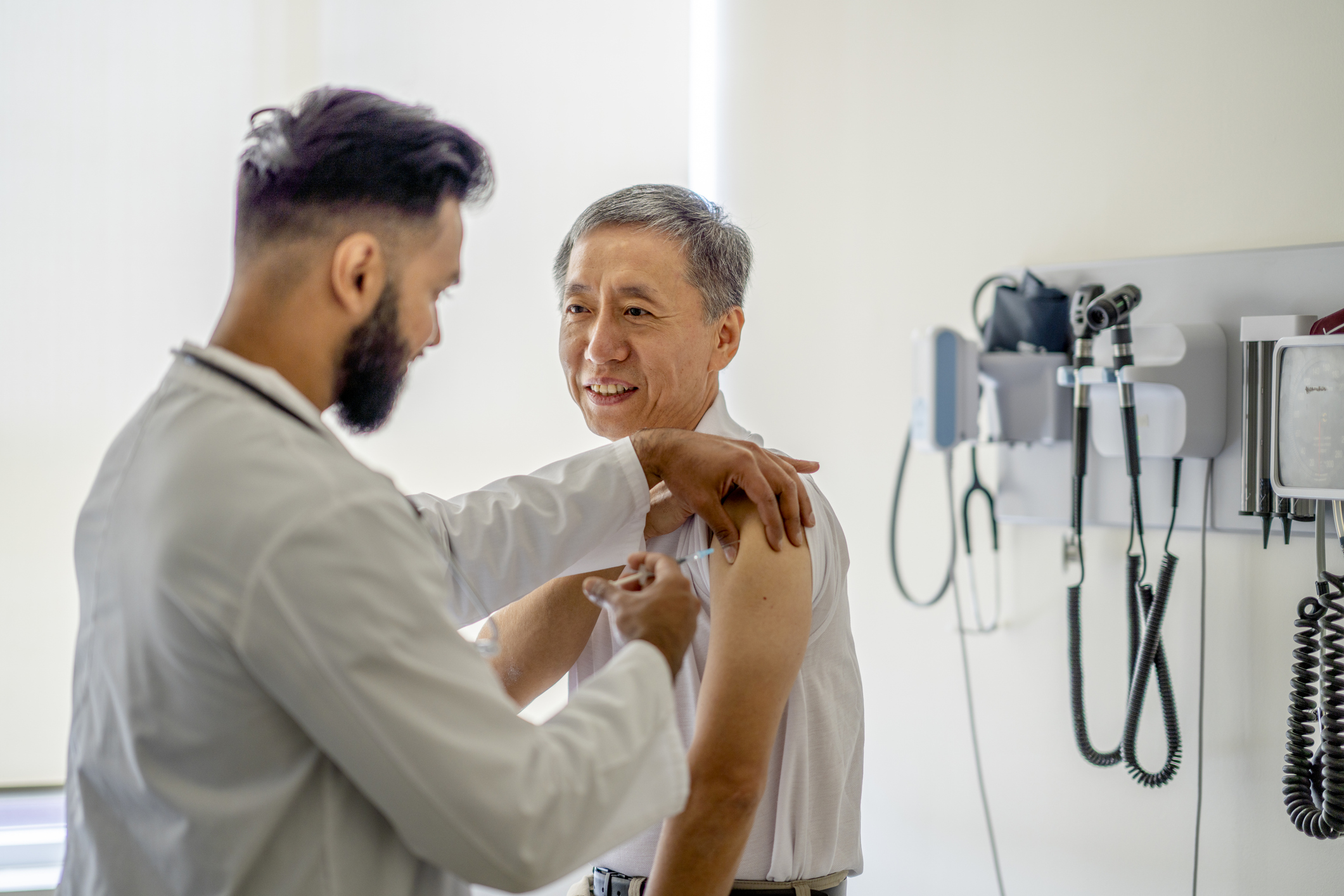
Since flu viruses are constantly changing and protection from vaccination decreases over time, getting a flu vaccine every year is the best way to reduce your risk of the flu. A flu vaccine is the only vaccine that protects against the flu and has been shown to reduce the risk of illness from the flu, hospitalization, and death.  

During flu season, we encourage everyone six months and older to get their annual flu vaccine, especially pregnant women, young children, and other people who are at a higher risk of developing serious flu complications. The more people who get vaccinated against the flu, the more people who will be protected from it. 

If you or a loved one would like to get the flu vaccine, you can visit Flushing Hospital Medical Center’s Ambulatory Care Center. To schedule an appointment, please call (718) 670-5486. 

All content of this newsletter is intended for general information purposes only and is not intended or implied to be a substitute for professional medical advice, diagnosis or treatment. Please consult a medical professional before adopting any of the suggestions on this page. You must never disregard professional medical advice or delay seeking medical treatment based upon any content of this newsletter. PROMPTLY CONSULT YOUR PHYSICIAN OR CALL 911 IF YOU BELIEVE YOU HAVE A MEDICAL EMERGENCY.
How Making Lifestyle Changes Can Reduce the Risk of Chronic Diseases

According to the World Health Organization (WHO), chronic diseases, also known as non-communicable diseases, are conditions that tend to have a long duration and result from a combination of genetic, physiological, environmental, and behavioral factors.

Chronic diseases are the leading cause of death worldwide. These diseases include:

  • Cancers
  • Cardiovascular disease, such as heart attacks and strokes
  • Chronic respiratory diseases, such as chronic obstructive pulmonary disease (COPD) and asthma
  • Diabetes

A person’s lifestyle and daily habits can increase their risk of developing a chronic disease. About 80% of chronic diseases are driven by a person’s daily habits. These include:

  • Tobacco use, including the effects of exposure to second-hand smoke
  • Unhealthy diets, including excess salt, sugar, and fats
  • Excessive alcohol use
  • Insufficient physical activity

These habits can contribute to metabolic changes that can increase a person’s risk of chronic disease, including:

  • Hypertension
  • Obesity
  • Diabetes
  • High cholesterol

Making the following lifestyle changes is one of the best ways to address harmful habits and help prevent chronic diseases.

  • Dietary changes include eating whole, unrefined, and minimally processed plants. Eating plant-based foods can help reduce diabetes, heart disease, and the risk of cancer
  • Increasing physical activity by engaging in a recommended 150 minutes of moderate-intensity activity each week
  • Getting a good, restful night’s sleep of about seven to nine hours. This can be achieved by:
    • Having a consistent bedtime and waking up on time, even on weekends
    • Being physically active
    • Limiting alcohol and caffeine
    • Putting digital devices away 90 minutes before bedtime
    • Keeping your sleeping area cool, dark, and comfortable
  • Reducing stress by practicing mindfulness, meditation, and gratitude can help relieve stress and improve your physical and mental health.
  • Staying socially connected with friends and family can help keep you emotionally and physically healthy.
  • Quitting smoking, or never starting, lowers the risk of serious health problems, such as heart disease, cancer, Type 2 diabetes, and lung disease, as well as premature death
  • Limiting alcohol use can reduce health risks that excessive drinking can lead to, such as high blood pressure, various cancers, heart disease, stroke, and liver disease

By avoiding these risks and getting good preventive care, you can improve your chance of staying well, feeling good, and living longer.

For more information on how you can make lifestyle changes, you can schedule an appointment with a doctor at Flushing Hospital Medical Center’s Ambulatory Care Center by calling (718) 670-5486.

All content of this newsletter is intended for general information purposes only and is not intended or implied to be a substitute for professional medical advice, diagnosis or treatment. Please consult a medical professional before adopting any of the suggestions on this page. You must never disregard professional medical advice or delay seeking medical treatment based upon any content of this newsletter. PROMPTLY CONSULT YOUR PHYSICIAN OR CALL 911 IF YOU BELIEVE YOU HAVE A MEDICAL EMERGENCY.
Suicide Prevention Awareness Month

September is Suicide Prevention Awareness Month. It is a time to raise awareness, promote hope, and normalize seeking help.

Suicide is a leading cause of preventable death in the United States. It affects millions of people every year, yet too many struggle in silence. Here are some key facts about suicide:

  • 1 in 20 (5%) U.S. adults have serious thoughts of suicide each year
  • About one person dies by suicide in the U.S. every 11 minutes
  • 79% of all people who die by suicide in the U.S. are male
  • Although more women than men attempt suicide, men are four times more likely to die by suicide
  • In the U.S., suicide is the second leading cause of death among people ages 10-14 and among people ages 15-24, and the 11th leading cause of death overall

Adult suicide warning signs include:

  • Talking about or making plans for suicide
  • Acting anxious, agitated, or behaving recklessly
  • Talking about being a burden to others
  • Talking about feeling trapped or in unbearable pain
  • Increasing the use of alcohol or drugs
  • Talking about feeling hopeless or having no reason to live
  • Sleeping too little or too much
  • Withdrawing or feeling isolated
  • Showing rage or talking about seeking revenge
  • Displaying extreme mood swings
  • Chronic illness or serious physical health conditions

Youth suicide warning signs:

  • Expressing hopelessness about the future
  • Displaying severe or overwhelming emotional pain or distress
  • Increased physical symptoms, such as fatigue, headaches, and stomachaches, are commonly associated with emotional distress
  • Changing or withdrawing from social connections or situations
  • Sleeping too little or too much
  • Anger or hostility that seems out of character or out of context
  • Recent increased agitation or irritability

Talking about suicide isn’t harmful. Silence is. Opening up about your mental health journey, good, bad, or otherwise, can create a space for healing. One honest and caring conversation can make a difference and save a life. Studies show that people who are having thoughts of suicide feel relief when someone asks about them in a caring way.

Call, text, or chat 988 to speak to a trained crisis counselor offering support 24/7/365. And to learn more about our outpatient mental health services at Flushing Hospital Medical Center or to schedule a virtual appointment, please call (718) 670-5316 to speak with our intake coordinator or (718) 670-5562 to reach the clinic.

All content of this newsletter is intended for general information purposes only and is not intended or implied to be a substitute for professional medical advice, diagnosis or treatment. Please consult a medical professional before adopting any of the suggestions on this page. You must never disregard professional medical advice or delay seeking medical treatment based upon any content of this newsletter. PROMPTLY CONSULT YOUR PHYSICIAN OR CALL 911 IF YOU BELIEVE YOU HAVE A MEDICAL EMERGENCY.

Stroke Treatment Options

Strokes happen when a blood clot or broken blood vessel prevents blood from getting to your brain. The lack of blood flow deprives brain cells of the oxygen and nutrients they need to survive, causing them to die in minutes.

There are two types of strokes: ischemic and hemorrhagic.

Ischemic strokes usually happen because a blood clot blocks a blood vessel connected to your brain. Hemorrhagic strokes occur when a blood vessel in your brain breaks or ruptures.

Strokes can be fatal. Therefore, you must know the symptoms and pay attention to them when they occur. Symptoms of strokes include:

  • Trouble speaking and understanding what others are saying
  • Numbness, weakness, or paralysis in the face, arm, or leg
  • Problems seeing in one or both eyes
  • Headaches
  • Trouble walking
  • Confusion
  • Dizziness or vertigo
  • Blurred vision or double vision
  • Loss of coordination

Seek immediate medical attention if you notice any symptoms of a stroke, even if they seem to come and go or disappear completely.

To diagnose a stroke, a healthcare provider will use a combination of neurological exams and tests that include:

  • Blood tests
  • CT scan
  • Electroencephalogram (EEG)
  • Electrocardiogram (EKG)
  • MRI
  • Carotid ultrasound
  • Cerebral angiogram

Some treatments are most effective when given soon after a stroke starts. Emergency treatment depends on whether you’re having an ischemic or hemorrhagic stroke.

To treat an ischemic stroke, blood flow must quickly be restored to the brain. This can be done with:

  • Emergency IV medicine
  • Emergency endovascular procedures
    • Medications delivered directly to the brain
    • Removing the clot with a stent retriever
  • Other procedures, such as a carotid endarterectomy and angioplasty and stents

Emergency treatment of hemorrhagic stroke focuses on controlling the bleeding and reducing the pressure in the brain caused by excess fluid. If the area of bleeding is large, surgery may be needed to remove the blood and relieve pressure on the brain. Surgery may also be required to repair blood vessel damage due to the hemorrhagic stroke. A healthcare professional may recommend a procedure if an aneurysm, arteriovenous malformation (AVM), or other blood vessel condition caused the stroke. Procedures include:

  • Surgical clipping
  • Endovascular embolization, also known as coiling
  • Surgical removal of a tangle of thin-walled blood vessels, known as AVM
  • Stereotactic radiosurgery

Stroke rehabilitation is an important part of stroke treatment. Rehabilitation will help you adjust to changes in your brain and body after a stroke. You may need to regain abilities you had before or need to adjust to new or different disabilities. You may need a combination of:

  • Cognitive rehabilitation
  • Occupational therapy
  • Physical therapy
  • Speech therapy

Maintaining your overall health is the best way to reduce your risk of a stroke. Some ways you can sustain your overall health include the following:

  • Eating plenty of healthy foods and maintaining a healthy weight
  • Engaging in regular physical activity
  • Managing your blood pressure, cholesterol, and any health conditions you may have
  • Quitting smoking

If you are experiencing any symptoms of a stroke, call 911 immediately. If you need assistance managing your health to prevent a stroke or maintaining your overall wellness, visit Flushing Hospital Medical Center’s Ambulatory Care Center. To schedule an appointment, please call (718) 670-5486.

All content of this newsletter is intended for general information purposes only and is not intended or implied to be a substitute for professional medical advice, diagnosis or treatment. Please consult a medical professional before adopting any of the suggestions on this page. You must never disregard professional medical advice or delay seeking medical treatment based upon any content of this newsletter. PROMPTLY CONSULT YOUR PHYSICIAN OR CALL 911 IF YOU BELIEVE YOU HAVE A MEDICAL EMERGENCY.
The Link between Alcohol and Cancer

The Office of the Surgeon General recently issued an advisory calling for updated warnings on alcoholic beverages, cautioning that the consumption of alcohol heightens the risk of several types of cancer.

The current labels on alcoholic beverages warn about drinking while pregnant, drinking while driving, and operating machinery, as well as other general “health risks”.  The Office of the Surgeon General noted that alcohol consumption contributes to approximately 100,000 cancer cases and 20,000 cancer-related deaths each year. Therefore, the public needs to be warned about the link between alcohol consumption and an increased risk of cancer.

Alcohol has been classified as a carcinogen “primarily due to its metabolite, acetaldehyde, which has the ability to bind to DNA and potentially cause mutations”, says Dr. Vasilis Vasiliou PhD, chair of the Department of Environmental Health Sciences and the Susan Dwight Bliss Professor of Epidemiology at the Yale School of Public Health. Acetaldehyde may also increase the risk of aerodigestive cancers, which are cancers that affect the upper respiratory and digestive tracts. Aerodigestive cancers include cancer of the lip, tongue, salivary glands, and other oral and nasal regions. “Furthermore, acetaldehyde may have a more pronounced effect on individuals with mutations in DNA-repair enzymes, such as BRCA1 and BRCA2. Mutations in these BRCA1 and BRCA2 enzymes can increase the risk of developing breast or ovarian cancer”, Dr. Vasiliou says.

Dr. Vasiliou acknowledges that the adverse effects of alcohol are significantly influenced by the dose-response relationship, which considers both the quantity of alcohol consumed daily and the duration of consumption over time. These factors, along with co-exposures to environmental contaminants, play a pivotal role in determining the severity of alcohol-related risks. Such interactions suggest that alcohol’s harmful effects cannot be fully understood in isolation but should instead be evaluated within the broader context of combined exposures to other environmental and lifestyle-related carcinogens.

Dr. Vasiliou offers this advice when it pertains to alcohol and its link to cancer:

  • Do not start drinking for health reasons
  • Limit consumption
  • Consider personal and family health risks
  • Seek non-alcoholic sources of antioxidants

Synergistic interactions with other environmental carcinogens and lifestyle factors influence the risk of cancer from alcohol consumption. Reducing alcohol intake, alongside minimizing exposure to other known carcinogens such as tobacco smoke, environmental pollutants, and chemical toxins, is a critical strategy for lowering overall cancer risk. Comprehensive prevention efforts should address not only alcohol consumption but also broader environmental and lifestyle factors.


All content of this newsletter is intended for general information purposes only and is not intended or implied to be a substitute for professional medical advice, diagnosis or treatment. Please consult a medical professional before adopting any of the suggestions on this page. You must never disregard professional medical advice or delay seeking medical treatment based upon any content of this newsletter. PROMPTLY CONSULT YOUR PHYSICIAN OR CALL 911 IF YOU BELIEVE YOU HAVE A MEDICAL EMERGENCY.
What Is A Stress Test?

A stress or stress exercise test shows how the heart works during physical activity. Exercise makes the heart pump harder and faster. A stress test can determine how well your heart responds when working its hardest.

Your healthcare provider may recommend a stress test if you have symptoms of coronary artery disease, congenital heart disease, congestive heart failure, heart valve disease, hypertrophic cardiomyopathy, or an irregular heart rhythm.

A stress test typically involves walking on a treadmill or pedaling on a stationary bike while hooked up to an EKG to monitor your heart’s activity. Healthcare providers assess your response to the increased workload by measuring:

  • Blood pressure
  • Heart rate
  • Oxygen levels
  • Electrical activity in your heart

A stress test can also be used to learn:

  • How well your heart pumps blood
  • Whether your heart is receiving an adequate supply of blood
  • How you perform during physical activity compared with other people your age and sex
  • If your symptoms (chest discomfort, shortness of breath, feeling like your heart is racing, or dizziness) can be reproduced while performing physical activity

Having a stress test makes it easier to identify and evaluate certain heart issues, such as:

  • Issues with your heart muscle and valves
  • Electric stability of your heart at rest and during exercise

The stress test results help your healthcare provider plan or change your treatment. If the test shows that your heart is working well, you may not need more tests. If the test suggests you might have coronary artery disease, you may need a coronary angiogram, which helps see blockages in the heart arteries.

If the results are satisfactory, but your symptoms worsen, your healthcare provider might recommend more testing.

To schedule an appointment with a Flushing Hospital Medical Center healthcare provider, please call 718-670-5486.

All content of this newsletter is intended for general information purposes only and is not intended or implied to be a substitute for professional medical advice, diagnosis or treatment. Please consult a medical professional before adopting any of the suggestions on this page. You must never disregard professional medical advice or delay seeking medical treatment based upon any content of this newsletter. PROMPTLY CONSULT YOUR PHYSICIAN OR CALL 911 IF YOU BELIEVE YOU HAVE A MEDICAL EMERGENCY.
Dr. Tips on Cold and Flu Prevention

According to the Centers for Disease Control and Prevention (CDC) flu season runs from October through May, with the most recorded cases usually identified during the month of February.

With cold and flu season upon us, Dr. Alexander Kintzoglou, Chairman of the Department of Medicine at Flushing Hospital Medical Center would like to share some cold and flu prevention tips.

  1. Flu Shot – The best measure to take against getting the flu is to get a flu shot. The CDC states that, “Flu vaccines have been updated to better match circulating viruses.”
  1. Hand hygiene – No matter what your daily routine is, you will most likely come in contact with other people. By washing your hands frequently, with soap and water, you can prevent receiving germs that may cause the cold or flu. If you are unable to access soap and water, you can use hand sanitizer in a pinch.  Just make sure the product has an alcohol base.
  2. Sanitize – By keeping your surrounding area clean ( i.e. computer station, key board, door knobs, light switches, etc.) you will lessen your risk of catching a cold or the flu.
  3. Shaking hands – Be cautious when shaking hands, especially with people who are sick. Remember to wash your hands after an encounter.
  4. Keep a healthy lifestyle – There is no better immunity builder than good nutrition. By eating right, your body will have the natural antibodies to fight off the cold or flu.
  5. Smoking – By triggering your allergies, which can cause an upper respiratory infection that can weaken your immune system, smoking may make you more susceptible to getting a cold or the flu.

According to Dr. Kintzoglou, “Nobody gets the flu from the flu vaccine.”  He further states, “Receiving a flu shot protects not only yourself, but your friends and family.”  He urges everyone to get vaccinated.

If you would like to get a flu shot, call the Flushing Hospital Medical Center Ambulatory Care Center at 718-670-5486 to schedule an appointment.

All content of this newsletter is intended for general information purposes only and is not intended or implied to be a substitute for professional medical advice, diagnosis or treatment. Please consult a medical professional before adopting any of the suggestions on this page. You must never disregard professional medical advice or delay seeking medical treatment based upon any content of this newsletter. PROMPTLY CONSULT YOUR PHYSICIAN OR CALL 911 IF YOU BELIEVE YOU HAVE A MEDICAL EMERGENCY.

Benefits of an Annual Physical

An annual exam is a good way of tracking your health progress.  How would you categorize your commitment to getting an annual physical?

  1. Yearly
  2. Bi-Yearly
  3. When I don’t feel good
  4. I don’t do doctors

Some of the benefits are:

  • Primary prevention
  • To identify risk factors for common chronic diseases
  • To detect disease that has no apparent symptoms (secondary prevention)
  • A way for the doctor to counsel people to promote healthy behavior
  • To update clinical data since your last check-up
  • To enhance the relationship between you and your doctor
  • If you are interested in scheduling an exam, Flushing Hospital Medical Center’s Ambulatory Care Center is centrally located and has convenient hours.  Call 718-670-5486 to schedule an appointment.

All content of this newsletter is intended for general information purposes only and is not intended or implied to be a substitute for professional medical advice, diagnosis or treatment. Please consult a medical professional before adopting any of the suggestions on this page. You must never disregard professional medical advice or delay seeking medical treatment based upon any content of this newsletter. PROMPTLY CONSULT YOUR PHYSICIAN OR CALL 911 IF YOU BELIEVE YOU HAVE A MEDICAL EMERGENCY.

October is National Bullying Prevention Month

October is National Bullying Prevention Month is a nationwide campaign founded in 2006 and its mission is to reach out to communities in an effort to educate and raise awareness of bullying and the tools for prevention.

Bullying occurs when an individual or group possesses an imbalance of power, either from a physical or social status perspective, over another person or group. While bullying is prevalent among all age groups, it has become a serious cause for concern among children.

The National Bullying Prevention Center defines bullying as behavior that hurts or harms another person physically or emotionally. Those being bullied often have difficulty stopping the behavior directed at them and struggle to defend themselves.

Statistics have shown that at least 28 percent of students, ages 12-18, reported being bullied at school during the year. Additionally, 7.2 % of students admit to not going to school due to personal safety concerns. Many fear the physical and verbal aggression of their peers, and many more attend school in a state of anxiety and depression.

Many children will not tell parents they are being bullied until the situation escalates, but there a few changes in their behavior that can alert you. Signs that your child may be a victim of bullying include refusing to speak about their day at school,not wanting to go to school, unexplained marks and bruises, asking for more lunch money, complaining of frequent headaches and stomach aches,sudden loss of friends and frequent nightmares.

If you find that your child is being bullied, you will need to document the dates, times and places of the action. If the bullying is taking place on school grounds, call the school and schedule a face to face meeting with a teacher or principal. If not on school grounds, notify the police.

Most schools have adopted an anti-bullying policy. Obtain a copy to determine if the bully violated school law. Bullying is best handled when you work together, with the proper authorities.

After notification, be sure to follow up with your child, and the school, to make sure that the bullying has stopped.

All content of this newsletter is intended for general information purposes only and is not intended or implied to be a substitute for professional medical advice, diagnosis or treatment. Please consult a medical professional before adopting any of the suggestions on this page. You must never disregard professional medical advice or delay seeking medical treatment based upon any content of this newsletter. PROMPTLY CONSULT YOUR PHYSICIAN OR CALL 911 IF YOU BELIEVE YOU HAVE A MEDICAL EMERGENCY.