
National Children’s Dental Health Month

February is observed as National Children’s Dental Health Month, a month focusing on the importance of promoting good oral health habits among children and raising awareness about the significance of dental care.  

Good oral hygiene is an essential habit for a child to learn at a young age. Teaching children good oral health habits such as regularly brushing their teeth, flossing, rinsing, and attending dentist appointments can help them grow up with healthy mouths.  

These habits can help prevent them from developing cavities. Cavities are the most common chronic disease of children in the United States. According to the Centers for Disease Control and Prevention (CDC), more than half of children six to eight years old have had a cavity in at least one of their baby teeth. Additionally, more than half of adolescents aged 12 to 19 years old have had a cavity in at least one of their permanent teeth.  

If cavities go untreated, they can cause pain and infections that may lead to problems with eating, speaking, playing, and learning.  

Fortunately, cavities are preventable. According to the CDC, fluoride varnish can prevent 33% of cavities in baby teeth. Children living in communities with fluoridated tap water have fewer cavities than children whose water is not fluoridated. Additionally, children who brush daily with fluoride toothpaste will have fewer cavities.  

The CDC also notes that dental sealants can prevent cavities for many years as well. Applying dental sealants to the back teeth prevents 80% of cavities.  

There are several ways that parents and caregivers can help reduce the risk of or prevent babies and children from developing cavities, including: 

  • Babies 
  • Wipe their gums twice a day with a soft, clean cloth in the morning after their first feeding and right before they go to bed. This wipes away any bacteria or sugars that can cause cavities 
  • When teeth come in, start brushing them twice a day with a soft, small-bristle toothbrush and plain water 
  • Visit the dentist by your baby’s first birthday to spot any signs of problems early 
  • Talk to your dentist or healthcare provider about putting fluoride varnish on your child’s teeth as soon as the first tooth appears 

For children two years or younger, consult with your healthcare provider or dentist about the use of fluoride toothpaste. 

  • Children 
  • Brush their teeth twice a day with fluoride toothpaste 
  • Help your child brush their teeth until they develop good brushing skills. If your child is younger than six years old, watch them while they brush, and make sure they use a pea-sized amount of toothpaste and always spit it out instead of swallowing it 
  • Ask your child’s dentist to apply dental sealants when appropriate 
  • Drink tap water that contains fluoride 

It is important that your child regularly visits a dentist to ensure they receive the most effective treatment possible.  

If you would like to learn more about cavity prevention for your child, you can schedule an appointment at Flushing Hospital Medical Center’s Department of Dental Medicine. Please call (718) 670-5521. 


All content of this newsletter is intended for general information purposes only and is not intended or implied to be a substitute for professional medical advice, diagnosis or treatment. Please consult a medical professional before adopting any of the suggestions on this page. You must never disregard professional medical advice or delay seeking medical treatment based upon any content of this newsletter. PROMPTLY CONSULT YOUR PHYSICIAN OR CALL 911 IF YOU BELIEVE YOU HAVE A MEDICAL EMERGENCY.
The Importance of an Annual Dental Exam

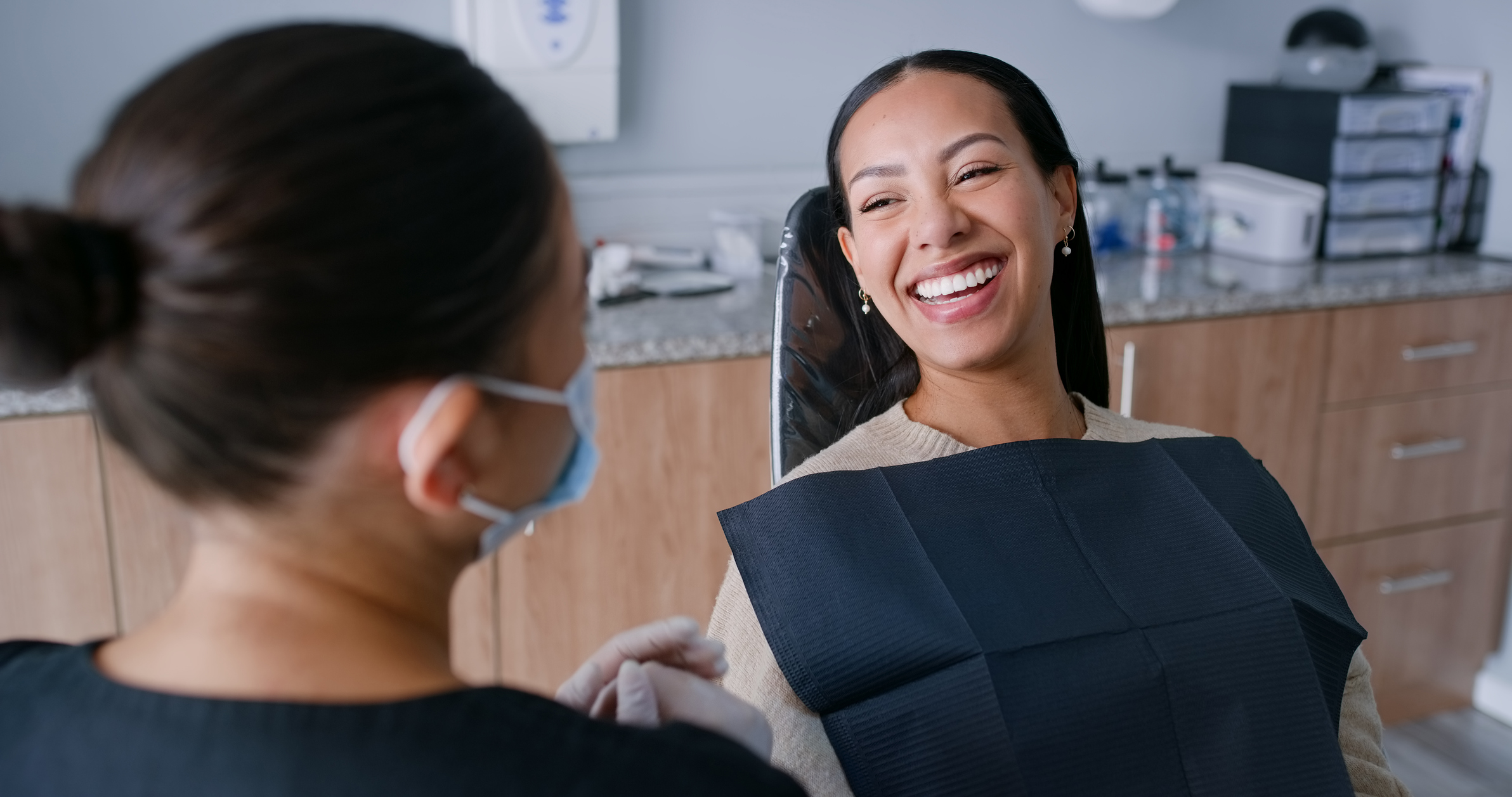
It is a new year, and with it comes resolutions that we make to help improve our health and well-being. A great and important way to improve our health and well-being is to get a dental exam.

Dental exams are important because they help us maintain our oral health. Regular dental exams help detect problems early and prevent serious complications. However, not getting a dental exam can lead to serious oral health problems such as tartar buildup, cavities, and gum disease. Additionally, our oral health is connected to our overall health, as dental exams can detect signs of systemic conditions such as diabetes and heart disease.

Getting regular dental exams has many benefits, including:

· Detecting cavities early, as they are one of the most common dental issues. Cavities often develop without any noticeable symptoms in their early stages. If left untreated, cavities can grow, which may lead to pain, infection, or the need for extensive treatments such as root canals or crowns. Early treatment is less invasive, less expensive, and helps preserve the tooth’s natural structure. During a dental exam, a dentist can detect and treat any cavities by filling them

· Dental exams can identify early signs of gum disease, which include redness, swelling, and bleeding gums. Gum disease starts as gingivitis, and if left untreated, it can progress to periodontitis, which is a severe condition that affects the bone and tissues that support the teeth. Early intervention can reverse gingivitis and prevent it from leading to periodontitis

· Routine dental exams can help detect oral cancer, which can develop in the mouth, tongue, or throat. Symptoms of oral cancer can include red or white patches, sores that do not heal, or unusual lumps in the mouth. Early detection is important, as regular screenings during dental exams can catch oral cancer in its early stages when treatment is most effective

· Getting routine dental exams can help dentists detect signs of teeth grinding, which include worn enamel or flattened teeth. Teeth grinding can cause significant wear and tear on the teeth, which can lead to fractures, sensitivity, and jaw pain. Early detection allows interventions such as custom night guards that can help prevent further damage to the teeth

· Routine dental exams can help dentists assess alignment and bite issues such as crooked teeth or an improper bite, which can lead to uneven wear, jaw pain, and difficulty cleaning between teeth. After an exam, a dentist may recommend treatments such as Invisalign or braces to correct these dental issues

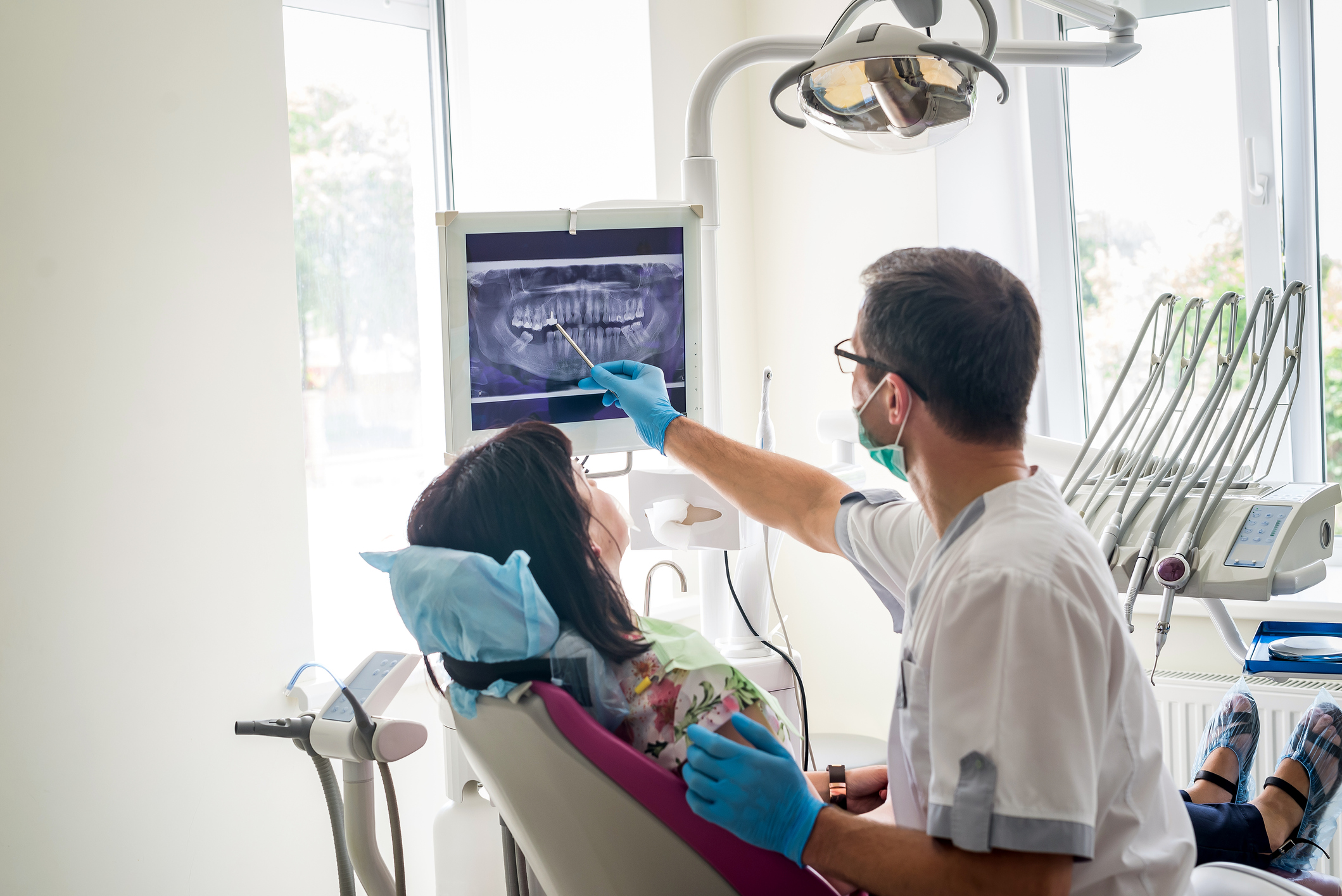
· Routine dental exams can help dentists detect dental issues that aren’t visible when they use an X-ray. X-rays can help dentists see what is happening beneath the surface, such as

hidden cavities between the teeth, impacted teeth that may need removal, or bone loss that is caused by gum disease

Getting regular and routine dental exams is preventive care that helps us maintain our oral health and avoid dental issues. It is important to remember that detecting dental health issues early is not only good for our oral health but also contributes to helping us maintain our overall health.

If you’re experiencing dental health problems, it is important to visit a dentist to ensure you’re receiving the most effective treatment possible. To schedule an appointment at Flushing Hospital Medical Center’s Department of Dental Medicine, please call (718) 670-5521.

All content of this newsletter is intended for general information purposes only and is not intended or implied to be a substitute for professional medical advice, diagnosis or treatment. Please consult a medical professional before adopting any of the suggestions on this page. You must never disregard professional medical advice or delay seeking medical treatment based upon any content of this newsletter. PROMPTLY CONSULT YOUR PHYSICIAN OR CALL 911 IF YOU BELIEVE YOU HAVE A MEDICAL EMERGENCY.

Should You Use Mouthwash Before or After Brushing?

Brushing and flossing are the most important measures for supporting your oral health. However, rinsing with mouthwash as an addition to these oral health care practices is a simple way to get more out of your dental hygiene routine.

There are two main types of mouthwash: therapeutic and cosmetic.

Therapeutic mouthwash usually contains active ingredients that fight off harmful bacteria, help reduce plaque, gingivitis, cavities, and bad breath. If they have fluoride, they can also help prevent tooth decay.

Cosmetic mouthwash may temporarily control or reduce bad breath and leave a pleasant taste in your mouth, but they do not help prevent cavities or gum disease.

According to the American Dental Association (ADA), mouthwash can reach areas that your toothbrush can’t, which can help reduce the risk of developing cavities and gum disease.

Additionally, the American Academy of Periodontology notes that untreated gum disease can lead to complications such as gum recession and tooth loss, but using mouthwash can help boost your prevention efforts.

Using mouthwash has many benefits, including:

  • It freshens your breath
  • It reduces plaque
  • It prevents gingivitis
  • It prevents cavities
  • It promotes overall dental health

Mouthwash can enhance your oral care routine. However, it is important to remember that it is not a substitute for regular brushing and flossing.

The ADA states that you may choose to use mouthwash before or after brushing based on personal preference. However, mouthwash manufacturers may recommend an order based on their product’s ingredients, so it is important to check the label on your product to ensure that you maximize its effects.

It is important to visit a dentist to ensure you’re receiving the most effective treatment possible. If you would like to receive a checkup, you can schedule an appointment at Flushing Hospital Medical Center’s Department of Dental Medicine by calling (718) 670-5521.


All content of this newsletter is intended for general information purposes only and is not intended or implied to be a substitute for professional medical advice, diagnosis or treatment. Please consult a medical professional before adopting any of the suggestions on this page. You must never disregard professional medical advice or delay seeking medical treatment based upon any content of this newsletter. PROMPTLY CONSULT YOUR PHYSICIAN OR CALL 911 IF YOU BELIEVE YOU HAVE A MEDICAL EMERGENCY.

Making Your Oral Health a Priority for the New Year

As the New Year approaches, it is the time of year when resolutions to improve ourselves are made. Resolutions such as joining a gym to get into better shape, changing a diet, and quitting smoking are typical goals we hope to achieve. Another important resolution for the New Year is to focus on our oral health.

Some ways to help achieve this goal include:

  • Practice good oral hygiene – brushing and flossing daily is an easy way to improve oral health. To successfully remove plaque and the bacteria that cause plaque, it is important to brush at least twice a day and floss at least once a day to remove bacterial plaque and food that accumulated throughout the day. This can help prevent gum disease, tooth decay, and bad breath.
  • Watch what you eat and drink. Making healthier food and beverage choices, especially when it comes to snacks, is an important component in achieving your oral health goals. Frequently consuming foods and beverages containing acids and carbohydrates contributes to tooth decay.
  • Quit smoking – smoking greatly affects your oral health as it can lead to tooth staining, gum disease, tooth decay, tooth loss, and in more severe cases oral cancer. The New Year is a great time to give up smoking. Consider free online tools, smoking cessation groups, progress-tracking apps, and support from friends and family to assist you with tobacco cessation.
  • Receive regular check-ups – making routine visits to the dentist can prevent oral diseases or reveal existing oral diseases in their early stages. Visits to the dentist should take place every six months to allow your dentist to monitor the condition of your oral health and develop a treatment plan that is appropriate.

If you’re experiencing dental health problems, it is important to visit a dentist to ensure you’re receiving the most effective treatment possible. To schedule an appointment at Flushing Hospital Medical Center’s Department of Dental Medicine, please call (718) 670-5521.


All content of this newsletter is intended for general information purposes only and is not intended or implied to be a substitute for professional medical advice, diagnosis or treatment. Please consult a medical professional before adopting any of the suggestions on this page. You must never disregard professional medical advice or delay seeking medical treatment based upon any content of this newsletter. PROMPTLY CONSULT YOUR PHYSICIAN OR CALL 911 IF YOU BELIEVE YOU HAVE A MEDICAL EMERGENCY.
How MS Can Affect Oral Health

Multiple sclerosis (MS) is a chronic disease that affects the central nervous system (brain, spinal cord, and optic nerves).

The disease causes the immune system to attack the central nervous system, disrupting signals to and from the brain.

MS affects each person differently; however, common symptoms of the disease include motor impairment and heightened levels of inflammation in the body; both of which can contribute to the deterioration of a person’s dental health.

Motor impairment caused by MS often involves decreased dexterity, muscle weakness, or loss of coordination. These deficits can affect a person’s ability to brush and floss their teeth properly.  People living with MS that have lost control of their muscles may find it difficult to do either action well.

Gingivitis and other gum diseases are more prevalent in individuals with MS. This is due to the increased levels of inflammation in the body, resulting from a deteriorating immune system.

Medications used to treat MS can also contribute to poor dental health. Side effects of these prescriptions often include dry mouth which makes a person more susceptible to dental problems.

Living with MS and maintaining good oral health can be challenging. However, complications can be avoided by making adjustments to a dental regimen, such as sitting down while brushing and visiting a dentist routinely.

To schedule an appointment with a dentist at Flushing Hospital Medical Center, please call  (718) 670-5521.

All content of this newsletter is intended for general information purposes only and is not intended or implied to be a substitute for professional medical advice, diagnosis or treatment. Please consult a medical professional before adopting any of the suggestions on this page. You must never disregard professional medical advice or delay seeking medical treatment based upon any content of this newsletter. PROMPTLY CONSULT YOUR PHYSICIAN OR CALL 911 IF YOU BELIEVE YOU HAVE A MEDICAL EMERGENCY.
More and more people, both children and adults are seeking orthodontic treatment today. Having well aligned teeth is not only important for a nice smile but also for proper dental health.

The importance of having healthy and aligned teeth dates back as early as 1000 BC. The ancient Egyptians and the Etruscans were using material made from animal intestines to move teeth into better alignment. An ancient Roman scientist discovered that by applying finger pressure on teeth for an extended period of time over the course of months would help move teeth into a new position.

The first more modern practice of orthodontics was documented in the early 1770’s.  A French surgeon dentist named Pierre Fauchard came up with the concept of the “Bandeau” which was a horseshoe shaped device that gave the mouth a natural arch. Later on in the early 1800’s Francois Delabarre invented the wire crib that was placed on the teeth and help move them into better alignment. In the mid 1800’s dentists began to realize that the jaw and the teeth would have to be aligned simultaneously and this was accomplished by using tiny rubber tubing and wire cribs together.

In the early 1900’s, we entered the era of orthodontics that we are more familiar with today. Back then, dentists would wrap different materials depending on their preference (ivory, wood, copper, or zinc and later on gold or silver) and connect them with bands that helped move the teeth into the desired position.  In the 1970’s stainless steel was more widely used and this had the advantage of being less costly and also more flexible than the other materials used previously.

In the late 1990’s, orthodontics changed with the introduction of the invisible braces. In addition to brackets that were placed on the inside of people’s teeth to make it more aestically appealing, clear retainers were also being used which would help to align teeth.

To schedule an appointment with a dentist at Flushing Hospital, please call 718-670-5522.

All content of this newsletter is intended for general information purposes only and is not intended or implied to be a substitute for professional medical advice, diagnosis or treatment. Please consult a medical professional before adopting any of the suggestions on this page. You must never disregard professional medical advice or delay seeking medical treatment based upon any content of this newsletter. PROMPTLY CONSULT YOUR PHYSICIAN OR CALL 911 IF YOU BELIEVE YOU HAVE A MEDICAL EMERGENCY.

Wisdom Teeth

Wisdom teeth, also referred to as the third set of molars, are the last set of teeth to develop. They form in the back of the mouth on the upper and lower jaw. Most people’s wisdom teeth surface when they are teenagers or young adults.

Wisdom teeth can become a problem when they fail to grow in proper alignment with the rest of our teeth.  When these teeth are not growing in correctly, it is referred to as being impacted. A tooth that is impacted may have only broken through the gum partially, or not at all. This can lead to infection, pain, tooth decay, gum disease and crowding of the teeth that are adjacent.

The signs and symptoms of an impacted wisdom tooth include:

  • Tenderness of the jaw
  • Bad breath
  • Bleeding gums
  • Swollen gums
  • Problems opening the mouth

Wisdom teeth that are impacted can’t be prevented. The best way to monitor for a potential problem is to have regular oral check-ups and an x-ray of the mouth every year. Not all wisdom teeth are going to be impacted, but when they are, and if symptoms develop, your dentist may want to remove them to prevent potential infections, disruption of the other teeth, and also to prevent further discomfort.

If you would like to schedule an appointment with a dentist at Flushing Hospital Medical Center, you may call 718-670-5522

All content of this newsletter is intended for general information purposes only and is not intended or implied to be a substitute for professional medical advice, diagnosis or treatment. Please consult a medical professional before adopting any of the suggestions on this page. You must never disregard professional medical advice or delay seeking medical treatment based upon any content of this newsletter. PROMPTLY CONSULT YOUR PHYSICIAN OR CALL 911 IF YOU BELIEVE YOU HAVE A MEDICAL EMERGENCY.

What is a Dental Abscess ?

A dental abscess is an infection caused when harmful bacteria gain entry to the  central pulp area of a tooth.  This can happen when the tooth has a cavity or when trauma to a tooth has occurred and leaves an opening.  An abscess usually leads to inflammation and the development of pus. Many people describe the pain caused by a tooth abscess as one of the worst things they have ever encountered. While the pain from a tooth abscess may come on suddenly, the infection may have been developing over a long period of time.
The symptoms of a tooth abscess are:
• Sensitivity to hot and cold
• Swelling of the jaw
• Fever
• Bad breath
• Painful chewing
• Swollen lymph nodes at the jaw or neck
• Bitter taste in the mouth
Tooth decay is caused by poor dental hygiene and probably a diet filled with sugary junk food. These will cause the tooth or teeth to disintegrate over time. Trauma can be caused by either being struck in the mouth by a hard object, or biting over time on hard substances like nuts and candy. Either method can allow harmful bacteria to get into the pulp deep within the tooth. This will lead to swelling and pus to develop.
A dentist will assess the tooth with an x-ray. Depending on the extent of the abscess, they will prescribe an antibiotic to fight the infection and possibly a pain medication to help soothe the discomfort. In some cases a tooth can be saved. This may involve a root canal procedure to clean out the pulp and the root,  but when the abscess has destroyed a large portion of the tooth, it may have to be extracted.
There are a few ways to prevent tooth abscesses. A healthy diet that is low on refined foods and sugar helps.  Brushing and flossing are very important for maintaining proper oral hygiene. It is also very important to not bite down on hard objects like rock candy, nuts, and stale bread and cookies.
If you are experiencing any kind of tooth pain, it is important to see a dentist as soon as possible. This will prevent the problem from getting worse, will get you relief quickly, and can prevent the abscess from becoming a life threatening infection.
If you would like to schedule an appointment with a dentist at Flushing Hospital, please call 718-670-5522.

All content of this newsletter is intended for general information purposes only and is not intended or implied to be a substitute for professional medical advice, diagnosis or treatment. Please consult a medical professional before adopting any of the suggestions on this page. You must never disregard professional medical advice or delay seeking medical treatment based upon any content of this newsletter. PROMPTLY CONSULT YOUR PHYSICIAN OR CALL 911 IF YOU BELIEVE YOU HAVE A MEDICAL EMERGENCY.

Are There Dangers Associated With Excessive Gum Chewing?

Everyone chews gum! Last year alone, 1.74 trillion sticks of chewing gum were made and it is estimated that the average American chews nearly 300 pieces of gum every year.

There are many benefits for those who chew gum. It freshens up our breath and helps remove food particles that get stuck between our teeth. It helps reduce stress for some and helps fight off hunger cravings for others. Chewing gum also stimulates saliva production, which helps fight off nasty plaque and certain gums containing the sweetener xylitol have actually been reported to fight cavities. With all these benefits associated with chewing gum, is there any reason not to do it?

Actually, there can be. When we chew gum, we exercise our jaw muscles – and similar to any other muscle group in the body that gets overworked, constant and aggressive gum chewing can tire these muscles and cause painful spasms in our jaw, neck and head, which can lead to the development of a condition called temporomandibular dysfunction (or TMD).

TMD occurs when the temporomandibular joints, which are located on either side of our head, become misaligned due to physical stress or degeneration of cartilage in the jaw, which act as shock absorbers for us when we chew. Chewing gum is one of the most common ways to cause this type of damage.

TMD affects over ten million Americans. Those who develop TMD experience many painful symptoms such as discomfort while chewing, difficulty opening and closing their jaw, and popping or clicking sounds when they open their mouths. Earaches and headaches are also typically associated with the disorder.

In addition to contributing to the development of TMD, chronic gum chewing can tighten facial muscles, leading to long lasting headaches. In fact, a recent study concluded that gum chewing was linked to chronic migraines in young children and teens.

So, what do you do? Most dentists agree that moderate gum chewing isn’t a problem, but they do recommend taking a break from the habit if you are experiencing head, neck or jaw pain and allow your muscles to relax. Other ways to relieve pain include taking anti-inflammatory medications, applying a warm compress to the area in pain, and switching to a diet of softer foods. If pain persists, contact your dentist immediately.

If you are experiencing jaw pain that may be caused by TMD, see your dentist. If you do not have one, you can call Flushing Hospital’s Dental Center at 718-670-5521.

All content of this newsletter is intended for general information purposes only and is not intended or implied to be a substitute for professional medical advice, diagnosis or treatment. Please consult a medical professional before adopting any of the suggestions on this page. You must never disregard professional medical advice or delay seeking medical treatment based upon any content of this newsletter. PROMPTLY CONSULT YOUR PHYSICIAN OR CALL 911 IF YOU BELIEVE YOU HAVE A MEDICAL EMERGENCY.

At any time our bodies can throw us for a loop with unexpected symptoms to sometimes throw us off our game. Ideally it would be great to have a live-in doctor for a quick fix but home remedies are the next best thing.

Toothaches are an annoyance that isn’t always the most affordable fix. If you aren’t able to get to the dentist immediately and the pain is too much to handle, this home remedy fix might offer you some relief until your appointment.

There are essential oils that help ease toothache pain include chamomile, myrrh, peppermint, and tea tree. Apply one drop of any of these or a drop of “Toothache Oil” to the tooth and the surrounding area to ease the pain.

Toothache Oil

1/8 ounce carrier oil

6 drops tea tree oil

4 drops chamomile oil

2 drops myrrh oil

2 drops peppermint oil

Place the carrier oil in a clean container and add the essential oils. Gently turn the container upside down several times or roll it between your hands for a few minutes to blend. Apply one drop on the aching tooth and the surrounding gum, as needed.

These remedies are only suggestions for temporary pain relief. If you develop a toothache, you should consult your dentist as soon as possible. The dental department at Flushing Hospital Medical Center is available to treat your dental pains. To schedule an appointment please call, 718-670-5521.

All content of this newsletter is intended for general information purposes only and is not intended or implied to be a substitute for professional medical advice, diagnosis or treatment. Please consult a medical professional before adopting any of the suggestions on this page. You must never disregard professional medical advice or delay seeking medical treatment based upon any content of this newsletter. PROMPTLY CONSULT YOUR PHYSICIAN OR CALL 911 IF YOU BELIEVE YOU HAVE A MEDICAL EMERGENCY.