
Home Devices to Help with Rheumatoid Arthritis

Rheumatoid arthritis is a chronic inflammatory disorder that affects more than just the joints. This condition can damage several of the body’s systems, including the skin, eyes, lungs, heart, and blood vessels, causing symptoms, including: 

  • Pain  
  • Swelling  
  • Tenderness in more than one joint 
  • Joint stiffness 
  • Fatigue 
  • Weakness 
  • Fever  

Treatment for rheumatoid arthritis helps maintain or improve joint function, as its most important goal is to reduce joint pain and swelling. Treatment options include: 

  • Medications, such as disease-modifying antirheumatic drugs (DMARDs), non-steroidal anti-inflammatory drugs (NSAIDs), and corticosteroids  
  • Physical or occupational therapy 
  • In cases of severely damaged joints, surgery, such as knee replacement, hip replacement, and other surgeries that correct a deformed joint.   

A healthcare provider may also suggest rheumatoid arthritis-friendly gadgets or assistive devices, which can be found at a pharmacy or medical supply store, online, or at home, which can help ease the strain on your joints, help make daily tasks easier, and help you regain your independence, such as: 

  • Assistive devices that help you when getting dressed: 
    • Long-handled shoehorns   
    • Slide-in shoes 
    • Sock aids, which help you put on and remove your socks 
    • Clothes fasteners  
    • Long-handled combs with a coated grip  
    • Pull-on or front-closure bras 
    • Bracelet buddies 
    • Elastic-waisted pants 
    • Elastic shoelaces 
  • Assistive devices for personal care: 
    • Electric toothbrushes and flossers  
    • Easy-open medication bottles 
    • Soap and shampoo pump bottles 
    • Wash mitts  
    • Shower safety aids, such as a handlebar or a stool 
    • Blow dryer holder 
    • Cosmetic tools with longer, fatter handles and silicone or foam grips  
  • Assistive devices to help you in the kitchen: 
    • Lightweight two-handled pots and pans  
    • Adaptive utensils  
    • Wash mitts 
    • Jar and bottle openers 
    • Rocking T knives  
    • Milk carton holders  
    • Automatic vegetable peelers  
    • Grabbers  
  • Assistive devices for shopping: 
    • Motorized shopping carts  
    • Grabbers 
    • Reusable shopping bags  
  • Assistive devices for driving: 
    • Steering wheel grips 
    • Key holders 
    • Beaded seat covers 
    • Panoramic or wide-angle rear and side-view mirrors  
    • Seatbelt extenders  
    • Handybars  
  • Assistive devices for hobbies and leisure activities: 
    • Padded fingerless gloves 
    • Easy action scissors 
    • Playing card holders  
    • Bookrest pillows  
    • A grippy cellphone case and PopSockets  
  • Assistive devices for walking: 
    • Wheelchairs and electric scooters 
    • Canes and walkers 
    • Knee braces and splints 
  • Assistive devices for work: 
    • Ergonomic desk and chair 
    • Adaptive computer equipment 
    • Pens and pencils with a wider grip 
    • Headset or earbuds 
    • Speech-to-text 

Rheumatoid arthritis symptoms can affect even the simplest daily tasks. Utilizing assistive devices can help improve the quality of life for those suffering from this disorder. 

If you or a loved one is experiencing symptoms of rheumatoid arthritis, you can receive treatment at Flushing Hospital Medical Center’s Ambulatory Care Center. To schedule an appointment, please call (718) 670-5486. 

All content of this newsletter is intended for general information purposes only and is not intended or implied to be a substitute for professional medical advice, diagnosis or treatment. Please consult a medical professional before adopting any of the suggestions on this page. You must never disregard professional medical advice or delay seeking medical treatment based upon any content of this newsletter. PROMPTLY CONSULT YOUR PHYSICIAN OR CALL 911 IF YOU BELIEVE YOU HAVE A MEDICAL EMERGENCY.

Perimenopause

Perimenopause is the transitional period before menopause. During this time, a woman’s body is preparing to stop having periods.   

During this transition, the number of hormones a woman’s ovaries produce varies. Perimenopause can last two to eight years. The average is about four years. The hormone changes can cause symptoms that include: 

  • Irregular periods 
  • Vaginal dryness 
  • Hot flashes 
  • Night sweats 
  • Sleep problems 
  • Mood changes 
  • Trouble finding words and remembering, also known as brain fog 
  • Dry skin, dry eyes, dry mouth 
  • Worsening premenstrual syndrome (PMS) 
  • Breast tenderness 
  • Decreasing fertility 
  • Changes in sexual function 
  • Loss of bone 
  • Changing cholesterol levels 

Perimenopause is caused by changes in two key female hormones: estrogen and progesterone. As a woman goes through perimenopause, these hormones fluctuate, and many of the changes they have during perimenopause are caused by lower estrogen. 

Menopause can happen earlier in some women than in others, like before the age of 40, or between the ages of 40 and 45. Certain factors may make it more likely for perimenopause to start at an earlier age, such as: 

  • Smoking 
  • Family history 
  • Cancer treatment 
  • Hysterectomy 

Some health conditions may make early menopause more likely, such as: 

  • Thyroid disease 
  • Rheumatoid arthritis 
  • Other autoimmune diseases 

Perimenopause is a gradual change, and there is no single test or symptom that tells it has started. A healthcare provider looks at many things to diagnose perimenopause, including: 

  • Age 
  • Menstrual history 
  • Noticeable symptoms or body changes  

Some healthcare providers may order tests to check hormone levels. However, other than checking the thyroid, which affects hormone levels, hormone testing isn’t usually helpful to know if a woman is in perimenopause. That is because hormone levels in perimenopause change unpredictably.  

The treatment for perimenopause usually consists of medicines that treat perimenopausal symptoms, such as: 

  • Hormone therapy 
  • Vaginal estrogen 
  • Antidepressants 
  • Gabapentin 
  • Fezolinetant 
  • Oxybutynin 
  • Birth control pills 

If you are experiencing symptoms of perimenopause, call  (718) 670 8994 for more information about gynecological services at FHMC’s Center for Obstetrics and Gynecology. 


All content of this newsletter is intended for general information purposes only and is not intended or implied to be a substitute for professional medical advice, diagnosis or treatment. Please consult a medical professional before adopting any of the suggestions on this page. You must never disregard professional medical advice or delay seeking medical treatment based upon any content of this newsletter. PROMPTLY CONSULT YOUR PHYSICIAN OR CALL 911 IF YOU BELIEVE YOU HAVE A MEDICAL EMERGENCY.
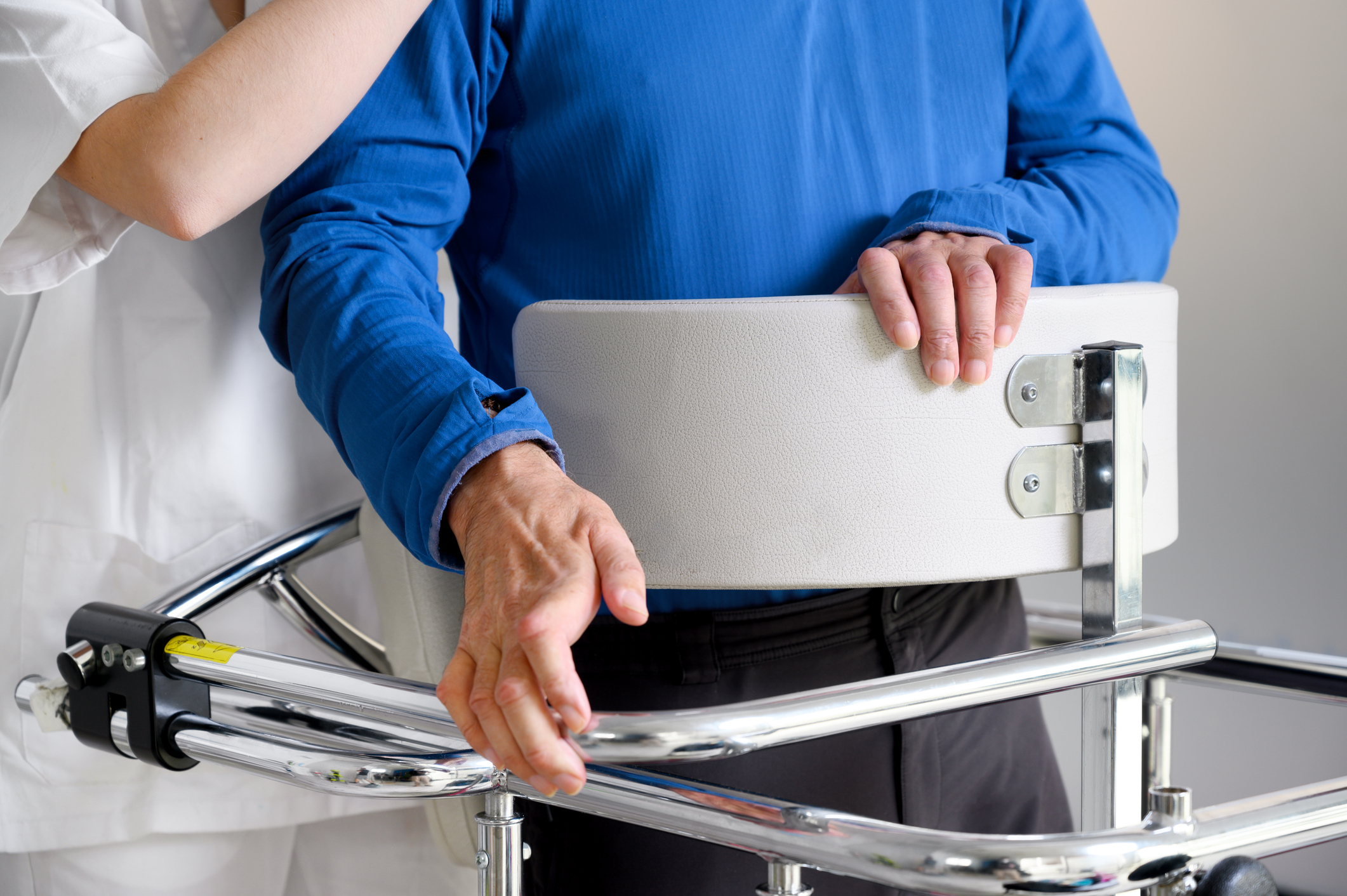
Flushing Hospital’s Department of Physical Medicine and Rehabilitation

Rehabilitation therapy is a form of patient-centered healthcare that is designed to restore, maintain, or improve a patient’s physical, cognitive, and emotional abilities after illness, injury, surgery, or chronic conditions. The Department of Physical Medicine and Rehabilitation at Flushing Hospital Medical Center offers a comprehensive range of outpatient services. The team’s experienced staff includes physical therapists, occupational therapists, speech language pathologists, and audiologists. 

The department has physiatrists who are highly experienced rehabilitation physicians. They are board-certified in physical medicine and rehabilitation, brain injury medicine, and electrodiagnostic medicine.  

Physical therapists provide outpatient services at the hospital. They assess each patient’s unique needs and determine a care plan to address the functional deficits identified. Goals for therapy are based on the patient’s specific needs.  

Common diagnoses treated on an outpatient basis include neck/back pain, joint pain/arthritis, musculoskeletal diseases, and neurological conditions such as stroke and nerve injuries.  

Flushing Hospital’s Department of Physical Medicine and Rehabilitation utilizes therapeutic exercise and movement-based interventions to improve patient outcomes. Electrotherapeutic equipment and thermal modalities, such as hot/cold packs, work as adjuncts to manual therapy techniques. Therapists are trained in manual techniques such as myofascial release and joint mobilization. Exercise techniques using equipment and resistance modalities are taught to the patient as a home exercise program to improve their overall function. 

Dedicated occupational therapists evaluate patients’ self-care skills for activities of daily living (ADLs). They develop care plans to improve the patient’s ability to perform these tasks to lead a more independent lifestyle. 

The speech-language pathologists provide communication, cognitive, and swallowing evaluations and treatment to patients of all ages. Care plans are individualized and patient-centered. Patients with dysphagia (difficulty swallowing) may also be referred for instrumental swallow evaluation, specifically Modified Barium Swallow (MBS) tests, to objectively assess swallowing, make appropriate food and liquid recommendations, and develop a targeted swallowing therapy plan. 

The audiology department provides comprehensive audiological evaluations to patients of all ages, from newborn through geriatric age ranges. Recommendations are made based on the individual’s needs and may include referral/recommendation for possible hearing aids. These patients are given appropriate referrals and guided in the follow-up process.  

Flushing Hospital’s Department of Physical Medicine and Rehabilitation is committed to providing the highest quality care and helping individuals improve their quality of life by regaining mobility, strength, and independence. For more information, please call us at (718) 670-5515. 

All content of this newsletter is intended for general information purposes only and is not intended or implied to be a substitute for professional medical advice, diagnosis or treatment. Please consult a medical professional before adopting any of the suggestions on this page. You must never disregard professional medical advice or delay seeking medical treatment based upon any content of this newsletter. PROMPTLY CONSULT YOUR PHYSICIAN OR CALL 911 IF YOU BELIEVE YOU HAVE A MEDICAL EMERGENCY.

Cancer Prevention and Early Detection Month

April is Cancer Prevention and Early Detection Month, a month dedicated to reminding us about the importance of getting routine cancer screenings.  

According to the American Cancer Society, for 2026, 44% of the estimated 626,000 cancer deaths in the United States can potentially be prevented because they are attributable to modifiable risk factors, such as: 

  • Cigarette smoking 
  • Secondhand smoke exposure 
  • Excess body weight 
  • Heavy alcohol use 
  • Unhealthy diet 
  • Lack of physical activity 
  • Excess ultraviolet radiation exposure 
  • Cancer-associated infections 

Cancer Prevention and Early Detection Month aims to educate people about healthy habits and making simple changes that can make a huge difference, such as quitting smoking, eating nutritious foods, and staying physically active. Routine cancer screenings and vaccinations are also essential.  

Detecting cancer early means better outcomes for your health, such as more treatment options, which can help prevent cancer from spreading. These practices can also significantly lower cancer rates and improve survival chances for many individuals.  

Here are some ways to get involved in Cancer Prevention and Early Detection Month: 

  • Raising awareness 
  • Inspiring action 
  • Mobilizing resources 
  • Highlighting progress 

Cancer Prevention and Early Detection Month’s goal is to inspire everyone to be proactive and take steps towards a healthier lifestyle and get regular cancer screenings, which can reduce the chances of developing cancer considerably. 

Whether you need diagnostic testing or treatment, the MediSys Health Network Cancer Center offers unmatched Queens cancer care for any form of cancer. To schedule an appointment or learn more about our oncology department, please call 718-206-8263. 

All content of this newsletter is intended for general information purposes only and is not intended or implied to be a substitute for professional medical advice, diagnosis or treatment. Please consult a medical professional before adopting any of the suggestions on this page. You must never disregard professional medical advice or delay seeking medical treatment based upon any content of this newsletter. PROMPTLY CONSULT YOUR PHYSICIAN OR CALL 911 IF YOU BELIEVE YOU HAVE A MEDICAL EMERGENCY.

High-Functioning Depression

Depression is a common mental health condition that causes a persistent feeling of sadness and loss of interest, and changes how you think, sleep, eat, and act.

There are several types of depression, including:

  • Clinical depression (major depressive disorder)
  • Persistent depressive disorder (PDD)
  • Disruptive mood dysregulation disorder (DMDD)
  • Premenstrual dysphoric disorder (PMDD)

There are also specific forms of major depressive disorder, including:

  • Seasonal affective disorder (seasonal depression)
  • Prenatal depression and postpartum depression
  • Atypical depression

People with depression often can’t always keep up with the demands of day-to-day life, whether it is keeping a steady job, having significant relationships and friendships, or keeping the house tidy. Their depression can make every task feel daunting.

However, that isn’t always the case. Some people can experience depression in a way that doesn’t appear disruptive from the outside, but it still causes a major disruption inside. This is called high-functioning depression.

Although it isn’t a formal medical diagnosis, high-functioning depression is a helpful way to describe how some people who are living with the symptoms of depression manage to keep up a moderately stable life.

A person with high-functioning depression may have the same symptoms as a person with clinical or major depressive disorder. These symptoms include:

  • Feeling sad, helpless, or hopeless
  • Becoming disinterested in things that used to bring them joy
  • Changes in eating habits, like eating too much or too little
  • Trouble sleeping or sleeping too much
  • Difficulty concentrating
  • Negative thoughts about themselves and others

Unfortunately, some people may feel that they need to hide these depressive symptoms from others because:

  • They might have come from a family or culture that teaches people not to talk about mental illness
  • They think they will feel better by powering through on their own
  • They’re trying to avoid any impact on their job and relationships, hoping the depression lifts
  • They are someone who isn’t comfortable showing vulnerability or perceived weakness
  • They think having depression is something to be ashamed of
  • They feel that their life will fall apart and people will abandon them if they find out about their depression

More women than men are diagnosed with depression, but this may be because women are more likely to seek treatment.

A healthcare provider may determine a diagnosis of depression based on:

  • A physical exam
  • Lab tests
  • A psychiatric evaluation
  • DSM-5

Unfortunately, high-functioning depression can be difficult to recognize. Even though a person may appear to be high functioning, they still should get treatment for their depression. Treatments for depression may include:

  • Therapies such as cognitive behavioral therapy (CBT), dialectical behavior therapy (DBT), and mindfulness techniques
  • Medications
  • Support groups

To learn more about the mental health services at Flushing Hospital Medical Center, or to schedule a virtual appointment, call (718) 670-5316 to speak with our intake coordinator or call (718) 670-5562 to reach the clinic.

All content of this newsletter is intended for general information purposes only and is not intended or implied to be a substitute for professional medical advice, diagnosis or treatment. Please consult a medical professional before adopting any of the suggestions on this page. You must never disregard professional medical advice or delay seeking medical treatment based upon any content of this newsletter. PROMPTLY CONSULT YOUR PHYSICIAN OR CALL 911 IF YOU BELIEVE YOU HAVE A MEDICAL EMERGENCY.

How Microplastics and Nanoplastics Affect Our Long-Term Health

Microplastics and nanoplastics (MNPs) are plastic particles that fail to break down and have become a major concern for environmental and human health.

These plastic particles are extremely small, as microplastics range from 1 micrometer to 5 millimeters. Nanoplastics are even smaller, as they are less than one micrometer.

There are two types of microplastics, primary microplastics and secondary microplastics. These microplastics typically come from two main sources. Primary microplastics are manufactured at a small size intentionally. Secondary microplastics are formed from the breakdown of larger plastic items.

There are public concerns about the health effects of microplastics and nanoplastics, as they have been found in our bodies because of what we eat, drink, or breathe.

Nanoplastics can behave differently from microplastics or materials that are larger. Their small size means that they may move more easily through biological membranes or interact differently with cells in the body.

Larger microplastics are filtered by the body’s natural defenses, such as the mucus and cilia in the airways, but can still get inhaled into the lungs and even infiltrate the bloodstream or the barriers to the digestive system.

Scientific research has pointed to the likelihood of nanoplastics being far more toxicologically active than microplastics, due to their being small enough to pass through some biological barriers and easily absorbed into the body, which can potentially disrupt and damage internal organs and processes.

Evidence suggests that microplastics may be correlated with health conditions, including:

  • Chronic degenerative diseases
  • Cardiovascular disease
  • Inflammatory diseases, such as inflammatory bowel disease (IBS)

Additionally, existing research has found that microplastics can accumulate in the human brain. They can also be found in plaque formed in our arteries.

Currently, the U.S. doesn’t have regulations around microplastics. However, there are ways to reduce your exposure to microplastics, including:

  • Cutting back on bottled water
  • Getting an NSF-certified water filter
  • Avoiding storing food in plastic containers
  • Avoiding the reuse of single-use plastics for food and drinks
  • Avoiding heating plastic
  • Washing plastic by hand
  • Keeping your air clean

According to health experts, there are ways you can lower your risk of the health effects linked to microplastics, including:

  • Eating a balanced diet
  • Getting enough sleep and exercise
  • Lowering stress
  • Seeing preventative care

Unfortunately, plastic is everywhere, and it is hard to avoid. However, it is important to remember that all the plastic we use will end up in a landfill and eventually in our environment and in our bodies. Limiting plastic usage and production will hopefully have a positive impact on future generations.

All content of this newsletter is intended for general information purposes only and is not intended or implied to be a substitute for professional medical advice, diagnosis or treatment. Please consult a medical professional before adopting any of the suggestions on this page. You must never disregard professional medical advice or delay seeking medical treatment based upon any content of this newsletter. PROMPTLY CONSULT YOUR PHYSICIAN OR CALL 911 IF YOU BELIEVE YOU HAVE A MEDICAL EMERGENCY.

Exercising Outdoors

Spring has arrived, and the weather is starting to warm up. This means we can spend more time exercising outdoors rather than at the gym or at home.  

Outdoor exercise is a great way to work out. It offers many benefits to our physical and mental health, such as: 

  • Reducing stress and anxiety 
  • Improving sleep 
  • Boosting vitamin D levels 
  • Boosting self-esteem 
  • Improving memory 
  • Lowering chronic disease risk 

Here are tips that can keep you safe while exercising outdoors: 

  • Drink plenty of water and avoid caffeine and alcohol 
  • Wear clothes that let the air circulate and moisture evaporate 
  • Stay sun safe by wearing sunscreen, sunglasses, and a hat 
  • Know the signs of heat-related illnesses 
  • Wear proper footwear for the activity you are engaging in 

If you experience medical problems while exercising, you can schedule an appointment with a doctor at Flushing Hospital Medical Center’s Ambulatory Care Center. To schedule an appointment, please call (718) 670-5486. 

All content of this newsletter is intended for general information purposes only and is not intended or implied to be a substitute for professional medical advice, diagnosis or treatment. Please consult a medical professional before adopting any of the suggestions on this page. You must never disregard professional medical advice or delay seeking medical treatment based upon any content of this newsletter. PROMPTLY CONSULT YOUR PHYSICIAN OR CALL 911 IF YOU BELIEVE YOU HAVE A MEDICAL EMERGENCY.
Alcohol Awareness Month

April is Alcohol Awareness Month. It is an opportunity to raise awareness and understanding of alcohol use and misuse, and its impact on health. 

Alcohol-related problems continue to take a heavy toll on individuals, families, and communities. Researchers estimate that each year there are more than 178,000 alcohol-related deaths, making alcohol a leading preventable cause of death in the United States. In addition, more than 200 diseases and injury-related conditions are associated with alcohol misuse. 

The National Council on Alcoholism and Drug Dependence (NCADD) started the Alcohol Awareness Month program in 1987. The program targets teenagers and college-aged youth, aiming to educate them on the dangers of heavy drinking and other harmful behaviors that can be common during these years. 

Binge drinking and heavy drinking are two patterns of excessive alcohol use. The Centers for Disease Control and Prevention (CDC) defines binge drinking as consuming four or more drinks for women and five or more for men on a single occasion. Heavy drinking is defined as consuming eight or more drinks per week for women and 15 or more drinks per week for men. 

There are several ways to support Alcohol Awareness Month, including: 

  • Wear a red ribbon 
  • Participate in an alcohol-free 72 hours 
  • Host dry parties 
  • Talk with kids and teens about alcohol 
  • Talk with friends and family about alcohol 
  • Reflect on your relationship with alcohol 

Alcohol Awareness Month’s primary goal is to increase public awareness and education about alcohol and alcohol use disorder (AUD), formerly known as “alcoholism”. 

If you or a loved one needs expert detox services, you can take the first step toward recovery by calling Flushing Hospital Medical Center’s Addiction Services at 718-670-5693.  


All content of this newsletter is intended for general information purposes only and is not intended or implied to be a substitute for professional medical advice, diagnosis or treatment. Please consult a medical professional before adopting any of the suggestions on this page. You must never disregard professional medical advice or delay seeking medical treatment based upon any content of this newsletter. PROMPTLY CONSULT YOUR PHYSICIAN OR CALL 911 IF YOU BELIEVE YOU HAVE A MEDICAL EMERGENCY.

Spring Superfoods: What’s In Season?

Spring is a time for renewal and rejuvenation. So why not rejuvenate your diet by adding spring superfoods to receive their benefits?  

Seasonal superfoods are the key to maximizing nutrients, improving digestion, and staying connected to nature. The reason to eat superfoods during the season they are most prominent is that they are at the peak of their nutritional value. Foods grown and eaten in season are fresher, more flavorful, and full of vitamins. Eating greens that are abundant in the spring can detoxify and cleanse your body. Here are some spring superfoods to add to your diet: 

  • Asparagus is rich in vitamins A, C, E, and K, and is a good source of folate and fiber, which benefit the digestive system by flushing out toxins and help to promote healthy skin 
  • Spinach is high in fiber and iron and contains vitamins A, C, and K, which combine to support eye, blood, immune, metabolic, and gut health 
  • Radishes contain vitamins C and K, as well as calcium and potassium, which help support liver health and digestion 
  • Artichokes contain fiber, potassium, magnesium, and vitamin C, which help support liver function and gut health, as well as support energy production, metabolism, and maintain healthy nerve and heart function 
  • Strawberries are rich in antioxidants and an excellent source of vitamin C, potassium, and folate, which help reduce free radicals linked to cancer and diabetes, and other conditions  
  • Spring onions are a great source of antioxidants, which can help prevent heart disease and cancer, and reduce the risk of developing chronic disease 
  • Sweet peas are a great source of fiber, protein, vitamins C and A, which are good for eye health 
  • Rhubarb is full of vitamins A and K, and B vitamins, which are good for immune, skin, eye, and bone health, and support a healthy metabolism 
  • Fennel contains fiber, potassium, calcium, magnesium, iron, and vitamins C and A, which help with digestive problems, such as cramping, bloating, and gas, support eye, muscle, and bone health, boost brain health, control blood pressure, and strengthen the immune system  
  • Fava beans are a great source of magnesium, protein, and fiber, which are good for heart, bone, immune, and blood health, as well as support digestive and weight management functions, and provide neurological and brain support 
  • Garlic scapes contain glutathione, sulfur compounds, and other flavonoids, which help reduce oxidative stress which is linked to cancer, liver and kidney disease and other illnesses 
  • Fiddleheads contain the B vitamin niacin, which is essential for a healthy metabolism, nervous system, hair, skin, and eyes 
  • Mint contains vitamins A and C, iron, calcium, flavonoids, and rosmarinic acid, which have antioxidant and anti-inflammatory properties that protect cells from oxidative stress and may support overall immune function, as well as being high in menthol, which helps soothe inflammation and ease gastrointestinal symptoms 
  • Salmon is a great source of omega-3s, which can help protect the heart, brain, and more due to its anti-inflammatory benefits 
  • Blackberries are packed with fiber, potassium, and vitamin C, as well as anthocyanins, and support gut, heart, and immune health 
  • Carrots contain beta and alpha carotenes, which may help reduce cancer risk, and are full of fiber, potassium, and vitamin C for an extra boost in gut, heart, and immune health 
  • Mushrooms are a good source of vitamin D, which supports bone health and immune function 
  • Arugula contains vitamins A and K, beta-carotene, and calcium, which help with digestion, eyesight, and bone health  

If you would like to learn more about superfoods and their health benefits, you can schedule an appointment at Flushing Hospital Medical Center’s Ambulatory Care Center. Please call (718) 670-5486. 


All content of this newsletter is intended for general information purposes only and is not intended or implied to be a substitute for professional medical advice, diagnosis or treatment. Please consult a medical professional before adopting any of the suggestions on this page. You must never disregard professional medical advice or delay seeking medical treatment based upon any content of this newsletter. PROMPTLY CONSULT YOUR PHYSICIAN OR CALL 911 IF YOU BELIEVE YOU HAVE A MEDICAL EMERGENCY.

Sore Throat Vs. Strep Throat

A sore throat and strep throat may feel similar. However, they are not the same thing.

Most sore throats are caused by viruses, such as the common cold virus, and will go away in about a week or so. A sore throat can also stem from a bacterial infection. When this occurs, it is known as strep throat, which is caused by an infection from the group A Streptococcus bacterium. Symptoms of strep throat will last much longer than those caused by viral infections

Allergies, a dry environment, and smoking or exposure to secondhand smoke can also cause sore throats.

When you have a sore throat, the inside of your mouth, throat, and lymph nodes around the neck and head become inflamed and swollen. You may also notice that the inside of your mouth appears to be red from the inflammation. Other symptoms of a sore throat include:

  • Dryness
  • Hoarseness
  • Painful swallowing
  • Scratchy feeling in the throat

Symptoms of strep throat, on the other hand, can seem similar; however, the difference is that there are tiny red spots called petechiae on the roof of your mouth or white patches on your tonsils, which are the usual signs of a strep throat infection. Other symptoms of strep throat include:

  • Painful swallowing
  • Swollen lymph nodes and/or tonsils
  • Fever
  • Headache
  • Loss of appetite
  • Nausea
  • Rash
  • Stomach pain

There are many ways to relieve the pain caused by a sore throat, including:

  • Gargling with salt water
  • Hot tea
  • Honey
  • Taking over-the-counter pain relievers such as acetaminophen
  • Ice chips or popsicles
  • Using a humidifier to add cool mist to the air
  • Getting plenty of rest
  • Drinking plenty of water
  • Lozenges

It is important to note that you should never give honey to children under one year old or lozenges to children under the age of four.

The same treatments used for a normal sore throat can be used to soothe a sore throat caused by a strep throat infection. However, the best treatment for strep throat is prescribed antibiotics as they are necessary to effectively treat a strep throat infection and prevent complications.

If you or a loved one is experiencing symptoms of a sore throat, you can receive treatment at Flushing Hospital Medical Center’s Ambulatory Care Center. To schedule an appointment, please call (718) 670-5486.

All content of this newsletter is intended for general information purposes only and is not intended or implied to be a substitute for professional medical advice, diagnosis or treatment. Please consult a medical professional before adopting any of the suggestions on this page. You must never disregard professional medical advice or delay seeking medical treatment based upon any content of this newsletter. PROMPTLY CONSULT YOUR PHYSICIAN OR CALL 911 IF YOU BELIEVE YOU HAVE A MEDICAL EMERGENCY.