
Why Our Foot Health Matters More Than We Think

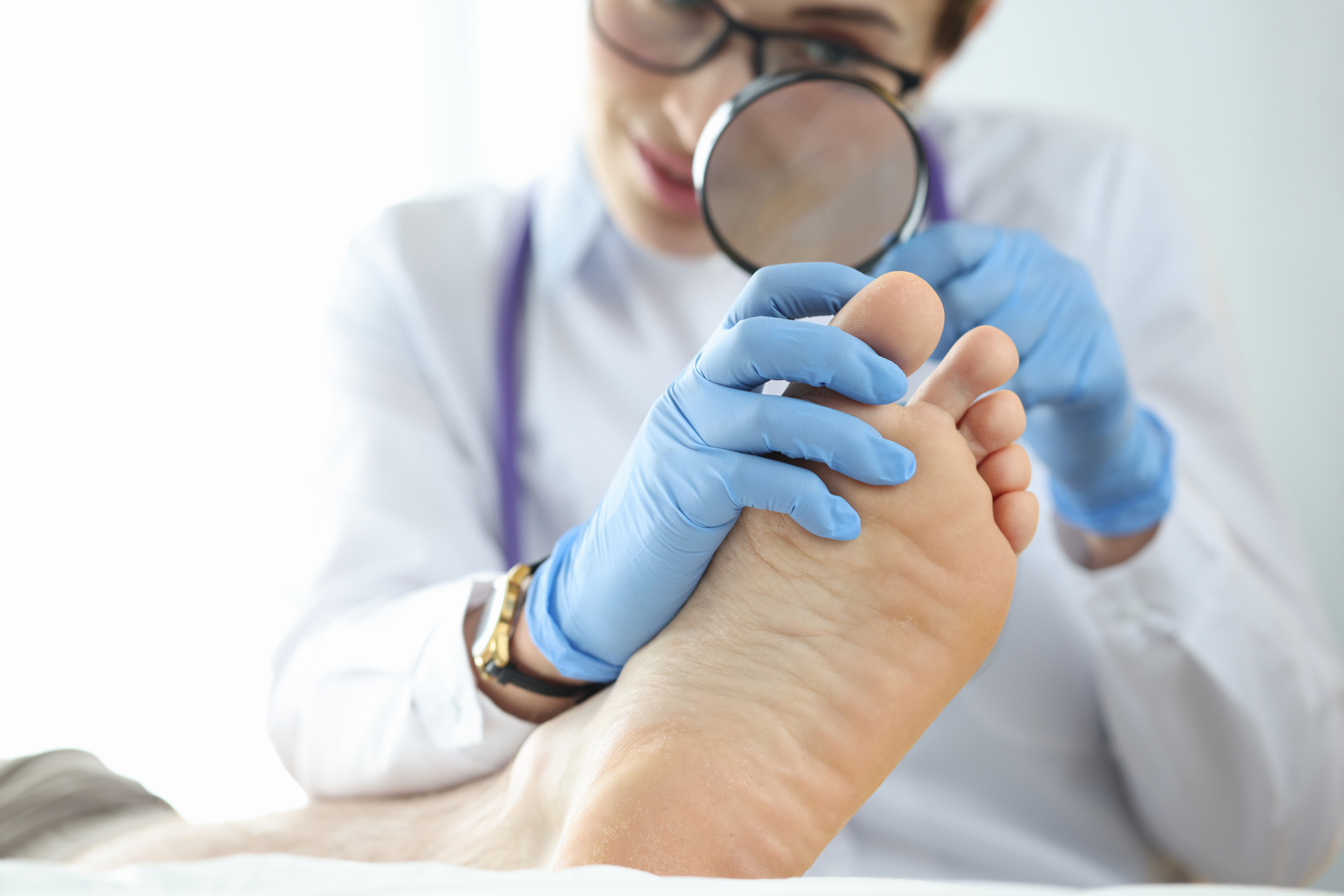
Dermatologist examining toenail with magnifying glass closeup. Diagnosis and treatment of fungal nail infectionsThe average person does not think about their foot health until there is an injury or other problem.  However, we should pay closer attention, because the health of our feet is essential to our overall well-being.

Healthy feet support our full body weight; they are crucial to our mobility and balance.

Neglecting foot health can lead to significant problems. Our feet often reveal early signs of underlying health conditions, and ignoring these signals can have serious consequences. Symptoms such as slow wound healing, persistent tingling or numbness, stiffness, swelling, or pain in the feet may indicate conditions such as diabetes, heart failure, arthritis, circulatory problems, or nerve disorders.

Addressing these concerns early and maintaining good foot health can help delay or prevent certain health issues. We can promote good foot health by:

  • Paying attention to warning signs and following up with a healthcare professional
  • Wearing well-fitting and supportive shoes
  • Keeping our feet clean, dry, and moisturized
  • Staying physically active to promote circulation
  • Maintaining a healthy weight
  • Keeping feet strong and flexible
  • Trimming toenails straight across to avoid ingrown nails

Taking care of our foot health is important, especially for those living with chronic conditions such as diabetes or arthritis.

You should see a podiatrist if you are experiencing persistent pain; changes in your feet, such as swelling, discoloration, or stiffness; changes in balance or the way you walk; ingrown toenails; or fungal infections.

A podiatrist can catch issues early and provide timely treatment. They can help us improve mobility, prevent injuries and infections, relieve pain, and, in severe cases, help reduce the risk of ulcers and amputations.

Flushing Hospital Medical Center is dedicated to delivering high-quality care for all foot-related conditions and injuries. Our hospital provides comprehensive podiatric services, including wound treatment, surgical care, and custom brace and orthotic fittings. For patients with diabetes, we offer preventive foot care and diabetic footwear as needed. To schedule an appointment, please call 718-670-5486.

All content of this newsletter is intended for general information purposes only and is not intended or implied to be a substitute for professional medical advice, diagnosis or treatment. Please consult a medical professional before adopting any of the suggestions on this page. You must never disregard professional medical advice or delay seeking medical treatment based upon any content of this newsletter. PROMPTLY CONSULT YOUR PHYSICIAN OR CALL 911 IF YOU BELIEVE YOU HAVE A MEDICAL EMERGENCY.


Misaligned Bite

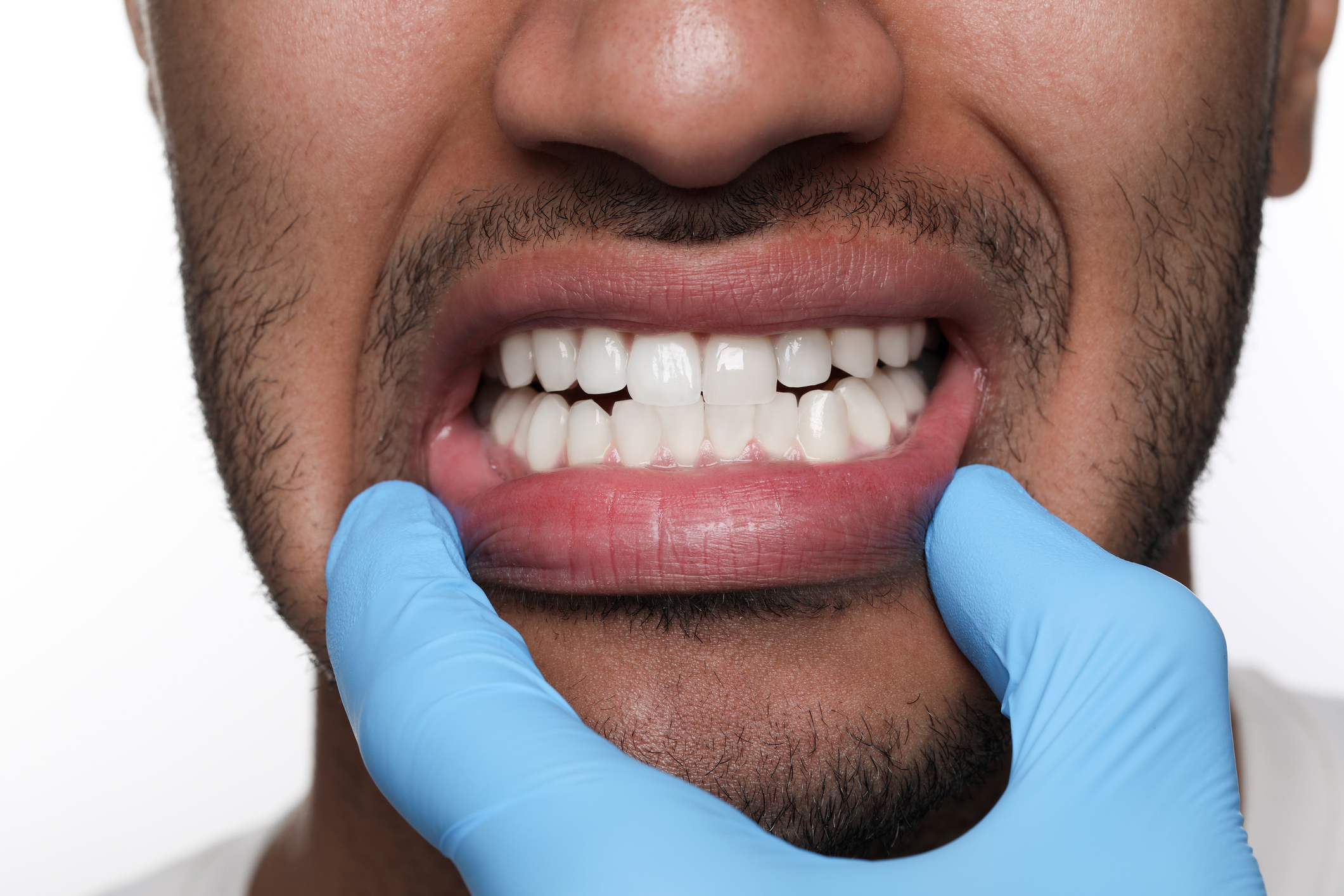
The alignment of your teeth and how your upper and lower teeth fit together is called your bite. A malocclusion or misaligned bite occurs when your upper and lower teeth don’t fit together properly when you close your mouth.

Common causes of malocclusions include genetic or hereditary factors such as jaw size; dental issues such as impacted teeth, early or late tooth loss, or jaw or facial injury; developmental conditions such as cleft palate; childhood habits such as thumb sucking or long-term pacifier use; and poor oral health.

Healthcare providers may use these terms when describing the different types of malocclusions:

  • Open bite, where the front or side teeth do not touch when the mouth is closed
  • Overbite, where the upper front teeth excessively overlap the lower front teeth vertically.
  • Crossbite, where one or more upper teeth bite inside the lower teeth.
  • Underbite, where the lower front teeth extend past the upper front teeth.
  • Spacing, where there are excessive gaps between teeth.
  • Crowding, where there isn’t enough space for teeth to erupt properly

When left untreated, malocclusions can lead to a host of health problems, such as:

  • Gum irritation
  • Difficulty chewing
  • Lisping
  • Increased risk of cavities and gum disease
  • Jaw pain
  • Temporomandibular joint (TMJ) problems
  • Mouth breathing
  • Sleep apnea
  • Tooth loss

Malocclusions should be treated as soon as possible to avoid these problems. Your dentist can diagnose misaligned bites by conducting an examination and using X-rays, dental impressions, and dental records.   Your dentist may also refer you to an orthodontist for further evaluation and treatment.

Treatment may involve braces, clear aligners, jaw surgery, tooth extractions, prosthodontic treatments such as veneers, or orthodontic headgear.  Treatment is based on severity, the patient’s age, the type of malocclusion, and functional and cosmetic needs.

To schedule an appointment with a dentist at Flushing Hospital Medical Center, please call (718) 670-5521.


All content of this newsletter is intended for general information purposes only and is not intended or implied to be a substitute for professional medical advice, diagnosis or treatment. Please consult a medical professional before adopting any of the suggestions on this page. You must never disregard professional medical advice or delay seeking medical treatment based upon any content of this newsletter. PROMPTLY CONSULT YOUR PHYSICIAN OR CALL 911 IF YOU BELIEVE YOU HAVE A MEDICAL EMERGENCY.

Familial Hypercholesterolemia

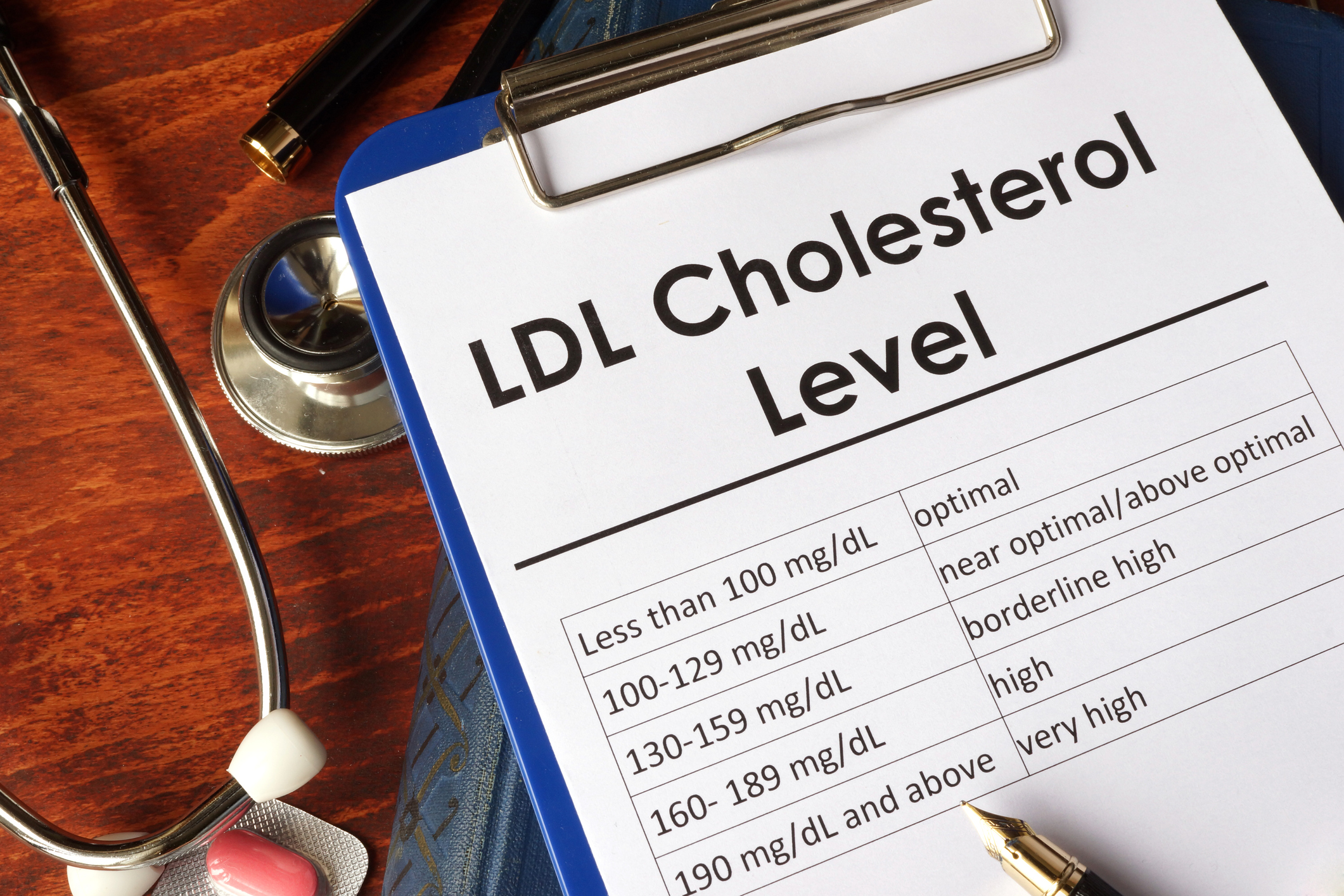
High levels of low-density lipoprotein (LDL) cholesterol, or “bad cholesterol,” are primarily caused by obesity and unhealthy lifestyle habits, such as a diet rich in saturated and trans fats, smoking, and a lack of physical activity.  These are all controllable factors.

High cholesterol can also arise from uncontrollable factors such as genetics.

Some individuals inherit genes from their biological parents that predispose them to high LDL cholesterol levels. This condition is known as familial hypercholesterolemia (FH), a genetic disorder caused by mutations in the LDLR gene located on chromosome 19. This mutation affects the body’s ability to process cholesterol properly.

There are two types of FH:

  • Heterozygous familial hypercholesterolemia, which is the most common of the two types, occurs if one parent gives you the FH variant
  • Homozygous familial hypercholesterolemia, which is rare and more serious, occurs when both parents give you the FH variant

While the genetic mutations that cause familial hypercholesterolemia are present from birth, symptoms may not appear until adulthood. They may develop earlier in childhood in people who inherit FH from both parents.  Symptoms of familial hypercholesterolemia include:

  • High levels of LDL cholesterol in the blood
  • Corneal arcus- a white or gray ring around the iris of the eye
  • Cholesterol deposits in the eyelids (xanthelasmas)
  • Chest pain
  • Cholesterol or fatty skin deposits that form on the hands, elbows, and knees
  • Swollen or painful Achilles tendon
  • Cramping of one or both calves when walking
  • Sores on the toes that do not heal

Living with familial hypercholesterolemia increases the risk of a heart attack at an early age.  The risk is also greater for premature cardiovascular disease and death at an earlier age.

Familial hypercholesterolemia is not preventable; however, it is very treatable.  If your healthcare provider suspects that you have FH, they will perform a physical examination and may order a lipid panel or genetic testing to help confirm a diagnosis.

If you have familial hypercholesterolemia, your doctor will prescribe medications such as statins to control cholesterol levels.  Practicing healthy lifestyle habits such as exercising regularly, eating a healthy diet, and maintaining a healthy weight may also help reduce the risk of complications.

To schedule an appointment with a doctor at Flushing Hospital Medical Center, please call 718-670-5486.


All content of this newsletter is intended for general information purposes only and is not intended or implied to be a substitute for professional medical advice, diagnosis or treatment. Please consult a medical professional before adopting any of the suggestions on this page. You must never disregard professional medical advice or delay seeking medical treatment based upon any content of this newsletter. PROMPTLY CONSULT YOUR PHYSICIAN OR CALL 911 IF YOU BELIEVE YOU HAVE A MEDICAL EMERGENCY.

RSV and Asthma

Respiratory syncytial virus (RSV) is a common respiratory virus. It causes cold-like symptoms, but it can lead to more severe illnesses in young children (especially infants 6 months- 12 months), older adults, and individuals with weakened immune systems.

According to the National Institutes of Health, “Infection with RSV at a young age is thought to increase the risk of developing asthma.”

Furthermore, RSV can be particularly concerning for people with asthma; an RSV infection can significantly increase their risk for more severe symptoms or trigger attacks.

If you have asthma, it is crucial to know the symptoms of RSV so that you can manage both illnesses.  The symptoms of RSV include:

  • Trouble breathing
  • A persistent cough
  • Sneezing
  • Sore throat
  • Runny nose
  • Congestion
  • Fever
  • Wheezing

Managing RSV and asthma may involve preventing RSV, treating an active RSV infection, and controlling asthma.  RSV can be prevented through vaccinations. Treatment for an active RSV infection can include supportive care, such as drinking plenty of fluids, getting adequate rest, taking over-the-counter medications, or using saline nasal drops or suction to relieve congestion.  Asthma can be controlled by following the asthma action plan recommended by your doctor. Your action plan may include taking an inhaler or other prescribed medications, avoiding environmental triggers, monitoring symptoms, and seeking early treatment as needed.

To speak with a doctor at Flushing Hospital Medical Center about managing your asthma, please call 718-670-5486.

All content of this newsletter is intended for general information purposes only and is not intended or implied to be a substitute for professional medical advice, diagnosis or treatment. Please consult a medical professional before adopting any of the suggestions on this page. You must never disregard professional medical advice or delay seeking medical treatment based upon any content of this newsletter. PROMPTLY CONSULT YOUR PHYSICIAN OR CALL 911 IF YOU BELIEVE YOU HAVE A MEDICAL EMERGENCY.
Fasting

Fasting is intentionally abstaining from eating food or drinking for a period of time.  People fast for various reasons, including religious, medical, or ethical reasons.

There are several types of fasting, including medical, intermittent, prolonged, detox, juice, and water fasting.

Fasting for health reasons is believed to have several benefits.  When done safely, potential health benefits are:

  • Weight loss
  • Reduced inflammation
  • Lower blood pressure
  • Enhanced brain function
  • Improved sleep
  • Improved insulin sensitivity
  • Improved cholesterol levels
  • Improved digestion

While there are health benefits you may gain from fasting, you should also consider the following risks and side effects:

  • Malnutrition
  • Dizziness
  • Gallstones
  • Headaches
  • Constipation
  • Nausea
  • Fatigue
  • Dehydration
  • Low sodium and chloride levels
  • Low or high blood glucose
  • Diabetic ketoacidosis
  • Low blood pressure

Fasting may not be suitable for everyone. Certain people should avoid fasting or they should speak with their doctor first. Fasting can worsen symptoms or increase the risk of complications in those who:

  • Are pregnant or breastfeeding
  • Have diabetes
  • Have chronic kidney disease
  • Are under the age of 18
  • Are over the age of 65
  • Are taking certain medications that should be taken with food
  • Are struggling with an eating disorder
  • Are underweight
  • Are trying to conceive

Fasting safely is key to reaping the health benefits and reducing the risk of complications. This can be achieved by speaking to your doctor first, slowly easing into and out of fasting, trying shorter periods of fasting first, staying hydrated, doing light workouts, getting adequate sleep, listening to your body, and stopping fasting if you do not feel well.


All content of this newsletter is intended for general information purposes only and is not intended or implied to be a substitute for professional medical advice, diagnosis or treatment. Please consult a medical professional before adopting any of the suggestions on this page. You must never disregard professional medical advice or delay seeking medical treatment based upon any content of this newsletter. PROMPTLY CONSULT YOUR PHYSICIAN OR CALL 911 IF YOU BELIEVE YOU HAVE A MEDICAL EMERGENCY.
Can You Breastfeed If You Have the Flu?

New moms often wonder whether they can continue breastfeeding their babies if they have the flu.  The answer is yes, you can continue breastfeeding your baby if you have the flu.

The flu virus is not transmitted through breast milk. However, it is important to take the steps needed to protect your baby from germs. You can do this by:

  • Wearing a mask while breastfeeding
  • Limiting face-to- face contact with your baby
  • Frequently washing your hands before touching the baby, or items the baby might touch during breastfeeding
  • Frequently disinfecting surfaces
  • Coughing or sneezing into a tissue and throwing the tissue away immediately after use

If you are uncomfortable breastfeeding when you are sick or worried about the risk of spreading germs to your baby, you can also pump your breast milk and follow the recommendations for cleaning the pump.

In addition to following precautions to limit the spread of germs, flu vaccination is strongly recommended for moms, as it provides added protection from the virus and for their babies.

According to the Centers for Disease Control and Prevention (CDC), “Flu vaccination is safe for breastfeeding women and their infants 6 months and older. Women who get the flu vaccine while pregnant or breastfeeding develop antibodies that are shared with infants through breast milk. Therefore, breastfeeding provides some flu protection for infants, including children younger than 6 months who cannot receive the flu vaccine.”

All content of this newsletter is intended for general information purposes only and is not intended or implied to be a substitute for professional medical advice, diagnosis or treatment. Please consult a medical professional before adopting any of the suggestions on this page. You must never disregard professional medical advice or delay seeking medical treatment based upon any content of this newsletter. PROMPTLY CONSULT YOUR PHYSICIAN OR CALL 911 IF YOU BELIEVE YOU HAVE A MEDICAL EMERGENCY.
What Is “Power Peeing” and How Does It Affect Pelvic Floor Health?

The term “power peeing” is used to describe the habit of forcefully pushing or bearing down on the abdominal muscles to urinate faster; doing this can contribute to a host of health problems.

Straining our abdominal muscles to expel urine faster is a common practice, often done when we are rushing.  While power peeing appears to speed up the process and save us some time, it can do more harm than good.  Habitually forcing out our urine can:

  • Weaken pelvic floor muscles
  • Lead to pelvic floor dysfunction
  • Lead to incomplete bladder emptying
  • Lead to incontinence
  • Lead to urinary leakage
  • Lead to constipation
  • Increase prolapse risk
  • Increase UTI risk

To avoid these problems, it is advisable to relax our pelvic muscles when urinating and let the urine flow.  Here are some tips to help you do this:

  • Don’t hover over the toilet seat
  • Sit fully on the toilet seat with both feet on the floor and lean slightly forward.
  • Take a deep breath and relax the pelvic muscles
  • Breathe normally with full inhalation and slow exhalation
  • Allow urine to flow and the bladder to empty naturally without pushing
  • Practice double voiding (taking the time to pee twice to ensure your bladder is completely empty)

Practicing the proper urination technique is important because it can help promote good pelvic floor and bladder health.

If you are experiencing incontinence or bladder health issues, a urologist can help.  To schedule an appointment with a doctor at Flushing Hospital Medical Center, please call 718-670-5486.

All content of this newsletter is intended for general information purposes only and is not intended or implied to be a substitute for professional medical advice, diagnosis or treatment. Please consult a medical professional before adopting any of the suggestions on this page. You must never disregard professional medical advice or delay seeking medical treatment based upon any content of this newsletter. PROMPTLY CONSULT YOUR PHYSICIAN OR CALL 911 IF YOU BELIEVE YOU HAVE A MEDICAL EMERGENCY.
Zone 2 Cardio

“Zone 2 Cardio” has grown in popularity on social media and in fitness circles. The term describes moderate-intensity aerobic exercise that keeps your heart rate in the 60% to 70% range of your maximum heart rate. This intensity level measures how hard someone is exerting themselves during exercise.

Studies have shown that Zone 2 exercises may offer significant health benefits, including:

  • Improving heart health
  • Enhancing fat burning (In Zone 2, our bodies use fat as the fuel source)
  • Improving lung function
  • Placing less strain on muscles than high-intensity workouts
  • Enhancing overall cardiovascular fitness levels
  • Helping to build endurance
  • Improving energy levels

Here are a few examples of Zone 2 aerobic exercises:

  • Cycling at a relaxed and consistent pace
  • Walking briskly
  • Jogging slowly
  • Elliptical workouts
  • Stair climbing at a consistent pace
  • Hiking at a steady pace on a flat trail
  • Swimming at a slow and steady pace
  • Rowing workouts

There are two ways to determine if you are in Zone 2 cardio: you can calculate your maximum heart rate through this formula, 220 – Your Age = Your Max Heart Rate, or be able to carry on a light conversation while working out.

Experts recommend performing Zone 2 aerobic exercises at least twice per week for at least 20 to 30 minutes to reap the benefits.

While Zone 2 aerobic exercises are generally safe, it is advisable to speak with your doctor before making any changes to your exercise routine.   To schedule an appointment with a doctor at Flushing Hospital Medical Center, please call 718-670-5486.

All content of this newsletter is intended for general information purposes only and is not intended or implied to be a substitute for professional medical advice, diagnosis or treatment. Please consult a medical professional before adopting any of the suggestions on this page. You must never disregard professional medical advice or delay seeking medical treatment based upon any content of this newsletter. PROMPTLY CONSULT YOUR PHYSICIAN OR CALL 911 IF YOU BELIEVE YOU HAVE A MEDICAL EMERGENCY.

What Do Doctors Check for During A Physical Examination?

Getting routine checkups from a primary care physician is essential to maintaining good health.

A routine checkup typically involves your doctor taking vital signs, such as your blood pressure and temperature, reviewing your medical history, medications, and lifestyle, and performing a physical exam.

During a physical examination, your doctor may:

  • Look into your ears:  An otoscope is the instrument used to look into your ear canal.  Your doctor uses this tool to check for signs of inflammation, infection, or other health problems.
  • Listen to your heart and lungs:  Your doctor will use a stethoscope to listen to your heart and lungs. By listening to abnormalities such as wheezing, heart murmurs, gurgling, or crackling, your provider can identify potential health problems.
  • Look into your mouth: A tongue depressor is the tool doctors use to hold the tongue down, allowing a clear view of the mouth and throat. Your doctor will look for signs of infection or certain medical conditions.
  • Tap or feel the abdomen: Your doctor may tap or feel your abdomen to listen to specific sounds or check for masses, tenderness, or fluid.
  • Feel the lymph nodes: Swollen lymph nodes in the neck may indicate infection or inflammation elsewhere in the body.  Therefore, your doctor will feel your neck lymph nodes for swelling.

Performing a thorough physical examination during your routine checkup can help doctors detect certain conditions early or investigate potential health problems.  Routine checkups are also important because they provide an opportunity to discuss any health concerns you may have and build a relationship with your doctor.

To schedule a routine checkup with a primary care provider at Flushing Hospital Medical Center, please call 718-670-5486.


All content of this newsletter is intended for general information purposes only and is not intended or implied to be a substitute for professional medical advice, diagnosis or treatment. Please consult a medical professional before adopting any of the suggestions on this page. You must never disregard professional medical advice or delay seeking medical treatment based upon any content of this newsletter. PROMPTLY CONSULT YOUR PHYSICIAN OR CALL 911 IF YOU BELIEVE YOU HAVE A MEDICAL EMERGENCY.

Nitazenes

Researchers believe the use of benzimidazole opioids, also known as nitazene opioids or nitazenes, is on the rise.

Nitazenes are a class of highly potent (powerful) synthetic opioids that were developed over 60 years ago, in the 1950s, as an alternative to morphine.  However, they were never approved for medical use in the United States due to their high risk of dangerous side effects and overdose.

According to the Drug Enforcement Administration (DEA), nitazenes are often abused for their psychoactive effects. These effects may include feelings of euphoria, pain relief, reduced stress, sleepiness, relaxation, or sedation. Other potential effects include nausea, vomiting, fever, itchiness, slow breathing, and a slow heart rate.

The Inter-American Drug Abuse Control Commission (CICAD) states that nitazenes are distributed in pure form or mixed with other drugs. They can be made into sprays, pills, or powders, which can be inhaled, swallowed, taken sublingually, or injected.  Nitazenes are sometimes used unintentionally because people are unaware that other illicit drugs are laced with it.

Nitazenes, which can be far more powerful than fentanyl and other opioids, present an increased risk of overdose. Taking a high dose of nitazene may result in the following symptoms of an opioid overdose:

  • Discolored skin (Blue or gray skin, lips, or nails)
  • Losing consciousness
  • Weak or limp limbs
  • Unresponsiveness
  • Pin-point pupils
  • Vomiting
  • Gurgling or snoring sounds
  • Coma
  • Death

If someone you know is displaying these signs, act quickly by calling 911 and administering Naloxone or other opioid overdose reversal drugs, if available.

If you have a loved one struggling with substance abuse, it’s natural to feel confused and helpless. Fortunately, you don’t have to navigate the path to recovery and healing alone.

At Flushing Hospital Medical Center, our Psychiatry Department has a Division of Addiction Services where your loved one can receive comprehensive assessments and treatment for alcohol and drug dependency. These services are available through our outpatient Reflections Treatment Program.

For more information about our Reflections treatment program, please contact us at (718) 670-5078.

All content of this newsletter is intended for general information purposes only and is not intended or implied to be a substitute for professional medical advice, diagnosis or treatment. Please consult a medical professional before adopting any of the suggestions on this page. You must never disregard professional medical advice or delay seeking medical treatment based upon any content of this newsletter. PROMPTLY CONSULT YOUR PHYSICIAN OR CALL 911 IF YOU BELIEVE YOU HAVE A MEDICAL EMERGENCY.