Summer Skin Problems

Summer is here, and we will all be spending more time outdoors enjoying the warm weather and sunshine. However, spending more time outdoors means there is increased exposure to sunlight, insects, and other elements of summer, which can lead to common skin conditions. 

Some common summer skin conditions include: 

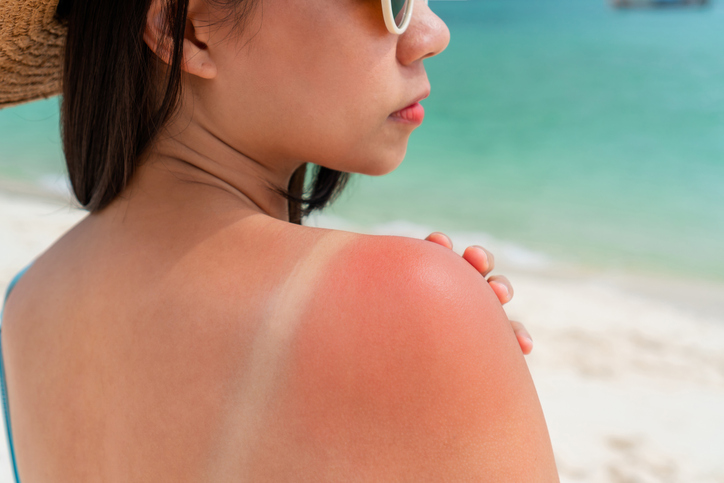
  • Sun skin damage- sun safety is a priority when it comes to summer skin care. Even a few bad sunburns can increase the risk of skin cancer, premature wrinkling, and aging. Some ways to protect your skin include: 
    • Using a good, broad-spectrum, water-resistant sunscreen on your face and other exposed areas, even on cloudy days. 
    • Apply generously, and remember not to forget the lips, rims of the ears, the back of the neck, and the tops of the feet 
    • Choose a sunscreen with an SPF of at least 30 
    • Reapply about every two hours and after swimming or sweating 
    • Covering up with sun-protection clothing and always wearing a hat and sunglasses 
    • Staying inside or in a shaded area during peak sunny hours 
  • Insect bites and stings can leave the skin with painful welts and can even spread disease. A tick bite can spread Lyme disease. Wasp, bees, hornets, and yellow jacket stings can be painful, especially if you are allergic. Mosquito bites can make summertime gatherings miserable. 

To help prevent insect bites and stings, you can follow these steps: 

  • Use repellent to keep bugs off your skin 
  • Use a fan to circulate the air to help keep bugs from biting 
  • Treat bites with an anti-itch medication, as scratching bug bites can cause infection, break the skin, and leave scars 
  • Rashes and skin irritations- things such as summer heat, poison ivy, swimming in certain bodies of water, perspiration, and other factors can cause skin irritations and rashes.  

Hot summer air and sweat can cause and/or aggravate certain skin conditions, such as acne, tinea, and prickly heat.  

Plants such as poison ivy, poison oak, and poison sumac are plentiful in the summer. If you go for a run or hike, or go camping, be mindful that the oils from these plants can cause an allergic reaction that can be severe, with redness, swelling, and intense itchiness. The best way to prevent coming in contact with these plants is to learn what they look like so you can avoid them while outdoors. If you are exposed to these plants, wash your hands and clothes thoroughly to remove as much oil as possible.  

Bodies of water can contain bacteria, parasites, and other irritants that can cause certain water-related rashes, such as: 

  • Swimmer’s itch 
  • Sea lice 
  • Chlorine rash 

Some general summer skin care tips to keep your skin healthier during the summer months include: 

  • Stay hydrated by drinking plenty of water to keep your skin healthy and moisturized from the inside out 
  • Limit your exposure to the sun 
  • Take cool showers and dry off when you’re hot and sweaty 
  • Use a mild cleanser daily and avoid heavy makeup 

If you are experiencing symptoms of a summer skin condition, you can receive treatment at Flushing Hospital Medical Center’s Ambulatory Care CenterTo schedule an appointment, please call (718) 670-5486. If you or someone you are with is experiencing an emergency, call 911 immediately.

All content of this newsletter is intended for general information purposes only and is not intended or implied to be a substitute for professional medical advice, diagnosis or treatment. Please consult a medical professional before adopting any of the suggestions on this page. You must never disregard professional medical advice or delay seeking medical treatment based upon any content of this newsletter. PROMPTLY CONSULT YOUR PHYSICIAN OR CALL 911 IF YOU BELIEVE YOU HAVE A MEDICAL EMERGENCY.


Fourth of July Recipe

The Fourth of July is this weekend, and many of us expect to spend time with our family, friends, and loved ones, while eating some delicious food, and watching the fireworks. If you are bringing food to your get-together and need some ideas, here is a recipe for tasty, mouthwatering teriyaki wings to enjoy while celebrating Independence Day. 

Teriyaki Chicken Wings Recipe | Tyler Florence | Food Network

All content of this newsletter is intended for general information purposes only and is not intended or implied to be a substitute for professional medical advice, diagnosis or treatment. Please consult a medical professional before adopting any of the suggestions on this page. You must never disregard professional medical advice or delay seeking medical treatment based upon any content of this newsletter. PROMPTLY CONSULT YOUR PHYSICIAN OR CALL 911 IF YOU BELIEVE YOU HAVE A MEDICAL EMERGENCY.

Summer Health Concerns and How to Prevent them

Summer is in full swing, so most of our time will be spent outside doing various activities. However, there are many health concerns to consider.

Here are some summer health concerns and how to prevent them:

  1. The human body is made of up to 78% of water, and when it doesn’t get enough, it can’t function properly. In high heat, dehydration can become severe and fatal. To prevent dehydration, it is important to stay hydrated. You can do this by drinking water and eating water-rich foods. Staying properly hydrated can also prevent kidney stones.
  1. Sunburns occur when ultraviolet (UV) rays from the sun cause a radiation burn on the skin. Sunburns can contribute to premature aging of the skin and skin cancer, and can also lead to dehydration, sun poisoning, and infection from severe burns. To prevent sunburn, wear sunscreen containing titanium oxide or zinc oxide every day, even on overcast days. Make sure to cover your entire body, including your ears, eyelids, lips, scalp, and, if exposed, the top of your feet.
  1. Spending time in the sun doesn’t only bring the risks of sunburn and dehydration. It also brings the risk of heat illnesses, including:
  • Heat rash- a red stinging rash that develops when sweat gets trapped in your glands.
  • Heat cramps are painful muscle cramps that occur when you sweat so much that your body loses salts and fluids.
  • Heat exhaustion occurs when the body can’t cool itself through sweating. If it’s not treated, it can quickly turn into heatstroke.
  • Heatstroke, or sunstroke, occurs when a person’s body temperature climbs to dangerous levels. It’s the most severe heat-related illness and can be fatal.

To prevent heat illnesses, limit the time you spend outdoors. Also, take any symptoms you observe in yourself and others seriously.

  1. Insects are more active during the summer, which means there’s a higher risk of encountering them. Especially for:
  • Bee stings
  • Mosquito bites
  • Tick bites
  • Ant bites

To prevent bugs from stinging or biting you, wear an insect repellent with the active ingredients DEET or picaridin. Other ways to prevent stings and bites include:

  • Avoid using scented products.
  • Drain any standing water.
  • Put on protective clothing.
  • Don’t leave any food uncovered outside.
  1. We want to spend more time near water to cool off as temperatures rise. However, it is important to follow proper safety precautions to avoid drowning risks. Here are some ways to prevent drowning risks:
  • Learn CPR
  • Use drain covers on pool drains.
  • Wear life jackets
  • Sign up for swimming lessons.
  1. Everybody loves a good summer barbecue or cookout, but sometimes the food we eat doesn’t always love us back. The smoking process that gives smoked meats their flavor also creates harmful substances called polycyclic aromatic hydrocarbons or PAHs and heterocyclic amines or HCAs. The National Cancer Institute warns that PAHs and HCAs are mutagenic, meaning they can cause changes to your DNA that put you at risk for certain types of cancer. You can prevent ingesting these harmful substances by using liquid smoke as an alternative marinade for your meats. Foodborne illness can be a concern for cookout food as well. This is the case for food left out or leftover sitting in the “temperature danger zone” of 40 to 140 degrees Fahrenheit. These temperatures allow bacteria to grow that can make you sick. You can prevent foodborne illness by cooking meats to a safe temperature and throwing any food that has sat out too long in the trash.
  1. Seasonal allergies caused by pollen is a huge problem in the summer as the weather gets warmer and trees, grass, and flowers pollinate. To prevent seasonal allergies, try taking allergy medications before the season starts so your body can build its defense.

These preventative measures can help you enjoy your summer and keep you safe.

If you or a loved one is experiencing symptoms of heat-related illness, you can receive treatment at Flushing Hospital Medical Center’s Ambulatory Care CenterTo schedule an appointment, please call (718) 670-5486. If you or someone you are with is experiencing an emergency, call 911 immediately.

All content of this newsletter is intended for general information purposes only and is not intended or implied to be a substitute for professional medical advice, diagnosis or treatment. Please consult a medical professional before adopting any of the suggestions on this page. You must never disregard professional medical advice or delay seeking medical treatment based upon any content of this newsletter. PROMPTLY CONSULT YOUR PHYSICIAN OR CALL 911 IF YOU BELIEVE YOU HAVE A MEDICAL EMERGENCY.