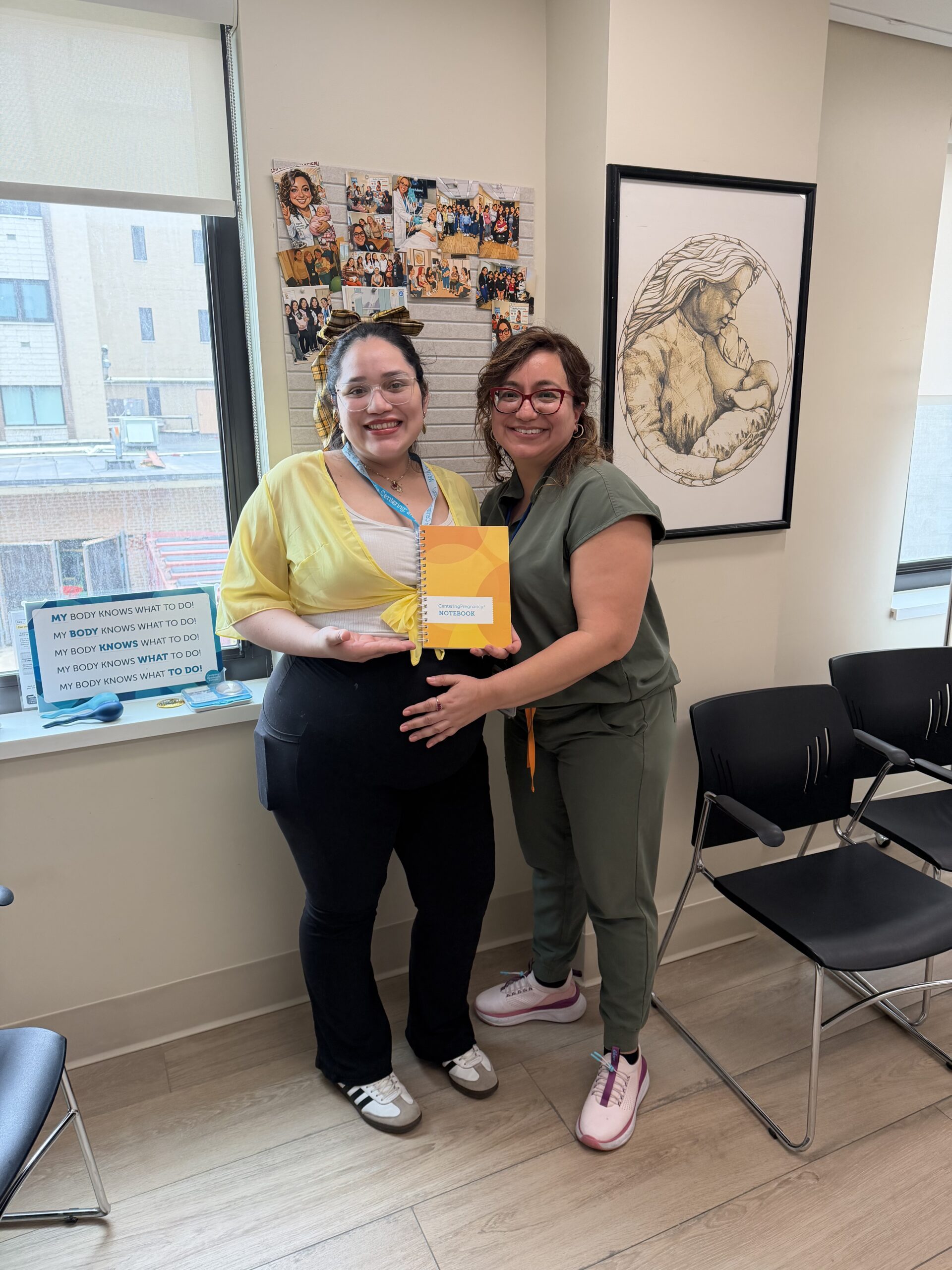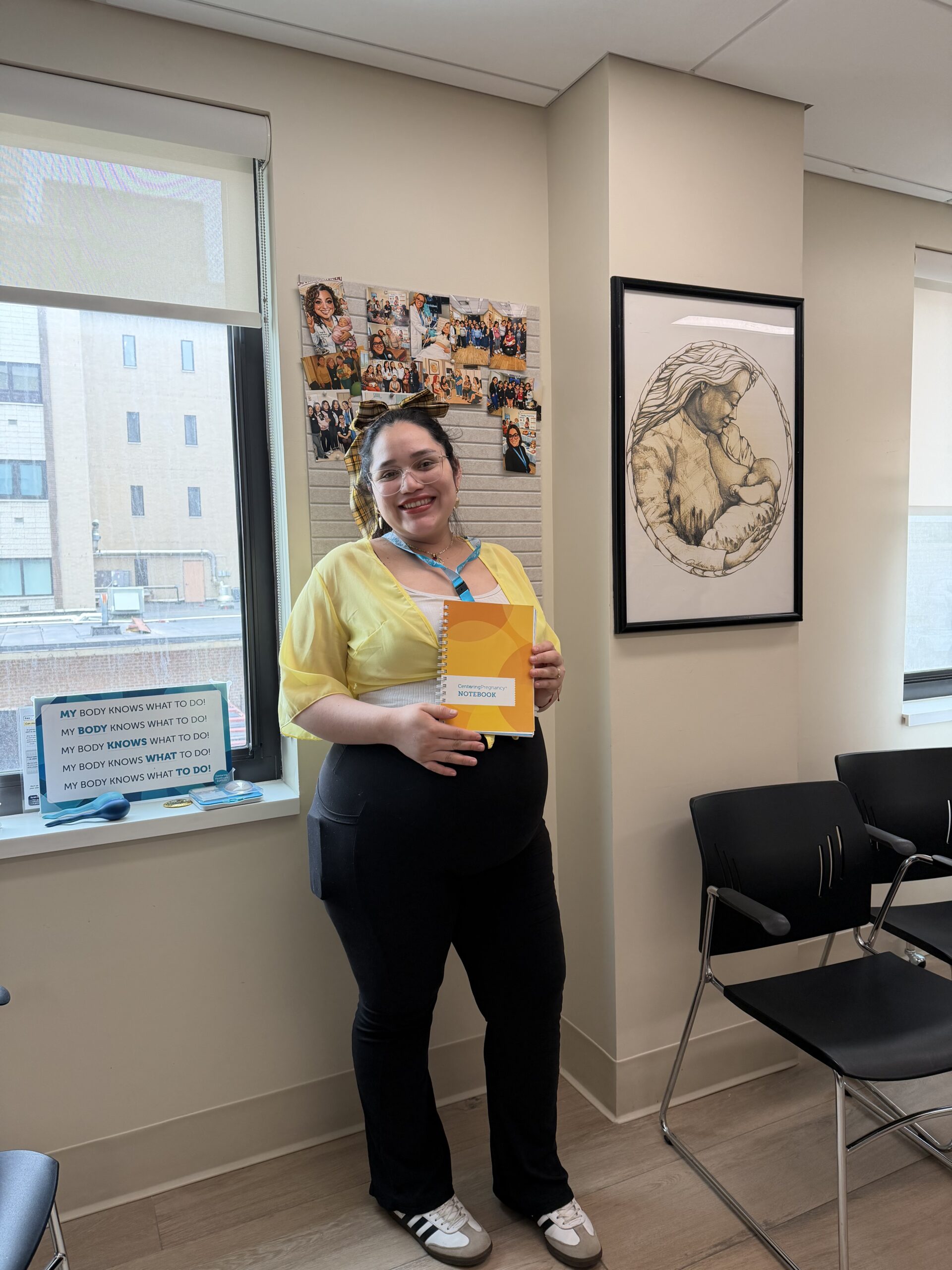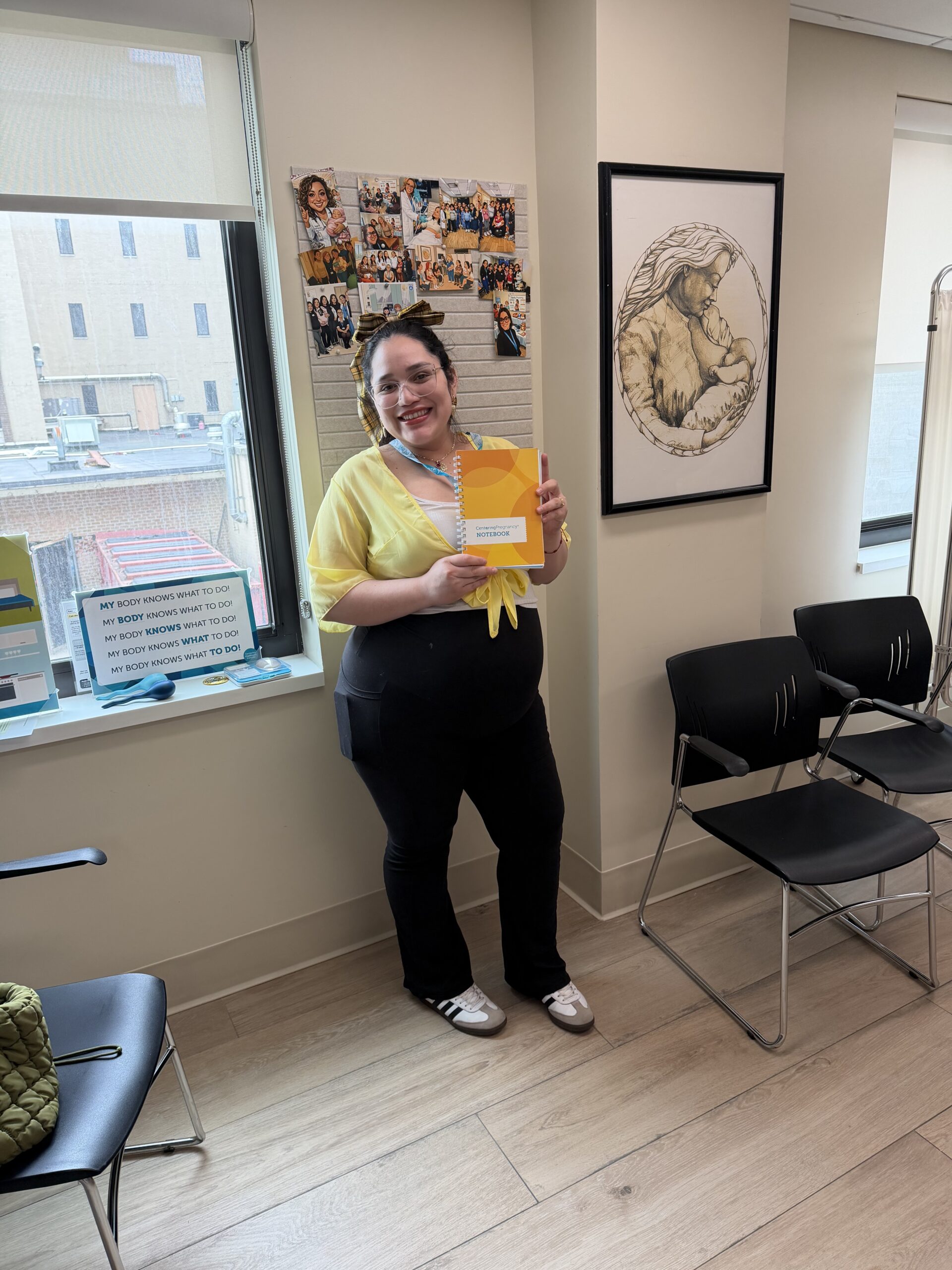
Centering Pregnancy at Flushing Hospital

Flushing Hospital Medical Center is committed to providing the best possible prenatal care to our patients. That is why we are offering Centering Pregnancy to our expectant parents. 

Centering Pregnancy is an innovative prenatal model designed to promote the overall health and well-being of the mother and baby. Unlike traditional one-on-one prenatal visits, this approach incorporates small-group sessions for medical care, education, and emotional support, fostering meaningful relationships between participants and clinicians. 

After an initial private visit with a provider, participants in the centering pregnancy program, all of whom are in similar stages of their pregnancy, meet in a small group setting for their prenatal appointments. Here, participants share with and learn from each other during the course of their pregnancy. Each of the ten-centering prenatal care group sessions is approximately 90 minutes long. This group dynamic gives each of the participants the advantage of having more time with their provider. 

At the beginning of the session, our facilitator will guide each patient to get weighed, have their blood pressure checked, and record their values for the provider to review. The provider will listen to the baby’s heartbeat and review the pertinent patient-specific information. After this information is collected, the 8-12 participants will form a circle and begin the fun and interactive educational session. 

Some of the topics covered in these sessions, designed to promote health and well-being during the pregnancy and postpartum period, include: 

  • The progression of their pregnancy 
  • Relaxation techniques 
  • Common discomforts and how to resolve them 
  • Nutrition during pregnancy 
  • What to expect during labor and delivery 
  • Newborn feeding, including breastfeeding 
  • Newborn care 

Games are played to help the learning process and to assist in building friendships between the participants. After the educational session, there is a question-and-answer period. 

Expectant mothers are actively involved in their care as they share similar experiences with women during the same stage of pregnancy. Moms and providers can relax and get to know each other. Many long-lasting friendships are formed from being involved in Centering Pregnancy. 

Studies show that women who participate in Centering Pregnancy programs tend to experience: 

  • Fewer preterm births (33 percent fewer, according to some research) 
  • Lower rates of emergency C-sections 
  • Higher rates of breastfeeding 
  • Better engagement in their own health 
  • Improved spacing between pregnancies 
  • Better well-child visit attendance and immunization rates 
  • Lower rates of postpartum depression 
  • Dramatically reduced racial disparities in preterm birth, especially among African American women 

“The Centering Pregnancy has proven to be overwhelmingly positive, with participants expressing satisfaction with the group setting and the support they receive. Expectant women learn together, feel less isolated, and share their questions and experiences. Empowering women and allaying fears throughout pregnancy and after birth has been a benefit of Centering Pregnancy,” said Maria DeMarinis Smilios, MSN, CNS, RNC, IBCLC, Director of Nursing-Maternal & Child Services and Ambulatory Care 

These are the many benefits of Centering Pregnancy compared to traditional care. There is no extra charge for this type of prenatal care when compared to traditional prenatal care. 

For more information and to schedule for Centering Pregnancy, call 718 670-8992. 

All content of this newsletter is intended for general information purposes only and is not intended or implied to be a substitute for professional medical advice, diagnosis or treatment. Please consult a medical professional before adopting any of the suggestions on this page. You must never disregard professional medical advice or delay seeking medical treatment based upon any content of this newsletter. PROMPTLY CONSULT YOUR PHYSICIAN OR CALL 911 IF YOU BELIEVE YOU HAVE A MEDICAL EMERGENCY.

Preeclampsia Awareness Week

May is Preeclampsia Awareness Month, a time to raise awareness of this potentially fatal pregnancy condition.  

Preeclampsia is a complication of pregnancy that occurs around the 20th week during pregnancy and lasts about six weeks after birth. It is characterized by symptoms, such as high blood pressure and protein in the urine, and can cause major difficulties for the mother and baby if the condition isn’t monitored and managed.   

Other symptoms of preeclampsia include: 

  • Severe headache 
  • Swelling in the hands and face 
  • Vision problems 
  • Nausea and vomiting 
  • Pain in the stomach or abdomen 
  • Sudden weight gain 
  • Shortness of breath 

Symptoms of postpartum preeclampsia include: 

  • Severe headache 
  • Vision changes 
  • Swelling of the hands and face 
  • Difficulty breathing 

It is important to note that the shorter the time between diagnosis and treatment, the better the outcomes for the mother and baby.  

Preeclampsia and related hypertension diseases of pregnancy (HDPs) affect approximately 76,000 mothers and 500,000 newborns every year and are the leading cause of maternal and infant illness and death in the U.S. and worldwide.  

According to a report done by the Preeclampsia Foundation based on survey data, which analyzed knowledge from almost 3,000 new and expectant mothers that closely represent the demographics of the U.S. population, found that 80% of new and expectant mothers are aware of preeclampsia as a dangerous high blood pressure condition related to pregnancy. However, only 8% of them can correctly name all its major symptoms, and only 29% expressed fear that it may impact their own pregnancy.  

Here are some additional statistics about preeclampsia: 

  • Hypertensive disorders of pregnancy complicate 5%-10% of all pregnancies worldwide. They include: 
  • Preeclampsia, with or without features 
  • Eclampsia 
  • Hemolysis, elevated liver enzymes, and low platelets (HELLP) syndrome 
  • Gestational hypertension 
  • Black women experience severe maternal morbidity events at 2.1 times the rate of white women 
  • Most maternal and infant deaths caused by HDPs occur in low- and middle-income countries 
  • The U.S. ranks 47th worldwide for maternal mortality, and is the only industrialized nation with a rising maternal mortality rate 
  • Sixty percent of hypertension-related maternal deaths are potentially preventable, which highlights missed opportunities for appropriate, recommended care of maternal hypertension 

There are several ways to improve outcomes for women affected by preeclampsia, including: 

  • Screening for risk factors and early hypertension control, nutrition, and exercise, which may help decrease rates of preeclampsia 
  • Providing easy-to-understand preeclampsia signs and symptoms education tools to improve patient understanding of these, and to discuss with their healthcare providers 
  • Supporting prenatal quality collaboratives that help hospitals to implement care practices that reduce early delivery and reduce severe pregnancy complications 
  • Providing access to midwives, doulas, and other trained childbirth attendants throughout the prenatal, labor, and delivery, and postpartum periods. This can improve pregnancy outcomes for all moms, especially those in the BIPOC community 
  • Encouraging and instructing prenatal and postpartum patients on self-measured blood pressure protocols. Pregnancy is the perfect time for women to check, know, and share their blood pressure readings 
  • Standardizing and providing care guidelines on the leading causes of maternal mortality, including hypertensive disorders of pregnancy. This has been shown to decrease maternal illness and death 

Preeclampsia rates in the U.S. are on the rise. It is important that all women know the signs, symptoms, and risk factors for developing high blood pressure during pregnancy, but also know they don’t need to have risk factors to develop it. 

Flushing Hospital’s Women’s Center for Obstetrics and Gynecology offers comprehensive, multi-disciplinary, and culturally sensitive care. Our services are provided by a highly skilled team of OBGYNs. For more information about gynecological services at FHMC’s Center for Obstetrics and Gynecology, call us at (718) 670 8994. 

All content of this newsletter is intended for general information purposes only and is not intended or implied to be a substitute for professional medical advice, diagnosis or treatment. Please consult a medical professional before adopting any of the suggestions on this page. You must never disregard professional medical advice or delay seeking medical treatment based upon any content of this newsletter. PROMPTLY CONSULT YOUR PHYSICIAN OR CALL 911 IF YOU BELIEVE YOU HAVE A MEDICAL EMERGENCY.
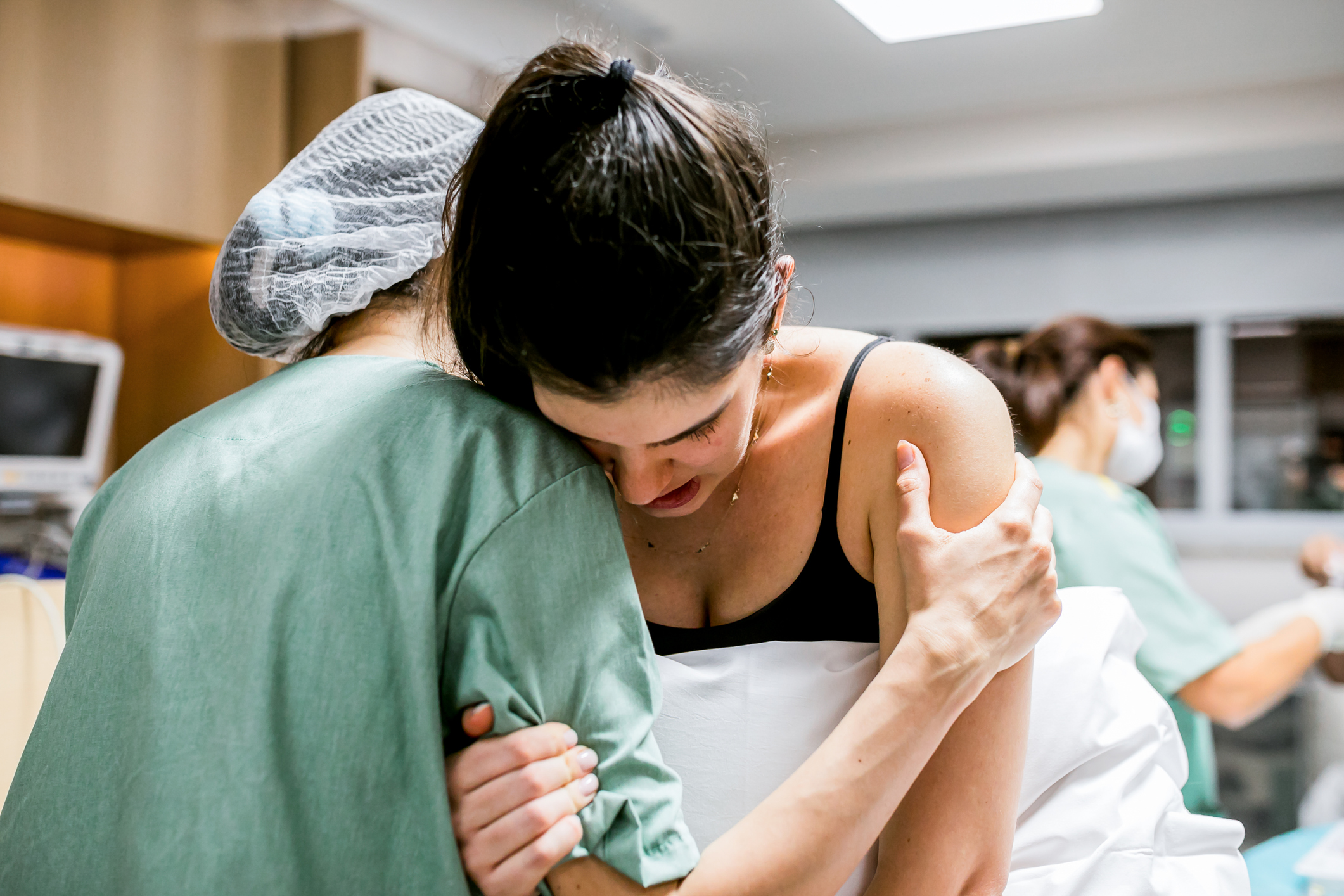
The Difference between a Midwife and a Doula

Nurse midwives and certified doulas serve as members of a birthing team. Both have different training and education and provide various means of support and care during pregnancy, labor, and beyond.

Certified nurse midwives have master’s degrees in midwifery and often have experience working as labor and delivery nurses. Similarly to OB/GYNs, they support gynecological health and pregnancy care from a medical perspective.

Certified nurse midwives are trained to perform the following healthcare services:

  • Perform annual wellness exams
  • Perform gynecological exams
  • Provide prenatal care
  • Prescribe medications
  • Give labor-inducing drugs
  • Monitor the fetus using electronic equipment
  • Order pain medications during labor
  • Order an epidural
  • Perform an episiotomy
  • Deliver a baby vaginally
  • Assist with C-sections
  • Resuscitate a baby
  • Stitch tears
  • Provide STI testing and care
  • Postpartum checkups and breastfeeding support

If you are having a baby outside of your home, you’ll need either an OB/GYN or a certified nurse midwife to deliver your baby.

Certified doulas are trained care professionals, not medical caregivers. Certified doulas don’t necessarily have degrees in healthcare. They earn credentials and accreditations from dedicated training agencies or programs. Their focus is on providing physical and emotional support throughout your pregnancy, delivery, and the postpartum period. Doulas can provide support and education that’s on the periphery of your medical well-being as well.

Different doulas provide different kinds of services. Some may specialize in pregnancy and delivery, while others may provide a full spectrum of services, including supporting you after your baby arrives. Services they offer can include:

  • Birth coaching, such as teaching you different birthing positions and techniques for reducing labor discomforts
  • Healthy pregnancy advice such as nutritional counseling
  • Helping draft your birth plan and advocating for your wishes during labor and delivery
  • Providing mental health check-ins and advice for self-care
  • Continuing to support you after your baby arrives with advice on breastfeeding and helping around the house with meal preparation and housework
  • Education for your support people, like a partner or friend who’ll be in the delivery room or will be caring for your baby with you

Researchers have suggested that using a birthing doula can lead to better birth outcomes, including:

  • Shorter labors
  • Less reliance on medications and epidurals
  • Lowered risk of C-section
  • More satisfaction with the experience of labor

Certified doulas may be most helpful for people who:

  • Are giving birth for the first time
  • Are from underrepresented groups, including people of color and members of the LGBTQIA+ community
  • Have experienced trauma in prior births
  • Wish to have an unmedicated, natural labor, and delivery

The most important consideration when choosing a midwife or a doula is finding someone you like, trust, and feel comfortable around. Someone who respects your opinions and viewpoints on pregnancy and the birthing process can be beneficial.

Experience can be another important factor. Doulas and midwives with more years of experience will bring different skills and perspectives than someone more recently trained.

For more information about Flushing Hospital Medical Center’s Women’s Health Center, please call 718 670-5702.

All content of this newsletter is intended for general information purposes only and is not intended or implied to be a substitute for professional medical advice, diagnosis or treatment. Please consult a medical professional before adopting any of the suggestions on this page. You must never disregard professional medical advice or delay seeking medical treatment based upon any content of this newsletter. PROMPTLY CONSULT YOUR PHYSICIAN OR CALL 911 IF YOU BELIEVE YOU HAVE A MEDICAL EMERGENCY.
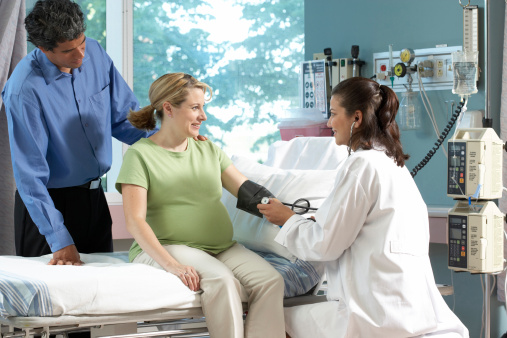
Pregnant Women And The COVID-19 Vaccination

One of the most Frequently Asked Questions regarding the COVID-19 vaccine is, “Should pregnant women receive the vaccine?”

According to the Centers for Disease and Control (CDC), although the overall risk of severe illness is low, pregnant people are at an increased risk for severe illness from COVID-19 when compared to non-pregnant people. Severe illness includes illness that results in intensive care admission, mechanical ventilation, or death. Additionally, pregnant people with COVID-19 might be at increased risk of adverse pregnancy outcomes, such as preterm birth, compared with pregnant women without COVID-19.

The best answer is, getting vaccinated is a personal choice and, although not required, should be made with the advice of your Ob/Gyn.

If you are pregnant or thinking about getting pregnant and would like to learn more information about receiving the COVID-19 vaccine, you can make an appointment at the Flushing Hospital Medical Center’s, Department of Obstetrics and Gynecology by calling 718-670-5239.

All content of this newsletter is intended for general information purposes only and is not intended or implied to be a substitute for professional medical advice, diagnosis or treatment. Please consult a medical professional before adopting any of the suggestions on this page. You must never disregard professional medical advice or delay seeking medical treatment based upon any content of this newsletter. PROMPTLY CONSULT YOUR PHYSICIAN OR CALL 911 IF YOU BELIEVE YOU HAVE A MEDICAL EMERGENCY.

Pregnancy and Gastrointestinal Issues

Gastrointestinal issues are common during pregnancy.  This may be due in part to several factors such as an increase in hormones or the limited amount of abdominal space available for digestive organs to function normally.

As your baby grows, your organs will rearrange themselves to accommodate uterine growth.   The enlarged uterus displaces the stomach, esophagus and intestines which can contribute to reflux of gastric contents or other digestive problems.

Hormonal changes can also contribute to digestive problems.  Pregnant women produce high levels of the hormone progesterone. This hormone causes bowel muscles to relax and can affect their ability to work efficiently.

These changes in a woman’s body during pregnancy may cause the following symptoms to develop:

  • Nausea and vomiting
  • Constipation
  • Acid Reflux
  • Diarrhea

If you are experiencing these symptoms, speak with your doctor right away.  Your doctor will determine if they are pregnancy-related and recommended the best treatment options for your health.

To schedule an appointment with a doctor at Flushing Hospital Medical Center, please call 718-670-5486.

All content of this newsletter is intended for general information purposes only and is not intended or implied to be a substitute for professional medical advice, diagnosis or treatment. Please consult a medical professional before adopting any of the suggestions on this page. You must never disregard professional medical advice or delay seeking medical treatment based upon any content of this newsletter. PROMPTLY CONSULT YOUR PHYSICIAN OR CALL 911 IF YOU BELIEVE YOU HAVE A MEDICAL EMERGENCY.

Can Smoking Affect Your Ability to Conceive?

There are many awareness campaigns designed to urge people to quit smoking.  Some of these messages attempt to educate smokers about the many dangers smoking can have on your health or the health of your unborn child, but did you know that if you smoke, it can affect your ability to even have a baby?

There have been multiple studies to support the theory that smoking has an adverse effect on fertility. Research has found that the prevalence of infertility is higher, and the time it takes to conceive is longer in smokers as compared to nonsmokers. It has also been proven that smoking can affect every stage of the reproductive process in both sexes because the chemicals in cigarettes can cause damage to both male sperm and female eggs.

In women, smoking can lead to many fertility problems, including:

  • Problems with the fallopian tubes, including blockages (preventing egg and sperm from meeting) and an increased risk of ectopic pregnancy.
  • Damage to the eggs as they develop in the ovaries.
  • Increased risk of miscarriage, possibly due to damaged eggs, damage to the developing fetus, or unfavorable changes in the uterine lining, which may make healthy implantation of an embryo less likely.

In addition, smoking can cause a woman’s eggs to age prematurely, leading to an earlier onset of menopause and a shorter window to conceive.

But men should be equally concerned about how smoking can affect their chances of conceiving a child. Studies have concluded that smoking affects sperm in a variety of ways, including:

  • Concentration, which refers to the number of sperm found in a measured quantity of semen. Studies have shown a 23 percent decrease in sperm concentration in men who smoke.
  • Mobility, which measures the swimming capabilities sperm. If sperm cannot swim properly, they may have trouble reaching the egg.
  • Morphology, which relates to the shape of the sperm. Non-smokers have more healthy shaped sperm, which have a better chance to fertilize an egg.
  • DNA damage, which can lead to problems with fertilization, embryo development, embryo implantation, and increased miscarriage rates.

The good news is that the damage done to both the male and female reproductive system as a result of smoking is reversible. For men, it takes approximately three months for new, healthy sperm to mature. For women, quitting smoking can improve natural fertility within less than a year.

If you want to have a baby, but you are a smoker, quit now! If you need help, Flushing Hospital Medical Center offers smoking cessation services to help you. For more information, please call 718-206-8494.

All content of this newsletter is intended for general information purposes only and is not intended or implied to be a substitute for professional medical advice, diagnosis or treatment. Please consult a medical professional before adopting any of the suggestions on this page. You must never disregard professional medical advice or delay seeking medical treatment based upon any content of this newsletter. PROMPTLY CONSULT YOUR PHYSICIAN OR CALL 911 IF YOU BELIEVE YOU HAVE A MEDICAL EMERGENCY.
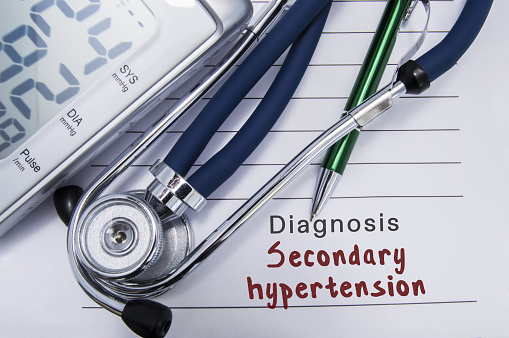
Is There an Underlying Cause for Your Hypertension?

Over 75 million or one out of every three adults in the United States has high blood pressure, or hypertension.  For most, hypertension is the result of either genetic or lifestyle factors such as obesity or smoking, but for approximately 10% of Americans, hypertension is caused by the existence of another disease.

When hypertension is the result of another medical condition it is referred to as secondary hypertension. Secondary hypertension can be caused by a variety of conditions that affect any number of different systems and organs. Some of the most common causes for secondary hypertension include:

  • Kidney disease -Secondary hypertension can be related to damaged kidneys or to an abnormal narrowing of one or both renal arteries.
  • Coarctation of the aorta.With this congenital defect, the body’s main artery (aorta) is narrowed (coarctation). This forces the heart to pump harder to get blood through the aorta and to the rest of your body. This in turn, raises blood pressure — particularly in your arms.
  • Adrenal disease – The adrenal glands sit on top of the kidneys and produce several hormones that help regulate blood pressure. Sometimes, one or both adrenal glands make and secrete an excess of these hormones.
  • Hyperparathyroidism – The parathyroid glands regulate levels of calcium and phosphorus in your body. If the glands secrete too much parathyroid hormone, the amount of calcium in your blood rises — which triggers a rise in blood pressure.
  • Pregnancy –  Pregnancy can make existing high blood pressure worse, or may cause high blood pressure to develop (pregnancy-induced hypertension or preeclampsia).

Like primary hypertension, secondary hypertension usually has no specific signs or symptoms, even when your blood pressure has reached dangerously high levels.  Secondary hypertension can also worsen an underlying medical condition and lead to other serious complications, such as heart attack or stroke, if left untreated.

In most cases, once an underlying medical condition causing hypertension is identified and appropriate treatment is provided, your blood pressure will return to normal.

If you have a condition that can cause secondary hypertension, it is important to see your doctor and have your blood pressure checked regularly.

If you have hypertension and believe there is an underlying cause, schedule an appointment with your doctor. If you do not have one, please call Flushing Hospital’s Ambulatory Care Center at 718-670-5486 to schedule an appointment.


All content of this newsletter is intended for general information purposes only and is not intended or implied to be a substitute for professional medical advice, diagnosis or treatment. Please consult a medical professional before adopting any of the suggestions on this page. You must never disregard professional medical advice or delay seeking medical treatment based upon any content of this newsletter. PROMPTLY CONSULT YOUR PHYSICIAN OR CALL 911 IF YOU BELIEVE YOU HAVE A MEDICAL EMERGENCY.

Can Pregnancy Increase Your Chances of Developing Gum Disease?

Hormonal changes during pregnancy can affect a woman’s body in many different ways; one such change occurs inside a woman’s mouth.

It is estimated that forty to fifty percent of all pregnant women will develop what is referred to as “pregnancy gingivitis,” a mild form of gum disease that is caused by increased production levels of the hormone progesterone.  These hormonal changes make it easier for certain gingivitis-causing bacteria to grow in your mouth and it makes your gums more sensitive to the build-up of plaque.

Taking care of your gums during pregnancy is very important. There have been multiple studies that have linked gum disease and premature birth. A study conducted by the Journal of the American Dental Association concluded that women with chronic gum disease were four to seven times more likely to deliver prematurely or have low birth weight babies than mothers with healthy gums.

Symptoms of pregnancy gingivitis can range from a slight reddening of the gums and mild inflammation to severe swelling and bleeding gums, especially after brushing or flossing. Pregnancy gingivitis can occur anytime between the second and eight month of pregnancy.

The best way to avoid pregnancy gingivitis is to maintain proper oral hygiene. It is recommended that women brush twice a day or after every meal with a soft-bristled brush and toothpaste containing fluoride. Flossing as well as using an alcohol-free, antimicrobial mouthwash daily is also suggested. In addition, don’t skip your dental visits just because you are pregnant. In fact, it is more important to see your dentist when you are pregnant. They can provide a professional cleaning and check-up.  Your dentist can also prescribe antibiotics if necessary.

By following these preventative measures, you can reduce your chances of developing pregnancy gingivitis as well as well increasing the probability of delivering a full-term baby.

If you are pregnant and would like to schedule a routine visit at Flushing Hospital’s Dental Center, please call 718-670-5521.

All content of this newsletter is intended for general information purposes only and is not intended or implied to be a substitute for professional medical advice, diagnosis or treatment. Please consult a medical professional before adopting any of the suggestions on this page. You must never disregard professional medical advice or delay seeking medical treatment based upon any content of this newsletter. PROMPTLY CONSULT YOUR PHYSICIAN OR CALL 911 IF YOU BELIEVE YOU HAVE A MEDICAL EMERGENCY.

Will Having Shingles Effect My Pregnancy?

Almost 1 out of every 3 people in the United States will develop shingles. Shingles is the term used for a skin rash that is caused by the herpes-zoster (varicella) virus, the same virus that causes chickenpox. In some cases it can reactivate and cause shingles. Anyone who has had chickenpox may develop shingles, including pregnant women and even children.

As a new or expecting mother there are a lot of concerns for staying as healthy as you can for you and your baby during pregnancy. Although you can’t give anybody shingles, you can pass the virus on as chickenpox. Whereas shingles is harmless in pregnancy, chickenpox can cause problems for an unborn baby. For this reason, stay away from other pregnant women while you have shingles.

If you are pregnant or trying to get pregnant:

  • First, get a blood test to find out if you’re immune to chickenpox. If you’re not immune, you can get a vaccine. It’s best to wait 1 month after the vaccine before getting pregnant.
  • If you’re already pregnant, don’t get the vaccine until after you give birth. In the meantime, avoid contact with anyone who has chickenpox or shingles.
  • If you’re not immune to chickenpox and you come into contact with someone who has it, tell your doctor right away. Your doctor can treat you with medicine that has chickenpox antibodies.
  • Tell your doctor if you come in contact with a person who has shingles. Your doctor may want to treat you with an antiviral medication. Antiviral medication will shorten the length of time that the symptoms will be present.

There isn’t a cure for shingles but a physician will usually prescribe medications to make the symptoms less intense. If you have questions about shingles send them to

To learn more about prenatal treatments please call the Department of Obstetrics and Gynecology at Flushing Hospital Medical Center, 718-670-8994.

All content of this newsletter is intended for general information purposes only and is not intended or implied to be a substitute for professional medical advice, diagnosis or treatment. Please consult a medical professional before adopting any of the suggestions on this page. You must never disregard professional medical advice or delay seeking medical treatment based upon any content of this newsletter. PROMPTLY CONSULT YOUR PHYSICIAN OR CALL 911 IF YOU BELIEVE YOU HAVE A MEDICAL EMERGENCY.

Why is the cesarean rate so high, and how can I increase my chance of a natural birth?

Woman in the operating room before a delivery

In the field of obstetrics and gynecology, there is no more debatable topic than the increased rate of cesarean (C-section) deliveries. The C-section rate is the percentage of all births that take place surgically, whereby a baby is delivered via an incision on the abdomen. Over the last few decades, this rate has increased tremendously. Up to the 1970’s, the rate of cesarean in the U.S. was less than 5% but in the subsequent few years, it climbed to 33%.

While the cesarean delivery has become a safer operation than it used to be, it is still a major abdominal surgery which should be avoided when a vaginal delivery is an option for both baby and mother. Sadly, rates of complications such as cerebral palsy have not decreased much despite the 600% increase of cesarean deliveries in the last three decades. So why then, has the cesarean rate climbed so much?

There are several factors explaining the increase the cesarean rates and there is no single answer. because so much has changed in the last two of three decades, in terms of medical, social and legal aspects. Let’s look at a few factors:

  • Breech babies: Few doctors deliver breech babies vaginally because recent studies suggested that C-section births are less risky for them.
  • Fewer patients attempt a VBAC (vaginal birth after cesarean): Women with a previous C-section are either not interested or not encouraged in having a vaginal birth after cesarean. There are risks involved in attempting a VBAC, but very often, they can be minimized by close fetal surveillance in labor.
  • Less patience for prolonged labor: Although 24-48 hour labors are often ultimately rewarded by a natural birth, many women prefer to have a cesarean now as opposed to waiting several more hours for a possible natural birth. Sometimes, it’s best to let nature do its work and wait, but physicians and women are often impatient, not tolerant of long (but natural) labor.
  • C-section delivery has become a much safer operation than it used to be decades ago: Long-term complications or serious short- term complications remain rare. This is mainly attributed to proper use of antibiotics, better and safer anesthesia techniques, and safe blood banking.
  • Women wait longer to have children: Increasing age is linked to a higher risk of developing complications such as high blood pressure, placenta previa and diabetes, just to name a few. These conditions increase the risk of cesarean.
  • More multiple births: The rates of twins and triplets have increased by 200-300%. 3-5% of all pregnancies are now twins (or triplets) as opposed to 1% years ago. These high risk pregnancies are associated with a much higher risk of cesarean. The majority of twin pregnancies and nearly all triplets are born via cesarean.
  • Cesarean delivery on maternal request: Some women feel that women should be entitled to make decisions about their body, and about how they want to deliver and at times, women ask for a cesarean delivery In the absence of a medical indication.,

The WHO (World Health Organization) has been advocating since 1985 to reduce the C-section to10-15 percent since 1985. Here are some tips for women who want to achieve this goal and reduce their chances of having a C-section.

  • Don’t be tempted to have a “scheduled” induction: while sometimes, labor inductions are medically necessary to prevent an adverse maternal or fetal outcome, many physicians and patients are tempted to “schedule” a delivery at a set time, without a medical reason.
  • If your baby is breech (babys bottom is down instead of the head): attempt an external version. A simple procedure called External Cephalic Version may turn the baby from breech position to head down, simply by turning the baby externally, by an experiences obstetrician.
  • Be patient. Labors can be long, sometimes very long, so be prepared for it and be patient. Bring a good book, movies, music and try to rest when you can (this is especially possible when you have a well working epidural).
  • Bring a coach: Having a supportive person during your labor (your spouse, your mother or a trained labor coach, called a Doula) has been shown to decrease the risk of cesarean and also to improve your perception of labor. They will keep you distracted during the often very long process.
  • Good life habits: women who are physically fit and are within their ideal body weight are less likely to develop diabetes, high blood pressure and excessively large babies during their pregnancy. So if you have healthy life habits, keep up with them! There is no reason to stop exercising during your pregnancy.
  • Don’t eat excessively: your baby is a magnet for the calories you ingest, so there’s no reason to eat excessively to feed your baby. Don’t believe your mother, aunts or anyone else who force you to eat in order to have a big baby and tell you that “a big baby is healthier”. It simply isn’t true. Six pounds babies are just as healthy as a ten pound ones.

All content of this newsletter is intended for general information purposes only and is not intended or implied to be a substitute for professional medical advice, diagnosis or treatment. Please consult a medical professional before adopting any of the suggestions on this page. You must never disregard professional medical advice or delay seeking medical treatment based upon any content of this newsletter. PROMPTLY CONSULT YOUR PHYSICIAN OR CALL 911 IF YOU BELIEVE YOU HAVE A MEDICAL EMERGENCY.