
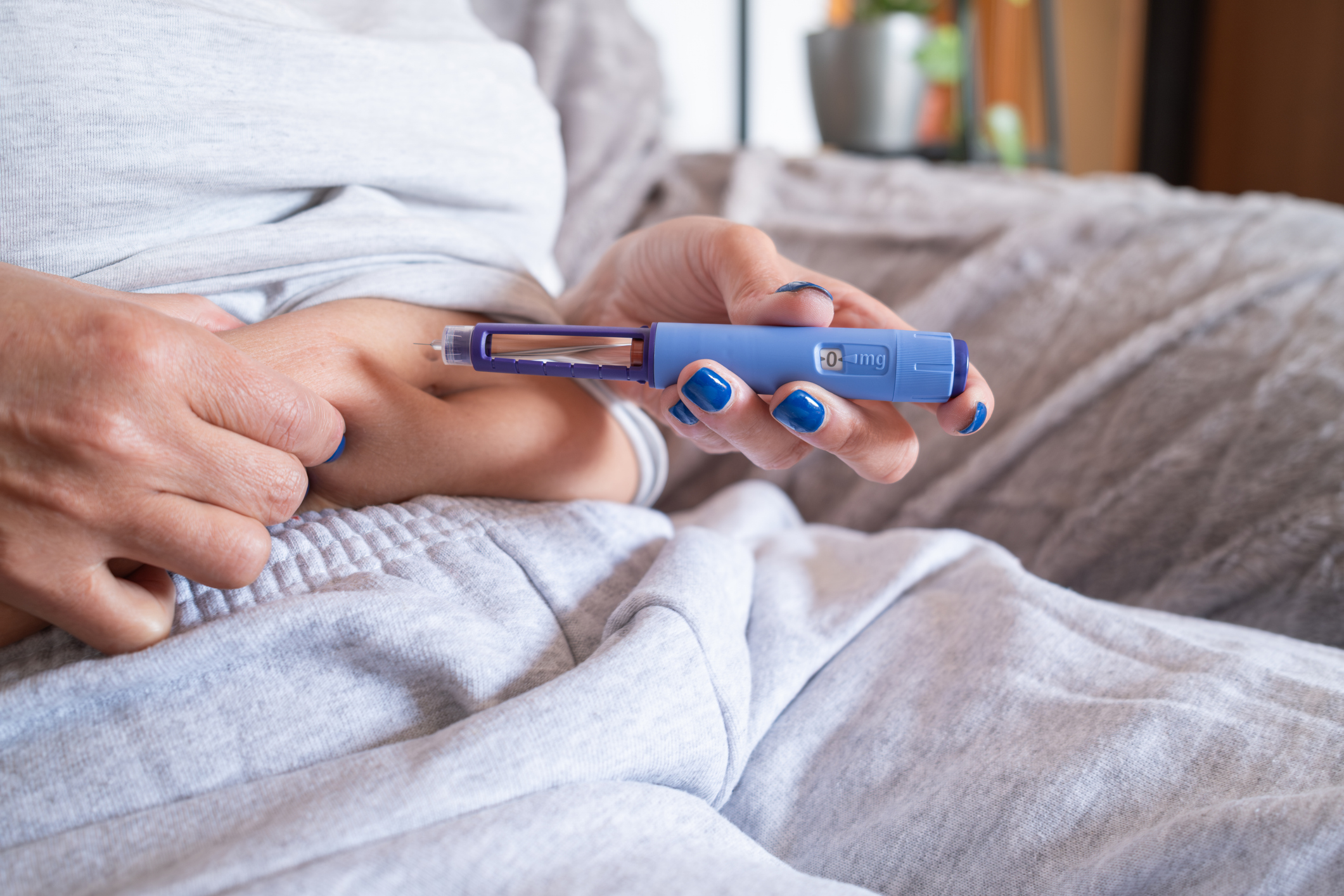
 Glucagon-like peptide-1 or GLP-1 antagonists are, however, a class of medications that mainly manage blood sugar levels in people with Type 2 diabetes. Medications, such as semaglutide and tirzepatide, have become popular over the past few years to help people lose weight.
Recently, however, some people have been microdosing GLP-1 medications as their preferred way to take these medications. Microdosing means taking much smaller doses than those approved by the Food and Drug Administration (FDA).
People may microdose GLP-1 medications for many reasons, including:
- They have hit their target weight goal
- They have concerns about the cost of the medications
- They are sensitive to the side effects of the medications
- They want to just suppress their appetite
- They are worried about the supply of the medications
Microdosing GLP-1 medications can come with real risks, including:
- Inaccurate doses
- Reduced effectiveness
- Unpredictable outcomes
- Possibility of regaining weight
- No data on the long-term effects of microdosing
- Minimal oversight
Large clinical trials have confirmed that the standard GLP-1 doses work well when helping people lose weight and manage Type 2 diabetes. What’s more, precise doses have proven benefits for heart, liver, and kidney health. Taking very low doses may not provide the same results.
Additionally, smaller GLP-1 doses may help reduce symptoms such as nausea or an upset stomach. However, microdosing may prevent you from reaching the effective dose needed to make significant changes in your body weight or blood sugar levels. In many cases, the side effects of GLP-1 treatment are temporary. GLP-1 dosage schedules are intended to increase doses gradually to help balance their benefits and potential side effects.
GLP-1 medications affect people differently. Some people may see substantial benefits even at lower doses. However, other people may not see their benefits at full doses.
Before you consider microdosing GLP-1 medications, it is important to speak with a healthcare provider who is knowledgeable about these treatments. Here are some things to consider:
- If the GLP-1 medication is off-label, it is an unproven treatment
- The health benefits for those who don’t have Type 2 diabetes or a high body mass index (BMI) are unproven
- Taking smaller doses doesn’t make them risk-free
As an alternative to taking GLP-1 medications, here are some proven ways to support metabolic and overall health naturally:
- Exercising regularly
- Eating a healthy, balanced diet
- Managing stress
- Getting enough restful sleep
- Eating certain foods and taking supplements
For more information about the Bariatric Surgery Services at Flushing Hospital or procedures performed by our doctors, please call 718-408-6977 or 718-670-8908.
All content of this newsletter is intended for general information purposes only and is not intended or implied to be a substitute for professional medical advice, diagnosis or treatment. Please consult a medical professional before adopting any of the suggestions on this page. You must never disregard professional medical advice or delay seeking medical treatment based upon any content of this newsletter. PROMPTLY CONSULT YOUR PHYSICIAN OR CALL 911 IF YOU BELIEVE YOU HAVE A MEDICAL EMERGENCY.