
Holiday Eating Tips After Bariatric Surgery

It’s the holiday season, and as we spend time with our family and friends, we enjoy each other’s company over delicious meals. Unfortunately, the holiday season can be a time when we run into problems with weight gain. It can be especially challenging after bariatric surgery. Fortunately, there are many ways to manage our weight during the holiday season. Here are 10: 

  1. Don’t save your calories. It may be tempting to skip meals to save calories for holiday treats, but it is better to stick to your regular eating patterns. You are more likely to overeat if you arrive at a holiday function hungry 
  1. Remember the basics. Just because it is the holidays doesn’t mean you can’t maintain the same healthy eating habits you had during the rest of the year. Pay attention to your portion sizes, start with protein, eat slowly, and track what you eat. Keeping these basic rules in mind can help you avoid overeating 
  1. Be mindful of how much you are eating. Eating while socializing can easily lead to eating too much. Enjoy the company and conversation and save eating for a time when you can focus on your meal 
  1. Avoid the buffet table and the kitchen. Standing close to where the food is being served may result in mindless noshing. Carefully select the food you truly want to try, and then walk away 
  1. Limit alcohol consumption. Drinks containing alcohol are full of empty calories. It is better to eat your calories than to drink them. Additionally, alcohol doesn’t just add calories; it can also dehydrate you. Be aware that alcohol can affect you differently after bariatric surgery. You may feel the effects much sooner, even after consuming less alcohol. You are also more likely to overeat at the buffet table after a couple of drinks 
  1. Stay hydrated. It is important to drink plenty of water and plan ahead. This ensures that you can avoid drinking within 30 minutes of eating and still get in the recommended 64 ounces a day 
  1. Exercise. The holiday season can be a busy time, and our exercise routines may suffer because of it. It is easier to get out of the habit of exercising than it is to get back into it after the holidays. Consider creating a workout schedule or organizing activities for the family that get everyone moving 
  1. Bring a healthy dish to share. This will ensure that there is a healthy food option at the gathering 
  1. Find healthy alternatives for your favorite recipes. Look for healthier substitutions that cut the fat and calories of recipes. Some examples include: 
  • Using skim milk instead of whole milk in mashed potatoes 
  • Using fat-free creamed soups in recipes rather than full-fat versions 
  • Replacing sugar with unsweetened apple sauce or noncaloric sweeteners in desserts 
  • Adding flavor with garlic, spices, and herbs rather than fats such as butter and gravy 
  • Combining ¼ cup of Greek yogurt with ½ cup of butter to replace 1 cup of butter in a recipe 
  • Replacing each egg with two egg whites and substitute evaporated skim milk in place of heavy cream when baking your favorite holiday treats 
  1. Be kind to yourself. You may overeat a bit or sample more treats than you should. However, that doesn’t mean all is lost. It is important to forgive yourself and recommit to healthy patterns and move forward. It is okay to have a treat once in a while. 

Undergoing bariatric surgery requires preparation, dedication, and several lifestyle adjustments. Adopting a whole different way of eating can be challenging, and it will take some time to get used to it. Following these tips can help you plan and enjoy your food in moderation. 

For more information about the Bariatric Surgery Services at Flushing Hospital or procedures performed by our doctors, please call718-408-6977 or 718-670-8908. 


All content of this newsletter is intended for general information purposes only and is not intended or implied to be a substitute for professional medical advice, diagnosis or treatment. Please consult a medical professional before adopting any of the suggestions on this page. You must never disregard professional medical advice or delay seeking medical treatment based upon any content of this newsletter. PROMPTLY CONSULT YOUR PHYSICIAN OR CALL 911 IF YOU BELIEVE YOU HAVE A MEDICAL EMERGENCY.

How Long Should You Keep Thanksgiving Leftovers?

It is the day after Thanksgiving, and the refrigerator is full of leftovers. It is important to know how long these leftovers should actually last to avoid foodborne illnesses.  

The U.S. Department of Agriculture’s (USDA) Food and Safety and Inspection Service recommends throwing out refrigerated leftovers after three to four days. If certain foods are kept in the freezer, they can still be eaten for three to four months after Thanksgiving.  

It is important to properly store and refrigerate all leftovers within two hours at 40 degrees Fahrenheit or colder. To store them, pack the leftovers into small containers and resealable plastic bags. Storing food in smaller portions makes it easier and more convenient for them to be used when taken straight from the freezer. Using freezer or storage-specific plastic bags and plastic wrap helps prevent freezer burn because they are thicker than normal bags. Push out as much air as possible to limit exposure to the surface of the food, which also helps prevent freezer burn. 

Throw away any food that doesn’t keep well in the refrigerator, such as salads, which can become soggy and wilted. Greens such as kale and cabbage can last for up to three days.  

Remove any stuffing from inside the turkey and store it separately in airtight containers. Stuffing can last up to four days in the refrigerator and two to three months in the freezer.  

When storing leftover turkey, cut the turkey into smaller pieces and store them separately in small airtight containers. Turkey can last for four days in the fridge and four months in the freezer.  

Gravy can last for four days in the fridge and up to four months in the freezer. When reheating the gravy, add it to a saucepan and cover it with a lid, and bring it to a rolling boil.  

Homemade cranberry sauce can stay good for a week to 10 days in the fridge. Canned cranberry sauce can be kept for up to two weeks when stored in an airtight container and refrigerated. It is not recommended to freeze cranberry sauce.  

Potatoes and yams can be stored in the refrigerator for four days and up to two months in the freezer.  

Desserts such as fruit pies can be kept at room temperature for two days. After two days, they can be stored in the refrigerator, loosely covered, for two more days.  

It is important to note that you should always reheat leftovers to 165 degrees Fahrenheit, as it destroys most foodborne pathogens, preventing you from developing food poisoning.   

If you or a loved one is experiencing symptoms of food poisoning, you can receive treatment at Flushing Hospital Medical Center’s Ambulatory Care Center. To schedule an appointment, please call (718) 670-5486. 

All content of this newsletter is intended for general information purposes only and is not intended or implied to be a substitute for professional medical advice, diagnosis or treatment. Please consult a medical professional before adopting any of the suggestions on this page. You must never disregard professional medical advice or delay seeking medical treatment based upon any content of this newsletter. PROMPTLY CONSULT YOUR PHYSICIAN OR CALL 911 IF YOU BELIEVE YOU HAVE A MEDICAL EMERGENCY.

Healthy Holiday Recipe: Honey Roasted Sweet Potatoes

Thanksgiving is tomorrow, and as we’re preparing to have dinner with the turkey as the star of the show, the sides we have along with the turkey help make it a complete meal. Sweet potatoes are often a common side dish.  

Sweet potatoes are high in fiber and vitamins A and C. Adding honey to your sweet potatoes adds natural sweetness with trace antioxidants, making this a nutritious and satisfying side.  

Here is a recipe for honey-roasted sweet potatoes that will help elevate your Thanksgiving Day meal.  

These sweet potatoes are lightly roasted with honey for a perfect balance of sweetness and caramelization.  

Honey Roasted Sweet Potatoes Recipe | Ellie Krieger | Food Network 

All content of this newsletter is intended for general information purposes only and is not intended or implied to be a substitute for professional medical advice, diagnosis or treatment. Please consult a medical professional before adopting any of the suggestions on this page. You must never disregard professional medical advice or delay seeking medical treatment based upon any content of this newsletter. PROMPTLY CONSULT YOUR PHYSICIAN OR CALL 911 IF YOU BELIEVE YOU HAVE A MEDICAL EMERGENCY.

Common Misconceptions About Bariatric Surgery

Bariatric, or gastric bypass surgery for weight loss, is a surgical treatment for severe obesity that involves making changes to the digestive system. It is performed when diet and exercise haven’t worked, or when a person is at risk for serious health problems due to their weight.

There are several myths and misconceptions about bariatric surgery and its outcomes, including:

  • Bariatric surgery is unnecessary, and people just need to eat less and exercise more
  • Bariatric surgery is dangerous
  • Bariatric surgery will make a person thin
  • Bariatric surgery and weight loss will make a person happy and improve their relationships
  • Bariatric surgery will prevent a person from overeating
  • Bariatric surgery is an easy way out
  • Most people will gain the weight back after surgery

Bariatric surgery can be a lifesaving solution for many people who are overweight. Bariatric surgery, along with a commitment to lifestyle changes, not only provides long-term weight loss but it significantly improves the health and quality of life for many.

For more information about the Bariatric Surgery Services at Flushing Hospital or procedures performed by our doctors, please call 718-408-6977 or 718-670-8908.


All content of this newsletter is intended for general information purposes only and is not intended or implied to be a substitute for professional medical advice, diagnosis or treatment. Please consult a medical professional before adopting any of the suggestions on this page. You must never disregard professional medical advice or delay seeking medical treatment based upon any content of this newsletter. PROMPTLY CONSULT YOUR PHYSICIAN OR CALL 911 IF YOU BELIEVE YOU HAVE A MEDICAL EMERGENCY.
National Primary Care Week

National Primary Care Week is celebrated from October 6th through October 11th. It is a time to raise awareness about family medicine and to thank the doctors, physician assistants, nurses, and healthcare teams who help keep us healthy every day.

Primary care is the first stop you make when you’re sick, require a checkup, or have any questions about your health. These are the family doctors, pediatricians, or nurse practitioners who know you best and help you to stay healthy, catch problems early, and guide you when you need more care. They don’t just treat you when you are ill; they help keep you well.

Primary care providers do more than administer shots or check blood pressure. They listen to a patient’s concerns, help manage long-term conditions such as diabetes or asthma, and refer you to specialists when needed. They also help with mental health, food and housing needs, and other factors that may affect your well-being.

Here are some ways you can participate in National Primary Care Week:

  • Schedule a checkup if you haven’t had one in a while
  • Update your health records to make sure your healthcare provider has your latest information
  • Thank your doctor or nurse for the care they give
  • Learn more about what your primary care provider can do for you
  • Talk to family and friends about the importance of having a primary care provider

If you would like to receive a checkup, you can receive treatment from a doctor at Flushing Hospital Medical Center’s Ambulatory Care Center. To schedule an appointment, please call (718) 670-5486.


All content of this newsletter is intended for general information purposes only and is not intended or implied to be a substitute for professional medical advice, diagnosis or treatment. Please consult a medical professional before adopting any of the suggestions on this page. You must never disregard professional medical advice or delay seeking medical treatment based upon any content of this newsletter. PROMPTLY CONSULT YOUR PHYSICIAN OR CALL 911 IF YOU BELIEVE YOU HAVE A MEDICAL EMERGENCY.
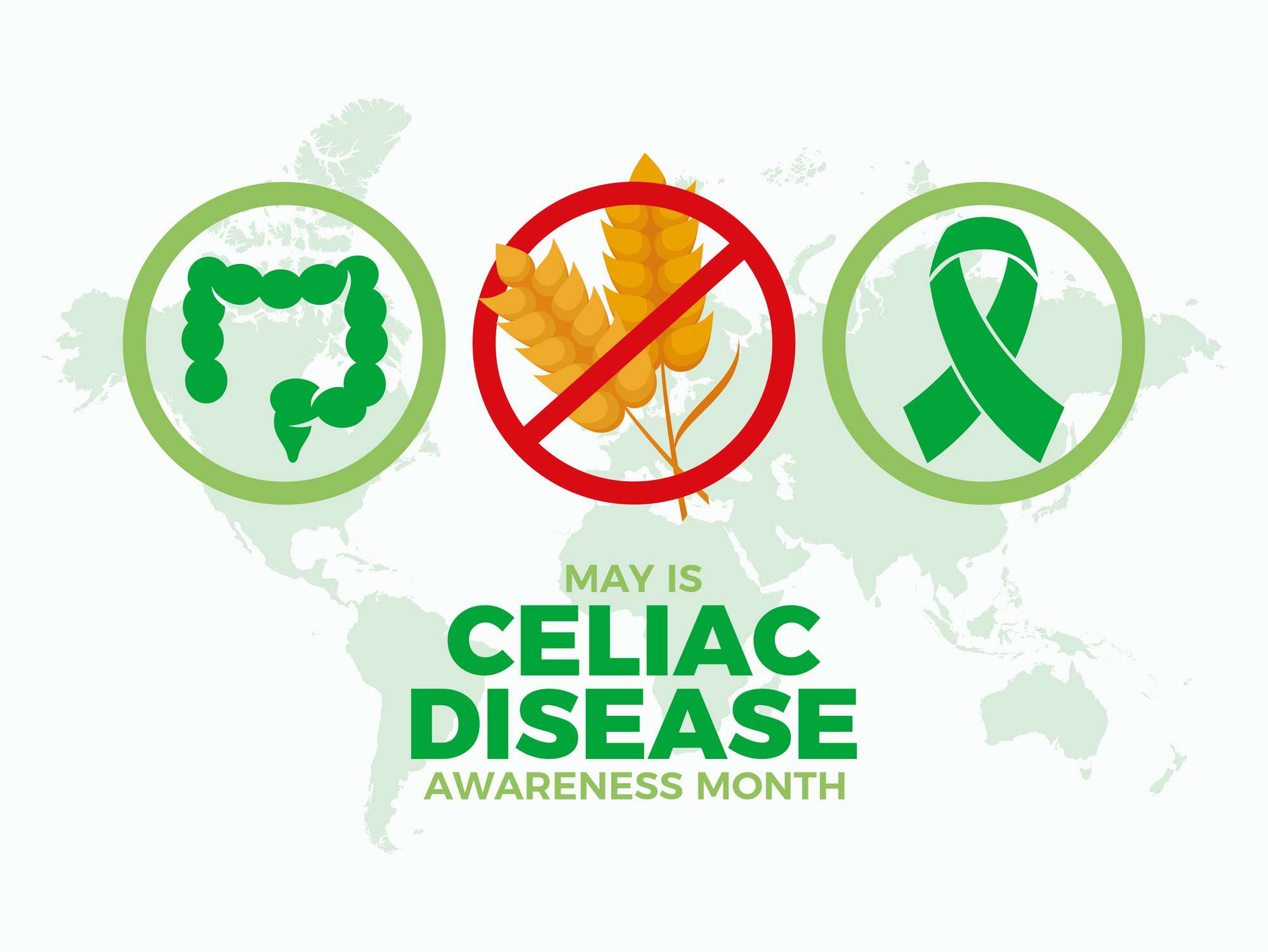
What Are the Symptoms of Celiac Disease?

Celiac disease is an autoimmune condition where the immune system reacts to gluten, a protein sometimes found in foods containing wheat, barley, and rye.

When a person has celiac disease, eating gluten triggers an immune response to the gluten protein in the small intestines. The immune system sends inflammatory cells and antibodies to destroy the gluten molecules. Over time, this reaction can damage the lining of the small intestine, which prevents it from absorbing nutrients. This condition is called malabsorption. It can also lead to malnutrition and many other conditions that follow from the lack of different nutrients.

The symptoms of celiac disease can vary greatly. They can also be different in children and adults. Digestive symptoms for adults include:

  • Diarrhea
  • Fatigue
  • Weight loss
  • Bloating and gas
  • Belly pain
  • Nausea and vomiting
  • Constipation

However, more than half the adults with celiac disease have symptoms that are not related to the digestive system, including:

  • Anemia
  • Osteoporosis
  • Dermatitis herpetiformis
  • Mouth ulcers
  • Headaches and fatigue
  • Nervous system injury, including numbness, tingling in the feet and hands, as well as possible problems with balance, and cognitive impairment
  • Joint pain
  • Hyposplenism
  • Elevated liver enzymes

Children with celiac disease are more likely than adults to have digestive problems, including

  • Nausea and vomiting
  • Chronic diarrhea
  • Swollen belly
  • Constipation
  • Gas
  • Pale, foul-smelling stools

For children who aren’t able to absorb nutrients, it may cause:

  • Failure to thrive in infants
  • Damage to tooth enamel
  • Weight loss
  • Anemia
  • Irritability
  • Short stature
  • Delayed puberty
  • Neurological symptoms, including attention-deficit/hyperactivity disorder (ADHD), learning disabilities, headaches, lack of muscle coordination, and seizures

Celiac disease is most commonly found in people of Northern European descent. It is estimated to affect 1% of the populations of Europe and North America. A person has a 10% chance of developing the disease if they have a first-degree relative, such as a parent or child, who has it. About 97% of people diagnosed with celiac disease have a recognizable gene variant associated it with it.

A person’s genes, combined with eating foods with gluten and other factors, can contribute to celiac disease. However, the precise cause isn’t known. Sometimes celiac disease becomes active after surgery, pregnancy, childbirth, viral infection, or severe emotional distress.

Several risk factors cause celiac disease to be more common in people who have:

  • A family member with celiac disease or dermatitis herpetiformis
  • Type 1 diabetes
  • Down syndrome, Williams syndrome, or Turner syndrome
  • Autoimmune thyroid disease
  • Microscopic colitis
  • Addison’s disease

Many people with celiac disease don’t know they have it. However, two blood tests can help diagnose it:

  • Serology testing
  • Genetic testing

It is important to be tested for celiac disease before trying a gluten-free diet. Eliminating gluten from your diet might make the results of the blood tests appear in the standard range.

The first and most important step in treating and the only way to manage celiac disease, is to stop eating gluten and adopt a strict, lifelong gluten-free diet. You can’t change the way your body reacts to gluten, but you can prevent gluten from triggering a reaction. Additional treatments may include:

  • Nutritional supplements
  • Specific medications
  • Corticosteroids
  • Continuous follow-up care

To schedule an appointment with a gastroenterologist or dietitian at Flushing Hospital Medical Center, please call 718-670-5486.

All content of this newsletter is intended for general information purposes only and is not intended or implied to be a substitute for professional medical advice, diagnosis or treatment. Please consult a medical professional before adopting any of the suggestions on this page. You must never disregard professional medical advice or delay seeking medical treatment based upon any content of this newsletter. PROMPTLY CONSULT YOUR PHYSICIAN OR CALL 911 IF YOU BELIEVE YOU HAVE A MEDICAL EMERGENCY.

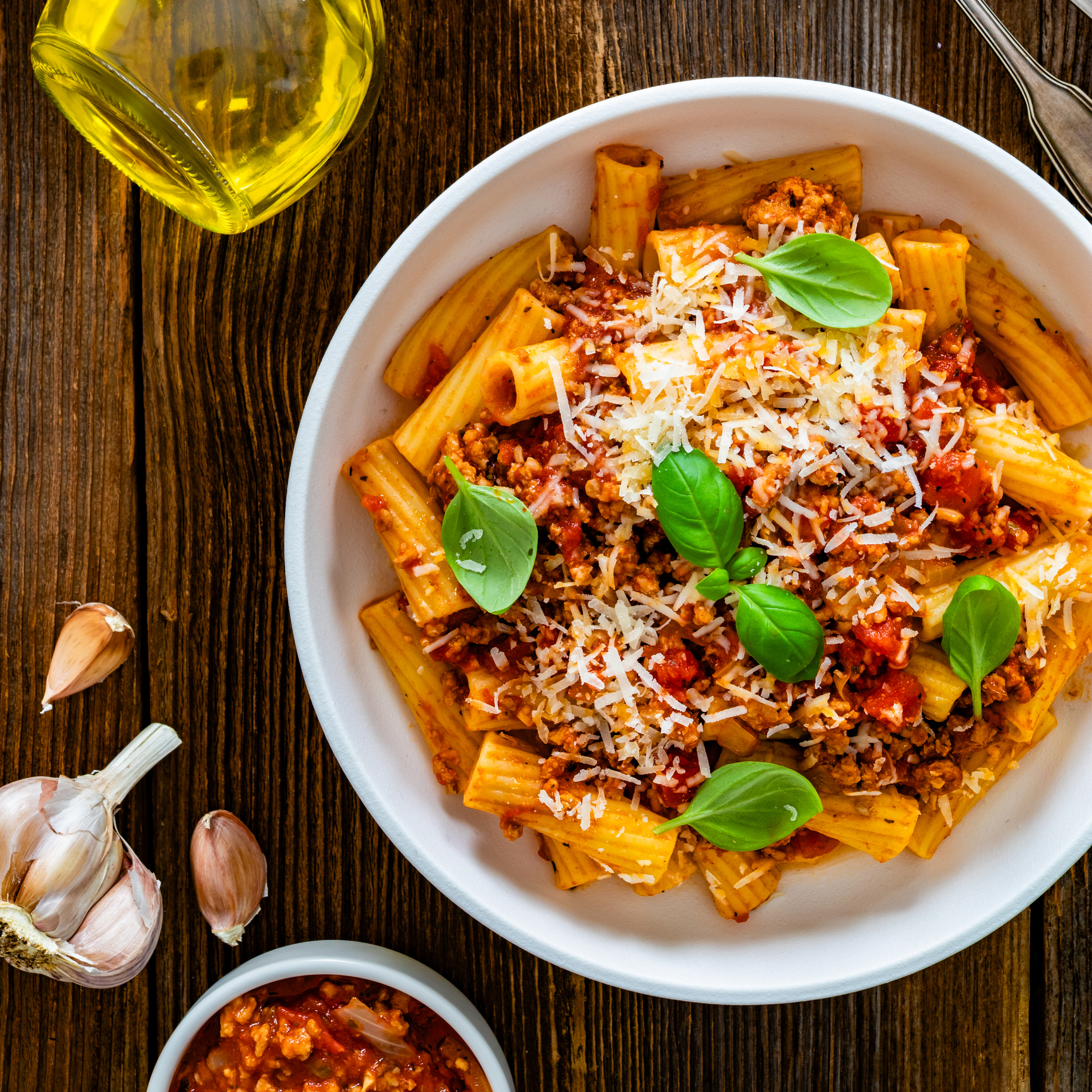
What Are the Healthiest Oils to Cook With?

When you are cooking with oil, it is important to choose the right cooking oils, as it is essential for both flavor and health.

An easy way to do this is to choose non-tropical vegetable oils to cook and prepare food. Nontropical oils are oils that come from plants that grow in temperate climates and are healthier alternatives to tropical oils, and are rich in unsaturated fats. Tropical oils are oils that come from plants that grow in warm tropical climates, such as palm oil, palm kernel oil, and coconut oil.

When you are shopping for healthy oils, choose oils with less than four grams of saturated fat per tablespoon and no partially hydrogenated oils or trans fats.

According to the American Heart Association (AHA), some common cooking oils that contain more of the “better for you” fats and less saturated fat include:

  • Canola oil
  • Corn oil
  • Olive oil
  • Peanut oil
  • Safflower oil
  • Soybean oil
  • Sunflower oil
  • Vegetable oil

Blends or combinations of these oils, which are often labeled “vegetable oil”, and cooking sprays made from these oils are also good choices.

Some oils have distinctive flavors, so it is important to try different types to determine which oils you prefer. Additionally, some oils are better for certain types of cooking than others, so you may want to have more than one type of oil in your pantry.

Some ways you can use healthy oils include:

  • Making your own salad dressings, marinades, dips, and sauces
  • Grilling, sautéing, baking, or roasting foods
  • Coating pans to keep food from sticking
  • Lightly drizzling them on foods for flavor
  • “Seasoning” cast-iron cookware
  • Substituting oil for butter, stick margarine, or solid fats

Here are some tips for cooking with healthy oils:

  • If your oil starts to smoke or catch fire, don’t use it. Oil starts to degrade once it reaches its smoking point
  • If the oil smells bad, don’t use it and throw it away. When oil is stored for too long, it can become oxidized or rancid, and it has a distinct smell
  • Do not reuse or reheat any cooking oil
  • Buy oil in smaller containers if you don’t use it frequently. This will allow you to use it before it expires
  • Store your healthy oils in a dark, cool place

If you would like to learn more about Flushing Hospital Medical Center’s nutritional services, you can visit the Ambulatory Care Center. To schedule an appointment, please call (718) 670-5486.

All content of this newsletter is intended for general information purposes only and is not intended or implied to be a substitute for professional medical advice, diagnosis or treatment. Please consult a medical professional before adopting any of the suggestions on this page. You must never disregard professional medical advice or delay seeking medical treatment based upon any content of this newsletter. PROMPTLY CONSULT YOUR PHYSICIAN OR CALL 911 IF YOU BELIEVE YOU HAVE A MEDICAL EMERGENCY.
How Making Lifestyle Changes Can Reduce the Risk of Chronic Diseases

According to the World Health Organization (WHO), chronic diseases, also known as non-communicable diseases, are conditions that tend to have a long duration and result from a combination of genetic, physiological, environmental, and behavioral factors.

Chronic diseases are the leading cause of death worldwide. These diseases include:

  • Cancers
  • Cardiovascular disease, such as heart attacks and strokes
  • Chronic respiratory diseases, such as chronic obstructive pulmonary disease (COPD) and asthma
  • Diabetes

A person’s lifestyle and daily habits can increase their risk of developing a chronic disease. About 80% of chronic diseases are driven by a person’s daily habits. These include:

  • Tobacco use, including the effects of exposure to second-hand smoke
  • Unhealthy diets, including excess salt, sugar, and fats
  • Excessive alcohol use
  • Insufficient physical activity

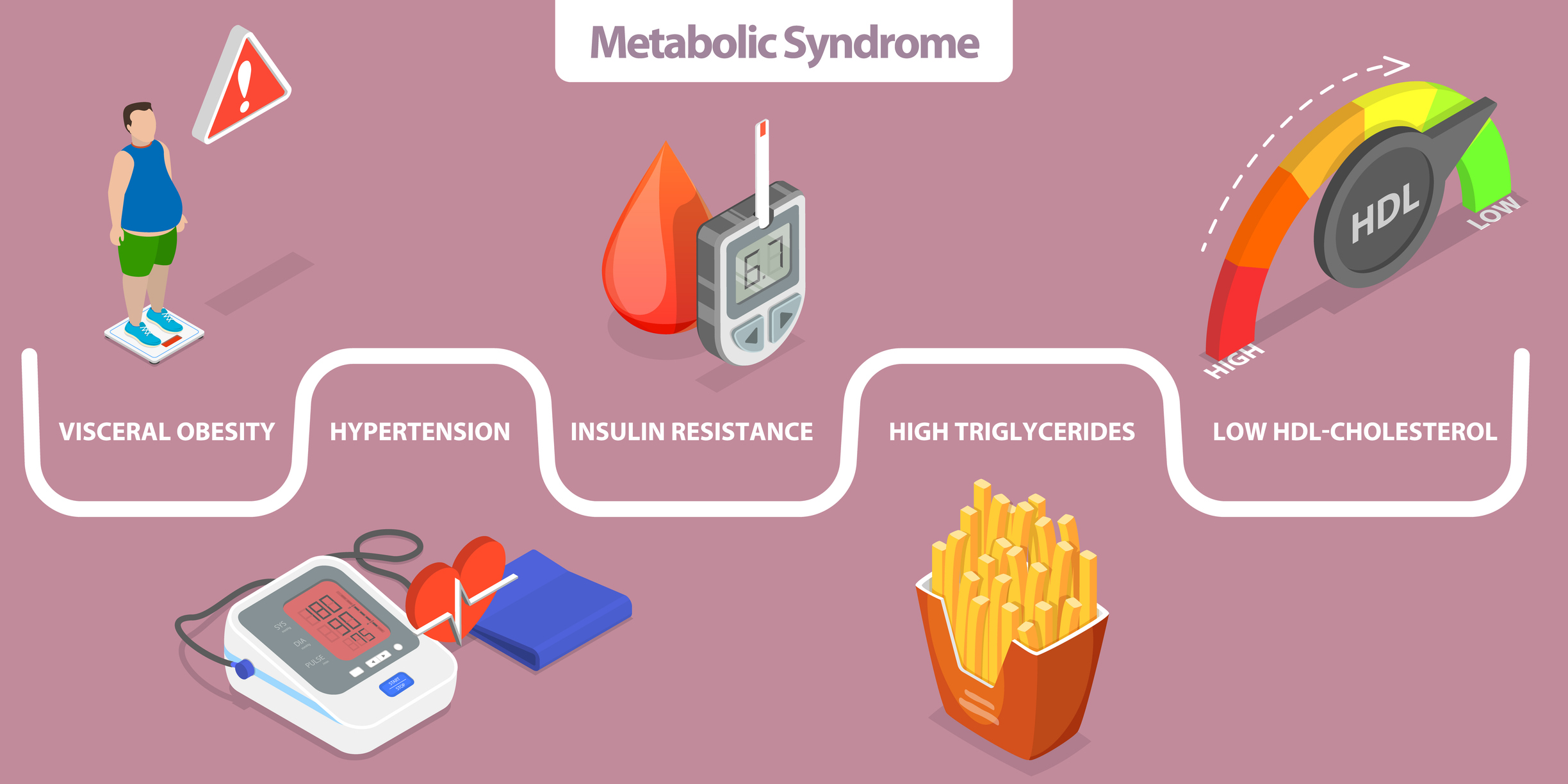
These habits can contribute to metabolic changes that can increase a person’s risk of chronic disease, including:

  • Hypertension
  • Obesity
  • Diabetes
  • High cholesterol

Making the following lifestyle changes is one of the best ways to address harmful habits and help prevent chronic diseases.

  • Dietary changes include eating whole, unrefined, and minimally processed plants. Eating plant-based foods can help reduce diabetes, heart disease, and the risk of cancer
  • Increasing physical activity by engaging in a recommended 150 minutes of moderate-intensity activity each week
  • Getting a good, restful night’s sleep of about seven to nine hours. This can be achieved by:
    • Having a consistent bedtime and waking up on time, even on weekends
    • Being physically active
    • Limiting alcohol and caffeine
    • Putting digital devices away 90 minutes before bedtime
    • Keeping your sleeping area cool, dark, and comfortable
  • Reducing stress by practicing mindfulness, meditation, and gratitude can help relieve stress and improve your physical and mental health.
  • Staying socially connected with friends and family can help keep you emotionally and physically healthy.
  • Quitting smoking, or never starting, lowers the risk of serious health problems, such as heart disease, cancer, Type 2 diabetes, and lung disease, as well as premature death
  • Limiting alcohol use can reduce health risks that excessive drinking can lead to, such as high blood pressure, various cancers, heart disease, stroke, and liver disease

By avoiding these risks and getting good preventive care, you can improve your chance of staying well, feeling good, and living longer.

For more information on how you can make lifestyle changes, you can schedule an appointment with a doctor at Flushing Hospital Medical Center’s Ambulatory Care Center by calling (718) 670-5486.

All content of this newsletter is intended for general information purposes only and is not intended or implied to be a substitute for professional medical advice, diagnosis or treatment. Please consult a medical professional before adopting any of the suggestions on this page. You must never disregard professional medical advice or delay seeking medical treatment based upon any content of this newsletter. PROMPTLY CONSULT YOUR PHYSICIAN OR CALL 911 IF YOU BELIEVE YOU HAVE A MEDICAL EMERGENCY.
The Impact of Ultraprocessed Foods on Your Health

Ultraprocessed foods, or UPFs, are food products such as frozen pizza, ready-to-eat meals, instant noodles, and many store-bought breads that contain a long list of ingredients, chemical additives, and little to no “whole” foods.

Understanding ultraprocessed foods is tricky, as even experts don’t fully agree on what they specifically are and whether they are good or bad. However, a 2024 study led by researchers at Harvard T.H. Chan School of Public Health also found that a high intake of ultraprocessed foods may increase the risk of early death. Participants who ate the most ultraprocessed foods of any kind had a 4% higher risk of death from any cause and an 8% higher risk of death from neurodegenerative diseases. And according to the Yale School of Public Health, high ultraprocessed food intake has been linked to a 25%-58% higher risk of health issues related to the heart and metabolism, and a 21%-66% higher risk of mortality.

People who eat more ultraprocessed foods may tend to eat more calories overall. Data from the Centers for Disease Control and Prevention (CDC) shows that 53% of the calories that adults consumed daily, on average, came from ultraprocessed foods between 2021 and 2023. For children 18 years old and younger, it is 61.9%. Scientists are studying whether ultraprocessed foods high in saturated fat, added sugars, and sodium may mimic addictive substances in some people, and if they do, how they may do so.

Some ultraprocessed foods may contribute to poorer health outcomes. Examples of this include:

  • They may displace or replace healthier foods
  • They could lead to eating too many calories
  • They may result in eating too much saturated fat, added sugars, or sodium
  • They may influence how the brain responds to these foods
  • The changed textures may trigger the brain to stay hungry even after eating
  • They can potentially disrupt blood sugar
  • They can potentially disrupt your gut health
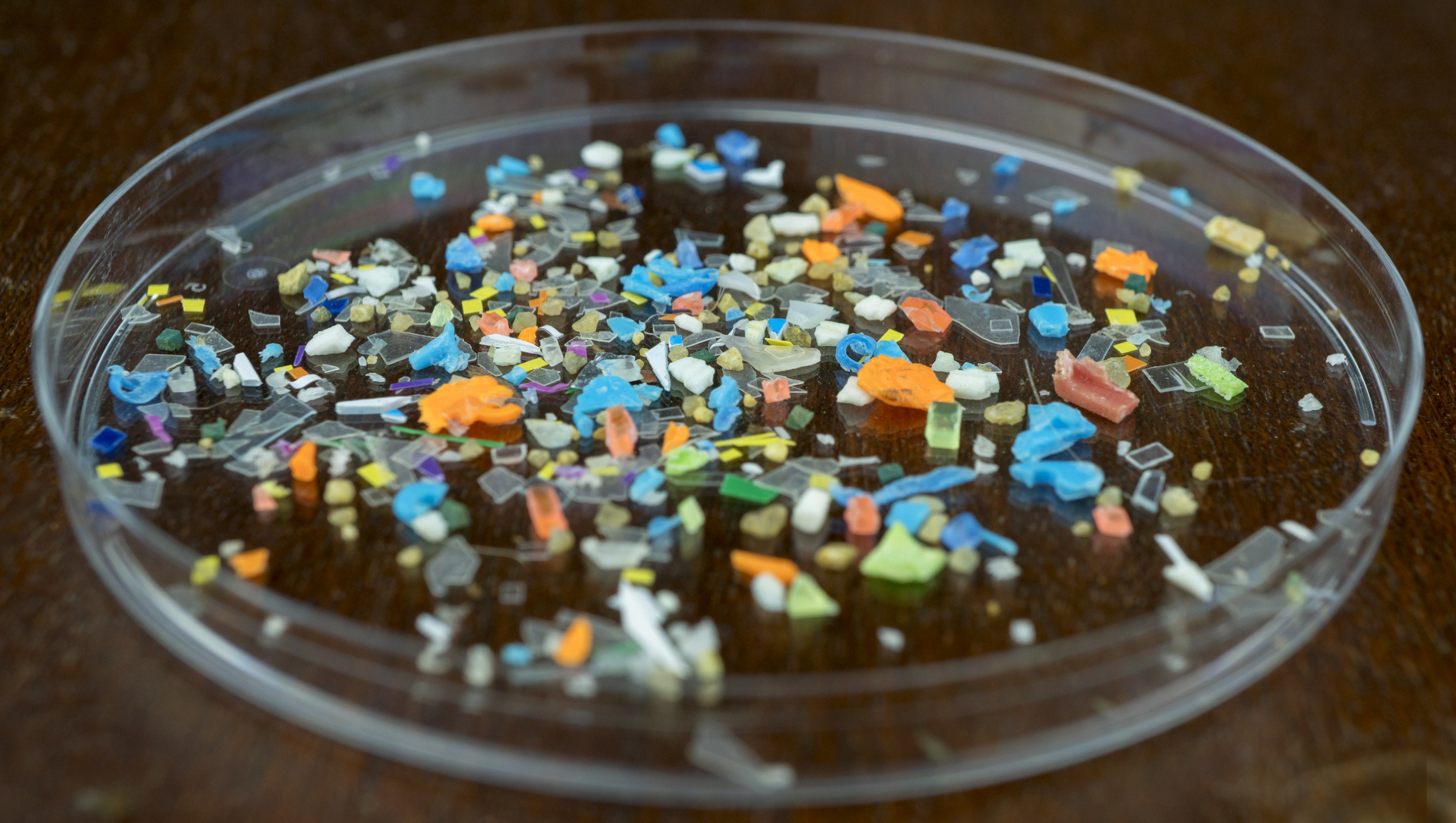
  • They could cause exposure to toxins

The recommendation to limit the intake of ultraprocessed foods reinforces the long-standing nutrition guidance to limit unhealthy fats, added sugars, and sodium. A diet composed mainly of ultraprocessed foods also exposes people to unhealthy additives and increases the risk of chronic inflammatory diseases.

The best way to identify ultraprocessed foods is to read the packaging of the product to see if its list of ingredients contains either food substances never or rarely used in kitchens, such as high-fructose corn syrup, hydrogenated or interesterified oils, and hydrolyzed proteins. Or it may contain classes of additives designed to make the final product palatable or more appealing, such as flavors, flavor enhancers, colors, emulsifiers, emulsifying salts, sweeteners, thickeners, and anti-foaming, bulking, carbonating, foaming, gelling, and glazing agents.

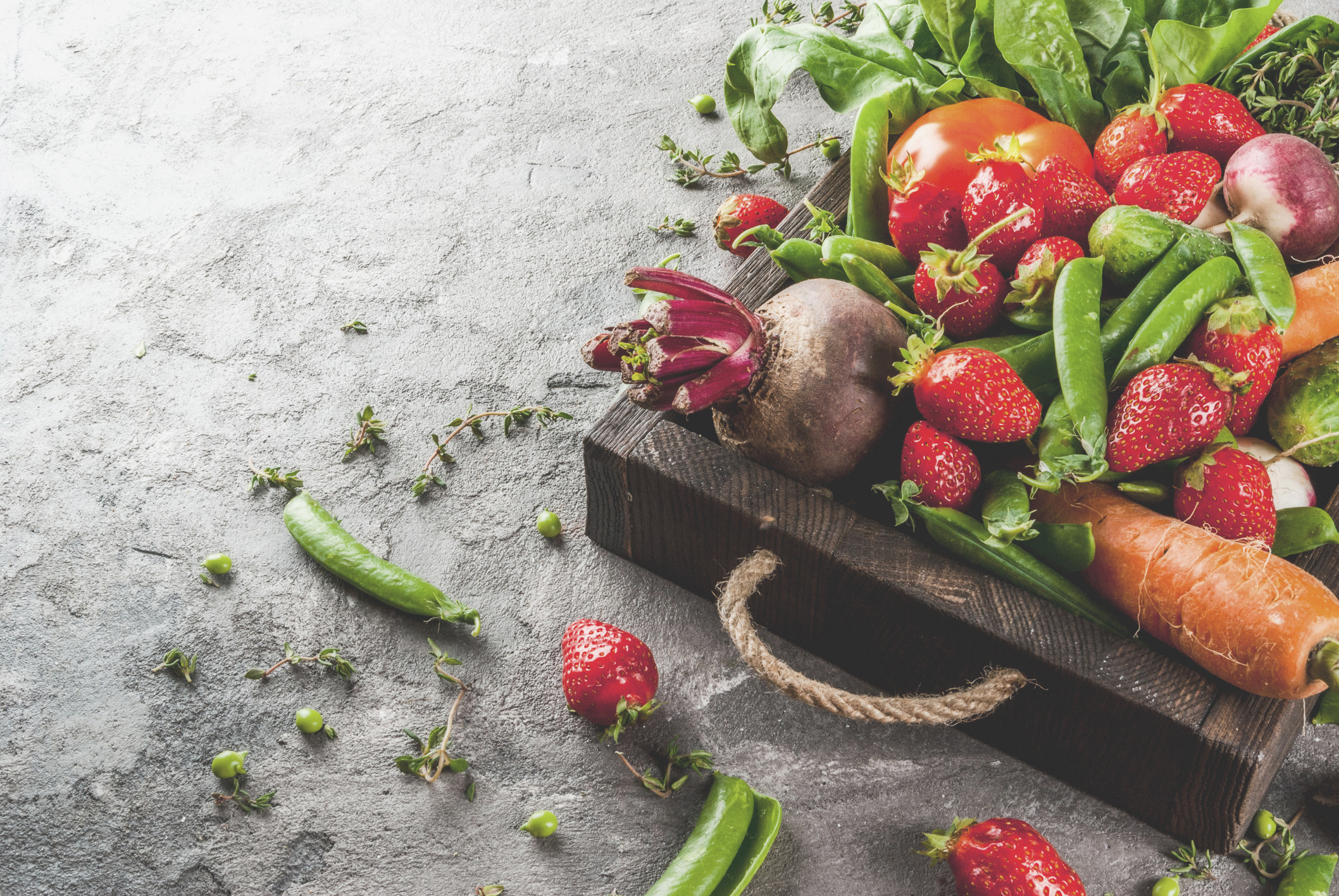
It is important to note that an overall healthy diet pattern should focus on eating healthier options such as vegetables, fruits, whole grains, beans, nuts, seeds, healthy non-tropical oils, and lean proteins.

The Yale School of Public Health offers four ways to reduce ultraprocessed foods in your diet. They include:

  1. Planning and preparing meals at home in advance that use less processed and ultraprocessed foods
  2. Drinking water and unsweetened beverages such as coffee and tea instead of soda and other sweetened drinks
  3. Eating fresh fruits and vegetables, if they are available to you. If they are not available, choose minimally processed frozen or canned options with no added salt or sugar
  4. Adding an unprocessed fruit or vegetable to your meal if an ultraprocessed food is your only option and you are short on time. And to choose an ultraprocessed food option with less sodium, saturated fat, and added sugar

If you would like to learn more about Flushing Hospital Medical Center’s nutritional services, you can visit the Ambulatory Care Center. To schedule an appointment, please call (718) 670-5486.

All content of this newsletter is intended for general information purposes only and is not intended or implied to be a substitute for professional medical advice, diagnosis or treatment. Please consult a medical professional before adopting any of the suggestions on this page. You must never disregard professional medical advice or delay seeking medical treatment based upon any content of this newsletter. PROMPTLY CONSULT YOUR PHYSICIAN OR CALL 911 IF YOU BELIEVE YOU HAVE A MEDICAL EMERGENCY.

Healthy Aging Month

September is Healthy Aging Month, a month observed to encourage people to focus on their health and take steps to help them face the challenges that come with aging.

As we age, we become aware of changes in our mental and physical health, as well as shifts in our social needs. You can take charge of your well-being by taking steps to age with a healthy mind and body. Flushing Hospital Medical Center would like to offer these tips to help boost your health as you age:

  • Get moving
    • It is important to consult your doctor before exercising. Start slow, know your limitations, and modify activities if needed
    • Aim for at least 150 minutes of moderate-intensity physical activity each week
  • Maintain a healthy diet
  • Eat proper portion sizes
  • Avoid excess processed foods
  • Stay hydrated
  • Stay socially active
    • Stay in touch with friends and family
    • Try doing something new that interests you
  • Balance your body and mind
    • Keep a positive attitude
    • Keep your mind active by reading or doing puzzles
    • Keep your body active with yoga and stretches
  • Be proactive
    • Receive regular checkups, physicals, and medical tests when needed
    • Take vitamins, supplements, and medications as prescribed or needed

Healthy Aging Month is a time to celebrate life and the positive aspects of growing older. Healthy living is healthy aging. Developing and maintaining healthy aging practices throughout your life contributes to greater resilience and opportunities to thrive as we age. Making small changes in your daily life can help you live longer and better.

If you have questions about any medical issues that may arise as you age, you can schedule an appointment with a doctor at Flushing Hospital’s Ambulatory Care Center by calling (718) 670-5486.

All content of this newsletter is intended for general information purposes only and is not intended or implied to be a substitute for professional medical advice, diagnosis or treatment. Please consult a medical professional before adopting any of the suggestions on this page. You must never disregard professional medical advice or delay seeking medical treatment based upon any content of this newsletter. PROMPTLY CONSULT YOUR PHYSICIAN OR CALL 911 IF YOU BELIEVE YOU HAVE A MEDICAL EMERGENCY.