
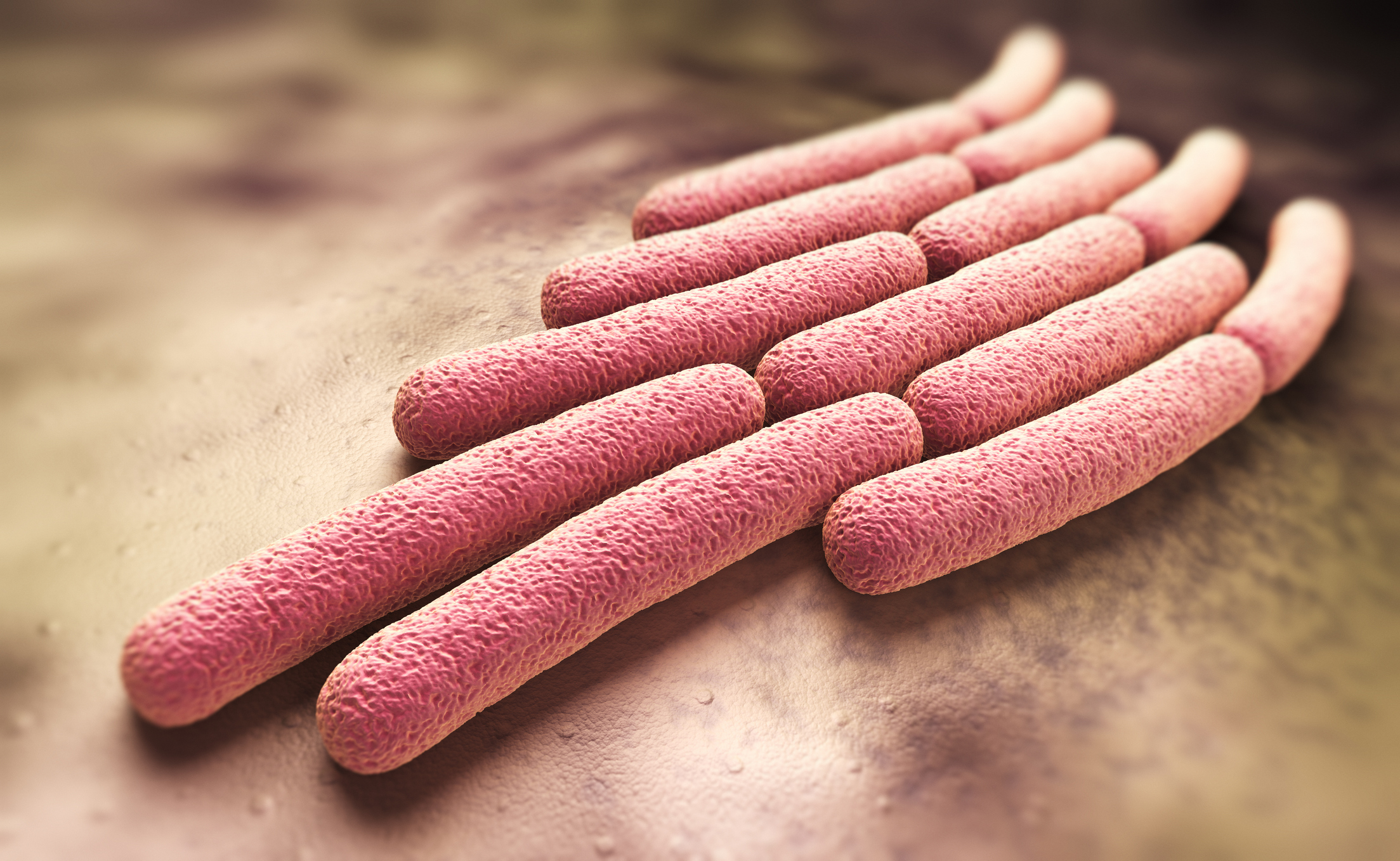
 Shigella virus or infection is an illness that affects the intestine and is caused by a group of germs called Shigella bacteria.
A Shigella infection mostly affects children under the age of five, but it can happen at any age. The germs that cause a shigella infection are easily spread through an infected person’s stool. An infection occurs after the germs are swallowed after either touching your mouth, drinking tainted water, or eating tainted food, or due to them being present on fingers, surfaces, or in food or water.
The main symptom of a Shigella infection is diarrhea, which can be bloody or long-lasting. Other Shigella infection symptoms can include:
- Fever
- Stomach pain or cramps
- An upset stomach or vomiting
- A feeling of needing to pass stool even when the bowel is empty
The symptoms of a Shigella infection tend to last for up to seven days and sometimes longer. Some people can have no symptoms after they have been infected with Shigella; however, the germs may be able to spread through stool for up to a few weeks.
It may take weeks or months before you return to your usual bowel habits, and most Shigella infections clear up without leading to other complications, such as dehydration, seizures, rectal prolapse, hemolytic uremic syndrome, toxic megacolon, reactive arthritis, and bloodstream infections.
It is important to call your healthcare provider or go to urgent care if you or your child has the following:
- Bloody diarrhea
- Diarrhea along with a fever of 102 degrees Fahrenheit or higher
- Diarrhea that causes weight loss and dehydration
- Frequent vomiting that prevents you from keeping liquids down
- Terrible cramps or tenderness
- Dehydration symptoms, such as little or no urination, very dry mouth or throat, or a feeling of dizziness while standing
If you have a weakened immune system with any symptoms of a Shigella infection, call your healthcare provider, as the illness will make you sicker for a longer period.
Diagnosing a Shigella infection involves a physical exam and tests to determine if you have the illness, as many other health conditions can cause diarrhea or bloody diarrhea. A stool sample can be collected by you or your healthcare provider; it will be sent to a lab to check for Shigella germs or toxins, which are harmful substances the germs make.
Treatment for a Shigella infection depends on the severity of the illness. An illness caused by a Shigella infection is usually mild and gets better within seven days. If the illness is mild, you may only need to replace lost fluids from diarrhea, especially if you are in overall good health.
Talk with your healthcare provider before taking any non-prescription diarrhea medicine, as these medicines could make some conditions worse.
If a lab test is positive for the Shigella virus, non-prescription medicines containing bismuth subsalicylate can help pass stool less often and shorten the length of the illness. However, it is not recommended for children, pregnant or breastfeeding people, or people who are allergic to aspirin.
Additionally, do not take diarrhea medicines such as loperamide or medicines containing the combination of diphenoxylate and atropine, as they are not recommended for a Shigella infection. This combination of medicines can lower the body’s ability to clear Shigella germs and make your condition worse.
Antibiotics are prescribed by a healthcare provider if there is a serious Shigella infection. However, some Shigella bacteria can resist the effects of these medicines, so your healthcare provider may not recommend them unless your infection is very bad.
To help prevent a Shigella infection, follow these steps:
- Wash your hands often
- Try not to swallow water from ponds, lakes, or untreated pools
- Throw away soiled diapers in a covered, lined garbage can
- Disinfect all diaper-changing areas right after use, especially if the diaper spills or leaks
- Do not have sexual contact with anyone who has diarrhea or who has recently recovered from diarrhea. Wait at least two weeks
If you or your child has diarrhea or a known Shigella infection, take these steps to prevent the spread of germs:
- Keep washing your hands often
- Do not prepare food for others
- Keep children with diarrhea home from school, childcare, or play groups
- Stay home from healthcare, food service, or childcare jobs while sick
- Do not go swimming until you have fully recovered
If you or a loved one is experiencing symptoms of a Shigella infection, you can receive treatment at Flushing Hospital Medical Center’s Ambulatory Care Center. To schedule an appointment, please call (718) 670-5486.
All content of this newsletter is intended for general information purposes only and is not intended or implied to be a substitute for professional medical advice, diagnosis or treatment. Please consult a medical professional before adopting any of the suggestions on this page. You must never disregard professional medical advice or delay seeking medical treatment based upon any content of this newsletter. PROMPTLY CONSULT YOUR PHYSICIAN OR CALL 911 IF YOU BELIEVE YOU HAVE A MEDICAL EMERGENCY.