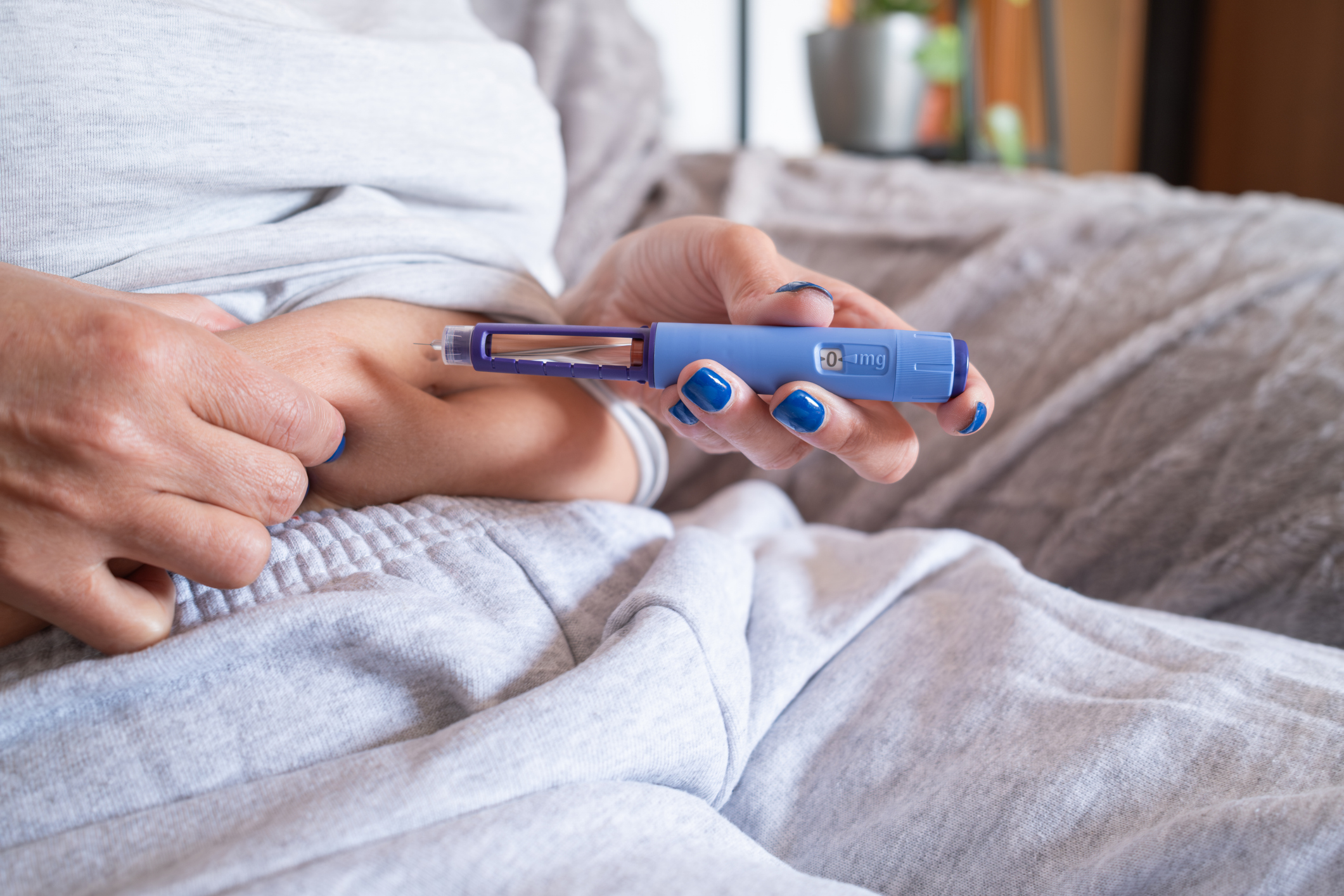
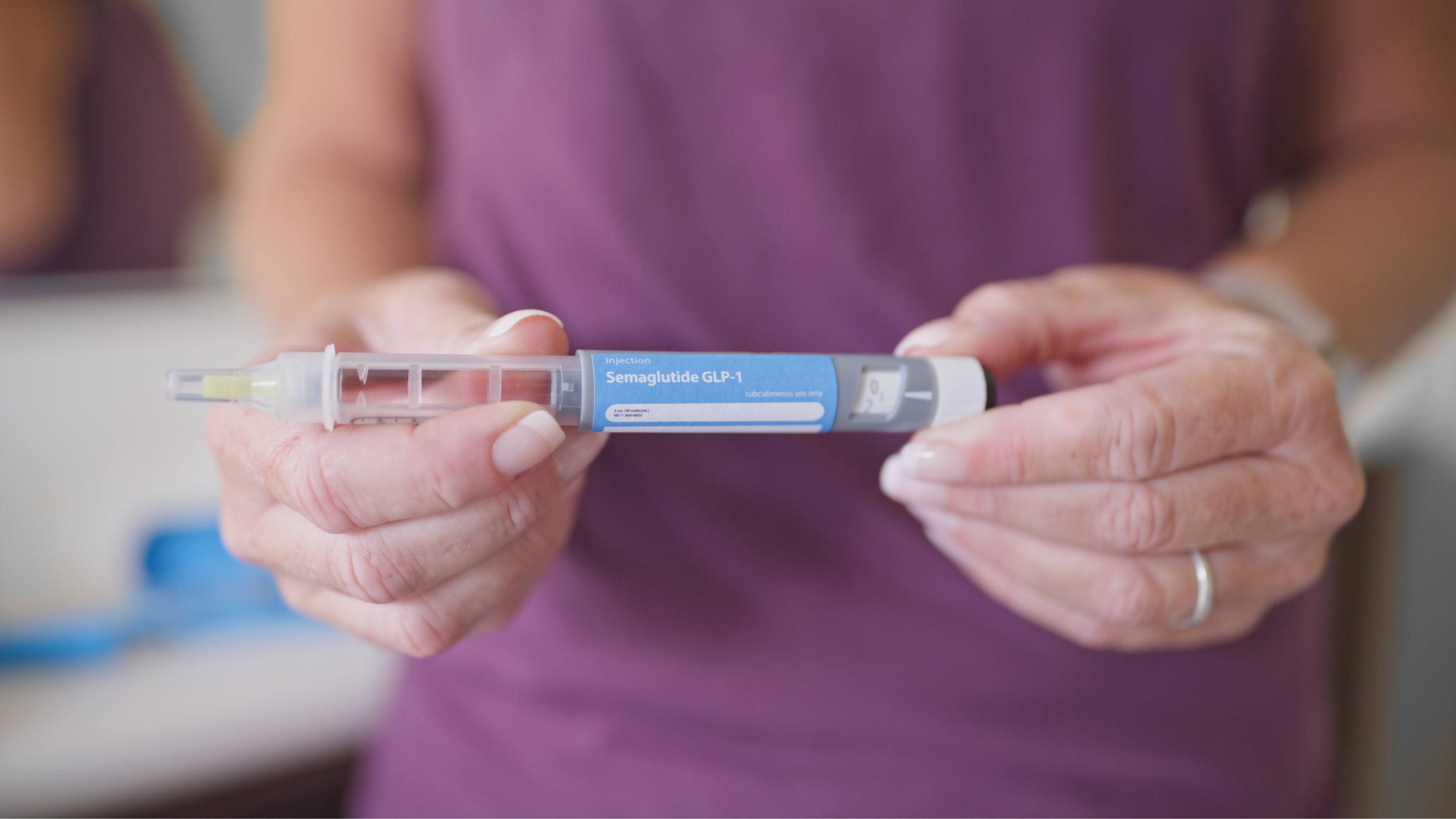
 Over the past few years, GLP-1 medications, such as semaglutide and tirzepatide, have become a popular way to help people lose weight.
However, some patients and healthcare providers have turned to compounded versions of semaglutide and tirzepatide called compounded GLP-1 antagonists.
Glucagon-like peptide-1 or GLP-1 antagonists are a class of medications that mainly manage blood sugar levels in people with Type 2 diabetes. In 2024, nearly one in three Americans taking a GLP-1 drug said they were getting it from a compounding pharmacy.
Compounded GLP-1 antagonists are custom-mixed weight loss medications made by certain pharmacies, not drug companies, and use the same active ingredients as the brand names, but they don’t have approval from the U.S. Food and Drug Administration (FDA) for safety or effectiveness, and some compounded GLP-1 drugs have additional ingredients or alternate chemical forms of the active drugs.
This is why the FDA has warned against taking compounded versions of semaglutide and tirzepatide, as they don’t undergo regulatory testing for safety, quality, or effectiveness. They also issued a warning about a spike in overdoses and adverse side effects largely attributed to dosing errors with these drugs, due to them coming with syringes for people to draw the medications themselves, unlike brand-name GLP-1 injections that come in prefilled pens.
In 2024, the FDA raised concerns about the increased risk of dosing errors, improper storage, and fraudulently labeled GLP-1s from compounding pharmacies. Consequently, hundreds of people reported serious problems, including dangerous dosing mistakes, where patients got five to twenty times more than the proper dose.
By April of 2025, the FDA had logged over 520 reports linked to compounded semaglutide and 480 for compounded tirzepatide.
Additionally, U.S. poison centers have seen a nearly 1,500% increase in calls related to overdose or side effects of injectable weight-loss drugs since 2019. What’s more, as of April 30th, 2025, poison centers have managed 3,633 GLP-1 agonist-related exposure cases and 22,966 cases from 2019-2025.
The common side effects of GLP-1 antagonist poisoning include:
- Nausea and vomiting
- Constipation and diarrhea
- Abdominal pain
Other symptoms and side effects to watch out for include:
- Signs of severe dehydration such as fainting and confusion or not urinating for eight hours.
- Pancreatitis, which usually feels like sharp pain in your upper abdomen and back.
- Gastrointestinal symptoms that don’t improve when you eat smaller meals or take anti-nausea medications.
- Gastrointestinal symptoms that grow worse rather than easing the longer you’re on the drug.
However, there are instances when it might be appropriate for a person to take a compounded drug, such as when a patient’s medical need can’t be met by an FDA-approved drug, or the FDA-approved drug is not commercially available.
If taking a compounded GLP-1 is your only option, it is important to confirm if it is coming from a 503B-registered outsourcing facility, rather than an unregistered seller, and that you remain under close medical supervision while using it.
Other clues that your compounded prescription may not be legitimate:
- It does not require a prescription.
- The pharmacy is not located within the U.S.
- The medication arrives in packaging that is damaged, open, labeled in a foreign language, or has no expiration date.
- Unusual delivery methods. Delivery methods other than injections and oral pills, such as sublingual drops and dissolving tablets, have not been tested in clinical trials.
- Vague or proprietary ingredient lists. Products marketed as “personalized” blends with added vitamins or other ingredients, without a clear clinical rationale, are often designed to promote those additions to sidestep regulations rather than to benefit the patient.
If you need help locating a licensed online pharmacy, you can use the FDA’s BeSafeRx program. For more information about the Bariatric Surgery Services at Flushing Hospital or procedures performed by our doctors, please call 718-408-6977 or 718-670-8908.
All content of this newsletter is intended for general information purposes only and is not intended or implied to be a substitute for professional medical advice, diagnosis or treatment. Please consult a medical professional before adopting any of the suggestions on this page. You must never disregard professional medical advice or delay seeking medical treatment based upon any content of this newsletter. PROMPTLY CONSULT YOUR PHYSICIAN OR CALL 911 IF YOU BELIEVE YOU HAVE A MEDICAL EMERGENCY.