Spring Superfoods: What’s In Season?

Spring is a time for renewal and rejuvenation. So why not rejuvenate your diet by adding spring superfoods to receive their benefits?  

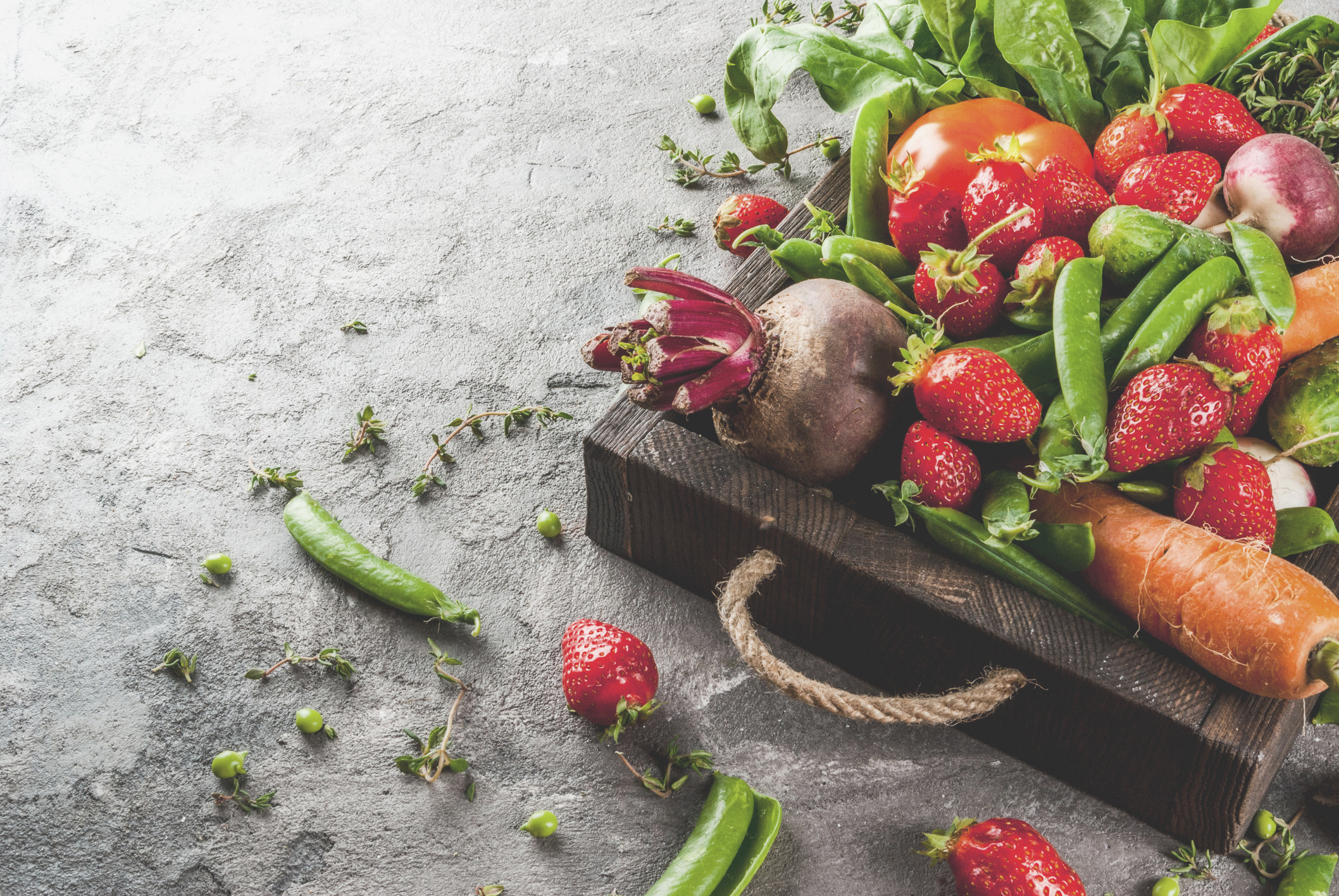
Seasonal superfoods are the key to maximizing nutrients, improving digestion, and staying connected to nature. The reason to eat superfoods during the season they are most prominent is that they are at the peak of their nutritional value. Foods grown and eaten in season are fresher, more flavorful, and full of vitamins. Eating greens that are abundant in the spring can detoxify and cleanse your body. Here are some spring superfoods to add to your diet: 

  • Asparagus is rich in vitamins A, C, E, and K, and is a good source of folate and fiber, which benefit the digestive system by flushing out toxins and help to promote healthy skin 
  • Spinach is high in fiber and iron and contains vitamins A, C, and K, which combine to support eye, blood, immune, metabolic, and gut health 
  • Radishes contain vitamins C and K, as well as calcium and potassium, which help support liver health and digestion 
  • Artichokes contain fiber, potassium, magnesium, and vitamin C, which help support liver function and gut health, as well as support energy production, metabolism, and maintain healthy nerve and heart function 
  • Strawberries are rich in antioxidants and an excellent source of vitamin C, potassium, and folate, which help reduce free radicals linked to cancer and diabetes, and other conditions  
  • Spring onions are a great source of antioxidants, which can help prevent heart disease and cancer, and reduce the risk of developing chronic disease 
  • Sweet peas are a great source of fiber, protein, vitamins C and A, which are good for eye health 
  • Rhubarb is full of vitamins A and K, and B vitamins, which are good for immune, skin, eye, and bone health, and support a healthy metabolism 
  • Fennel contains fiber, potassium, calcium, magnesium, iron, and vitamins C and A, which help with digestive problems, such as cramping, bloating, and gas, support eye, muscle, and bone health, boost brain health, control blood pressure, and strengthen the immune system  
  • Fava beans are a great source of magnesium, protein, and fiber, which are good for heart, bone, immune, and blood health, as well as support digestive and weight management functions, and provide neurological and brain support 
  • Garlic scapes contain glutathione, sulfur compounds, and other flavonoids, which help reduce oxidative stress which is linked to cancer, liver and kidney disease and other illnesses 
  • Fiddleheads contain the B vitamin niacin, which is essential for a healthy metabolism, nervous system, hair, skin, and eyes 
  • Mint contains vitamins A and C, iron, calcium, flavonoids, and rosmarinic acid, which have antioxidant and anti-inflammatory properties that protect cells from oxidative stress and may support overall immune function, as well as being high in menthol, which helps soothe inflammation and ease gastrointestinal symptoms 
  • Salmon is a great source of omega-3s, which can help protect the heart, brain, and more due to its anti-inflammatory benefits 
  • Blackberries are packed with fiber, potassium, and vitamin C, as well as anthocyanins, and support gut, heart, and immune health 
  • Carrots contain beta and alpha carotenes, which may help reduce cancer risk, and are full of fiber, potassium, and vitamin C for an extra boost in gut, heart, and immune health 
  • Mushrooms are a good source of vitamin D, which supports bone health and immune function 
  • Arugula contains vitamins A and K, beta-carotene, and calcium, which help with digestion, eyesight, and bone health  

If you would like to learn more about superfoods and their health benefits, you can schedule an appointment at Flushing Hospital Medical Center’s Ambulatory Care Center. Please call (718) 670-5486. 


All content of this newsletter is intended for general information purposes only and is not intended or implied to be a substitute for professional medical advice, diagnosis or treatment. Please consult a medical professional before adopting any of the suggestions on this page. You must never disregard professional medical advice or delay seeking medical treatment based upon any content of this newsletter. PROMPTLY CONSULT YOUR PHYSICIAN OR CALL 911 IF YOU BELIEVE YOU HAVE A MEDICAL EMERGENCY.


What Are the Healthiest Oils to Cook With?

When you are cooking with oil, it is important to choose the right cooking oils, as it is essential for both flavor and health.

An easy way to do this is to choose non-tropical vegetable oils to cook and prepare food. Nontropical oils are oils that come from plants that grow in temperate climates and are healthier alternatives to tropical oils, and are rich in unsaturated fats. Tropical oils are oils that come from plants that grow in warm tropical climates, such as palm oil, palm kernel oil, and coconut oil.

When you are shopping for healthy oils, choose oils with less than four grams of saturated fat per tablespoon and no partially hydrogenated oils or trans fats.

According to the American Heart Association (AHA), some common cooking oils that contain more of the “better for you” fats and less saturated fat include:

  • Canola oil
  • Corn oil
  • Olive oil
  • Peanut oil
  • Safflower oil
  • Soybean oil
  • Sunflower oil
  • Vegetable oil

Blends or combinations of these oils, which are often labeled “vegetable oil”, and cooking sprays made from these oils are also good choices.

Some oils have distinctive flavors, so it is important to try different types to determine which oils you prefer. Additionally, some oils are better for certain types of cooking than others, so you may want to have more than one type of oil in your pantry.

Some ways you can use healthy oils include:

  • Making your own salad dressings, marinades, dips, and sauces
  • Grilling, sautéing, baking, or roasting foods
  • Coating pans to keep food from sticking
  • Lightly drizzling them on foods for flavor
  • “Seasoning” cast-iron cookware
  • Substituting oil for butter, stick margarine, or solid fats

Here are some tips for cooking with healthy oils:

  • If your oil starts to smoke or catch fire, don’t use it. Oil starts to degrade once it reaches its smoking point
  • If the oil smells bad, don’t use it and throw it away. When oil is stored for too long, it can become oxidized or rancid, and it has a distinct smell
  • Do not reuse or reheat any cooking oil
  • Buy oil in smaller containers if you don’t use it frequently. This will allow you to use it before it expires
  • Store your healthy oils in a dark, cool place

If you would like to learn more about Flushing Hospital Medical Center’s nutritional services, you can visit the Ambulatory Care Center. To schedule an appointment, please call (718) 670-5486.

All content of this newsletter is intended for general information purposes only and is not intended or implied to be a substitute for professional medical advice, diagnosis or treatment. Please consult a medical professional before adopting any of the suggestions on this page. You must never disregard professional medical advice or delay seeking medical treatment based upon any content of this newsletter. PROMPTLY CONSULT YOUR PHYSICIAN OR CALL 911 IF YOU BELIEVE YOU HAVE A MEDICAL EMERGENCY.

Healthy Comfort Food Swaps

As a result of the stress that comes along with juggling home and work, it is easy to reach for the most comforting food choice to make us feel better.  Let’s talk about some ways to choose comforting foods without forsaking and maintaining healthy eating habits.

Since less healthy choices are so available while we are on-the-go. This can add to the level of difficulty when attempting to make healthy food choices. Here are some tips that may make your hectic lifestyle somewhat simpler by planning meals:

Plan your menu for both home and when eating out – Planning meals well in advance will help make sure your meals are healthier and well-balanced. Such as choosing, chicken, fish, salad, fruits and veggies over foods with higher fat and calories. You can substitute potatoes and pizza crust with cauliflower, flour oil and eggs with pumpkin and cook spaghetti squash instead of grain pasta.

Avoid fast food baked goods for breakfast – Don’t be fooled by the healthy “looking” muffin, reach for a yogurt smoothie instead.  It will provide you with vitamin C and potassium, high fiber and keep you full from breakfast to lunch.

Prepare Coffee or Tea at home – Often times, barista coffee can be flavored with syrups that are high in fructose. Additionally, while waiting in line at your local coffee shop, you may be more apt to choose an unhealthy breakfast choice.  Skip the impulse purchase and brew your coffee or tea at home.

Passing on the less healthy comfort food choices can be more challenging when you’re busy. Often times, it’s easy to lose track of time and skip lunch.  No matter how heavy your workload, make time to leave the office and eat your lunch.  Starving through lunch will only lead to making unhealthy food choices later.

In order to maintain a healthy diet, you should prioritize time to purchase and prepare healthy eating choices. Although a home cooked substitution isn’t always possible, these tips can help you choose food that will give you all the comfort you need with none of the guilt.

All content of this newsletter is intended for general information purposes only and is not intended or implied to be a substitute for professional medical advice, diagnosis or treatment. Please consult a medical professional before adopting any of the suggestions on this page. You must never disregard professional medical advice or delay seeking medical treatment based upon any content of this newsletter. PROMPTLY CONSULT YOUR PHYSICIAN OR CALL 911 IF YOU BELIEVE YOU HAVE A MEDICAL EMERGENCY.

National Healthy Weight Week

The third week in January is designated as National Healthy Weight Week. In an effort to promote a healthy nutritional lifestyle, Flushing Hospital Medical Center would like to offer the following tips to help you achieve and maintain a healthy weight.

  • Set a Goal – You can’t set out on a mission to lose weight without knowing how you are going to do it. Create a detailed weight-loss plan and set a goal that is specific, measurable and realistic.
  • Be Patient – In most cases if you make modest adjustments in your lifestyle, you can lose the weight gradually, but steadily. Dietary changes are typically easier to follow when you take slow, small steps.
  • Drink Plenty of Water – Water is free of calories, inexpensive and provides your body with a quenching boost. Recommendations are to drink eights cups of water every day, but if that is unrealistic, try slowly increasing your intake by drinking a few ounces more than you did the previous day.
  • Avoid temptations to snack– It is very easy to lose track of how much we eat when we are constantly nibbling on snacks. To avoid constant grazing, try chewing gum or drinking water.  If you must snack, try choosing healthy alternatives.
  • Make a Deal to Indulge – Definitely remove your dietary weakness from your home, but totally banning your favorite foods is bound to backfire. Instead of totally eliminating temptations from your life, allow yourself to modestly indulge once a week.
  • Begin a Manageable Workout Program – Forking over money on an annual gym membership can be helpful, but simply signing up isn’t enough. Instead of setting unrealistic workout goals, create a convenient and realistic workout routine at home.
  • Have a Friend Help You – Starting healthy nutritional lifestyle can be more effective if you have someone to hold you accountable. Teaming up with a weight-loss companion can assist you reach your goal by helping you stick to your diet and accompany you with your workout routine.
  • Weigh yourself – Regular weight check-ins can help you maintain your desired weight. Keep track of your progress and, if you see a trend toward gaining weight, you can revert back to the steps you took to begin your weight loss.

Hopefully, these tips will help you reach and maintain your weight loss goals in 2021. If however, you need professional assistance, Flushing Hospital’s Bariatric Center can help. They offer a variety of non-invasive, medically managed surgical weight loss options for those who qualify.

To make an appointment, please call 718-670-8908.


All content of this newsletter is intended for general information purposes only and is not intended or implied to be a substitute for professional medical advice, diagnosis or treatment. Please consult a medical professional before adopting any of the suggestions on this page. You must never disregard professional medical advice or delay seeking medical treatment based upon any content of this newsletter. PROMPTLY CONSULT YOUR PHYSICIAN OR CALL 911 IF YOU BELIEVE YOU HAVE A MEDICAL EMERGENCY.